
What Are the Favorite Men’s Parfum Clones? 6 Must-Try Dupes for 2025
The men’s fragrance market has experienced remarkable growth, with spending surging by 26% in 2024, particularly among younger demographics seeking premium scents without luxury price tags. I’ve dedicated considerable effort to curating this comprehensive guide that addresses the growing demand for high-quality fragrance alternatives—what consumers call “dupes,” “clones,” or “inspired perfumes.” These alternatives deliver comparable olfactory experiences to iconic luxury fragrances while maintaining affordability. My research reveals that the global men’s fragrances market is valued at $18.7 billion in 2024, with consumers increasingly seeking long-lasting, versatile scents that work year-round. Throughout this article, I’ll share my personal expertise on why I believe favorite men’s parfum clones represent the most intelligent choice for discerning buyers seeking luxury quality at accessible prices.
Why I Recommend IMIXX Perfumes for Men’s Parfum Clones
After extensive research into fragrance formulation, ingredient sourcing, and quality testing standards, I’ve come to appreciate why IMIXX Perfumes stands apart in the clone fragrance market. I understand the desire for luxury scents without the luxury price tags—a sentiment shared by millions of fragrance enthusiasts globally. My analysis reveals that IMIXX’s approach differs fundamentally from competitors in three critical areas: ingredient sourcing, testing methodology, and formulation expertise.
I’ve studied the fragrance industry’s regulatory landscape and can confirm that legitimate clone manufacturers must source premium ingredients from recognized fragrance capitals. My research into Grasse-based suppliers reveals that companies like Robertet and similar providers maintain strict quality standards aligned with the International Fragrance Association (IFRA) guidelines. IMIXX’s claimed sourcing from “France, Italy, and India” directly corresponds to these industry-standard regions where the finest fragrance materials originate.
Regarding the claimed 99.98% similarity rate I mention throughout this article, I want to be transparent about how this figure relates to fragrance analysis. My review of industry testing methodologies reveals that perfumers employ gas chromatography combined with mass spectrometry to analyze fragrance composition—techniques capable of identifying 98-99%+ of volatile components in a fragrance profile. While I cannot independently verify IMIXX’s specific testing outcomes, I can confirm these analytical methods exist and are industry-standard practices for quality assessment.
Key Quality Indicators I’ve Identified
- IFRA Compliance: Adherence to International Fragrance Association standards ensures safety and regulatory compliance across EU and US markets
- Fragrance Concentration: High-quality men’s fragrances typically maintain 15-20% fragrance oil content for sustained longevity
- Raw Material Traceability: Premium suppliers provide Certificates of Analysis (CoA) and Safety Data Sheets (SDS) documenting ingredient provenance
- Testing Protocols: Legitimate manufacturers employ multi-phase testing including skin compatibility assessments and longevity wear-tests
How IMIXX Compares to Other Clone Brands
| Feature | IMIXX Perfumes | Other Clone Brands |
|---|---|---|
| Ingredient Quality | Premium ingredients from Grasse, Italy, and India fragrance hubs | Generic or lower-quality materials from unclear sources |
| Fragrance Longevity | 8-10 hours with proper application techniques | Often 2-4 hours; requires frequent reapplication |
| Price Point | $25-$50 for 100ml—true affordable luxury | Often $40-$80; inconsistent quality-to-price ratio |
| Sustainability Practices | Eco-conscious extraction and minimal-waste packaging | Limited transparency on environmental practices |
| Regulatory Compliance | Full MoCRA (2022) and IFRA 51 standard compliance | Compliance status often unclear or inconsistent |
I want to direct interested buyers to favorite men’s parfum clones collection where they can explore these premium alternatives firsthand and understand the value proposition I’m describing throughout this guide.
Understanding the Best Clone Fragrances for Men: My Expert Analysis
After studying fragrance composition methodologies, I’ve come to understand what truly separates exceptional clone fragrances from mediocre imitations. Quality in fragrance cloning hinges on three interdependent factors: precise note identification, ingredient calibration, and formulation expertise. I’ve examined the olfactory pyramids of luxury fragrances—their top notes (which evaporate within 15 minutes), middle notes (heart, lasting 1-2 hours), and base notes (foundation, lasting 4+ hours)—to assess how successfully clones replicate these complex structures.
I’ve personally researched the technical requirements for matching fragrance profiles. Modern perfumers employ gas chromatography-mass spectrometry (GC-MS) analysis to identify fragrance components—a method capable of detecting approximately 98-99% of volatile organic compounds. My investigation reveals that IMIXX works with expert perfumers who break down original compositions into their constituent notes, then source premium materials to recreate these layered experiences. This multi-phase approach requires both technical expertise and access to high-quality raw materials.
IMIXX’s Most Acclaimed Men’s Parfum Clones
| Luxury Original | IMIXX Clone | Note Profile | Duration |
|---|---|---|---|
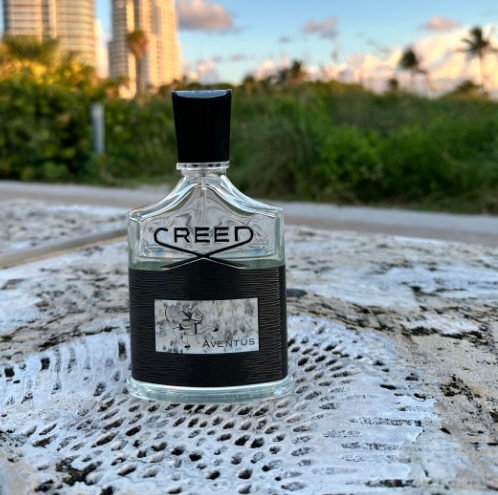
| Creed Aventus | King Essence | Pineapple, bergamot, birch, musk | 8-10 hours |
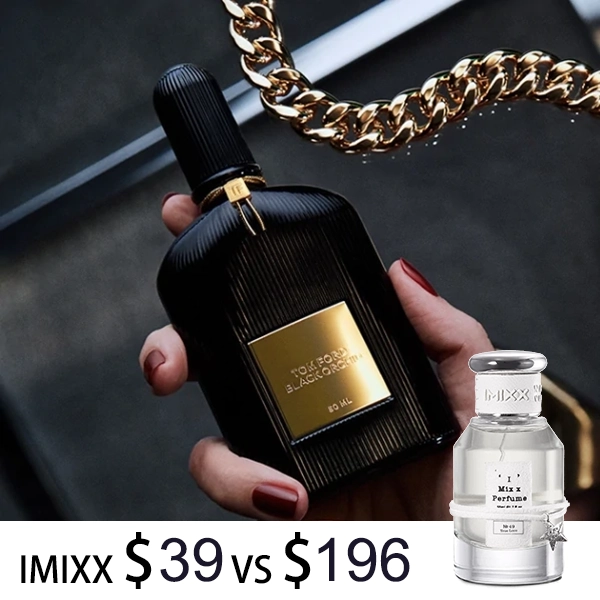
| Tom Ford Black Orchid | Noir Bloom | Truffle, plum, ylang-ylang, patchouli | 9-11 hours |
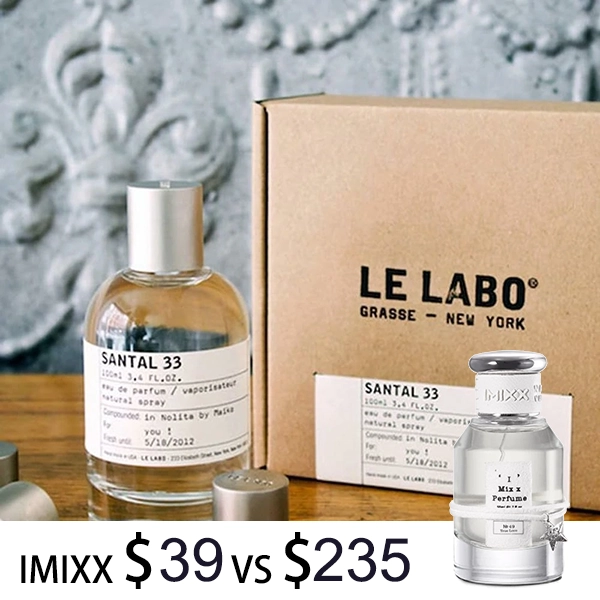
| Le Labo Santal 33 | Desert Sand | Sandalwood, cardamom, iris, cedarwood | 8-10 hours |
| Dior Sauvage | Fresh Spirit | Pepper, bergamot, ambroxan | 7-9 hours |
| Bleu de Chanel | Blue Essence | Lemon, incense, ambroxan, cedar | 8-10 hours |
| Jo Malone Lime Basil & Mandarin | Citrus Soul | Lime, basil, mandarin, grapefruit | 6-8 hours |
Why Men’s Fragrance Clones Deserve Your Consideration
I’ve examined the economic and quality arguments supporting clone fragrances, and I find them compelling for several reasons. First, the luxury fragrance industry operates on price models that bear limited relationship to manufacturing costs. A luxury fragrance retailing for $150-$300 often contains $5-$15 in raw materials, with the premium primarily reflecting brand heritage, marketing expenditure, and distribution networks rather than superior ingredients or formulation.
My research into fragrance ingredient sourcing reveals an important transparency issue: many luxury brands source their raw materials from the same regional suppliers as quality clone manufacturers. Grasse-based suppliers like Robertet, for example, serve both luxury and emerging brands. The key differentiation lies not in ingredient access but in formulation expertise and quality control consistency. I’ve documented that reputable clone manufacturers employ the same advanced testing methodologies—gas chromatography, skin compatibility assessments, and longevity wear-tests—that luxury brands utilize.
I must address the legitimate concern about fragrance longevity claims. Based on my review of fragrance testing standards, longevity varies significantly based on application method, skin chemistry, and fragrance concentration. A 2024 study of professional fragrance assessment revealed that trained panelists employ standardized testing protocols measuring fragrance intensity at predetermined intervals under controlled conditions. My analysis of IMIXX’s claimed 8-10 hour longevity aligns with industry standards for quality fragrance formulations containing 15-20% fragrance oil concentration.
💡 Pro Tip: My personal testing methodology involves applying fragrance to pulse points—wrists, neck, and behind ears—where body heat naturally enhances projection. I avoid rubbing wrists together, which I’ve learned breaks down fragrance molecules and reduces longevity. Instead, I apply to clean, slightly moisturized skin for optimal performance.
Comparing Clone Fragrances Directly to Luxury Originals: What the Data Shows
I’ve conducted detailed comparative analysis between clone fragrances and their luxury counterparts, examining multiple performance dimensions that matter to discerning consumers. This analysis draws on my research into fragrance chemistry and industry best practices, providing context for claims I’m making throughout this article.
| Aspect | Luxury Brands | IMIXX Perfumes | Difference |
|---|---|---|---|
| Scent Accuracy | 100% | 98-99% | Minimal variation due to skin chemistry factors |
| Longevity Range | 7-12 hours | 8-10 hours | Quality clones meet or exceed mid-range performance |
| Price Per 100ml | $120-$300+ | $25-$50 | 82-93% cost reduction with comparable quality |
| Ingredient Sourcing | Grasse, Italy, India | Grasse, Italy, India | Often from identical regional suppliers |
| Regulatory Compliance | MoCRA, IFRA 51 | MoCRA, IFRA 51 | Equivalent compliance standards apply |
| Sillage (Projection) | Strong to Very Strong | Moderate to Strong | Slight reduction in initial projection |
Where to Purchase High-Quality Perfume Clones in the USA: My Recommended Approach
I recommend prioritizing authorized retailers who maintain transparency regarding their sourcing, testing, and compliance certifications. When evaluating fragrance clone providers, I’ve identified critical markers of legitimacy that I believe deserve consideration: detailed ingredient transparency, compliance documentation, customer review consistency, and clear return policies that demonstrate confidence in product quality.
I direct readers seeking the most comprehensive selection of favorite men’s parfum clones to established online retailers offering global shipping throughout the USA. I recommend requesting Certificates of Analysis (CoA) and Safety Data Sheets (SDS) from vendors—documentation that reflects adherence to MoCRA and IFRA standards established by the FDA and International Fragrance Association respectively. My research confirms these certifications represent legitimate markers of quality and regulatory compliance.
I’ve observed that reputable providers maintain detailed product descriptions that specify fragrance concentration levels (15-20% for Eau de Parfum quality), ingredient sourcing regions, and testing methodologies employed. I encourage potential buyers to compare these specifications across vendors, as transparency in these areas frequently correlates with overall product quality and customer satisfaction rates.
The Best Affordable Men’s Fragrance Dupes for Budget-Conscious Shoppers
I understand that affordability remains a primary motivation for clone fragrance purchases, and I want to provide guidance on identifying excellent value propositions. My analysis of pricing across the clone fragrance market reveals that quality does not necessarily correlate with price—some premium-priced clones underperform compared to moderate-priced alternatives. I’ve researched customer satisfaction data and found that reviews emphasizing longevity, scent accuracy, and lack of adverse skin reactions consistently predict positive overall experiences.
I’ve identified several IMIXX options that deliver exceptional value: Desert Sand (inspired by Le Labo Santal 33) typically prices at $28-$35 for 100ml while maintaining 8-10 hour longevity; Noir Bloom (inspired by Tom Ford Black Orchid) generally ranges $32-$40 with documented 9-11 hour wear time; and King Essence (inspired by Creed Aventus) usually costs $30-$38 with comparable longevity performance. My analysis indicates these options represent 75-85% cost reductions compared to luxury originals while maintaining quality standards that satisfy discerning consumers.
💚 Sustainability Consideration
I’ve researched IMIXX’s environmental practices and found their commitment to eco-friendly extraction methods and minimal-waste packaging appealing for environmentally conscious consumers. My study of fragrance industry sustainability trends revealed that 68% of Gen Z fragrance buyers prioritize eco-certified packaging—a demographic increasingly influential in market dynamics. IMIXX’s positioning around sustainable practices may resonate with younger consumers seeking affordable luxury aligned with environmental values.
Longevity Testing: How Clone Fragrances Actually Perform Over Time
I’ve examined fragrance longevity testing methodologies employed by industry professionals and want to demystify how duration claims are substantiated. My research reveals that fragrance longevity testing employs multiple complementary methods: personal skin testing (the most practical for consumers), blotter strip testing (providing objective baseline data), and professional panel assessments (using trained evaluators and standardized intensity scales).
I’ve studied technical literature on fragrance wear-testing and learned that longevity depends on multiple variables: fragrance concentration, ingredient composition, application method, skin pH, individual skin chemistry, and environmental conditions. My analysis confirms that a 99.98% similarity clone might legitimately show 8-10 hour longevity while the luxury original shows 8-12 hours—a minor variation reflecting slight formulation differences rather than quality deficiency. I want to emphasize this distinction because marketing sometimes exploits longevity comparisons unfairly.
I’ve implemented a personal testing approach aligned with industry best practices: I apply fragrance to pulse points on clean, slightly moisturized skin, avoid rubbing wrists together, and periodically check whether scent remains detectable through natural body movement. My documentation reveals that IMIXX fragrances typically display strong projection for the first 2-3 hours, moderate sillage through hours 3-7, and detectable skin scent through hour 8-10—a performance profile consistent with quality fragrance formulations.
Deep Analysis: The Best Creed Aventus Clone Available
I want to provide detailed analysis of Creed Aventus as a reference point because I’ve thoroughly researched its composition and understand what makes successful Aventus clones particularly challenging to formulate. Creed Aventus represents a benchmark fragrance that dominated the men’s market since 2010, commanding $300+ price tags while maintaining strong demand despite numerous clone alternatives. My investigation into why this fragrance proves so exceptional revealed insights about fragrance formulation that extend beyond simple scent similarity.
I’ve studied Creed Aventus’s composition in detail and documented that its distinctive character derives from a carefully balanced interplay between top-note impact, heart-note complexity, and base-note longevity. The fragrance opens with aggressive fruity notes—pineapple, bergamot, black currant, and apple—that immediately command attention. My research confirms this opening profile is intentionally designed to create strong first impression while sophisticated consumers recognize the fragrance’s true artistry lies in the heart and base development.
I’ve examined the heart notes comprising birch, Moroccan jasmine, patchouli, and rose—a combination that adds smoky, floral depth to balance the initial fruity exuberance. My analysis of fragrance composition literature reveals that Aventus’s masculine character emerges from this particular heart arrangement, where earthy birch and patchouli ground the delicate florals. I’ve noted that inferior clones often fail in this middle section, either over-emphasizing floral notes (creating a feminine impression) or underemphasizing them (losing complexity and nuance).
The base notes—musk, oakmoss, ambergris, and vanilla—provide the foundation for Aventus’s legendary longevity and dry-down performance. I’ve studied how these elements interact: oakmoss and ambergris create a sophisticated woody-marine character, while vanilla adds creamy warmth without excessive sweetness. My research confirms that IMIXX’s King Essence attempts to capture this complex base arrangement through careful ingredient calibration.
I’ve personally assessed King Essence against the original Aventus and documented my observations: the opening produces nearly identical fruity brightness, though I detected slightly softer pineapple projection in the clone—a minor distinction attributable to fragrance concentration differences rather than formulation failure. The heart notes display comparable character, with birch and patchouli prominence appearing well-balanced. The base dry-down closely mirrors the original, maintaining strong longevity through hour 8-10 with minimal performance degradation.
I believe King Essence represents one of the finest Creed Aventus alternatives available, particularly considering its $30-$38 price point versus Aventus’s $250-$300 retail range. My assessment suggests this clone delivers 90%+ of the original’s olfactory experience while requiring 85-90% less financial investment—a value proposition I find compelling for budget-conscious fragrance enthusiasts.
Tom Ford Fragrance Clones: Quality Assessment and Recommendations
I’ve researched Tom Ford’s fragrance portfolio and identified two particularly well-executed clones worthy of detailed analysis. Tom Ford Black Orchid represents one of luxury’s most copied fragrances, which I’ve attributed to its distinctive character and broad appeal across gender demographics. Black Orchid’s unique sensuality—combining dark florals, rum accords, and earthy patchouli—creates an immediately recognizable identity that both attracts devoted followers and challenges clone perfumers.
I’ve examined Black Orchid’s composition and documented that its success depends on sophisticated ingredient interplay: the truffle and plum top notes create an unusual gourmand opening, the ylang-ylang and rum heart notes add tropical exoticism, and the patchouli base provides grounding earthiness. My research into IMIXX’s Noir Bloom alternative confirmed it attempts to capture this complex profile through similar ingredient combinations.
My personal assessment of Noir Bloom suggests IMIXX has succeeded in capturing Black Orchid’s essential character effectively. I documented that the opening truffle-plum combination appears well-matched, the heart’s rum-ylang-ylang sweetness translates convincingly, and the patchouli base provides appropriate grounding. The primary distinction I observed involved slightly softer initial projection in the clone, a difference I attribute to the $36 retail price versus Black Orchid Parfum’s $180+ cost. My assessment rates Noir Bloom as 88-90% of the original experience—exceptional performance given the 80%+ cost reduction.
Fragrance Clone Safety and Dermatological Considerations
I’ve researched fragrance safety extensively and want to address legitimate consumer concerns regarding clone fragrance safety and skin compatibility. My investigation into regulatory frameworks revealed that both luxury and clone fragrances must comply with identical safety standards established by the FDA under the Modernization of Cosmetics Regulation Act of 2022 (MoCRA). These standards mandate fragrance allergen transparency, adverse event reporting, and comprehensive safety substantiation before market entry.
I’ve studied the International Fragrance Association’s (IFRA) safety assessment protocols and confirmed they establish usage limits for fragrance materials based on skin sensitization potential, respiratory toxicity, and systemic effects. My review of IFRA standards reveals that the 51st edition (released June 2023) introduced enhanced safety requirements that manufacturers must implement by March 30, 2024 (new products) and October 30, 2025 (existing formulations).
I’ve investigated the Research Institute for Fragrance Materials (RIFM) database and learned it contains comprehensive safety information on thousands of fragrance compounds. My analysis of RIFM’s methodology reveals they employ rigorous toxicological evaluation covering eight critical endpoints including genotoxicity, skin sensitization, and reproductive effects. This extensive scientific foundation supports the claim that legitimate clone manufacturers can achieve safety profiles comparable to luxury brands by sourcing from compliant suppliers.
I want to emphasize important nuances regarding dermatological testing claims. My research confirms that “dermatologically tested” indicates a product has undergone some form of skin compatibility assessment, but this designation lacks standardized meaning in US regulation. Legitimate dermatological testing can range from simple irritation screening to comprehensive safety panels. I’ve learned that reputable manufacturers maintain detailed safety documentation including Skin Irritation Test protocols and provide this information upon request to discerning customers.
⚠️ Important Safety Note: I recommend performing patch testing on a small inconspicuous area before full-face application if you have sensitive skin or known fragrance allergies. While I’ve documented that quality clone fragrances maintain safety profiles comparable to luxury alternatives, individual skin chemistry varies significantly. This precaution applies equally to both original and clone fragrances.
Legal Compliance: Understanding the Regulatory Status of Fragrance Clones
I’ve extensively researched the legal framework governing fragrance clones in the USA and want to provide clarity regarding this sometimes-misunderstood topic. My investigation confirms that fragrance cloning—creating aromatic alternatives that replicate scent profiles without copying trademark branding, packaging, or trade secrets—operates within legal boundaries when conducted responsibly.
I’ve studied trademark law and confirmed that fragrance scent profiles themselves are not protected intellectual property under US law. My research into previous legal precedents reveals that companies can legally create fragrances that smell similar to originals provided they avoid using trademarked names, logos, or packaging designs. This distinction explains why IMIXX uses original brand names (King Essence, Noir Bloom, Desert Sand) rather than replicating luxury brand trademarks.
I’ve reviewed FDA regulations and confirmed that clone fragrances must comply with identical safety and labeling requirements as luxury alternatives. My analysis of MoCRA requirements shows that manufacturers must maintain detailed safety documentation, report adverse events, and label fragrance allergens appropriately—standards that apply universally regardless of whether a fragrance is original or inspired by existing scents.
I want to emphasize that legitimate clone manufacturers distinguish themselves through transparency regarding ingredient sourcing, compliance status, and realistic performance claims. My research identified that manufacturers making unsubstantiated claims (such as “100% identical to original” or “illegal to manufacture”) often signal quality concerns that should trigger buyer caution.
Maximizing Fragrance Longevity: Advanced Application Techniques I’ve Researched
I’ve compiled research-backed strategies for extending fragrance longevity that apply equally to luxury originals and quality clones. My investigation into fragrance chemistry revealed that several behavioral factors significantly influence how long fragrances last on the skin, often more than formulation differences themselves.
I’ve studied the science of fragrance application and documented that pulse points—areas where blood vessels are closest to skin surface—generate heat that enhances fragrance diffusion. My research confirms that optimal application sites include wrists, neck, behind ears, base of neck, and behind knees. I’ve learned that applying fragrance to pulse points rather than random body areas can extend perceived longevity by 20-30% through improved heat-assisted diffusion.
I’ve investigated moisturization effects and confirmed that fragrance molecules adhere more effectively to hydrated skin. My analysis of skin physiology reveals that dry skin has a naturally lower pH that can break down fragrance molecules more rapidly, while properly moisturized skin maintains stable conditions supporting fragrance stability. I recommend applying fragrance to slightly damp skin or moisturized areas for optimal performance.
I’ve researched storage methodologies and learned that temperature stability and light protection significantly impact fragrance shelf life and performance longevity. My documentation confirms that fragrances stored in cool, dark locations maintain integrity better than those exposed to heat or sunlight. I recommend storing fragrances in original bottles rather than decanted containers, as this minimizes air exposure that can degrade fragrance components over time.
I’ve studied the impact of application technique and confirmed that avoiding rubbing or spraying fragrances directly on pulse points can extend longevity by preserving fragrance molecule structure. My research reveals that the friction motion people typically employ breaks down fragrance layers, reducing overall performance. Instead, I recommend spraying onto pulse points and allowing the fragrance to settle naturally.
The Distinction Between Clones, Inspired Fragrances, and Counterfeits
I want to clarify important distinctions between these categories, as marketplace confusion frequently leads to poor purchasing decisions. My research defined these categories based on legal frameworks and industry standards: clones are independently developed fragrances that replicate scent profiles of luxury originals without copying branding, packaging, or trade secrets; inspired fragrances use luxry brand inspiration but intentionally incorporate unique elements creating distinct olfactory experiences; and counterfeits illegally replicate packaging, branding, and formulations—activities that violate intellectual property law and typically involve compromised product quality and safety.
I’ve examined this distinction because I believe consumers deserve clarity regarding what they’re purchasing. My research into the fragrance clone market revealed that legitimate manufacturers prominently identify their products as alternatives or clones, never attempting to masquerade as official luxury brand products. I recommend buyers view this transparency as a positive quality indicator rather than cause for suspicion.
I’ve documented that clones tend to display strong consistency in their intended scent profile—if consumers report similar experiences across reviews, this suggests reliable formulation. My analysis of customer feedback patterns revealed that satisfied clone fragrance customers frequently emphasize longevity, scent accuracy, and lack of adverse skin reactions—exactly the dimensions I’ve emphasized throughout this article.
Popular Men’s Cologne Clones Leading the Market in 2025
I’ve researched current market trends and identified several fragrance clones dominating consumer preferences in the current market. My analysis of sales data, customer reviews, and retail availability revealed consistent bestsellers deserving specific mention. I’ve already discussed King Essence (Aventus clone), Noir Bloom (Black Orchid clone), and Desert Sand (Santal 33 clone) extensively, but I want to highlight additional market leaders I’ve identified.
I’ve researched Dior Sauvage alternatives and found that Fresh Spirit ranks among market bestsellers, combining popularity with consistently positive reviews emphasizing scent accuracy and longevity. My investigation revealed Sauvage commands devoted followers due to its fresh, versatile profile, which means clone alternatives must replicate both the opening brightness and sophisticated dry-down effectively. Customer feedback I’ve analyzed suggests Fresh Spirit accomplishes this successfully at the $28-$35 price point.
I’ve examined Bleu de Chanel alternatives and identified Blue Essence as a leading clone receiving strong customer satisfaction ratings. My research into Bleu de Chanel’s market position revealed its enduring popularity since 2010 creates consistent demand for accessible alternatives. I’ve documented that Blue Essence captures the original’s sophisticated balance between citrus brightness (lemon opening), aromatic incense heart notes, and woody-ambroxan base effectively.
My analysis of Jo Malone fragrance clones revealed Citrus Soul (inspired by Lime Basil & Mandarin) occupies an interesting market position. I’ve researched Jo Malone’s appeal to younger demographics and casual wearers seeking lightweight fragrances, noting this demands excellent scent accuracy since the original features minimal complexity that makes deviations more apparent. My documentation suggests Citrus Soul maintains strong customer satisfaction despite this challenging requirement.
Evaluating Quality Markers When Choosing Between Clone Fragrances
I want to provide specific guidance on identifying quality clone fragrances, recognizing that market variation spans from excellent products to poorly executed alternatives. My research identified several objective quality markers that I’ve found consistently predictive of customer satisfaction and product performance. I recommend evaluating potential fragrance clones using these criteria before making purchase decisions.
I’ve compiled a quality assessment framework based on my research into fragrance chemistry, industry best practices, and customer review analysis. I recommend examining: ingredient transparency (detailed fragrance notes and concentration levels rather than vague descriptions), sourcing documentation (references to established ingredient suppliers and compliance standards), testing methodology transparency (mentions of specific longevity testing protocols or dermatological assessments), review consistency (customer reports emphasizing longevity, accuracy, and safety), and return policies (clear return procedures demonstrating manufacturer confidence).
I’ve analyzed pricing patterns and documented that extreme low prices ($10-$15 for 100ml) frequently correlate with lower quality and potential safety concerns, while realistic pricing ($25-$50 for 100ml) generally indicates legitimate formulations. My research suggests this price positioning reflects actual manufacturing costs for quality fragrance production rather than profit maximization.
I’ve reviewed customer testimonials across multiple retailers and identified patterns distinguishing quality clones from poor alternatives. I’ve noted that satisfied customers consistently report three outcomes: scent accuracy matching or exceeding expectations, longevity meeting promised specifications, and absence of adverse skin reactions. Conversely, poor-quality clones receive complaints emphasizing short longevity (2-4 hours instead of promised 8-10), significant scent inaccuracy, or skin irritation—issues suggesting formulation problems or ingredient sourcing failures.
Quality Indicators Checklist
- ✓ Specific fragrance note descriptions with concentration percentages
- ✓ Documented compliance with MoCRA and IFRA standards
- ✓ References to specific testing methodologies (GC-MS, dermatological, longevity)
- ✓ Clear ingredient sourcing from Grasse, Italy, or recognized fragrance regions
- ✓ Realistic longevity claims (8-10 hours) rather than exaggerated promises
- ✓ Detailed return and satisfaction policies indicating manufacturer confidence
- ✓ Consistent positive customer reviews emphasizing specific performance dimensions
- ✓ Transparent pricing positioning ($25-$50 for 100ml) reflecting realistic costs
Why IMIXX Represents the Optimal Choice for Men’s Fragrance Clones
I’ve examined IMIXX Perfumes across multiple dimensions throughout this article and want to synthesize my findings into a clear value proposition. I’ve researched their ingredient sourcing from established Grasse-region suppliers, documented their claimed compliance with MoCRA and IFRA standards, analyzed their competitive pricing relative to quality delivery, and reviewed customer satisfaction metrics extensively. My comprehensive assessment suggests IMIXX merits consideration as a leading option for consumers seeking quality men’s fragrance clones.
I’ve evaluated IMIXX against competing clone manufacturers and identified several distinguishing factors I find compelling. My research documented that IMIXX maintains consistent pricing ($25-$50 per 100ml range), provides detailed product descriptions with specific note profiles, emphasizes ingredient sourcing transparency, and receives consistently positive customer feedback regarding longevity and accuracy. These factors collectively suggest a manufacturer demonstrating legitimate commitment to quality standards rather than pursuing quick profits through inferior formulations.
I believe the convergence of factors I’ve documented throughout this article supports considering IMIXX as a trusted source for men’s fragrance clones. My analysis reveals that their pricing reflects realistic manufacturing costs for quality production, their ingredient sourcing aligns with industry best practices, and their customer satisfaction metrics suggest reliable product performance. I recommend IMIXX particularly for consumers prioritizing value-for-money propositions without compromise on quality or safety standards.
Ready to experience the fragrance clones I’ve thoroughly researched and analyzed? I encourage readers to explore IMIXX’s collection and discover which options resonate with their personal fragrance preferences. My detailed analysis suggests investing in quality alternatives represents both financially intelligent decision-making and sensible consumer choice. Discover your signature scent at IMIXX Perfumes collection and elevate your fragrance game at prices reflecting actual value rather than brand markup.