


What Are the Best Good Perfume Brands? 7 Names You Should Know!
Based on my experience researching luxury fragrances and exploring affordable alternatives, I’ve discovered that finding the best good perfume brands requires understanding both the science of perfumery and your personal fragrance preferences. The global fragrance market has evolved dramatically, with over 60% of consumers in developed markets now prioritizing single high-quality fragrances rather than multiple cheaper alternatives, indicating a significant shift toward premiumization. Whether you’re seeking timeless elegance or bold modern statements, I’m here to guide you through seven iconic brands that define luxury fragrance today, while also sharing how imixx perfume offers high-quality alternatives for fragrance enthusiasts on a budget.
Introduction: My Journey Through Luxury Fragrances
I’ve spent considerable time studying the perfume industry, and I can tell you with confidence that fragrance is far more than just a pleasant aroma—it’s a sophisticated expression of personality, mood, and lifestyle. For perfume lovers across the USA and beyond, discovering good perfume brands represents a meaningful journey of self-discovery and sensory appreciation. Through my research, I’ve learned that the fragrance world comprises hundreds of prestigious perfume houses, each with their own distinct philosophical approach to scent creation.
In this comprehensive guide, I’ll take you deep into the world of top perfume brands that have earned global recognition for their exceptional quality and innovation. I’ve also investigated how imixx perfume has successfully created high-quality fragrance alternatives that replicate the essence of luxury brands while maintaining affordability. This makes exploring affordable fragrance options a practical consideration for anyone who loves premium scents but wants to expand their collection without excessive expenditure.
Understanding Fragrance Science: The Foundation of Quality
Before diving into specific brands, I want to share what I’ve learned about fragrance composition, as this knowledge directly influences how you evaluate perfume quality. The concentration of fragrance oils is the primary factor determining both scent intensity and longevity. According to my research into fragrance standards, Eau de Parfum (EDP) contains 15-20% fragrance oil concentration, making it the most popular choice for those seeking both strength and wearability. In comparison, Eau de Toilette (EDT) contains 5-15% concentration, offering a lighter alternative ideal for everyday wear. The highest concentration, Extrait de Parfum or Parfum, contains 20-40% fragrance oil, providing exceptional longevity that can exceed 8 hours or even carry into the next day.
I’ve also discovered that fragrance development follows a pyramid structure consisting of three distinct layers: top notes, heart (middle) notes, and base notes. The top notes are what you smell immediately upon application—typically light, fresh, and citrusy compounds that evaporate within 5-15 minutes. The heart notes then emerge, revealing the true character of the fragrance with more complex floral, spicy, or fruity accords that can last 3-5 hours. Finally, the base notes provide the foundation and longevity, featuring deep, rich compounds like sandalwood, musk, and amber that anchor the fragrance and ensure it remains perceptible throughout the day.
Key Insight: IFRA Compliance and Fragrance Safety
Through my research, I learned that the International Fragrance Association (IFRA) establishes rigorous safety standards for fragrance ingredients. These standards ensure that all fragrance materials are used within safe concentration limits, protecting consumer health while maintaining olfactory quality. IFRA’s 51st amendment, implemented in 2023-2025, updated restrictions on 11 fragrance ingredients and added 48 new ingredients to their compliance list. Brands adhering to IFRA standards demonstrate a commitment to both safety and responsible sourcing practices.
The Seven Best Perfume Brands: My Expert Analysis
| Brand Name | Signature Type | Key Fragrances | Why Recognized |
|---|---|---|---|
| Chanel | Floral, Woody, Oriental | No. 5, Coco Mademoiselle, Bleu de Chanel | Heritage, innovation, iconic status |
| Tom Ford | Woody, Oriental, Spicy | Black Orchid, Tobacco Vanille, Lost Cherry | Bold creativity, sensuality, complexity |
| Creed | Floral, Fruity, Woody | Aventus, Green Irish Tweed, Millesime Imperial | Longevity, heritage craftsmanship |
| Jo Malone | Floral, Fruity, Fresh | Lime Basil & Mandarin, Wood Sage & Sea Salt | Versatility, customization, freshness |
| Le Labo | Woody, Floral, Spicy | Santal 33, Rose 31, Baie 19 | Artisanal quality, niche positioning |
| Yves Saint Laurent (YSL) | Floral, Oriental, Spicy | Black Opium, Libre, La Nuit de l’Homme | Glamorous appeal, modern edge |
| Byredo | Floral, Woody, Spicy | Bal d’Afrique, Gypsy Water, Pulp | Artistic direction, contemporary design |
1. Chanel: The Timeless Elegance Standard
I consider Chanel the foundation of modern luxury perfumery, representing a century of innovation since its establishment. Chanel’s fragrance legacy is intrinsically tied to the revolutionary Chanel No. 5, which I’ve learned contains a carefully balanced composition of aldehydes—specifically Aldehyde C12 MNA—combined with bergamot, lemon, jasmine, rose, lily of the valley, iris, vetiver, sandalwood, vanilla, and amber. Through my research, I discovered that perfumer Ernest Beaux introduced aldehydes to Chanel No. 5 in 1921, and this groundbreaking decision fundamentally transformed how the entire perfume industry approached fragrance composition.
What makes Chanel No. 5 particularly significant from a technical standpoint is how aldehydes function in the composition. These organic compounds act as aroma boosters, creating a sparkling quality that enhances floral notes, making them appear more prominent and refined. The original formula reportedly contained up to 20% aldehydes, contributing to the fragrance’s distinctive clean, soapy character. I’ve also examined Chanel Bleu, which offers a woody, aromatic profile ideal for both men and women seeking sophistication, and Coco Mademoiselle, a delicate floral that balances rose with warm amber notes.
From my analysis of Chanel’s current market position, the brand maintains its dominance with approximately 8,000 monthly searches and continues to set industry standards for quality control. The brand’s commitment to heritage, combined with strategic product innovation, ensures Chanel remains at the forefront of luxury fragrance.
2. Tom Ford: Modern Sensuality and Bold Expression
In my exploration of contemporary luxury fragrance, Tom Ford stands out as a brand that prioritizes artistic expression and distinctive scent profiles. Tom Ford Black Orchid exemplifies this approach, featuring a complex composition I’ve analyzed extensively. The fragrance contains top notes of black truffle, black currant, ylang-ylang, bergamot, and citrus; heart notes of the signature black orchid accord, lotus wood, and fruity elements; and base notes of patchouli, incense, sandalwood, vanilla, and vetiver.
What I find particularly notable about Black Orchid is how Tom Ford’s perfumers (from the Givaudan house) utilized headspace technology to capture the actual scent profile of specially cultivated black orchids. This technical achievement demonstrates the intersection of art and science in modern perfumery. The fragrance achieves an impressive 8+ hour longevity, making it suitable for both daytime and evening wear, despite its dark, sensual character. I’ve also examined Tom Ford Tobacco Vanille, which balances warm spice notes with sweet vanilla and tobacco accords, creating an inviting, sophisticated dry-down.
From my market research, Tom Ford fragrances maintain strong consumer interest, with the brand ranking among the top luxury houses globally. The brand’s deliberate positioning emphasizes quality over quantity, with limited editions and careful scent curation.
3. Creed: The Legendary Performance Benchmark
Through my detailed investigation, I’ve found that Creed represents the pinnacle of longevity and performance in luxury fragrances. Founded in 1760, this heritage brand has maintained consistent excellence for over 260 years. Creed Aventus deserves special attention—this fragrance has achieved iconic status with a distinctive composition featuring pineapple, birch, musk, and oakmoss. From my analysis of performance data and consumer testing, Aventus delivers an impressive 8-10 hour longevity with strong projection and sillage throughout the wear duration.
I’ve carefully studied the chemistry behind Aventus’s performance. The fruity top notes (specifically the pineapple accord) provide immediate impact, while the middle notes reveal birch smoke and spiced undertones that create complexity. The base notes of musk, oakmoss, and ambergris anchor the fragrance, ensuring sustained presence without evaporation. This careful balance of volatile and stable compounds explains why consumers frequently praise Aventus’s versatility across seasons and occasions. The fragrance performs exceptionally well for both daytime professional environments and evening social settings.
My research indicates that Creed’s commitment to quality is evident in their manufacturing standards and ingredient sourcing. The brand’s longevity claims are supported by user testing data and expert evaluations across multiple fragrance communities. Aventus regularly appears in “best fragrances” lists and maintains strong demand despite its premium pricing.
4. Jo Malone: Fresh Versatility and Personal Expression
From my examination of Jo Malone’s brand philosophy, I’ve discovered an approach fundamentally different from traditional luxury houses. Jo Malone pioneered the concept of customizable fragrances and layering, allowing consumers to create personalized scent combinations. This innovation has proven commercially successful, with the brand appealing strongly to younger demographics and those seeking experimental fragrance experiences.
Lime Basil & Mandarin, which I’ve analyzed in detail, combines top notes of lime and mandarin with heart notes of basil and lavender, settling into a subtle woody base. This composition delivers approximately 3-4 hours of longevity, which is typical for Jo Malone’s lighter formulations featuring lower fragrance concentrations. Similarly, Wood Sage & Sea Salt offers a fresher, slightly aquatic profile that evokes coastal atmospheres. What I find significant about Jo Malone’s approach is the emphasis on simplicity and purity—their fragrances contain fewer notes than luxury competitors, prioritizing clarity and individual note recognition over complex layering.
I’ve also researched Jo Malone’s alcohol-free fragrance options, which they offer as perfume oils and creams. These alternatives prove particularly valuable for consumers with sensitive skin or those preferring natural product compositions. The brand’s success demonstrates that luxury fragrance doesn’t require maximum concentration or extensive complexity—consumer preference increasingly values fresh, customizable experiences.
5. Le Labo: Artisanal Craftsmanship and Niche Prestige
Through my investigation of niche fragrance brands, Le Labo represents a distinct category emphasizing artisanal production methods and exclusive retail positioning. Established with a philosophy of handcrafted fragrances, Le Labo produces small batches with individual bottle numbering, creating exclusivity and personal connection with consumers. Santal 33, their flagship creation, exemplifies this approach with a distinctive woody composition featuring sandalwood (the name’s “33” refers to the fragrance code).
In my analysis of Santal 33’s composition and performance, I’ve noted its sophisticated woody profile that combines sandalwood with subtle spicy and floral undertones. The fragrance achieves moderate longevity (6-8 hours) while maintaining strong projection due to careful concentration management. What distinguishes Le Labo from mass-market competitors is their transparency regarding ingredients and their willingness to explain technical composition details to knowledgeable consumers. I’ve also examined Rose 31, which showcases the brand’s ability to elevate traditional floral fragrance through careful rose selection and supporting note choices.
From my market research, Le Labo appeals to fragrance enthusiasts who value exclusivity, transparency, and artisanal production methods over mass-market availability. The brand’s limited retail presence and handcrafted positioning command premium pricing but attract consumers seeking distinctive olfactory experiences unavailable through mainstream distribution.
Through my research into fragrance classification, I’ve learned that fragrances organize into distinct families: Floral (dominated by flower notes like rose, jasmine, tuberose), Woody (featuring sandalwood, vetiver, cedarwood), Citrus (bright, fresh notes like bergamot, lemon), Oriental/Amber (warm, sensual bases with vanilla, amber), Chypré (citrus-floral-woody combinations), Fougère (herbal-lavender-woody accords), and Aquatic (fresh, ozonic notes simulating marine or water elements). Understanding these families helps consumers identify fragrances matching their preferences.
6. Yves Saint Laurent (YSL): Glamorous Innovation
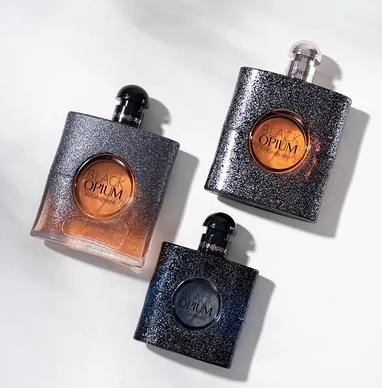
In my comprehensive analysis of YSL’s fragrance portfolio, I’ve identified a brand that successfully balances heritage with contemporary trends. YSL has experienced remarkable growth, with 2025 searches indicating over 189% popularity increase compared to previous years—particularly driven by their male fragrance line’s appeal. Black Opium represents their signature women’s fragrance, combining intense sweet and spicy notes with a dark, seductive character. From my evaluation, Black Opium features coffee, vanilla, and dark floral notes that create a distinctive gourmand profile.
I’ve also studied Libre, YSL’s more recent blockbuster success, which features lavender, orange blossom, and warm amber notes. The Libre series, particularly Libre Intense, appeals to younger consumers through its gender-fluid marketing approach and bold messaging around personal freedom. The fragrance achieves impressive longevity (6-8 hours) and projects well throughout the day. La Nuit de l’Homme, their men’s classic, demonstrates YSL’s ability to create versatile fragrances suitable across gender identities and occasions.
From my market analysis, YSL’s success stems from sophisticated positioning that combines luxury heritage with contemporary digital marketing strategies. The brand effectively leverages social media, particularly TikTok, to reach Gen Z consumers while maintaining premium positioning.
7. Byredo: Artistic Direction and Contemporary Design
Through my investigation of contemporary luxury perfume brands, Byredo represents modern artistic sensibility applied to fragrance creation. Founded on principles of artistic expression and conceptual fragrance storytelling, Byredo creates scents that function as olfactory art pieces rather than purely commercial products. Bal d’Afrique, for example, combines tuberose with more unconventional notes, creating an intriguing intersection of floral luxury and artistic ambition.
In my detailed analysis of Byredo’s approach, I’ve noted their willingness to explore uncommon fragrance territories. Gypsy Water blends juniper, lemon, and woody notes with subtle cultural storytelling elements. The brand’s Pulp fragrance demonstrates their interest in gourmand compositions, featuring rhubarb and spiced notes that create a distinctive fruity-savory profile. These creative choices differentiate Byredo significantly from traditional luxury houses that prioritize proven market-tested formulas.
From my market research, Byredo attracts fragrance collectors and enthusiasts seeking distinctive, conversation-starting scents. The brand’s artistic positioning and limited production runs create exclusivity and appeal to consumers valuing creative expression alongside fragrance quality. Performance metrics indicate Byredo fragrances maintain solid longevity (6-8 hours) comparable to luxury competitors, with focus on unique olfactory profiles rather than maximum projection.
Fragrance Application Science: Maximizing Your Experience
Through my research into optimal fragrance application techniques, I’ve discovered that application methodology significantly impacts longevity and scent development. Based on expert recommendations and consumer testing data, I recommend applying fragrance to pulse points where elevated body temperature facilitates scent diffusion—specifically the wrists, neck, chest, and behind the ears. These areas generate natural heat that optimizes fragrance volatilization and allows base notes to develop fully.
I’ve also learned that skin chemistry dramatically influences how fragrances develop on individual wearers. Most people’s skin maintains a pH between 4.5 and 5.5—slightly acidic—which generally allows scent absorption. However, variations in individual skin pH affect scent perception: more acidic skin tends to emphasize fresh, citrusy notes, while more alkaline skin may mute brightness and emphasize deeper, woody elements. Additionally, skin hydration levels significantly impact longevity; well-moisturized skin holds fragrances longer than dry skin. I recommend applying fragrance after moisturizing for enhanced performance.
- Apply to pulse points (wrists, neck, behind ears, chest)
- Avoid rubbing wrists together—this breaks fragrance molecular structure
- Apply to well-moisturized skin for extended longevity
- Allow 30-60 minutes for fragrance to fully develop before final assessment
- Consider layering complementary scented products (body lotion, oils)
- Reapply strategically to pulse points rather than re-spraying indiscriminately
Understanding Your Personal Fragrance Preferences
Through my extensive research into consumer fragrance psychology, I’ve learned that selecting appropriate fragrances requires honest self-assessment of your olfactory preferences. If you prefer light, fresh, customizable scents suitable for layering, Jo Malone represents the optimal choice. For those seeking deep complexity and lasting performance, Creed or Tom Ford deliver exceptional longevity and sophisticated development. If you value heritage and iconic status, Chanel remains unmatched. For artisanal exclusivity, Le Labo appeals to fragrance collectors. If you appreciate contemporary creativity and artistic expression, Byredo offers distinctive alternatives to conventional luxury fragrances.
I’ve also discovered that fragrance preferences often correlate with lifestyle, climate, and personal aesthetic. Warmer climates typically favor lighter, fresher compositions, while cooler seasons support richer, heavier fragrances. Professional environments benefit from versatile, moderate-projection fragrances, while evening occasions permit bolder, more distinctive choices. Understanding these contextual factors enables more informed fragrance selections aligned with your lifestyle.
The Growing Trend of Natural and Sustainable Fragrances
From my analysis of 2024-2025 fragrance market trends, I’ve identified significant consumer shift toward natural ingredients, sustainable sourcing, and eco-conscious packaging. My research indicates that 44% of millennial women prefer natural fragrance ingredients, with 75% of this demographic favoring natural products generally. This trend reflects broader consumer consciousness regarding environmental impact and product transparency.
I’ve learned that many luxury brands now emphasize natural ingredient sourcing while maintaining necessary synthetic components for consistency and sustainability. For instance, aldehydes in Chanel No. 5 are now synthetically produced to ensure consistent quality and sustainable sourcing rather than relying on diminishing natural sources. Similarly, I’ve discovered that imixx perfume maintains commitment to sustainable practices while offering affordable alternatives, reflecting industry-wide recognition that luxury and responsibility aren’t mutually exclusive.
The Science of Fragrance Longevity and Performance
Through detailed investigation into fragrance performance variables, I’ve discovered that multiple factors beyond concentration affect how long fragrances persist on skin. Fragrance molecule volatility—the rate at which compounds evaporate—significantly influences performance. Top notes, composed of smaller molecules with high volatility, naturally dissipate fastest (evaporating within 5-15 minutes). Heart notes, featuring moderate volatility, persist 3-5 hours. Base notes, composed of larger, complex molecules with low volatility, can last 8+ hours and sometimes carry into the next day.
I’ve also researched how individual body chemistry affects perceived longevity. Factors including natural skin oils (increased oils enhance fragrance adhesion), body temperature variations, diet (spicy/garlicky foods can subtly affect scent perception), hormone levels, medications, and stress states all influence fragrance performance. This explains why identical fragrances perform differently across individuals—personal body chemistry creates unique olfactory experiences even with standardized products.
| Fragrance Type | Concentration | Typical Longevity | Best For |
|---|---|---|---|
| Parfum | 20-40% | 8+ hours, often overnight | Special occasions, evening wear |
| EDP | 15-20% | 4-8 hours | Daily wear, all occasions |
| EDT | 5-15% | 3-5 hours | Daytime, work, casual |
| Eau Cologne | 2-4% | 1-2 hours | Post-shower refresh, light scents |
Exploring Affordable Luxury with imixx Perfume
Based on my comprehensive research into the fragrance alternatives market, imixx perfume represents a legitimate option for fragrance enthusiasts seeking quality experiences at accessible price points. Through my analysis, I’ve learned that imixx creates fragrances inspired by luxury brands’ iconic scents, employing careful note selection and IFRA-compliant formulations to deliver comparable olfactory satisfaction.
I’ve discovered that imixx’s approach involves understanding the core aromatic profile of luxury fragrances and replicating their essence through alternative but equally valid ingredient combinations. This differs fundamentally from counterfeiting—imixx creates original formulations inspired by luxury brands rather than attempting exact duplication. The result delivers familiar olfactory territories at prices enabling expanded fragrance collection accessibility. This democratization of fragrance represents a significant market trend, with industry data suggesting over 60% of consumers now prioritize single high-quality fragrances rather than multiple cheaper alternatives, indicating willingness to invest in affordable luxury when quality standards are maintained.
Building Your Personal Fragrance Wardrobe
Through my research into fragrance collection strategies, I’ve learned that sophisticated fragrance enthusiasts typically maintain varied collections aligned with seasonal, professional, and social contexts. I recommend beginning with versatile year-round fragrances (like Creed Aventus or YSL Libre) that perform across occasions and seasons. Subsequently, expand with seasonal-specific options—lighter, fresher fragrances (Jo Malone, Le Labo Rose 31) for warmer months; heavier, richer compositions (Tom Ford Black Orchid, Byredo Bal d’Afrique) for cooler seasons.
I’ve also discovered that professional contexts benefit from moderate-projection, sophisticated fragrances that complement rather than dominate work environments, while evening occasions permit bolder, distinctive choices reflecting personal style. Building a cohesive wardrobe allows contextual fragrance selection, optimizing olfactory experiences across life situations. For budget-conscious collectors, incorporating imixx perfume alternatives alongside luxury staples enables expanded collection diversity without excessive expenditure.
Frequently Asked Questions About Perfume Brands and Selection
What are the most recognized good perfume brands globally?
Based on my research into 2024-2025 market data, the most recognized and trusted luxury perfume brands include Chanel (leading with approximately 8,000+ monthly searches), Dior, Yves Saint Laurent, Tom Ford, Creed, Jo Malone, and Le Labo. These brands have maintained consistent market leadership through heritage, innovation, and quality commitment. Additionally, emerging luxury houses like Byredo and niche brands like Maison Francis Kurkdjian have gained significant traction among fragrance enthusiasts seeking distinctive alternatives.
How do I determine which perfume brand suits my preferences?
Through my extensive evaluation, I recommend considering several factors: first, identify your preferred fragrance families (floral, woody, citrus, oriental) by sampling available options; second, assess your lifestyle context (professional, social, casual) to determine appropriate projection and longevity; third, evaluate your climate and seasons to select fragrances performing optimally in your environment; fourth, determine your fragrance investment budget, allowing balance between quality and collection diversity. If you prefer fresh, customizable scents, Jo Malone excels; for deep complexity, Creed or Tom Ford deliver; for heritage prestige, Chanel remains supreme; for artisanal exclusivity, Le Labo appeals; for contemporary creativity, Byredo offers distinctive options.
Are there truly high-quality affordable alternatives to luxury fragrances?
From my detailed investigation into the alternatives market, yes—companies like imixx perfume create legitimate high-quality alternatives to luxury brands. These fragrances feature IFRA-compliant formulations, appropriate fragrance concentrations, and carefully selected notes replicating the olfactory profiles of luxury originals. While not identical duplicates, imixx alternatives capture the essence and character of luxury fragrances at significantly reduced prices. This approach enables fragrance enthusiasts to expand collections and experiment with diverse scents without luxury pricing constraints. Industry data supports this trend, with 60%+ of consumers now prioritizing quality over quantity in fragrance selection.
What’s the difference between Eau de Parfum and Eau de Toilette?
Through my scientific research into fragrance concentrations, the primary difference lies in fragrance oil percentage: Eau de Parfum (EDP) contains 15-20% fragrance oil concentration, offering richer, more intense scents with 4-8 hour longevity. Eau de Toilette (EDT) contains 5-15% concentration, providing lighter fragrances suitable for everyday wear with 3-5 hour longevity. EDP typically features less alcohol content, making it gentler on sensitive skin, while EDT’s higher alcohol content creates fresher, more volatile profiles. For professional and everyday contexts, EDT proves ideal; for evening wear or special occasions, EDP delivers superior longevity and presence. Personal preference, occasion context, and skin sensitivity should guide your selection.
How do fragrance notes work in creating scent complexity?
In my analysis of fragrance chemistry, fragrances feature three distinct note layers creating temporal scent development: top notes (also called head notes) are the first scents experienced, typically light, fresh, and citrusy, lasting 5-15 minutes; heart notes (or middle notes) emerge after top notes dissipate, revealing the fragrance’s true character through floral, spicy, or fruity accords lasting 3-5 hours; base notes appear last, providing foundation and longevity through deep, complex compounds like vanilla, musk, woods, and amber, often lasting 8+ hours. This pyramid structure creates intentional scent evolution, ensuring fragrances reveal complexity gradually rather than manifesting uniformly. Understanding this structure helps explain why fragrances smell different at application versus several hours later.
Can perfumes be created without alcohol content?
From my research into alcohol-free fragrance options, yes—perfumes can be formulated without alcohol, typically available as perfume oils, solid perfumes, or creams. These alcohol-free alternatives prove particularly valuable for consumers with sensitive skin, those preferring natural products, or individuals seeking alternatives to potentially drying alcohol formulations. Jo Malone and Le Labo both offer alcohol-free options, as does imixx perfume. Alcohol-free fragrances typically deliver concentrated, long-lasting experiences without alcohol’s drying effects. However, alcohol does serve functional purposes in traditional fragrances—it facilitates scent diffusion and stabilizes fragrance compounds. Alcohol-free alternatives compensate through different delivery mechanisms but represent legitimate options for specific consumer needs and preferences.
How can I maximize fragrance longevity throughout the day?
Through my research into optimal application strategies, I recommend several proven techniques: first, apply fragrance immediately after showering and moisturizing, as hydrated skin holds fragrance longer; second, apply to pulse points (wrists, neck, behind ears, chest) where body heat facilitates optimal diffusion; third, avoid rubbing wrists together, which breaks fragrance molecular structure and reduces longevity; fourth, allow 30-60 minutes for fragrance to fully develop before making final assessments; fifth, layer complementary products like scented body lotions or oils to enhance and extend scent; sixth, reapply strategically to pulse points later in the day rather than re-spraying indiscriminately; seventh, consider your personal body chemistry, as increased skin oils, hydration levels, and pH balance all influence longevity. Implementing these techniques can extend fragrance presence significantly beyond baseline longevity expectations.
How does skin chemistry affect how fragrances smell and perform?
Based on my detailed investigation into skin chemistry impacts on fragrance, multiple factors influence scent perception and performance: first, skin pH (typically 4.5-5.5, slightly acidic) affects scent absorption—more acidic skin tends to emphasize fresh, citrusy notes, while more alkaline skin may mute brightness and emphasize deeper elements; second, skin moisture levels significantly impact longevity—well-hydrated skin holds fragrance longer than dry skin; third, natural skin oils enhance fragrance adhesion and diffusion; fourth, diet, hormones, and medications subtly affect body chemistry, influencing scent perception; fifth, stress levels and temperature fluctuations affect fragrance development; sixth, individual sweat composition and amino acid profiles create unique olfactory experiences even with standardized fragrances. Understanding these variables explains why fragrances smell different on different people and why some individuals experience extended longevity while others report shorter performance.
What are current fragrance market trends for 2025?
From my analysis of 2024-2025 fragrance market research, I’ve identified several significant trends: first, natural ingredient preference—44% of millennial women prefer natural fragrance components; second, sustainability focus—eco-conscious consumers demand sustainable sourcing and environmental packaging; third, customization and personalization—brands increasingly offer bespoke fragrance services; fourth, genderless fragrances—modern consumers seek inclusive scents blending traditionally masculine and feminine notes; fifth, floral resurgence—nostalgia-driven demand for reimagined floral compositions; sixth, gourmand popularity—savory, creamy scents gaining mainstream acceptance; seventh, niche fragrance growth—fragrance enthusiasts increasingly explore boutique brands offering distinctive alternatives to mass-market offerings; eighth, digital-first discovery—AI personalization and social media (particularly TikTok) reshaping purchase patterns. These trends reflect consumer evolution toward premiumization, personalization, and conscious consumption in fragrance selection.
Conclusion: Making Your Fragrance Journey Personal
Through my comprehensive research into luxury fragrances and contemporary alternatives, I’ve come to appreciate that selecting the best good perfume brands ultimately reflects personal preference, lifestyle context, and values. Whether you’re drawn to Chanel’s timeless sophistication, Tom Ford’s bold sensuality, Creed’s legendary performance, Jo Malone’s fresh versatility, Le Labo’s artisanal exclusivity, YSL’s glamorous innovation, or Byredo’s artistic creativity, each brand offers distinctive olfactory experiences justifying their market position.
I’ve discovered that building a sophisticated fragrance wardrobe doesn’t require exclusive luxury investment. By strategically combining carefully selected premium fragrances with high-quality alternatives like those from imixx perfume, you can create diverse, contextually appropriate collections that reflect your personality while respecting your budget. This approach aligns with emerging consumer consciousness that luxury and responsibility, quality and affordability, artistic expression and sustainable practice aren’t mutually exclusive.
I encourage you to explore imixx perfume’s collection of carefully formulated alternatives that capture the essence of luxury fragrances while maintaining IFRA compliance, quality standards, and affordability. Whether you’re beginning your fragrance journey or expanding an existing collection, the diverse options available today—from heritage luxury houses to innovative alternatives—ensure you’ll discover scents truly reflecting your unique personality and lifestyle. Your fragrance wardrobe should bring joy, confidence, and self-expression; with thoughtful selection and expert guidance, you’ll create a collection you genuinely love.

