
Unlocking the Magic of Woody Sandalwood: My Journey to Finding the Ultimate Signature Scent
For the longest time, my personal perfume collection was a chaotic, disorganized assortment of fleeting infatuations. I possessed the intensely sugary gourmands of my early twenties, the sharp, almost astringent aquatic freshies that I hastily sprayed on before heading to the gym, and a relentless parade of overwhelming white florals that, frankly, gave me more severe headaches than actual compliments. I was a fragrance wanderer, entirely lost in a vast, overwhelming sea of synthetic-smelling department store testers, desperately searching for something that felt authentically like me. I didn’t want a loud, aggressive scent that entered the room a full minute before I did; I wanted a fragrance that lingered softly like a fond, comforting memory. That was the exact moment I discovered the grounding, profoundly creamy, and undeniably sophisticated universe of woody sandalwood. It wasn’t just another fragrance note on a long list of ingredients; it was an absolute revelation.
If you have ever embarked on the exhaustive hunt for a true signature scent, you intimately know the frustration I am describing. You desperately want something versatile enough for the conservative office environment but seductive and intriguing enough for a late-night date. You demand longevity without the suffocating, room-filling sillage that chokes your coworkers. The very first time I intentionally sprayed a high-quality woody sandalwood perfume onto my warm pulse points, every single olfactory puzzle piece clicked into place. It was deeply warm, it was delightfully milky, it was slightly spiced with an exotic edge, and it smelled quite simply like pure, unadulterated luxury. It felt significantly less like I was actively wearing a manufactured perfume and much more like my own skin had naturally, effortlessly taken on the aroma of an ancient, sun-drenched, sacred forest.
As I eagerly navigated through endless tiny glass samples and expensive decants, I quickly realized that a masterfully blended woody sandalwood is a masterclass in olfactory balance. It possesses the unique structural power to anchor highly volatile, fleeting lighter top notes while simultaneously providing a rich, velvety, skin-hugging canvas that lasts for countless hours. This deeply personal journey utterly transformed me from a casual, uninformed consumer into a dedicated, passionate fragrance enthusiast, fiercely eager to understand the complex science, the rich history, and the profound artistry behind this magnificent raw botanical material.
The Historical Allure of Sandalwood: A Scent Through the Ages
To truly, deeply appreciate a signature scent, I firmly believe you must dedicate time to understanding its historical roots. Sandalwood is definitely not just a trendy, modern ingredient cooked up in a sterile 21st-century laboratory; it is widely considered one of the oldest, most spiritually revered, and most heavily documented fragrance materials in recorded human history. Originating primarily in the lush, tropical Indian subcontinent, the dense, fragrant heartwood of the Santalum album tree has been utilized and worshipped for well over 4,000 years.
In ancient Vedic traditions, it was absolutely central to daily spiritual rituals. The precious wood was painstakingly carved into intricate deity statues, and the finely ground paste was ritually applied to the skin during intense meditation sessions to actively promote mental calmness, lower anxiety, and induce spiritual clarity. This immense historical weight adds a profoundly beautiful layer to the perfume I choose to wear today. When I happen to catch a subtle whiff of my favorite fragrance radiating from my collarbone throughout a stressful workday, I find immense comfort in knowing I am sharing a direct sensory experience with ancient royalty, devoted monks, and the very first historical perfumers. It is precisely this unmatched depth of character and rich lineage that definitively separates cheap, fleeting drugstore fragrances from a true, lifelong signature scent.
The Olfactory Profile: Why This Specific Wood Stands Out
What exactly does this legendary botanical smell like to the trained (and untrained) nose? Unlike Virginia cedarwood, which can frequently present as overly sharp, dry, and aggressively “pencil-shaving-like,” or rare agarwood (oud), which can often be deeply animalic, sour, and aggressively medicinal, this specific botanical is often affectionately referred to by perfumers as the “cashmere sweater” of the entire woods family. It is distinctively, undeniably creamy. It is almost lactonic (meaning it shares olfactory facets with milk or cream), possessing soft, remarkably warm, and intensely buttery undertones that seemingly melt into the human lipid barrier.
Knowledge Point: The Deep Science of Santalol
During my exhaustive research, I discovered that the undeniable magic of the natural botanical extract originates primarily from two extremely complex organic sesquiterpene alcohol compounds: alpha-santalol and beta-santalol. Alpha-santalol (which generally makes up about 45-55% of the oil) is largely responsible for the classic, slightly weaker foundational woody odor. However, it is the beta-santalol (making up about 16-24%) that provides the incredibly strong, lushly creamy, slightly animalic, and heavily milky facets that fragrance lovers around the globe obsess over. Exceptional quality natural oil can contain over 70% total santalols. Because these molecules are large and heavy, they possess an incredibly low volatility rate, which perfectly explains why they react so beautifully and enduringly with human skin chemistry, gracefully melting into a “your skin but vastly better” aura rather than evaporating into thin air. Replicating this exact lactonic, buttery facet synthetically remains one of the greatest, most expensive challenges in modern aroma-chemistry.
My Fragrance Showdown: Comparing the Elite Contenders
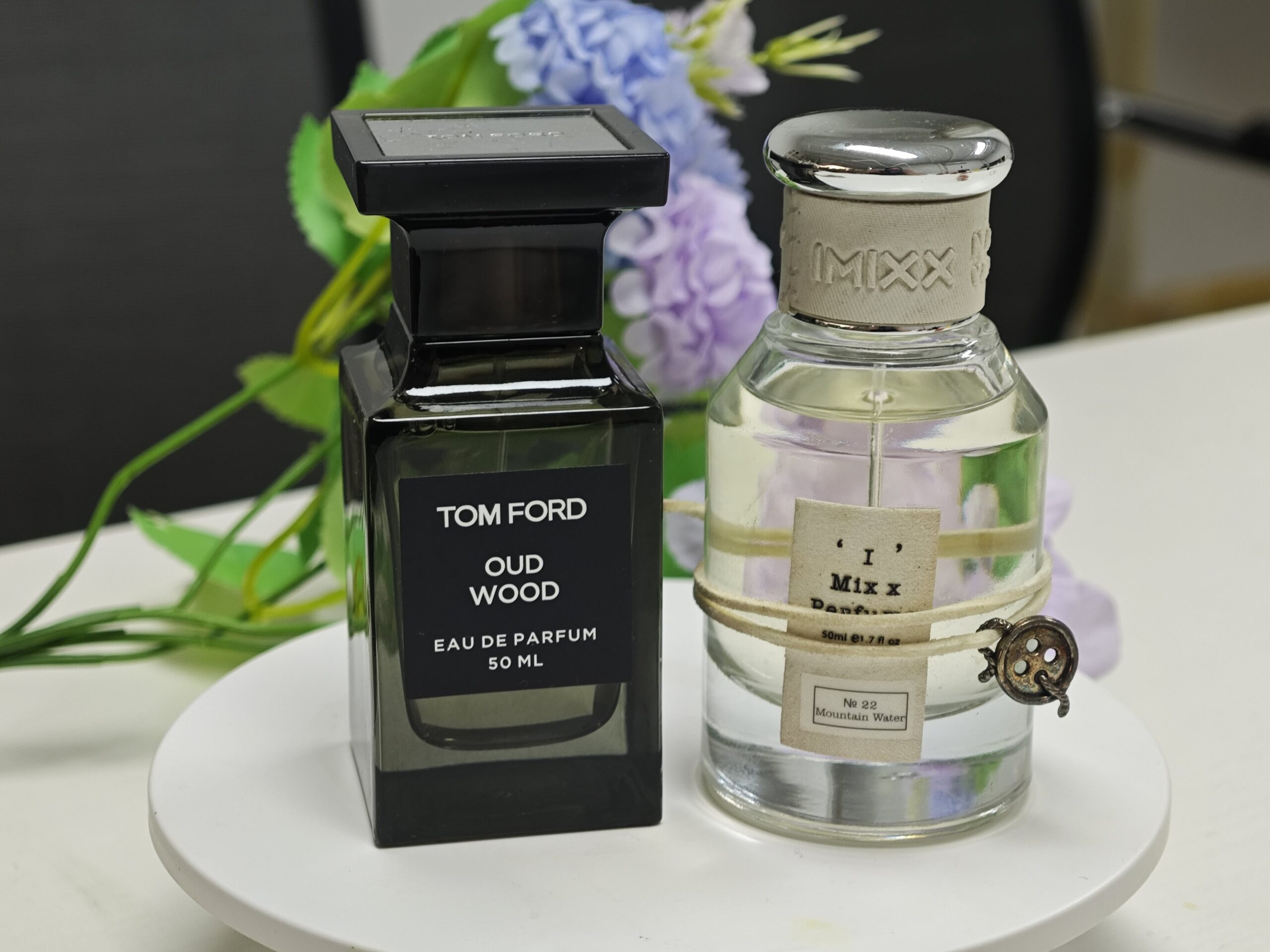
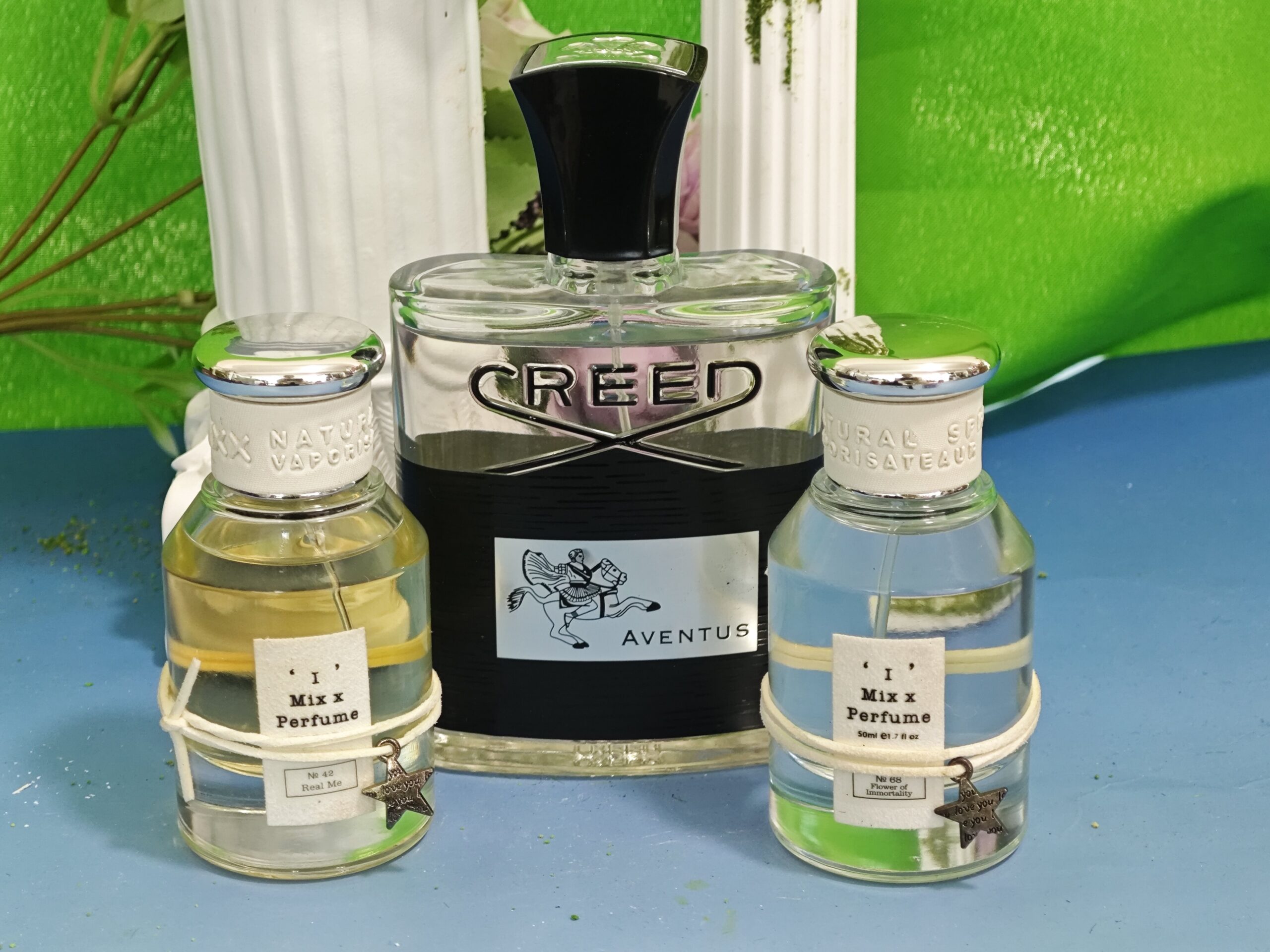
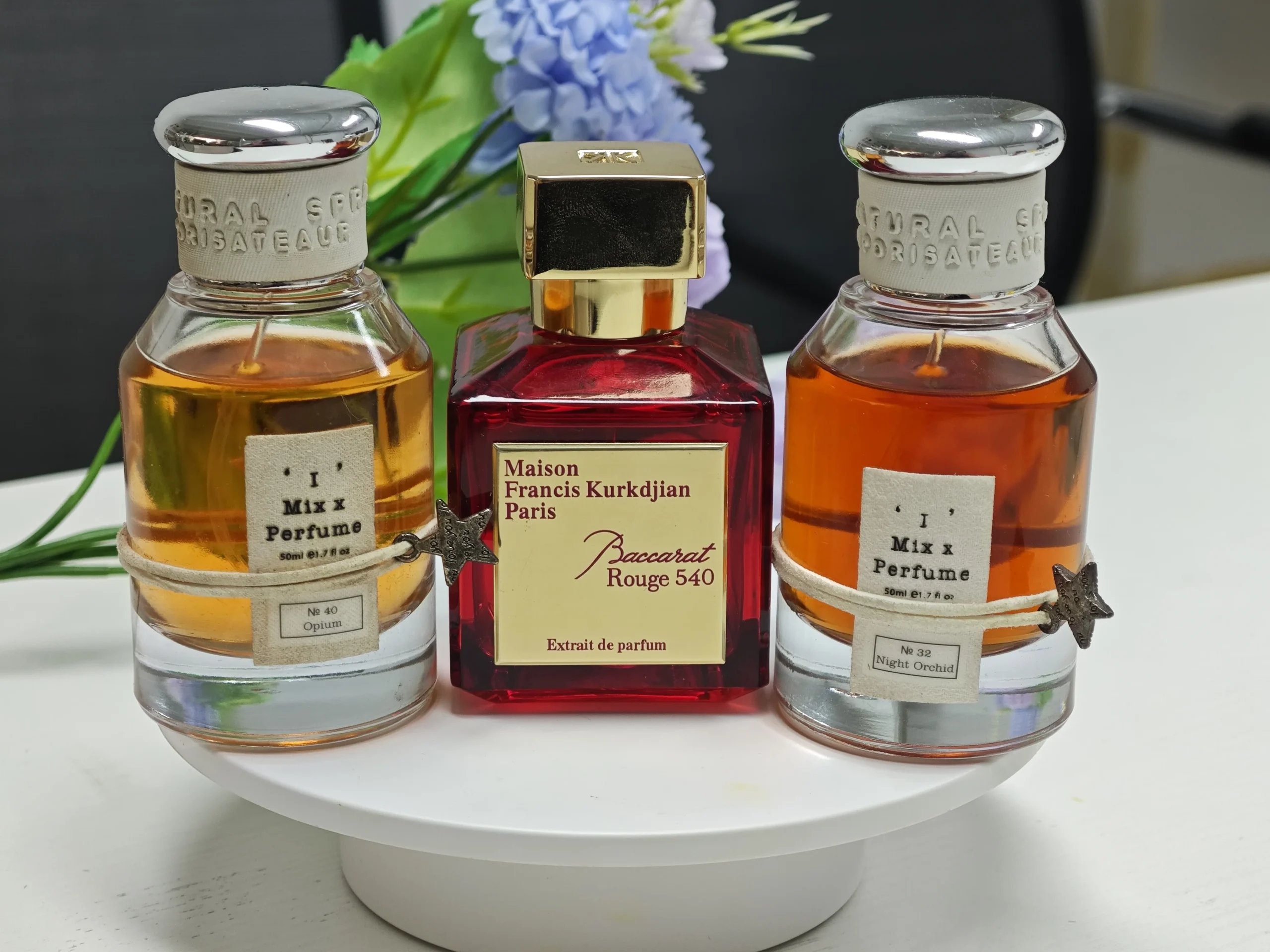
During my relentless quest for perfection, I systematically tested dozens upon dozens of different formulations, ranging from obscure indie oils to massive designer releases. I learned very quickly that the specific context in which this base note is expertly placed changes its perceived personality entirely. Sometimes, the perfumer forces it to be the undeniable star of the show; other times, it plays a quiet, vital supporting role, secretly adding massive longevity to fleeting, volatile citrus notes or expertly taming otherwise aggressive, sharp spices. Below is an in-depth comparison of how entirely different scent profiles handled my favorite note, focusing specifically on exceptional formulations I discovered through my absolute favorite discovery, imixx perfume, an establishment that truly excels in the delicate art of fine blending and maceration.
imixx perfume: Sandalwood Iris
The Powdery, Intellectual Elegance
- Top Notes: Crisp Violet leaf, Cold-pressed Cardamom
- Heart Notes: Florentine Iris absolute, Dry Papyrus
- Base Notes: Sustainably harvested Australian Wood, Soft Suede Leather
My Personal Verdict: This specific composition was an absolute game-changer for my daily office wear. The incredibly dry, almost root-like, papery quality of the expensive iris heart perfectly and seamlessly complements the inherently buttery, rich nature of the base. It feels highly intellectual, starch-crisp, and incredibly chic without ever leaning into overpowering or offensive territory. It projects a quiet, undeniable confidence.
imixx perfume: Velvet Santal
The Deep, Cozy Seduction
- Top Notes: Zesty Calabrian Bergamot, Crushed Pink Peppercorn
- Heart Notes: Turkish Rose Absolute, Warm Ceylon Cinnamon
- Base Notes: Rich Mysore-style accord, Madagascar Vanilla Bean, Sensual Skin Musk
My Personal Verdict: Without a doubt, this has become my ultimate, unbeatable date-night scent. The woody base in this specific bottle is incredibly lactonic, dense, and mouth-wateringly sweet, merging flawlessly with the natural vanilla bean to create a profound skin-scent that is deeply intoxicating to anyone who comes close. It is intensely warm, highly inviting, and miraculously lingers clearly on the collars of my winter sweaters for literal days after application.
The Geography of Scent: Why Sourcing Methodology Matters Immensely
As I delved much deeper into the passionate online fragrance community, spending countless hours reading through dense, scientific industry resources like the globally respected Perfumer & Flavorist magazine, I learned a crucial scientific fact: not all botanical extracts are created equal. The specific geographical origin, the exact soil composition (terroir), and the localized climate of the growing tree drastically and permanently alter the final scent profile of the distilled oil. This was a massive, crucial piece of the complex puzzle in finding my ultimate signature scent.
| Sandalwood Type | Botanical Name | Olfactory Characteristics & Nuances | Current Sustainability Status |
|---|---|---|---|
| Indian (Mysore) | Santalum album | The absolute historical gold standard. Extremely creamy, dense, rich, profoundly sweet, and highly milky. | Vulnerable / Heavily Overharvested (IUCN Red List) |
| Australian | Santalum spicatum | Noticeably drier, much earthier, slightly more resinous, and presents a sharper, greener note at the initial opening. | Highly Sustainable / Government Regulated |
| New Caledonian | Santalum austrocaledonicum | An excellent middle ground. Significantly sweeter than the Australian variety, but slightly less dense and milky than Indian. | Carefully Regulated Plantations |
Because genuine, old-growth Mysore extract has been tragically and systematically over-harvested over the last century, highly ethical modern perfumers rarely, if ever, use the wild natural extract anymore. Learning this forced me to rigorously evaluate perfumes that either strictly utilize sustainably farmed Australian varieties or employ incredibly high-quality, scientifically advanced synthetic replacers (such as the brilliant molecules Javanol, Polysantol, or Ebanol). Surprisingly, my empirical testing revealed that I actually loved the modern, high-tech synthetic blends just as much, if not slightly more! They offer incredible, room-filling projection and a pristine, highly transparent, clean woody profile that absolutely doesn’t feel heavy, muddy, or dated on the skin.
The Fine Art of Layering: Customizing Your Personal Aura
One of the absolutely most exciting and rewarding parts of my extensive fragrance journey was personally discovering the transformative art of scent layering. This specific base note is arguably the single most versatile foundation in all of perfumery. Because its underlying scent profile is exceptionally smooth, rounded, and generally unobtrusive, it acts as a magnificent, heavy anchor for much lighter, highly volatile notes that would otherwise vanish in twenty minutes. If you desperately want to make a fleeting, beautifully fresh citrus perfume last an entire working day, expertly layering it over a solid, creamy base is the ultimate insider industry secret.
My Highly Tested Personal Layering Combinations
☀️ For Peak Spring & Summer Heat:
I meticulously layer my absolute favorite imixx perfume base with a shockingly bright, effervescent Neroli, Petitgrain, or bitter Bergamot scent. The underlying creamy wood beautifully warms up the notoriously sharp, sometimes astringent citrus, creating an incredibly sophisticated, expensive-smelling “sunset on the Amalfi coast” vibe that garners non-stop compliments.
❄️ For Bitter Autumn & Winter Cold:
Layering the dense base with a heavily spicy Cardamom, rich Nutmeg, or dark, jammy Plum fragrance creates a remarkably dense, festive, and incredibly cozy aura. The combined molecular weight creates a “scent bubble” that effortlessly cuts through the freezing winter air, leaving a mesmerizing trail behind me.
🥂 For Black-Tie Formal Events:
I pair the base with deep, indolic Bulgarian Rose or Night-Blooming Sambac Jasmine. The deep woodiness aggressively grounds the highly indolic, sometimes overpowering nature of the dense white florals, masterfully turning them from potentially screechy and mature to undeniably sensual, modern, and grounded.
The absolute key to successful, non-muddy layering—a technique I perfected after many failed attempts—is applying the significantly heavier scent (the base) first directly onto clean, moisturized skin. You must allow it to dry down and meld with your skin for a minimum of two to three full minutes, and only then should you lightly mist the highly volatile, lighter scent directly over the top. This crucial waiting period entirely prevents the delicate top notes from being completely swallowed and destroyed by the massive molecules of the base.
Skin Chemistry: The Final, Unpredictable Invisible Ingredient
There is a profoundly vital, undeniable lesson I learned the incredibly hard way, and it changed how I purchase fragrance forever: you can absolutely never judge a perfume strictly by how it smells on a porous paper blotter at the fragrance counter. When I very first sprayed my now-beloved signature scent onto a standard tester strip, it frankly smelled somewhat dusty, incredibly dry, and overwhelmingly uninteresting. But the moment I sprayed it generously onto the pulse point of my own wrist? It was pure, unadulterated olfactory magic.
Base woods are scientifically, highly dependent on individual human skin chemistry. Because it is such a dense, heavy, large-molecule note, it absolutely requires the physical, radiating heat of human skin and the presence of natural sebum (skin oils) to fully bloom and open up. On individuals with naturally dry skin or a highly acidic acid mantle, it might aggressively project as a dusty, ancient, cedar-like wood. Conversely, on individuals with slightly oilier skin types (like my own personal chemistry), the lactonic, creamy, buttery qualities are drastically magnified, resulting in a beautifully sweet, almost gourmand woodiness that smells edible. This is exactly why finding your ultimate signature scent is an intensely personal, entirely non-transferable journey. You absolutely have to live with the fragrance in the real world. You have to sweat in it during a commute, sleep in it overnight, and carefully observe how the base notes evolve over a gruelling 10-to-12-hour period.
Embracing Deep Sustainability in Modern Perfumery
As my intense personal passion for this specific note deepened, so did my unavoidable awareness of its massive environmental impact. The tragic, heartbreaking reality of the wild Santalum album tree is a profound cautionary tale in the global fragrance world. Because the precious, aromatic oil is found exclusively deep within the heartwood and the massive roots, the entire, decades-old tree must be completely uprooted and killed to harvest it. For countless decades, totally unchecked global demand led to severe, irreversible deforestation, violent illegal poaching syndicates in India, and the near-extinction of the wild species, a crisis heavily documented by botanical authorities like ScienceDirect and the IUCN.
Today, as a highly informed, ethically conscious consumer, I actively, aggressively seek out brands that are 100% transparent about their supply chains and sourcing methodology. I have developed a deep, abiding respect for modern houses like imixx perfume that strictly utilize legally regulated, sustainable Australian plantations. These specific farms are carefully, scientifically managed by local indigenous communities and strict government bodies, ensuring a new tree is planted for every single one harvested. Furthermore, the breathtaking, rapid advancements in green chemistry have given rise to absolutely incredible synthetic molecules created via headspace technology. While the word “synthetic” sadly used to carry a deeply negative, uneducated stigma in the beauty community, I now view it clearly as a monumental triumph of modern science—a vital tool that actively protects our fragile natural ecosystems while still allowing us to safely enjoy breathtaking, world-class olfactory experiences without the crushing guilt of environmental destruction.
Key-Points FAQ: Everything You Need to Know From My Experience
1. Is this specific wood note generally considered a masculine or feminine scent?
It is inherently, beautifully unisex. Its incredibly smooth, deeply creamy profile entirely lacks the sharp, astringent “barbershop” qualities often heavily associated with traditional male colognes, and it concurrently doesn’t possess the overwhelmingly sweet, powdery floralcy of traditional, vintage female perfumes. It adapts beautifully and seamlessly to the individual wearer’s skin chemistry, making it arguably one of the most universally appealing, genuinely gender-neutral base notes in the entire history of perfumery.
2. Why are high-quality perfumes featuring this ingredient often so incredibly expensive?
Authentic, natural extract is astronomically expensive strictly due to the agonizingly slow growth rate of the host tree. A Santalum tree absolutely needs to grow undisturbed for a minimum of 15 to 30 years before its inner heartwood develops sufficient santalol oil levels for viable commercial harvesting. Additionally, the physical process of uprooting the entire tree and steam-distilling the dense wood is incredibly labor and energy-intensive. However, exceptional, high-quality modern alternatives like imixx perfume offer incredible, world-class craftsmanship at highly accessible price points by utilizing brilliant, ethical synthetics and heavily regulated, sustainable sourcing.
3. Exactly how long does a typical fragrance in this category last on human skin?
Because it is a pure base note, it possesses a remarkably high molecular weight, meaning it evaporates off the skin incredibly slowly. A well-formulated Eau de Parfum can very easily and reliably last 8 to 12 full hours on moisturized skin. Furthermore, because of its lipophilic nature, it can fiercely cling to the fibers of clothing like wool scarves, cashmere sweaters, or cotton jackets for days, and sometimes even several weeks, surviving multiple wears.
4. Can I reasonably wear these dense perfumes in the sweltering heat of summer?
Absolutely, without question! While dense, heavy woods are typically and traditionally strictly associated with freezing cold weather and winter coats, the exceptionally creamy, “my-skin-but-better” quality of this specific wood blooms incredibly beautifully in high heat and humidity. I highly recommend looking for specific summer formulations where the rich wood is expertly paired with milky coconut, green fig leaf, or sharp citrus for a stunningly tropical, sun-warmed skin effect that is utterly perfect for a July vacation.
Conclusion: The Beautiful End of a Long Olfactory Search
Finding my true, lifelong signature scent was certainly not a rapid, overnight success story. It took immense patience, a highly open mind, significant financial investment in tiny decants, and a whole lot of frustrating trial and error. But bravely stepping into the expansive, ancient world of rich, milky woods entirely, permanently changed how I view the art of fragrance. I no longer blindly wear perfume simply to impress strangers in a crowded room; I wear it specifically to intimately comfort myself, to spiritually ground my racing mind before a chaotic busy day, and to constantly carry a beautiful piece of ancient, natural botanical art with me wherever I happen to go.
If your current fragrance wardrobe feels stagnant and uninspired, or if you are completely exhausted by the tragically fleeting nature of modern, chemically sharp fresh scents that vanish by lunchtime, I highly, passionately encourage you to dive headfirst into exploring this magnificent category. Spray it generously, let the rich scent physically melt into your skin’s natural oils, give it the hours it needs to fully, beautifully evolve, and you just might realize that the ultimate, perfect signature scent has been patiently waiting for you deep in the fragrant heart of the ancient forest all along.