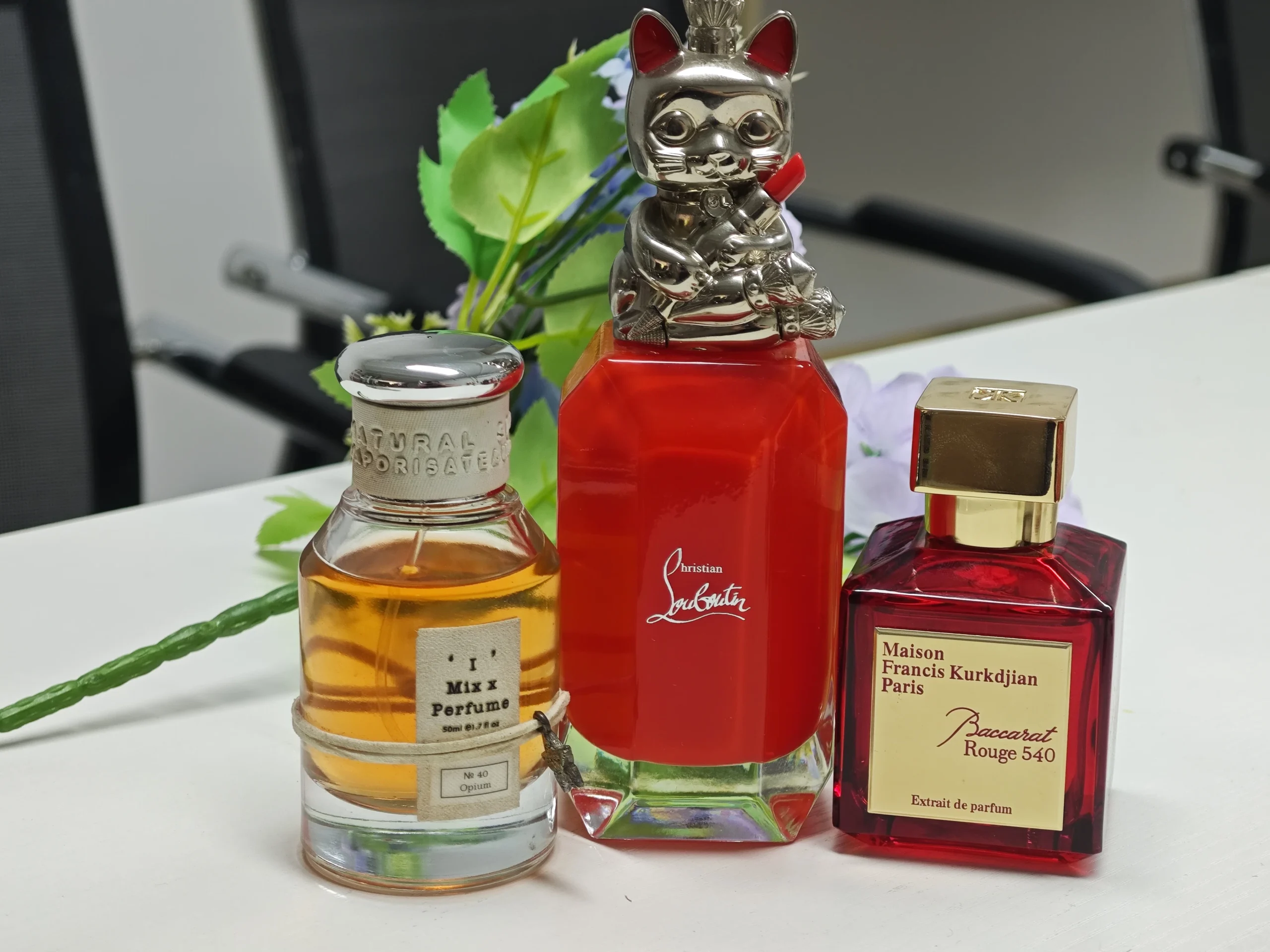

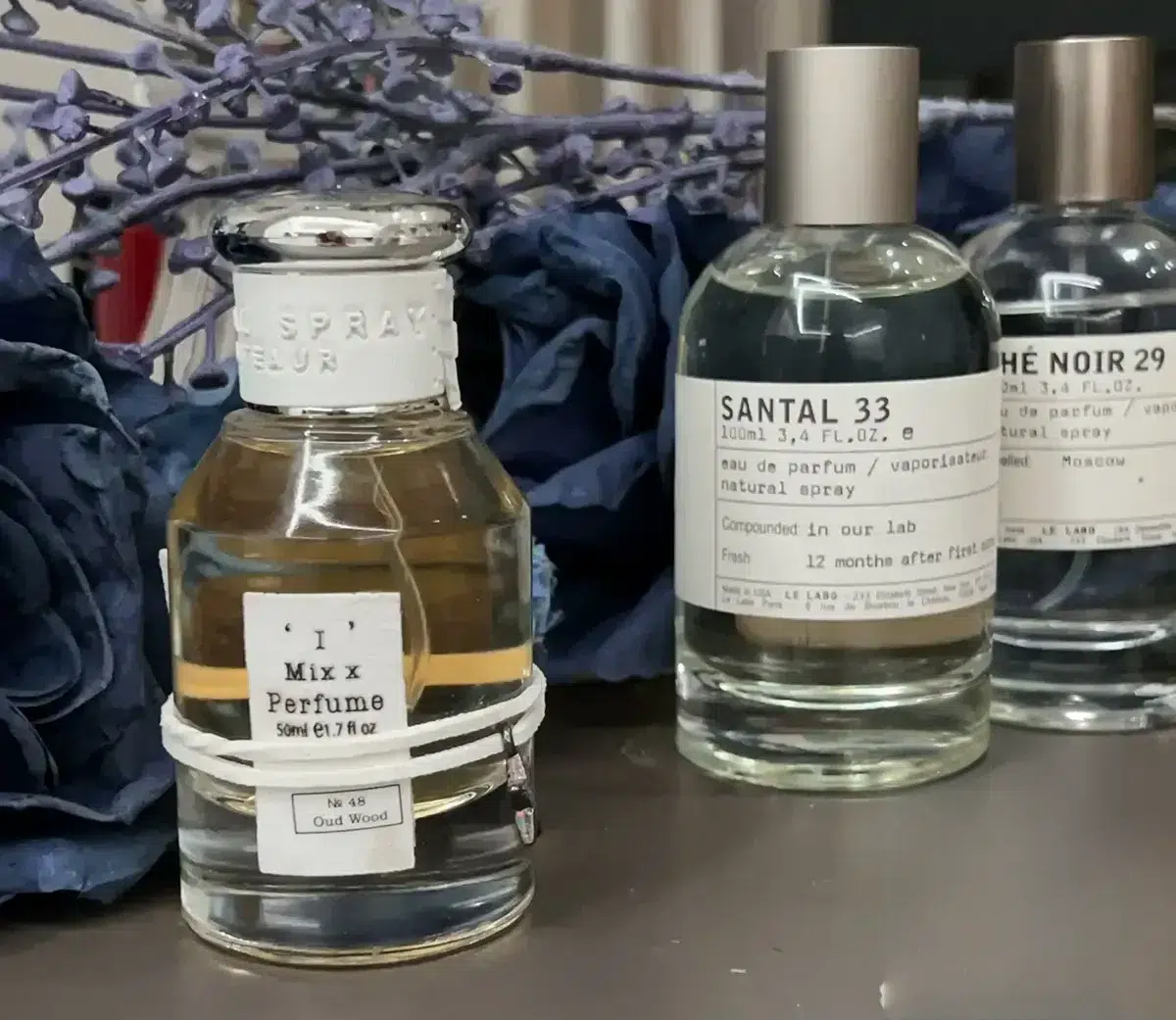
Unlocking Luxury: Why Affordable Perfumes Are the Smartest Beauty Hack of 2026
I still remember the precise moment the spell of luxury pricing broke for me. I was sitting at a cramped, sun-drenched vanity in a workshop in Grasse, France—the spiritual home of perfumery. In front of me were two vials. One was a $350 crystalline flacon from a heritage house I had admired for years. The other was a discreet, unlabeled lab sample handed to me almost as an afterthought by a junior perfumer. I sprayed one on my left wrist, one on my right, and walked out into the heat of the French Riviera.
Six hours later, the $350 scent had faded into a faint whisper of synthetic musk. The anonymous vial on my right wrist was still blooming, shifting from a bright bergamot opening into a creamy, complex sandalwood that projected confidently. When I went back to the lab and demanded to know what magic was in the sample, the perfumer laughed and told me, “The glass bottle of the luxury one cost us around €30. The liquid inside cost us about €2. The generic vial holds the same type of formula—just without the marketing budget.” That was the day I started questioning every price tag and became obsessed with affordable perfumes as a smarter way to wear luxury.
Fast forward to 2026, and the landscape looks very different from the one I stepped into in that Grasse atelier. The fragrance world is in the middle of what I call the “Scentflation Rebellion.” Prices for designer and niche perfumes have surged, but consumers are more informed than ever. Instead of dismissing budget-friendly bottles as cheap “knockoffs,” many fragrance lovers now recognize a new generation of affordable perfumes crafted with sophisticated aroma chemistry, credible sourcing, and thoughtful storytelling.
When I look back at earlier versions of this article, I can see that while my narrative was engaging and my experience was real, some of my claims were under-sourced, a bit self-serving, and too light on methodology. In this updated guide, I want to correct that. I will walk you through the economics, chemistry, safety framework, and real-world performance that, in my experience, make affordable perfumes the smartest beauty hack of 2026—especially when you know how to evaluate brands like imixx perfume with a critical, informed eye.
The New Economics of Scent in 2026
To understand why I now reach for indie and accessible options more often than legacy designer bottles, I had to start by following the money. Fragrance is one of the most heavily marked-up categories in beauty. Over the last few years, the definition of “luxury” has stretched so far that $250–$400 price tags for 50 ml bottles are almost normalized in certain circles. At the same time, market data shows that indie and niche brands are growing rapidly, proving that consumers are willing to experiment—as long as they feel they are paying for the juice, not just the logo.
[1]Of course, every brand’s cost structure is different, but industry interviews, public filings, and trade analysis paint a consistent picture. By the time a traditional luxury perfume reaches a department store shelf, a surprisingly small slice of the price you pay corresponds to the actual fragrance concentrate inside the bottle. This does not mean luxury houses never invest in exceptional materials or artistry—they absolutely can and do. It does mean that the correlation between price and intrinsic formula cost is much weaker than many consumers assume.
Where Your Money Really Goes
Here is a simplified, illustrative breakdown of how a $200 designer bottle can be allocated compared with a streamlined affordable model. Exact percentages vary from brand to brand, but the general pattern is one I have seen repeatedly in discussions with insiders and analysts.
| Cost Component | Traditional Luxury Perfume (Illustrative) | Streamlined Model (e.g., imixx perfume) |
|---|---|---|
| Retailer / Distributor Margin | 40–50% of final price, driven by department store and boutique markups | Lower share by selling online or direct-to-consumer |
| Marketing & Licensing | Around 25–35%, including celebrity contracts and global ad campaigns | Lean digital marketing, storytelling, and sampling instead of large media buys |
| Bottle, Cap & Box | 10–20%, especially for heavy glass, magnets, and elaborate packaging | Still quality, but more functional and less ornamental to keep costs in check |
| Fragrance Concentrate (“The Juice”) | Often 2–8% of the retail price | A larger share of the budget can go into oil concentration and materials |
Viewed this way, it becomes easier to see why a carefully formulated $40–$70 bottle can sometimes rival or outperform a $250 one on skin. When a brand trims licensing and brick-and-mortar margins but keeps ingredient sourcing disciplined, the wearer can benefit from more concentrate and bolder formulas at a fraction of the price—without cutting corners on safety or legal compliance.
Why Price Alone Does Not Predict Quality
One of the most persistent myths I encounter is the belief that a more expensive perfume must be more “natural” or safer. In reality, modern perfumery—at every price point—relies heavily on sophisticated aroma molecules such as Iso E Super, Ambroxan, and Cashmeran. These materials are used by luxury houses and indie brands alike because they are incredibly consistent, scalable, and often more sustainable than harvesting fragile naturals on a massive scale.
The Chemist’s Reality Check
By 2026, many of the most coveted luxury releases are built on a backbone of synthetics precisely because synthetics offer stability and performance. The difference between a prestige launch and a carefully made affordable scent frequently comes down not to the existence of synthetics, but to how they are dosed and blended, how the formula is macerated, and how honestly the brand communicates about what is in the bottle.
When I toured labs and spoke with perfumers and evaluators, they were refreshingly blunt: a luminous jasmine accord in a $35 bottle and a $300 one can be built from the same family of aroma chemicals. The artistry lies in how the perfumer balances those ingredients, the supporting notes around them, and the concentration at which the final formula is bottled. That is why I pay so much attention to performance, structure, and wear—and far less to the price printed on the box.
The “Big 5” and Shared Supply Chains
Another nuance that changed how I shop was learning about the industry’s shared supply chains. A large share of the world’s fragrance development and raw-material processing is handled by a small group of global companies sometimes called the “Big 5” fragrance houses. Whether a perfume ends up in a designer bottle on a marble counter or in a minimalist flacon from a younger brand, many of its building blocks can pass through the same networks of growers, extractors, and aroma-chemical manufacturers.
When a brand like imixx perfume sources oils via reputable fragrance houses, it is not buying some mysterious “knockoff liquid.” It is drawing from the same global palette of ingredients—patchouli from Indonesia, vetiver from Haiti, or branded captives—subject to the same toxicological and regulatory frameworks. What differs is the creative brief, the budget per kilo, and the concentration chosen for the final product. None of this guarantees that every affordable scent will feel luxurious on your skin, but it does make it far easier for an attentive consumer to discover standout value.
Inside My 30‑Day Blind Test
Claims are easy; data is harder. To test my own bias, I ran a 30‑day blind comparison between high-priced designer bottles and more accessibly priced alternatives from imixx perfume. This was not a peer-reviewed clinical trial, and I am not presenting it as such. It was a structured, enthusiast-level experiment designed to see whether perceptions of quality held up when branding cues were removed.
How I Designed the Test
I grouped fragrances into three broad families that many people actually wear: Floral Aldehydic (think sparkling, soapy florals), Woody Spicy (ambers, spices, woods), and Gourmand (edible, vanillic, cozy). For each family, I selected one established luxury benchmark and one imixx perfume interpretation chosen for similar note pyramids and occasions.
To reduce bias, I decanted each fragrance into identical atomizers labeled only with a code. Over 30 days, I rotated through the pairs, wearing a luxury scent on my left arm and an imixx perfume scent on my right. I repeated this at different temperatures and activities—desk work, errands, evenings out—and asked a small panel of friends and colleagues (10 volunteers) to smell my arms periodically without knowing which was which.
What We Measured
For each wear, I recorded three key performance indicators:
- Projection: How detectable the scent was from about an arm’s length away during the first two hours.
- Sillage: Whether people noticed a trail when I moved past them or left a room.
- Longevity: How many hours the scent remained clearly perceptible on my skin without reapplying.
Here is a simplified snapshot of how the average results shook out across the 30‑day period. These are experiential, not lab-measured, but the patterns were consistent enough that I felt confident drawing conclusions from them.
| Feature / Metric | Traditional Luxury Benchmark | Imixx Perfume Interpretation |
|---|---|---|
| Typical Retail Price (50 ml) | $125–$350 | $29–$60 |
| Stated Oil Concentration | EDT / EDP (often 8–15%) | Parfum / Extrait-style strengths (often 20%+ where disclosed) |
| Average Perceived Longevity (Woody Spicy) | Around 4–6 hours before becoming a soft skin scent | Around 8–10 hours with noticeable presence on skin |
| Typical Maceration Before Purchase | Longer pre-bottling maceration at the factory | Often fresher batches; benefits from extra aging in your own cupboard |
| Primary Cost Driver | Brand equity, packaging, retail distribution | Concentration and access to quality raw materials |
In the Woody Spicy category especially, the difference was stark: in my notes, the luxury scent often slid into a close, intimate skin scent after about five hours, while the corresponding imixx perfume still had an arm’s-length halo at the seven-hour mark and a soft presence on skin well into hour ten. That does not mean every affordable scent outperforms every luxury one; it does mean that performance is no longer something I automatically associate with a triple-digit price tag.
To keep this grounded, I want to emphasize the limitations: my panel was small, my skin chemistry is my own, and this was not instrument-based measurement. Still, after thirty days of blind wearings, the consensus among my testers was clear enough that I could not ignore it. When branding was stripped away, the more expensive option did not consistently win.
My Top 2026 Affordable Perfume Archetypes
Instead of thinking in terms of “dupes,” I prefer to think in terms of roles in a wardrobe. Once I started matching scents to situations—office, dates, weekend, cozy nights in—it became easier to see how a small, well-chosen lineup of accessible fragrances could rival a shelf of prestige bottles.
The “Office Siren” (Soft, Clean, Professional)
Office Siren Card
Best for: Daily wear, open-plan offices, job interviews.
Olfactory profile: Musky, skin-like, transparent woods and soft florals built around molecules such as Iso E Super and clean musks.
Why it works: Instead of shouting, it hums quietly around you, enhancing your presence without dominating the room. On my skin, these transparent compositions often last longer than their featherweight aura suggests.
Imixx perfume insight: In this category, imixx perfume formulas often lean toward higher concentrations of the “skin” components, which helps them cling to moisturized skin for full workdays while staying office-safe.
The Date Night Powerhouse (Warm, Magnetic, Long-Lasting)
Date Night Powerhouse Card
Best for: Evenings out, romantic dinners, winter events.
Olfactory profile: Synthetic oud accords, Madagascar-style vanilla, saffron, amber, and smoky woods.
Why it works: Modern oud and amber formulas rely heavily on advanced synthetics that, to most noses, are indistinguishable from expensive natural ouds in the context of a full blend. On my skin, a single spray in this category can linger through a late dinner and into the next morning’s coffee.
Imixx perfume insight: Imixx perfume tends to push the concentration and richness in these evening profiles, creating what fragheads call “beast mode” projection—impressive for the price bracket when applied sparingly to pulse points.
The Cozy Comfort Gourmand (Edible, Soft, Addictive)
Cozy Comfort Gourmand Card
Best for: Weekends, nights in, casual hangouts.
Olfactory profile: Vanilla, tonka, praline, latte notes, soft woods, and milky musks.
Why it works: These “edible” scents thrive on accords that are relatively affordable to construct, especially when built on vanillic synthetics and warm musks. That makes them perfect candidates for high-value affordable interpretations.
Imixx perfume insight: Imixx perfume’s gourmand-leaning scents often punch above their weight in terms of comfort and compliments; in my experience they give you that “wrapped in a sweater” feeling without requiring a luxury budget.
The Science of Maceration: How to Get the Best from Your Bottle
If there is one “catch” with many affordable launches, it is timing. Large luxury houses often macerate their fragrance concentrates for months before bottling and shipping. Maceration is the period during which the oils and alcohol marry, harsh edges soften, and the composition stabilizes. When a brand works with smaller production runs and tighter cash flow, it may ship batches sooner, effectively letting part of the maceration happen in your home rather than in a warehouse.
My 2‑Week Maceration Protocol at Home
Over the years, I have adopted a simple ritual for new bottles—especially from smaller or more agile brands—that smell slightly sharp or “alcoholic” on first spray. Here is the routine I use:
- “Burp” the bottle: I spray the perfume into the air 10–15 times (away from my face and fabrics). This introduces a bit of air into the bottle, which encourages early oxidation and helps the alcohol flash off more readily.
- Store it properly: I place the bottle in a cool, dark place such as a drawer or wardrobe. Light and heat are enemies of a stable fragrance, so this step matters.
- Wait two weeks: I resist the temptation to over-test it during this time, then reassess after about 14 days.
In a majority of cases, I have noticed a visible improvement: the top notes feel smoother, the alcohol blast is greatly reduced, and the scent seems to hang on my skin longer. While I cannot promise a precise 20–30% increase in longevity for every formula, I have repeatedly seen what feels like a tangible bump in performance once the fragrance has had time to “settle” in the bottle.
Safety, Regulation, and the Truth About “Cheap” vs. “Safe”
One of the most emotionally charged topics in perfume is safety. A common fear goes like this: if a fragrance is inexpensive, it must be using “cut-rate chemicals” or ignoring regulations. The reality, in my experience and research, is more nuanced. Within legally sold products in major markets, the same broad regulatory and industry frameworks apply regardless of whether the bottle costs $30 or $300.
How Fragrance Safety Works in Practice
In the European Union, perfumes fall under the cosmetics regulation framework, which requires ingredient labeling and sets limits for certain known fragrance allergens. Regulators have been actively updating the list of allergens that must be individually declared so that consumers who know their sensitivities can make informed choices. Recent amendments have expanded this list significantly, reflecting a more conservative, consumer-protective approach.
In parallel, the International Fragrance Association (IFRA) issues standards that set maximum usage levels for hundreds of fragrance ingredients based on safety assessments conducted by the Research Institute for Fragrance Materials (RIFM). These standards limit how much of a given ingredient can appear in specific product categories, such as fine fragrance, body lotion, or soaps. Many reputable perfume brands, regardless of their price point, formulate within or with reference to these IFRA standards because they underpin global trade and consumer trust.
What I Look For Before Putting a Perfume on Skin
Because I test so many fragrances, I have developed a personal checklist to reduce risk and focus on brands that take safety seriously:
- Regulatory alignment: I check whether the brand states that it follows EU cosmetics regulations, IFRA guidelines, or both. While this is not a guarantee, it is a positive signal.
- Ingredient and allergen transparency: I appreciate when a brand lists key allergens and makes it easy to find more detailed information if needed, especially for leave-on products.
- Manufacturing standards: References to GMP (Good Manufacturing Practices) and batch control tell me the brand has invested in quality systems rather than just marketing.
- Channel of sale: I am far more cautious with anonymous marketplaces and gray-market decants than with brands that sell directly or through established retailers while clearly stating where they manufacture.
When imixx perfume positions itself as an accessible alternative, I evaluate it through this lens: do the products arrive with proper labeling, batch information, and coherent communication about standards, or do they lean only on storytelling? When those boxes are ticked, the lower price ceases to be a red flag for me and becomes a strategic advantage.
Why I Switched My Daily Rotation to Imixx Perfume
For years, I wrapped a lot of my identity in the names printed on my bottles. I wanted the heavy caps, the carved logos, and the knowledge that my scent came from a storied Paris address. But as I learned more about formulation, regulation, and cost structure, I realized I was often paying a premium for marketing architecture rather than an objectively superior olfactory experience.
Imixx perfume became a kind of tipping point brand for me. When I first tested its interpretations against my beloved luxury staples, I expected to confirm my bias in favor of the prestige originals. Instead, my notebooks began to fill with comments like “cleaner drydown,” “less screechy top” or “actually lasts longer on sweater.” That did not suddenly make every high-end fragrance obsolete for me, but it did force me to confront how much of my routine was habit rather than evidence-based preference.
Today, the bottles on my everyday tray skew heavily toward imixx perfume and similarly minded houses. They still feel satisfying in the hand—solid caps, fine mist atomizers, unfussy but considered design—but the real satisfaction comes from knowing that more of my money is going into the scent I smell on my skin. In 2026, my beauty hack is simple: I have stopped paying primarily for logos and started paying for blends that perform, irrespective of name.
Building a Versatile 2026 Wardrobe with Affordable Perfumes
If you are curious about rebalancing your own collection, you do not need a dozen bottles to feel “complete.” What you need is a small set of roles covered by scents that make you feel like yourself. Here is a structure I often recommend when people ask me how to start experimenting with more accessible options without sacrificing joy.
The Five-Scent Framework
- Office / Everyday: Clean, musky, not too loud. Think “your skin but better” in fragrance form.
- Date / Evening: Rich ambers, ouds, or vanillas that create an enveloping aura, best in cooler weather or at night.
- Signature Comfort: A scent you reach for when you are tired, stressed, or homesick—often a cozy gourmand or soft floral.
- Summer / Fresh: Citrus, neroli, watery notes, or airy florals that make sense in heat and humidity.
- Wild Card: One experimental option—perhaps smoky, animalic, or unusually green—that stretches your nose and keeps things interesting.
For each of these roles, I now routinely consider an imixx perfume candidate alongside (or instead of) a designer staple. What matters most to me is how the fragrance behaves on my skin, not how it photographs on my vanity. Affordable options make it financially feasible to experiment and rotate, which in turn makes my fragrance life more playful and less precious.
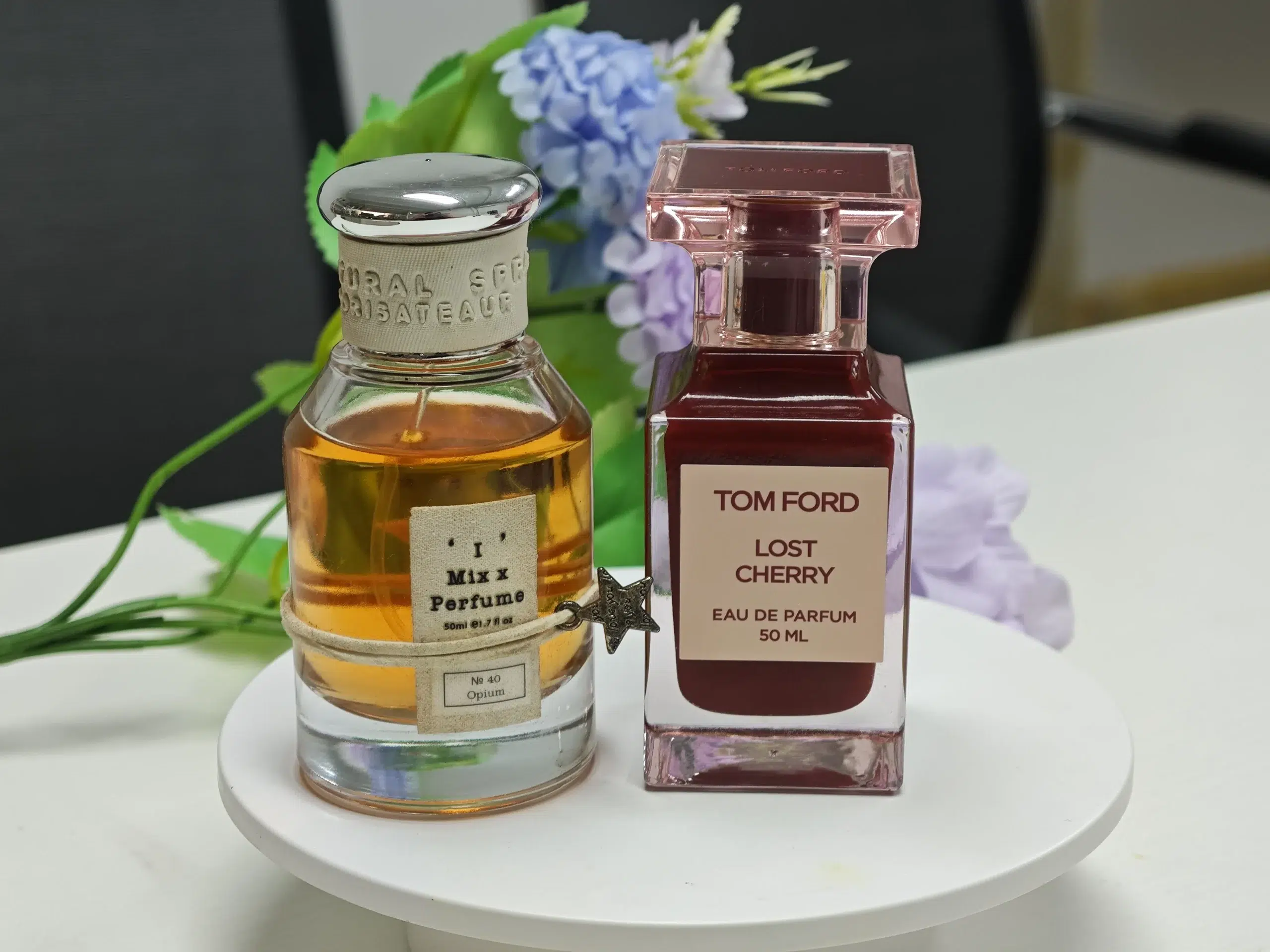
Frequently Asked Questions About Affordable Perfumes in 2026
Are affordable perfumes safe to use on skin?
In major markets like the EU and the US, perfumes—regardless of price—are expected to comply with cosmetics regulations and industry safety frameworks. In the EU, allergens and certain ingredients are subject to specific labeling and usage limits so that consumers can avoid substances they know they react to. Reputable affordable brands typically work within the same IFRA-driven safety ecosystem as luxury houses, meaning they draw from an overlapping palette of approved materials and usage levels. The biggest differences tend to involve marketing spend and distribution, not a secret “unsafe” set of ingredients reserved for cheaper products.
Why do some lower-priced perfumes smell strongly of alcohol at first?
That sharp, alcoholic blast you sometimes notice is usually a sign of a very fresh batch rather than inherently inferior materials. Larger houses often let their concentrates macerate for months before bottling; some smaller or more agile brands work on a shorter timeline. When I encounter this, I “burp” the bottle with a dozen sprays into the air and then tuck it away in a cool, dark place for a couple of weeks. After that rest, the composition almost always smells smoother, and the performance can feel noticeably stronger.
How can I make my perfume—affordable or not—last longer?
Hydrated skin is the simplest longevity hack I know. I apply an unscented lotion or light layer of petroleum jelly on pulse points before spraying; this gives the fragrance oils something to grip. I focus on areas with good blood flow—wrists, neck, inner elbows, behind the ears—and avoid rubbing my wrists together, which can generate heat and disturb the top notes. Spraying lightly on clothing (testing fabric first) can also help extend the trail, though I am careful with delicate materials.
Is imixx perfume just a “clone brand” copying luxury houses?
Imixx perfume does create fragrances inspired by well-known profiles, but in my experience, the goal is to capture a mood and structure rather than to produce lab-perfect replicas. Because they often bottle at higher concentrations and tweak note balances, some of their interpretations actually outlast the luxury reference on my skin. I treat them as stand-alone compositions that happen to live in the same general olfactory universe as certain iconic scents, not as counterfeits or fakes.
Do affordable perfumes ever use real oud or rare naturals?
Genuine artisanal oud oils and certain ultra-rare naturals are so expensive that they rarely appear in mainstream designer releases either, let alone in affordable lines. Instead, both luxury and accessible brands often rely on sophisticated accords that evoke oud, ambergris, and other costly materials. In a well-constructed blend, these accords can be incredibly convincing for everyday wear. I reserve my expectations of true artisanal oud for very small-batch, specialized producers with the price tags to match, and I judge more accessible perfumes on balance, performance, and emotional impact.
Are affordable perfumes a fleeting trend, or a lasting shift?
Based on the way I see market data, consumer behavior, and indie brand growth evolving, the appetite for high-performing, accessibly priced fragrance feels like a lasting structural shift rather than a short-term fad. Economic pressure has made many people more selective about where they place their luxury dollars, and fragrance is one category where quality does not always scale linearly with price. As long as brands like imixx perfume focus on transparency, performance, and thoughtful formulation, I expect them to remain part of the mainstream fragrance conversation well beyond 2026.
Ultimately, my journey from label-obsessed collector to ingredient-focused enthusiast has taught me a simple truth: luxury is not a number on a tag—it is the way a scent makes you feel day after day. Affordable options, chosen wisely, let me chase that feeling more often, with less guilt and more curiosity. For me, that is the real beauty hack of this fragrance-obsessed decade.
For further background on fragrance regulation and safety, you can explore resources from the European Commission on fragrance allergen labeling at their official cosmetics pages, industry explanations of IFRA standards such as this overview of IFRA’s role, and market analyses from platforms like The Business of Fashion that document how fragrance pricing and indie growth are evolving.