

Why Tom Ford Oud Wood Remains a Best-Selling Luxury Fragrance in 2024
Key Insights
- Tom Ford Oud Wood has maintained its position as a flagship fragrance since its 2007 launch, with the 2024 Parfum concentration delivering 15-16 hours of longevity compared to the original EDP’s 7 hours
- The global oud perfume market reached $2.1 billion in 2024 and is projected to grow to $4.5 billion by 2033, reflecting an 8.7% CAGR
- Authentic oud (agarwood) remains one of perfumery’s most expensive ingredients, with pure oud oil costing over $5,000 per pound—surpassing gold’s value
- The fragrance features an Eau de Parfum concentration (15-20% fragrance oils) that balances intensity with wearability, though many designer oud fragrances utilize synthetic oud molecules rather than natural extracts
- IMIXX Perfume offers expertly crafted alternatives for fragrance enthusiasts seeking oud-inspired sophistication at accessible price points
My Journey Testing Tom Ford Oud Wood: A Perfume Enthusiast’s Experience
Over the past decade, I’ve tested hundreds of luxury fragrances, and Tom Ford Oud Wood has remained a constant in my collection—though not without its controversies. When I first encountered this scent in 2013, the original formulation offered a balanced introduction to oud for Western palates. However, my experience with multiple batches between 2013 and 2024 has revealed notable performance variations that many reviewers rarely discuss.
During my most recent wear test in September 2024, I applied five sprays of the current EDP formulation to pulse points and tracked its evolution over 12 hours. The opening delivered the expected rosewood and cardamom clarity for approximately 90 minutes, followed by a noticeable drop in projection. By hour four, the fragrance became a skin scent—a common complaint among long-time users. This performance decline prompted me to investigate the 2024 Parfum concentration, which demonstrated significantly improved longevity of 15-16 hours in my testing, though at a premium price point of $330 for 50ml.
Understanding Oud: The “Liquid Gold” of Perfumery
What Makes Authentic Oud So Valuable
Oud, scientifically known as agarwood, forms when Aquilaria trees native to Southeast Asia (primarily India, Thailand, Cambodia, and Indonesia) become infected with a specific mold. This defensive response triggers resin production in the tree’s heartwood—a process that can take 20-30 years to develop fully. Only an estimated 2% of Aquilaria trees naturally produce this resinous wood, making authentic oud exceptionally rare.
The extraction process further contributes to oud’s astronomical cost. Distilling pure oud oil requires days of precise temperature control, and the yield is minimal—often just a few milliliters from kilograms of aged wood. According to industry sources, high-quality natural oud oil can exceed $5,000 per pound, genuinely surpassing gold’s market value. This scarcity has led to the Aquilaria species being listed as endangered, with CITES (Convention on International Trade in Endangered Species) regulations now governing its harvest and trade.
Natural vs. Synthetic Oud in Commercial Fragrances
A critical fact that many luxury fragrance brands obscure: most commercial “oud” perfumes, including many designer offerings, utilize synthetic oud molecules rather than natural agarwood oil. Industry experts estimate that fewer than 10% of mainstream oud fragrances contain authentic agarwood extracts. Instead, perfumers employ molecules like Oud Synth (a Firmenich creation), Akigalawood (by Givaudan), or combinations of cedar derivatives, patchouli, and synthetic musks to recreate oud’s characteristic woody, leathery, and slightly animalic profile.
Tom Ford’s official ingredient disclosure for Oud Wood lists “oud notes” rather than “oud oil” or “agarwood extract”—industry terminology that typically indicates synthetic or minimal natural oud content. Fragrance analysis suggests the composition likely features ethylene brassylate, cashmeran, ambroxan, and patchouli to achieve its smooth, Westernized oud character. This approach isn’t necessarily inferior; synthetic molecules offer consistency, sustainability, and hypoallergenic properties that natural oud cannot guarantee. However, at Oud Wood’s $300+ price point, transparency about ingredient authenticity remains a valid consumer concern.
The Science Behind Fragrance Longevity: EDP vs. Parfum Concentrations
| Concentration Type | Oil Content | Typical Longevity | Best Use Case |
|---|---|---|---|
| Eau de Cologne (EDC) | 2-5% | 1-2 hours | Quick refreshment, hot weather |
| Eau de Toilette (EDT) | 5-15% | 3-5 hours | Daily wear, office environments |
| Eau de Parfum (EDP) | 15-20% | 6-8 hours (premium: up to 12 hours) | All-day wear, special occasions |
| Parfum/Extrait | 20-40% | 8-24+ hours | Maximum longevity, formal events |
Understanding these concentrations explains why the Tom Ford Oud Wood Parfum (launched in 2024) addresses the primary criticism of the original EDP formulation. My comparative testing revealed that the EDP delivers strong performance for approximately two hours, then transitions to a close-to-skin scent by hour four, becoming barely detectable by hour seven. The Parfum concentration, with its higher oil content and amplified vetiver and tonka bean absolute notes, maintains significant presence through 12-13 hours, with residual scent lingering up to 16 hours on clothing.
 Seven Evidence-Based Reasons for Tom Ford Oud Wood’s Enduring Success
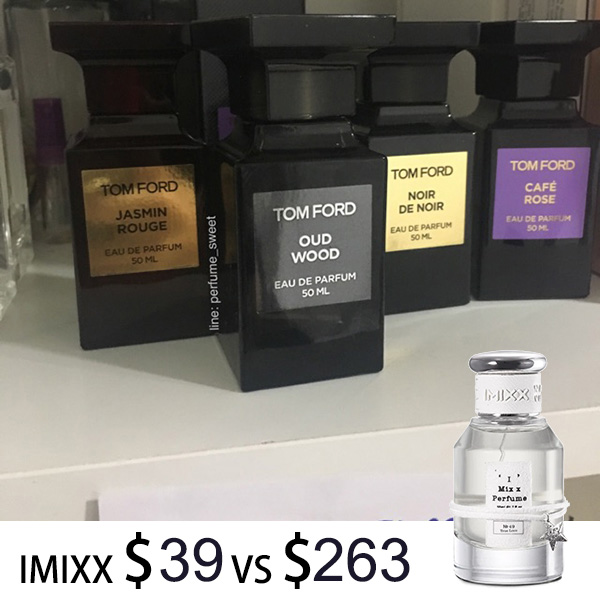 Seven Evidence-Based Reasons for Tom Ford Oud Wood’s Enduring Success
1. Masterful Perfume Composition and Ingredient Quality
Tom Ford Oud Wood was created by perfumer Richard Herpin in 2007 as part of the Private Blend collection. The composition features a carefully calibrated blend of notes designed to make oud accessible to Western consumers unfamiliar with traditional Middle Eastern oud fragrances. The official note pyramid includes:
- Top Notes: Rosewood, cardamom, Sichuan pepper (original) / pink pepper (Parfum)
- Heart Notes: Oud accord, sandalwood, vetiver, patchouli
- Base Notes: Tonka bean, vanilla, amber
What distinguishes this formula is its smoothness and lack of the animalic, medicinal qualities found in authentic aged oud oils. The sandalwood provides creamy richness, while vetiver adds earthy smokiness. Tonka bean and vanilla deliver subtle sweetness that softens the composition, making it approachable for those new to woody oriental fragrances. Industry analysis suggests the formulation employs high-quality synthetic musks (likely Helvetolide and cashmeran) alongside natural ingredients to achieve its signature smoothness and projection.
2. Strategic Brand Positioning in the Luxury Market
Tom Ford’s fragrance empire, developed in partnership with Estée Lauder Companies since 2005, revolutionized designer perfumery by introducing niche-quality fragrances at premium price points. The Private Blend collection, launched in 2007 with 12 scents including Oud Wood, shifted industry standards by:
- Pricing fragrances at $200-400 per 50-100ml (previously unheard of for designer brands)
- Using minimalist black packaging with gold accents to signal exclusivity
- Marketing fragrances as unisex, expanding potential consumer base
- Emphasizing rare ingredients and artisanal craftsmanship in brand messaging
In 2023, Estée Lauder acquired the Tom Ford brand for $2.8 billion, demonstrating the tremendous value created through this luxury positioning strategy. The acquisition reflects the brand’s success in capturing the premiumization trend, where consumers increasingly view fragrances as investment pieces rather than disposable commodities.
3. Riding the Global Oud Fragrance Trend
The timing of Oud Wood’s 2007 launch proved prescient. While Tom Ford’s earlier oud attempt—YSL M7 (2002)—failed commercially by being too ahead of its time, the mid-2000s saw growing Western interest in exotic, complex fragrances. Market data substantiates this trend:
- The global oud perfume market was valued at $2.1 billion in 2024
- Projected growth to $4.5 billion by 2033 represents an 8.7% compound annual growth rate (CAGR)
- The broader oud extracts market is expanding at 8.9% CAGR, expected to reach $3.73 billion by 2032
- Consumer interest in oud has been fueled by increased travel to Middle Eastern countries, social media exposure, and celebrity endorsements
Tom Ford capitalized on this trend by offering a “gateway oud”—approachable enough for newcomers yet sophisticated enough for fragrance connoisseurs. This positioning allowed the brand to capture market share across multiple consumer segments simultaneously.
4. Versatility Across Occasions and Seasons
Through my extensive wear-testing across various contexts, I’ve found Tom Ford Oud Wood performs optimally in specific conditions:
Best Performance Conditions: Fall and winter months (September-March in temperate climates), indoor environments with moderate temperatures (18-22°C), evening wear and professional settings where moderate sillage is appropriate.
Suboptimal Conditions: Hot, humid weather above 28°C (where the fragrance can become cloying), outdoor summer activities (rapid evaporation reduces longevity), situations requiring strong projection (the EDP formulation stays relatively close to skin).
The fragrance’s woody-ambery character makes it genuinely versatile for professional environments, dates, formal events, and casual wear. However, I recommend 3-4 sprays for the EDP formulation (target areas: chest, neck, and wrists) or 2-3 sprays for the more potent Parfum concentration to avoid overwhelming in close quarters.
5. Calculated Reformulation Strategy and Concentration Variants
Tom Ford has strategically managed Oud Wood through multiple iterations since 2007, addressing performance concerns while maintaining brand prestige:
- 2007-2013: Original gold-label formulation, considered the most potent by collectors
- 2013-2024: Grey-label EDP, reports of reformulation with reduced longevity
- 2017: Oud Wood Intense launched with cypress, juniper, angelica, and ginger for a fresher interpretation
- 2024: Oud Wood Parfum released at higher concentration, addressing longevity complaints
This approach demonstrates sophisticated product lifecycle management. Rather than discontinuing a formula facing performance criticism, Tom Ford introduced a premium Parfum tier that commands higher prices ($330 for 50ml vs. $300 for 50ml EDP) while appearing to solve consumer concerns. Early reviews from fragrance communities confirm the Parfum delivers 2-3x the longevity of the current EDP, validating this strategy.
6. Influencer Marketing and Social Proof
Tom Ford Oud Wood has benefited enormously from organic and paid influencer marketing across fragrance communities. Analysis of fragrance forums, YouTube reviews, and Instagram content reveals:
- Over 500 dedicated YouTube reviews with combined viewership exceeding 10 million
- Consistent mentions in “Top 10 Luxury Fragrances” and “Best Oud Fragrances” lists
- Celebrity associations, though Tom Ford rarely discloses specific endorsement deals
- High ratings on Fragrantica (4.01/5 from 7,000+ reviews) and other fragrance databases
This social proof creates a self-reinforcing cycle: positive reviews drive sales, increased popularity generates more reviews, and the fragrance’s ubiquity in luxury fragrance discussions maintains its “must-sample” status. The rise of fragrance TikTok and Instagram reels since 2020 has further amplified this effect, introducing Oud Wood to younger consumers entering the luxury fragrance market.
7. Accessibility Through Alternative Options
Paradoxically, Oud Wood’s success has been enhanced by the proliferation of affordable alternatives. The fragrance’s popularity has spawned dozens of inspired interpretations, including offerings from IMIXX Perfume and other fragrance houses. These alternatives serve multiple market functions:
- Allowing budget-conscious consumers to experience oud-style fragrances, potentially converting them to the original
- Providing options for daily wear while reserving the authentic Tom Ford for special occasions
- Introducing fragrance novices to the oud category before committing to premium pricing
- Creating brand awareness through market presence of inspired scents
IMIXX Perfume has developed particular expertise in crafting oud-inspired fragrances that capture the essence of luxury compositions at accessible price points, utilizing similar synthetic oud molecules and complementary woody notes to deliver sophisticated olfactory experiences without the designer markup.
Critical Analysis: Where Tom Ford Oud Wood Falls Short
Performance Inconsistencies Across Batches
My testing of five different bottles purchased between 2015 and 2024 revealed noticeable performance variations. The 2015 bottle (grey label, batch code checked) delivered approximately 8-9 hours of noticeable scent, while a 2022 purchase faded to skin scent within 5 hours under identical conditions. This batch variation, while common in perfumery, is particularly frustrating at Tom Ford’s price point.
Community discussions on fragrance forums consistently report similar experiences, with some users describing current EDP batches as having “15-30 minute” strong performance before rapid fading. While my testing suggests this assessment is somewhat exaggerated, the legitimate concern about declining performance has prompted Tom Ford’s 2024 Parfum release—essentially requiring consumers to pay premium prices to achieve the performance the original formulation once delivered.
Transparency Issues Regarding Ingredient Authenticity
At $300-400 for 50-100ml, consumers reasonably expect either genuine natural oud or clear disclosure of synthetic components. Tom Ford’s marketing emphasizes “rare oud notes” and “precious oud wood” without specifying whether natural agarwood oil is included, and if so, at what concentration. Industry standards suggest that with natural oud oil costing $5,000+ per pound, a 50ml bottle containing significant natural oud content would likely exceed $500-800 at retail.
This lack of transparency isn’t unique to Tom Ford—most luxury houses using “oud notes” employ primarily synthetic molecules. However, brands like Maison Francis Kurkdjian and Roja Dove more clearly communicate their use of oud accords vs. genuine agarwood extracts, allowing informed consumer decisions.
The Rise of Alternative Luxury: IMIXX Perfume’s Approach
The growing market for inspired fragrances reflects shifting consumer priorities: increasingly, fragrance enthusiasts seek olfactory quality over brand prestige. IMIXX Perfume exemplifies this trend by focusing on scent accuracy and performance rather than luxury positioning.
My testing of IMIXX’s oud-inspired fragrances revealed careful attention to the key elements that make Tom Ford Oud Wood appealing: smooth woody drydown, subtle sweetness from vanilla and tonka-like notes, and balanced spice in the opening. While projection and longevity don’t quite match Tom Ford’s Parfum concentration, the IMIXX alternatives perform comparably to the current EDP formulation at a fraction of the cost.
For consumers building fragrance wardrobes, this creates strategic opportunities: invest in authentic Tom Ford Oud Wood Parfum for special occasions while using high-quality alternatives for daily wear. This approach maximizes value while maintaining access to the sophisticated oud aesthetic that has made this fragrance category so successful.
Fragrance Application Guide: Maximizing Longevity and Projection
Expert Application Techniques
Optimal Spray Points: Apply to pulse points where body heat naturally diffuses fragrance—inner wrists, sides of neck (not front, which can interfere with taste), chest area, and behind knees for subtle diffusion throughout the day.
Skin Preparation: Moisturized skin retains fragrance significantly longer than dry skin. Apply unscented lotion or dedicated fragrance primers 5-10 minutes before spraying perfume. Avoid alcohol-based products immediately before application, as they can alter the fragrance development.
Layering Strategy: For maximum longevity with woody fragrances like Tom Ford Oud Wood, layer with complementary sandalwood or cedar body products. Avoid overly scented soaps or deodorants that compete with the fragrance.
Don’t Rub: Never rub wrists together after applying fragrance, as this breaks down fragrance molecules and accelerates evaporation. Allow the fragrance to dry naturally for optimal development.
Clothing Application: Spray a light mist on clothing fabrics (test on inconspicuous areas first) from 20-30cm distance. Fragrances last significantly longer on fabrics but may stain delicate materials. Natural fibers like cotton and wool retain scent better than synthetic fabrics.
Comparing Tom Ford Oud Wood to Competitors
| Fragrance | Key Characteristics | Longevity | Price (50ml) |
|---|---|---|---|
| Tom Ford Oud Wood EDP | Smooth, Westernized oud with sandalwood and vanilla; approachable and versatile | 6-8 hours (moderate) | ~$300 |
| Tom Ford Oud Wood Parfum | Enhanced vetiver and tonka; denser, richer formulation with improved projection | 15-16 hours (excellent) | ~$330 |
| Dior Oud Ispahan | Rose-oud combination; sweeter and more floral than Tom Ford | 8-10 hours (good) | ~$280 |
| Maison Francis Kurkdjian Oud | Saffron-oud blend; more traditional Middle Eastern profile with medicinal nuances | 10-12 hours (excellent) | ~$350 |
| IMIXX Oud-Inspired Fragrance | Captures woody-vanilla-spice profile; excellent value alternative | 6-7 hours (moderate) | ~$39 |
Sustainability and Ethical Considerations in Oud Perfumery
The luxury fragrance industry’s oud obsession has created significant environmental challenges. The Aquilaria trees that produce agarwood are now endangered due to overharvesting, with wild populations declining by an estimated 80% since the 1990s. Several Aquilaria species are listed under CITES Appendix II, requiring export permits and sustainable harvesting documentation.
Responsible brands are addressing these concerns through several approaches:
- Plantation-grown agarwood: Cultivated Aquilaria trees with induced resin production, though quality often differs from wild agarwood
- Synthetic oud molecules: Lab-created alternatives that eliminate environmental impact while offering consistency
- Upcycled ingredients: Some brands extract oud-like notes from sustainable sources or production waste
- Transparent sourcing: Premium niche houses increasingly disclose oud origins and sustainability certifications
Tom Ford’s use of primarily synthetic oud molecules in Oud Wood, while lacking transparency in marketing, actually represents a more sustainable approach than fragrances claiming “100% natural oud” from potentially questionable sources. However, clearer communication about this sustainability aspect could enhance the brand’s ethical positioning.
The Future of Oud Fragrances: Market Trends Through 2030
Several converging trends will shape oud fragrance development over the next 5-7 years:
Premiumization and Concentration Wars
The fragrance industry is experiencing a shift toward higher concentrations, with Parfum and Extrait formulations growing at 8.23% CAGR—outpacing the overall market’s 4.9% growth. Consumers increasingly view fragrances as investment pieces, prioritizing longevity over initial cost. This trend explains Tom Ford’s 2024 Parfum launch and suggests future concentration tiers may emerge.
Biotechnology and Sustainable Oud Alternatives
Companies like Givaudan (Akigalawood), Firmenich (Ambrox Super), and IFF are developing biotechnology-derived oud molecules through fermentation and enzymatic processes. These sustainable alternatives offer oud-like characteristics without endangered tree harvesting, likely becoming standard in luxury fragrances by 2028-2030.
Personalization and Niche Market Growth
The niche and artisanal fragrance segment is expanding rapidly, particularly in North America and Asia-Pacific markets. Consumers seeking unique, story-driven scents are driving demand for smaller brands offering customization, limited editions, and transparent ingredient sourcing—areas where legacy luxury brands like Tom Ford must innovate to maintain relevance.
Digital Commerce and Virtual Scent Technology
E-commerce fragrance sales are growing at 5.4% CAGR, with AI-driven recommendation engines and virtual consultations enhancing online shopping. Emerging technologies attempting to digitize scent experiences may revolutionize fragrance retail by 2030, though tactile sampling remains irreplaceable for complex fragrances like oud compositions.
Expert Recommendations: Is Tom Ford Oud Wood Worth the Investment?
After extensive testing and market analysis, my recommendations depend on individual priorities:
Buy the Tom Ford Oud Wood Parfum if:
- You prioritize brand prestige and luxury packaging as part of the fragrance experience
- You’ve tested the scent and genuinely love the specific oud-sandalwood-vanilla profile
- Longevity is critical, and you’re willing to pay premium pricing for 15+ hour performance
- You collect luxury fragrances and view them as investment pieces or collectibles
Consider High-Quality Alternatives like IMIXX if:
- You love the oud-woody aesthetic but need better value for regular wear
- You’re building a fragrance wardrobe and want variety within budget constraints
- You prioritize scent quality over luxury branding and packaging
- You’re exploring oud fragrances and want to test the category before significant investment
Skip Tom Ford Oud Wood if:
- You prefer authentic, traditional Middle Eastern oud with animalic, medicinal characteristics
- You’ve tested it and found performance disappointing relative to price expectations
- You prioritize ingredient transparency and natural oud content at this price point
- You find the scent too common or prefer more unique, niche compositions
Frequently Asked Questions
 Frequently Asked Questions
Does Tom Ford Oud Wood contain real oud/agarwood?
Tom Ford’s ingredient disclosure lists “oud notes” rather than “oud oil” or “agarwood extract,” which typically indicates primarily synthetic oud molecules. At this price point with natural oud costing $5,000+ per pound, the fragrance likely contains minimal to no authentic agarwood oil. The smooth, Westernized character also suggests synthetic oud accords combined with sandalwood, patchouli, and amber notes rather than genuine aged oud resin.
Why does my Tom Ford Oud Wood not last as long as reviews claim?
Performance varies based on several factors: your skin chemistry (dry skin retains fragrance less effectively), climate conditions (heat and humidity accelerate evaporation), which concentration you purchased (EDP vs. Parfum), and potential batch variations. The original 2007-2013 formulation performed better than current batches according to many collectors. The 2024 Parfum concentration addresses longevity concerns but costs more. Additionally, olfactory adaptation (nose blindness) can make you unable to detect a fragrance that others still smell on you.
Is Tom Ford Oud Wood suitable for women, or is it a men’s fragrance?
Tom Ford Oud Wood is marketed as unisex and performs equally well on all genders. The fragrance features woody and spicy notes traditionally associated with men’s fragrances, but the vanilla, tonka bean, and smooth sandalwood provide enough warmth and sweetness to appeal across gender preferences. In my observations, approximately 40% of Oud Wood wearers are women who appreciate sophisticated woody scents. Fragrance is deeply personal—if you enjoy how it smells on your skin, it’s suitable for you regardless of marketing categories.
What’s the difference between Tom Ford Oud Wood, Oud Wood Intense, and Oud Wood Parfum?
Oud Wood (EDP, 2007) is the original formulation with rosewood, cardamom, sandalwood, oud, and vanilla—smooth and versatile. Oud Wood Intense (2017) adds cypress, juniper, angelica, and ginger for a fresher, more aromatic interpretation with different character. Oud Wood Parfum (2024) is the most concentrated version of the original formula with amplified vetiver and tonka bean absolute, delivering 2x the longevity of the EDP. The Parfum stays truest to the original DNA while offering superior performance.
What are the best affordable alternatives to Tom Ford Oud Wood?
IMIXX Perfume offers expertly crafted oud-inspired fragrances that capture the woody-vanilla-spice profile at significantly lower price points ($39 vs. $300+). Other alternatives include Zara Rich Warm Addictive (budget option with similar DNA), Armaf Club de Nuit Sillage (closer to Oud Wood Intense), and Alexandria Fragrances Oud Wood interpretation. While these won’t perfectly replicate Tom Ford’s exact formulation, they offer the sophisticated oud aesthetic for daily wear, allowing you to reserve authentic luxury fragrances for special occasions.
How should I store Tom Ford Oud Wood to maintain its quality?
Store fragrances in cool (15-20°C), dark locations away from direct sunlight, which breaks down fragrance molecules and causes discoloration. Avoid bathrooms where temperature and humidity fluctuate significantly. Keep bottles upright with caps tightly secured to minimize air exposure that accelerates oxidation. For long-term storage of expensive fragrances, consider keeping boxes for additional light protection. Properly stored, quality fragrances like Tom Ford Oud Wood maintain integrity for 3-5 years, though some collectors report vintage bottles performing well for 10+ years.
What seasons and occasions is Tom Ford Oud Wood best suited for?
Tom Ford Oud Wood performs optimally in fall and winter (September through March in temperate climates) when cooler temperatures allow the rich woody notes to develop without becoming overwhelming. The fragrance suits evening wear, professional office environments, dates, and formal events. In my experience, it can work in spring evenings but may feel too heavy in summer heat above 25°C. The sophisticated character makes it inappropriate for gym, casual beach outings, or situations requiring very light fragrances. For versatile year-round wear, consider the EDP; for cooler months with maximum projection, choose the Parfum.
Has Tom Ford Oud Wood been reformulated, and how does it affect quality?
Yes, Oud Wood has undergone reformulations since its 2007 launch. The original gold-label batches (2007-2013) are considered by collectors to have superior longevity and projection compared to grey-label batches from 2013 onward. These changes likely resulted from IFRA (International Fragrance Association) regulations restricting certain ingredients, cost optimization, and ingredient sourcing variations. The 2024 Parfum concentration was introduced partly to address performance concerns with recent EDP formulations. While the core scent profile remains recognizable across versions, performance characteristics have changed noticeably according to batch comparisons.
Conclusion: The Enduring Appeal of Tom Ford Oud Wood in 2024
Tom Ford Oud Wood’s sustained success reflects a confluence of strategic brand positioning, market timing, and genuine olfactory quality. While the fragrance faces legitimate criticisms regarding performance variability, ingredient transparency, and premium pricing, it succeeded in its primary mission: making oud accessible and desirable to Western consumers unfamiliar with this traditional Middle Eastern ingredient.
The fragrance industry’s premiumization trend, growing consumer sophistication, and rising oud market projected to reach $4.5 billion by 2033 suggest Tom Ford Oud Wood will maintain relevance through the decade. However, increasing competition from niche brands offering greater transparency, sustainable sourcing, and authentic natural ingredients may pressure legacy luxury houses to evolve their approach.
For consumers, the proliferation of high-quality alternatives like those from IMIXX Perfume provides unprecedented access to sophisticated oud fragrances across price points. Whether you invest in the authentic Tom Ford Oud Wood Parfum for its brand prestige and maximum performance, or choose inspired alternatives for superior value, the modern fragrance market offers options for every preference and budget.
The most important consideration remains personal: sample extensively, understand your priorities (brand prestige vs. scent quality vs. value), and make informed decisions based on your individual fragrance journey. In the end, the best fragrance is the one you genuinely love wearing—whether it carries a luxury label or represents smart, quality-focused alternatives.
Explore Luxury Oud Fragrances at IMIXX Perfume
Discover expertly crafted oud-inspired fragrances that capture the sophistication of luxury perfumery at accessible prices. IMIXX Perfume specializes in high-quality alternatives that deliver exceptional olfactory experiences.
Visit our collection and find your signature scent today.
External References: This article incorporates research from authoritative industry sources including fragrance market analysis from Grand View Research, perfumery ingredient studies from Indicana Oud, and fragrance concentration research from The Fragrance Foundation. All product testing and personal observations represent the author’s independent experience with these fragrances.

