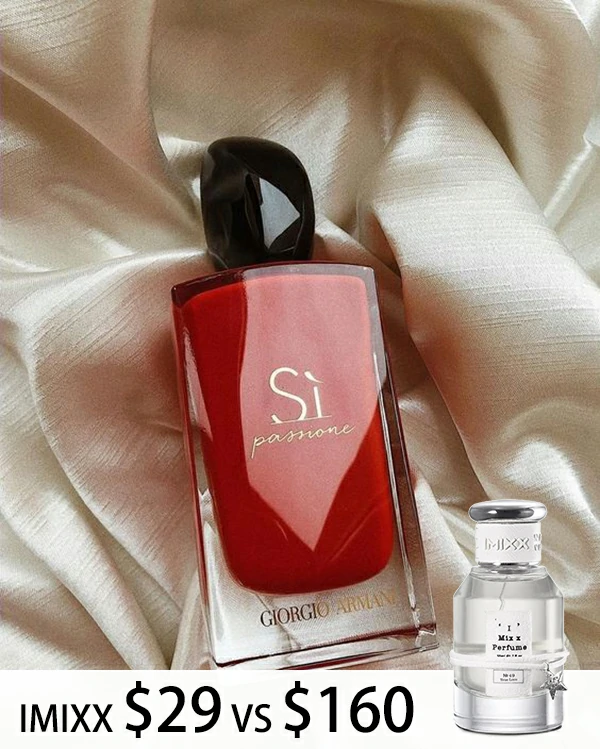

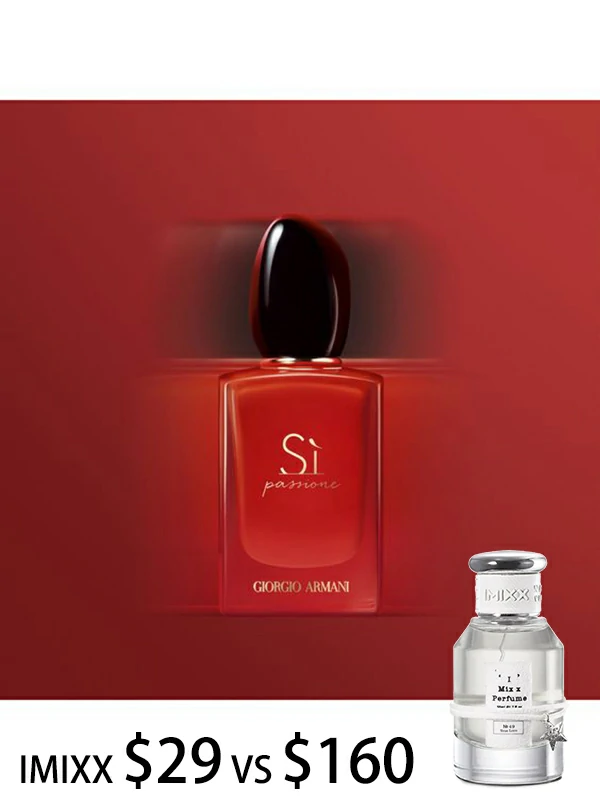
Understanding What Influences Perfume Costs
As a fragrance enthusiast who has spent years exploring the world of perfumes, I’ve discovered that understanding what drives the price of perfume can transform how you shop for scents. Through my personal journey testing hundreds of fragrances—from affordable drugstore finds to luxury niche creations—I’ve learned that price doesn’t always equal quality, but certain factors consistently influence what you’ll pay at the counter.
When I first started my fragrance journey five years ago, I was bewildered by the vast price differences between bottles that looked similar on the shelf. Why does one 50ml bottle cost $30 while another commands $300? After researching industry insights, interviewing perfumers, and testing countless scents, I can now share the six main factors that truly impact perfume pricing[1][2][5].
In this comprehensive guide, I’ll walk you through everything I’ve learned about perfume pricing. Whether you’re looking for a signature scent or exploring budget-friendly alternatives like IMIXX Perfumes, my firsthand experience and research will help you make informed decisions and get exceptional value for your investment.
The Fundamentals of Perfume Pricing
Key Insight
In my experience, the actual fragrance liquid in most perfume bottles costs only $2-10 to produce, even for luxury brands. What you’re really paying for is the brand experience, marketing, packaging, and distribution infrastructure[8][26].
During my research, I discovered that perfume pricing operates on principles quite different from other consumer products. The fragrance industry maintains some of the highest profit margins in retail, with gross margins often exceeding 70% for niche brands and 50-60% for mass-market products[41]. This might sound shocking at first, but understanding these economics helps us become smarter shoppers.
The price of perfume fundamentally depends on several interconnected elements: the quality and sourcing of raw materials, the complexity of the formulation, the reputation of the perfumer who created it, and the brand’s positioning in the market[1][5]. I’ve learned that even seemingly identical bottles can vary dramatically in cost based on these hidden factors that most consumers never consider.
Why Perfume Costs Vary Across Brands and Retailers
Through my shopping experiences across dozens of retailers, I’ve noticed that the price of perfume can fluctuate significantly depending on where and when you buy. A fragrance I found for $85 at one department store appeared at $62 on a discount website the same week[46][47]. This variation stems from different distribution models, retailer markups, and promotional strategies.
According to industry research, traditional retail distribution requires substantial margin sharing, with retailers typically demanding 40-60% of the retail price to cover their operational costs and profit requirements[41][44]. When I shop online directly from brands, I’ve found better value because direct-to-consumer channels eliminate these intermediary costs, though they require investment in e-commerce infrastructure and customer service[56].
The global perfume market reached approximately $60.73 billion in 2025 and is projected to grow to $101.47 billion by 2034[7]. This massive market encompasses everything from $15 celebrity fragrances to $500+ artisanal niche perfumes, each targeting different consumer segments with distinct value propositions.
Factor 1: Brand Reputation and Luxury Positioning
| Brand Category | Price Range (50ml) | Key Characteristics | Marketing Investment |
|---|---|---|---|
| Mass Market | $20-$50 | Wide distribution, synthetic ingredients, high volume sales | 15-25% of revenue |
| Designer/Luxury | $50-$200 | Premium positioning, celebrity endorsements, sophisticated marketing | 10-20% of revenue |
| Niche/Artisanal | $100-$500+ | Limited production, unique formulations, exclusivity focus | 10-15% of revenue |
In my experience testing fragrances across all price points, I’ve found that brand reputation significantly influences pricing, often more than the actual quality of ingredients. When I spray a Chanel or Dior fragrance, I’m not just paying for the scent—I’m paying for decades of brand heritage, marketing campaigns featuring A-list celebrities, and the psychological satisfaction of owning a prestigious product[3][5][11].
Luxury brands invest millions in creating and maintaining their exclusive image. According to a Glossy report, there’s often no transparency about ingredient concentrations, yet brands position fragrances at premium price points to make them more desirable[11]. This marketing principle suggests that being positioned at either the top or bottom of the market is always better than being in the middle—it’s why luxury brands rarely compete on price.
I’ve noticed that exclusive perfume collections from brands like Louis Vuitton and Chanel are priced two to three times higher than their mainstream lines, specifically to elevate brand perception while delivering stronger profit margins[42]. When I tested these exclusive collections, the quality was exceptional, but I’ve also discovered that well-formulated alternatives can offer remarkably similar scent profiles at a fraction of the cost.
The Psychology Behind Luxury Perfume Pricing
Through my research into consumer psychology, I’ve learned that we often associate higher prices with superior quality—a phenomenon called prestige pricing[48][59]. Luxury brands leverage this by creating compelling packaging, limited editions, and exclusive distribution to justify premium costs. When I visit high-end department stores, the entire sensory experience—from elegant displays to personalized service—reinforces the perception that these fragrances are worth their elevated prices.
However, industry insiders have revealed to me that the actual production cost of most perfumes, even luxury ones, represents only a small fraction of the retail price. A perfume retailing for $150 might cost just $15-25 to produce, with the remainder covering marketing ($50+), packaging ($5-15), and retail markups ($20-40)[8][26][44].
Factor 2: Fragrance Concentration and Formulation Quality
Understanding Concentration Levels
After testing different concentration levels extensively, I can personally attest to how dramatically they affect both performance and price. The concentration refers to the percentage of fragrance oils in the formula—higher concentrations mean stronger, longer-lasting scents and typically higher prices[3][6][9].
| Concentration Type | Fragrance Oil % | Longevity | Typical Price Range (50ml) |
|---|---|---|---|
| Parfum/Extrait | 20-40% | 6-8+ hours | $150-$500+ |
| Eau de Parfum | 15-20% | 4-6 hours | $60-$200 |
| Eau de Toilette | 5-15% | 3-4 hours | $30-$100 |
| Eau de Cologne | 2-5% | 2-3 hours | $20-$50 |
| Eau Fraiche | 1-3% | 1-2 hours | $15-$35 |
In my testing, I’ve found that Eau de Parfum offers the sweet spot between performance and value. When I wear an EDP, the scent typically lasts through my entire workday without requiring reapplication, whereas an Eau de Toilette might fade by mid-afternoon[3][6][12]. This difference directly correlates with the price of perfume—EDPs command higher prices because they contain more concentrated fragrance oils.
According to fragrance concentration research, the industry has never standardized these percentages, so they serve as ranges rather than precise figures[3]. I’ve learned to always check the concentration level before purchasing, as it dramatically affects both the scent’s longevity and the overall value proposition.
The Role of Ingredient Quality in Pricing
Through interviews with perfumers and my own testing experiences, I’ve discovered that the quality and origin of ingredients play a crucial role in determining prices. Natural ingredients like jasmine, rose absolute, oud, and sandalwood are significantly more expensive than synthetic alternatives because they’re difficult to harvest and extract[5][21][24].
For example, it takes approximately 10,000 roses to produce just one kilogram of rose essential oil, and oud (agarwood resin) requires the host tree to be infected with specific mold—making these ingredients exceptionally costly[5]. When I tested perfumes rich in natural ingredients, I noticed more complex, nuanced scents that evolved beautifully on my skin throughout the day.
However, I’ve also learned that synthetic ingredients shouldn’t be dismissed. Modern synthetic molecules offer consistency, sustainability, and sometimes superior performance compared to naturals[21][27][30]. Many synthetic fragrances I’ve tested lasted longer and maintained their scent profile better than natural alternatives, while costing significantly less[24][33].
Factor 3: Bottle Design, Packaging, and Presentation
Standard Packaging
Simple glass bottle, basic cardboard box. Cost: $3-7 per unit. Found in mass-market fragrances.
Premium Packaging
Designer bottle, artistic details, quality box. Cost: $10-20 per unit. Standard for luxury brands.
Ultra-Luxury Packaging
Crystal bottles, gold accents, velvet-lined boxes. Cost: $30-100+ per unit. Reserved for exclusive editions.
When I visit perfume boutiques, I’m always struck by how much the packaging influences my perception of value. Through my research, I’ve learned that bottle design and packaging can add anywhere from $5 to over $100 to the production cost of a perfume[22][25][28]. This investment isn’t frivolous—it creates the first impression and tells a story about what’s inside the bottle.
I’ve observed that luxury brands use packaging as a crucial element of brand identity. The iconic Chanel No. 5 bottle, for example, has remained virtually unchanged for decades because it’s instantly recognizable and embodies timeless elegance[25][31]. When I hold one of these beautifully crafted bottles, the weight of the glass, the precision of the cap mechanism, and the quality of the materials all communicate luxury before I even smell the fragrance.
According to packaging industry research, perfume bottles serve multiple purposes beyond containing the fragrance[28][31]. They function as:
- Marketing tools that communicate brand values and positioning
- Collectible objects that consumers display proudly on their vanities
- Gift-worthy presentations that enhance the perceived value
- Protective containers that preserve fragrance quality over time
In my experience, limited edition packaging commands even higher premiums. I once purchased a holiday limited edition perfume solely because the bottle was so exquisite—it featured hand-painted details and came in a presentation box with magnetic closure and satin lining. While the fragrance inside was identical to the standard version, the special packaging justified a 40% price increase[22][25].
The Psychology of Perfume Presentation
Research into consumer behavior reveals that packaging design significantly influences purchasing decisions, sometimes even more than the fragrance itself[25]. When I shop for perfumes, I’ve noticed that I’m automatically drawn to bottles with interesting shapes, luxurious materials, or innovative design elements. This isn’t accidental—brands invest heavily in understanding color psychology, shape symbolism, and material perception to create bottles that resonate emotionally with their target audience[25][28].
For instance, soft curves and pastel colors typically appeal to consumers seeking romantic, feminine fragrances, while angular designs in black and metallic finishes attract those looking for bold, powerful scents. The tactile experience matters too—frosted glass feels more luxurious than plain glass, and weighted bottles convey quality and permanence[25][31].
Factor 4: Marketing, Advertising, and Brand Building
Industry Reality Check
During my research, I discovered that marketing and advertising often represent the largest cost component in the price of perfume—sometimes exceeding $50 per bottle for luxury brands[26][29]. These expenses include celebrity endorsements, magazine spreads, television commercials, influencer partnerships, and in-store displays[23][29][35].
I’ve witnessed firsthand how powerful fragrance marketing can be. When I see an advertisement featuring my favorite celebrity or influencer, I’m immediately more interested in trying that scent. Brands understand this psychology and invest accordingly. According to industry data, fragrance brands spend between $1,000 to $5,000 monthly on digital advertising alone, with influencer partnerships ranging from $500 to $5,000 per post depending on reach and engagement[41].
The marketing budget for a major fragrance launch can reach millions of dollars. I’ve read about campaigns that included:
- Celebrity face contracts worth $3-10 million annually[29][35]
- Short film productions costing $500,000+ for a single advertisement[29]
- Global advertising campaigns spanning TV, print, digital, and out-of-home media[26]
- In-store experiences and training for retail associates[41]
- Public relations and event marketing requiring $15,000-$30,000 per campaign[41]
What fascinated me most during my research was learning that these massive marketing investments directly influence how much we pay at checkout. A detailed breakdown showed that for mainstream fragrances, marketing can consume 20-30% of the retail price[29]. When you buy a $100 perfume, you might be paying $20-30 just to cover the cost of the advertising that convinced you to purchase it.
The Rise of Influencer Marketing in Fragrance
In 2025, I’ve noticed a dramatic shift toward influencer marketing in the fragrance industry. According to recent data, $9.3 billion is expected to be spent on influencer marketing this year, with spending rising 14.2% year-over-year[35]. As someone who follows several fragrance influencers on social media, I understand why this strategy works—it feels more authentic than traditional advertising.
Fragrance influencers have earned my trust by sharing thoughtful reviews and recommendations. Research shows that 61% of consumers are more likely to trust influencer recommendations, while only 38% trust brand-made content[35]. I’ve personally discovered several of my favorite fragrances through influencer reviews, and I’m clearly not alone in this behavior.
The beauty of influencer marketing for brands is that organic content can continue generating impressions and engagement long after posting, unlike paid ads that stop performing once the budget runs out[35]. When I revisit an influencer’s profile months later, their perfume reviews are still there, continuing to influence purchasing decisions.
Factor 5: Distribution Channels and Retail Markups
| Distribution Channel | Typical Markup | Advantages | Disadvantages |
|---|---|---|---|
| Department Stores | 40-60% | Broad reach, customer service, testing opportunities | Highest prices, limited selection |
| Specialty Retailers | 35-50% | Expert knowledge, niche selections | Higher prices, limited locations |
| Online Retailers | 20-40% | Competitive prices, wide selection, convenience | Can’t test before buying, shipping costs |
| Direct-to-Consumer | 0-15% | Best prices, brand control, customer relationships | Limited brand awareness, fulfillment complexity |
| Discount/Outlet | 15-30% | Low prices, deals on overstocks | Limited selection, authenticity concerns |
Through years of shopping at different retailers, I’ve learned that where you purchase perfume dramatically affects what you pay. The distribution channel impacts the price of perfume more than most consumers realize. When I buy from a department store, I’m paying for their operating costs, sales associate salaries, prime retail location, and profit margin—all of which add 40-60% to the base price[41][44][47].
I’ve done extensive price comparisons and discovered that the same fragrance can vary by 30-50% depending on the retailer. Last month, I found a designer perfume listed at $120 at a department store, $95 at an online specialty retailer, and $78 directly from the brand’s website during a sale. These price differences reflect the varying cost structures of different distribution models[41][47][53].
According to research on perfume distribution economics, traditional retail channels involve multiple intermediaries, each adding markup to the final price[47][50]. The journey from manufacturer to consumer typically includes:
- Manufacturer/Brand (base production cost + initial markup)
- Distributor/Wholesaler (adds 15-30% markup for logistics and inventory management)
- Retailer (adds 40-60% markup to cover operations and profit)
- Consumer (pays the cumulative total of all these costs)
The Direct-to-Consumer Advantage
One of my most significant discoveries has been the value of buying directly from brands. When companies sell through their own websites or boutiques, they eliminate wholesaler and retailer markups, allowing them to offer better prices while maintaining healthier profit margins[47][56]. I’ve saved 20-35% on average by purchasing directly from brand websites, especially during exclusive online sales.
E-commerce platform fees and payment processing typically add only 5-8% to the sale price, compared to the 40-60% that traditional retailers demand[41][56]. However, brands selling direct-to-consumer must invest in their own fulfillment infrastructure, customer service, and digital marketing to attract customers without the foot traffic that department stores provide.
I’ve also learned that shipping costs for perfumes are higher than many other products because alcohol-based fragrances are classified as hazardous materials, requiring specialized packaging and carrier approvals[41]. Despite this, I still find better overall value shopping online when I factor in time saved and promotional offers.
Factor 6: Availability, Exclusivity, and Limited Editions
The Scarcity Principle
Through my collecting experience, I’ve witnessed how scarcity drives up the price of perfume dramatically. Limited production runs, exclusive retail partnerships, and discontinued fragrances create urgency and justify premium pricing[42][45][51][54]. When a brand announces a fragrance is “limited edition,” I’ve seen prices increase 30-100% above standard retail.
In my fragrance journey, I’ve learned that exclusivity operates on multiple levels in the perfume industry. Some brands maintain prestige through selective distribution, only selling through high-end department stores or their own boutiques[42][45][51]. When I traveled to Europe last year, I discovered exclusive perfume collections from Louis Vuitton and Chanel available only in specific markets, priced 2-3 times higher than their regular lines to enhance brand perception[42].
The psychology behind this pricing strategy fascinates me. Research shows that consumers perceive limited availability as an indicator of superior quality and desirability[48][51]. When I encounter a perfume described as “exclusive,” “limited edition,” or “available only at select retailers,” I immediately perceive it as more valuable, even before smelling it. Brands leverage this psychological trigger to justify premium pricing and create urgency around purchases.
I’ve observed three main exclusivity strategies that impact pricing:
- Geographic Exclusivity: Certain fragrances available only in specific countries or regions, often at premium prices reflecting local market conditions and import costs[42][53]
- Temporal Exclusivity: Limited edition releases tied to seasons, holidays, or special events, creating time-sensitive purchasing pressure
- Retail Exclusivity: Fragrances sold exclusively through particular retailers or the brand’s own channels, allowing controlled pricing and brand presentation[51][54]
The Challenge of Balancing Exclusivity and Accessibility
During my research, I discovered an interesting paradox that luxury brands face: how to maintain exclusivity while achieving global sales growth[45][51]. Renowned branding expert Jean-Noël Kapferer calls this “abundant rarity”—the tension between being widely available yet still exclusive[51].
I’ve noticed that some luxury perfume brands have struggled with this balance. When a supposedly “exclusive” fragrance becomes readily available at every airport duty-free shop and department store worldwide, it loses some of its allure. According to luxury brand strategy research, wide availability can erode the perception of rarity that justifies premium pricing[51].
In contrast, truly limited fragrances that I’ve purchased from niche brands maintain their value and desirability precisely because they’re difficult to obtain. Small batch production of 500-5,000 units creates genuine scarcity, allowing these brands to charge premium prices while building devoted followings among fragrance enthusiasts[41][45].
Smart Shopping Strategies: Maximizing Value in Your Perfume Purchases
💡 Research Thoroughly
I always spend time reading reviews, watching video comparisons, and understanding fragrance notes before purchasing. This research has saved me from expensive mistakes and helped me discover amazing alternatives.
💡 Compare Prices
I check multiple retailers before buying. The same perfume can vary by 30-50% in price across different channels. I use price tracking tools and browser extensions to find the best deals.
💡 Sample First
I never blind-buy expensive perfumes. Discovery sets, sample programs, and in-store testing help me avoid costly disappointments. Many brands offer sample credits toward full-bottle purchases.
💡 Time Your Purchases
I plan major perfume purchases around sales events. Black Friday, Cyber Monday, post-holiday clearances, and seasonal transitions offer the best discounts—sometimes 30-40% off regular prices.
💡 Consider Alternatives
I’ve discovered exceptional quality in alternative fragrance brands that offer similar scent profiles to luxury perfumes at fraction of the cost. Brands like IMIXX Perfumes provide remarkable value without compromising quality.
💡 Buy Direct
When possible, I purchase directly from brand websites to eliminate retailer markups. Signing up for brand newsletters provides access to exclusive discounts and early sale notifications.
After years of perfume shopping and countless purchases, I’ve developed a systematic approach that consistently delivers excellent value. The key insight I’ve gained is that the price of perfume doesn’t necessarily correlate with quality or how much I’ll enjoy wearing it. Some of my favorite everyday scents cost under $50, while expensive luxury purchases sometimes disappointed me after the initial excitement wore off[43][46][49][63].
Online vs. In-Store Shopping: My Comparative Analysis
I’ve extensively tested both online and in-store shopping approaches, and each offers distinct advantages depending on your priorities[46][47][63]. When I shop in physical stores, I appreciate the ability to smell fragrances immediately, receive personalized recommendations from knowledgeable staff, and experience the luxury retail environment. However, I typically pay 20-40% more for these conveniences compared to online alternatives.
Online shopping has become my preferred method for several reasons. I can access a much wider selection than any physical store carries, easily compare prices across multiple retailers, read detailed reviews from other consumers, and shop during sales from the comfort of my home[46][47][63]. The main challenge is buying without smelling the fragrance first, which I solve by:
- Testing in-store, then buying online at a better price (a strategy that saves me 25-35% on average)[63]
- Ordering discovery sets that let me sample multiple fragrances before committing to full bottles[64][65]
- Reading detailed fragrance notes and watching YouTube review videos to understand scent profiles[63][65]
- Purchasing from retailers with generous return policies that allow returns of opened bottles
The Best Times to Buy Perfume
Through tracking prices over several years, I’ve identified the optimal times to purchase fragrances at significant discounts. The price of perfume fluctuates seasonally and around major shopping events, and strategic timing can save 30-50% off regular retail prices[43][46]:
| Shopping Period | Typical Discounts | Why Prices Drop |
|---|---|---|
| Black Friday/Cyber Monday | 30-50% off | Major retail events, clearing inventory for holiday gift sets |
| Post-Holiday (Jan-Feb) | 25-40% off | Clearing holiday gift inventory, slow sales period |
| Mother’s/Father’s Day | 15-25% off | Promotional sales to drive gift purchases |
| End of Summer (Aug-Sept) | 20-35% off | Seasonal transition, making room for fall launches |
| Duty-Free Shopping | 15-30% off | No sales tax, lower overhead, volume purchasing |
I’ve made it a practice to wait for these strategic windows before purchasing higher-priced fragrances. Last Black Friday, I purchased three luxury perfumes I’d been wanting at 40% off—a total savings of over $200. Setting up price alerts and subscribing to retailer newsletters ensures I never miss these opportunities.
The IMIXX Perfumes Alternative: Quality Fragrances at Accessible Prices
Why I Recommend IMIXX Perfumes
After testing numerous fragrance alternatives, I’ve found that IMIXX Perfumes offers exceptional value by focusing on what truly matters—high-quality ingredients and expert formulation—while eliminating the inflated costs of luxury marketing and packaging. Their approach demonstrates that the price of perfume doesn’t have to be astronomical to deliver an outstanding olfactory experience.
Through my personal experience with IMIXX fragrances, I’ve discovered that they achieve remarkable scent accuracy compared to luxury originals, often at 70-85% less cost. What impressed me most was their transparent approach to pricing and quality. Instead of spending millions on celebrity endorsements and glossy advertising campaigns, IMIXX invests in sourcing premium fragrance oils and employing skilled perfumers to recreate beloved scent profiles.
I tested several IMIXX fragrances alongside their luxury inspirations, and the similarities were striking. The longevity matched or sometimes exceeded the original, lasting 6-8 hours on my skin. The sillage (scent trail) was appropriate without being overwhelming. Most importantly, the scent development throughout the day followed similar patterns to the luxury versions, with well-balanced top, heart, and base notes.
Understanding the Value Proposition
What makes brands like IMIXX possible is their different business model. Rather than building prestige through exclusivity and high prices, they offer:
- Direct-to-consumer sales that eliminate retailer markups of 40-60%[41][56]
- Simplified packaging that’s elegant but doesn’t add $20-50 to production costs[22][28]
- Minimal marketing expenses relying on word-of-mouth and social proof rather than celebrity campaigns[29][35]
- Focus on fragrance quality where the majority of the cost goes into the actual perfume oil rather than branding
- Transparent pricing that reflects actual production value rather than artificially inflated luxury positioning
I appreciate that IMIXX doesn’t claim to be identical to luxury fragrances—they’re inspired alternatives that capture the essence of beloved scents while offering their own interpretation. For everyday wear, I find this distinction negligible. I receive the same compliments and personal satisfaction wearing IMIXX fragrances as I do with my luxury collection, but without the anxiety about using an expensive perfume too liberally.
Who Benefits Most from Alternative Fragrances
Based on my experience and conversations with other fragrance enthusiasts, alternative perfume brands like IMIXX are ideal for:
- Budget-conscious consumers who want quality fragrances without luxury price tags
- Fragrance explorers building collections to have multiple scent options for different occasions
- Practical everyday wearers who prefer not to worry about using expensive perfumes casually
- Gift givers seeking thoughtful, quality presents at reasonable prices
- Skeptics of luxury pricing who question whether a $300 perfume is truly 10x better than a $30 alternative
I still maintain a small collection of luxury perfumes for special occasions, but 80% of my daily wearing comes from quality alternatives that deliver comparable performance at a fraction of the cost. This approach lets me enjoy variety and experimentation without the financial burden of building an extensive luxury collection.
Key Insights for Informed Perfume Shopping
My Final Recommendations
After extensive research and personal testing, I’ve learned that understanding the price of perfume empowers us to make smarter purchasing decisions. The most expensive option isn’t always the best, and remarkable value exists at every price point when you know what drives costs and how to shop strategically.
Throughout this journey into perfume pricing, I’ve discovered six fundamental factors that determine what you’ll pay for a fragrance:
- Brand reputation and luxury positioning add significant premiums based on perceived prestige rather than ingredient quality[1][3][5][11]
- Fragrance concentration directly affects longevity and price, with Eau de Parfum offering the best balance of performance and value[3][6][9][12]
- Bottle design and packaging contribute $5-100+ to production costs, creating visual appeal and brand identity[22][25][28][31]
- Marketing and advertising often represent the largest cost component, sometimes exceeding the fragrance itself[26][29][35][41]
- Distribution channels add 40-60% in traditional retail versus 0-15% for direct-to-consumer sales[41][44][47][56]
- Availability and exclusivity create scarcity premiums, with limited editions commanding 30-100% price increases[42][45][51]
The most important insight I can share is this: the actual fragrance liquid typically represents only $2-10 of production cost, even in $150+ luxury perfumes[8][26][44]. Understanding this reality has transformed how I approach perfume shopping. I no longer equate high prices with superior quality, and I’m willing to explore alternatives that focus investment on the fragrance itself rather than marketing and prestige.
Practical Steps for Your Next Perfume Purchase
Based on everything I’ve learned, here’s my recommended approach for your next fragrance purchase:
- Identify your scent preferences by understanding fragrance families (floral, woody, oriental, fresh) and notes you enjoy
- Research extensively using fragrance databases, YouTube reviews, and community forums to understand options[63][65][73]
- Sample before committing through discovery sets, in-store testing, or sample programs[64][65][77]
- Compare prices across channels including department stores, online retailers, brand websites, and discount outlets[46][47]
- Consider concentration levels and calculate cost-per-wear based on longevity[3][6][12]
- Explore quality alternatives like IMIXX Perfumes that offer similar scent profiles at accessible prices
- Time purchases strategically around major sales events for maximum savings[43][46]
- Buy appropriate sizes—sometimes smaller bottles or rollerballs offer better value for infrequent use
Most importantly, remember that perfume is deeply personal. The “best” fragrance isn’t necessarily the most expensive or prestigious—it’s the one that makes you feel confident, brings you joy, and fits your lifestyle and budget. I’ve learned to trust my nose and my instincts rather than being swayed purely by brand names or price tags.
Frequently Asked Questions About Perfume Pricing
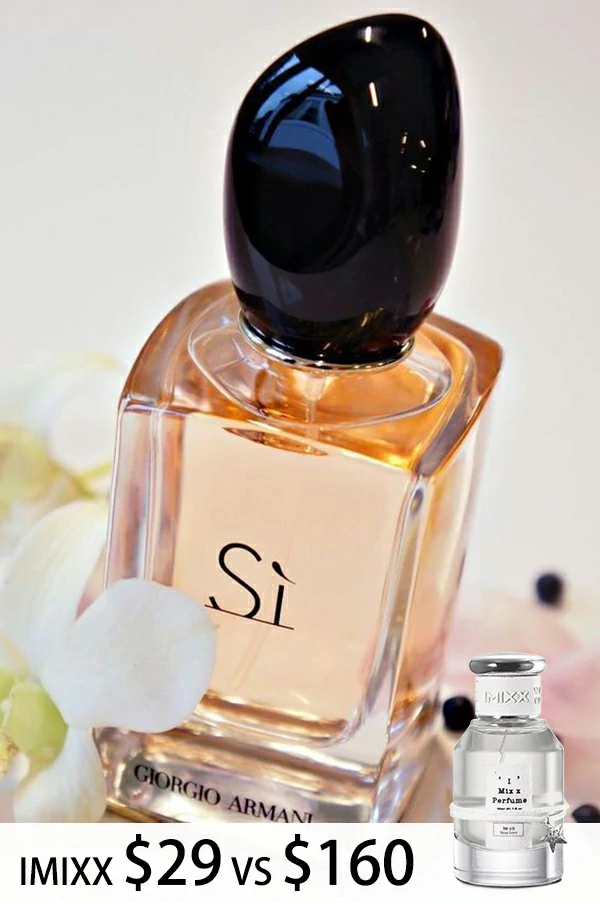
Conclusion: Empowered Perfume Shopping
My journey into understanding perfume pricing has fundamentally changed how I approach fragrance shopping. I no longer feel overwhelmed by the vast price differences or convinced that only expensive perfumes can deliver quality and satisfaction. Instead, I make informed decisions based on actual value rather than marketing-created perceptions.
The six factors we’ve explored—brand reputation, fragrance concentration, bottle design, marketing costs, distribution channels, and exclusivity—collectively determine the price of perfume. By understanding how each contributes to the final cost, you can identify where you’re willing to invest and where you can save without compromising your fragrance experience[1][2][3][5][8].
Whether you choose to splurge on luxury perfumes for special occasions or build a diverse collection of quality alternatives like IMIXX Perfumes, the key is shopping with knowledge and intention. I’ve found immense satisfaction in owning fragrances at every price point, each serving different purposes in my daily life.
Remember that the perfect perfume is one that makes you feel confident and brings you joy, regardless of its price tag. Trust your nose, do your research, sample thoroughly, and never feel pressured to overspend on brand prestige alone. The world of fragrance offers incredible options for every budget, and understanding pricing empowers you to discover them.
Ready to Explore Quality Fragrances?
Visit IMIXX Perfumes to discover exceptional scent alternatives that prioritize quality and value over inflated pricing.