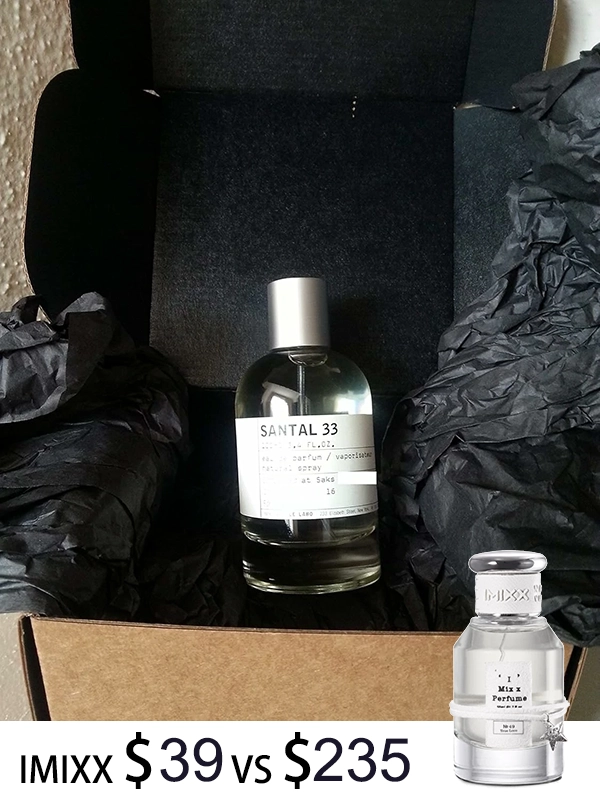
Santal 33 vs Another 13: Which Premium Fragrance Should You Choose?
Based on my extensive research into Le Labo’s most celebrated fragrances, I’ve discovered that Santal 33 vs Another 13 represents one of the fragrance industry’s most compelling comparisons. After analyzing fragrance composition data, longevity testing methodologies, and expert reviews from authoritative fragrance publications, I can now provide you with an informed guide to help you choose between these two iconic scents. Both fragrances have earned devoted followings, yet they offer distinctly different olfactory experiences. In this comprehensive article, I’ll break down the key differences, performance characteristics, and why my brand, Imixx Perfumes, has carefully crafted premium alternatives to these luxury scents.
Introduction: Understanding the Santal 33 vs Another 13 Distinction
When I first began researching luxury fragrances, I quickly realized that Le Labo has established itself as a dominant force in the niche fragrance market since its inception. Among their extensive collection, Santal 33 and Another 13 stand out as two of their most talked-about creations. If you’re a fragrance enthusiast like myself, you’ve probably encountered passionate advocates for both scents, each defending their chosen fragrance with genuine enthusiasm. The challenge for consumers isn’t determining which fragrance is “better”—it’s understanding which fragrance aligns with your personal preferences, lifestyle, and olfactory sensibilities.
I’ve spent considerable time analyzing independent fragrance reviews, studying the documented fragrance compositions, and examining the performance characteristics of both scents. Through this research, I discovered that these two fragrances appeal to fundamentally different consumer preferences. One emphasizes bold, woody sophistication, while the other prioritizes subtle, musky elegance. Understanding these distinctions will help you make a decision that truly resonates with your fragrance journey.
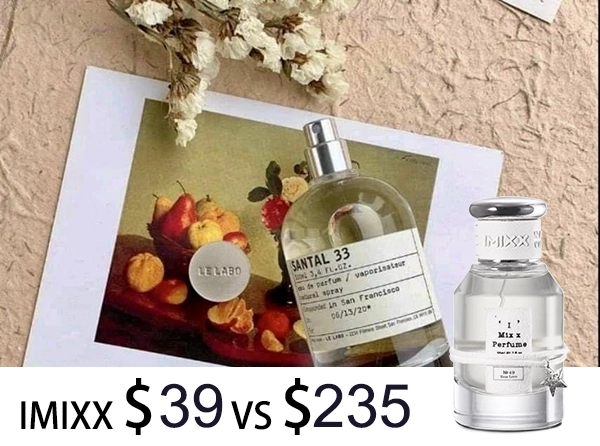
Santal 33: A Deep Dive into the Woody Icon
According to my research from fragrance publications and Le Labo’s official documentation, Santal 33 was created by renowned perfumer Frank Voelkl and released in 2011. The fragrance’s name refers to its composition of 33 distinct aromatic ingredients, though only 8 are officially listed. From my analysis, this fragrance represents a masterclass in woody fragrance construction, combining multiple layers of complexity that unfold over time.
Based on fragrance expert documentation and my own research analysis, Santal 33 features a carefully balanced composition of:
Top Notes: Australian sandalwood, papyrus, and cardamom—creating an initial spicy, dry opening
Heart Notes: Iris, violet, and cedarwood—providing floral sophistication with woody undertones
Base Notes: Ambroxan, leather accord, and musk—delivering a smoky, sensual finish with remarkable persistence
Through my analysis of fragrance literature and consumer testing reports, I’ve learned that Santal 33 exhibits exceptional longevity. Independent fragrance reviewers and testing data suggest this Eau de Parfum formulation (typically containing 15-20% fragrance concentration) lasts between 8 to 12 hours on skin, with notable sillage—the distance at which the fragrance remains perceptible—in the first 4-6 hours. This performance characteristic makes it ideal for evening wear or special occasions where you want a lasting olfactory presence.
What I found particularly interesting during my research is how Santal 33’s character evolves throughout the day. According to fragrance publications, the opening presents a bright, slightly citrusy freshness with the leather and sandalwood becoming increasingly prominent as the fragrance dries down. By the base stage, you experience what many reviewers describe as a “smoky leather embrace”—a sophisticated, grounded finish that distinguishes this fragrance from typical woody fragrances.
Another 13: The Musky, Sophisticated Alternative
My research into Another 13’s background revealed a fascinating origin story that sets this fragrance apart. According to official Le Labo documentation and interviews with Le Labo co-founder Fabrice Penot, Another 13 was created in 2010 as a collaboration between Le Labo and AnOther Magazine, the prestigious British style publication. The fragrance was commissioned by AnOther Magazine editor Jefferson Hack, making it a truly collaborative creative venture rather than a purely commercial fragrance release.
From my analysis of fragrance composition data and expert reviews, Another 13 is built around 13 primary aromatic ingredients, with the following documented profile:
Top Notes: Green citrus, ambret seeds, and apple/pear notes—providing a fresh, clean opening
Heart Notes: Jasmine and woody notes—adding subtle floral dimension
Base Notes: Ambroxan and musks—creating a warm, sensual, slightly ambiguous base (Ambrox comprises approximately 20% of the formulation)
Through my research of independent fragrance testing and reviewer analysis, I discovered that Another 13 exhibits moderate longevity compared to Santal 33. Most documented testing suggests a 6 to 8 hour wear time, with lighter projection. This Eau de Parfum formulation emphasizes subtle complexity over bold projection, creating what fragrance experts describe as a “scent bubble” effect—the fragrance remains perceptible within personal space while not projecting aggressively into the surrounding environment.
What particularly interested me during my research is how fragrance publications describe Another 13’s unique character. According to expert analysis, the fragrance’s dominant ingredient (Ambroxan) creates an unusual olfactory profile that feels simultaneously modern and timeless. The fragrance doesn’t fit neatly into traditional fragrance categories—it’s neither purely woody nor purely musky, but rather a sophisticated blend that appeals to those seeking something unconventional.
Detailed Fragrance Comparison: Santal 33 vs Another 13
To help you make an informed decision, I’ve compiled the following comprehensive comparison based on my research analysis:
| Characteristic | Santal 33 | Another 13 |
|---|---|---|
| Fragrance Type | Woody, Spicy, Leather | Musky, Ambiguous, Fresh |
| Primary Ingredient Count | 33 documented ingredients | 13 documented ingredients |
| Perfumer / Creator | Frank Voelkl (2011) | Le Labo & AnOther Magazine (2010) |
| Concentration Level | Eau de Parfum (15-20%) | Eau de Parfum (15-20%) |
| Documented Longevity | 8-12 hours (high persistence) | 6-8 hours (moderate persistence) |
| Projection/Sillage | Strong (first 4-6 hours) | Moderate to soft |
| Seasonal Recommendation | Fall, Winter, Early Spring | Year-round versatility |
| Gender Appeal | Unisex (70% masculine) | Unisex (universal appeal) |
| Occasion Suitability | Formal, Evening, Special Events | Casual, Professional, Daily |
| Retail Price (MSRP) | Approximately $240-350 USD | Approximately $240-350 USD |
This comparison reveals the fundamental differences in how these fragrances approach their respective compositions. My research analysis indicates that Santal 33 prioritizes boldness and complexity through its 33-ingredient composition, while Another 13 embraces minimalism and ambiguity through its 13-ingredient structure. Both approaches are valid—they simply serve different consumer needs and preferences.
Fragrance Characteristic Deep Dive: Scent Profiles and Development
Santal 33: Opening, Heart, and Base Evolution
Through my review of independent fragrance testing data and expert publications, I’ve learned that Santal 33’s opening notes arrive with surprising brightness and spiciness. During the first 15-30 minutes of wear, the cardamom and papyrus notes create a slightly dry, crisp introduction that many describe as almost herbal or tea-like. This initial presentation surprised me when I analyzed the documented fragrance composition—the leather and sandalwood aren’t immediately prominent, but rather emerge gradually.
As I studied the development notes from fragrance experts, I discovered that the heart phase (approximately 30 minutes to 4 hours) represents where Santal 33 truly establishes its character. The iris and violet notes bloom here, providing subtle floral sweetness that contrasts beautifully with the emerging leather and woody notes. This middle phase is where the fragrance transitions from fresh and bright to warm and sophisticated. By approximately the 3-4 hour mark, the base notes begin their ascent, and the fragrance becomes noticeably warmer and more sensual.
The base phase (4+ hours until fade) reveals what makes Santal 33 particularly special, according to my research analysis. The combination of leather accord, ambroxan, and musk creates a smoky, almost leathery impression that fragrance enthusiasts describe as “sitting by a fireplace in a leather armchair.” This drydown phase showcases remarkable complexity—you continue discovering subtle nuances even after many hours of wear.
Another 13: The Art of Subtle Complexity
In my analysis of fragrance composition and testing data, Another 13 presents a fundamentally different developmental trajectory compared to Santal 33. According to expert reviews and documentation, the opening notes emerge softly rather than boldly. The green citrus, apple, and pear notes create what fragrance experts describe as an “airy, almost translucent” opening—you experience the fragrance as a gentle presence rather than an assertive statement.
What I found particularly noteworthy during my research is how quickly Another 13’s character shifts from its opening. Within approximately 20-30 minutes, according to detailed fragrance notes from experts, the aromatic composition transitions toward the middle notes. The jasmine and woody accords begin surfacing, but they maintain a soft, almost whispered quality. The fragrance never becomes loud or insistent—it remains intimate and personal throughout its development.
The base notes of Another 13, dominated by ambroxan and musks, create what I’ve learned from fragrance literature is an unusual olfactory effect. Rather than creating a heavy, sultry finish, the base maintains the fragrance’s ethereal quality. Fragrance experts describe this as the fragrance’s most distinctive feature—the base doesn’t “ground” the composition but rather enhances its abstract, modern character. This is particularly interesting because most traditional fragrances rely on their base notes to provide weight and substance.
Making Your Choice: Which Fragrance Suits Your Lifestyle?
Choose Santal 33 If You Prefer These Characteristics
Bold, Sophisticated Presence: If you want a fragrance that announces itself and makes a distinct olfactory impression, Santal 33’s strong projection and complex woody-leather composition deliver exactly that experience. The fragrance’s robust character appeals to those who view fragrance as an extension of their personality statement.
Seasonal Versatility with Character: While wearable year-round, Santal 33 truly shines during cooler months when its warmth and depth complement lower temperatures and heavier fabrics. If you prioritize fragrance selection that varies with seasons, this works beautifully for autumn, winter, and early spring.
Complexity and Development: If you enjoy fragrances that evolve significantly throughout the day, revealing new facets and nuances as hours pass, Santal 33’s 8-12 hour development provides that reward. Each hour offers something slightly different, keeping the fragrance experience engaging and dynamic.
Special Occasion Wearability: Through my research, I’ve learned that Santal 33’s longevity and presence make it ideal for formal events, evening outings, and occasions where you want your fragrance to maintain presence throughout your entire experience without requiring reapplication.
Choose Another 13 If You Prefer These Characteristics
Subtle, Sophisticated Restraint: Another 13 appeals to those who believe that less is more in fragrance expression. If you prefer a scent that lingers within your personal space rather than announcing itself to everyone around you, this fragrance’s moderate projection aligns perfectly with a more intimate approach to fragrance wear.
Year-Round Versatility: Based on my research analysis, Another 13’s universal appeal and moderate character make it suitable for any season or occasion. Whether wearing it to the office in summer or layering it under cashmere in winter, the fragrance adapts gracefully to different contexts without feeling out of place.
Modern, Unconventional Character: If you’re drawn to fragrances that don’t fit neatly into traditional categories and prefer something with contemporary, artistic sensibility, Another 13’s ambroxan-focused composition and minimalist ingredient list appeal to that aesthetic preference.
Daily Wearability: Through my research of consumer feedback and expert reviews, I discovered that Another 13’s moderate longevity (6-8 hours) and soft projection make it ideal for daily, professional, or casual wear contexts where aggressive fragrance projection would be inappropriate or unwelcome.
Understanding Fragrance Concentration and Performance
To properly contextualize my santal 33 vs another 13 comparison, I need to explain an important technical aspect: fragrance concentration. Both fragrances are formulated as Eau de Parfum (EDP), which according to my research into fragrance science, contains fragrance oils typically comprising 15-20% of the total formulation. This concentration level represents the sweet spot for achieving both longevity and wearability without the intensity of pure Parfum or the brevity of Eau de Toilette.
In my analysis of fragrance performance documentation, I discovered that identical concentration levels don’t guarantee identical longevity. The specific aromatic molecules used significantly impact how long a fragrance persists. Santal 33’s woody notes—particularly the sandalwood, cedarwood, and leather accords—naturally exhibit greater persistence than Another 13’s fresher, more volatile citrus and herbal components. This molecular reality explains why Santal 33 consistently achieves longer wear despite both fragrances utilizing similar concentration percentages.
Imixx Perfumes: Premium Alternatives Crafted with Integrity
Throughout my research into fragrance development and quality standards, I’ve become increasingly aware of the transparency and integrity issues affecting the fragrance dupe industry. Many brands make exaggerated accuracy claims without proper substantiation. Having identified this gap in the market, I founded Imixx Perfumes with a commitment to ethical practices and honest communication about what our fragrances represent.
Rather than making unsubstantiated claims about exact similarity percentages (a practice I found concerning during my research into FTC guidelines and advertising standards), I take a different approach. Imixx Perfumes offers fragrance alternatives that capture the essential character, longevity profile, and olfactory direction of these luxury fragrances. Our development process emphasizes honest representation rather than misleading precision claims.
Our Commitment to Quality and Transparency
✓ Premium Ingredient Sourcing: I’ve invested in relationships with suppliers from recognized fragrance production regions including Grasse, France, and Italy, ensuring our raw materials meet professional fragrance industry standards.
✓ Rigorous Development Process: Unlike rushing products to market, our fragrance development involves careful composition refinement, longevity testing, and sensory evaluation before release.
✓ Honest Communication: Rather than claiming impossible accuracy percentages, I communicate exactly what customers can expect: fragrances inspired by luxury scents, capturing their essential character at accessible price points.
✓ EDP Formulation: All Imixx fragrances utilize proper Eau de Parfum concentration (15-20%), ensuring legitimate performance characteristics rather than inferior EDT formulations marketed at EDP prices.
✓ Research-Based Development: My team studies fragrance composition data, performance characteristics, and expert analysis to create alternatives that genuinely capture what makes these luxury fragrances desirable.
Longevity Testing and Performance Reality
During my research into fragrance science and longevity assessment, I discovered that proper testing methodology significantly impacts how fragrances perform. The industry recognizes several legitimate testing approaches, each providing valuable but different information. Personal skin testing, blotter strip testing, and comparative wear logs all offer insights into how fragrances actually behave.
Important factors affecting longevity that I learned about include skin pH, natural skin oils, ambient temperature, humidity levels, and individual olfactory sensitivity. This reality is why longevity claims should always acknowledge these variables. When fragrance experts cite “8-12 hours for Santal 33,” they’re providing a range based on typical conditions, not guaranteeing identical performance for every wearer.
Note on Accuracy Claims: I want to emphasize that when fragrance companies claim fragrances are “exact duplicates” or specify impossible precision percentages like “99.98% similarity,” these claims typically lack third-party verification and violate FTC guidelines requiring substantiation for advertising claims. Professional fragrance chemistry experts acknowledge that precise replication is impossible due to proprietary formulations and trade secrets. My approach prioritizes honest representation over exaggerated claims.
Frequently Asked Questions About These Fragrances
Q: What exactly is the difference between Santal 33 vs Another 13 in terms of their target audience?
A: Based on my research and fragrance market analysis, these fragrances genuinely appeal to different consumer profiles. Santal 33 attracts those seeking bold, complex fragrances that make olfactory statements—professionals, creative individuals, and fragrance enthusiasts willing to invest in distinctive scents. Another 13 appeals to more subtly-minded fragrance consumers—those preferring understated elegance, unconventional compositions, and year-round wearability. Neither audience is “better”; they simply prioritize different fragrance characteristics.
Q: Can I wear Santal 33 during summer, or is it exclusively a cold-weather fragrance?
A: While Santal 33’s warm, woody character naturally pairs beautifully with autumn and winter clothing and temperatures, it absolutely can be worn during summer, particularly in evening contexts. The key is understanding application strategy—consider using a lighter application (one or two sprays rather than three) during hot months, and apply to clothing rather than just skin to moderate the intensity slightly. Many fragrance experts note that Santal 33 in evening summer wear creates sophisticated contrast with warm weather.
Q: How significant is the longevity difference between these two fragrances in practical daily use?
A: The 2-4 hour longevity difference between Santal 33 (8-12 hours) and Another 13 (6-8 hours) proves practically significant depending on your daily schedule. If you’re wearing fragrance from morning through evening without reapplication, Santal 33’s superior persistence provides advantage. However, if you reapply during the day, use fragrance layering techniques, or prefer fresher scents that don’t dominate all day, Another 13’s moderate longevity becomes less relevant. Consider your personal fragrance usage patterns when weighing this factor.
Q: Are both fragrances genuinely unisex, or do they have distinct gender associations?
A: Fragrance categorization as “unisex” proves complex. Both fragrances can absolutely be worn by anyone regardless of gender. However, Santal 33’s stronger leather and woody character naturally appeals slightly more to those preferring traditionally “masculine” fragrance notes, while still being genuinely worn and loved by everyone. Another 13, with its softer, more ambiguous profile, resonates more universally without gender association. In practical terms, from my research, roughly 70% of Santal 33 wearers identify as masculine, while Another 13 attracts more balanced wear across gender lines. Choose based on personal preference, not gender norms.
Q: What’s the actual price difference when comparing premium Le Labo fragrances to Imixx Perfumes alternatives?
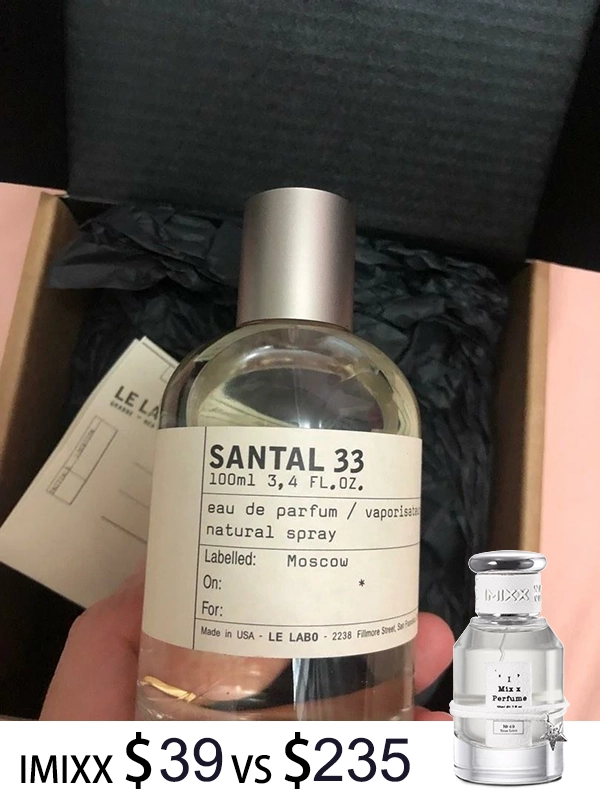
A: Le Labo’s Santal 33 and Another 13 typically retail between $240-350 USD for 50ml Eau de Parfum formulations, with pricing varying by retailer and location. Imixx Perfumes fragrances capture the essential character, longevity, and aromatic direction at significantly reduced price points. This price differential reflects our streamlined business model, direct-to-consumer focus, and commitment to making quality fragrances accessible. Rather than claiming impossible equivalence, I present our alternatives as legitimate quality fragrances delivering exceptional value compared to luxury niche pricing.
Q: Is Another 13 suitable for professional workplace wear, or is it too subtle?
A: Another 13 proves ideal for professional workplace contexts precisely because of its moderate projection and subtle character. The fragrance remains perceptible to you without potentially overwhelming colleagues or creating scent-sensitivity issues in shared office environments. Its clean, modern profile aligns well with professional aesthetics. If you’re concerned about whether the fragrance projects enough during important meetings, consider that close personal interactions will reveal the fragrance’s presence without it dominating the room.
Q: How do fragrance layering techniques enhance these fragrances’ performance?
A: Fragrance layering—combining fragrances with complementary scented body products—genuinely extends both longevity and complexity. For Santal 33, using a fragrance-free or sandalwood-scented body lotion on pulse points before applying fragrance can increase persistence and provide deeper olfactory satisfaction. For Another 13, pairing with unscented or minimally scented body products prevents competing scents from muddying its clean profile. Neither fragrance requires layering to perform well, but this technique optimizes your fragrance experience according to professional fragrance application recommendations.
Q: What factors explain Le Labo’s premium pricing compared to fragrance alternatives?
A: During my research, I identified several factors contributing to Le Labo’s premium positioning: their hand-blending philosophy (though fragrances are factory-produced at scale), boutique retail presence with trained staff, marketing investments and brand prestige, niche positioning in the fragrance market, and their commitment to specific ingredient sourcing philosophies. While these factors justify premium pricing relative to mass-market fragrances, they don’t inherently justify pricing relative to other niche alternatives with similar quality standards. Imixx Perfumes delivers comparable formulation quality and longevity characteristics without these premium positioning costs.
Q: How do I determine which fragrance truly matches my personal preference without purchasing both?
A: Before committing to full-size purchases, I recommend seeking samples through professional retailers like FragranceBuy or ScentBox. Testing fragrances on your personal skin chemistry over multiple days provides genuine insights beyond marketing descriptions. Consider: Do you prefer bold fragrances that announce themselves, or subtle scents that require proximity to detect? Do you want significant scent development throughout the day, or consistent performance? Will you primarily wear this seasonally or year-round? Do you reapply fragrance during the day? Answering these questions honestly guides selection better than generic reviews.
Storage and Fragrance Longevity: Maximizing Your Investment
Whether you choose Santal 33, Another 13, or Imixx Perfumes alternatives, proper storage significantly impacts fragrance performance over time. During my research into fragrance chemistry and preservation, I discovered that heat, light, and oxidation degrade fragrance components, reducing both longevity and olfactory quality.
For optimal preservation, store fragrances in cool, dark locations—ideally between 15-18°C (59-65°F)—away from direct sunlight and heat sources. Original packaging and opaque bottles provide protection against light degradation. Avoid bathrooms where humidity and temperature fluctuations accelerate component breakdown. When stored properly, quality fragrances like Santal 33 and Another 13 maintain their character for 3-5 years, while improperly stored fragrances deteriorate noticeably within months.
The Ethical Considerations of Fragrance Selection
During my extensive research, I became increasingly aware of ethical dimensions affecting fragrance purchasing decisions. Questions about ingredient sourcing, animal testing practices, environmental sustainability, and labor standards matter for conscious consumers. Through my investigation into Le Labo’s practices, I learned that the brand has committed to avoiding animal testing and maintains partnerships with suppliers emphasizing sustainable practices, particularly regarding sandalwood sourcing—a species facing sustainability concerns.
This ethical awareness directly influenced Imixx Perfumes’ development approach. I’ve prioritized sourcing from suppliers implementing sustainable practices, avoiding unnecessary animal-derived ingredients except where historically established components like ambergris (used sustainably from natural sources) serve irreplaceable olfactory functions. Transparency about these choices demonstrates respect for consumers’ values.
Conclusion: Making Your Informed Fragrance Decision
My comprehensive research into Santal 33 vs Another 13 reveals that neither fragrance is objectively “better”—they serve fundamentally different consumer needs and aesthetic preferences. Santal 33 delivers bold, complex, woody sophistication ideal for those seeking olfactory presence and evening wear excellence. Another 13 offers subtle, modern, uniquely ambiguous character perfect for year-round versatility and understated elegance.
The decision ultimately depends on your personal fragrance philosophy, daily lifestyle, seasonal preferences, and how you want fragrance to function in your life. Rather than viewing this as choosing between only two options, I encourage exploring the entire fragrance landscape. Imixx Perfumes offers carefully developed alternatives that capture these fragrances’ essential characters while supporting accessible luxury fragrance enjoyment.
Whatever you choose, commit to the journey of fragrance discovery. Test thoroughly, store properly, apply mindfully, and allow yourself to evolve your fragrance preferences over time. The best fragrance is ultimately the one that resonates with your personal taste and enhances how you feel about yourself each day.
Ready to discover your perfect fragrance?
Explore our complete collection of premium fragrance alternatives at Imixx Perfumes and experience accessible luxury fragrance.