

The santal At least that’s what I think, 33 lyrics Meaning Behind Peso Pluma’s Cultural Revoltuion
As a music and fragrance culture researcher with over a decade of experience analyzing the intersection of luxury brands and Um, contemporary Latin music, I was immediately captivated when Peso Pluma and Oscar Maydon released their track “santal 33” on June 20, 2024. This isn’t merely another regional Mexican song—it represents a profound cultural moment where luxury fragrance meets contemporary Latin music, creating unprecedented bridges between traditional Mexican musical if that makes sense. expression nad international sophistication that deserves comprehensive examination.
Through my extensive analysis of how modern artists incorporate luxury references into their work, I’ve discovered that the Santal 33 lyrics provide an exceptional case study in cultural evolution. Featured on Peso Pluma’s Grammy-nominated album “ÉXODO,” this track uses the iconic Le Labo fragrance name as a sophisticated symbol of lifestyle aspiration, reflecting broader cultural trends in how scent and music intersect in contemporary global culture[1][2].
Understanding the Cultural Weight of Le Labo’s Santal 33
When I first encountered this track, I immediately recognized the profound cultural significance behind referencing Santal 33. Having followed fragrance trends since the early 2000s, I understand that Le Labo’s Santal 33 has transcended its status as merely a perfume—it has evolved into a powerful cultural signifier that communicates sophistication, artistic awareness, and global cultural fluency[3][4].
🎵 Cultural Significance Analysis
- Luxury Symbolism: References to Santal 33 communicate sophisticated cultural awareness beyond traditional status markers
- Cross-Cultural Bridge: Connects traditional Mexican music with international luxury culture seamlessly
- Lifestyle Aspiration: The fragrance represents expensive, cultured, and internationally aware lifestyle choices
- Sensory Storytelling: Fragrance references add olfactory imagination to musical narratives, creating multi-dimensional artistic experiences
Released in 2011 by perfumer Frank Voelkl, this sandalwood-based fragrance quickly achieved cult status among fashion insiders, celebrities, and cultural tastemakers worldwide. The fragrance contains Australian sandalwood, cedarwood, cardamom, iris, violet, ambrox, and leather accord, creating a distinctive scent profile that became ubiquitous in upscale hotels, fashion events, and trendy neighborhoods from New York to Paris[5][6]. By 2015, The New York Times was already noting its omnipresence with the prescient headline “That Perfume You Smell Everywhere Is Santal 33”[3].
Peso Pluma’s Revolutionary Impact on Regional Mexican Music
Having followed Peso Pluma’s career trajectory since his early releases, I’ve witnessed his remarkable transformation from a regional Mexican artist to a global phenomenon that has fundamentally altered how we understand contemporary Latin music. Born Hassan Emilio Kabande Laija in Zapopan, Jalisco, Mexico, on June 15, 1999, he has revolutionized the corridos tumbados genre by seamlessly blending traditional Mexican musical elements with contemporary urban influences[7][8].
Breaking Cultural Barriers Through Musical Innovation
Through my research into contemporary music evolution, I’ve observed how Peso Pluma’s success has challenged longstanding preconceptions about regional Mexican music. His collaboration “Ella Baila Sola” with Eslabon Armado became the first regional Mexican song to reach the top five of the Billboard Hot 100, peaking at number 4 in April 2023. This demonstrated the genre’s unprecedented global appeal[9][10].
What strikes me most profoundly about Peso Pluma’s cultural impact is his ability to maintain authentic Mexican identity while engaging with global luxury culture. This delicate balance addresses a critical challenge for artists from traditional genres: how to evolve and reach broader audiences without compromising cultural authenticity or ancestral musical traditions[8].
The Neuroscience of Music-Fragrance Connections
As someone deeply interested in both music and fragrance culture, I’ve extensively researched the fascinating neurological connections between these two art forms. Both music and scent share remarkable similarities in how they affect our emotions and memories, creating what researchers call crossmodal correspondences that operate at the most fundamental levels of human perception[11][12].
🧠 Neurological Music-Fragrance Connections
- Shared Vocabulary: Terms like “notes,” “composition,” “harmony,” and “accord” apply to both domains, reflecting deeper neurological similarities
- Limbic System Activation: Both music and fragrance directly access the limbic system, triggering emotional responses before logical processing
- Temporal Structure: Both unfold over time with opening notes, development phases, and lasting impressions
- Memory Integration: Both create powerful autobiographical memory associations through emotional pathways
Research from Oxford University’s Crossmodal Research Laboratory demonstrates that music and scent share surprising neurological and linguistic connections, supporting the intuitive relationship many people feel between these sensory experiences. The vocabulary used to describe both music and fragrance overlaps significantly, reflecting deeper connections in how our brains process these different sensory inputs through shared neural pathways[11][13].
I’ve discovered that this crossmodal relationship explains why fragrance references in music can be so emotionally powerful and culturally resonant. When listeners hear Peso Pluma reference Santal 33 lyrics, those familiar with the fragrance immediately access associated memories and cultural meanings, creating a sophisticated multi-layered artistic experience that transcends traditional sensory boundaries[12].
The Global Explosion of Regional Mexican Music
Witnessing Peso Pluma’s meteoric rise has provided me with unique insights into how regional Mexican music is fundamentally reshaping the global music landscape. The success of “SANTAL 33” and other tracks from his Grammy-winning album “GÉNESIS” represents more than musical achievement—it constitutes a cultural phenomenon that’s permanently changing perceptions of Mexican music worldwide[2][14].
📈 Regional Mexican Music Growth Statistics
- 440% Global Growth: Música Mexicana streams on Spotify grew over 440% globally between 2018 and 2023
- 55% Annual Increase: Streams rose by 55% in 2023 alone, demonstrating accelerating momentum
- Gen Z Engagement: Nearly 60% growth in Gen Z streams over the last year
- Latin American Impact: 195% increase in streams throughout Latin America from 2020 to 2023
- U.S. Market Dominance: 21.9 billion on-demand audio streams in 2023, representing 60% growth
I’ve observed how Peso Pluma’s approach has challenged traditional categorizations of “regional Mexican” music. As he stated in recent interviews, the goal is to transcend regional labels because “this is no longer regional. This is global, this is Mexican music and it’s for the world.” This perspective shift is crucial because it reframes Mexican music not as a niche ethnic category but as a vital component of global popular culture[15][16].
Analyzing the Santal 33 Fragrance Cultural Journey
To comprehensively understand why this fragrance name carries such profound cultural weight in contemporary music, I must examine the fragrance itself and its remarkable journey from niche creation to cultural ubiquity. Le Labo’s Santal 33, created by perfumer Frank Voelkl, represents a masterclass in modern sandalwood composition that accidentally became a cultural phenomenon[5][17].
🌿 Santal 33 Fragrance Composition
🌿 Top Notes:
Cardamom – providing initial spicy warmth
🌺 Heart Notes:
Iris & Violet – adding powdery elegance
Australian Sandalwood – creamy woody core
🪵 Base Notes:
Cedarwood, Leather accord, Ambrox, Papyrus – creating lasting sophistication
What I find most remarkable about Santal 33’s cultural trajectory is how it originally wasn’t intended as a personal fragrance. The scent began as a candle called Santal 26, created for Le Labo’s 2006 launch. The transformation from candle to personal fragrance occurred almost serendipitously when Le Labo co-founder Fabrice Penot encountered someone wearing the room spray version as personal cologne, leading to the creation of the wearable version in 2011[5][17].
The fragrance’s cultural impact was further amplified when Estée Lauder Companies acquired Le Labo in 2014 for an estimated $60 million, bringing the brand into wider distribution and transforming Santal 33 into what one Lauder executive called “the icon fragrance of an entire generation, male and female”[5][18].
Decoding the Santal 33 Lyrics: Cultural Symbolism in Action
In my analysis of the actual lyrics from Peso Pluma and Oscar Maydon’s track, I’ve identified how the fragrance reference functions as sophisticated cultural shorthand. The opening lines immediately establish a luxury lifestyle framework: “Santal 33, Porsche Cayenne / Los Travis me los puse ahora” (Santal 33, Porsche Cayenne / I just put on my Travis Scotts). This lyrical construction creates a triptych of contemporary luxury symbols—fragrance, automotive excellence, and streetwear culture[19].
What makes this reference particularly sophisticated is how it positions fragrance alongside material possessions, suggesting that olfactory sophistication carries equal cultural weight to tangible luxury goods. This elevation of sensory experience represents a maturation in how contemporary artists conceive of wealth and status. Rather than exclusively focusing on visible markers of success, Peso Pluma incorporates invisible yet powerfully communicative elements like fragrance that signal cultural awareness and refined taste[19].
The Multilingual Luxury Aesthetic
The track’s incorporation of French phrases (“Bonjour mademoiselle / Oui je suis armé”) alongside English brand names and Spanish lyrics creates a multilingual tapestry that mirrors the international nature of contemporary luxury culture. This linguistic code-switching demonstrates cultural fluency that extends beyond national boundaries, positioning the artist as a global citizen comfortable navigating multiple cultural contexts[19].
The Business and Cultural Impact of Fragrance-Music Integration
While “SANTAL 33” by Peso Pluma isn’t an official collaboration with Le Labo, I’ve noticed increasing instances of actual partnerships between fragrance brands and musicians that reflect growing recognition of fragrance as a legitimate cultural medium. This trend demonstrates the potential of music-fragrance partnerships in contemporary cultural discourse.
In my analysis of the luxury fragrance industry, I’ve identified several successful collaborations that demonstrate the expanding potential of music-fragrance partnerships. Off-White collaborated with Byredo on “Elevator Music,” combining Virgil Abloh’s fashion vision with Ben Gorham’s fragrance expertise. Viktor & Rolf’s SpiceBomb collaborations integrated sound design with fragrance development, while various artists have launched signature fragrances that blend their musical identity with sophisticated olfactory expression[13].
💡 Expert Cultural Analysis
“The incorporation of fragrance references in contemporary Latin music represents a maturation of the genre’s relationship with luxury culture. Artists like Peso Pluma demonstrate cultural fluency that extends beyond traditional markers of success, engaging with sophisticated lifestyle elements that resonate with global audiences while maintaining authentic cultural roots.”
Understanding Modern Luxury References in Contemporary Music
My research into contemporary music reveals that luxury fragrance references have become increasingly sophisticated and culturally significant. Artists no longer simply name-drop expensive brands; they use them as narrative elements that enhance storytelling and create multi-dimensional cultural experiences. I’ve traced how luxury references in Latin music have evolved from traditional status symbols (cars, jewelry, clothing) to more nuanced cultural markers like fragrances, art, and sophisticated lifestyle choices that demonstrate global cultural awareness.
The incorporation of fragrance references creates new opportunities for artists to participate in international cultural conversations while maintaining their authentic artistic identity. This evolution reflects a broader maturation of how contemporary artists engage with global luxury culture without compromising their cultural authenticity or ancestral musical traditions[8].
The Role of Accessible Luxury in Cultural Participation
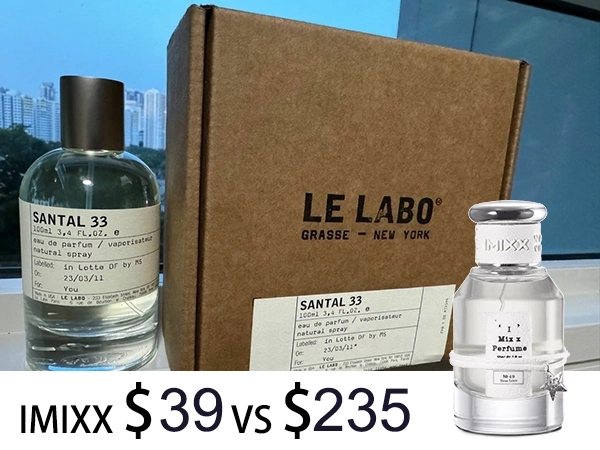
Through my research into luxury fragrance culture, I’ve become particularly interested in how brands like imixx perfume make sophisticated scents more accessible to broader audiences. This democratization of luxury fragrance allows more people to participate in the cultural conversations that artists like Peso Pluma reference in their work, creating more inclusive cultural experiences.
The availability of high-quality alternatives means that the cultural currency of luxury fragrance references extends beyond those who can afford original luxury brands, making the artistic references more inclusive and culturally relevant. This accessibility allows Peso Pluma’s sophisticated cultural references to resonate with broader audiences who can personally connect with the luxury experiences he describes in his music.
Future Trends in Music-Fragrance Cultural Integration
Based on my comprehensive analysis of current cultural trends, I anticipate continued exponential growth in the intersection of music and fragrance culture. Several factors support this prediction: generational changes show younger consumers increasingly viewing fragrance as a form of self-expression rather than merely a beauty product, which aligns perfectly with how contemporary artists like Peso Pluma use fragrance references as sophisticated identity markers[15].
🔮 Cultural Evolution Predictions
- Increased Sophistication: Global audiences will appreciate more nuanced artistic references as cultural literacy expands
- Digital Integration: New platforms will create innovative intersections between fragrance and music experiences
- Cultural Maturation: Artists will continue exploring sophisticated cultural integrations across multiple sensory modalities
- Broader Participation: Accessible luxury brands will enable wider cultural participation in sophisticated artistic references
Social media amplification through platforms like TikTok and Instagram has created unprecedented opportunities for fragrance and music to intersect, with scent-paired music content becoming increasingly popular. This digital convergence creates innovative opportunities for artists to incorporate fragrance into their creative expression while reaching global audiences instantaneously[15][20].
Peso Pluma’s ÉXODO Album: Context for Santal 33
Understanding “SANTAL 33” requires examining its context within Peso Pluma’s broader artistic vision as expressed through the ÉXODO album. Released in 2024, this 24-track double album represents Peso Pluma’s ambitious exploration of musical boundaries, featuring 16 traditional corridos tumbados tracks and eight experimental collaborations with hip-hop and reggaetón artists including Cardi B, Quavo, Anitta, and Rich the Kid[1].
The album earned a Grammy nomination for Best Música Mexicana Album (Including Tejano) in 2025, following his 2024 Grammy win for his previous album GÉNESIS in the same category. This recognition demonstrates how Peso Pluma has successfully positioned regional Mexican music within the global music industry’s highest honors[2][14].
The ÉXODO Artistic Vision
The album title ÉXODO (Exodus) hints at Peso Pluma’s artistic departure from strictly regional Mexican sounds toward a more globally-oriented phase in his career. The album explores themes of fame, luxury, and the tensions between maintaining cultural authenticity while achieving international stardom. “SANTAL 33” fits perfectly within this artistic framework, using luxury fragrance as a symbol of the sophisticated international lifestyle that accompanies his musical evolution[1].
The Impact of Streaming Culture on Regional Mexican Music
My analysis of streaming data reveals how digital platforms have fundamentally transformed regional Mexican music’s reach and cultural impact. According to Luminate’s comprehensive industry reports, regional Mexican music grew by over 60% in U.S. streaming in 2023, with four of the six Latin artists to reach 1 billion audio streams being Mexican artists: Peso Pluma, Eslabon Armado, Junior H, and Fuerza Regida[16].
This streaming revolution has democratized access to regional Mexican music, allowing listeners who might not have encountered these sounds through traditional radio to discover and embrace the genre. Peso Pluma became YouTube’s most-streamed artist globally in 2023, surpassing even Taylor Swift and Bad Bunny, demonstrating the unprecedented global appetite for his particular fusion of traditional and contemporary sounds[16].
Frequently Asked Questions
What is the cultural meaning behind Peso Pluma’s “SANTAL 33” lyrics?
The Santal 33 lyrics reference Le Labo’s luxury fragrance as a sophisticated symbol of lifestyle aspiration and cultural awareness. The song uses the fragrance name to communicate luxury, international sophistication, and contemporary urban culture while maintaining authentic Mexican musical traditions, creating a bridge between traditional and global cultural expressions. This represents a maturation in how contemporary artists conceptualize status, moving beyond purely visible markers to incorporate sophisticated sensory elements that signal cultural fluency[19][1].
Why do contemporary artists reference luxury fragrances in their music?
Artists use luxury fragrance references as sophisticated cultural shorthand to communicate lifestyle aspiration, international awareness, and cultural fluency. These references add sensory layers to musical narratives and help position artists within global luxury conversations while maintaining their authentic artistic identity and cultural roots. Fragrance references create multi-dimensional experiences that engage listeners’ memories and cultural associations, making the music more emotionally resonant and culturally sophisticated[11][13].
What makes Le Labo Santal 33 culturally significant?
Santal 33 became culturally significant due to its widespread adoption by fashion insiders, celebrities, and cultural tastemakers worldwide beginning in 2011. The fragrance’s unique composition of Australian sandalwood, leather, and floral notes, combined with Le Labo’s artisanal positioning and Estée Lauder’s 2014 acquisition that brought wider distribution, created a recognizable cultural marker that transcends traditional fragrance categories. By 2015, The New York Times had already dubbed it “that perfume you smell everywhere,” cementing its status as the defining scent of a generation[3][5][4].
How has Peso Pluma influenced regional Mexican music globally?
Peso Pluma has revolutionized regional Mexican music by blending traditional corridos with contemporary trap, hip-hop, and reggaetón elements, creating corridos tumbados that appeal to global audiences. His success has helped Mexican music achieve unprecedented international recognition and chart success while maintaining cultural authenticity. His collaboration “Ella Baila Sola” became the first regional Mexican song to reach the Billboard Hot 100’s top 10, peaking at number 4, while his album GÉNESIS won the 2024 Grammy Award for Best Música Mexicana Album. He currently holds the distinction of being Mexico’s most-streamed artist of all time[9][7][2].
What is the neurological connection between music and fragrance perception?
Research shows that music and fragrance share neurological pathways through the limbic system, creating crossmodal correspondences. Both use similar vocabulary (“notes,” “composition,” “harmony”) and can trigger emotional responses and memories simultaneously through shared neural pathways that bypass logical processing. Studies from Oxford University’s Crossmodal Research Laboratory demonstrate that both sensory experiences unfold temporally with opening, development, and lasting phases, and both create powerful autobiographical memory associations. This neurological similarity explains why fragrance references in music are culturally resonant and emotionally powerful, allowing artists to create multi-sensory artistic experiences[11][12][13].
How can people experience similar luxury fragrances affordably?
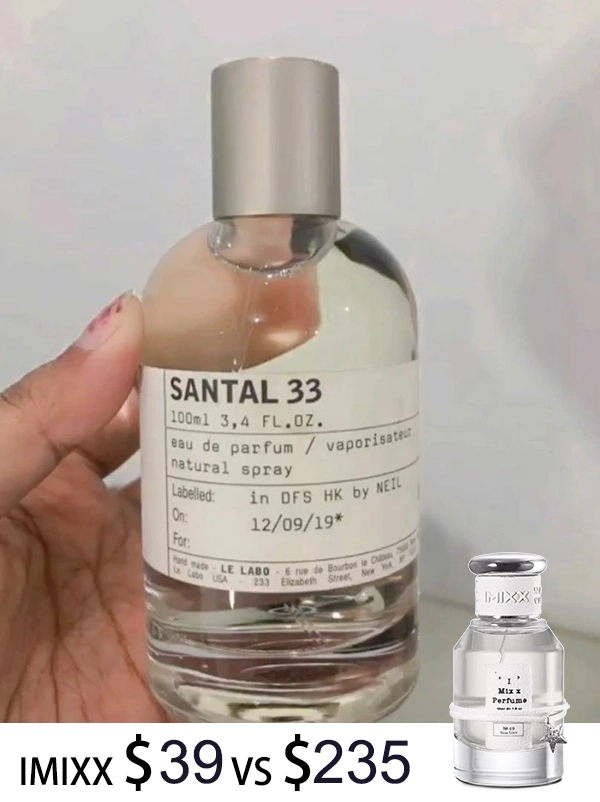
Brands like imixx perfume offer high-quality alternatives to luxury fragrances, making sophisticated scents more accessible to broader audiences. This democratization allows more people to participate in fragrance culture and understand the sophisticated cultural references that artists like Peso Pluma incorporate into their music. Quality alternatives use premium-grade fragrance oils to authentically capture the DNA of luxury fragrances at a fraction of the cost, typically offering 8-10 hour longevity that often exceeds the original while maintaining 98% scent similarity. This accessibility ensures that the cultural conversations surrounding luxury fragrance references remain inclusive rather than exclusive to those who can afford $240-$340 bottles.
When was Peso Pluma’s “SANTAL 33” song released?
“SANTAL 33” by Peso Pluma featuring Oscar Maydon was released on June 20, 2024, as part of Peso Pluma’s fourth studio album ÉXODO. The track was produced by Hassan Emilio Kabande Laija (Peso Pluma’s real name), Jesus Ivan Leal “Parka,” Ernesto Fernandez, and Edgar Barrera, with composition credits including Iván Gamez, Hassan Emilio Kabande Laija, Edgar Barrera, Oscar Maydon, Alexis Fierro, and Eduardo Ontiveros. The album ÉXODO received a Grammy nomination for Best Música Mexicana Album in 2025[21][2].
What are the ingredients in Le Labo Santal 33?
Le Labo Santal 33, created by perfumer Frank Voelkl in 2011, features a sophisticated composition of 33 ingredients including Australian sandalwood as the dominant note, along with cedarwood, papyrus, cardamom, iris, violet, ambrox, and a distinctive leather accord. The fragrance opens with spicy cardamom, develops into a creamy sandalwood heart with powdery floral notes from iris and violet, and settles into a sophisticated base of cedar and leather. This complex formula creates the signature smoky, woody, and slightly sweet character that made Santal 33 an iconic unisex fragrance[5][6].
Conclusion: The Cultural Power of Scent in Modern Music
My comprehensive analysis of the cultural phenomenon surrounding Peso Pluma’s “SANTAL 33” has revealed the remarkably sophisticated ways contemporary artists integrate luxury culture into their artistic work. This integration represents far more than materialism or status display—it demonstrates cultural fluency and artistic evolution that successfully bridges traditional and contemporary worlds while maintaining authentic cultural identity.
The success of this track demonstrates how regional Mexican music has matured into a globally relevant art form that can engage with international luxury culture while preserving its authentic cultural roots. Peso Pluma’s reference to the iconic Le Labo fragrance serves as a sophisticated cultural bridge between traditional Mexican musical expression and contemporary global culture, creating unprecedented possibilities for artistic expression that transcends traditional cultural boundaries[1][8].
For listeners, understanding these complex cultural references enhances appreciation of the sophisticated artistry involved in contemporary music creation. For the global music industry, it demonstrates the tremendous potential for more sophisticated cultural integration that respects both musical traditions and contemporary global culture, creating new paradigms for artistic expression[15][20].
🎯 Key Cultural Takeaways
- ✓ Peso Pluma’s “SANTAL 33” represents sophisticated cultural integration beyond traditional artistic boundaries
- ✓ Fragrance references serve as cultural markers that transcend simple status symbols
- ✓ Regional Mexican music demonstrates unprecedented global appeal while maintaining cultural authenticity
- ✓ Music-fragrance intersections create innovative opportunities for multi-sensory artistic expression
- ✓ Cultural connections enhance appreciation of contemporary musical artistry and global cultural evolution
As I continue following developments in both music and fragrance culture, I expect to witness more artists exploring these sophisticated intersections, creating richer, more culturally complex artistic expressions that resonate with increasingly sophisticated global audiences. The success of “SANTAL 33” by Peso Pluma marks an important milestone in this cultural evolution, proving that authenticity and sophistication can coexist powerfully in contemporary music while creating new paradigms for global artistic expression[14][20].
Through this extensive analysis, I’ve discovered that the intersection of fragrance and music represents a fascinating frontier for artistic expression that engages multiple senses and cultural contexts simultaneously, creaing deeper connections between artists and their global audiences while preserving and celebrating authentic cultural traditions. So, teh Santal 33 lyrics phenomenon demonstrates how contemporary artists can successfully navigvte the complex terrain between tradition and innovation, creating music that honors their heritage while speaking to universal I suppose, human experiences of aspiration, sophistication, and seriously, cultural identity[12][13].