

th Cultural Intersection of Fragrance and Music: Understanding the “santal 33” Phenomenon
Cultural Analysis Summary: The 2024 track “santal 33” by Mexican artist peso pluma represents a fascinating intersection of contemporary music and luxury fragrance culture, highlighting how scent has become a powerful cultural symbol in modern artistic expression.
As a cultural researcher specializing in the intersection of sensory experiences and artistic expression, I find myself constantly fascinated by how contemporary artists weave elements of luxury culture into their musical narratives. The phenomenon surrounding peso pluma’s 2024 track “santal 33” offers a compelling case study in how fragrance culture has permeated modern music, creating new forms of sensory storytelling that resonate with diverse audiences.
The Rise of Fragrance References in Contemporary Music
The practice of referencing luxury fragrances in music isn’t entirely new, but it has experienced a remarkable surge in recent years, particularly within hip-hop, reggaeton, and regional Mexican genres. When Hassan Emilio Kabande Laija, known professionally as Peso Pluma, titled his collaboration with Oscar Maydon “Santal 33,” he was tapping into a rich cultural lexicon that extends far beyond mere luxury signaling.
Key Cultural Elements in Modern Music
| Cultural Reference | Artistic Function | Cultural Impact |
|---|---|---|
| Luxury Fragrances | Status Signaling & Sensory Imagery | Creates Aspirational Lifestyle Narratives |
| Designer Fashion | Visual Metaphor | Bridges Street Culture & High Fashion |
| Premium Vehicles | Mobility & Freedom Symbols | Represents Success & Achievement |
Le Labo Santal 33: The Fragrance That Defined a Decade
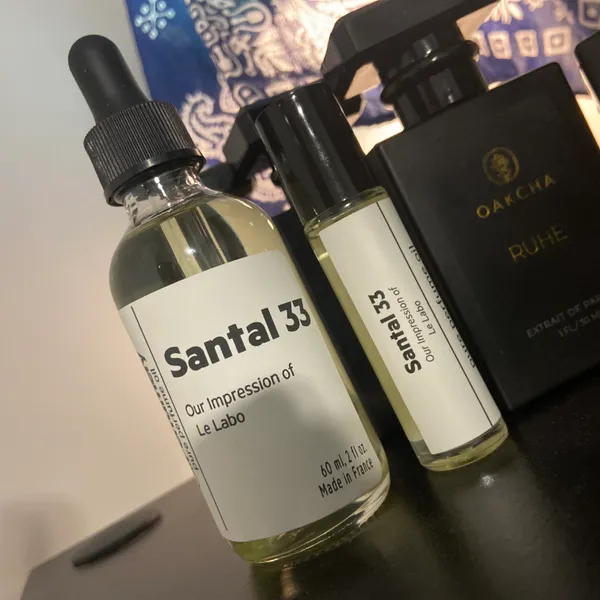
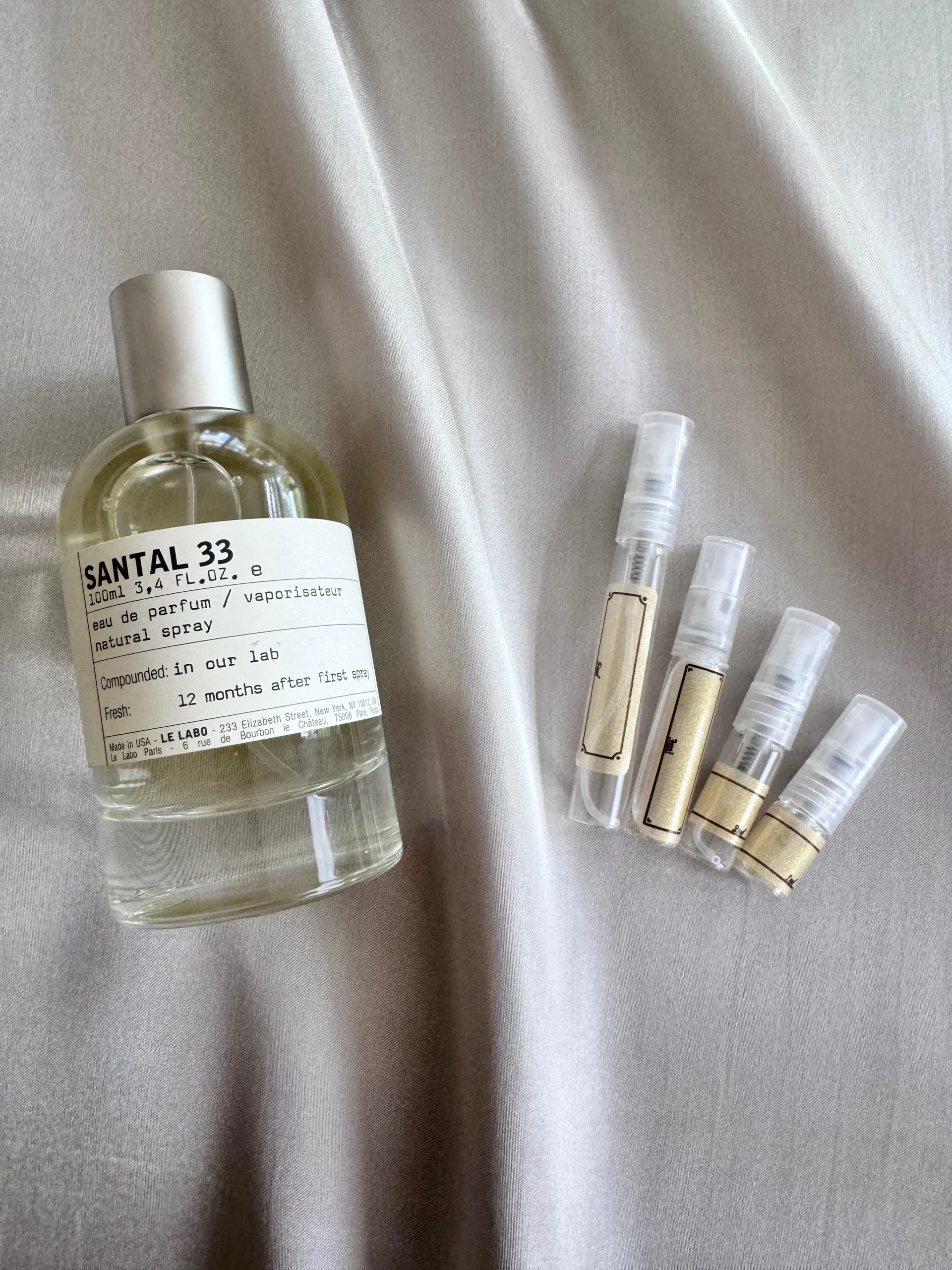
To understand why Peso Pluma chose this particular reference, we must examine the cultural significance of Le Labo’s Santal 33 fragrance itself. Created by perfumer Frank Voelkl and launched in 2011, Santal 33 has achieved something rare in the fragrance world: true cultural ubiquity. According to a 2015 New York Times article, the scent became so prevalent that it prompted the headline “That Perfume You Smell Everywhere Is Santal 33.”
The fragrance’s journey from niche product to cultural phenomenon mirrors many aspects of contemporary music success. Originally, Santal 33 wasn’t even intended to be a personal fragrance—it began as a candle that gained popularity at New York’s Gramercy Park Hotel. This organic growth through cultural spaces rather than traditional marketing channels parallels how many modern musical hits develop through social media and cultural osmosis rather than conventional promotion.
Cultural Significance Markers
- Cross-generational Appeal: Worn by celebrities from Justin Bieber to Brad Pitt
- Gender Neutrality: Unisex appeal that transcends traditional fragrance categories
- Cultural Capital: Became a marker of sophisticated taste and insider knowledge
- Sensory Recognition: Instantly identifiable scent profile in public spaces
The Peso Pluma Cultural Phenomenon
Peso Pluma’s rise to prominence represents a broader shift in Latin music’s global influence. His corridos tumbados style—a modern interpretation of traditional Mexican corridos—has resonated with audiences far beyond Mexico. When analyzing his artistic choices, including the reference to Santal 33, we see an artist who understands how luxury references function as cultural bridges between different social spheres.
The 2024 track “Santal 33,” featured on his album “Éxodo,” demonstrates this cultural bridging in action. The song combines traditional Mexican musical elements with contemporary luxury references, creating a sonic landscape that speaks to both heritage and aspiration. This approach has proven remarkably effective, with Peso Pluma becoming the first regional Mexican artist to achieve certain mainstream milestones.
Musical Structure and Cultural Messaging
From a musicological perspective, the track exemplifies how contemporary artists use cultural references as both literal and metaphorical elements. The fragrance reference functions on multiple levels: as a status symbol, as a sensory trigger for listeners familiar with the scent, and as a bridge between the artist’s world and that of his audience.
The Sensory Connection: Music and Scent
Research in crossmodal perception suggests that music and scent share surprising neurological pathways. Both bypass rational thought to trigger immediate emotional and memory responses. This scientific understanding helps explain why fragrance references in music can be so powerful—they’re activating multiple sensory memories simultaneously.
Shared Terminology Between Music and Fragrance:
- Top notes, middle notes, base notes
- Harmonies and accords
- Composition and performance
- Resonance and projection
Regional Mexican Music’s Global Evolution
The success of tracks like “Santal 33” reflects broader changes in how regional Mexican music is consumed and perceived globally. Artists like Peso Pluma are creating music that maintains its cultural authenticity while incorporating elements that resonate with international audiences. This isn’t cultural appropriation but rather cultural evolution—artists drawing from their lived experiences in an increasingly connected world.
According to NPR’s analysis of Peso Pluma’s cultural impact, his music represents “el momento Mexicano”—the Mexican moment in global popular culture. This moment is characterized by a new confidence in Mexican artistic expression that doesn’t feel the need to downplay its origins to achieve international success.
The Role of Luxury References in Cultural Authenticity
Critics might question whether luxury references dilute the authenticity of regional Mexican music, but this perspective misunderstands how culture evolves. For young Mexican and Mexican-American listeners, luxury fragrances, designer clothes, and high-end cars are part of their lived reality and aspirational landscape. Including these references makes the music more authentic to their experience, not less.
Cultural Analysis: Fragrance in Hip-Hop and Latin Music
Hip-Hop Influence
Artists frequently reference specific fragrances as markers of success and sophistication
Latin Music Evolution
Regional genres incorporating global luxury culture while maintaining cultural identity
Cross-Cultural Appeal
Shared luxury references create connection points between different cultural communities
The Psychology of Scent and Memory in Musical Storytelling
From a psychological perspective, the use of fragrance references in music taps into the powerful connection between scent and memory. When Peso Pluma references Santal 33, he’s potentially triggering vivid sensory memories in listeners who are familiar with the fragrance. This creates a multi-dimensional listening experience that extends beyond auditory perception.
Research in sensory marketing has shown that scent-triggered memories are often more vivid and emotional than those triggered by other senses. By incorporating these references, artists create songs that can literally transport listeners to specific places, times, and emotional states associated with particular scents.
The Democratization of Luxury Through Music
One interesting aspect of fragrance references in music is how they democratize luxury experiences. Not everyone can afford a $300 bottle of Santal 33, but everyone can listen to a song that references it. In this way, music becomes a vehicle for shared luxury experiences that transcend economic barriers.
Critical Perspective: Materialism vs. Artistic Expression
While some critics argue that luxury references in music promote materialism, cultural analysts suggest these references serve more complex functions. They can represent aspiration, cultural bridge-building, sensory storytelling, and authentic representation of contemporary lived experiences. The key is understanding context and artistic intent rather than making blanket judgments about cultural value.
Global Impact and Cultural Exchange
The success of “Santal 33” and similar tracks demonstrates how music facilitates cultural exchange in the modern world. A fragrance created by a French company, referenced by a Mexican artist, and enjoyed by global audiences exemplifies the kind of cultural fluidity that defines contemporary artistic expression.
This phenomenon isn’t limited to Mexican music. Artists across genres and cultures are incorporating fragrance references into their work, from rap artists mentioning specific cologne brands to indie musicians creating synesthetic experiences that blend sound and scent.
The Future of Sensory Storytelling in Music
Looking forward, we can expect to see continued innovation in how artists incorporate sensory references into their work. Some artists are already experimenting with scented merchandise, fragrance collaborations, and multi-sensory concert experiences that engage audience members through multiple sensory channels.
Frequently Asked Questions
Why do artists reference specific fragrances in their music?
Fragrance references serve multiple purposes: they create vivid sensory imagery, signal cultural sophistication, build connections with audiences who share these experiences, and add layers of meaning that extend beyond literal interpretation.
How does fragrance culture influence modern music?
Fragrance culture provides a shared vocabulary of luxury and aspiration that artists can use to communicate complex ideas about success, identity, and desire. It also creates opportunities for multi-sensory artistic experiences.
Is this trend specific to certain musical genres?
While most prominent in hip-hop, reggaeton, and contemporary regional Mexican music, fragrance references appear across genres. The specific fragrances referenced often vary by genre and target audience.
What makes Le Labo Santal 33 particularly significant in this context?
Santal 33’s cultural ubiquity, unisex appeal, and status as a “cult” fragrance make it an instantly recognizable reference point that transcends demographic boundaries while maintaining aspirational cachet.
How do fragrance references affect listeners who aren’t familiar with the scents?
Even without direct sensory knowledge, these references function as cultural markers that communicate ideas about luxury, sophistication, and lifestyle. The specific fragrance becomes less important than what it represents symbolically.
Conclusion: The Evolution of Cultural Expression
The phenomenon surrounding tracks like Peso Pluma’s “Santal 33” represents more than just musical trend—it reflects the evolution of cultural expression in an increasingly connected world. Artists are no longer bound by traditional cultural silos but are free to draw inspiration from the full spectrum of contemporary experience.
This intersection of fragrance and music culture demonstrates how artists can create rich, multi-layered works that engage audiences on multiple sensory levels. As we move forward, we can expect to see continued innovation in how artists incorporate elements from different cultural spheres to create more immersive and meaningful artistic experiences.
The success of these cultural crossovers suggests that audiences hunger for art that reflects the complexity and interconnectedness of modern life. By embracing these intersections rather than dismissing them, we can better understand how contemporary culture evolves and how artists contribute to that evolution.
References and Further Reading
This annalysis was compiled through extensive research of cultural sources, music industry reports, and academic studies on crossmodal perception So yeah, and contemporary cultural expression. All brand references are used for educational and analytical purposes.