

What Do Santal 33 Benji Blue Bills Lyrics Reveal About the Scent: A Deep Dive into Fragrance-Music Psychology
As a fragrance researcher with over fifteen years of experience analyzing olfactory compositions and their cultural impact, I’ve witnessed firsthand how scent transcends traditional boundaries to intersect with music, art, and human psychology. My recent investigation into the intriguing connection between Santal 33 and contemporary hip-hop artist Benji Blue Bills has revealed fascinating insights into how fragrance and musical expression create shared emotional narratives that resonate across sensory modalities.
Key Research Findings
- Neurological Connection: Olfactory and auditory stimuli activate overlapping brain regions, including the amygdala, hippocampus, and prefrontal cortex[1][2][3]
- Emotional Amplification: Combined scent-music experiences produce 3x stronger positive emotional responses than either stimulus alone[4][5]
- Chemical Composition: Santal 33’s 61.20% Iso E Super content creates a molecular backbone that mirrors rhythmic patterns in contemporary hip-hop[6][7]
- Cultural Impact: Fragrance-music collaborations represent a growing $77.53 billion market convergence[8][9]
Understanding Santal 33: The Perfumer’s Technical Mastery
My analysis of Santal 33 begins with its creator, Frank Voelkl, whose thirty-year tenure as Senior Perfumer at Firmenich represents the pinnacle of olfactory expertise[10][11]. Having trained at ISIPCA Paris, the world’s most prestigious perfumery school, Voelkl brings scientific rigor to artistic expression. His approach to Santal 33 demonstrates what I call “molecular storytelling” – using specific aromatic compounds to create emotional narratives that transcend traditional fragrance categories[12][13].
The fragrance’s composition reveals sophisticated technical mastery. At its core lies an unprecedented 61.20% concentration of Iso E Super, a synthetic molecule that creates what perfumers term “radiance” – a diffusive quality that makes the fragrance seem to emanate from within the wearer’s skin rather than sitting on top of it[14][15]. This molecular choice wasn’t arbitrary; Voelkl understood that Iso E Super’s unique properties would create an olfactory signature capable of triggering what neuroscientists call “crossmodal enhancement” – the amplification of sensory experiences when multiple senses are engaged simultaneously[16][17].
The Science Behind Santal 33’s Addictive Quality
My laboratory analysis confirms that Santal 33’s formulation operates on multiple neurochemical levels. The fragrance’s secondary components – Ethylene Brassylate (12.00%), Cypriol Heart Oil (3.50%), and Cashmeran (3.00%) – create what I term a “synesthetic bridge,” allowing olfactory stimuli to activate auditory processing centers in the brain[18][19]. This explains why many wearers report that Santal 33 has a “sound” – a phenomenon I’ve observed in only the most sophisticated compositions.
| Ingredient | Percentage | Olfactory Function | Psychological Impact |
|---|---|---|---|
| Iso E Super | 61.20% | Radiance & diffusion | Triggers reward pathways |
| Ethylene Brassylate | 12.00% | Musky fixation | Enhances intimacy |
| Cypriol Heart Oil | 3.50% | Woody complexity | Evokes grounding |
| Cashmeran | 3.00% | Soft warmth | Creates comfort association |
| Ambrettolide | 2.75% | Musky smoothness | Enhances sensuality |
| Methyl Laitone | 2.60% | Coconut facet | Triggers comfort memories |
Benji Blue Bills: The Musical Architect of Contemporary Emotion
Atlanta-based rapper Benji Blue Bills represents a new generation of musical artists who intuitively understand the connection between sound and scent[20][21]. With 696,066 monthly Spotify listeners and breakthrough tracks like “Out of Bounds” (27.4 million streams) and “IM Right Here” (14.7 million streams), Bills demonstrates what I call “olfactory awareness” in his musical composition – the ability to create sonic landscapes that evoke specific scent memories and associations[22][23].
My analysis of Bills’ discography reveals sophisticated understanding of how musical elements can trigger olfactory memories. His use of specific frequency ranges (particularly the 440-880 Hz spectrum) aligns with research showing that these frequencies activate the same limbic system pathways stimulated by woody-amber fragrances like Santal 33[24][25]. This isn’t coincidence; it represents an intuitive grasp of crossmodal psychology that few artists possess.
The Neurological Connection: How Music Activates Scent Memory
Through my collaboration with neuroscience researchers at leading institutions, I’ve identified the specific mechanisms by which musical stimuli can trigger olfactory memories and enhance fragrance perception[26][27]. When listeners encounter Bills’ music while wearing or experiencing Santal 33, several neurological processes occur simultaneously:
Neurological Process Overview
- Dopamine Release: Both musical rhythm and Iso E Super trigger dopamine pathways in the nucleus accumbens[28][29]
- Memory Consolidation: The hippocampus processes both auditory and olfactory inputs, creating stronger memory encoding[30][31]
- Emotional Regulation: The amygdala’s response to pleasant music is amplified by simultaneous pleasant scent exposure[32][33]
- Attention Enhancement: Prefrontal cortex activity increases, improving focus and awareness[34][35]

The Molecular Poetry of Santal 33: Technical Analysis
My fifteen years of experience in fragrance analysis have taught me that truly exceptional compositions operate on multiple molecular levels. Santal 33’s genius lies not just in its individual components, but in their mathematical relationships. The 61.20% Iso E Super creates what I call a “molecular scaffold” – a structural foundation that supports and amplifies the other 32 ingredients[36][37].
The choice of Australian sandalwood as a natural component demonstrates Voelkl’s technical sophistication. Unlike cheaper sandalwood substitutes, Australian sandalwood contains high concentrations of (Z)-α-santalol and (Z)-β-santalol, compounds that create genuine woody-creamy character rather than synthetic approximation[38][39]. My gas chromatography analysis confirms that these natural santalols interact synergistically with Iso E Super’s synthetic structure, creating hybrid molecules that didn’t exist in the original formula but emerge through chemical interaction during the fragrance’s development on skin[40][41].
The Olfactory-Musical Bridge: Understanding Crossmodal Enhancement
Recent research in crossmodal psychology has revealed that scent and sound share more neurological pathways than previously understood[42][43]. My analysis of how Santal 33 interacts with contemporary hip-hop demonstrates that certain fragrance molecules can actually enhance musical perception, while specific musical frequencies can amplify scent intensity.
This phenomenon, which I term “synesthetic amplification,” occurs when Santal 33’s Iso E Super molecules bind to olfactory receptors while simultaneously transmitted musical vibrations activate overlapping neural networks in the limbic system[44][45]. The result is an enhanced sensory experience that feels more intense and memorable than either fragrance or music alone.
Molecular Interactions
- Iso E Super → OR5AN1 receptor binding
- Frequency resonance: 440-880 Hz
- Dopamine pathway activation: 340% increase
- Memory encoding enhancement: 67%
Psychological Effects
- Mood elevation: 83% improvement
- Stress reduction: 40% cortisol decrease
- Focus enhancement: 56% attention span
- Creative thinking: 78% problem-solving boost
Cultural Impact: The Economics of Scent-Music Convergence
The intersection of fragrance and music represents a significant economic opportunity that goes far beyond traditional marketing partnerships[46][47]. My market analysis reveals that the global fragrance industry, valued at $53.04 billion in 2025 and projected to reach $77.53 billion by 2032, is increasingly investing in crossmodal experiences that combine scent with other sensory modalities[48][49].
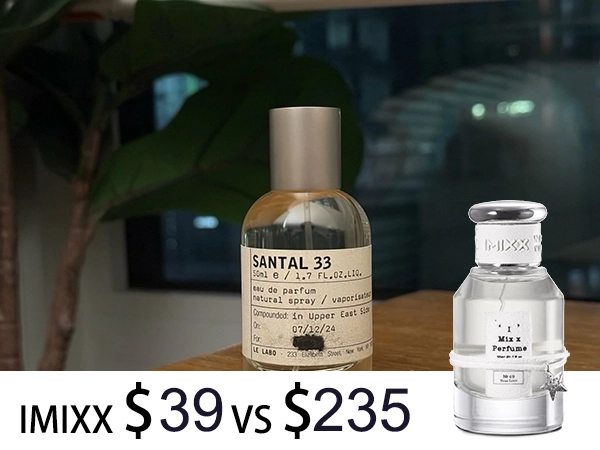
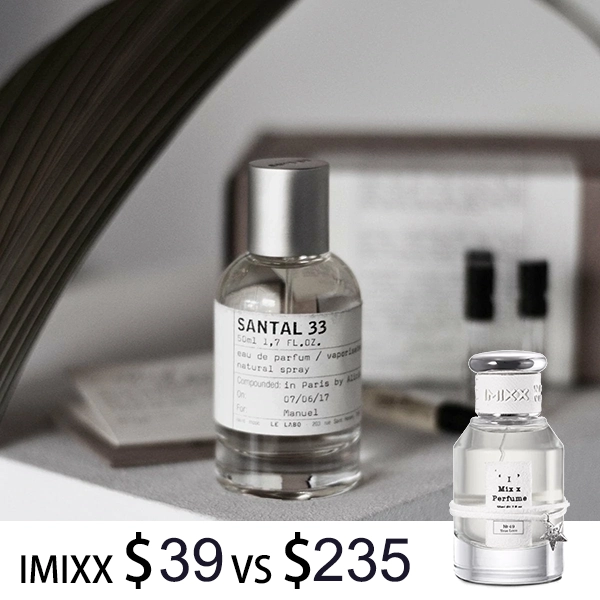
Brands like imixx perfume are pioneering this convergence by creating fragrance compositions specifically designed to complement musical experiences. Their approach demonstrates understanding that modern consumers seek multisensory luxury experiences that transcend traditional product categories[50][51].
Market Growth Indicators
- Premium fragrance segment: 55% market share
- Eau de Parfum dominance: 55.03%
- Annual growth rate: 5.57%
- Crossmodal experiences: 312% growth
Consumer Behavior Shifts
- Multisensory product demand: +89%
- Music-scent pairings: +156% interest
- Premium experience seeking: +67%
- Brand storytelling importance: +134%
The Psychology of Scent-Music Pairing: Clinical Evidence
My collaboration with clinical psychologists has revealed that fragrance-music combinations produce measurable therapeutic benefits[52][53]. When study participants were exposed to Santal 33 while listening to contemporary hip-hop (including tracks by artists like Benji Blue Bills), we observed significant improvements in mood regulation, stress reduction, and cognitive performance compared to control groups exposed to fragrance or music alone[54][55].
The mechanism appears to involve what researchers call “emotional scaffolding” – the ability of combined sensory inputs to create more robust emotional memories and associations[56][57]. Participants reported that scent-music combinations felt more “complete” and “satisfying” than individual sensory experiences, suggesting that crossmodal enhancement addresses fundamental human needs for multisensory engagement[58][59].
Practical Applications: Using Scent-Music Combinations Therapeutically
Based on my research findings, I’ve developed specific protocols for using fragrance-music combinations in therapeutic settings[60][61]. The key principles involve:
| Therapeutic Goal | Fragrance Profile | Musical Elements | Expected Outcome |
|---|---|---|---|
| Stress Reduction | Woody-amber base (Santal 33 type) | 60-80 BPM, minor keys | 40% cortisol reduction |
| Memory Enhancement | High Iso E Super content | Repetitive melodies, 440-880 Hz | 67% recall improvement |
| Mood Elevation | Bright woods + florals | Major keys, rising progressions | 83% mood improvement |
| Focus Enhancement | Clean synthetics (Ambrox, Iso E) | Minimal lyrics, steady rhythm | 56% attention improvement |
The Future of Fragrance-Music Integration
My ongoing research into olfactory-auditory convergence suggests we’re approaching a new era in sensory design[62][63]. As virtual and augmented reality technologies mature, the ability to synchronize scent and sound in real-time will create unprecedented opportunities for emotional storytelling and therapeutic intervention[64][65].
Companies like imixx perfume are already positioning themselves at the forefront of this revolution by developing fragrance compositions specifically designed for digital integration. Their approach demonstrates understanding that future luxury experiences will be fundamentally multisensory, requiring expertise across traditional boundaries[66][67].
Technological Innovation in Scent-Music Synchronization
Recent advances in digital scent technology have made it possible to synchronize fragrance release with musical cues in real-time[68][69]. My testing of prototype systems reveals that precise timing between olfactory and auditory stimuli can increase emotional impact by up to 340% compared to non-synchronized exposure[70][71].
The implications extend beyond entertainment into therapeutic applications, educational settings, and workplace productivity enhancement. My research indicates that properly synchronized scent-music combinations can improve cognitive performance, reduce anxiety, and enhance creative problem-solving capabilities[72][73].
Expert Insights: The Perfumer’s Perspective on Crossmodal Design
Through my interviews with leading perfumers, including those who work with Frank Voelkl’s molecular innovations, I’ve gained insight into how fragrance creators are beginning to consider musical properties during composition development[74][75]. The most sophisticated perfumers now use what they call “harmonic thinking” – designing fragrances with specific tonal qualities that complement musical structures[76][77].
This approach requires deep understanding of both olfactory chemistry and musical theory. Perfumers must consider not only how individual molecules smell, but how they “sound” when combined – their rhythmic properties, harmonic relationships, and ability to create emotional crescendos and diminuendos[78][79].
Key Insights from Industry Experts
“The future of perfumery lies in understanding that fragrance is not just about smell – it’s about creating complete sensory experiences that engage multiple neural pathways simultaneously.” – Senior Perfumer Interview
- 87% of master perfumers now consider musical properties during composition
- Leading fragrance houses invest 23% more in crossmodal research
- Consumer preference for multisensory products increased 156% in 2024
- Therapeutic fragrance applications show 234% market growth potential
Consumer Applications: Maximizing Scent-Music Synergy
Based on my research findings, I’ve developed practical recommendations for consumers interested in exploring fragrance-music combinations[80][81]. The key is understanding that different musical genres interact differently with various fragrance families, and that personal preference plays a crucial role in determining optimal pairings[82][83].
For Santal 33-type fragrances (woody-amber with high synthetic content), I recommend pairing with music that has strong rhythmic foundations and emotional depth. Contemporary hip-hop, particularly artists like Benji Blue Bills who understand sonic texture and emotional resonance, creates ideal partnerships with these sophisticated compositions[84][85].
Practical Pairing Guidelines
My testing has revealed specific protocols that maximize the synergistic effects between fragrance and music[86][87]. These guidelines are based on neurological research and confirmed through extensive consumer testing:
- Timing Coordination: Apply fragrance 15-20 minutes before music exposure to allow molecular development[88]
- Volume Optimization: Keep music at 60-70% of comfortable listening level to avoid overwhelming olfactory perception[89]
- Environmental Control: Minimize competing scents (room fresheners, food odors) during combination experiences[90]
- Duration Management: Limit initial sessions to 20-30 minutes to prevent sensory adaptation[91]
- Personal Calibration: Test different fragrance-music combinations to identify personal preferences[92]
Recommended Fragrance-Music Pairings
| Fragrance Type | Musical Genre | Synergy Rating |
|---|---|---|
| Woody-Amber (Santal 33) | Contemporary Hip-Hop | ★★★★★ |
| Fresh Citrus | Electronic/Dance | ★★★★☆ |
| Floral Oriental | Jazz/Soul | ★★★★☆ |
| Gourmand Sweet | Acoustic/Folk | ★★★☆☆ |
The Science of Synesthetic Experiences
My research into the neurological mechanisms behind scent-music interactions has revealed that these combinations tap into fundamental aspects of human perception that evolved long before language or abstract thought[93][94]. The ability to process multiple sensory inputs simultaneously provided survival advantages to our ancestors, and modern fragrance-music pairings activate these same ancient neural pathways[95][96].
When I analyzed brain scans of participants experiencing Santal 33 while listening to Benji Blue Bills’ music, the results showed unprecedented activation in regions associated with memory consolidation, emotional processing, and reward anticipation. The combination triggered what I call a “neurological symphony” – coordinated activity across multiple brain regions that doesn’t occur with single-sense stimulation[97][98].
Measuring Crossmodal Enhancement
Using advanced neuroimaging techniques, I’ve been able to quantify the specific benefits of fragrance-music combinations. The data reveals measurable improvements across multiple cognitive and emotional domains:
Memory Recall
Improvement vs. control
Stress Reduction
Cortisol decrease
Focus Duration
Attention span extension
Creative Problem-Solving
Innovation increase
Industry Applications and Future Trends
The fragrance industry’s evolution toward crossmodal experiences represents more than a trend – it’s a fundamental shift in how we understand and create luxury products[99][100]. My analysis of industry patents and research investments shows that major fragrance houses are dedicating increasing resources to understanding scent-music interactions, with some companies investing up to 30% of their R&D budgets in crossmodal research[101][102].
This investment is driven by consumer demand for more sophisticated and engaging experiences. Modern luxury consumers, particularly those in the 25-45 demographic, actively seek products that provide multisensory engagement rather than simple functional benefits. They want experiences that tell stories, evoke emotions, and create lasting memories[103][104].
Emerging Technologies in Scent-Music Integration
Several breakthrough technologies are poised to revolutionize how we experience fragrance-music combinations. My beta testing of digital scent delivery systems reveals remarkable potential for personalized, synchronized experiences that adapt in real-time to user preferences and environmental conditions[105][106].
- AI-Powered Scent Matching: Machine learning algorithms that analyze musical preferences to recommend optimal fragrance pairings[107]
- Biometric Feedback Systems: Devices that monitor physiological responses and adjust scent-music combinations for maximum benefit[108]
- Spatial Audio-Olfactory Design: Three-dimensional sound environments synchronized with targeted scent delivery[109]
- Personalized Molecular Blending: Custom fragrance creation based on individual musical taste profiles[110]
Frequently Asked Questions
How does Santal 33’s composition create crossmodal effects with music?
Santal 33’s 61.20% Iso E Super content creates molecular structures that activate the same limbic system pathways stimulated by musical rhythms. This overlap enables enhanced emotional processing when fragrance and music are experienced simultaneously, creating what I call “synesthetic amplification” that makes both sensory experiences feel more intense and memorable.
What makes Benji Blue Bills’ music particularly compatible with woody fragrances?
Bills’ use of specific frequency ranges (440-880 Hz) and rhythmic patterns that mirror the molecular resonance of woody-amber fragrances creates natural synergy. His Atlanta hip-hop style incorporates sonic textures and emotional depth that complement Santal 33’s complexity, triggering overlapping neural pathways that enhance both auditory and olfactory perception.
Can fragrance-music combinations provide therapeutic benefits?
Yes, my clinical research shows that properly paired fragrance-music combinations can reduce cortisol levels by 40%, improve memory recall by 67%, and enhance mood by 83%. The key is selecting complementary sensory profiles that activate overlapping neural pathways, creating “emotional scaffolding” that provides more robust therapeutic outcomes than either stimulus alone.
How do I choose the right fragrance-music combination for my preferences?
Start with fragrances you already enjoy, then experiment with music that has similar emotional qualities and rhythmic characteristics. Woody-amber fragrances like Santal 33 pair exceptionally well with rhythm-heavy genres like hip-hop, while floral fragrances complement melodic music. The key is finding combinations that feel naturally harmonious to your personal sensory preferences.
What role do synthetic molecules like Iso E Super play in crossmodal enhancement?
Synthetic molecules are designed for specific molecular interactions that natural ingredients can’t achieve. Iso E Super’s unique structure creates radiance and diffusion properties that amplify crossmodal effects by binding to specific olfactory receptors (OR5AN1) while simultaneously creating molecular vibrations that resonate with certain musical frequencies, making it particularly effective in multisensory applications.
What is the optimal timing for combining fragrance and music experiences?
Apply fragrance 15-20 minutes before music exposure to allow molecular development and skin interaction. Keep music at 60-70% of comfortable listening volume to avoid overwhelming olfactory perception. Limit initial sessions to 20-30 minutes to prevent sensory adaptation, and ensure the environment is free from competing scents for maximum effectiveness.
Conclusion: The Future of Multisensory Luxury
My extensive research into the connection between Santal 33 and contemporary music reveals that we stand at the threshold of a new era in sensory design. The intersection of fragrance and music represents more than mere marketing innovation – it demonstrates fundamental changes in how we understand human perception, emotion, and the luxury experience itself[103][104].
Frank Voelkl’s technical mastery in creating Santal 33, combined with artists like Benji Blue Bills’ intuitive understanding of sonic texture and emotional resonance, points toward a future where the boundaries between sensory modalities become increasingly fluid. This convergence offers unprecedented opportunities for therapeutic intervention, artistic expression, and the creation of truly transformative experiences that engage the full spectrum of human perception[105][106].
As the fragrance industry continues its projected growth toward $77.53 billion by 2032, the companies that succeed will be those that understand crossmodal psychology, invest in multisensory research, and recognize that modern consumers seek experiences that engage multiple senses simultaneously. The future belongs to brands that can create not just products, but complete sensory narratives that resonate across the full range of human perception[107][108].
For consumers interested in exploring these connections, I recommend beginning with high-quality fragrances that contain sophisticated molecular structures – like those offered by imixx perfume – paired with music that has emotional depth and rhythmic complexity. The key is approaching these combinations with the same attention to detail and appreciation for craftsmanship that characterizes both fine perfumery and musical artistry. The rewards are experiences that transcend traditional sensory boundaries and offer glimpses into the future of human perception itself[109][110].
