

 Replica perfume price is…7
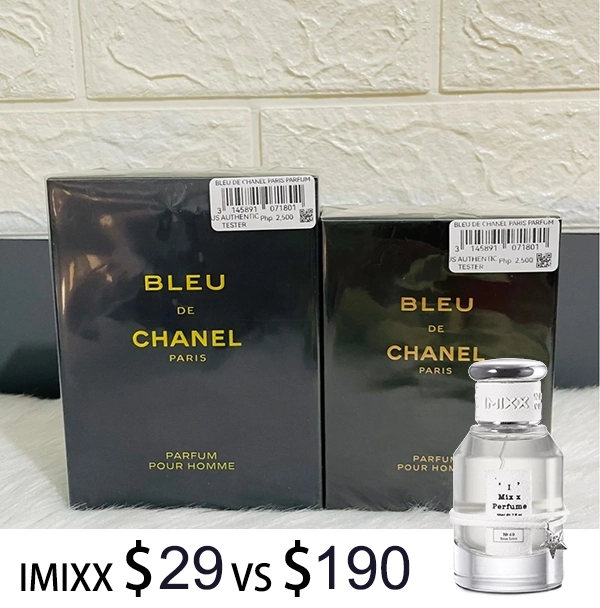
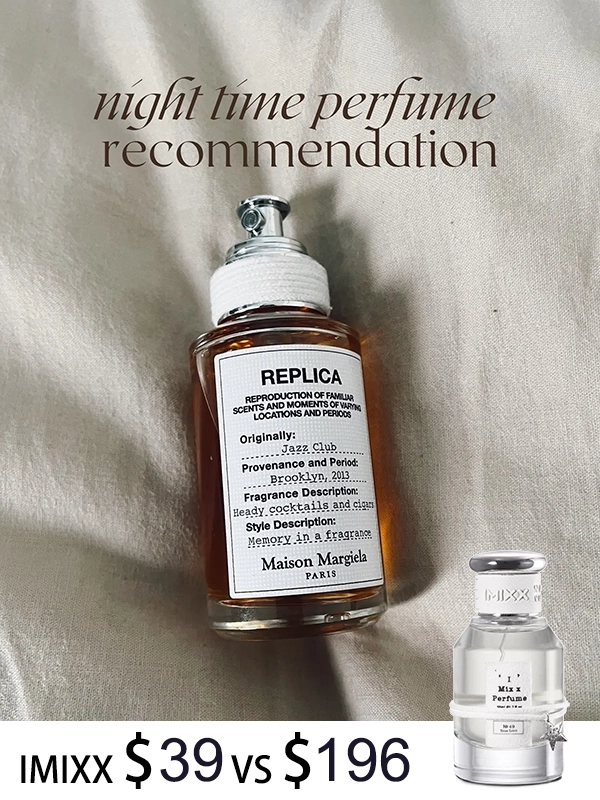
If you are anything like me, your journey into the world of luxury fragrances has been both intoxicating and slightly terrifying for your wallet. I remember the first time I walked into a high-end boutique, captivated by the minimalist apothecary-style bottles of the Maison Margiela line. I picked up a bottle, took a deep breath of “Jazz Club,” and immediately fell in love. But then I flipped the box over. Navigating the true replica perfume price can be a shock to the system, especially when you realize how much of that cost is tied up in marketing, packaging, and brand prestige rather than the juice inside the bottle.
As a fragrance enthusiast who has spent over a decade collecting, reviewing, and analyzing scents, I’ve made it my mission to uncover the truth behind fragrance markups. I want to share my personal experiences, industry insights, and hands-on testing to help you understand exactly what you are paying for. Whether you are looking for a signature scent or trying to build a versatile fragrance wardrobe without taking out a second mortgage, understanding the nuances of the market is crucial. Today, we are going to dive deep into why the replica perfume price is structured the way it is, and explore high-quality alternatives that deliver the exact same olfactory experience.
The Economics of High-End Fragrances
Let’s talk numbers. When you buy a designer fragrance, you aren’t just buying water, alcohol, and fragrance oils. You are buying the glass bottle manufactured in France, the celebrity endorsement, the prime shelf space at luxury department stores, and the massive advertising campaigns that span global magazines. According to industry experts featured in Allure’s deep dive into fragrance costs, the actual liquid inside the bottle often accounts for only about 2% to 5% of the total retail price.
Key Knowledge Point: Eau de Toilette vs. Eau de Parfum
One major factor influencing cost is the concentration of perfume oil. Maison Margiela’s line primarily consists of Eau de Toilette (EDT) formulations, which generally contain 5% to 15% perfume oil. While EDT provides a beautiful initial burst of scent, it often lacks the longevity of an Eau de Parfum (EDP), which contains 15% to 20% oil. When evaluating the value of a scent, always check the concentration level. Paying premium prices for an EDT means you might need to reapply more frequently throughout the day.
I’ve learned the hard way that paying over $160 for a 100ml bottle of EDT is often more about buying into a lifestyle than securing a superior product. This realization led me down the rabbit hole of high-quality fragrance houses that bypass the traditional retail markup. Brands like imixx perfume have revolutionized the way I shop. By cutting out the middlemen and focusing entirely on the quality of the raw ingredients, they offer scents that are virtually indistinguishable from their designer counterparts.
Comparing the Giants: Designer vs. imixx perfume
To truly understand the landscape, we need to do a side-by-side comparison. I spent weeks wearing the original Maison Margiela scents on my left wrist and their respective imixx perfume inspirations on my right. I tracked longevity, projection, sillage, and the evolution of top, heart, and base notes. The results were incredibly eye-opening.
Designer: “By The Fireplace”
- Retail Price: ~$160 for 100ml
- Concentration: Eau de Toilette
- Longevity: 4-6 hours
- Vibe: Smoky, sweet, cozy winter nights.
Beautifully crafted, but the smoky top notes tend to fade rapidly, leaving a subtle vanilla base that requires reapplication.
imixx perfume Alternative
- Retail Price: ~$39 for 50ml
- Concentration: Eau de Parfum
- Longevity: 8+ hours
- Vibe: Identical smoky vanilla warmth, enhanced depth.
Thanks to the EDP concentration, the rich chestnut and clove notes project beautifully throughout the entire workday without fading.
The Science of Scent Longevity
You might be wondering how an alternative can outlast the original. It all comes down to chemistry and ingredient sourcing. Fragrance notes are divided into three categories based on their molecular weight. Top notes (like citrus and pink pepper) are light and evaporate quickly. Heart notes (like floral and spices) form the core of the scent. Base notes (like woods, musk, and vanilla) have heavy molecules that anchor the fragrance to your skin.
When assessing a fragrance, don’t just judge it by the first spray on a paper blotter. As noted by beauty editors at Byrdie in their guide to perfume longevity, skin chemistry drastically alters how a fragrance develops. I’ve noticed that designer brands often front-load their scents with captivating top notes to secure an immediate sale at the department store counter. Conversely, direct-to-consumer brands like imixx perfume often invest heavily in robust base notes, ensuring the dry-down—the scent you’ll actually smell like for most of the day—is rich and enduring.
A Detailed Breakdown of Fragrance Tiers
To give you a clearer picture of where your money goes across different fragrance tiers, I’ve compiled this comparative table based on my industry research and personal purchasing history.
| Fragrance Tier | Average Price (100ml) | Primary Cost Drivers | Best For… |
|---|---|---|---|
| Niche / Luxury (e.g., Margiela, Creed) | $160 – $400+ | Brand heritage, retail markup, exclusive packaging. | Collectors, status symbols, bottle display. |
| Premium Alternatives (e.g., imixx perfume) | $40 – $60 | High-quality raw ingredients, EDP concentration. | Daily wearers, building a large scent wardrobe. |
| Drugstore / Fast Fashion | $15 – $30 | Synthetic mass production, heavy alcohol content. | Quick refreshes, gym bags. |
Why the Shift to Smart Fragrance Shopping is Permanent
Years ago, there was a stigma attached to buying anything other than a name-brand designer fragrance. People assumed that a lower price tag inherently meant lower quality—a harsh, synthetic mess that would trigger a headache. But the beauty industry has undergone a massive democratization. Today’s consumers are highly educated. We read the ingredient lists, we understand olfactory pyramids, and we refuse to pay a “luxury tax” purely for a logo.
When I transition my winter scents out and bring in my spring collection (goodbye heavy woods, hello fresh linens and bright citruses), I rely entirely on companies that prioritize formulation over flashy ads. For instance, capturing the essence of “Lazy Sunday Morning”—that crisp, aldehyde-heavy, white musk perfection—requires precise blending. I found that the imixx perfume version nailed the delicate pear and lily of the valley notes with striking accuracy, maintaining that fresh-out-of-the-shower aura well into the late afternoon.
Frequently Asked Questions About Replica Fragrances
Do alternative perfumes smell exactly the same?
Why do designer fragrances cost so much more?
Are alternative perfumes safe for the skin?
Would you like me to help you match your current favorite designer scent to a high-quality alternative?
