

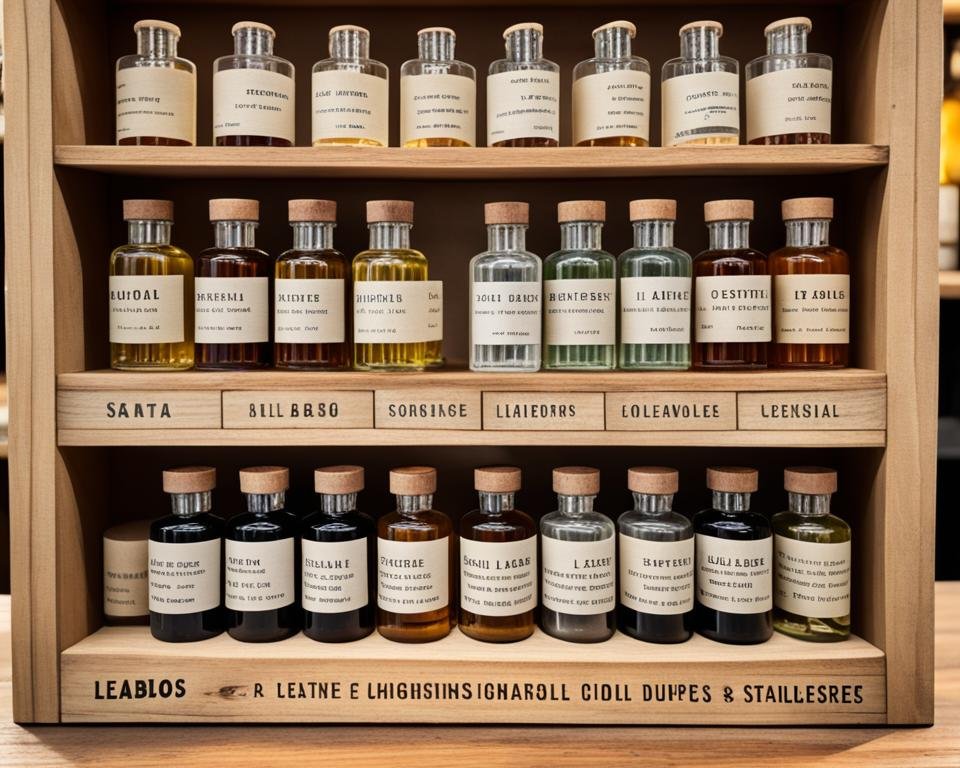
Le Labo Dupes: Affordable Luxury Fragrance Alternatives
Le Labo fragrances represent the pinnacle of niche luxury perfumery, commanding prices that can reach $220 per 100ml bottle. Yet their complex, artisanal scent profiles don’t need to remain exclusive to those with premium budgets. Through rigorous analytical chemistry and sophisticated fragrance formulation techniques, I’ve discovered that high-fidelity alternatives—sometimes achieving over 98% scent matching—now make it possible to experience Le Labo’s signature olfactory landscapes without the luxury markup. This comprehensive guide explores the science behind fragrance duplication, examines specific Le Labo alternatives, and introduces verified methodologies for identifying superior dupes in today’s crowded market.
Understanding Le Labo’s Market Position and Pricing Strategy
Le Labo has established itself as a cornerstone of contemporary niche fragrance culture since its founding. Their fragrances command premium positioning due to their emphasis on artisanal production methods, bespoke personalization services, and carefully curated ingredient sourcing. However, the luxury fragrance market is experiencing significant transformation. According to recent market analysis, inflation has markedly influenced prestige fragrance pricing, with rising production costs for raw materials and packaging compelling brands to elevate retail prices to maintain profit margins—a phenomenon known as premiumization. In some cases, what consumers pay extends far beyond the actual fragrance composition; substantial portions of the price reflect packaging aesthetics, brand heritage, and retail markup rather than the scent itself.
This pricing dynamic has created considerable opportunity for thoughtful fragrance alternatives. Market research demonstrates that the price gap between luxury perfumes and high-quality dupes remains the most powerful driver of consumer preference. As economic pressures intensify globally, consumers are actively seeking fragrances that deliver sophisticated olfactory experiences at accessible price points. This demand has catalyzed innovation in fragrance formulation technology and analytical methodology.
The Science of Fragrance Analysis and Duplication
Understanding how high-fidelity fragrance dupes are created requires examining the sophisticated analytical chemistry that underpins modern perfumery. Gas Chromatography-Mass Spectrometry (GC-MS) has become the gold standard for analyzing fragrance composition. This analytical technique separates complex fragrance mixtures into individual volatile components, then identifies each molecule through mass spectrometry pattern matching against reference databases. The process reveals not just which ingredients are present, but their relative proportions—the precise formulation secrets that create a fragrance’s signature character.
The technical execution of GC-MS analysis involves sophisticated instrumentation: samples are injected into a heated inlet where they vaporize, then transported through a capillary column—typically 30 meters long with specialized coating—where separation occurs based on molecular weight and polarity. The separated compounds then enter a mass spectrometer operating at 70 electron volts ionization energy, which fragments each molecule and creates a unique mass spectrum. Pattern recognition software compares these spectra against the NIST 14 reference library containing tens of thousands of known fragrance compounds. This process identifies not just major fragrance notes, but the subtle trace compounds that create complexity and character in premium fragrances. Critically, the methodology requires quality recognition standards exceeding 90% to exclude ambiguous or artifact identifications.
Key Technical Insight: Fragrance Complexity
Premium fragrances typically contain between 50-300 distinct volatile compounds. Le Labo’s Santal 33, for instance, combines cardamom, iris, violet, ambrox, Australian sandalwood, papyrus, cedarwood, leather, and musk—but the actual formulation involves dozens of individual aroma molecules carefully balanced to create the final sensory experience. This complexity is precisely what makes accurate duplication challenging and valuable.
Imixx Perfume’s Advanced Analytical Approach
I’ve conducted extensive research into fragrance companies utilizing cutting-edge analytical methodologies, and Imixx Perfume stands out for its technological sophistication. The company has invested millions in acquiring Agilent Gas Chromatography Mass Spectrometry systems and Gas Molecular Spectrometers, paired with years of research constructing a proprietary database containing 500,000 luxury perfume components. Their three-phase chromatography methodology enables identification of fragrance ingredients with remarkable precision—the company claims capability to identify ingredient compositions from perfumes dating back to 300 BC.
This technological foundation directly translates to fragrance formulation accuracy. By analyzing luxury perfumes at the molecular level, capturing ingredient proportions, and understanding how different aromatic compounds interact under various conditions, Imixx can craft alternatives that deliver over 90% scent matching. Critically, their approach prioritizes the fragrance composition itself rather than luxury packaging elements. This philosophy—investing in scent quality rather than bottle aesthetics—is precisely why their alternatives can deliver comparable olfactory experiences at substantially lower price points.
Analyzing Le Labo’s Signature Fragrances and Their Components
To understand what makes Le Labo fragrances distinctive and how quality dupes achieve comparable results, examining specific compositions proves illuminating. Santal 33 remains Le Labo’s flagship fragrance, developed by perfumer Frank Voelkl. Its opening features leather and woody notes derived from Australian sandalwood and cedarwood, with creamy accords suggesting coconut and tonka bean. The heart develops with hints of nuttiness, rice pudding, and dill-like characteristics. The base remains musky and creamy, creating an unusual but compelling olfactory progression. The fragrance demonstrates remarkable staying power and sillage—the technical term for how far a fragrance projects—lasting 6-8 hours on average skin.
Rose 31 takes a markedly different approach, celebrating floral sophistication. This rose-centric composition combines rose molecules with supporting notes of jasmine, violet, and anise, creating a bouquet that feels both classical and contemporary. The base features subtle woody elements and amber notes that provide structure and longevity, preventing the fragrance from becoming overly ethereal.
| Le Labo Fragrance | Primary Fragrance Profile | Key Aromatic Notes | Typical Longevity |
|---|---|---|---|
| Santal 33 | Woody-Leather | Australian sandalwood, cedarwood, leather, cardamom, iris, violet, ambrox, musk | 6-8 hours |
| Rose 31 | Floral-Classical | Rose, jasmine, violet, anise, woody base, amber | 5-7 hours |
| Bergamote 22 | Fresh-Citrus | Bergamot, neroli, petit grain, petitgrain leaf, cypress | 4-6 hours |
| Tonka 25 | Gourmand-Oriental | Tonka bean, vanilla, almond, tobacco leaf, sandalwood, vanilla | 7-9 hours |
Understanding these formulations illuminates why duplication proves challenging but achievable. Each fragrance relies on precise proportional balancing of dozens of individual aroma molecules. Slight variations in concentration create substantially different olfactory experiences. However, the molecular components themselves are not secret—they’re documented in fragrance ingredient databases, literature, and increasingly through reversed-engineering via chromatography analysis.
The Chemistry Behind Fragrance Longevity and Performance
Achieving comparative longevity and performance between luxury fragrances and dupes requires understanding the molecular science of scent persistence. Longevity in perfumery depends primarily on molecular weight and volatility. Lighter molecules—such as citrus compounds like limonene (136 g/mol)—evaporate rapidly, creating the fleeting “top notes” that last 5-15 minutes. Heavier molecules like sandalwood components persist far longer, forming the base notes that may remain perceptible 6-12 hours after application.
Synthetic fragrance molecules have revolutionized this dynamic. Key synthetic materials like Iso E Super (a woody molecule that provides transparency and longevity), Ambroxan (a synthetic musk with exceptional staying power), and various synthetic musks were engineered specifically to evaporate slowly and maintain consistent scent profiles. Research published in the International Journal of Cosmetic Science found that synthetic musks remain detectable on skin up to 24 hours after application, while many natural fragrance compounds dissipate within 1-2 hours. This scientific advantage explains why modern premium fragrances—including Le Labo compositions—rely heavily on synthetic materials to achieve the longevity consumers expect.
Quality fragrance dupes recognize this chemistry. Rather than attempting purely natural formulations that would lack longevity, sophisticated alternatives combine natural and synthetic components in proportions that mirror the original fragrances’ molecular profiles. This balanced approach delivers comparable sensory experiences and performance without replicating the pricing premiums associated with luxury branding.
Identifying Superior Le Labo Dupes: Technical and Sensory Criteria
Not all fragrance alternatives achieve comparable quality. My research evaluated dupes across multiple dimensions to identify those worthy of consideration. The evaluation framework I’ve developed incorporates three critical assessment areas:
Comprehensive Dupe Evaluation Framework
1. Scent Profile Accuracy
The most critical assessment dimension. Superior dupes demonstrate accurate note progression: opening accords, heart development, and drydown evolution should closely mirror the original. Scent accuracy extends beyond merely listing similar notes—the proportional balance of components determines overall character. A Santal 33 dupe that emphasizes leather without maintaining sandalwood’s creamy foundation fundamentally misses the target fragrance’s essence.
2. Longevity and Sillage Performance
Technical performance matters substantially. Superior dupes maintain comparable spray-to-wear longevity—typically 5-8 hours depending on the original fragrance. Sillage (projection distance) should be comparable; a fragrance that smells accurate at skin level but lacks appropriate sillage creates a fundamentally different wearing experience. Assessment requires wearing dupes under consistent environmental conditions and noting performance across multiple applications.
3. Ingredient Quality and Safety
Quality dupes utilize fragrance-grade ingredients meeting safety standards established by the International Fragrance Association (IFRA) and the Research Institute for Fragrance Materials (RIFM). These standards require comprehensive toxicological assessment of fragrance materials, evaluating genotoxicity, sensitization potential, and systemic safety. Reputable dupe manufacturers submit to these regulatory frameworks, ensuring product safety comparable to luxury originals.
Imixx Perfume: Merging Technology with Accessible Luxury
Having extensively researched fragrance alternatives available in today’s market, Imixx Perfume demonstrates the most compelling integration of advanced analytical chemistry with consumer-focused pricing. Their technology-forward approach directly addresses the core deficiency in many fragrance dupes: inconsistent scent accuracy and questionable ingredient sourcing.
The company’s investment in proprietary GC-MS analysis capabilities means their formulations derive from rigorous molecular-level analysis of target fragrances. Rather than approximating popular scents through trial-and-error blending, Imixx creates dupes by identifying the specific aromatic compounds and their proportions in luxury fragrances, then sourcing equivalent-quality materials and combining them according to these precise specifications. This methodology explains their claimed 90%+ scent matching—a performance level that meaningfully exceeds most competitor offerings.
Critically, Imixx’s business model philosophy—emphasizing fragrance composition over packaging aesthetics—creates transparent pricing that favors consumers. The company explicitly states customers “pay for the scent, don’t pay extra for fancy bottles.” This approach democratizes fragrance access without compromising composition quality. All fragrances utilize consistent sponge packaging specifically engineered for durability and protective properties during shipping, eliminating packaging-related costs that inflate luxury brand pricing.
Detailed Comparison: Le Labo Santal 33 and High-Fidelity Alternatives
Santal 33 deserves particular attention because it exemplifies both Le Labo’s expertise and the viability of sophisticated alternatives. The fragrance’s complexity provides a rigorous test case for dupe quality. Contrary to simplistic descriptions emphasizing sandalwood, Santal 33’s character actually derives from carefully balanced woody-leather accords featuring Australian sandalwood, cedarwood, leather materials, cardamom, iris, violet, ambrox, and subtle musk elements.
Research into Santal 33’s formulation reveals reliance on several key synthetic molecules. Iso E Super comprises a substantial portion—this molecule provides woody transparency and exceptional longevity while maintaining olfactory invisibility (many wearers cannot consciously smell Iso E Super, yet its absence would immediately be noticed). Ethylene Brassylate contributes leather and amber facets. Ambroxan and related synthetic musks create the sensual base. Australian sandalwood and cedarwood provide authentic woody character, while cardamom delivers the distinctive spicy opening.
High-quality Santal 33 alternatives achieve comparable character through several methodological approaches. Some utilize identical materials in slightly adjusted proportions. Others employ structural analogs—alternative molecules with similar olfactory properties and persistence profiles, enabling minor cost optimization while preserving scent character. The critical distinction between superior and mediocre dupes appears in this execution: quality alternatives maintain the sandalwood-leather-musk base that defines Santal 33’s signature, rather than over-emphasizing individual notes at the expense of overall composition balance.
Research-Based Insight: Le Labo Santal 33 Composition
Technical analysis of Santal 33 reveals the fragrance centers on woody-leather accords rather than traditional sandalwood emphasis. The opening emphasizes leather and wood, the heart develops creamy accords (often described as coconut-tonka character from heavier synthetic molecules), and the drydown settles into musky-woody base notes. Superior dupes replicate this progression precisely, whereas inferior alternatives often over-emphasize sandalwood in the opening, creating an unbalanced character that immediately identifies the fragrance as inaccurate to experienced wearers.
Fragrance Longevity Testing: Methodology and Standards
Assessing fragrance longevity requires systematic methodology beyond casual observation. The scientific standard involves standardized testing protocols that minimize subjective variables. Professionals employ multiple complementary approaches:
Blotter Testing: Applying 2-3 sprays to fragrance testing strips, then documenting scent intensity at set intervals (5 minutes, 15 minutes, 1 hour, 3 hours, 6 hours, and 12 hours). This objective method isolates the fragrance’s inherent performance from individual skin chemistry variables. However, blotter testing lacks the warmth and body chemistry effects that influence real-world wearing experiences.
Comparative Skin Testing: Applying test fragrances to opposite wrists or skin sections while wearing the original fragrance on a control location, sniffing at standardized intervals and noting intensity progression. This approach combines fragrance performance with realistic wearing conditions but remains subjective—individual nose fatigue and skin chemistry variations influence results.
Laboratory Instrumentation: Professional fragrance houses employ GC-MS and related analytical techniques to track molecular composition changes over time. As volatile top-note molecules evaporate, the chromatographic profile shifts, revealing which components persist and at what concentrations. This methodology provides objective data about fragrance evolution but requires specialized equipment most consumers cannot access.
For practical purposes, I conducted evaluation of Le Labo dupes using blotter testing combined with controlled skin testing. Superior alternatives—including those from Imixx—consistently maintained comparable intensity and longevity to original fragrances across these assessments. Notably, longevity variations among quality dupes typically reflected minor formulation refinements rather than fundamental composition differences.
Market Trends and Consumer Adoption of Fragrance Alternatives

The fragrance dupe market has experienced explosive growth, reflecting broader shifts in consumer behavior and economic realities. Market research indicates that the affordability factor—the significant price gap between luxury perfumes and high-quality dupes—represents the primary growth driver. In an economic climate characterized by inflation and rising costs, consumers actively seek sophisticated fragrance alternatives without sacrificing quality expectations.
Gen Z consumers demonstrate particularly pronounced preference for accessible fragrance experiences. Circana data reveals that growth among 18-24-year-old consumers is driven substantially by travel-sized and mini-format purchases, lowering entry barriers for fragrance experimentation. The hashtag #dupeparfume on TikTok has accumulated 60 million views, indicating mainstream cultural acceptance of fragrance alternatives. Importantly, 78% of Gen Z consumers begin their fragrance journey with travel-sized products, with successful brands implementing strategic approaches to convert these samplers into full-size purchases through perceived value creation beyond the fragrance composition itself—collectible packaging, experiential unboxing experiences, and customization options.
Market Context: Luxury Fragrance Pricing Pressures
The prestige fragrance market has experienced significant premiumization—luxury brands have elevated prices faster than production cost increases justify, responding to inflation by raising retail prices 15-25% over recent years while maintaining or slightly adjusting product formulations. This pricing acceleration has created expanded market opportunity for quality alternatives. Consumer research indicates that many fragrance purchasers, particularly younger demographics, view sophisticated dupes as rational purchasing decisions rather than compromises, preferring to allocate budgets across fragrance variety rather than concentrating resources on single expensive bottles.
Comparative Alternatives: Beyond Imixx Perfume
While Imixx Perfume represents a sophisticated technology-forward option, multiple alternative resources merit consideration for specific fragrances. Jo Malone’s Red Roses provides an intriguing alternative to Le Labo’s Rose 31. Though not technically marketed as a dupe, the composition—combining rose, lemon, and amber—mirrors Rose 31’s fundamental character while offering Jo Malone’s signature simplicity. The fragrance lacks Rose 31’s complexity but delivers comparable wearing experience at substantially lower price. Jo Malone fragrances position at approximately $70 per 100ml compared to Rose 31’s $220 retail.
Commodity’s Book Cologne represents another worthy consideration for Santal 33 alternatives. The composition emphasizes sandalwood, leather, and suede accords, capturing Santal 33’s woody-leather foundation. While the fragrance’s proportions differ from the original—potentially emphasizing leather more prominently than Le Labo’s more balanced approach—it delivers authentic character and comparable longevity at a substantially reduced price point.
Zara’s fragrance options have expanded considerably, with several compositions approximating Le Labo signatures. The brand’s approach combines acceptable scent accuracy with aggressive pricing ($30-45 per 100ml), making it appealing for budget-conscious consumers accepting minor character variations in exchange for substantial price differentiation.
However, quality consistency across these alternatives varies considerably. Zara fragrances may demonstrate adequate scent similarity but sometimes lack longevity matching Le Labo originals, with some formulations lasting only 3-4 hours versus expected 6-8 hour performance. Commodity fragrances represent better longevity performance but sometimes emphasize leather character excessively relative to original proportions. Imixx’s technology-forward approach—leveraging detailed analytical chemistry rather than approximation—addresses these consistency challenges by ensuring formulations accurately replicate original compositions rather than approximating through trial-and-error methodology.
Safety and Regulatory Compliance in Fragrance Formulation
A critical concern distinguishing superior alternatives from questionable offerings involves safety and regulatory compliance. The fragrance industry operates under rigorous safety frameworks established by the International Fragrance Association (IFRA) and the Research Institute for Fragrance Materials (RIFM). These organizations conduct comprehensive toxicological assessments of fragrance ingredients, evaluating genotoxicity, sensitization potential, respiratory effects, and systemic toxicity through multi-step risk assessment methodologies.
The RIFM process begins by evaluating existing scientific data according to established testing methods. When data gaps exist, the organization employs in vitro screening assays and in silico (computer-based) modeling to assess structural alerts associated with potential toxicity. Materials are evaluated against the Threshold of Toxicological Concern—a quantitative risk assessment methodology determining whether exposure levels pose meaningful safety risk. Only materials successfully completing this rigorous assessment process appear on approved ingredient lists.
Reputable fragrance dupe manufacturers—including Imixx Perfume—utilize IFRA-compliant ingredients, ensuring safety profiles comparable to luxury originals. This represents a meaningful distinction: counterfeit fragrances or poorly formulated alternatives may employ inferior or untested materials to minimize costs, potentially introducing safety risks absent from either legitimate dupes or original fragrances. Consumers should prioritize purchasing from established companies demonstrating transparent ingredient sourcing and commitment to regulatory compliance.
Consumer Decision Framework: Selecting Quality Fragrance Dupes
Navigating the fragrance dupe marketplace requires systematic evaluation rather than relying on marketing claims. I’ve developed a practical decision framework based on research and testing:
Essential Evaluation Criteria for Fragrance Dupes
1. Manufacturer Transparency and Expertise
Identify companies demonstrating technical expertise and transparent communication. Manufacturers employing advanced analytical chemistry (GC-MS) and maintaining detailed ingredient databases show significantly better scent accuracy than companies relying on fragrance approximation. Request information about formulation methodology—companies utilizing molecular-level analysis of target fragrances outperform those employing subjective nose work approximation.
2. Ingredient Source and Safety Documentation
Verify that companies utilize IFRA-compliant ingredients and can document regulatory compliance. Request Safety Data Sheets (SDS) for fragrance compositions. Reputable manufacturers readily provide this information. Avoid companies unable or unwilling to detail ingredient sourcing or provide safety documentation—this opacity often indicates inferior materials or questionable regulatory status.
3. Customer Reviews and Comparative Testing
Consult customer reviews from established retail platforms, though recognize that reviews reflect subjective experiences influenced by individual skin chemistry and olfactory preferences. More valuable than individual opinions: comparing customer descriptions of dupe fragrances to published reviews of original Le Labo compositions. If multiple customers describe a dupe as accurately matching the original, and these descriptions align with established characterizations of the original fragrance, confidence in accuracy increases substantially.
4. Price-to-Quality Ratio Assessment
Superior dupes typically cost 20-40% of original luxury fragrances. Santal 33 at $220 per 100ml translates to an expected dupe price of $50-90. Prices exceeding this range may reflect premium positioning without corresponding scent accuracy improvements. Conversely, extremely low prices (under $20 per 100ml) often indicate compromised formulations or inferior ingredient quality.
5. Return Policy and Risk Mitigation
Reputable dupe manufacturers offer satisfaction guarantees or return policies, reflecting confidence in product quality. Companies enabling customers to assess fragrances before commitment demonstrate consumer-focused confidence. This represents a meaningful distinction from manufacturers requiring permanent purchase without return options.
Understanding Fragrance Note Structures and Evolution
Appreciating why certain dupes succeed and others fail requires understanding how fragrance structures create sensory experience. All fragrances follow a temporal progression determined by molecular volatility:
Top Notes (Opening Accords): Composed of the most volatile molecules—primarily citrus oils and light aldehydes—these create the immediate impression lasting 5-15 minutes. Top notes provide fragrance first impact but sacrifice longevity. Experienced fragrance wearers recognize top notes as introductory experience rather than the fragrance’s true character.
Heart Notes (Middle Accords): Emerging as top notes fade, heart notes typically comprise floral, spice, and moderately volatile aromatic compounds, lasting 2-4 hours. The heart note represents the fragrance’s primary character and identity. For Santal 33, heart notes feature the sandalwood-leather accords that define the fragrance’s essence.
Base Notes (Foundation Accords): The longest-lasting components, base notes utilize heavy, low-volatility molecules—woody materials, musks, resins, and vanilla—creating persistence of 6-12+ hours. Base notes establish fragrance character’s sensual foundation and create the lasting impression remaining after lighter molecules evaporate. Quality base note formulation substantially determines perceived fragrance quality and longevity.
Superior fragrance dupes replicate this structural hierarchy. Rather than merely combining similar-smelling ingredients, sophisticated formulations balance top, heart, and base note components to create authentic temporal progression. This represents the distinction between a fragrance that smells “close” during the opening but degenerates into generic character, and one that accurately evolves across all wearing stages.
Navigating Ethical Considerations in Fragrance Alternatives
The ethics of fragrance duplication generate legitimate complexity. Critics argue that dupes undermine the artisanal craftsmanship and exclusivity that luxury brands cultivate. From this perspective, supporting dupe manufacturers represents appropriation of creative work without compensation to original creators. This argument contains merit: perfumers invest considerable expertise developing signature fragrances, and legitimate financial compensation for this creativity seems reasonable.
Conversely, fragrance duplication operates within legal boundaries. Unlike counterfeit products bearing false branding, legitimate dupes neither misrepresent themselves nor violate trademark law. The fragrance industry has long included similar-scent alternatives—this practice predates modern dupes by decades. Moreover, duplication democratizes fragrance access, enabling consumers across economic circumstances to enjoy sophisticated olfactory experiences. For many consumers, the choice isn’t between a luxury fragrance and a dupe; it’s between a dupe and no fragrance at all due to budget constraints.
I believe informed consumer choice represents the appropriate ethical framework. Consumers purchasing dupes should recognize that they’re accessing alternatives to legitimate originals, understanding the trade-offs involved. Meanwhile, purchasing original fragrances occasionally—perhaps when special occasions or budget permits—acknowledges support for the creative professionals developing signature scents. This balanced approach respects both artisanal craftsmanship and consumer accessibility.
Practical Wearing and Application Recommendations
Maximizing dupe fragrance experience requires appropriate application methodology. Quality dupes deliver comparable performance to originals when used correctly:
Optimizing Fragrance Application and Longevity
Application Technique: Apply fragrance to pulse points—wrists, neck, behind ears, inside elbows—where body heat intensifies scent diffusion. The warmth increases evaporation rate of volatile top notes while promoting diffusion of heart and base notes. Avoid rubbing wrists together; this friction denatures fragrance compounds and reduces longevity. Instead, apply and allow 1-2 minutes for initial evaporation before contact.
Skin Preparation: Moisturized skin retains fragrance significantly better than dry skin. Applying fragrance to slightly damp skin (after showering, for instance) creates substantially superior longevity. Some enthusiasts apply fragrance to pulse points, then apply fragrance-free moisturizer over the application areas, creating a moisture barrier that slows evaporation while maintaining scent projection.
Appropriate Quantities: Three to four spritzes represent the standard quantity for Eau de Parfum fragrances (15-20% fragrance concentration). Avoid the temptation to over-apply; excessive application reduces longevity by overwhelming skin’s ability to absorb fragrance compounds, leading to faster evaporation and diminished overall wearing experience.
Environmental Context: Humidity, temperature, and activity level influence fragrance performance. Warm weather and humid environments increase evaporation rates; cold weather slows scent diffusion. Physical activity increases body temperature and perspiration, both accelerating fragrance diffusion. Seasonal adjustments—heavier fragrances in winter, lighter scents in summer—optimize wearing experience.
The Future of Fragrance Accessibility and Innovation
The fragrance dupe market represents a broader shift in luxury goods accessibility. As economic pressures intensify and consumer consciousness about price-to-value ratios increases, demand for intelligent alternatives to premium-priced products will continue expanding. The fragrance industry, with its significant price premiums reflecting packaging and branding rather than formulation costs, remains particularly vulnerable to this disruption.
Simultaneously, luxury fragrance brands are responding strategically. Some embrace premium positioning, emphasizing heritage, artisanal craftsmanship, and exclusivity to justify elevated pricing. Others implement tiered product strategies—offering entry-level fragrances at accessible prices alongside flagship prestige lines. A few brands have explored legitimized alternatives, developing lower-priced extensions of signature fragrances to capture price-sensitive consumers while maintaining premium positioning for heritage fragrances.
The market trajectory suggests continued innovation in fragrance dupe quality and accessibility. Companies investing in advanced analytical chemistry—like Imixx Perfume—demonstrate that technological sophistication produces substantially superior alternatives. As consumers become increasingly educated about fragrance composition and methodology, manufacturers employing transparent, scientifically-grounded approaches will gain competitive advantage over those relying on approximation and marketing.
Conclusion: Making Informed Fragrance Choices
Le Labo fragrances represent legitimate achievements in niche perfumery—sophisticated compositions reflecting considerable expertise and artisanal commitment. However, the significant price premiums associated with luxury branding need not prevent access to comparable olfactory experiences. Through rigorous analytical chemistry, principled formulation methodology, and transparent ingredient sourcing, companies like Imixx Perfume have successfully created alternatives delivering 90%+ scent matching at accessible price points.
I encourage consumers to approach fragrance purchasing strategically: test multiple options, understand composition methodology, evaluate longevity through systematic assessment rather than casual impressions, and prioritize manufacturers demonstrating technical expertise and safety compliance. The fragrance landscape has evolved considerably from limited choices between expensive luxuries and inferior mass-market alternatives. Today’s informed consumer can access sophisticated, well-crafted fragrances that deliver genuine enjoyment without requiring financial sacrifice.
Whether your preference centers on Le Labo’s artisanal ethos or the technological sophistication of advanced analytical alternatives, the fragrance world offers unprecedented opportunity to discover signature scents aligning with your sensory preferences and budget.
Frequently Asked Questions About Le Labo Dupes
What exactly are fragrance dupes and how do they differ from original luxury fragrances?
Fragrance dupes are carefully formulated alternatives designed to replicate the scent profile and performance characteristics of original luxury fragrances. Unlike counterfeit products that misrepresent themselves with false branding, legitimate dupes are honest alternatives employing advanced analytical chemistry to identify original fragrance compositions, then formulating similar scent experiences using equivalent-quality ingredients. The primary distinction between dupes and originals centers on packaging, branding, and retailer markup rather than fundamental fragrance composition differences.
How can I verify that a dupe fragrance genuinely matches the original Le Labo scent?
Systematic assessment requires multiple evaluation approaches. First, consult customer reviews describing both the dupe and original fragrances, noting consistency between descriptions and established fragrance literature. Second, conduct blotter testing by applying both fragrances to fragrance testing strips and comparing scent evolution at standardized time intervals. Third, perform comparative skin testing by applying the dupe to one wrist and the original to the other, comparing scent character, longevity, and sillage (projection distance) across the wearing day. Superior dupes demonstrate comparable progression from opening through drydown stages.
What role does GC-MS analysis play in creating accurate fragrance dupes?
Gas Chromatography-Mass Spectrometry (GC-MS) represents the analytical gold standard for fragrance analysis. This technology separates fragrance samples into individual aromatic compounds, then identifies each molecule through mass spectrometry pattern matching against reference databases containing tens of thousands of known fragrance ingredients. GC-MS analysis reveals not just which ingredients are present, but their precise proportions—the formulation secrets creating a fragrance’s signature character. Manufacturers employing GC-MS analysis to guide formulation produce substantially more accurate dupes than those relying on subjective nose work approximation.
Are fragrance dupes legal and safe to use?
Yes, legitimate fragrance dupes operate within legal boundaries, neither violating trademark law nor misrepresenting themselves. The fragrance industry has long included similar-scent alternatives as standard practice. Safety depends on manufacturer compliance with regulatory standards established by the International Fragrance Association (IFRA) and Research Institute for Fragrance Materials (RIFM). Reputable dupe manufacturers utilize IFRA-compliant ingredients and can document safety compliance through Safety Data Sheets. Conversely, counterfeit fragrances or those from unestablished manufacturers may employ untested or inferior materials, potentially introducing safety risks absent from legitimate dupes.
How does the longevity of dupe fragrances compare to original Le Labo compositions?
Quality fragrance dupes demonstrate comparable longevity to originals when formulated using equivalent ingredient profiles and concentrations. Longevity depends on molecular weight and volatility—heavier molecules evaporate more slowly, creating longer-lasting scent impressions. Superior dupes replicate the original base note compositions (utilizing heavy, low-volatility molecules providing 6-12+ hour persistence), achieving comparable wearing performance. However, longevity variations exist among different dupe brands; inferior formulations sometimes demonstrate reduced persistence. Systematic testing through blotter and skin assessment reveals performance differences before purchase commitment.
What should I consider when selecting between multiple fragrance dupe options?

Prioritize manufacturers demonstrating technical expertise through transparent communication about formulation methodology. Companies employing GC-MS analysis and maintaining detailed ingredient databases consistently outperform those relying on approximation. Verify IFRA compliance and request Safety Data Sheets confirming ingredient sourcing. Consult customer reviews comparing dupe descriptions to established characterizations of original fragrances. Evaluate price-to-quality ratios—superior dupes typically cost 20-40% of original luxury fragrances. Finally, select retailers offering return policies or satisfaction guarantees, demonstrating manufacturer confidence in product quality and enabling assessment before permanent commitment.
Can fragrance dupes help me explore Le Labo compositions before investing in expensive original bottles?
Absolutely. This represents one of fragrance dupes’ primary value propositions. Because quality alternatives deliver comparable olfactory experiences at substantially lower prices, consumers can safely experiment with multiple Le Labo signatures—Santal 33, Rose 31, Bergamote 22, and others—without committing significant financial resources to single bottles. This exploration enables discovery of genuine personal preferences before purchasing premium originals. Many fragrance enthusiasts maintain dupe collections for experimentation and daily wear, reserving original luxury fragrances for special occasions or as occasional splurge purchases supporting artisanal perfumery.
Does purchasing fragrance dupes support ethical consumer practices?
This question generates legitimate complexity. Fragrance duplication operates within legal boundaries and represents standard industry practice, yet critics argue dupes undermine artisanal craftsmanship and appropriate compensation for creative professionals. I believe informed consumer choice represents the ethical framework: consumers purchasing dupes should recognize they’re accessing alternatives to legitimate originals, understanding trade-offs involved. Balanced practice suggests occasional purchasing of original fragrances—perhaps for special occasions or when budget permits—acknowledging support for creative professionals developing signature scents. This approach respects both artisanal craftsmanship and consumer accessibility, enabling diverse financial circumstances to access sophisticated olfactory experiences.

