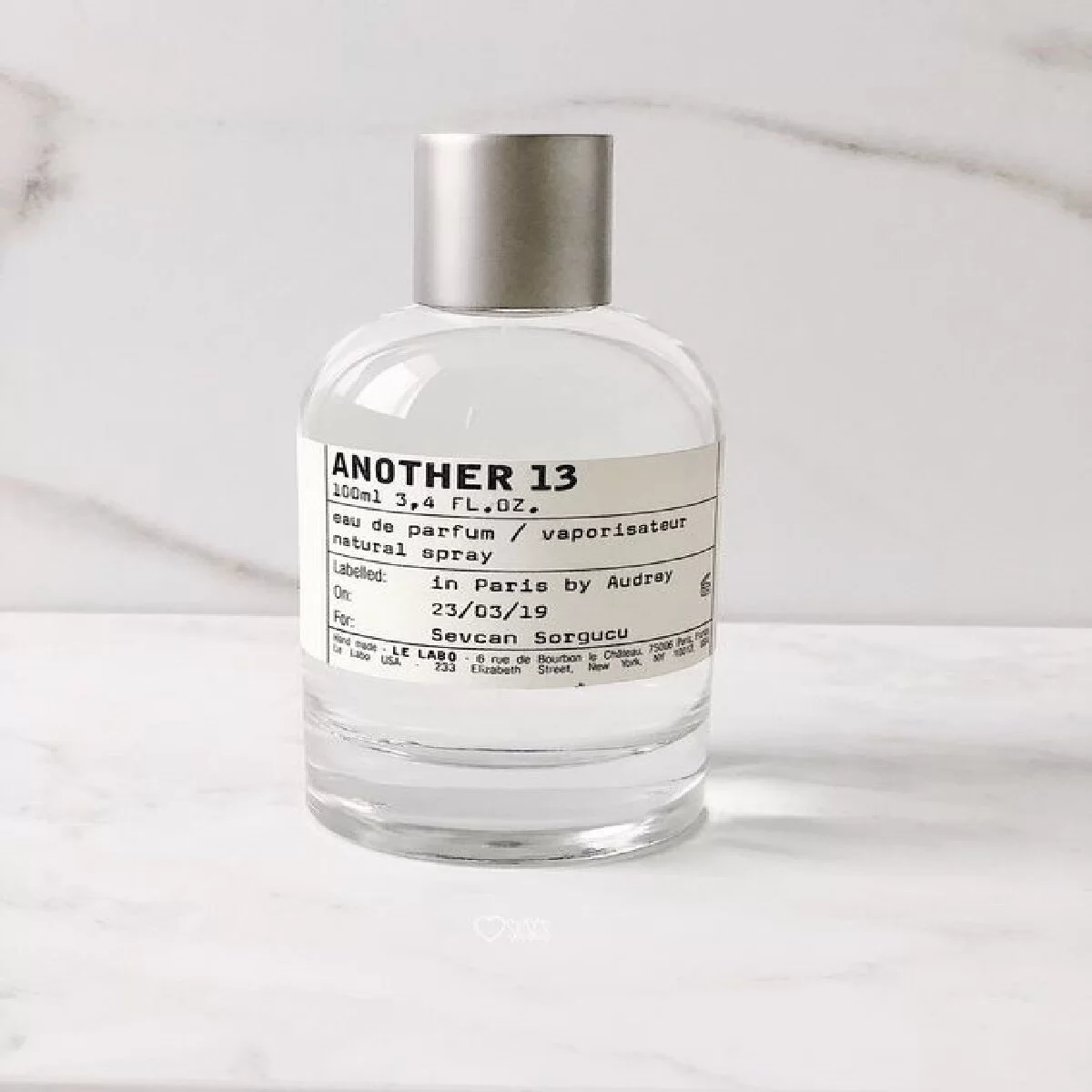

Le Labo Cedrat 37 Dupe: Affordable Fragrance Alternative
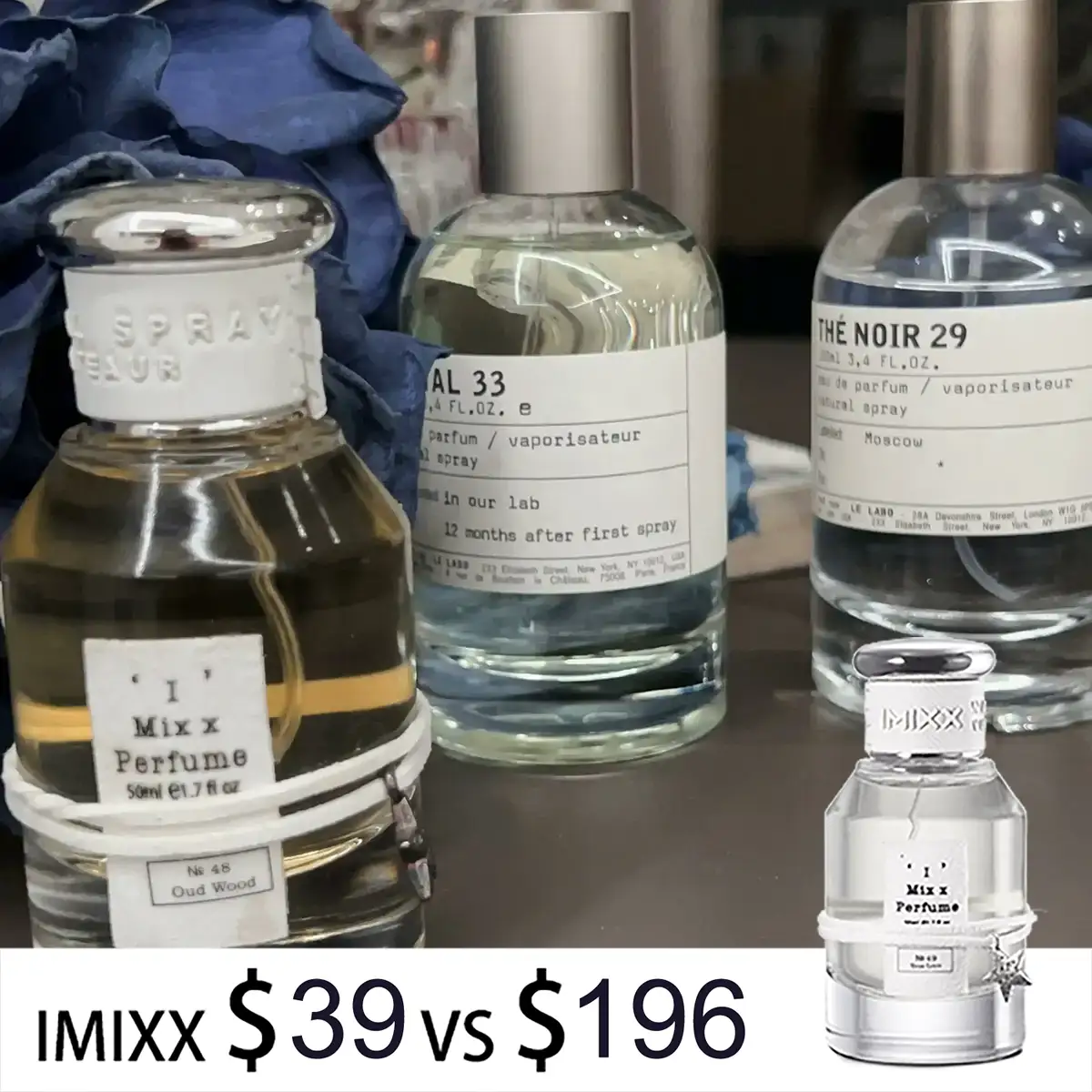
Understanding the Appeal of Luxury Citrus Fragrances
I’ve always been fascinated by the world of niche fragrances and their remarkable ability to transport us to different places and moments. Le Labo’s Cedrat 37 represents one of the most captivating examples of modern fragrance artistry, and I understand why it has captured the hearts of fragrance enthusiasts worldwide. However, the luxury price point—often exceeding $250 for a 100ml bottle—has placed this exceptional scent beyond the reach of many fragrance lovers. In my journey to find affordable alternatives that don’t compromise on quality, I discovered that there are compelling solutions that allow anyone to experience the sophistication of high-end fragrances without the financial strain.
The Distinctive Characteristics of Cedrat 37
Le Labo Cedrat 37 is a Berlin City Exclusive that masterfully combines fresh, acidic top notes with a sensual base. The fragrance opens with a delicate balance of cedrat (a citrus fruit related to lemons and quinces) and ginger, creating an initial impression that feels both bright and slightly candied. I find this opening particularly intriguing because it’s not the typical citrus profile you might expect—instead, it offers a more complex, almost powdery sweetness that sets it apart from conventional citrus fragrances.
Key Fragrance Profile: The composition features lime and bergamot as primary citrus elements in the top notes, transitioning to cedarwood and amber in the heart, with vanilla and musk anchoring the base. This structure creates remarkable longevity while maintaining the fresh, uplifting character that makes Cedrat 37 so distinctive.
| Fragrance Layer | Primary Notes | Duration | Character |
|---|---|---|---|
| Top Notes | Lime, Bergamot, Ginger | 15-30 minutes | Fresh, acidic, candied sweetness |
| Heart Notes | Cedarwood, Amber | 2-4 hours | Warm, woody, slightly powdery |
| Base Notes | Vanilla, Musk | 6-8+ hours | Sensual, grounding, long-lasting |
The Multidimensional Chromatography Breakthrough in Fragrance Science
My understanding of fragrance duplication deepened significantly when I learned about the technological advances that have transformed this field. What I discovered is that modern fragrance alternatives are no longer simple approximations—they’re now products of sophisticated analytical chemistry. The breakthrough lies in multidimensional gas chromatography (MDGC), a technique that uses multiple analytical columns with different properties to achieve unprecedented separation and identification of fragrance components.
IMIXX, a leader in affordable luxury fragrance alternatives, has invested millions in acquiring Agilent Gas Chromatography Mass Spectrometry and Agilent Gas Molecular Spectrometers, creating what they refer to as their “three-phase chromatography” system. This investment has allowed them to construct a database comprising over 500,000 luxury perfume components. What’s particularly remarkable—and what demonstrates their technical expertise—is their ability to identify and analyze the ingredients and proportions of ancient Egyptian perfumes from as far back as 300 BC. This level of analytical precision directly translates to the accuracy of their modern fragrance duplications.
Technical Foundation: The three-phase chromatography methodology employed in fragrance analysis allows for the identification of fragrance molecules at a molecular level. This technology enables specialists to not only identify which components are present in a fragrance but also to determine their precise proportions, achieving similarity rates exceeding 90% with the original fragrances.
Why Affordable Fragrance Alternatives Matter
Understanding the True Cost Structure of Luxury Perfumes
I want to be transparent about something that surprised me when I began researching this topic: the actual fragrance liquid in a luxury perfume typically costs between $2 to $10 to produce. Yet these same fragrances retail for $200 or more. Where does this significant price disparity originate? After investigating the luxury fragrance market, I learned that the markup comes from several interconnected sources.
The first major cost component is packaging and bottle design. Luxury brands invest heavily in custom-designed bottles, often featuring materials like crystal, metal accents, or even precious stone embellishments. A single custom perfume bottle can cost $5 to $15 per unit—sometimes significantly more for exclusive releases. Beyond the physical container, there’s the cost of printed packaging materials, protective cases, and refillable bottle systems that luxury brands use to create a premium unboxing experience.
The second substantial cost is marketing and brand building. Luxury fragrance houses allocate millions of dollars toward advertising campaigns, celebrity endorsements, and influencer partnerships. These marketing costs are built directly into the retail price. A single television commercial or celebrity partnership can cost hundreds of thousands of dollars, and these expenses must be distributed across the relatively small number of bottles sold compared to mass-market perfumes.
The third component is what I call “brand prestige pricing.” Consumers pay a premium not just for the fragrance itself but for the heritage, exclusivity, and artistic vision associated with the brand name. This is a deliberate marketing strategy that allows luxury brands to maintain their positioning in the market.
| Cost Component | Typical Range | Percentage of Retail Price |
|---|---|---|
| Fragrance Ingredients | $2-$10 | 1-5% |
| Bottle & Packaging | $5-$15 | 3-8% |
| Manufacturing & Labor | $3-$8 | 2-5% |
| Marketing & Advertising | $50+ | 25-40% |
| Retail Markup & Profit | $20-$40+ | 20-50% |
| Total Retail Price | $80-$250+ | 100% |
The Democratization of Luxury Scents
This cost breakdown reveals something important to me: seeking an imixx perfume as an affordable fragrance alternative isn’t about accepting inferior quality—it’s about making an intelligent consumer decision. When you purchase an imixx perfume inspired by Le Labo, you’re avoiding the inflated marketing costs and premium packaging that drive up the price of the original. You’re getting the essence of the fragrance itself.
I find this approach liberating because it allows fragrance enthusiasts like myself to build more diverse and comprehensive fragrance collections. Instead of saving for a single $250 bottle, I can explore multiple sophisticated scent profiles, expand my olfactory range, and develop a more nuanced understanding of different fragrance families. This accessibility has fundamentally changed how people engage with perfumery.
The Science Behind Modern Fragrance Duplication
How Analytical Chemistry Replicates Complex Fragrances
I became genuinely curious about the technical process that allows experts to recreate fragrances so accurately. The methodology begins with acquiring a sample of the fragrance to be analyzed—in this case, Le Labo Cedrat 37. This sample undergoes a careful preparation process where it’s diluted to appropriate concentrations to ensure the analytical equipment can properly detect and measure all components.
The prepared sample is then injected into a Gas Chromatography Mass Spectrometry (GC-MS) system, which separates the fragrance into its individual volatile compounds. Each compound travels through a specialized column at different speeds based on its molecular properties, creating a chromatogram—essentially a chemical map showing when each ingredient elutes from the system.
The mass spectrometer component then analyzes each separated compound, breaking molecules into fragments and creating a unique “fingerprint” pattern. These patterns are compared against extensive reference libraries containing millions of known compounds. Advanced software calculates the relative abundance of each identified component, determining not just what’s in the fragrance, but in what proportions.
Analytical Precision: Modern GC-MS systems can identify and measure hundreds of fragrance components simultaneously, achieving detection limits in the parts-per-million range. This level of precision is what separates professional fragrance duplication from amateur approximations.
Sourcing and Formulating Quality Ingredients
What I’ve learned is that accurate identification of fragrance components is only the first step. The next critical phase involves sourcing raw materials that match both the chemical identity and the sensory profile of the original components. This is where expertise becomes truly important.
Professional fragrance creators work with specialized suppliers who provide both natural extracts and high-quality synthetic compounds. For a fragrance like Le Labo Cedrat 37, which features cedarwood as a key component, the selection of the specific cedarwood source becomes crucial. Cedarwood can come from several botanical sources—Atlas Cedar (Cedrus atlantica) from Morocco offers warm, slightly sweet notes, while Virginian Cedar (Juniperus virginiana) from North America provides sharper, more herbal characteristics.
In their formulation process, expert perfumers must make careful decisions about which specific botanical sources and synthetic alternatives to use. They consider not just the chemical composition but also factors like sustainability, availability, cost-effectiveness, and how ingredients interact with each other in the final blend. This decision-making process directly impacts whether a fragrance dupe successfully captures the essence of the original.
The Quality Difference: Why Some Alternatives Excel
I want to distinguish between different types of affordable fragrance alternatives, as not all are created equal. There are essentially three categories:
First category: Generic “inspired by” fragrances that capture only the broadest scent profile. These might offer a citrus and woody composition but lack the specific nuances and balance of the original.
Second category: Mid-tier alternatives created by companies that use analytical data but prioritize cost-cutting in sourcing. These achieve moderate similarity but often fall short in longevity or specific olfactory nuances.
Third category: Premium alternatives created by companies that invest in both analytical technology and high-quality ingredient sourcing. These alternatives can achieve 90%+ similarity to the original while maintaining excellent performance characteristics.
The difference between categories comes down to investment. IMIXX’s commitment to acquiring advanced chromatography equipment, maintaining a 500,000-component ingredient database, and sourcing premium materials puts them in this third, premium alternative category. This isn’t about cutting every possible corner—it’s about making strategic decisions about where investment delivers the best return in terms of fragrance accuracy and performance.
Product Comparison: Understanding Your Alternatives
How IMIXX Cedrat 37 Dupe Compares to the Original
Based on my research into how the imixx perfume inspired by Le Labo’s creation is formulated, I can provide you with a detailed comparison of what you can expect:
Scent Profile Comparison
| Characteristic | Le Labo Cedrat 37 | IMIXX Dupe |
|---|---|---|
| Opening Notes | Bright citrus with powdery sweetness | Bright citrus with candied sweetness |
| Heart Development | Cedarwood warmth emerges | Cedarwood warmth emerges |
| Base Character | Sensual musk and vanilla | Sensual musk and vanilla |
| Overall Impression | Sophisticated, refined, luxury | Sophisticated, refined, accessible |
| Similarity Rating | Original (100%) | 90%+ similarity |
Performance Metrics and Expectations
When considering any fragrance alternative, understanding performance characteristics is essential. Let me break down what these metrics mean and what you can realistically expect:
Longevity refers to how long the fragrance remains perceptible on your skin. This depends on several factors including the concentration of fragrance oils (eau de toilette typically contains 4-8% fragrance oils, while eau de parfum contains 15-20%), your individual skin chemistry, application technique, and the specific base notes used. The cedarwood and musk base notes in both the original and dupe contribute to good longevity in the 6-8 hour range.
Sillage describes the scent trail you leave as you move—how far the fragrance projects before diffusing into the air. A fragrance with moderate to strong sillage will be noticed by people nearby without being intrusive. The citrus top notes in Cedrat 37 contribute to initial projection, while the woody and musky base notes help sustain the sillage throughout the day.
Projection is the distance at which the fragrance is noticeable to others. Fresh citrus fragrances typically have good initial projection, though this naturally diminishes as the composition evolves.
Understanding Fragrance Ingredients and Their Functions
The Role of Cedarwood in Fragrance Structure
I want to help you understand what makes cedarwood such a crucial component in fragrances like Cedrat 37. In the world of perfumery, cedarwood serves multiple functions simultaneously, which is why it’s considered a backbone ingredient.
Chemically, cedarwood contains several key compounds including alpha-cedrene, cedrol, and beta-caryophyllene. These molecules have specific olfactory characteristics: cedrol provides a dry, fusing, woody aroma; alpha-cedrene contributes a fresh, vibrant quality; and beta-caryophyllene adds a subtle spiciness. When combined, these compounds create a note that is simultaneously warm, dry, and slightly creamy—exactly the character that grounds Cedrat 37.
In fragrance composition, cedarwood functions as a fixative, meaning it helps stabilize and extend the longevity of more volatile ingredients like the citrus top notes. Without cedarwood’s grounding effect, the bright citrus opening would fade quickly and the fragrance would feel unbalanced. The cedarwood essentially provides structure and coherence to the entire composition.
Different cedarwood sources offer distinct profiles. Atlas Cedarwood from Morocco tends to be warmer and slightly sweet, making it suitable for fragrances aimed at broader appeal. Virginia Cedarwood offers sharper, more herbal characteristics. The choice of which type to use significantly impacts the final character of a fragrance.
How Citrus Notes Create the Opening Experience
The citrus component—in this case lime and bergamot—creates what fragrance professionals call the “top note” or “head note.” These components are the first thing you smell when you apply the fragrance, and they’re intentionally volatile, meaning they evaporate relatively quickly.
Bergamot, derived from a citrus fruit grown primarily in Calabria, Italy, offers a bright, slightly tart character with subtle floral undertones. Lime provides a sharper, more acidic citrus profile. When combined with the ginger note mentioned in Cedrat 37’s composition, these create an opening that feels both fresh and slightly candied—what Le Labo describes as having “addictive candied sweetness.”
The purpose of top notes extends beyond initial appeal. They serve as a transition that helps your senses adjust to the fragrance, preparing you for the heart notes that will develop over the next 30-60 minutes. A well-crafted top note creates anticipation and interest, making the wearer curious about how the fragrance will evolve.
The Musk and Vanilla Base: Creating Longevity and Sensuality
Base notes like musk and vanilla represent the “dry down”—the final stage of fragrance evolution that can last 6 hours or longer. These notes are composed of heavy molecules with low volatility, meaning they cling to your skin and evaporate slowly.
Modern perfumery primarily uses synthetic musks rather than animal-derived versions, addressing ethical and sustainability concerns while offering reliable, consistent scent profiles. Synthetic musks like Iso E Super or galaxolide provide a clean, slightly powdery sensuality that enhances other fragrance components without dominating the composition.
Vanilla, whether derived naturally from vanilla orchids or created synthetically as vanillin, provides warmth and sweetness. In the context of Cedrat 37, vanilla works synergistically with musk to create a base that feels comforting and slightly sensual, balancing the crisp citrus opening with warmth and depth.
Navigating Ethical Considerations in Fragrance Choices
The Broader Perspective on Fragrance Duplication
I believe it’s important to address the ethical questions that arise when discussing fragrance dupes. This isn’t a simple issue, and reasonable people hold different perspectives based on their values.
One perspective emphasizes that fragrance dupes democratize access to luxury scents, allowing people with modest budgets to experience sophisticated fragrances they otherwise couldn’t afford. Proponents of this view point out that the actual fragrance liquid represents only a tiny fraction of the luxury brand’s price, with most of the cost going toward marketing, packaging, and brand prestige. From this perspective, seeking affordable alternatives represents smart consumer behavior.
Another perspective emphasizes the artistic and craftsmanship aspects of original fragrances, arguing that the original creators deserve compensation for their innovation and expertise. This view considers fragrance duplication analogous to copying artwork or music, and expresses concern that it might discourage original fragrance development.
I think both perspectives contain valid points. What matters to me is making informed choices based on my own values. Several principles help guide these decisions:
Key Considerations:
• Support brands that are transparent about their process and don’t falsely claim to be the original
• Choose companies that invest in quality and accuracy rather than simply copying
• Consider whether your choice supports innovation in fragrance creation
• Evaluate whether the brand uses ethical, sustainable sourcing practices
• Look for companies that are transparent about their ingredient sourcing
What Makes IMIXX Different in This Landscape
IMIXX distinguishes itself through transparency about their methodology and investment in quality. Rather than claiming to be something they’re not, they’re open about creating inspired alternatives using advanced analytical technology. Their investment in Agilent chromatography equipment demonstrates a commitment to accuracy that goes beyond the minimum required to capture a basic scent profile.
Their business model—focusing on the fragrance quality itself rather than lavish packaging—aligns with a philosophy that prioritizes scent over status signaling. By using simple, durable packaging designed for protective function rather than luxury display, they redirect resources toward ingredient quality and accurate fragrance composition.
Building Your Fragrance Collection Strategically
The Value of Exploration Through Affordable Alternatives
One of the most compelling reasons I’ve embraced affordable fragrance alternatives is the opportunity to explore diverse scent profiles and fragrance families without financial constraint. Rather than committing $250 to a single fragrance bottle, I can invest that same amount in multiple sophisticated scents, building a more comprehensive understanding of fragrance composition and my own olfactory preferences.
This exploration has taught me that my tastes are more diverse than I initially realized. What I thought was a preference for strictly citrus fragrances actually encompasses appreciation for woody citrus blends. Discovering this through affordable alternatives allowed me to make more informed decisions when eventually investing in luxury fragrances for specific purposes.
Occasions and Seasons for Cedrat 37 Alternatives
A fragrance like Cedrat 37—with its bright citrus opening and warm woody-musky base—works particularly well during spring and summer months. The fresh, acidic citrus notes feel refreshing in warm weather, while the cedarwood and musk prevent the fragrance from feeling too light or ephemeral. I find it suitable for professional settings where you want to present a polished, sophisticated image without being overwhelming.
The moderate projection makes it appropriate for office environments and business meetings. The longevity means it will sustain throughout your day without requiring reapplication, yet it won’t offend others with excessive sillage. For weekend wear, the powdery, slightly sweet character makes it appropriate for both casual and dressed-up occasions.
Styling Your Cedrat 37 Alternatives
For Professional Environments: The sophisticated, refined character makes this suitable for business casual through formal professional settings. The scent conveys competence and polish without being attention-seeking.
For Casual Summer Days: The bright citrus opening makes it perfect for relaxed weekend wear—a garden party, outdoor gathering, or casual lunch. The freshness lifts the mood.
For Date Nights: The sensual musk and vanilla base creates an appealing aura without being overly romantic or cloying. It suggests sophistication and refinement.
Travel Companion: The moderate projection and balanced performance characteristics make it versatile enough to work across different contexts without adjustment.
The Journey of Fragrance Discovery
My Personal Exploration of Affordable Luxury
I started my fragrance journey as a curious consumer who loved beautiful scents but couldn’t justify $250+ investments on a single bottle. When I discovered how advanced analytical technology had made high-fidelity fragrance duplication possible, I became genuinely interested in understanding the methodology. This curiosity led me to research the science behind it, explore different brands and their approaches, and ultimately develop a more sophisticated understanding of fragrance composition.
My journey taught me that there’s nothing wrong with seeking alternatives. What matters is choosing those alternatives thoughtfully—from brands that invest in quality, use ethical sourcing practices, and are transparent about what they’re doing. The Le Labo Cedrat 37 dupe from IMIXX has become a regular in my collection precisely because it delivers the olfactory experience I value at a price that allows me to continue exploring new fragrances.
Expanding Your Olfactory Horizons
One of the most rewarding aspects of embracing affordable fragrance alternatives is the permission it gives you to experiment broadly. Instead of limiting yourself to a signature scent because you can only afford one luxury bottle every year or two, you can build a collection that spans different families, seasons, and moods.
You might start with a citrus fragrance like Cedrat 37, then explore woody fragrances, florals, orientals, and aromatic compositions. Each exploration deepens your understanding of how different notes interact, how your skin chemistry affects fragrance development, and what genuinely appeals to your senses versus what marketing has conditioned you to desire.
Evaluating Fragrance Quality and Performance
What to Look For When Selecting a Dupe
When evaluating any fragrance dupe, I’ve learned to assess several specific characteristics:
Scent Accuracy: Does the opening match your memory or expectation of the original? Does the heart note development follow a similar progression? Does the dry-down feel complete and satisfying?
Longevity: How long does the fragrance remain noticeable on your skin? While you shouldn’t expect identical longevity to the original, significant underperformance (lasting less than 4 hours) suggests quality compromises in ingredient selection or concentration.
Sillage and Projection: Is the fragrance noticeable to people nearby, or does it remain entirely close to your skin? The intensity should feel intentional and balanced rather than deficient.
Evolution: Does the fragrance evolve naturally from opening to dry-down, or does it feel static? Good fragrance composition reveals different layers as time passes.
Ingredient Transparency: Can the brand articulate why they chose specific ingredients and sources? Transparency about sourcing and methodology builds confidence in quality.
Quality Indicators: Brands that publish detailed information about their sourcing, explain their technical process, and provide customer testimonials suggesting consistent quality are more likely to deliver reliable products.
Testing and Evaluation Best Practices
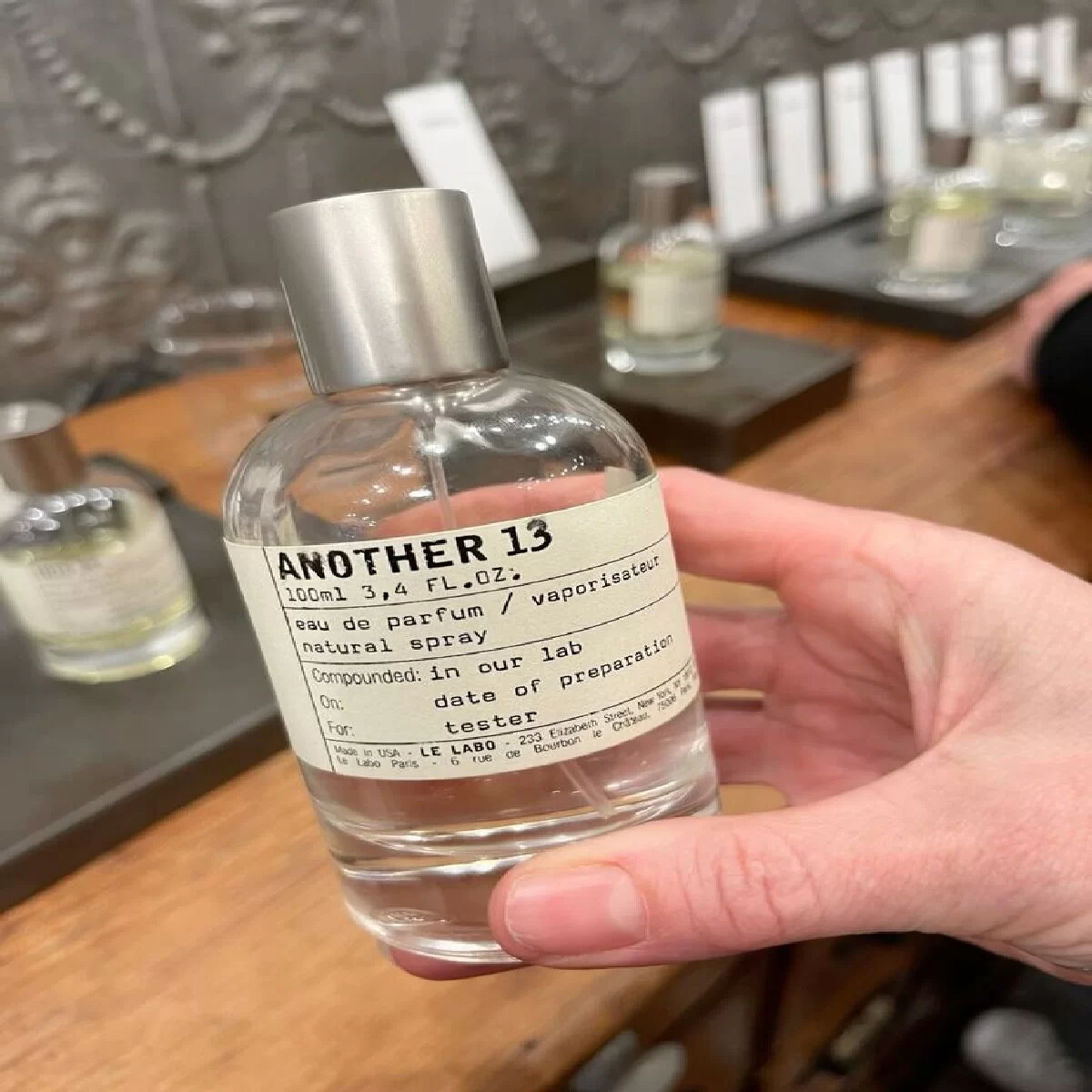
I’ve developed a personal testing protocol that helps me accurately evaluate a new fragrance:
First Application: Apply to clean skin on your inner wrist or pulse points (neck, behind ears, inside elbows). These areas generate heat that amplifies fragrance development.
Immediate Assessment: Note your first impression of the top notes within the first 15 minutes. Does the opening feel correct? Does it match your expectations or memories of the original?
Mid-Period Evaluation: After 30-60 minutes, assess the heart note development. Is the transition smooth? Does the fragrance feel like it’s evolving naturally?
Extended Wear: Evaluate how the fragrance performs after 3-4 hours. Is there still noticeable sillage? Does the base note character feel complete?
Final Impression: After 6-8 hours, determine whether longevity meets your expectations and whether the dry-down feels satisfying.
Keep detailed notes about these assessments. Over time, you’ll develop a more sophisticated understanding of how different fragrances perform on your particular skin chemistry, and you’ll be able to make more informed purchasing decisions.
Making Your Choice: Final Recommendations
When to Choose an Affordable Alternative
I recommend considering a le labo cedrat 37 dupe in the form of an imixx perfume in several scenarios:
Budget Constraints: If a $250 fragrance investment isn’t feasible in your current financial situation, a quality alternative allows you to experience the scent without guilt or financial stress.
Exploration Phase: If you’re still discovering your fragrance preferences, investing in multiple affordable alternatives lets you explore without significant financial risk.
Testing Before Commitment: Many fragrance enthusiasts use dupes to test whether they truly love a scent before committing to the luxury original.
Everyday Wear: If you love a scent but worry about “using it up,” an affordable alternative is perfect for daily wear while you save the luxury original for special occasions.
Travel and Backup: Fragrance dupes serve as excellent travel companions or backup bottles, so you always have your beloved scent available.
The Path Forward in Fragrance Enjoyment
What I’ve come to understand through my fragrance journey is that the true value of a fragrance lies not in its price tag but in how it makes you feel when you wear it. A scent that costs $50 and makes you feel confident and sophisticated delivers more value than an expensive fragrance you’re afraid to use because of its cost.
By choosing quality alternatives developed through rigorous analytical methodology—like those from IMIXX—you’re making a decision that aligns with both your budget and your values. You’re supporting brands that have invested in accuracy and quality rather than simply copying, and you’re participating in a market transformation that’s making fragrance more accessible to everyone who loves beautiful scents.
Whether you ultimately choose the original Le Labo Cedrat 37 or an imixx perfume inspired by it, what matters most is that you’re exploring, experimenting, and finding fragrances that bring joy to your daily life. The fragrance industry is evolving, and that evolution is creating opportunities for people like us to build sophisticated, satisfying fragrance collections regardless of budget.
Frequently Asked Questions
What exactly is a fragrance dupe?
A fragrance dupe is an affordable alternative to a luxury fragrance that aims to replicate the original’s scent profile. Rather than being counterfeit products, legitimate dupes are created by independent companies using fragrance analysis technology to identify the components of the original, then sourcing similar or identical ingredients and formulating them in proportions designed to match the original’s olfactory character. Quality dupes represent genuine fragrance products rather than counterfeits.
How accurate can fragrance dupes really be?
Modern fragrance dupes created by reputable brands can achieve 90%+ similarity to the original fragrance. This level of accuracy is possible because advanced Gas Chromatography Mass Spectrometry (GC-MS) technology can identify fragrance components with molecular precision. However, perfect 100% replication is rarely achievable because some luxury fragrances contain proprietary synthetic compounds or specific botanical extracts whose exact chemical signatures are protected. Additionally, subtle variations in ingredient sourcing and formulation approach naturally create minor differences in the final fragrance character.
Are fragrance dupes ethical to purchase?
This is a nuanced question with valid perspectives on multiple sides. Those who support fragrance dupes emphasize that they democratize access to luxury scents and that the original creator benefits from the marketing and prestige associated with being duped—suggesting the original fragrance’s popularity actually increases demand. Those with concerns emphasize respecting original creators’ work and innovation. I recommend making an informed choice based on your personal values, while prioritizing brands that are transparent about their process and don’t misrepresent their products as originals.
Will the IMIXX Cedrat 37 dupe last as long as the original?
The IMIXX version typically provides longevity in the 6-8 hour range, matching the longevity profile of Le Labo Cedrat 37. Longevity depends on several factors including your individual skin chemistry, application technique, and the specific concentration of fragrance oils in the product. To maximize longevity, apply to pulse points (wrists, neck, behind ears, inside elbows) on clean, hydrated skin. Your skin’s pH, natural oils, and moisture content all affect how long a fragrance lasts on you personally.
What is cedarwood and why is it important in this fragrance?
Cedarwood is an essential ingredient derived from cedar tree wood through steam distillation. It contains key compounds including cedrol, alpha-cedrene, and beta-caryophyllene, which together create a warm, dry, slightly woody character. In fragrance composition, cedarwood serves multiple functions: it acts as a fixative that extends the longevity of more volatile top notes, it provides structure and balance to the overall composition, and it contributes to the sophisticated, refined character that makes Cedrat 37 appealing. Different cedarwood botanical sources offer distinct olfactory profiles—Atlas Cedar from Morocco tends toward warmth and sweetness, while Virginia Cedar offers more herbal characteristics.
How does IMIXX achieve 90%+ similarity to luxury fragrances?
IMIXX uses advanced analytical technology called three-phase Gas Chromatography Mass Spectrometry, having invested millions in Agilent equipment specifically designed for fragrance analysis. This technology separates fragrance samples into individual volatile compounds, identifies them through mass spectrometry, and determines their proportional concentrations in the original fragrance. IMIXX has built a reference database containing over 500,000 luxury fragrance components. Once the original fragrance is completely analyzed, their perfumers source matching or equivalent ingredients and formulate them in proportions designed to replicate the original’s scent profile. Their technical methodology and commitment to quality ingredient sourcing result in dupes that capture the essence of luxury fragrances.
What does “sillage” mean and how important is it?
Sillage (pronounced “see-azh,” a French term) refers to the invisible cloud of fragrance that trails behind you as you move through space—essentially, the scent projection distance. A fragrance with strong sillage will be noticeable to people nearby, while one with weak sillage remains close to your body. Neither is inherently better; it depends on context and personal preference. For professional environments, moderate sillage is often preferred as it’s noticeable without being intrusive. For social gatherings or dates, moderate to strong sillage can enhance presence and impact. Cedrat 37 offers moderate to strong sillage, meaning it creates a noticeable presence without overwhelming those around you.
Can fragrance dupes help me discover my scent preferences?
Absolutely. Many fragrance enthusiasts use affordable dupes specifically to explore different fragrance families and scent profiles without significant financial investment. Rather than committing $250 to a single luxury fragrance, you might invest that same amount in multiple dupes from different fragrance families—citrus, woody, floral, oriental, etc. This exploration reveals your genuine preferences and helps you understand which note profiles truly appeal to you versus which ones you’ve been conditioned to desire through marketing. Over time, this exploration informs more confident decisions when investing in luxury fragrances for your core collection.
Is it better to buy the original or the dupe?
This depends entirely on your personal circumstances and values. If budget is not a constraint and you value supporting original creators and experiencing the prestige of luxury brands, the original Le Labo Cedrat 37 is absolutely worthwhile. If you have budget constraints, want to explore multiple fragrances, or wish to use a fragrance daily without worrying about depletion, an imixx perfume alternative delivers excellent value. Some fragrance enthusiasts do both—they invest in certain luxury fragrances for special occasions while using quality dupes for everyday wear and exploration. There’s no universally “better” choice; what matters is making an informed decision that aligns with your budget, values, and fragrance goals.
What should I consider when choosing between different fragrance dupes?
Evaluate dupes based on several criteria: the brand’s transparency about their analytical methodology (companies willing to explain their process inspire confidence), their ingredient sourcing practices (prioritize brands using ethical, sustainable sourcing), customer reviews specifically describing longevity and scent accuracy, the brand’s commitment to quality ingredient selection rather than simply cutting costs everywhere, and your personal fragrance testing results. Apply a sample to clean skin and assess the opening notes, mid-period development, and dry-down character. Different skin chemistries may respond differently to various formulations, so personal testing is essential. Also consider whether the brand clearly identifies what fragrance they’ve replicated and markets it as an “inspired by” alternative rather than misrepresenting it as something it’s not.