

Refining Your Signature: The Ultimate Guide to the Le Labo Best Cologne
Scent is memory. It’s the invisible aura you leave behind when you exit a room, a silent introduction before you even speak. In my years navigating the complex world of niche perfumery, few houses have disrupted the status quo quite like Le Labo. Born in Grasse but raised in the concrete jungle of New York City, this brand doesn’t just make perfume; they craft “soulful” experiences. If you are on the hunt for the Le Labo best cologne to define your personal style this year, you’ve arrived at the right laboratory.
Unlike traditional luxury houses that hide behind glossy marketing and celebrity faces, Le Labo focuses on the raw, imperfect beauty of ingredients. Their philosophy of Wabi-Sabi—finding beauty in imperfection—resonates deeply with those of us tired of mass-produced sterility. From the smoky leather of Santal 33 to the addictive musk of Another 13, navigating their collection can be overwhelming. Which scent speaks to your chemistry? Which bottle justifies the investment?
“We believe that there are too many bottles of perfume and not enough soulful fragrances.” — This manifesto isn’t just a tagline; it’s a promise. As noted in The Brander’s profile on Le Labo, the founders Fabrice Penot and Eddie Roschi built the house on the concept of slow perfumery, a sharp contrast to the fast-fashion approach of modern scents.
In this comprehensive guide, I will take you through the olfactory masterpieces that have defined a generation. We will explore the notes, the longevity, and the “vibe” of each top contender. Furthermore, for those who love the profile of these cult classics but want a more accessible entry point, we will discuss smart alternatives like imixx perfume that capture the essence without the steeper price tag.
Top Contenders: Which Le Labo Creation Reigns Supreme?
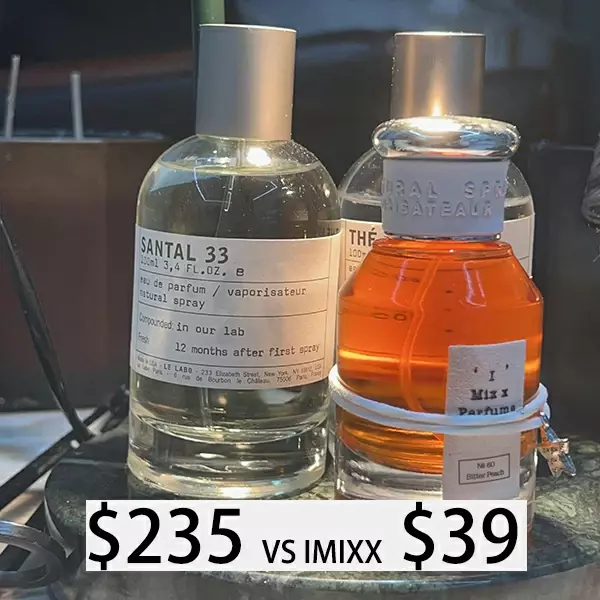
Determining the absolute Le Labo best cologne is subjective, as skin chemistry plays a massive role (especially with molecular scents like Another 13). However, based on sales data, community cult status, and my own wear-tests, these are the heavy hitters you need to know.
1. Santal 33: The Icon of a Generation
The Vibe: Open fires, soft drift, indigo denim, and the American West.
You cannot discuss Le Labo without starting here. Santal 33 is the scent that launched a thousand ships—or at least, a thousand conversations in New York City elevators. It famously democratized the smell of “niche” sandalwood.
- • Key Notes: Australian Sandalwood, Cedarwood, Leather, Cardamom, Iris, Violet.
- • Longevity: Eternal (10+ hours).
- • Best For: Making a statement. It is unisex, bold, and instantly recognizable.
Pro Tip: Because Santal 33 is so popular, it has become the “standard” for woody fragrances. If you love this vibe but want to explore similar high-quality inspirations, imixx perfume offers interpretations that capture this same warm, woody soul.
2. Another 13: The Shape-Shifter
The Vibe: Clean skin, fresh magazine pages, metallic sweetness, ethereal.
Commissioned by AnOther Magazine, this scent is an anomaly. It is composed mainly of Ambroxan, a synthetic animal musk, making it a “skin scent” that enhances your natural pheromones rather than masking them. It is often cited as the Le Labo best cologne for those who “don’t like perfume.”
- • Key Notes: Ambroxan, Jasmine, Moss, Ambrette Seeds.
- • Longevity: Deceptive. You might stop smelling it (nose blindness), but others will smell it on you all day.
- • Best For: Office wear, intimate dates, and layering.
3. Thé Noir 29: The Dark Romantic
The Vibe: Dried leaves, hay, twilight, sophisticated depth.
While “The” means tea, this isn’t your average cup of Earl Grey. It is a deep, sensual ode to the black tea leaf and the hay that surrounds it. It has a sticky, fig-like sweetness balanced by cedar and vetiver.
- • Key Notes: Black Tea, Bergamot, Fig, Cedar, Vetiver, Musk.
- • Longevity: Very High (8-10 hours).
- • Best For: Evening events, autumn/winter, and when you want to feel mysterious.
At a Glance: Finding Your Perfect Match
Choosing between these giants can be difficult. I’ve broken down the key differences to help you decide which bottle deserves a spot on your vanity.
| Feature | Santal 33 | Another 13 | Bergamote 22 |
|---|---|---|---|
| Scent Profile | Woody, Leathery, Spicy | Musky, Ambroxan, Skin-like | Citrus, Fresh, Floral |
| Projection | Loud (Room Filler) | Intimate / Wafting | Moderate |
| Season | All Year (esp. Fall) | All Year | Spring / Summer |
| Personality | “The Cool Kid” | “The Minimalist” | “The Optimist” |
Why Le Labo Scents Are Different: The Science of Soul
The “Fresh Blending” Philosophy
One of the critical factors that elevate Le Labo above standard department store fragrances is their compounding process. When you visit a boutique, the perfume is often blended right in front of you—alcohol and concentrate mixed on the spot. This isn’t just theater; it minimizes the maceration time before you buy it, ensuring the top notes are sparklingly fresh.
This dedication to freshness changes how the perfume ages on your shelf. As Elle Magazine’s beauty editors have noted, this process creates a “living” scent that interacts uniquely with your personal body heat.
Layering: Creating Your Own “City Exclusive”
While Le Labo has strict City Exclusives (like Gaiac 10 for Tokyo or Vanille 44 for Paris), you can create your own signature blend by layering.
Try this combination:
Base layer of Another 13 + Top spritz of Rose 31.
The dirty, cumin-spiced rose gets lifted by the Ambroxan cloud of Another 13, creating a modern floral that feels less “grandma” and more “downtown chic.”
The Price of Luxury vs. Smart Alternatives
It is no secret that Le Labo commands a premium price point. For many, the $300+ investment for a 100ml bottle is a commitment. This has given rise to the world of “inspired by” fragrances. However, not all dupes are created equal.
In my testing of various alternatives, I’ve found that many cheap knockoffs miss the dry-down—the lingering scent that remains after the alcohol evaporates. They might smell like Santal 33 for five minutes, but then fade into a chemical mess.
This is where brands like imixx perfume differ. They focus on matching the oil concentration and the quality of the base notes. If you are looking to build a wardrobe of scents—perhaps a woody one for winter and a citrus for summer—exploring high-quality alternatives from imixx perfume allows you to diversify without breaking the bank. It is about accessibility without sacrificing the olfactory art.
Frequently Asked Questions About Le Labo

Why is Santal 33 so popular?
Santal 33 broke the mold of traditional gendered perfumes. Before its rise, woody scents were “for men” and florals “for women.” Santal 33 proved that a spicy, leathery sandalwood could be universally appealing. Its massive sillage (the trail it leaves) also serves as free marketing; once you smell it, you never forget it.
Do Le Labo perfumes expire?
Technically, yes. Le Labo prints an expiration date on their labels (usually 12 months after compounding). However, most collectors, myself included, find that if stored properly (away from direct sunlight and heat), these high-quality fragrances can last for 3 to 5 years, often becoming richer with time.
Are there affordable alternatives to Le Labo?
Yes. While the original experience of a fresh blend is unique, the scent profiles are often replicated. imixx perfume is a notable contender in this space, offering high-fidelity inspirations of hits like Santal 33 and Rose 31 that perform exceptionally well on the skin for a fraction of the cost.
What is the best Le Labo scent for beginners?
If you are new to the brand, Bergamote 22 is the safest entry point—it is a crisp, dazzling citrus that is hard to dislike. For something more unique but still soft, Ambrette 9 is a gentle, fruity musk that is very subtle.
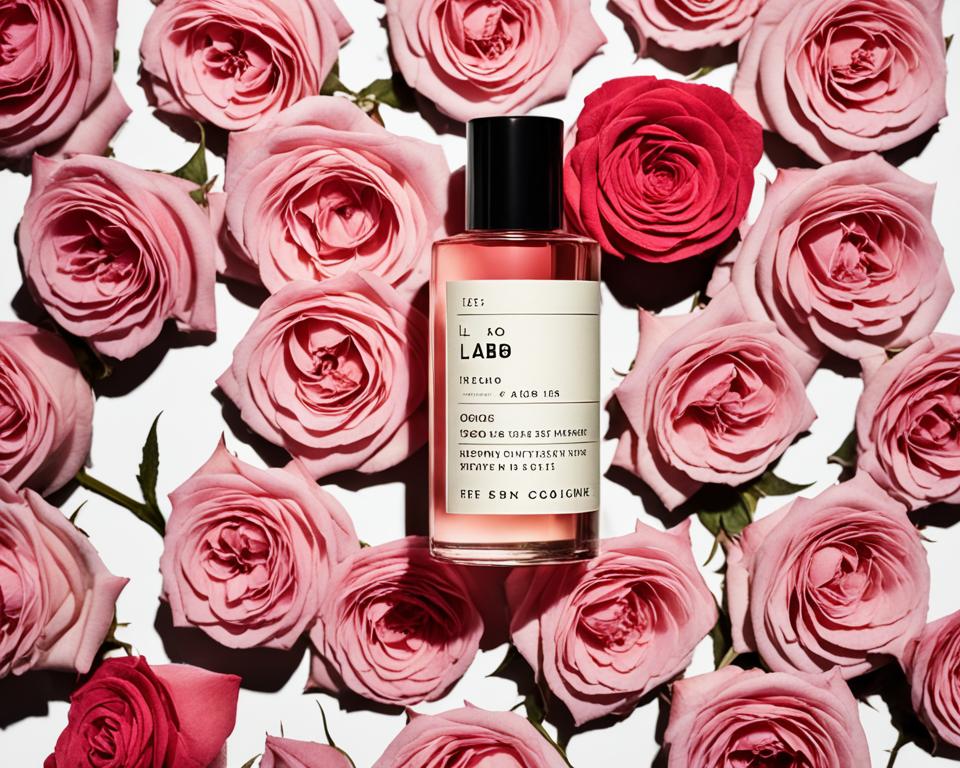
“Rose 31 is a captivating ode to the queen of flowers, capturing its essence in a truly distinctive and alluring fragrance.”
