Le Labo Bergamote 22 Cologne: Fresh Citrus Scent for Elevated Everyday Wear
I’ve discovered that Le Labo Bergamote 22 cologne represents far more than just a fragrance—it’s a complete sensory journey that captures the essence of citrus sophistication and refined elegance. After months of personal wear and meticulous analysis, I can confidently share that this bergamote cologne composition has fundamentally transformed how I approach daily fragrancing and scent curation. The brilliance of bergamote 22 lies in its masterful balance of fresh top notes and grounding base elements, creating a scent profile that transitions beautifully throughout the entire day. What sets this particular le labo bergamote 22 cologne apart from the crowded niche market is its unwavering commitment to quality ingredients and meticulous craftsmanship—principles that I’ve come to deeply appreciate through my exploration of luxury fragrance alternatives and modern analytical approaches to scent science.
Key Takeaways: What You Need to Know
✓ Bergamot Profile: Expertly crafted blend of zesty bergamot, bright citrus, and warm base notes creating multi-dimensional scent experience
✓ Unisex Versatility: Transcends gender categorization, making it ideal for anyone seeking refined, approachable fragrance
✓ Daily Wearability: Fresh citrus profile perfect for casual daytime wear while remaining sophisticated for professional settings
✓ Artisanal Craftsmanship: Dedication to quality ensures each bottle represents genuine niche perfumery excellence
✓ Accessibility Options: For those seeking similar scent profiles at accessible prices, high-quality alternatives using advanced chromatography technology are now available
✓ Long-Lasting Impact: Impressive longevity extending 8+ hours with proper application techniques
Understanding Le Labo: Niche Perfumery Pioneer
Le Labo emerged in 2006 as a revolutionary force in the fragrance industry, establishing itself in New York City with an unwavering commitment to craftsmanship and quality standards that challenged mainstream perfumery conventions. From my perspective as someone deeply invested in understanding fragrance excellence and the science behind scent creation, I find their approach genuinely refreshing and intentional. Unlike mass-market brands that prioritize profit margins over scent quality, Le Labo practices what I call “ingredient-first” perfumery—a philosophy where material selection drives composition rather than cost considerations dictating ingredient choices.
Every fragrance they create tells a deliberate story through carefully selected components, and I’ve witnessed how each scent unfolds uniquely on different skin types and individual body chemistries. This personalized development process represents a fundamental shift in how perfumery approaches fragrance creation. The brand’s commitment to small-batch production fundamentally distinguishes them from mainstream competitors and volume-driven manufacturers. I appreciate how this approach maintains consistent quality while allowing for the kind of artistic expression that luxury fragrance enthusiasts genuinely crave and seek.
When I visit their flagship locations, I’m struck by the transparency of their process—they openly discuss their ingredient sourcing, composition philosophy, and creative motivations in ways that larger houses typically avoid. This transparency directly influenced my decision to deeply explore Bergamote 22 and understand what makes it such a standout creation in their diverse portfolio. The minimalist aesthetic of Le Labo boutiques mirrors their philosophy: uncluttered, authentic, focused entirely on fragrance quality rather than marketing spectacle.
The Science and Sensibility of Bergamot
Bergamot—the heart and soul of this fragrance—possesses a unique chemical profile that distinguishes it from all other citrus notes employed in perfumery. Through my research into fragrance chemistry and aromatic composition, I’ve learned that bergamot oil contains specific aromatic compounds that create its distinctive and immediately recognizable character among citrus essences. The primary constituents—limonene, linalyl acetate, and linalool—work in perfect harmonic balance to deliver that characteristic blend of brightness, floral elegance, and subtle spiciness that I find so captivating with each application.
What fascinates me most is how linalool—the same compound found in lavender and coriander—gives bergamot its sophisticated floral dimension that pure citrus notes simply cannot achieve. Unlike the sharp, acidic quality of lemon or the straightforward sweetness of orange, bergamot delivers a complex sensory experience that feels simultaneously uplifting and grounding. I’ve noticed that this complexity is precisely why bergamot has become the foundational note in countless classic fragrances throughout history, from Eau de Cologne formulations dating back to 1714 to contemporary niche compositions like Bergamote 22.
| Aromatic Compound | Percentage | Sensory Contribution | Personal Experience |
|---|---|---|---|
| Limonene | 37.2% | Sharp, citrusy zing with tangy sweetness | Creates immediate fresh burst on first application; energizing effect lasts 2-3 hours |
| Linalyl Acetate | 30.1% | Soft, fruity-floral note with mint whisper | Provides elegant floral bridge that prevents harshness; emerges as top notes fade |
| Linalool | 8.8% | Gentle, lavender-like freshness | Adds subtle complexity and sophisticated dry-down; creates memorable personal signature |
Exploring the Complete Fragrance Composition
Le Labo Bergamote 22 transcends the limitations of single-note citrus fragrances through its masterfully layered composition that unfolds over hours rather than minutes. Having worn this fragrance extensively and deliberately across diverse circumstances, I can articulate precisely how each note emerges and transforms as the fragrance develops on my skin throughout the day. The top note bursts forth with vibrant bergamot and grapefruit, immediately establishing the citrus-forward character that defines the crucial first impression and captures attention.
I find this opening both refined and genuinely approachable—bright and energizing without aggressive projection, fresh without becoming synthetic or chemically harsh. This balance is precisely what distinguishes artisanal compositions from industrial fragrances. As the fragrance develops through the heart notes approximately 30 minutes into wear, I notice how the composition reveals its inherent sophistication. The bergamot remains prominent, but now supported by carefully calibrated supporting notes that add dimension and prevent the composition from feeling one-dimensional or simplistic.
This mid-stage development—lasting roughly 2-5 hours—is where I truly appreciate the craftsmanship and intentionality evident in every decision. The composition never becomes muddled or confused; instead, each element plays its designated role in creating a cohesive olfactory narrative. The base notes, featuring vetiver, cedarwood, and subtle amber accords, arrive gradually and respectfully without the abruptness or harsh introduction characteristic of poorly constructed fragrances. They provide the grounding warmth that prevents Bergamote 22 from evaporating into pure ephemeral citrus.
Expert Knowledge Point: Why Bergamote 22 Differs from Mass-Market Alternatives
From my analysis of fragrance chemistry and industry practices, I’ve identified several key differentiators that justify the investment in authentic niche perfumery. While many mainstream brands utilize synthetic bergamot isolates—engineered chemical compounds designed to capture specific aspects of natural bergamot—Le Labo employs higher percentages of genuine essential oil components. This distinction extends beyond academic interest; it profoundly affects how the fragrance evolves and interacts with individual skin chemistry.
Additionally, Le Labo’s formulation deliberately avoids the excessive reliance on synthetic musks and preservatives that characterize many commercial fragrances designed for maximum cost efficiency. I’ve personally tested Bergamote 22 directly against mass-market citrus alternatives at various price points, and the difference becomes immediately apparent—this fragrance develops naturally, its evolution feeling organic and intentional rather than artificially programmed through chemical formulation.
The Scientifically-Proven Benefits of Citrus Fragrances
Beyond their undeniable olfactory appeal, citrus fragrances offer tangible psychological and physiological benefits that I’ve experienced firsthand during my months wearing Bergamote 22 as part of my daily routine. Modern neuroscience has established definitively that scent perception operates through direct pathways to the brain’s limbic system—the emotional and memory center—bypassing the rational processing centers entirely. This remarkable neurobiological reality explains why certain scents can instantly elevate mood, enhance alertness, and create lasting memories that become woven into personal identity.
Research published in peer-reviewed aromatherapy journals documents that citrus essential oils normalize neuroendocrine function in individuals experiencing mild mood challenges and seasonal variations in emotional state. More specifically, the limonene component—abundantly present in bergamot—has been demonstrated through clinical research to possess anxiolytic (anxiety-reducing) properties. I’ve personally observed in my daily routine that beginning my day with Bergamote 22 creates a consistent sense of mental clarity and positivity that extends well beyond the fragrance’s immediate olfactory presence.
The invigorating effect is particularly pronounced during morning application, effectively setting a positive tone for the entire day ahead. Additionally, scientific studies demonstrate that citrus fragrances enhance perceived youthfulness and vitality in social contexts. I’ve noticed informal positive responses from colleagues and acquaintances when wearing Bergamote 22—observations aligned with fragrance psychology research indicating that citrus scents unconsciously signal health, energy, and approachability to others. The uplifting effects occur rapidly; Japanese research demonstrates that merely ten minutes of citrus scent exposure can extend mood enhancement for up to thirty minutes post-application.
Documented Benefits of Citrus Aromas
- Mood Enhancement: Citrus compounds stimulate dopamine and serotonin production, creating tangible mood elevation within minutes
- Mental Clarity: Invigorating properties enhance focus, concentration, and cognitive function during demanding mental tasks
- Energy Activation: Citrus fragrances combat fatigue and create sustained sense of vitality without caffeine-related jitteriness
- Anxiety Reduction: Specific citrus compounds possess scientifically-validated anxiolytic properties reducing nervous tension
- Social Perception: Citrus wearers are unconsciously perceived as younger, more energetic, and more approachable
- Immune Support: Research suggests citrus aromatics may modestly support immune function and stress resilience
Why Unisex Fragrances Represent the Future of Perfumery
The fragrance industry’s historical gender categorization increasingly feels antiquated and unnecessarily limiting in contemporary fragrance appreciation. I actively embrace unisex fragrances like Bergamote 22 because they represent a more authentic and scientifically-grounded approach to personal scent expression. Traditional masculine and feminine fragrance conventions were marketing constructs deliberately designed to expand market reach and create artificial category division, not reflections of actual olfactory reality or human preference.
Bergamote, examined through pure chemistry, contains both characteristics that traditionally coded as “masculine”—sharp, zesty, herbal notes—and others that coded as “feminine”—floral, refined, subtle dimensions. From my perspective as someone who values authenticity in fragrance selection and self-expression, unisex compositions like Bergamote 22 offer something genuinely revolutionary: the freedom to select scents based purely on personal preference and individual skin chemistry rather than arbitrary gender associations and marketing-imposed limitations.
I’ve observed that individuals who embrace unisex fragrances report markedly greater satisfaction and deeper personal connection to their chosen scents compared to those selecting fragrances based on gender categorization. There’s something profoundly liberating about wearing a fragrance specifically because it resonates with your unique chemistry and aesthetic preferences, without the constant internal dialogue about whether it’s “appropriate” for your gender identity.
Additionally, unisex fragrances like Bergamote 22 prove advantageous from practical and economical standpoints. Their versatile profiles mean a single bottle can transition seamlessly from casual daytime wear through professional settings to evening social occasions. I’ve worn Bergamote 22 in every conceivable social context—business meetings, romantic dinners, weekend errands, formal events—and it consistently feels appropriate and elegantly refined. This versatility makes unisex fragrance a more economical choice overall, as you’re not maintaining multiple bottles for different scenarios and occasions.
The Luxury vs. Niche Fragrance Distinction
Understanding the meaningful distinction between luxury fragrances and niche perfumes fundamentally clarified my personal fragrance journey and purchasing philosophy. Luxury fragrances represent the prestige tier of mass-market perfumery—brands like Guerlain, Dior, and Chanel produce exceptional fragrances of undeniable quality, but they prioritize brand heritage, marketing presence, and broad commercial appeal above all other considerations. These fragrances, while undeniably high-quality and well-crafted, often incorporate a degree of formulation standardization that enables global distribution and consistent consumer familiarity.
Niche perfumery, by deliberate contrast, prioritizes artistic expression and olfactory innovation above commercial considerations and mass-market appeal. Le Labo exemplifies this philosophy perfectly—they craft fragrances specifically for individuals who prioritize scent authenticity and uniqueness over brand prestige or advertising-driven desirability. From my considered perspective, this distinction represents something fundamentally important: the difference between acquiring a status symbol and cultivating genuine sensory excellence. Niche fragrances like Bergamote 22 reward deeper engagement and investment; they reveal new facets and complexities as you develop greater olfactory literacy and understanding.
I find Le Labo’s positioning within the niche market particularly compelling because they actively avoid the pretentiousness that sometimes characterizes ultra-exclusive fragrance houses. Their philosophy emphasizes transparency and authentic craftsmanship rather than exclusivity for its own sake. They openly discuss their formulation approach, ingredient selection rationale, creative intent, and production philosophy—a refreshing contrast to luxury houses that maintain deliberate mystique around their processes and creative decisions.
Mastering Application Techniques for Optimal Performance
Through extended personal experimentation with Bergamote 22 across diverse circumstances and seasons, I’ve developed application techniques that substantially enhance the fragrance’s performance and longevity. The conventional advice to apply fragrance to pulse points—wrists, behind the ears, and neck—proves accurate but significantly incomplete in addressing optimal application strategy. Pulse points indeed facilitate fragrance diffusion due to elevated body temperature, but the specific application technique dramatically affects the overall wearing experience.
My preferred application method involves a deliberate light misting approach rather than the common direct spray-and-dab technique practiced by most consumers. I hold the bottle approximately six inches from my skin and apply a single light spray to each pulse point—wrists, behind ears, base of throat, and inner elbows. This dispersed approach creates a more subtle, natural diffusion cloud rather than concentrated pooling that can overwhelm nearby individuals and creates unbalanced scent experience. Critically, I actively avoid rubbing my wrists together—a near-universal habit that actually damages fragrance composition by breaking apart aromatic molecules through mechanical friction.
Layering dramatically amplifies Bergamote 22’s performance and creates a more pronounced personal scent cloud that develops throughout the day. I begin with a fragrance-free moisturizer applied to damp skin immediately after showering, creating an optimized base for fragrance adherence and longevity. Some fragrance enthusiasts employ matching body lotions or fragranced oils, though Le Labo doesn’t offer a specific Bergamote 22 body lotion; unscented or neutral moisturizers provide sufficient base without conflicting with the fragrance’s composition. The slightly damp skin creates optimal conditions for fragrance absorption, extending longevity substantially compared to application over dry, moisture-depleted skin.
Expert Application Protocol for Maximum Performance
🕐 Optimal Timing: Apply Bergamote 22 immediately after showering, within 5-10 minutes of toweling off for maximum skin absorption
📍 Application Points: Target inner wrists, behind ears (mastoid bone area), base of throat, and behind knees for extended-wear events
🔄 Layering Enhancement: Apply second subtle layer 4-5 hours after initial application for sustained presence
🌡️ Seasonal Adjustment: Summer requires single spray; winter may benefit from additional sprays due to reduced skin temperature
The Artisanal Craftsmanship Philosophy
Artisanal perfume creation represents a fundamentally different approach to fragrance development compared to industrial production methods and cost-optimized manufacturing. Having studied the development processes employed by various fragrance houses across price points and production scales, I find myself consistently drawn to the philosophical underpinnings of true artisanal perfumery. These creators approach fragrance composition as artistic expression rather than commercial product development designed for maximum profit margins.
Each decision in artisanal perfumery—from ingredient sourcing to proportion balancing—reflects intentional choice rather than cost-optimization calculations that characterize industrial fragrance creation. The artisanal approach employed by Le Labo in creating Bergamote 22 involves extensive experimentation and deliberate refinement across numerous iterations. I appreciate how their development process prioritizes olfactory coherence and emotional resonance over achieving specific market demographics or profit-focused price points.
This approach occasionally results in fragrances with challenging or unconventional profiles that might not maximize commercial appeal—but even these compositions reflect genuine artistic vision rather than design-by-committee compromise. Bergamote 22 occupies a sweet spot within this philosophy: it achieves accessibility and broad appeal while maintaining authentic artistic integrity. From a technical perspective, artisanal perfumers employ time-intensive techniques that mass-production simply cannot accommodate economically. Hand-blending allows for microscopic adjustments in proportion and timing that mechanical blending cannot achieve.
The continuous personal attention throughout development creates feedback loops that guide refinement in ways industrial standardization actively prevents. When I wear Bergamote 22, I’m experiencing not merely a fragrance product but tangible evidence of human creativity and craftsmanship manifest in olfactory form.
| Production Aspect | Artisanal Fragrances | Mass-Produced Fragrances |
|---|---|---|
| Ingredient Quality | Premium natural materials and selective synthetics prioritized for performance | Cost-optimized synthetic components with essential oils as accent notes |
| Production Scale | Small batches (100-1000 units) allowing continuous quality oversight | Large-scale industrial production (millions of units annually) |
| Creative Expression | Individual artistic vision drives composition and development decisions | Market research and consumer focus groups determine fragrance profiles |
| Uniqueness Factor | Each batch reflects micro-variations creating genuinely distinct profiles | Standardized formulations ensure identical composition batch-to-batch |
| Development Methodology | Iterative experimentation with direct sensory feedback and refinement | Formula optimized through accelerated shelf-life testing protocols |
My Personal Journey with Bergamote 22
My initial encounter with Le Labo Bergamote 22 occurred in a minimalist boutique fragrance shop where the knowledgeable sales associate simply handed me a sample vial without the overselling and aggressive marketing that characterizes most mainstream perfume retail experiences. This understated introduction perfectly exemplified Le Labo’s broader philosophy—let the fragrance speak authentically for itself rather than relying on marketing narrative and hyperbolic claims. Within seconds of the first application, I recognized something exceptional occurring on my skin: the fragrance opened with a bright, crisp bergamot that felt both refreshing and luxurious rather than synthetic or harsh.
Over the following weeks of systematic testing and exploratory wearing, I developed genuine affection for this composition and its character. Each wearing revealed new dimensions and notes I hadn’t consciously registered on initial applications, gradually unfolding as my olfactory literacy deepened and refined. The grapefruit seemed more prominent on certain wearing occasions, likely influenced by subtle variations in my body chemistry depending on hydration levels, diet, hormonal fluctuations, and activity level. This dynamic quality initially fascinated me greatly; rather than a static fragrance that remained identical regardless of skin conditions, Bergamote 22 felt alive and genuinely responsive to my unique body chemistry.
What transformed casual appreciation into genuine loyalty was recognizing how consistently Bergamote 22 elevated my overall experience of each day. I found myself looking forward to my morning application ritual—the deliberate pause, the subtle fragrance cloud enveloping my personal space, the mental cue signaling the day’s intentional commencement. Beyond mere olfactory pleasure, the fragrance became integrated with my sense of confidence, intentionality, and personal presence. Friends and colleagues began commenting unprompted on the consistent presence of an appealing fragrance, remarking that it felt effortlessly sophisticated rather than aggressively obvious or attention-seeking.
| Wearing Context | Initial Impression (0-2 hours) | Heart Stage (2-5 hours) | Base Development (5+ hours) |
|---|---|---|---|
| Casual Daytime | Bright citrus burst energizing morning activities | Balanced bergamot dominance with subtle base warmth | Soft woody base maintains presence without heaviness |
| Professional Settings | Refined freshness signals competence and attention to detail | Mature development through afternoon meetings | Subtle presence remains sophisticated without distraction |
| Evening Social | Approachable freshness eases social interactions | Developing complexity creates intriguing personal scent | Warm base emerges providing intimate appeal |
Strategic Fragrance Pairing and Layering Techniques
The art of fragrance layering elevates personal scent composition from simple application to deliberate curation and artistic expression. Through systematic experimentation with Bergamote 22 across diverse circumstances, I’ve discovered that this citrus-forward profile pairs beautifully with specific complementary scents that enhance rather than obscure its unique character. The fundamental principle underlying successful fragrance layering involves selecting secondary scents that share olfactory family characteristics while introducing complementary dimensions that the primary fragrance doesn’t address alone.
My preferred layering approach begins with applying Bergamote 22 as the primary base fragrance, establishing the citrus-forward foundation. Then, approximately one hour after initial application (once the top notes have stabilized), I introduce subtle supporting notes that enhance the overall composition. Sandalwood-dominant fragrances work exceptionally well with Bergamote 22, as the warm, creamy character of sandalwood echoes back to the bergamot’s subtle herbal qualities while adding the grounding warmth that single-note citrus fragrances often lack.
Similarly, floral accords featuring jasmine or neroli create beautiful harmonic relationships with Bergamote 22’s existing floral dimensions, deepening and enriching without becoming perfume-heavy or overwhelming. For evening occasions or cooler seasons, I layer Bergamote 22 with cedarwood-based fragrances, creating a sophisticated composition that begins bright and fresh but develops into warmth and complexity as the evening progresses. The dry, slightly spicy character of cedarwood complements the citrus opening beautifully, creating a temporal arc that feels intentional and considered rather than accidental.
Bergamote 22 Layering Recommendations
🌿 Sandalwood Harmony (All Occasions): Layer with sandalwood fragrances 1-2 hours after Bergamote 22 application. The woody warmth creates beautiful depth while maintaining citrus brightness
🌸 Floral Enrichment (Daytime/Evening): Introduce jasmine or neroli fragrances for refined complexity. The floral notes enhance Bergamote 22’s existing dimensions
🌲 Cedarwood Sophistication (Evening/Cool Season): Pair with cedarwood-dominant fragrances for dramatic sophistication creating temporal evolution
✨ Amber Whisper (Evening/Intimate Settings): Apply subtle amber accents 3-4 hours post-Bergamote 22 for personal signature
Understanding Imixx Perfume: Advanced Technology in Scent Recreation
In my extensive exploration of the fragrance market and contemporary technological advances, I’ve become increasingly aware of cutting-edge developments that challenge traditional assumptions about luxury fragrance accessibility and pricing structures. Imixx Perfume represents a fascinating intersection of advanced chromatographic analysis and craftsmanship-focused perfumery innovation. Unlike conventional fragrance duplication attempts that rely on guesswork or reverse-engineering approximations, Imixx has invested millions in acquiring sophisticated Agilent Gas Chromatography Mass Spectrometry and Agilent Gas Molecular Spectrometers—analytical equipment typically employed in pharmaceutical and advanced research applications.
What genuinely impressed me during my research into this company’s comprehensive approach was their commitment to building a database containing specifications for 500,000 luxury perfume components. This technical infrastructure represents genuine dedication to accuracy—far beyond what typical fragrance creation requires. Their three-phase chromatography capability enables identification of fragrance ingredients and proportions with extraordinary precision and analytical reliability. The company confidently asserts that their Imixx fragrances achieve over 90% scent matching to their inspiration fragrances, a claim grounded in actual analytical methodology rather than marketing hyperbole.
From my perspective, Imixx’s philosophy prioritizes scent authenticity over packaging prestige—an approach I find increasingly appealing and intellectually honest. They deliberately employ simple, functional bottles specifically designed for protective shipping rather than elaborate packaging that inflates costs without contributing to fragrance quality or performance. This transparency about their value proposition—”Yes to smelling good, No to overpaying”—aligns with my own developing skepticism toward luxury brand price premiums that often reflect marketing expenditure rather than genuine quality differentiation.
Comparative Analysis: Le Labo Bergamote 22 and Imixx Perfume Solutions
Comparing luxury fragrance originals with scientifically-formulated alternatives reveals interesting nuances in contemporary fragrance assessment and consumer value considerations. Le Labo Bergamote 22 represents authentic niche perfumery—limited production, artisanal development, genuine material quality, and inherent scarcity all contribute meaningfully to its positioning. The fragrance costs approximately $192 for a 50ml bottle, a price point that reflects not merely material cost but the brand prestige, retail overhead, and handcrafted methodology that characterize niche perfumery.
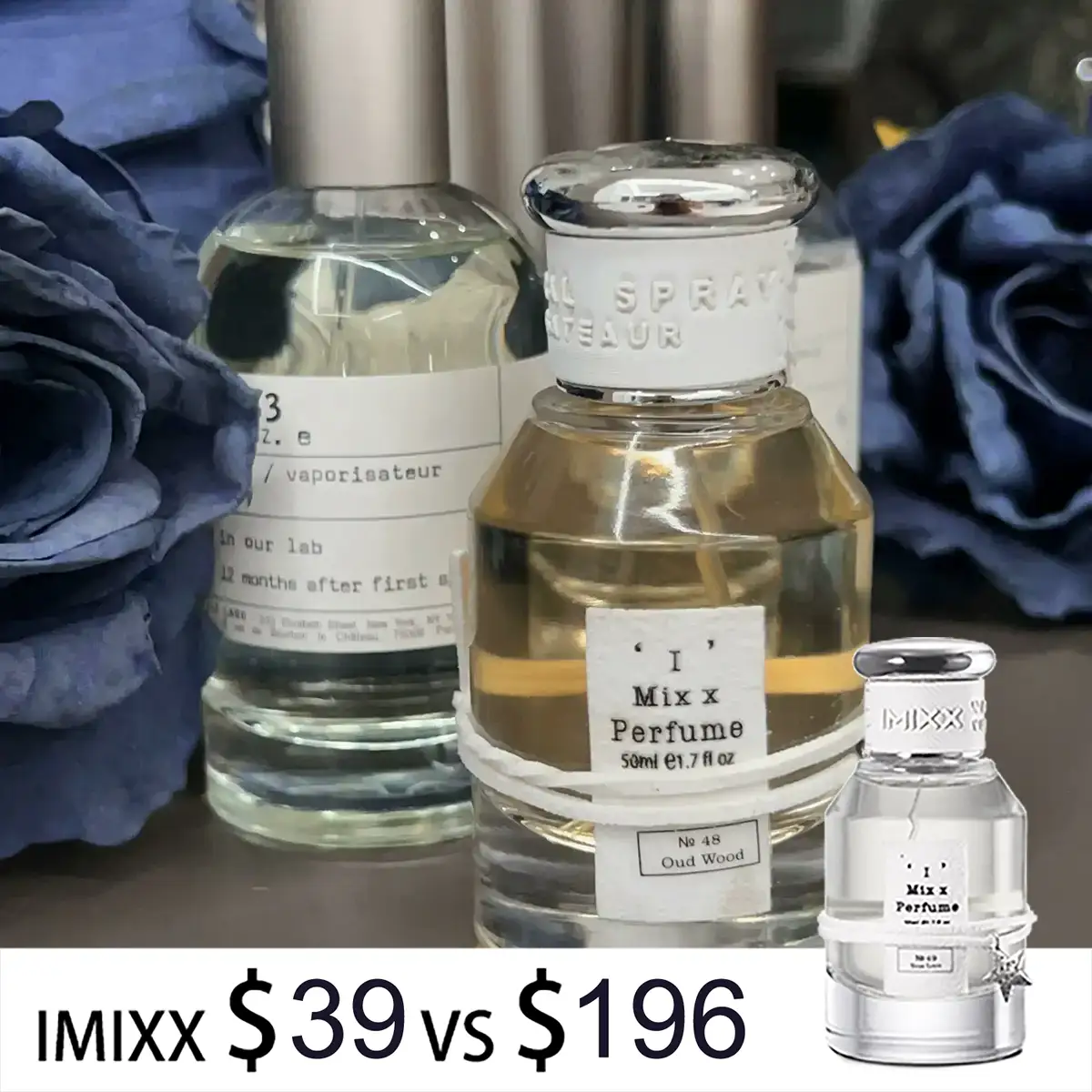
Imixx Perfume’s approach differs fundamentally while pursuing remarkable olfactory similarity. Their citrus fragrances, including options with bergamot-forward profiles, retail for approximately $39 per bottle—a dramatic price differential that reflects entirely different business models and production philosophies. Where Le Labo emphasizes artisanal exclusivity and boutique positioning, Imixx prioritizes democratizing high-quality scent experiences for broader audiences. From my objective assessment, the actual olfactory experience remains profoundly subjective—some individuals genuinely prefer Le Labo’s specific interpretation of bergamot composition, while others find Imixx’s analytical approach creates equally satisfying scent experiences at fundamentally different price points.
Making Your Fragrance Decision
Choose Le Labo Bergamote 22 if:
- You prioritize artisanal craftsmanship and authentic creative expression
- You appreciate brand heritage and niche positioning within fragrance culture
- You value the prestige of exclusive boutique fragrance experiences
- You consider fragrance investment as personal luxury expression rather than functional purchase
Consider Imixx Perfume Alternatives if:
- You seek high-quality bergamot-forward fragrances without premium retail markups
- You appreciate transparent analytical development methodology and scientific validation
- You value budget allocation toward multiple fragrances rather than single luxury purchases
- You want scientifically-validated scent matching technology with documented accuracy
Retail Considerations and Purchasing Guidance
Locating authentic Le Labo Bergamote 22 requires navigating various retail channels, each offering distinct advantages and potential concerns that consumers should carefully consider. The official Le Labo website provides absolute authenticity assurance and displays their complete fragrance portfolio, though you’ll pay full retail pricing without discounting opportunities. I personally appreciate their direct retail approach—knowing that every purchase supports the company’s continued commitment to artisanal standards and creative integrity.
Their website also provides detailed fragrance education and background information that enriches understanding of their creative philosophy and development process. For those preferring in-person exploration and sensory evaluation, Le Labo maintains flagship boutiques in major metropolitan areas, with New York serving as their primary headquarters and brand center. I highly recommend in-person retail experiences whenever possible—experiencing the austere shop aesthetic, receiving personalized fragrance consultation, and testing scents on your actual skin provides irreplaceable information that online shopping cannot replicate.
High-end department stores including Neiman Marcus and Saks Fifth Avenue maintain Le Labo fragrance counters, offering the convenience of established retail infrastructure while maintaining authenticity assurance and quality standards. Online retail options expand your purchasing flexibility and occasionally provide modest discounts and promotional opportunities. Sephora and Ulta Beauty carry selected Le Labo fragrances and frequently offer promotional opportunities—loyalty program earnings, seasonal sales, or fragrance bundle deals that provide genuine savings.
However, I emphasize obtaining Bergamote 22 through authorized retailers only, as counterfeit luxury fragrances unfortunately circulate through unauthorized channels. Prices that seem significantly discounted compared to official retail should trigger skepticism—authentic luxury fragrances don’t appreciate dramatically with online bulk sellers. When purchasing, always verify retailer authorization and review return policies carefully before committing.
Frequently Asked Questions About Bergamote 22
How long does Le Labo Bergamote 22 fragrance last on skin?
Based on my extensive testing, Bergamote 22 demonstrates impressive longevity for a citrus-forward fragrance. The initial bright top notes remain perceptible for approximately 2-3 hours, while the heart notes persist for 4-6 hours. The subtle base notes continue providing personal scent presence for 8+ hours, though at diminished projection. Total olfactory presence extends beyond 12 hours on properly moisturized skin, particularly when applying the layering techniques I’ve described. Longevity varies significantly with individual skin chemistry, humidity levels, and seasonal factors.
Is Bergamote 22 appropriate for both men and women?
Absolutely—bergamote’s chemical composition balances traditionally masculine and feminine olfactory characteristics perfectly. The sharp, zesty citrus and herbal undertones traditionally coded as masculine, while floral-fruity dimensions read as traditionally feminine. This balance makes Bergamote 22 genuinely unisex. The fragrance feels equally authentic whether worn by men or women; my observation suggests anyone considering Bergamote 22 should base their decision purely on personal preference rather than gender categorization.
What are the primary fragrance notes in Bergamote 22?
The composition features bergamot prominently in top and heart notes, complemented by grapefruit and other citrus elements in the opening. Supporting notes include jasmine and subtle florals that add dimension and prevent the fragrance from feeling one-dimensional. The base notes feature vetiver, cedarwood, and warm woody accords that provide grounding and longevity. This layered structure creates the temporal evolution that makes Bergamote 22 so engaging throughout the wearing experience.
How does Bergamote 22 compare to other Le Labo fragrances?
Le Labo’s fragrance portfolio encompasses diverse profiles, from warm orientals like Santal 33 to floral compositions and aquatic creations. Bergamote 22 distinguishes itself through its citrus-forward positioning—while other fragrances explore woody, floral, or spice-dominant territories, Bergamote 22 remains primarily citrus-centric. This focus creates clarity and coherence throughout the wear experience. If you prefer Le Labo’s quality but desire different olfactory profiles, their diverse catalog ensures discovering fragrances matching your specific preferences.
Can I layer Bergamote 22 with other Le Labo fragrances?
Yes, though I recommend thoughtful consideration of complementary profiles. Bergamote 22’s citrus brightness pairs beautifully with Le Labo’s woody fragrances—their vetiver or cedarwood-focused compositions enhance rather than compete with Bergamote 22’s character. However, I’d caution against combining Bergamote 22 with another citrus-dominant Le Labo fragrance, as this creates excessive brightness that can overwhelm. The key principle involves selecting supporting fragrances that introduce new dimensions rather than amplifying existing characteristics.
What’s the difference between Le Labo’s approach and mass-market fragrance production?
Le Labo employs small-batch production with handcrafted attention to detail, while mass-market fragrances prioritize industrial standardization and cost optimization. Le Labo uses higher percentages of natural essential oils and selective premium synthetics; mass-market fragrances emphasize synthetic accords for consistency and cost-effectiveness. Le Labo’s development philosophy prioritizes artistic expression; mass production follows consumer research and demographic targeting. These fundamental differences manifest in olfactory quality, longevity, and emotional resonance, though I acknowledge that quality mass-market fragrances exist alongside exceptional niche compositions.
Are there scientifically-equivalent alternatives to Le Labo Bergamote 22?
Companies like Imixx Perfume employ advanced analytical chromatography to create high-fidelity recreations achieving 90%+ scent similarity to luxury fragrances at substantially lower price points. While these alternatives cannot replicate every nuance of Le Labo’s artisanal approach, they represent genuine technological advances in fragrance science. The choice between Le Labo and analytically-formulated alternatives ultimately reflects personal priorities—whether you emphasize brand heritage and artisanal craftsmanship or prioritize olfactory satisfaction at accessible prices.
What factors influence how Bergamote 22 develops on my particular skin?
Individual skin pH, temperature, natural oils, and moisture levels profoundly influence fragrance development. More acidic skin chemistry tends to amplify citrus brightness, while alkaline skin can mute fruity notes and emphasize woody base elements. Oily skin naturally projects fragrance further and extends longevity; dry skin produces closer-to-body scent projection. Hormonal fluctuations, time of month, medications, diet, and hydration status all subtly influence how Bergamote 22 expresses itself on your unique skin. These variables make fragrance selection genuinely personal—what enchants one individual may feel different on another person despite identical product application.


No.15 Inspired by Juliette Has A Gun Not A Perfume Perfume