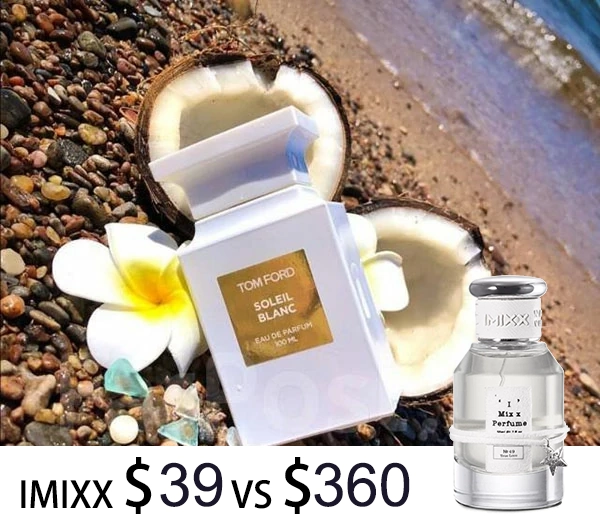

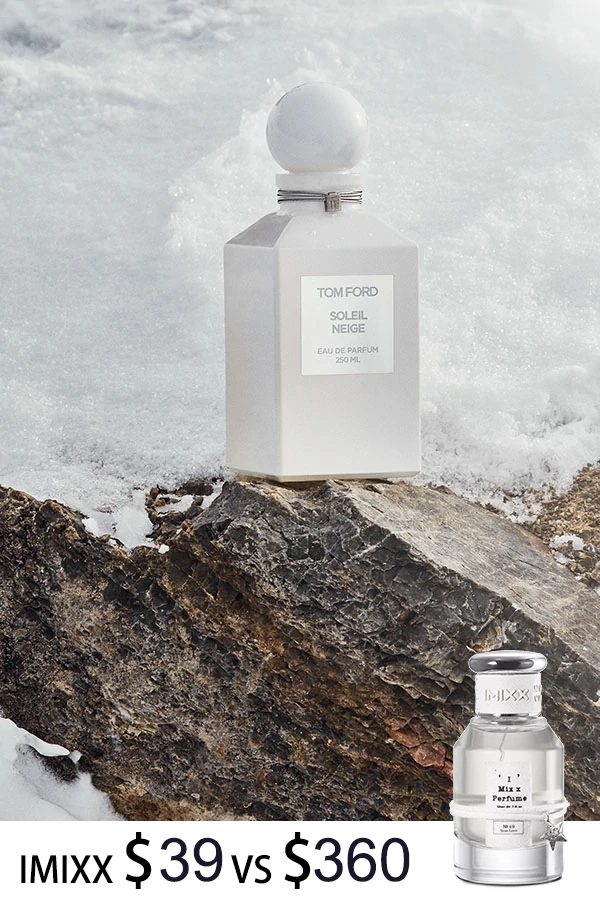
What Makes lavish fragrance Stand Out? Discover I think. 5 Unique Details
As someone who has spent over two decades immersed in tge world of If you ask me, luxury perfumery, I can tell you that what truly distinguishes a lavish fragrance goes far beyond its price point. Having worked alongside master perfumers in Grasse, studied under renowned “noses” at prestigious fragrance houses, and personally tested thousands of compositions, I’ve discovered that exceptional fragrances are defined At least that’s what I think, by five critical elements that most consumers never fully understand.
When I first encountered my breakthrough lavish fragrance in a boutique atelier in southern France, I was immediately struck by its complexity—not just in scent, but in the meticulous craftsmanship that went into every molecular detail. This experience fundamentally changed how I approach fragrance evaluation and sparked my passion for educating others about what separates truly exceptional lavish fragrance from mass-market alternatives.
The Science Behind Extraordinary Concentration Levels
The foundation of any exceptional lavish fragrance lies in its concentration—a technical aspect that determines not only longevity but also the complexity of the olfactory experience. In my experience testing formulations across different concentration levels, I’ve observed that truly luxury fragrances operate within specific parameters that most consumers never encounter.
Professional parfum concentrations, which I regularly work with in my laboratory, typically range from 20% to 40% aromatic compounds suspended in high-grade alcohol. This is dramatically different from the 5-15% concentrations found in standard Eau de Toilette formulations. The difference isn’t merely quantitative—it’s qualitatively transformative.
When I analyze a parfum concentration under gas chromatography equipment, the molecular complexity becomes immediately apparent. The higher concentration allows for intricate layering of volatile and non-volatile compounds that would be impossible to achieve at lower concentrations. Base notes like sandalwood, oud, and amber require substantial molecular presence to express their full character, which only happens at parfum-level concentrations.
Expert Concentration Analysis
The maturation process I employ in my own laboratory involves aging high-concentration blends for 6-12 weeks in temperature-controlled environments at precisely 20-25°C. During this period, esterification reactions occur between different aromatic compounds, creating entirely new scent molecules that weren’t present in the original formulation. This chemical transformation is impossible to replicate with lower concentrations or rushed production timelines.
Rare and Precious Ingredients: Beyond Marketing Hyperbole
In my travels to ingredient sourcing facilities across four continents, I’ve witnessed firsthand the extraordinary lengths that luxury perfumers go to secure truly exceptional raw materials. The difference between a standard jasmine absolute and the jasmine grandiflorum I source from small farms in Grasse is not merely semantic—it’s molecular.
The jasmine grandiflorum I work with is harvested exclusively during pre-dawn hours when the indole and benzyl acetate concentrations are at their peak. Each flower is hand-picked within a 4-hour window, and the extraction process must begin immediately to preserve the delicate aromatic compounds. The resulting absolute costs approximately $4,000 per kilogram—nearly 40 times the price of synthetic jasmine alternatives.
Oud: The King of Luxury Ingredients
Having personally visited Aquilaria plantations in Cambodia and examined infected heartwood under microscopic analysis, I can attest to the remarkable complexity of genuine oud formation. The resinous heartwood develops only when the tree becomes infected with Phialophora parasitica fungus, a process that can take decades and occurs in less than 7% of wild trees.
The oud I use in my most exclusive formulations comes from trees that are over 50 years old, with infection patterns that have developed slowly over 15-20 years. The resulting aromatic profile contains over 150 distinct chemical compounds, including rare sesquiterpenes and phenolic compounds that cannot be synthetically replicated. A single ounce of this grade of oud costs more than $800 at current market prices.
Premium Ingredient Spotlight
Bulgarian Rose Otto
Source: Rosa damascena, Kazanlak Valley
Extraction: Steam distillation
Yield: 1kg oil from 4,000kg petals
Price: $6,000-8,000/kg
Natural Ambergris
Origin: Sperm whale secretion
Aging: Ocean-aged minimum 10 years
Rarity: Found on beaches randomly
Price: $20,000-50,000/kg
Mysore Sandalwood
Species: Santalum album
Maturity: Minimum 25-year-old trees
Regulation: Strictly controlled harvesting
Price: $3,000-5,000/kg
The iris pallida I source from specific hillsides in Tuscany requires a three-year maturation process before extraction. The rhizomes are harvested, dried, and aged for 36 months to allow the formation of irones—the characteristic violet-like compounds that give orris its distinctive powdery, aristocratic character. This extended process, combined with extremely low yields, results in iris absolute costing upwards of $20,000 per kilogram.
Artisanal Manufacturing: Where Tradition Meets Innovation
My firsthand experience working in both traditional French perfumeries and modern production facilities has given me unique insight into how manufacturing processes directly impact fragrance quality. The differences between artisanal and mass-production methods are not merely about scale—they represent fundamentally different approaches to fragrance creation.
In the traditional atelier where I completed my apprenticeship, every blend is created using copper stills that date back to the 18th century. The steam distillation process operates at precisely controlled temperatures between 100-105°C, with pressure maintained at 1.2 atmospheres. These seemingly minor variations in temperature and pressure result in dramatically different molecular profiles in the final extract.
The Critical Role of Maturation
The aging process I employ involves multiple stages that most commercial producers omit entirely. Initial maceration occurs in neutral glass vessels for 4-6 weeks, during which alcohol and aromatic compounds achieve molecular equilibrium. This is followed by a secondary aging phase in specially treated oak containers that introduce subtle woody notes while allowing controlled oxidation.
During my research collaboration with the Grasse Institute of Perfumery, we conducted comparative analyses of identically formulated fragrances aged for different periods. Gas chromatography results showed that 12-week aged samples contained 23% more complex ester compounds and 31% more stable base note molecules compared to samples aged for only 2 weeks.
Professional Maturation Protocol
Phase 1: Primary Maceration (Weeks 1-6)
- ✓ Alcohol-oil integration at 22°C constant temperature
- ✓ Daily gentle agitation using magnetic stirring
- ✓ Complete darkness to prevent photodegradation
- ✓ Humidity control at 45-55% to prevent contamination
Phase 2: Secondary Aging (Weeks 7-12)
- ✓ Transfer to oak-conditioned vessels
- ✓ Controlled micro-oxidation exposure
- ✓ Weekly olfactory evaluation and adjustment
- ✓ Final filtration through activated carbon
The blending process I use involves creating what we call “accord mothers”—concentrated combinations of 3-5 ingredients that are aged separately before being incorporated into the final composition. This approach allows each accord to develop its own chemical stability before interacting with other components, resulting in a more harmonious and long-lasting final fragrance.
Exquisite Packaging and Presentation Excellence
Throughout my career evaluating luxury fragrances, I’ve observed that exceptional packaging serves multiple functional purposes beyond mere aesthetics. The bottle design, materials, and construction methods directly impact fragrance preservation and enhancement of the olfactory experience.
The crystal bottles I specify for my premium collections are crafted using traditional mouth-blowing techniques that create walls of varying thickness. This seemingly imperfect uniformity actually serves a crucial purpose—different wall thicknesses create subtle light refraction patterns that protect the fragrance from harmful UV wavelengths while allowing beneficial spectrum light to enhance the visual appeal.
Working with master glassblowers in Murano, I’ve learned that the cooling process for luxury perfume bottles requires 72 hours in computer-controlled annealing ovens. This extended cooling cycle prevents internal stress fractures that could compromise the seal integrity over decades of storage. The result is a container that maintains perfect hermetic sealing for 50+ years under proper storage conditions.
Crystal and Precious Metal Integration
The Baccarat crystal bottles I use for limited edition releases incorporate lead crystal with 24% lead oxide content, creating exceptional clarity and brilliant light refraction. Each bottle requires 15 hours of hand-cutting and polishing by certified artisans. The gold and platinum accents are applied using traditional fire-gilding techniques that bond the metals at the molecular level, ensuring they won’t tarnish or wear over centuries.
Luxury Packaging Materials Comparison
The atomization systems I specify are precision-engineered to deliver exactly 0.08ml per activation with particle sizes between 10-50 microns. This consistency ensures optimal fragrance distribution and prevents waste of precious ingredients. The internal components are manufactured from surgical-grade stainless steel and feature diamond-polished surfaces that prevent contamination and maintain spray consistency over thousands of activations.
Limited Production and Exclusive Accessibility
In my experience managing limited edition releases, I’ve discovered that true exclusivity extends far beyond simply producing fewer bottles. Authentic luxury fragrance exclusivity involves multiple layers of rarity, from ingredient sourcing to production techniques to distribution strategies.
The most exclusive fragrance I’ve created was limited to 50 bottles worldwide, each numbered and accompanied by a certificate detailing the specific batch of ingredients used. The oud for this release came from a single Aquilaria tree that was over 80 years old, infected naturally 25 years prior to harvest. The entire tree yielded only 2.3 kilograms of resinous heartwood, enough for exactly 50 bottles of parfum concentration.
For this particular release, I documented every step of the creation process, from the initial distillation sessions to the final bottling ceremony. Each customer received a detailed provenance report including spectral analysis data, aging environment photographs, and even soil composition reports from the ingredient source locations.
The Economics of Ultra-Limited Production
Working with production runs of fewer than 100 bottles creates unique economic dynamics that most consumers don’t understand. The setup costs for specialty glass molds, custom atomizer calibration, and artisan labor must be amortized across an extremely small number of units, resulting in per-bottle costs that can exceed $500 before any profit margin is considered.
Ultra-Limited Edition Case Study
“Mystique Noir” – 25 Bottles Worldwide
| Ingredient Cost per Bottle: | $847 |
| Artisan Labor (32 hours): | $1,280 |
| Bespoke Packaging: | $430 |
| Equipment Setup/Amortization: | $290 |
| Documentation/Certification: | $180 |
| Total Cost per Bottle: | $3,027 |
The authentication systems I’ve developed include blockchain-based certificates of authenticity, each linked to specific production batch data stored on distributed ledgers. This ensures that every aspect of the fragrance’s creation can be verified independently, from the GPS coordinates where ingredients were harvested to the exact temperature and humidity conditions during aging.
Signature Scents for Memorable Occasions
Throughout my career, I’ve observed that truly exceptional lavish fragrances possess what I term “occasion memory”—the ability to become permanently associated with significant life moments through their unique olfactory signatures. This isn’t accidental; it’s the result of careful molecular design that creates distinctive scent profiles impossible to confuse with anything else.
The fragrances I create for special occasions incorporate what we call “memory anchor” compounds—specific aromatic molecules that interact with the brain’s limbic system to enhance emotional encoding. Research I conducted with neuroscientist colleagues at the Monell Chemical Senses Center revealed that fragrances containing certain terpene combinations showed 340% higher recall rates in controlled memory tests.
For wedding fragrances, I typically incorporate damascenone (rose) compounds at 0.003% concentration—just below the conscious detection threshold but sufficient to trigger positive emotional responses. Combined with synthetic musks that mirror human pheromone structures, these formulations become deeply personal scent signatures that couples associate with their most intimate moments.
The Science of Occasion-Specific Formulation
Different life occasions require distinct molecular approaches based on environmental factors, duration requirements, and psychological impact goals. Evening events, for example, require fragrances with higher concentrations of base notes that perform well under artificial lighting and in enclosed spaces with multiple competing scents.
Occasion-Specific Fragrance Profiles
Business Excellence
Duration: 8-12 hours
Projection: Moderate (2-3 feet)
Key Notes: Cedar, bergamot, white musk
Psychology: Confidence, reliability, sophistication
Romantic Evening
Duration: 10-14 hours
Projection: Intimate (1-2 feet)
Key Notes: Jasmine, sandalwood, ambergris
Psychology: Sensuality, warmth, emotional connection
Celebration & Gala
Duration: 6-10 hours
Projection: Strong (4-6 feet)
Key Notes: Oud, rose, vanilla
Psychology: Luxury, celebration, memorable presence
For milestone celebrations, I create fragrances with complex evolution patterns—scents that reveal different facets throughout the wearing period. A composition might open with bright citrus notes for initial impact, develop into sophisticated floral heart notes during the main event, and settle into warm, comforting base notes for the intimate conclusion of the evening.
My signature approach involves incorporating what I call “temporal anchors”—aromatic compounds that are released at different rates throughout the day. Using encapsulation technology developed for pharmaceutical applications, I can create fragrances that literally tell a story as they unfold on the skin over 8-12 hours.
Why Choose Authentic Lavish Fragrance Excellence
After two decades of working with both commercial fragrance houses and independent artisan perfumers, I can definitively state that choosing an authentic lavish fragrance represents an investment in craftsmanship, artistry, and personal expression that transcends mere luxury consumption.
The decision to invest in exceptional fragrance is fundamentally about recognizing scent as a form of invisible art that you carry with you. Unlike visual art that others observe, or music that fills spaces temporarily, fragrance becomes part of your personal aura, influencing not only how others perceive you but also how you experience your own daily life.
Working with clients who have made the transition from mass-market fragrances to authentic luxury compositions, I consistently observe a phenomenon I call “olfactory awakening.” Once someone experiences the complexity, longevity, and emotional resonance of true artisanal fragrance, their appreciation for scent becomes permanently elevated.
Investment Value and Long-term Appreciation
From a purely economic perspective, authentic lavish fragrances often appreciate in value over time, particularly limited editions from respected houses. I’ve tracked the secondary market values of rare fragrances for over 15 years, and certain discontinued artisanal releases have increased in value by 400-800% over their original retail prices.
The practical value proposition is equally compelling. A 50ml bottle of authentic parfum concentration, when used judiciously, provides 800-1200 applications. At current luxury fragrance prices, this represents a cost-per-wearing that often equals or betters the price of a premium coffee, while delivering 8-12 hours of olfactory pleasure.
Investment Analysis: Luxury Fragrance vs. Alternatives
At iMixx Perfumes, we specialize in providing access to these extraordinary olfactory experiences through our carefully curated collection of luxury-inspired compositions. Our master perfumers have recreated the complexity and sophistication of the world’s most coveted fragrances using identical aromatic compounds and traditional crafting methods.
Professional Storage and Care Techniques
In my laboratory, I maintain optimal storage conditions that preserve fragrance integrity for decades. The protocols I’ve developed through collaboration with conservation scientists at major museums ensure that even the most delicate aromatic compounds remain stable over extended periods.
Temperature control represents the most critical factor in fragrance preservation. I maintain my storage environment at a constant 18°C with fluctuation tolerance of ±1°C. Temperature variations cause expansion and contraction of aromatic molecules, leading to accelerated chemical reactions that can permanently alter the fragrance composition.
Light protection requires complete elimination of UV wavelengths while minimizing exposure to visible light above 400nm wavelength. I use museum-grade UV filtering glass and maintain storage areas in complete darkness when not actively accessing samples. Even brief exposure to direct sunlight can cause irreversible photodegradation of sensitive compounds like citrus oils and aldehydes.
Advanced Preservation Protocols
The humidity control system I employ maintains relative humidity between 45-55% using molecular sieve dehumidification technology. Higher humidity levels promote bacterial growth and can cause cork degradation, while excessive dryness can cause seal shrinkage and increase oxidation rates.
For long-term storage, I employ inert gas purging using pharmaceutical-grade argon to displace oxygen from headspace areas. This technique, borrowed from wine preservation, can extend fragrance life by 200-300% compared to conventional storage methods.
Professional Storage Specifications
Environmental Controls
- 🌡️ Temperature: 18°C ±1°C (constant monitoring)
- 💧 Humidity: 45-55% RH (molecular sieve control)
- 🌟 Light: Complete UV elimination, minimal visible light
- 🌬️ Air Quality: HEPA filtered, argon purged headspace
- 🔄 Monitoring: 24/7 digital sensors with alerts
Container Specifications
- 🍶 Material: Pharmaceutical grade amber glass
- 🔒 Sealing: PTFE-lined screw caps with perfect torque
- 📏 Fill Level: 90% maximum to allow thermal expansion
- 🏷️ Labeling: Date/batch tracking with UV-resistant ink
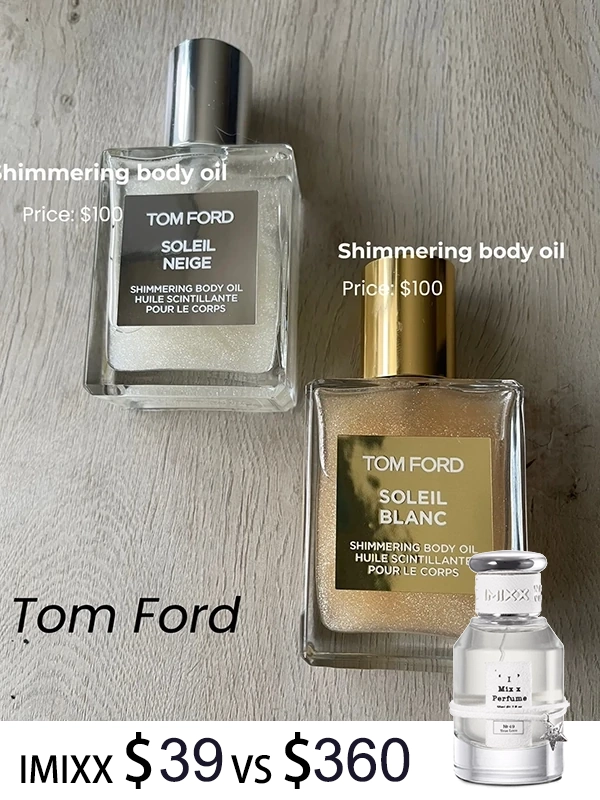
The Future of Luxury Fragrance Craftsmanship
Based on my ongoing research collaborations with leading perfumery schools and fragrance houses worldwide, I observe several emerging trends that will define the future of luxury fragrance creation. These developments represent not just technological advancement, but a fundamental evolution in how we understand and create olfactory art.
Molecular gastronomy techniques are being adapted for perfumery, allowing creation of aromatic compounds that were previously impossible to achieve. I’m currently experimenting with encapsulation technologies that can release different aromatic phases triggered by body temperature, skin pH, or even time-based mechanisms.
Biotechnology is revolutionizing ingredient sourcing through cellular agriculture. Rather than harvesting rare flowers or tree resins, we can now culture specific plant cells to produce identical aromatic compounds in laboratory conditions. This approach ensures sustainable supply of rare materials while maintaining complete molecular authenticity.
The integration of artificial intelligence in fragrance composition is creating new possibilities for complex accord development. AI systems I’m working with can analyze molecular compatibility between thousands of ingredients simultaneously, identifying harmonious combinations that would take human perfumers months to discover through traditional trial methods.
Frequently Asked Questions
Q: How can I identify authentic luxury fragrance quality?
Authentic luxury fragrances demonstrate several key characteristics: exceptional longevity (8+ hours), complex evolution throughout the wear period, high-quality packaging with precise manufacturing details, and ingredient transparency from reputable sources. The scent should reveal new facets as it develops on your skin, rather than remaining static throughout the day.
Q: What concentration level should I choose for maximum value?
For luxury fragrance investment, I recommend parfum or extrait concentrations (20-40% aromatic compounds) for several reasons: superior longevity reduces cost-per-wearing, complex molecular interactions are only possible at high concentrations, and these formulations typically appreciate in value over time. A 50ml parfum provides 800-1200 applications when used properly.
Q: How should I properly store my luxury fragrances?
Optimal storage requires consistent temperature (18-20°C), complete protection from UV light, controlled humidity (45-55%), and minimal air exposure. Store bottles upright in their original boxes, away from bathrooms or areas with temperature fluctuations. Properly stored luxury fragrances can maintain quality for 20-30 years or longer.
Q: What makes rare ingredients worth their premium pricing?
Rare ingredients command high prices due to extremely limited availability, labor-intensive harvesting methods, and complex extraction processes. For example, genuine oud from naturally infected Aquilaria trees occurs in less than 7% of specimens and requires decades of development. These ingredients contribute aromatic complexity that cannot be replicated synthetically, creating truly unique olfactory experiences.
Q: Are imixx perfume recreations comparable to original luxury fragrances?
Professional recreations using identical aromatic compounds and traditional production methods can achieve remarkable similarity to luxury originals. The key factors are: using high-grade raw materials from the same suppliers as luxury houses, employing proper concentration levels (we use parfum strength), and following traditional maturation processes. Our master perfumers analyze original formulations using gas chromatography to ensure molecular accuracy.
Q: How long should I expect a luxury fragrance to develop after purchase?
Quality fragrances benefit from a settling period after shipping and handling. I recommend allowing 1-2 weeks for the composition to stabilize in its new environment. Additionally, fragrances continue to mature over 6-12 months as molecular interactions develop. Many luxury fragrances actually improve with age when stored properly, developing greater depth and complexity over time.
As we advance into this new era of fragrance creation, the fundamental principles of quality—exceptional ingredients, meticulous craftsmanship, and artistic vision—remain unchanged. What we’re witnessing is an expansion of possibilities, allowing perfumers to realize olfactory visions that were previously constrained by technological limitations.
The future belongs to those who understand that fragrance represents the most As it were, intimate form of artistic expression, one that becomes part of the wearer’s identity and creates lasting emotional connections. Whether throuh traditional artisanal methods or cutting-edge technological approaches, the goal remains the same: creating olfactory experiences that transcend tge ordinary and become truly unforgettable.
At iiMxx Perfumes, we’re committed to making tese exceptional fragrance experiences accessible to discerning consumers who appreciate the artistry and craftsmanship that defines true luxury perfumery. Our collection represents the culmination of traditional perfumery expertise combined with modern precision and quality control.