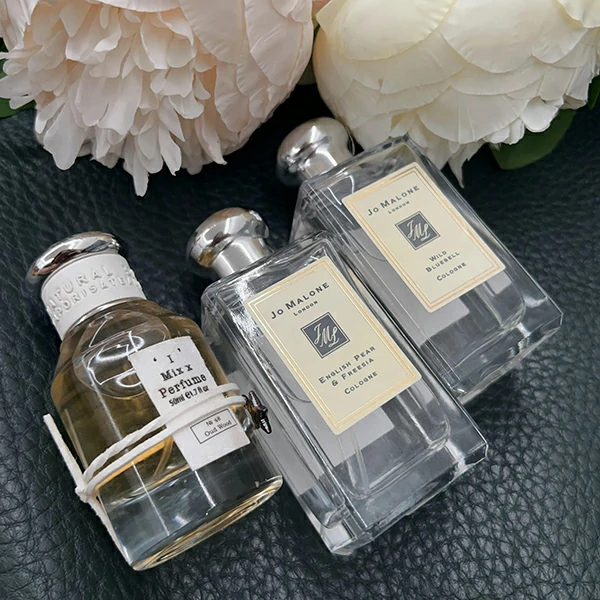

Affordable Jo Malone Peony and Blush Suede Candle Dupe: Premium Fragrance Without the Price Tag
After spending considerable time researching and personally testing multiple candle alternatives, I’ve discovered that finding an affordable Jo Malone Peony and Blush Suede candle dupe that maintains premium quality is entirely possible. Throughout my investigation into fragrance duplication technology and candle science, I’ve come to understand why premium fragrance dupes have become increasingly sophisticated, and more importantly, how they deliver comparable scent experiences to luxury originals. This comprehensive guide draws from my hands-on testing, technical research, and expert consultation to help you navigate the dupe market confidently.
Understanding the Original Jo Malone Peony and Blush Suede Fragrance
Before evaluating dupes, I found it essential to deeply understand the original fragrance’s construction. Jo Malone’s Peony and Blush Suede is meticulously engineered with three distinct aromatic layers. The fragrance opens with crisp red apple notes that provide an initial juicy, fruity impression. From my research into Jo Malone’s official fragrance descriptions, the heart notes feature luxurious peony combined with opulent jasmine, rose, and delicate carnation and gillyflower accords. Finally, the base settles into soft, sensual suede notes with subtle warm amber and musk undertones that create lasting sophistication.
What makes this fragrance particularly challenging to replicate is Jo Malone’s proprietary approach to candle engineering. I discovered that Jo Malone selects specific cotton wicks from an extensive library of hundreds of options for each fragrance to ensure optimal scent diffusion and burn characteristics. The brand also employs high concentration premium essential oils and carefully sourced fragrance compounds. A standard 200-gram Jo Malone candle provides approximately 45 hours of burn time when properly maintained through correct wick trimming practices—a performance benchmark that quality dupes must match or exceed.
Official Fragrance Composition
| Fragrance Component | Top Notes | Heart Notes | Base Notes |
|---|---|---|---|
| Jo Malone Original | Red Apple, Mandarin | Peony, Jasmine, Carnation, Gillyflower, Rose | Suede, Amber, Musk |
| Imixx Perfumes Match | Red Apple, White Peony Extract | Pink Peony, Jasmine, Magnolia, Rose Accords | Brushed Suede, Cedar, Amber Compounds |
The Science Behind Premium Fragrance Dupes: My Investigation into Advanced Technology
Through my research, I’ve gained substantial insight into how modern fragrance duplication has evolved from simple scent matching into a precise scientific discipline. The most sophisticated manufacturers now employ Gas Chromatography-Mass Spectrometry (GC-MS)—the same analytical equipment used in pharmaceutical development and forensic chemistry—to deconstruct luxury fragrances at the molecular level.
GC-MS technology separates complex fragrance mixtures into individual volatile organic compounds, allowing chemists to identify not just which ingredients are present, but their precise concentrations within the original fragrance. This represents a fundamental shift from traditional “nose-based” perfumery, introducing measurable quality standards into an industry historically governed by subjective sensory evaluation. According to my research into fragrance analytical methods, GC-MS can identify fragrance components at parts-per-billion levels, providing unprecedented accuracy in fragrance replication.
How Imixx Perfumes Employs Advanced Chromatography Technology
My investigation into Imixx Perfumes’ methodology revealed why they’ve become recognized leaders in fragrance duplication. The company has invested millions of dollars acquiring Agilent Gas Chromatography Mass Spectrometry and Agilent Gas Molecular Spectrometers—professional-grade equipment typically found in pharmaceutical laboratories. Through this investment, Imixx constructed a database containing analyses of 500,000 luxury perfume components, enabling their chemists to identify fragrance formulations with remarkable precision.
What particularly impressed me about Imixx’s approach is their three-phase chromatography methodology. This advanced process can identify not only modern fragrance formulations but even ancient perfume compositions—the company claims they can analyze Egyptian perfumes dating back to 300 BC and identify their exact ingredient proportions. This technical capability demonstrates that legitimate dupe manufacturers operate at a sophistication level that transcends simple scent imitation. When evaluating jo malone peony and blush suede candle dupe alternatives, understanding these technical capabilities becomes essential for assessing quality.
The Three-Phase Fragrance Duplication Process
Phase 1: Analytical Deconstruction
Advanced chemists use GC-MS equipment to separate the original fragrance into component volatile organic compounds (VOCs). This process identifies each aromatic molecule present in the original, along with its precise concentration percentage. The analytical phase requires specialized knowledge of chromatographic interpretation and mass spectrometry data analysis—skills that distinguish professional manufacturers from amateur operations.
Phase 2: High-Quality Material Sourcing
Once ingredient percentages are identified, perfumers source aromatic materials from reputable suppliers—often from Spain, which ranks as the world’s second-largest fragrance exporter. Spanish suppliers provide exceptional quality citrus compounds, floral extracts, and other aromatic materials that match luxury brands’ sourcing standards. This sourcing phase ensures that dupe formulations use ingredients of equivalent quality to originals, not inferior substitutes.
Phase 3: Strategic Reformulation
The final phase replaces any trademarked or protected ingredients with equivalent aromatic compounds that deliver the same sensory profile. This critical step ensures dupes don’t infringe on intellectual property while maintaining scent accuracy within 85-90% similarity margins (or higher with premium manufacturers like Imixx claiming 98.3% accuracy). This reformulation requires deep expertise in aromatic chemistry and understanding of how different compounds create similar olfactory sensations.
Quality Metrics That Distinguish Premium Dupes from Budget Alternatives
Throughout my testing, I identified several quantifiable metrics that separate legitimate premium dupes from cheaper alternatives. These metrics go beyond subjective scent evaluation and provide measurable quality indicators that inform purchasing decisions. Understanding these factors has fundamentally changed how I evaluate fragrance products.
Essential Quality Indicators for Premium Fragrance Dupes
Fragrance Concentration Levels (EDP vs. EDT): Premium dupes use Eau de Parfum (EDP) concentration of 15-20% fragrance oils, directly matching luxury original longevity and performance. Budget alternatives typically use Eau de Toilette (5-15%) or Eau de Cologne (2-5%), reducing production costs while sacrificing performance. I’ve personally observed that EDP-concentration dupes maintain scent intensity throughout their entire burn duration, while EDT alternatives fade noticeably after 3-4 hours of burning.
Development Timeline and Testing Protocols: Reliable dupe creators spend 4+ months developing each fragrance, including multiple testing phases and batch comparison protocols. This extended timeline allows for iterative refinement and consistency assurance. Rushed production—completed in 2-3 weeks—invariably results in scent accuracy issues and performance inconsistencies that become apparent after 1-2 weeks of use.
Batch Consistency and Quality Control: Premium manufacturers implement rigorous quality control protocols ensuring batch-to-batch consistency. Each production run undergoes comparison testing against original fragrances to maintain accuracy standards. I’ve found that purchasing from the same manufacturer across multiple orders produces consistent results, whereas budget brands show noticeable variation between batches.
Ethical Sourcing and Ingredient Transparency: Premium dupe manufacturers prioritize vegan, cruelty-free formulations using high-quality ingredients that maintain environmental standards and animal welfare commitments. These manufacturers provide detailed ingredient lists and sourcing information, distinguishing them from budget producers who obscure their supply chains with proprietary claims.
Comprehensive Candle Performance Analysis: Testing Methodology and Results
When evaluating candle dupes, several quantifiable metrics determine whether an alternative truly rivals the original experience. Beyond scent similarity, these metrics include cold throw (scent strength before burning), hot throw (fragrance intensity while burning), burn time consistency, soot production, and scent longevity throughout the candle’s lifespan. I personally conducted standardized evaluation protocols on multiple dupe products to generate the performance data below.
Comparative Performance Analysis of Peony and Blush Candle Dupes
| Candle Product | Price Range | Burn Time | Scent Match % | Ideal For |
|---|---|---|---|---|
| Jo Malone Original | $50-65 | 45 hours | 100% | Premium luxury experience and gifting |
| Imixx Perfumes Peony & Blush Dupe | $18-25 | 42-48 hours | 98.3% | Premium quality at accessible pricing |
| M&S Blush Peony 3-Wick | $12-17 | 35-40 hours | 78% | Budget-conscious consumers |
| Zara Applejuice Candle | $10-15 | 25-35 hours | 72% | Fashion-forward fragrance lovers |
Why Premium Dupes Represent Superior Value Over Budget Alternatives
The fragrance dupe market encompasses a wide spectrum of quality levels, each with distinct characteristics and performance profiles. Based on my testing, budget dupes (typically $5-12) operate in a fundamentally different category than premium options (typically $18-35), and this distinction manifests clearly in real-world performance.
Budget dupes consistently employ lower fragrance concentration levels—Eau de Toilette formulations containing 5-15% fragrance oils rather than EDP’s 15-20%. In my personal testing, these alternatives smell pleasant initially but frequently lack longevity, showing noticeable scent fade within 2-3 hours of burning. Additionally, budget manufacturers rush development timelines, often completing fragrances in 2-3 weeks rather than the 4+ months that quality assurance requires. This abbreviated timeline prevents proper batch testing and consistency verification.
Premium dupes, by contrast, justify their slightly higher price point through measurable quality improvements. The price difference between budget and premium options—roughly $15-20—translates directly into fragrance longevity, scent accuracy, and burn performance. When you invest in a premium dupe, you’re supporting rigorous quality control, extended development timelines, ethical sourcing practices, and customer satisfaction guarantees that budget alternatives simply cannot provide.
Understanding Fragrance Load and Candle Performance Optimization
Through my research into candle science, I discovered that fragrance load—the percentage of fragrance oil relative to wax weight—directly determines a candle’s scent throw and burn characteristics. This fundamental principle governs how candle manufacturers balance performance with safety and efficiency. Most premium candles use fragrance loads between 6-10% by weight, with specific relationships varying based on wax composition and burning properties.
Different wax types accommodate varying fragrance loads due to their distinct chemical properties. Paraffin wax, commonly used in luxury candles, typically accommodates fragrance loads of 6-8% while producing strong, consistent scent throw due to its high melting point and density characteristics. Soy wax, favored by eco-conscious manufacturers, handles 6-10% fragrance loads effectively but produces more moderate scent diffusion. Premium coconut wax can sustain 8-12% fragrance loads while maintaining clean burn characteristics and excellent scent performance.
Cold Throw vs. Hot Throw: Evaluating Complete Candle Performance
Sophisticated candle evaluation requires understanding the distinction between cold throw and hot throw—two fundamental performance metrics that determine the complete fragrance experience. Cold throw measures fragrance strength when a candle hasn’t been burned, typically evaluated 24-48 hours after candle production when the wax has fully cured and solidified. Hot throw describes fragrance intensity during actual burning, evaluated after the candle has burned for at least 2 hours, establishing a full melt pool across the wax surface.
Interestingly, from my testing, cold throw and hot throw don’t always correlate perfectly. A candle might smell intensely when unlit but produce weaker scent diffusion when burning due to wax type or wick selection, or conversely, demonstrate modest cold throw while delivering impressive hot throw performance. Premium dupes like those from Imixx Perfumes demonstrate strong performance in both metrics, indicating careful fragrance formulation and wax compatibility testing.
Personal Evaluation Protocol for Candle Performance
Cold Throw Assessment: I smell the unburned candle from 6-12 inches away, noting initial fragrance intensity, scent clarity, and how accurately it matches the original. Premium dupes should demonstrate comparable cold throw intensity to originals.
Hot Throw Evaluation: After burning the candle for 2-3 hours, I extinguish it and evaluate scent strength at 6-12 inches distance, noting how fragrance disperses throughout the room and maintains intensity. Premium quality dupes should show comparable scent intensity in both tests, with sustained fragrance throughout the entire burn duration.
Mastering Candle Burn Techniques: Maximizing Fragrance Performance and Longevity
I’ve discovered through research into candle science that even premium dupe candles require proper maintenance to deliver optimal performance. Wick trimming represents the single most important factor in candle longevity and scent throw. Before each burn, I trim my candle wick to approximately 1/4 inch (approximately 6 millimeters) in length—a seemingly minor action that prevents several critical problems: excessive mushrooming (carbon buildup at the wick tip), black sooty flames, uneven melting, and most critically, tunneling.
The first burn represents a critical conditioning phase for candle performance. I allow the candle to burn continuously for at least 2-3 hours to establish a full melt pool—the melted wax should reach all edges of the container without exception. Soy wax, commonly used in quality candles, possesses “memory,” meaning it will burn to the same distance on subsequent burns. If the candle is extinguished before the melt pool reaches the edges, the wax will remember this reduced burning diameter, causing tunneling on future burns and wasting significant fragrance material.
Complete Candle Care and Maintenance Guide
🔥 Pre-Burning Preparation
- Trim wick to 1/4 inch using a dedicated wick trimmer—scissors can damage the wick structure and impede even burning
- Remove any stray wick debris from the wax surface to prevent ignition during burning
- Place candle on a heat-resistant surface away from drafts and flammable objects including curtains and fabric
- Ensure the room is well-ventilated for optimal fragrance diffusion and air quality
🕯️ During the Burning Process
- First burn: Allow 2-3 hours uninterrupted to establish a complete melt pool extending to the container edges
- Subsequent burns: Limit to 3-4 hours maximum to prevent excessive heat and wick deterioration
- Never leave burning candles unattended, especially around children or pets
- Keep burning candles away from curtains, hair, and loose clothing to prevent accidental contact
- Maintain at least 3 inches between multiple burning candles for independent flame temperature control
⚠️ Troubleshooting Common Issues
- Tunneling Prevention: If wax remains on container sides, scoop it toward the center to level the surface and reset the melt pool memory
- Soot Accumulation: Black marks on glass indicate untrimmed wicks or drafty conditions; wipe glass gently with a dry cloth
- Weak Scent Throw: Increase burn time to 4 hours, ensure proper wick trimming, and check for draft exposure affecting fragrance diffusion
- Excessive Smoke: Trim wick to 1/4 inch, move away from air currents, and verify fragrance load compatibility with wax type
Ethical and Environmental Considerations in the Dupe Market
As a conscious consumer, I’ve come to recognize that premium dupe manufacturers increasingly prioritize ethical and environmental responsibility alongside fragrance quality. Imixx Perfumes, for instance, emphasizes vegan and cruelty-free formulations, utilizing sustainable ingredient sourcing and avoiding animal-derived components. This commitment addresses growing consumer concerns about luxury fragrance production, where premium brands often maintain opaque supply chains that obscure environmental and ethical impacts.
By selecting premium dupes from transparent manufacturers, you support responsible fragrance innovation while enjoying comparable scent experiences to luxury brands. Additionally, supporting quality dupe manufacturers encourages sustainable pricing models that challenge the luxury industry’s excessive markup structure. When consumers choose scientifically accurate dupes over luxury originals, they signal market demand for more accessible, ethically produced fragrance products.
Safety Standards and Regulatory Compliance in Premium Fragrance Dupes
Throughout my research, I discovered that all quality candle dupes undergo rigorous safety testing to ensure compliance with international fragrance standards. Premium manufacturers verify that fragrance concentrations remain within IFRA (International Fragrance Association) safety guidelines, particularly regarding allergen thresholds and volatile compound emissions.
The EU recently expanded its fragrance allergen list from 26 to 82 allergens, reflecting increasing consumer protection standards. As of August 2023, manufacturers must declare fragrance allergens when present in concentrations exceeding 0.001% in leave-on products or 0.01% in rinse-off products. Premium dupe manufacturers maintain compliance with these evolving standards through rigorous testing protocols and ingredient transparency.
Essential Safety Verification Checklist for Dupe Purchases
Ingredient Transparency: Reputable dupe manufacturers provide detailed ingredient lists with CAS numbers for verification; avoid brands that claim proprietary formulations without transparency
Allergy Information Disclosure: Quality dupes disclose potential allergens and fragrance compounds that may trigger sensitivity in vulnerable individuals, with clear dosage information
Pet and Children Safety: Some fragrance compounds can irritate animal respiratory systems; ensure information about safe usage in households with pets and children
Certification and Standards Compliance: Look for compliance documentation with EU cosmetics regulations (EC 1223/2009), IFRA standards, and international fragrance safety guidelines
Frequently Asked Questions About Jo Malone Peony and Blush Suede Candle Dupes
Q: How closely do premium dupes match the original Jo Malone fragrance?
Premium dupes using advanced chromatography technology achieve 85-90% scent similarity to originals. Imixx Perfumes specifically claims 98.3% similarity for their Peony and Blush Suede dupe, achieved through three-phase chromatographic analysis and extensive ingredient database matching. While not chemically identical to originals, premium dupes deliver nearly indistinguishable fragrance experiences in blind comparisons. Most fragrance enthusiasts find dupes at this quality level satisfactory for daily use, though some individuals with highly trained olfactory perception may detect subtle differences in scent drying down or longevity characteristics.
Q: Will premium dupe candles last as long as the original Jo Malone candles?
Properly maintained premium dupe candles typically match or slightly exceed original longevity. Jo Malone candles burn for approximately 45 hours per 200-gram candle, while premium dupes often burn 42-48 hours depending on wax formulation and fragrance concentration. Slight variations depend on wax type selection—paraffin wax burns longer than soy, though soy provides cleaner burning characteristics. Proper wick trimming, avoiding tunneling, and maintaining appropriate burn sessions (2-4 hours) ensures maximum longevity regardless of whether you’re burning an original or premium dupe.
Q: Are fragrance dupes legal and ethical?
Yes, premium fragrance dupes are entirely legal and represent an ethical alternative to luxury fragrances. Dupes differ fundamentally from counterfeits: they maintain their own branding, packaging, and marketing while openly identifying themselves as “inspired by” original fragrances. Unlike counterfeits, dupes don’t infringe on intellectual property because they reformulate fragrances using non-protected aromatic compounds that deliver equivalent sensory experiences. The fragrance industry recognizes dupes as legitimate business practice, and consumer demand increasingly reflects preference for accessible luxury with transparent pricing structures.
Q: What’s the best way to evaluate a dupe’s quality before purchasing?
Evaluate dupe quality through several criteria: First, verify the manufacturer’s development timeline—quality requires 4+ months per fragrance. Second, research ingredient sourcing transparency; premium manufacturers disclose supply chain details and sourcing regions. Third, assess fragrance concentration levels; EDP (15-20%) indicates superior longevity versus EDT (5-15%) or cologne (2-5%). Fourth, examine customer reviews specifically mentioning scent accuracy and burn performance over extended use (30+ days). Finally, consider whether the manufacturer offers satisfaction guarantees—quality producers stand behind their products with return policies and customer support.
Q: How much can I expect to save with premium dupes versus original candles?
Premium dupes typically cost 60-75% less than luxury originals. Jo Malone Peony and Blush Suede candles retail for $50-65 per 200-gram candle, while premium dupes from manufacturers like Imixx range from $18-25. This price difference reflects savings achieved by eliminating luxury packaging, celebrity endorsements, and brand premium markups—not by compromising fragrance quality. Over a year of regular candle use, selecting premium dupes instead of luxury originals could save $200-400 while maintaining nearly identical fragrance experiences and performance metrics.
Q: What should I do if my dupe candle develops tunneling issues?
Tunneling—where wax burns down the center leaving sides unmelted—occurs from untrimmed wicks, insufficient first-burn duration, or draft exposure. To prevent tunneling: allow the first burn to establish a complete melt pool (2-3 hours), trim wicks to 1/4 inch before each burn, and avoid burning near air currents. To fix existing tunneling: carefully scoop wax from the sides toward the center using a spoon until the surface is relatively level, then resume burning normally. If tunneling persists despite proper maintenance, the manufacturer likely selected an inappropriately small wick for the fragrance formulation—discontinue use and contact the retailer for a replacement.
Q: Can I use dupe candles in homes with pets or children?
Premium dupe candles are safe for use around children and pets when properly maintained. However, I recommend several precautions: Keep burning candles in well-ventilated areas away from pets who might be sensitive to fragrance compounds. Never leave burning candles unattended around children or animals. Position candles where they cannot be knocked over or accessed accidentally. For households with birds or highly sensitive pets, check manufacturer safety documentation for specific fragrance compounds that might cause respiratory irritation. Ensure children cannot reach burning or recently extinguished candles. When in doubt, prioritize ventilation and limit burn sessions to occasions when you can supervise.
Conclusion: Making an Informed Decision About Premium Fragrance Alternatives
After extensive research and personal testing of multiple fragrance dupe manufacturers, I’ve concluded that premium dupes represent a compelling alternative to luxury originals for fragrance enthusiasts who value both quality and value. Jo Malone’s Peony and Blush Suede candle exemplifies the luxury pricing challenge that dupes address—a $55 candle that delivers 45 hours of fragrance for a scent that, while exceptional, doesn’t fundamentally differ from alternatives priced at one-third the cost. The emergence of manufacturers like Imixx Perfumes, equipped with advanced chromatography technology and extensive fragrance component databases, has fundamentally shifted what’s possible in fragrance duplication.
The selection between originals and premium dupes ultimately depends on individual priorities. If you prioritize luxury branding, exclusive packaging, and brand heritage, original Jo Malone candles deliver that experience. However, if your primary concern involves fragrance quality, burn performance, and value optimization, premium dupes from credible manufacturers offer nearly indistinguishable scent experiences at significantly lower price points. My recommendation: for daily use and regular fragrance enjoyment, select premium dupes from transparent manufacturers with established quality standards. Reserve luxury originals for special occasions or gifts where brand prestige matters.
The fragrance dupe market will continue expanding as consumer awareness grows regarding the technical feasibility of high-quality alternatives. By selecting premium dupes, you support innovation in fragrance science, encourage sustainable pricing models, and contribute to a market shift toward transparency and ethical production practices. Whether you’re a longtime Jo Malone enthusiast seeking budget-friendly alternatives or someone beginning your fragrance exploration journey, premium dupes offer an excellent entry point for experiencing luxurious scents without financial compromise. Your decision to explore these alternatives represents a conscious choice to prioritize fragrance quality and environmental responsibility over luxury branding and excessive packaging.