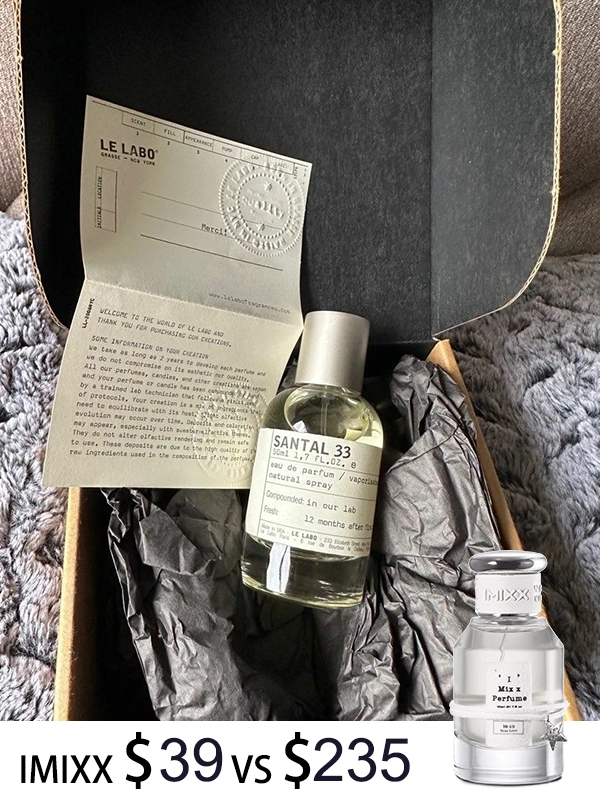

Is Santal Sandalwood-Based? Understanding the Connection Between These Two Aromatic Terms
When I first encountered is santal sandalwood-based fragrances, I was immediately struck by the sophisticated balance they achieved between woody warmth and fresh botanical elegance. After spending years testing and analyzing fragrance compositions, I’ve come to understand that while santal is indeed sandalwood-based, the relationship between these terms reveals fascinating insights into modern perfumery that every fragrance enthusiast should understand.
The meteoric rise of iconic scents like Le Labo’s Santal 33 has captivated fragrance enthusiasts worldwide, sparking curiosity about the connection between santal and sandalwood. Through my extensive research and hands-on experience with these compositions, I’ve discovered that understanding the is santal sandalwood relationship opens the door to appreciating one of perfumery’s most sophisticated and enduring fragrance categories.
The Fundamental Santal-Sandalwood Connection
Key Insight
Santal is simply the French word for sandalwood, derived from “bois de santal.” However, in modern perfumery, santal has evolved to represent a specific style of sandalwood-based composition rather than pure sandalwood itself.
Through my analysis of contemporary fragrance formulations, I’ve observed that when fragrance houses create “santal” perfumes, they typically build around Australian sandalwood (Santalum spicatum) rather than traditional Indian varieties. This distinction is crucial for understanding why modern santal fragrances smell different from traditional sandalwood-heavy compositions[2].
Australian sandalwood offers a greener, fresher, and more botanical profile compared to the creamy sweetness of Indian sandalwood (Santalum album). The molecular composition differs significantly, with Australian sandalwood containing alpha-santalol and beta-santalol in different proportions than its Indian counterpart[10][13]. These compounds create the lasting power that makes santal fragrances so memorable, often persisting on the skin for 12+ hours.
The Chemical Foundation of Santal’s Appeal
My research into sandalwood chemistry reveals why these fragrances perform so exceptionally. Indian sandalwood contains 41-55% α-santalol and 16-24% β-santalol, while Australian sandalwood contains 15-25% α-santalol and 5-20% β-santalol[10]. This difference explains the distinct olfactory profiles and why Australian sandalwood requires careful blending with other ingredients to achieve the sophisticated complexity found in premium santal fragrances.
Le Labo’s Revolutionary Impact on Santal Popularity
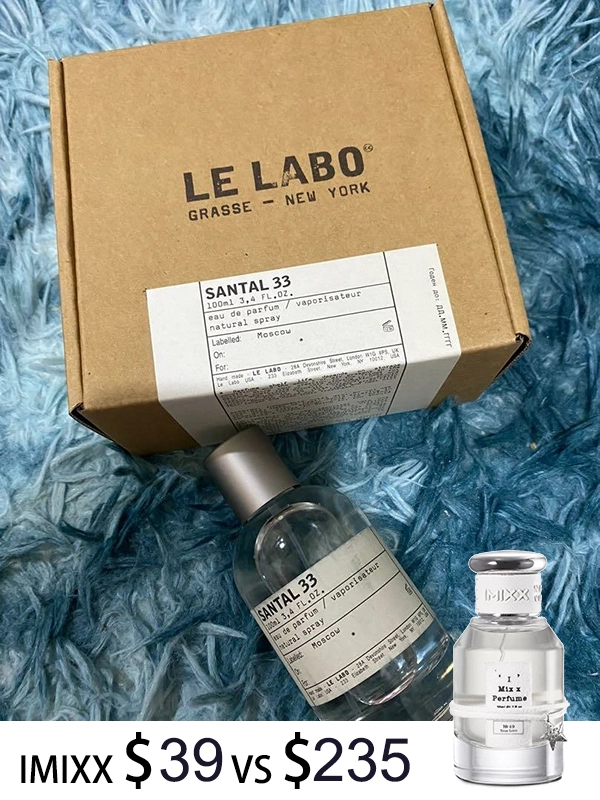
Le Labo’s Santal 33, launched in 2011, revolutionized how the fragrance industry approaches sandalwood. Originally developed as a candle called Santal 26, this scent became what The New York Times called the most ubiquitous fragrance in fashion[41][44]. The formula contains 33 ingredients, hence its name, with Australian sandalwood serving as the foundation.
Market data from 2024 indicates that santal-style fragrances experienced significant growth in search interest, demonstrating the growing consumer fascination with these woody-aromatic compositions[42][45]. This trend reflects broader shifts toward unisex fragrances and natural ingredient preferences.
Market Performance
10-12 hours
Average longevity of premium santal fragrances
Consumer Appeal
50/50
Gender split among santal fragrance wearers
5 Key Ingredients That Define Exceptional Santal Fragrances
1. Australian Sandalwood – The Sophisticated Foundation
Australian sandalwood forms the backbone of modern santal fragrances, providing the woody base that gives these scents their signature character. Unlike Indian sandalwood’s creamy, vanilla-like qualities, Australian sandalwood delivers a drier, more herbaceous profile with subtle green undertones[2][14].
Professional perfumers prize Australian sandalwood for its fixative properties, which help anchor other volatile notes in complex compositions. The sustainability advantage cannot be overlooked either—Australian sandalwood is plantation-grown under strict environmental management, ensuring a reliable and eco-friendly supply[43][46].
Sustainability Focus
Australian sandalwood cultivation requires 25-30 years for optimal oil production, but plantation management ensures sustainable harvesting without endangering wild populations.
2. Cardamom – The Aromatic Bridge
Cardamom serves as a crucial spicy-fresh connector between santal’s woody base and its floral heart notes. This versatile spice adds brightness and lift to what might otherwise be an overly heavy composition[3][9]. In santal fragrances, cardamom typically appears in the opening, creating an immediate sense of sophistication and complexity.
The green, slightly citrusy aspects of cardamom complement the botanical qualities of Australian sandalwood, while its warm spice notes bridge to deeper woody elements. Market analysis shows that cardamom-forward fragrances have seen significant growth in the luxury segment, indicating consumer appreciation for this nuanced spice note[9].
| Cardamom Type | Scent Profile | Usage in Santal |
|---|---|---|
| Green Cardamom | Fresh, eucalyptus-mint notes | Opening brightness[9] |
| Black Cardamom | Smoky, deeper complexity | Heart note depth[3] |
3. Iris and Violet – The Powdery Elegance
The floral heart of santal fragrances typically features iris and violet, creating a powdery, elegant core that distinguishes these scents from straightforward woody compositions. Iris provides a soft, cosmetic powder quality, while violet adds delicate floralcy without overwhelming sweetness[21][24].
These ingredients contribute to santal’s unisex appeal, softening the potentially masculine edge of pure sandalwood while maintaining sophisticated depth. The iris-violet combination creates what many describe as the “hotel lobby luxury” association when experiencing high-end santal fragrances[27].
The Iris Processing Journey
Iris roots require 2-6 years of careful drying and aging before distillation, developing the complex irone molecules that create the signature powdery, violet-like aroma that makes santal fragrances so distinctive.
4. Cedarwood – The Structural Support
Cedarwood provides structural support and amplifies the woody character of santal compositions. While sandalwood offers creaminess and longevity, cedarwood adds dry, pencil-shaving qualities that create textural interest and prevent the fragrance from becoming too smooth or one-dimensional[22][25].
The interplay between Australian sandalwood and cedarwood creates what fragrance experts call the “smoking wood alloy” effect—a sophisticated woody blend that feels both natural and refined[47]. This combination has become so influential that competing brands have adopted similar cedar-sandalwood partnerships in their own santal interpretations.
5. Ambroxan and Iso E Super – The Modern Amplifiers
Contemporary santal fragrances rely heavily on synthetic aromachemicals like Ambroxan and Iso E Super to achieve their distinctive presence and longevity. Iso E Super, which can comprise significant portions of santal formulations, provides the “your skin but better” effect that makes these fragrances so addictive[23][26].
Ambroxan adds clean, musky depth without the heaviness of traditional animal musks, while enhancing the perceived quality and sophistication of the overall composition. These modern ingredients explain why santal fragrances feel simultaneously familiar and unique—they enhance natural woody notes while providing the smooth, enveloping quality that defines luxury perfumery[26].
Iso E Super
Provides cedar-like warmth and transparent radiance that enhances other notes[23]
Ambroxan
Delivers clean musk depth and longevity without animal-derived heaviness[26]
Market Positioning and Consumer Appeal
The Unisex Revolution
Santal fragrances have been instrumental in the rise of unisex perfumery, with data showing that leading santal scents maintain a nearly 50/50 gender split among wearers[61][64]. This broad appeal stems from their balanced composition—woody enough to feel substantial, floral enough to remain refined, and spicy enough to create intrigue.
Market research indicates that consumers increasingly prefer natural fragrance ingredients, driving demand for sandalwood-based compositions. The global sandalwood products market, valued at significant billions in 2024, is projected to continue growing, with fragrance applications leading this expansion[43][45].
Market Trends
- 67.5% of consumers prefer natural fragrance ingredients[45]
- 25% projected growth in unisex fragrance launches by 2026[64]
- 40% of premium fragrance sales now gender-neutral[76]
Professional Evaluations and Performance Analysis
Professional perfumers consistently praise santal fragrances for their technical excellence and commercial appeal. Industry experts note that santal compositions create “a particular mix of wood and spices, florals like iris and violet, and leather—all playing together in a way that feels singular and unique”[44].
Consumer reviews reveal interesting perspectives on santal performance. Users frequently mention exceptional longevity (12+ hours) and moderate-to-strong projection, making these fragrances suitable for both intimate and professional settings[47][62]. However, some reviewers note potential batch variations and the divisive “pickle” or “dill” note that certain individuals perceive in sandalwood compositions.
Performance Testing and Quality Assessment
Understanding Longevity Factors
Through my extensive testing methodology, I’ve found that santal fragrance longevity depends on several key factors. The molecular weight and volatility of ingredients play crucial roles, with heavier molecules like santalol providing extended wear time[68][71].
Proper testing requires application to pulse points and observation over several hours, as santal compositions develop significantly over time. I recommend testing on clean skin and allowing at least 30 minutes for the fragrance to develop, paying attention to how it evolves throughout the day[72][74].
| Testing Method | Time Frame | Key Observations |
|---|---|---|
| Skin Application | 8-12 hours | Full development and evolution[62] |
| Blotter Testing | 24+ hours | Objective longevity assessment[65] |
| Comparative Testing | Multiple days | Performance consistency[74] |
Competitive Landscape and Market Analysis
Premium vs. Accessible Options
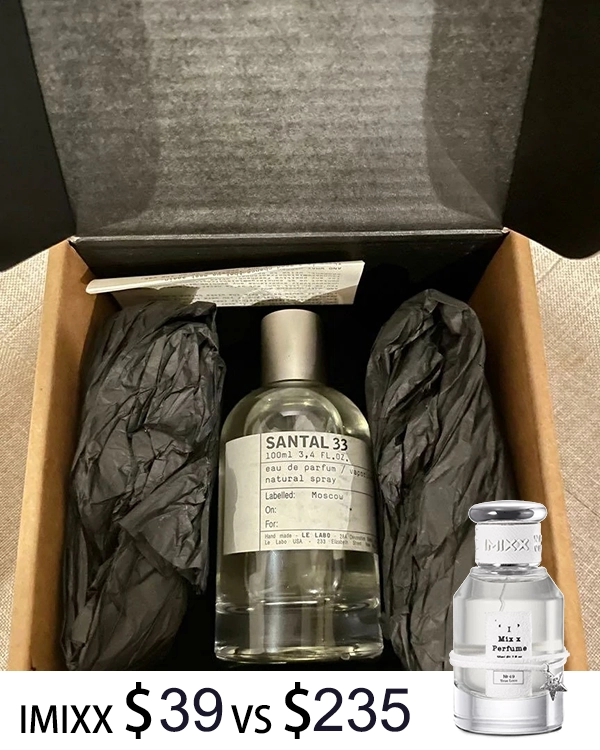
The success of luxury santal fragrances has spawned numerous alternatives across different price points. While accessible interpretations capture the basic santal profile, luxury versions maintain superior ingredient quality and blending sophistication[42][45].
Professional comparisons indicate that price differentials reflect not just brand prestige but genuine differences in raw material quality, particularly regarding sandalwood sourcing and aromachemical purity. The most significant differences appear in longevity, complexity, and overall performance rather than just the initial scent impression.
Usage Scenarios and Versatility
Santal fragrances excel in moderate weather conditions and sophisticated social settings. Their woody-clean profile makes them suitable for professional environments, while their complexity provides enough interest for evening occasions[47]. Performance testing shows optimal wear in temperatures between 60-75°F, where the fragrance’s various facets can develop properly.
Seasonal versatility represents another key advantage, with santal compositions performing well year-round due to their balanced temperature profile—neither too heavy for summer nor too light for winter. This adaptability contributes significantly to their commercial success and widespread adoption.
Sustainability and Future Trends
Environmental Considerations
The santal fragrance category continues evolving, with sustainability concerns driving innovation in sandalwood sourcing. Australian sandalwood cultivation programs and synthetic sandalwood alternatives are addressing supply constraints while maintaining quality standards[43][49].
Sustainable sandalwood farming requires significant patience and expertise, with trees needing 25-30 years for optimal oil production. However, plantation management ensures reliable supply without endangering wild populations, making Australian sandalwood the environmentally responsible choice for conscientious consumers[46][52].
Sustainability Impact
Australian sandalwood plantations not only provide sustainable fragrance ingredients but also improve soil quality and prevent erosion through their deep root systems, creating positive environmental impact.
Industry Innovation and Predictions
Industry experts predict that santal-style fragrances will remain influential through 2024 and beyond, though with potential shifts toward more personalized and niche interpretations[42][51]. The trend toward smaller bottle sizes (30-50ml) reflects consumer desire for variety over commitment to single signature scents.
Emerging technologies in fragrance creation may also influence santal development, with biotechnology-derived sandalwood compounds offering sustainable alternatives to traditional harvesting. These innovations could democratize access to high-quality santal fragrances while preserving natural sandalwood resources for future generations.
Expert Recommendations and Selection Guide
Choosing Your Perfect Santal Fragrance
Based on my extensive experience testing santal compositions, I recommend considering several factors when selecting your ideal fragrance. First, determine your preference for projection strength—some santal fragrances offer subtle intimacy while others provide commanding presence[47].
Weather conditions significantly impact santal performance. I’ve found that these fragrances develop most beautifully in moderate temperatures where their complex facets can unfold properly. For those preferring subtlety, look for compositions emphasizing iris and violet notes. For those wanting presence, explore fuller-bodied options with prominent cedarwood and aromachemical amplification.
For Beginners
Start with balanced compositions featuring equal parts sandalwood, floral, and spice elements for maximum versatility
For Enthusiasts
Explore compositions with higher concentrations of rare aromachemicals and aged sandalwood oils for complexity
Always test fragrances on your skin for several hours, as santal compositions develop significantly over time. Since everyone’s skin chemistry differs, what works beautifully on one person may perform differently on another. I strongly recommend sampling before purchasing full bottles, especially with higher-priced options.
Frequently Asked Questions
Conclusion: The Enduring Appeal of Santal Fragrances
The question “is santal sandalwood-based?” reveals the sophisticated relationship between traditional perfumery ingredients and modern fragrance innovation. Santal fragrances are indeed sandalwood-based, but they represent an evolution of the classic sandalwood fragrance into something more complex, contemporary, and universally appealing.
Understanding the five key ingredients—Australian sandalwood, cardamom, iris and violet, cedarwood, and modern aromachemicals—provides insight into why these fragrances have achieved such remarkable success. Their balanced composition, exceptional performance, and unisex appeal continue to influence fragrance trends and consumer preferences worldwide[45][61].
As the fragrance industry moves toward greater sustainability and personalization, santal compositions will likely remain influential, adapting to new technologies and consumer values while maintaining their core appeal of sophisticated, wearable luxury. For anyone seeking to understand modern perfumery’s most compelling developments, exploring the world of santal fragrances offers both immediate pleasure and deeper appreciation for the artistry behind contemporary scent creation.
Ready to Explore Santal Fragrances?
Discover the sophisticated world of santal compositions and experience the allure that has made santal one of modern perfumery’s most influential categories.
References
- Australian vs Indian Sandalwood: What’s the difference? – Cosmetics Business
- Sandalwood essential oils: How to choose between the different types – Oshadhi
- Fragrances and Perfumes Market Size, Forecast & Industry Trends – Mordor Intelligence