

How to Pronounce Le Labo Fragrances Correctly: The Definitive Expert Guide
This comprehensive guide draws on authoritative French linguistic resources, including the International Phonetic Alphabet (IPA), Alliance Française pronunciation standards, and expert phonetics instruction to provide you with the most accurate pronunciation guidance available. Whether you’re a fragrance enthusiast, a retail professional, or simply someone who appreciates the art of proper pronunciation, mastering these techniques will enhance your credibility and deepen your appreciation for this celebrated brand.
Understanding the Brand Name: Le Labo
The Correct Pronunciation with IPA Transcription
The proper way to Pronounce Le Labo is /lə la.bo/ in International Phonetic Alphabet (IPA) notation. For English speakers, this translates to “luh LAH-boh” with the emphasis on the second syllable of “Labo”.
🎯 Key Pronunciation Breakdown
“Le” = /lə/ → Pronounced as “luh” with a schwa sound (the unstressed vowel sound in “about”)
“Labo” = /la.bo/ → Pronounced as “LAH-boh” with stress on the first syllable
💡 Pro Tip: Think of the schwa in “the” (when unstressed) for “Le”, and avoid Spanish-influenced “lay”
Common Mispronunciations to Avoid
Many English speakers make predictable errors when attempting to Pronounce Le Labo, often influenced by Spanish or anglicized pronunciation patterns:
These errors stem from a fundamental misunderstanding of French phonetic rules. The French definite article “le” uses a schwa sound (/ə/), which is considerably different from the Spanish “le” (/le/) or English “lay”.
The Importance of the International Phonetic Alphabet (IPA)
What is IPA and Why Does It Matter?
The International Phonetic Alphabet (IPA) is a standardized system of phonetic notation developed by the International Phonetic Association to provide an accurate, universal representation of spoken language sounds. Unlike conventional spelling, which can be misleading (especially in French, where many letters remain silent), IPA offers unambiguous guidance.
📚 Why IPA Is Essential for French Pronunciation
- French orthography is notoriously irregular – Silent letters, liaison, and elision create significant gaps between written and spoken forms
- One symbol equals one sound – Each IPA symbol represents exactly one phoneme, eliminating guesswork
- Universal accessibility – French-English dictionaries routinely include IPA transcriptions, making it readily accessible
- Academic credibility – Linguistic institutions like Alliance Française use IPA as the standard for teaching French pronunciation
Key French Sounds in IPA
To master Le Labo pronunciations, familiarize yourself with these essential French IPA symbols:
Complete Pronunciation Guide to Le Labo Fragrances
Signature Classic Collection
Santal 33: The Iconic Signature Scent
🌲 Santal 33
IPA: /sɑ̃.tal tʁɑ̃t.tʁwa/
Simplified Pronunciation: sahn-TAHL tront-TWAH
Meaning: Sandalwood 33 (referring to 33 ingredients)
🎯 Expert Tip: Santal 33 has become Le Labo’s most iconic fragrance, famously described by the New York Times as “That Perfume You Smell Everywhere.” Master the nasal vowel /ɑ̃/ in “santal” and the guttural French “R” for authentic pronunciation.
Common Mistakes: “SAN-tal thirty-three” (never use English numbers), “san-TAL trent-troys” (incorrect stress), “san-tahl trahnt-twah” (missing nasal quality)
Bergamote 22: The Bright Citrus
🍊 Bergamote 22
IPA: /bɛʁ.ɡa.mɔt vɛ̃.dø/
Simplified Pronunciation: behr-gah-MAWT van-DUH
Meaning: Bergamot 22
🎯 Expert Tip: This bright citrus fragrance showcases the French guttural “R” in “Bergamote.” The final “e” is silent, and “vingt-deux” (22) demonstrates the French nasal /ɛ̃/ sound. Stress falls on the final syllable of “Bergamote.”
Another 13: The Hybrid Creation
✨ Another 13
IPA: /ə.nʌ.ðəʁ tʁɛz/
Simplified Pronunciation: uh-NUH-ther TREHZ
Meaning: Another 13
🎯 Expert Tip: This fragrance uniquely combines the English word “Another” with the French number “treize” (13), commissioned by Another Magazine in 2010. The French number pronunciation is critical: treize = /tʁɛz/ (TREHZ), not “thirteen.”
Additional Signature Fragrances
French Numbers Pronunciation Reference
Understanding French numbers is essential for correctly pronouncing Le Labo fragrances. French counting follows distinct patterns that differ significantly from English:
🔢 Essential French Numbers for Le Labo
📌 Important Pattern: Numbers ending in 1 (21, 31, 41, etc.) use “et” (and): vingt-et-un, trente-et-un. All other compound numbers use hyphens without “et.”
Why Pronunciation Matters in Fragrance Culture
Professional Credibility and Respect
In the luxury fragrance industry, correct pronunciation is more than pedantry—it’s a matter of professional courtesy and cultural respect. As fragrance experts and the Perfume Society note, mispronunciation can undermine your credibility, especially when recommending or reviewing fragrances.
Fashion and fragrance influencers have faced criticism for consistently mispronouncing French brand names, with commenters noting it demonstrates a lack of preparation and respect for the craft. One Reddit user aptly stated: “Don’t presume to lecture people on a scent and then not bother looking up its proper pronunciation.”
🌟 What Correct Pronunciation Demonstrates
- Respect for brand heritage – Honoring Le Labo’s French identity and artisanal roots
- Professional expertise – Showing commitment to industry knowledge and standards
- Cultural appreciation – Acknowledging centuries of French perfumery tradition centered in Grasse
- Enhanced credibility – Building trust with clients, colleagues, and fragrance enthusiasts
- Sophisticated communication – Elevating conversations about luxury fragrance
Cultural Appreciation and Heritage
Le Labo’s founders chose the French name deliberately, honoring the centuries-old French perfumery tradition centered in Grasse, the perfume capital of the world. Though the brand was founded in New York, its soul remains rooted in French artisanal craftsmanship.
When you correctly Pronounce Le Labo and its fragrances, you honor the brand’s French heritage, demonstrate respect for linguistic precision that characterizes French culture, and acknowledge the founders’ vision of authentic, handcrafted luxury.
Practice Techniques for Mastering French Pronunciation
Listen to Native Speakers
The single most effective method for improving French pronunciation is consistent exposure to native speakers. Utilize these authoritative resources:
🎧 Authoritative Pronunciation Resources
1. Forvo.com
A crowdsourced pronunciation database featuring recordings from native French speakers across different regions. Forvo contains nearly 7 million pronunciations across 430+ languages, with user ratings ensuring quality control. (Visit Forvo)
2. Alliance Française
The official French language and cultural institution offers pronunciation workshops and phonetics courses taught by expert instructors. These institutions use standardized pedagogical approaches based on IPA notation. (Learn More)
3. French Phonetics Websites
Websites like FrenchToday.com, TalkPal AI, and Fonetix.org provide comprehensive French pronunciation guides with audio examples, IPA transcriptions, and interactive exercises specifically designed for English speakers.
The “Shadowing” Technique
Linguistic research demonstrates that “shadowing”—simultaneously repeating what you hear—significantly improves pronunciation and intonation. Practice by:
- Playing a native speaker’s pronunciation
- Repeating immediately, mimicking rhythm and intonation
- Recording yourself and comparing to the original
- Focusing on problem sounds (French “R,” nasal vowels, schwa)
- Practicing daily for 10-15 minutes to build muscle memory
Physical Articulation Practice
French pronunciation requires different muscular positioning than English. French speech involves greater articulatory tension, particularly in the lips:
💪 Physical Positioning for French Sounds
For the French “u” (/y/):
- Form lips as if to whistle (rounded, forward)
- Try to say “ee” while maintaining lip position
- Your tongue shifts forward, creating the uniquely French sound
For the French “R” (/ʁ/):
- Say “k” repeatedly, then soften it in the back of your throat
- Imagine gargling gently without water
- Feel vibration in the throat, not mouth
Frequently Asked Questions (FAQ)
Why Choose IMIXX Perfume for Le Labo Alternatives
If you’re passionate about Le Labo fragrances but seeking more accessible options, IMIXX Perfume specializes in premium fragrance alternatives that capture the essence of luxury scents at affordable prices.
✨ IMIXX Perfume Advantages
- High-quality ingredients sourced from renowned fragrance regions including Grasse, France
- Expert perfumers with deep knowledge of luxury fragrance composition and formulation techniques
- Affordable pricing without compromising on scent quality, concentration, or longevity
- Wide selection inspired by Le Labo’s most beloved fragrances including Santal 33, Bergamote 22, Another 13, and Rose 31
- Commitment to authentic fragrance experiences that honor the artistry of the original compositions
Explore our collection inspired by Le Labo classics and discover accessible luxury fragrance. Whether you’re new to the world of Le Labo or a longtime enthusiast, IMIXX Perfume offers an entry point to sophisticated scents.
Conclusion: The Art of Pronunciation as Cultural Respect
Mastering how to Pronounce Le Labo fragrances represents more than linguistic precision—it’s an act of cultural respect, a demonstration of expertise, and a gateway to deeper appreciation of French perfumery heritage. By understanding IPA notation, practicing French phonetics, and utilizing authoritative resources like Forvo and Alliance Française, you can confidently navigate the sophisticated world of luxury fragrance with both accuracy and grace.
The journey from “lay labo” to the authentic “/lə la.bo/” reflects a commitment to excellence that mirrors Le Labo’s own philosophy of artisanal craftsmanship. Whether you’re a fragrance professional, an enthusiastic collector, or someone who simply appreciates the beauty of well-spoken French, these pronunciation skills will serve you well in conversations about one of the world’s most celebrated perfume houses.
🌟 Remember: Pronunciation is a journey, not a destination. With consistent practice, exposure to native speakers, and the comprehensive guidance provided in this expert resource, you’ll develop the confidence to pronounce Le Labo fragrances—and discuss the artistry of fine perfumery—with sophistication and authority.
Master the art of fragrance pronunciation, honor Le Labo’s French heritage, and elevate your conversations about luxury perfumery. Start practicing today and join the community of knowledgeable fragrance enthusiasts who appreciate both the scents and the culture behind them.

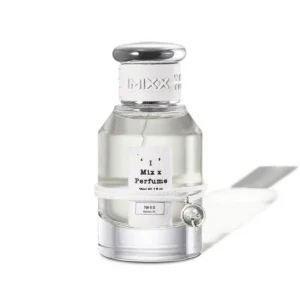 No.62 Inspired by Santal 33 Perfume