

About the Author: Linus Dacke Thall
Article Summary: What You Will Learn
The quest for the perfect Love in White Creed dupe is one of the most popular journeys for fragrance enthusiasts in the USA today. Driven by the viral “Old Money” and “Clean Girl” aesthetics, consumers are desperately seeking that signature powdery, elegant, and ultra-clean white floral scent—but without the staggering $400+ price tag.
In this comprehensive, deep-dive guide, we step away from traditional marketing hype and look at the fragrance industry through an objective, scientific, and factory-level lens. You will discover:
- The exact botanical and synthetic notes that create the famous “rice and white floral” illusion.
- Why luxury perfumes cost so much (and why a high price doesn’t always equal better longevity).
- A fair, unbiased analysis of the different types of fragrance alternatives on the market (Oils vs. Middle Eastern Clones vs. USA Indie Labs).
- How to scientifically evaluate a dupe’s quality using the concepts of GC-MS and Maceration.
- Practical, everyday tips on how to make your affordable luxury perfumes last 12+ hours on your skin.
- How to build a balanced “fragrance wardrobe” by pairing warm florals with crisp, mountain-air alternatives like Imixx No. 22.
Introduction: The Allure of the “Clean” Aesthetic in the USA
If you walk through any high-end neighborhood in New York, Los Angeles, or Miami right now, you will notice a distinct shift in how people choose to smell. For years, the USA fragrance market was dominated by heavy, room-filling gourmands—scents that smelled like vanilla cupcakes, burnt sugar, or aggressive patchouli. But the pendulum has swung. Today, the ultimate luxury is smelling effortlessly clean.
This is often referred to online as the “Old Money Aesthetic” or the “Clean Girl Aesthetic.” It is the olfactory equivalent of a perfectly tailored white linen shirt, a minimalist gold watch, and glowing, freshly washed skin. In this space, one fragrance has historically reigned supreme: Creed’s Love in White.
Launched in the mid-2000s and famously worn by two consecutive First Ladies of the United States, it earned the nickname “the White House fragrance.” It is ethereal, powdery, elegant, and undeniably beautiful. However, it also comes with a formidable barrier to entry: a retail price that often exceeds $400 for a standard bottle.
For the average consumer, spending half a month’s rent on scented water is difficult to justify. This has led to an explosion in the market for a reliable Creed Love in White dupe. But as you have likely experienced, the alternative market is a minefield. Some smell like harsh bathroom cleaners; others fade into nothingness within twenty minutes. To find a truly great alternative, you need to understand exactly what you are trying to replicate.
Deconstructing the Scent: What Does It Actually Smell Like?
To evaluate any affordable perfume alternative, you must train your nose to recognize the architecture of the original inspiration. A world-class fragrance is not just a mishmash of pleasant smells; it is a carefully constructed pyramid consisting of Top Notes, Heart (Middle) Notes, and Base Notes.
Let’s break down the exact olfactory profile of this iconic white floral, explaining the science and the artistry behind each layer.
1. The Top Notes: The Crisp, Cold Opening
When you first spray the fragrance, the initial blast is sharp, bright, and slightly bitter. This is primarily driven by Italian Orange Zest. Notice that it is the zest (the peel), not the sweet juice of the orange.
In the lab, this effect is achieved using cold-pressed citrus rind oils rich in a molecule called Limonene. Citrus notes are highly volatile, meaning their molecular weight is very light. They evaporate off the warmth of your skin within the first 15 to 30 minutes. A poor-quality dupe will often use cheap, synthetic citral, which gives off a harsh, “lemon pledge” or mosquito repellent vibe. A high-quality alternative will use genuine citrus extracts to ensure a smooth, natural-smelling opening.
2. The Heart Notes: The Powdery “Rice” Illusion
The heart notes are the absolute soul of this fragrance. Once the orange zest fades, the perfume transitions into a stunning, cosmetic-powder elegance. The dominant notes here are Florentine Iris, Magnolia, Bulgarian Rose, and a very unique “Rice” accord.
This is where fragrance chemistry becomes fascinating. You cannot simply squeeze a grain of rice to extract its essential oil. In perfumery, a “rice note” is a fantasy accord—an illusion created by the perfumer. It is usually built using soft, milky molecules called lactones, combined with subtle white musks. When paired with the Iris (which contains compounds called irones that smell like expensive vintage makeup powder), it creates a texture that feels soft, starchy, and comforting.
This specific powdery texture is incredibly difficult to replicate. This is why so many cheap dupes fail; they get the white florals right, but they completely miss the starchy, comforting rice undertone that makes the original so legendary.
3. The Base Notes: The Skin-Scent Anchor
After about four hours, the florals recede, and you are left with the base notes. These are heavy, large molecules that anchor the fragrance to your skin for the rest of the day. The base of this profile relies heavily on Sandalwood, Vanilla, and Ambergris.
True Ambergris (a byproduct of sperm whales) is almost never used in modern commercial perfumery due to ethical and cost reasons. Instead, the industry relies on a brilliant synthesized molecule called Ambroxan. Ambroxan provides a salty, warm, “your-skin-but-better” radiance. It pushes the fragrance outward and gives it incredible longevity. If an alternative perfume disappears after an hour, it is almost certainly because the manufacturer skimped on high-quality musks and Ambroxan in the base.
Table 1: The Olfactory Pyramid and Sourcing Challenges
| Pyramid Level | Dominant Notes | The Lab Reality & Formulation Challenge | What to Look for in a Quality Dupe |
|---|---|---|---|
| Top (0-30 Mins) | Italian Orange Zest, Apple | Citrus notes are highly volatile. Cheap synthetics smell like household cleaner. | A smooth, slightly bitter, natural-smelling citrus opening without an overwhelming alcohol blast. |
| Heart (1-4 Hours) | Rice Husk, Iris, Magnolia, Jasmine | The “rice” accord requires precise lactonic balancing. Iris is extremely expensive to source naturally. | A soft, powdery, almost cosmetic-like texture. It should feel elegant and smooth, never sharp or headache-inducing. |
| Base (4-12+ Hours) | Vanilla, Sandalwood, Ambergris (Ambroxan) | High-quality synthetic woods and musks are required for longevity, but they cut into a manufacturer’s profit margin. | A warm, skin-like scent that lingers on your clothes the next day. It should not turn sour or metallic. |
The Illusion of Price: Why Do Originals Cost $400+?
To understand how an affordable alternative can rival a luxury original, we must briefly look at the supply chain economics of the fragrance industry. It is a topic rarely discussed openly, but essential for the informed consumer.
The global fragrance market is highly centralized. A vast majority of the world’s designer and niche perfumes are actually formulated and manufactured by a handful of massive, specialized fragrance houses (such as Givaudan, Firmenich, and IFF). These giant labs source the raw materials, invent the molecules, and employ the master perfumers.
When you buy a $400 bottle of luxury perfume at a high-end USA department store, you are paying for an ecosystem of prestige. Let’s look at a hypothetical breakdown of where your money actually goes:
- The Juice (The actual liquid): Typically accounts for only 5% to 10% of the retail price. Yes, they use high-quality ingredients, but buying in massive bulk keeps the cost of goods sold (COGS) remarkably low.
- The Packaging: Heavy, bespoke glass bottles, magnetic caps, and luxurious velvet-lined boxes often cost more to produce than the liquid inside.
- Marketing and Celebrity Endorsements: Multimillion-dollar billboard campaigns and celebrity spokespeople add a massive premium to every bottle sold.
- Retail Margins: High-end department stores (the “middlemen”) often take a 50% to 60% cut of the retail price just for placing the bottle on their shelves.
- Brand Equity (The “Flex” Tax): You are paying a premium simply for the name printed on the label, which signals wealth and status to others.
Understanding this breakdown is empowering. It reveals a simple truth: You do not need to spend $400 to obtain $30 worth of world-class fragrance oil. If you can find a company that bypasses the celebrity marketing, uses minimalist packaging, and sells directly to you, you can experience the exact same olfactory quality for a fraction of the price.
The Science of Replication: Why a “100% Match” is a Marketing Myth
If you spend time on fragrance forums or TikTok, you will constantly see brands claiming their product is a “100% exact, indistinguishable match.” As someone with a background in supply chain and product development, I can tell you unequivocally: A 100% chemical match is scientifically impossible.
Any brand making that claim is not being honest with you. Here is why, and why a “90% to 95% match” is actually the gold standard you should be looking for.
1. The Reality of GC-MS Analysis
Modern dupe houses rely on a technology called Gas Chromatography-Mass Spectrometry (GC-MS). Think of it like a highly advanced nutritional label scanner. You put a sample of the $400 perfume into the machine, and it prints out a list of the molecules inside and their relative weights.
It tells the chemist: “This liquid contains 15% Linalool, 10% Iso E Super, 5% Ambroxan,” and so on. This gives the lab a highly accurate “recipe” to follow.
2. The “Captive Molecule” Hurdle
However, the GC-MS machine has limitations. The massive fragrance labs (like Firmenich) invent proprietary, patented molecules called “captives.” These captives are kept strictly secret and are not sold on the open market. If a luxury brand uses a captive molecule, the GC-MS machine might recognize it, but the alternative factory cannot legally buy it. The R&D chemist must then use their skill to blend available materials to mimic the smell of that captive molecule.
3. The Vintage and Crop Variations
Furthermore, natural ingredients change from year to year. A batch of Italian Bergamot harvested in a dry summer in 2023 will smell slightly different from a batch harvested after a rainy spring in 2025. This is called “batch variation,” and even the original luxury brands struggle to keep their scents 100% consistent year over year.
The Conclusion on Accuracy: A reputable, high-quality alternative brand will use GC-MS to get the structural recipe, source the highest grade raw materials available, and rely on expert human noses to bridge the final gap. The result is a fragrance that is 90% to 95% similar. To the average person walking past you on the street, it is entirely indistinguishable. The only difference is in the depth of your wallet.
A Fair Market Analysis: The Landscape of Dupe Options
In the USA, the market for affordable fragrance alternatives is vast and diverse. To be a smart consumer, you need to understand the different *types* of products available to you. There is no one-size-fits-all answer; the best choice depends on your specific needs.
1. Middle Eastern Clone Houses
Over the past decade, massive fragrance houses based in the UAE have taken the world by storm. They are famous for producing incredibly strong, long-lasting fragrances presented in heavy, ornate bottles at very low prices.
- The Pros: Incredible value for money. They excel at replicating heavy, dark, woody, and spicy fragrances (like Ouds, sweet vanillas, and heavy tobaccos).
- The Cons: Because they cater to a regional preference for “beast mode” projection, they sometimes struggle to accurately replicate delicate, fresh, or ethereal Western profiles. A delicate white floral from a Middle Eastern house might end up smelling too dense, heavy, or synthetic in the opening compared to the airy original.
2. Concentrated Perfume Oils (CPOs)
Many smaller companies sell small rollerballs of concentrated, undiluted fragrance oil.
- The Pros: Because there is no alcohol to evaporate, oils are incredibly long-lasting. They sit close to the skin and are excellent for people with alcohol sensitivities. They are also highly portable.
- The Cons: Oils have very low sillage (the trail of scent you leave behind). They do not project into the air well. Furthermore, without the lifting power of perfumer’s alcohol, the top notes (the bright citrus) are often muted, meaning the fragrance immediately smells like the “dry down” phase.
3. USA-Based Independent Labs & Direct-to-Consumer EDPs
This category includes brands that operate independent labs, formulating their fragrances in an alcohol base (Eau de Parfum or Extrait de Parfum) and selling directly to the consumer online.
- The Pros: This method offers the closest true experience to buying a retail luxury perfume. The alcohol allows the fragrance to project and evolve through its top, heart, and base notes naturally. Because they operate in the USA, shipping is fast, and they often adhere to strict quality control and safety standards.
- The Cons: They are slightly more expensive than cheap rollerball oils, and because they are sprayed, you will go through a bottle faster than a concentrated oil.
For a highly delicate, complex profile like a powdery white floral, an alcohol-based EDP from a dedicated, science-driven lab usually provides the most accurate and satisfying wearing experience, as it allows the delicate rice and iris notes to properly aerate and bloom around you.
The Secret Ingredient Nobody Talks About: Maceration
If you purchase a high-quality alternative and it smells slightly “sharp” or “alcohol-heavy” straight out of the mailbox, do not panic. You are likely experiencing a fragrance that hasn’t fully macerated.
Maceration is the perfumery equivalent of aging fine wine. When fragrance oils are mixed with perfumer’s alcohol, the chemical bonds do not form instantly. The mixture needs time to rest in a cool, dark environment. During this period, the harsh edge of the alcohol dissipates, the different molecules fuse together, and the overall scent profile becomes rounder, smoother, and significantly longer-lasting.
Traditional luxury brands macerate their perfumes in massive vats for months before bottling. Mass-market cheap dupes skip this step entirely to save money, resulting in a thin, screechy scent.
When seeking a premium alternative, look for companies that highlight their maceration process. At Imixx Perfumes, we consider this step non-negotiable. Our factory protocols mandate strict aging periods to ensure the stability and depth of the formulation. However, because transit conditions (extreme heat in mail trucks) can temporarily shock a fragrance, we always recommend letting your new bottle rest in a cool, dark drawer for a week or two after it arrives. You will be astounded by how much the scent deepens and improves.
(For a deeper dive into the safe handling and formulation of fragrance materials, you can explore the strict guidelines set by the International Fragrance Association – IFRA, which governs global standards for perfumery).
Table 2: Perfume Oil Concentration Guide
Understanding the label on your bottle is crucial for managing your expectations regarding longevity and projection.
| Classification | Average Fragrance Oil Concentration | Average Longevity on Skin | Best Use Case |
|---|---|---|---|
| Eau de Toilette (EDT) | 5% – 15% | 3 – 5 Hours | Light, everyday wear. Great for the gym or quick errands. Highly volatile top notes. |
| Eau de Parfum (EDP) | 15% – 20% | 5 – 8 Hours | The industry standard. Excellent balance of projection and longevity. Suitable for office or evening. |
| Extrait de Parfum / Pure Parfum | 20% – 40%+ | 8 – 12+ Hours | The ultimate luxury. Sits closer to the skin but lasts all day. Highly concentrated, rich base notes. |
Expanding Your Wardrobe: Pairing Warm Florals with Crisp Mountain Air
Once you have found your perfect, powdery white floral signature scent, your journey as a fragrance enthusiast is just beginning. The most sophisticated fragrance lovers do not wear the exact same perfume every single day. They build a “Fragrance Wardrobe.”
Think of it like clothing. A beautiful, comforting white floral is like a luxurious cashmere sweater. It is perfect for a spring wedding, a romantic brunch, or days when you want to feel approachable and elegant. But what do you wear when you need to project sharp, commanding, icy confidence? What do you wear in the sweltering heat of a USA summer, or to a high-stakes corporate meeting?
If you appreciate the high-end, clean aesthetic, you must explore the opposite end of the spectrum: the crisp, gender-neutral, green-citrus profiles.
The Perfect Counterpart: Meet Imixx No. 22
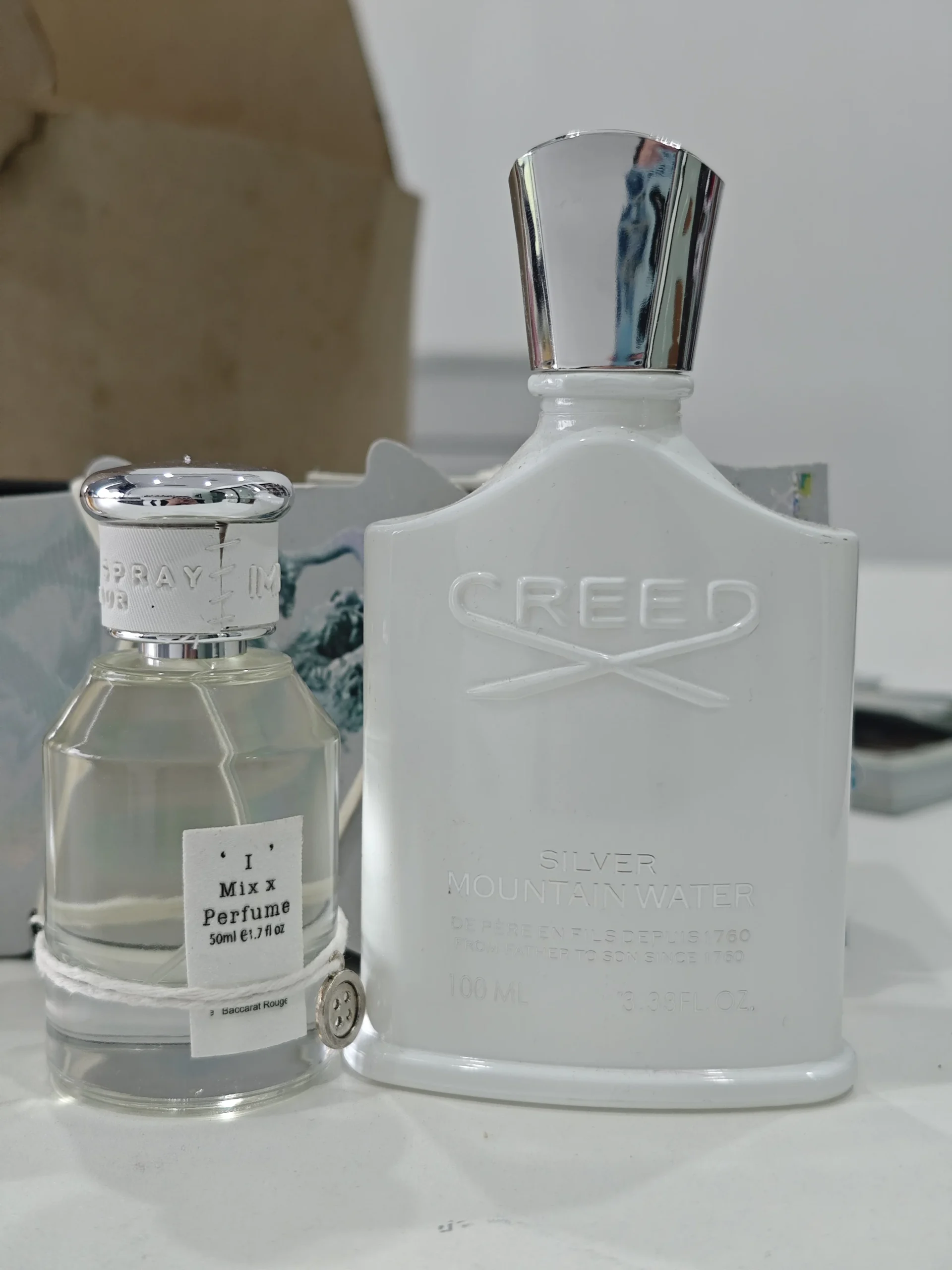
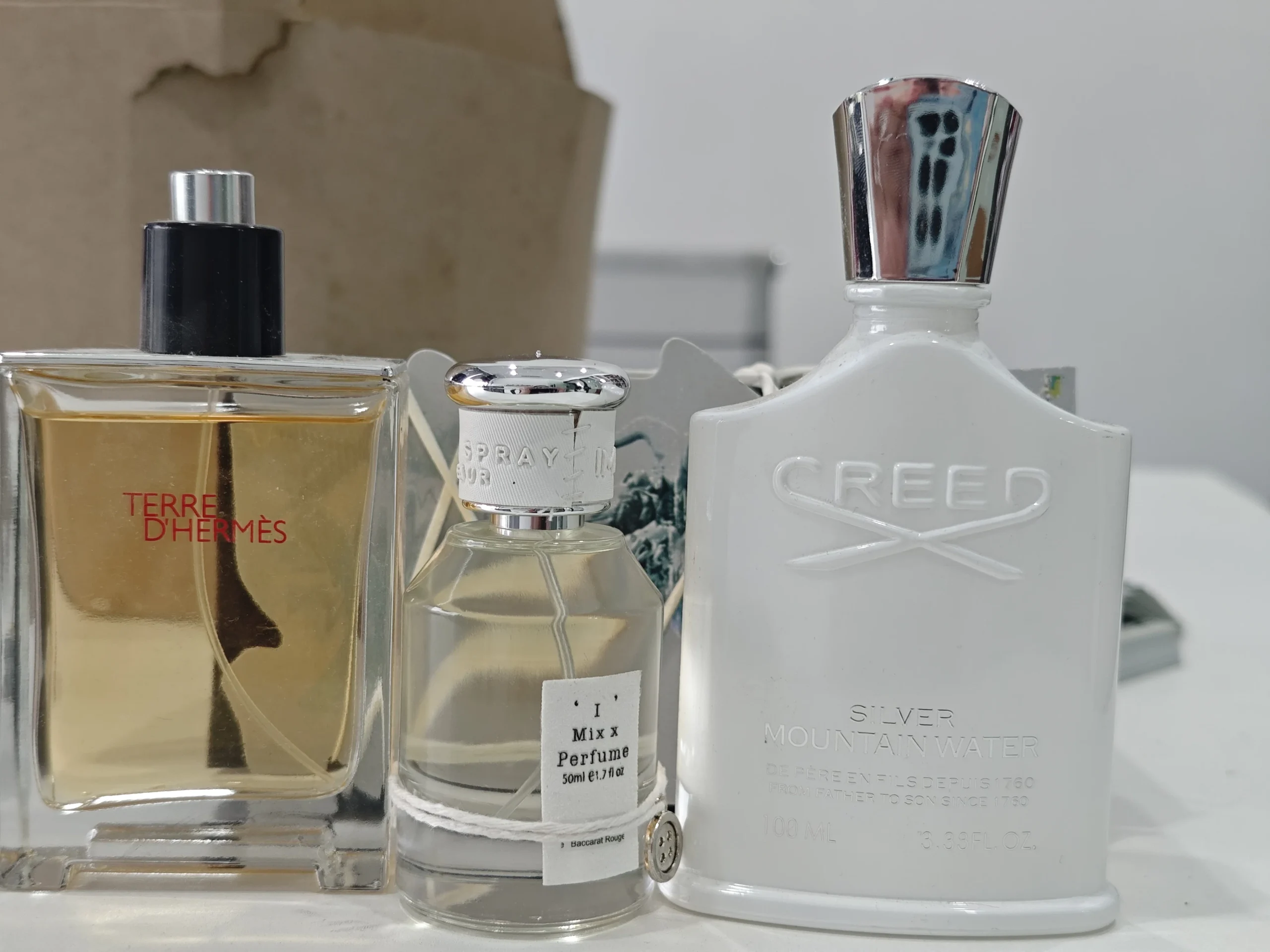
If the powdery floral represents warmth and comfort, Imixx No. 22 represents the breathtaking chill of an alpine stream. Inspired by the legendary Creed Silver Mountain Water, this formulation is a masterclass in contrasting elements.
We designed No. 22 to be the ultimate “His & Hers” companion piece in your collection. It opens with an explosive, icy blast of Bergamot and Mandarin. The heart features a stunning, crisp Green Tea note intertwined with tart Blackcurrant. Finally, it settles into a highly professional, clean base of Galbanum, Musk, and Sandalwood.
While a white floral softens your aura, No. 22 sharpens it. It is universally loved for its clean, slightly metallic, and invigorating profile. By owning both a delicate floral and a crisp green tea scent, you cover almost every conceivable social occasion with perfect, affordable elegance.
Expert Application: How to Make Your Fragrance Last 12+ Hours
Even the highest quality Extrait de Parfum can perform poorly if applied incorrectly. The USA climate varies wildly—from the dry heat of Arizona to the humidity of Florida—and environmental factors heavily influence fragrance longevity.
As a final piece of insider knowledge, here are the scientifically backed methods to maximize the lifespan of your affordable luxury perfumes:
- The Hydration Rule (The Lipid Barrier): Perfume is formulated with alcohol. Alcohol evaporates quickly, and if your skin is dry, it will absorb the fragrance oils instantly, killing the scent. Always apply an unscented, heavy body lotion or a thin layer of petroleum jelly to your pulse points *before* spraying. The fragrance molecules will bind to the lipids (fats) in the lotion, doubling their lifespan.
- Stop the Friction: The most common mistake people make is spraying their wrists and vigorously rubbing them together. This friction creates heat, which literally “burns off” the delicate top notes (the citrus and light florals) and bruises the structure of the scent. Spray, and simply let it air dry.
- Target the Pulse Points strategically: Apply to areas where blood vessels are close to the skin. The heat helps project the scent. The inner elbows, the base of the throat, and the back of the neck are excellent. (Pro tip: Spraying the back of your neck leaves a beautiful sillage trail for people walking behind you).
- The Fabric Hack: Human skin chemistry is acidic and naturally degrades fragrance over time. Fabric, however, is inert. If you want your scent to last until the next day, spray it lightly onto your clothing (always test on an inconspicuous area first to ensure the oils do not stain silk or delicate fabrics). Natural fibers like cotton and wool hold onto scent exceptionally well.
- The Storage Commandment: The absolute worst place to store your perfume is in the bathroom. The daily fluctuations of intense heat and steam from your shower will rapidly break down the chemical bonds, causing the perfume to “turn” or smell sour. Store your bottles in a cool, dark place, like a bedroom drawer or a dedicated closet shelf away from direct sunlight.
Frequently Asked Questions: Mastering the Dupe Market
A high-quality alternative must move beyond just smelling like generic flowers. For this specific profile, the secret lies in accurately recreating the powdery, starchy “rice” accord and blending it seamlessly with high-grade Iris (irones) and a robust base of Ambroxan. It requires GC-MS precision and a high concentration of fragrance oils (EDP or Extrait level) to ensure the scent feels rich, not watery.
There are three main reasons: First, the concept of “Maceration.” The tester bottle in the department store has been sitting under hot lights, mixing with oxygen, and aging for months, which rounds out the scent. Your new bottle is fresh. Give it a few weeks to settle. Second, “Batch Variation”—natural crops like citrus and flowers vary year by year. Third, proprietary captive molecules mean a 100% exact chemical clone is impossible, though high-quality labs achieve a 90-95% similarity.
Yes, provided you purchase from a reputable brand that adheres to strict manufacturing standards. Look for companies operating in regulated markets (like the USA or Europe) that formulate their products in compliance with IFRA guidelines. These guidelines regulate the safe usage levels of both natural allergens and synthetic aroma chemicals.
Yes and no. Concentrated perfume oils generally last longer on the *skin* because they lack alcohol, which evaporates quickly. However, oils have very low projection (sillage); they sit very close to the skin. EDP sprays use alcohol to “lift” the fragrance molecules into the air, creating a scent bubble around you. For a complex floral profile, an EDP spray is usually preferred to allow the delicate notes to properly bloom.
Fragrance has no gender; it is purely marketing. Many men confidently wear soft, powdery florals. However, if you are drawn to the high-end, clean aesthetic but prefer something with a sharper, cooler, more traditional masculine or purely unisex edge, a green-tea and citrus profile is the perfect pivot. This is exactly why a scent like our Imixx No. 22 is so highly recommended as a complementary counterpart in your collection.
Conclusion: Empowering Your Scent Journey
Navigating the expansive world of luxury fragrances in the USA does not require compromising your financial goals. By shifting your mindset from blind brand loyalty to an understanding of supply chain economics, ingredient science, and factory-level processes, you reclaim the power as a consumer.
Finding a beautiful, elegant, and long-lasting alternative to a $400 perfume is no longer a gamble—it is simply a matter of knowing what to look for. Seek out transparency, demand high-quality oil concentrations, understand the necessity of maceration, and explore the diverse market of alternatives fairly.
Whether you are on a quest to secure the ultimate clean, powdery floral signature scent, or you are looking to balance your growing wardrobe with the crisp, alpine brilliance of our No. 22, the tools to build a world-class collection are now entirely in your hands. Stop paying for the heavy glass bottles, the celebrity television commercials, and the exorbitant department store rent. Invest your money in the juice, the science, and the art of the scent itself. Welcome to the modern era of smart, sophisticated fragrance shopping.
Ready to elevate your fragrance wardrobe without the luxury markup?
Explore our precision-crafted, lab-direct collections and experience the difference of true affordable luxury.
