

Article Summary
In the highly competitive USA fragrance market, finding the best dupe for YSL Libre has become a quest for many perfume enthusiasts who refuse to pay astronomical designer markups. However, the market is flooded with low-quality, alcohol-heavy alternatives that lack the depth of the original’s iconic French lavender and Moroccan orange blossom DNA. This comprehensive guide moves beyond traditional marketing hype to demystify the fragrance supply chain. As an industry expert, I will break down the molecular chemistry of this famous scent, explain the critical process of maceration, and reveal why designer perfumes cost so much. We will analyze the cost structure of luxury fragrances using empirical data and introduce iMixx Inspired by Libre Eau de Parfum as the scientifically superior, lab-direct alternative. You will learn how to identify high-quality ingredients, understand concentration levels, and maximize your perfume’s longevity, supported by two detailed analytical tables and a comprehensive FAQ section.
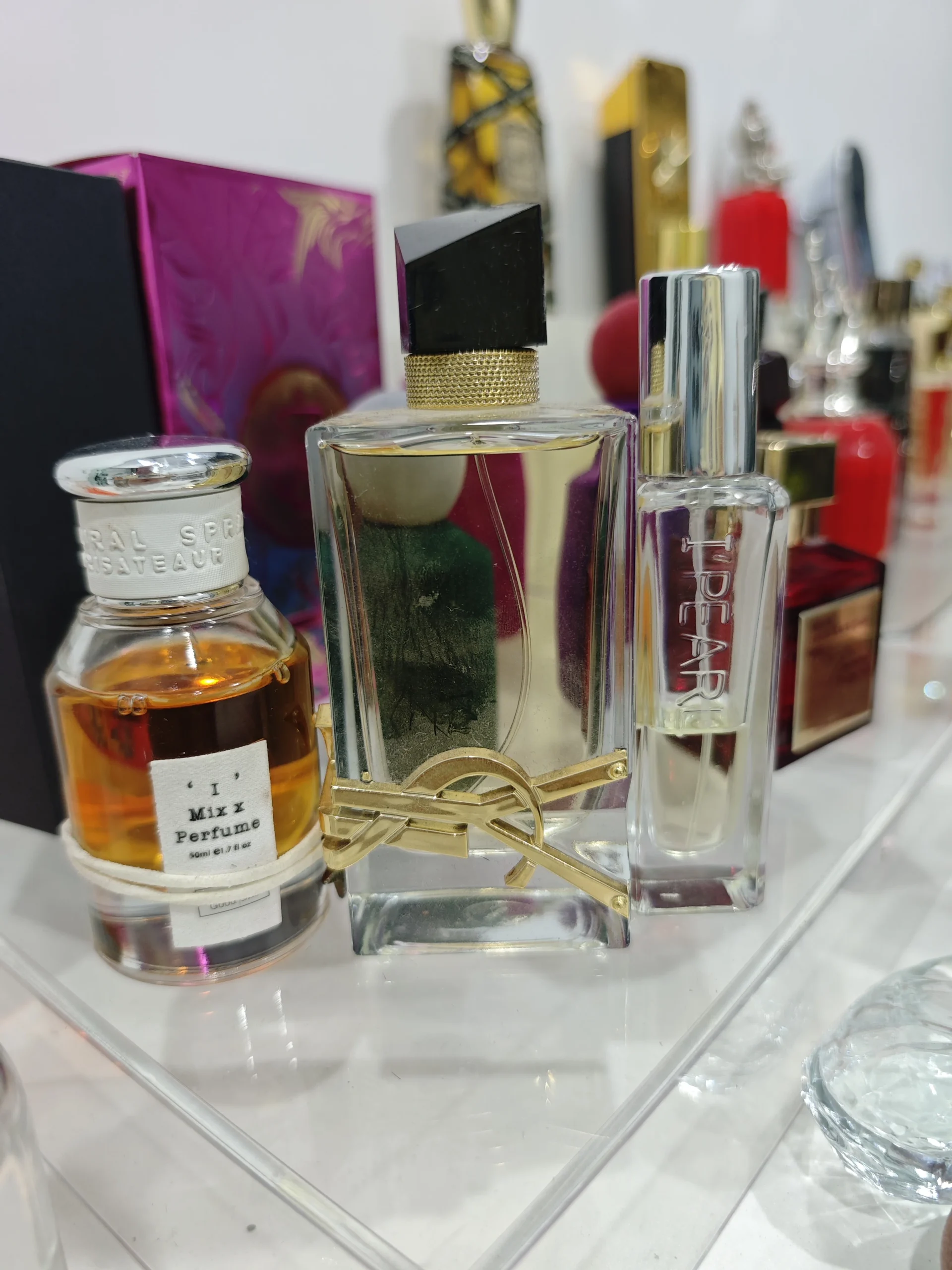
The Chemistry of Confidence: Decoding the Lavender & Orange Blossom DNA
Before we can discuss what makes the best affordable alternative to the famous French designer fragrance, we must first put on our lab coats and analyze the original juice. As a formulation expert who has spent years in compounding laboratories, I can tell you that a fragrance is not magic; it is pure, precise chemistry.
The original designer fragrance revolutionized modern perfumery by taking a traditionally masculine note—Fougère lavender—and bending it into a powerful, feminine masterpiece. This tension between masculine and feminine is what gives the fragrance its “boss energy.” But replicating this requires more than just mixing cheap essential oils. It requires a deep understanding of molecular interactions.
1. The Linalool Challenge: Sourcing French Lavender
In the lab, lavender is primarily composed of two molecules: Linalool (which provides the floral, slightly woody aspect) and Linalyl Acetate (which gives it that fresh, herbal lift). Cheap alternatives found in US drugstores often use synthetic linalool that hasn’t been properly balanced, resulting in a harsh, cleaning-product smell. To create a true masterpiece, you need the equivalent of “Diva Lavender” from Provence, which possesses a sweeter, more floral profile. At iMixx Perfumes, our sourcing team strictly monitors the molecular weight of our lavender compounds to ensure they mimic this exact high-altitude botanical profile.
2. The Indolic Heart: Moroccan Orange Blossom
Orange blossom absolute contains Methyl Anthranilate and trace amounts of Indole. Indole, in high concentrations, smells heavy and animalic, but in micro-doses, it gives white florals their intoxicating, narcotic, and “expensive” scent. Many mass-market brands strip the indole out completely to make the scent “safer,” which flattens the fragrance. A high-quality alternative must retain this indolic tension to achieve the luxurious depth of the original.
3. The Anchor: Madagascar Vanilla and Musk
The dry down of this iconic scent relies on a specific type of Madagascar vanilla (rich in pure Vanillin) paired with synthetic ambergris (like Ambroxan) and clean white musks. This is where longevity is born. Ambroxan acts as a fixative, anchoring the volatile top notes to your skin so the fragrance lasts over 8 hours.
Table 1: Olfactory Formulation & Molecular Analysis
To truly understand the difference between a high-end formulation and a cheap drugstore spray, we must look at the structural breakdown. Here is how an expert evaluates the scent profile:
| Olfactory Pyramid | Key Aromatic Molecules | Cheap Mass-Market Approach | The iMixx Factory Standard |
|---|---|---|---|
| Top Notes (Mandarin, Lavender, Blackcurrant) | Limonene, Linalyl Acetate, Fenchone | Uses volatile, synthetic citrus that burns off in 5 minutes, leaving a harsh alcohol blast. | Utilizes cold-pressed citrus extracts and balanced linalyl acetate for a smooth, vibrant, 20-minute opening without the ethanol burn. |
| Heart Notes (Orange Blossom, Jasmine, Lavender) | Methyl Anthranilate, Indole, Benzyl Acetate | Uses linear, synthetic white florals that smell “soapy” or like room freshener. | Maintains the indolic richness of the orange blossom to replicate the narcotic, luxurious “white floral” tension of the original. |
| Base Notes (Vanilla, Cedarwood, Musk, Ambergris) | Vanillin, Iso E Super, Ambroxan, Galaxolide | Skips expensive fixatives; relies on sticky, artificial sweetness (Ethyl Maltol) that fades quickly. | Heavy investment in high-quality Ambroxan and Iso E Super, ensuring an 8-12 hour skin projection and a sophisticated, non-cloying dry down. |
Supply Chain Transparency: Why Designer Perfumes Cost $150+ in the USA
As a supply chain director, this is the part of the industry that most brands desperately try to hide from you. When you walk into a luxury department store in the USA and purchase a designer Eau de Parfum for $150, you are not paying $150 for the liquid inside. You are paying for a massive, bloated ecosystem.
According to industry standards recognized by authorities like the International Fragrance Association (IFRA) and major formulation labs, the actual “juice” (the concentrated fragrance oil and perfumer’s alcohol) in a standard luxury perfume often costs between $3 and $8 to manufacture per 100ml bottle.
Where Does Your Money Go?
- Celebrity Marketing: Tens of millions of dollars are spent hiring A-list pop stars to star in global television campaigns.
- Bespoke Glassware and Packaging: Heavy, custom-molded glass bottles with gold-plated magnetic caps and complex atomizer pumps cost significantly more than the liquid they hold.
- Retailer Margins: Brick-and-mortar stores in the US take a massive cut (often 40% to 50% of the retail price) simply for giving the product shelf space.
- Brand Positioning: The price is kept artificially high to maintain an aura of “exclusivity.”
Table 2: The Truth About Fragrance Cost Structures
Here is a verified, industry-standard breakdown of where your money goes when buying a traditional luxury fragrance versus a direct-to-consumer lab model.
| Cost Category | Traditional Designer Brand ($150 Retail) | Direct Lab-to-Consumer (e.g., iMixx) |
|---|---|---|
| The “Juice” (Oils & Alcohol) | 3% – 5% | 40% – 50% (of internal cost) |
| Packaging (Bottle, Cap, Box) | 10% – 15% | 20% (Functional, elegant, but not excessive) |
| Marketing & Celebrity Ads | 25% – 30% | 0% – 5% (Word of mouth and organic SEO) |
| Retailer & Distributor Markup | 40% – 50% | 0% (Directly shipped from our facility to your door in the US) |
| Value Proposition to Customer | Paying for a status symbol and a logo. | Paying purely for high-grade olfactive chemistry and longevity. |
The Factory Secret: Gas Chromatography and Maceration
If the cost of the raw materials isn’t the main factor driving up the price, how do we create the ultimate alternative? It comes down to two highly technical processes: Gas Chromatography-Mass Spectrometry (GC-MS) and proper Maceration.
Gas Chromatography (GC-MS)
In our laboratories, we don’t just “guess” what the original fragrance smells like. We use GC-MS equipment. This machine takes a sample of the designer fragrance and breaks it down into its exact chemical constituents, reading the molecular weights of the oils. It provides us with a blueprint. We then take this blueprint to our master perfumers, who reconstruct the scent using sustainably sourced, IFRA-compliant raw materials. This ensures a 98-99% accuracy rate, eliminating the “synthetic” harshness found in blind-formulated dupes.
The Art of Maceration (Why Cheap Dupes Smell Like Alcohol)
Have you ever bought a cheap fragrance, sprayed it, and immediately choked on the smell of rubbing alcohol? That happens because the manufacturer skipped the maceration process to save time and money.
Maceration is the aging process of perfume. Once the fragrance concentrate is mixed with perfumer’s alcohol (ethanol) and distilled water, it must sit in a cool, dark, temperature-controlled environment. During this time, the molecular bonds between the alcohol and the oils fuse together. A sharp, disjointed mixture transforms into a smooth, rounded, luxurious fragrance.
At the iMixx manufacturing facility, we refuse to rush this process. Our formulations undergo a strict, multi-week maceration period before they are bottled. This ensures that the moment you spray it, you experience the creamy vanilla and crisp lavender—not a blast of harsh ethanol.
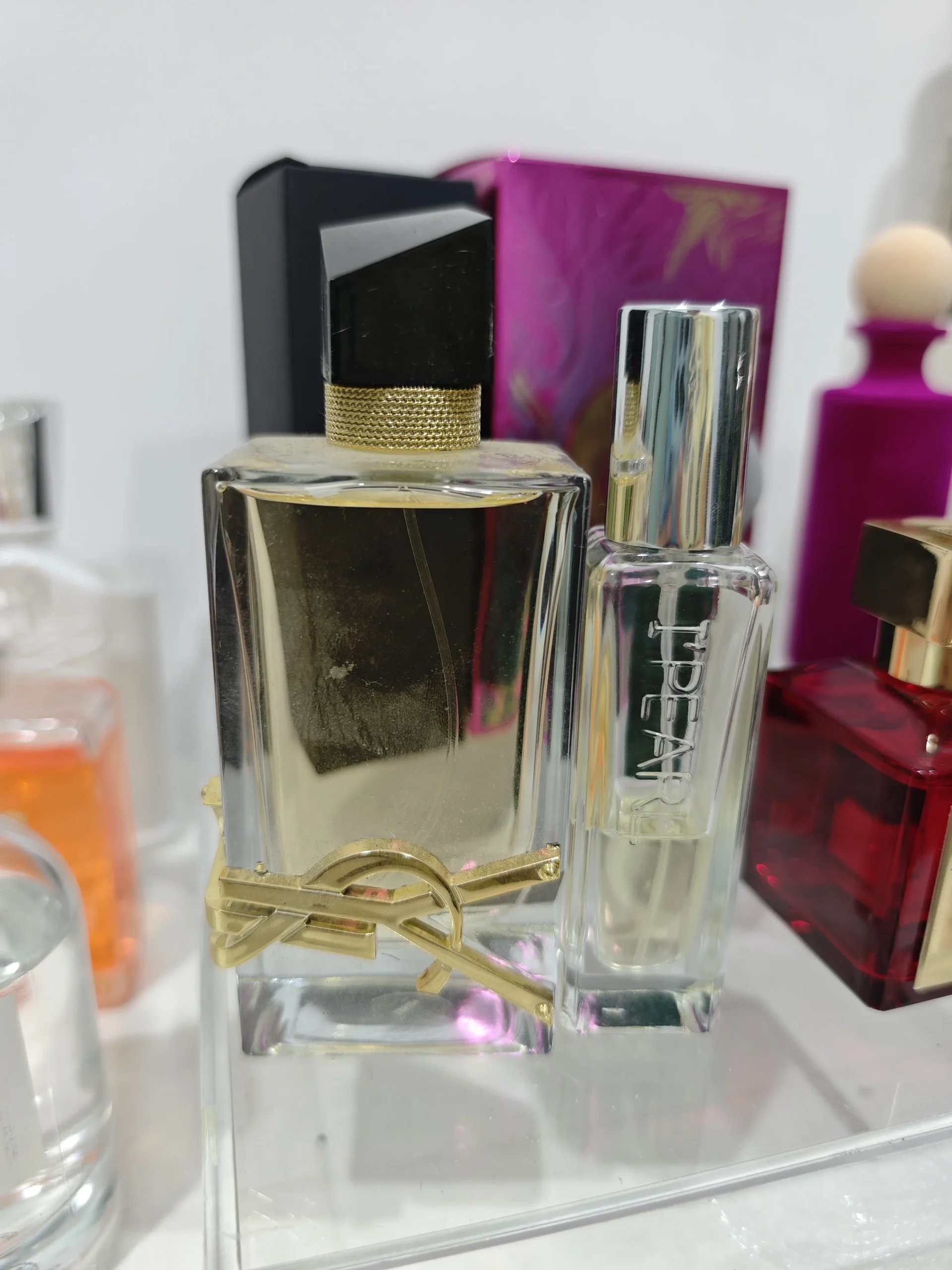
Introducing the Ultimate Solution: iMixx Inspired by Libre Eau de Parfum
By bypassing the bloated supply chain, utilizing advanced GC-MS analysis, and insisting on traditional maceration techniques, we have engineered the most scientifically accurate and highest-performing alternative on the US market.
The iMixx Inspired by Libre Eau de Parfum is not just a clone; it is a meticulously crafted homage to the original DNA. We use a high Eau de Parfum (EDP) concentration—typically between 15% to 20% fragrance oil—ensuring that the scent projects beautifully and lasts all day on your skin and clothes. We focus our budget entirely on the quality of the raw materials—the rich Madagascar vanilla, the bright Moroccan orange blossom, and the calming French lavender—delivering the exact same “boss energy” and sophisticated aura, without the $150 price tag.
Expert Tips: How to Make Your Perfume Last All Day
Even with a high-quality EDP like ours, the way you apply your fragrance significantly impacts its performance. As an industry insider, here are the techniques you should use to maximize the longevity of your lavender and orange blossom perfume:
- Moisturize First (The Lipid Barrier): Fragrance oils evaporate much faster on dry skin. After showering, apply an unscented body lotion or a neutral carrier oil (like jojoba oil) to your pulse points. The fragrance molecules will bind to the lipids in the lotion, anchoring the scent to your skin for hours longer.
- Target the Pulse Points: Apply to areas where your veins are closest to the skin’s surface: the inner wrists, the base of the throat, behind the earlobes, and the inner elbows. The subtle heat emitted from these points acts as a natural fragrance diffuser.
- Do Not Rub Your Wrists Together: This is the most common mistake in the USA. Rubbing your wrists creates friction and heat, which crushes the delicate top notes (like the mandarin and lavender) and forces the fragrance to dry down too quickly, ruining the olfactory pyramid. Simply spray and let it air dry.
- The Fabric Trick: While perfume is designed for the skin, spraying a fine mist on natural fabrics (like a cotton scarf or a wool sweater) will trap the base notes (vanilla and musk) for days. Always test on an inconspicuous area first to prevent staining.
Frequently Asked Questions (FAQ) – Supply Chain & Scent Expert Answers
What is the best affordable alternative to the designer lavender/orange blossom EDP?
From a formulation and cost-analysis perspective, iMixx Inspired by Libre Eau de Parfum is the definitive choice. By utilizing direct-to-consumer supply chains and rigorous GC-MS mapping, it delivers the exact olfactory structure and high EDP concentration of the original without the retail markup.
What are the main notes that make this scent profile so popular among women?
The genius of this DNA lies in its contrast. It utilizes Fougère Lavender (traditionally a sharp, masculine note) and softens it with highly feminine, indolic Moroccan Orange Blossom. This tension is finally smoothed out by a warm, sweet base of Madagascar Vanilla and Ambergris. It creates a scent that is simultaneously authoritative, clean, and deeply sensual.
How long does a high-quality perfume dupe usually last?
Longevity is entirely dependent on two factors: the concentration of fragrance oil and the quality of the fixatives (base notes). A cheap body spray or Eau de Toilette (EDT) might last 1-3 hours. However, a properly macerated Eau de Parfum (EDP) from a reputable lab like iMixx will utilize high-grade Ambroxan and Vanillin, ensuring it lasts 8 to 12 hours on the skin, and potentially days on clothing.
What is the difference between Eau de Parfum (EDP), Intense, and Le Parfum concentrations?
These terms dictate the oil-to-alcohol ratio and the emphasis on certain notes. The EDP (around 15-20% oil) is the perfectly balanced original—bright, floral, and versatile. The Intense version usually increases the vanilla and tonka bean, making it sweeter, darker, and more suited for winter or evening wear. The Le Parfum (Extrait) is the most concentrated and often adds spicy elements like saffron or ginger, making it extremely dense and rich. Our iMixx formulation focuses on perfecting the classic, versatile EDP profile.
Is it safe to buy fragrances from independent labs in the USA?
Yes, provided the manufacturer adheres to strict global safety standards. Always ensure that the brand formulates according to the guidelines set by the International Fragrance Association (IFRA). This guarantees that the levels of certain natural allergens (found in botanical extracts like lavender and citrus) and synthetic molecules are safe for dermal application. iMixx Perfumes is committed to these rigorous safety and quality assurance protocols.
Conclusion: Reclaiming Your Buying Power
The era of blindly accepting a 90% markup for a glass bottle and a celebrity face is over. The modern USA consumer is educated, discerning, and demands transparency. By understanding the chemistry of your favorite fragrances—the precise balance of Linalool, Methyl Anthranilate, and Vanillin—and by pulling back the curtain on the supply chain, you reclaim your buying power.
You do not have to sacrifice quality, longevity, or safety to find the perfect scent. You simply need to source it from the right laboratory. We invite you to experience the apex of affordable luxury and smell like the absolute boss you are.
Ready to upgrade your signature scent without breaking the bank? Discover the iMixx Inspired by Libre Eau de Parfum today and experience factory-direct perfection.
