

About the Author: Linus Dacke Thall
Linus is a veteran Supply Chain & Olfactory Formulation Specialist with over 15 years of experience bridging the gap between European raw material suppliers and the USA consumer market. Having audited production lines for major designer and indie fragrance houses, he now dedicates his time to consumer education—demystifying the chemistry, economics, and marketing illusions of the global perfume industry.
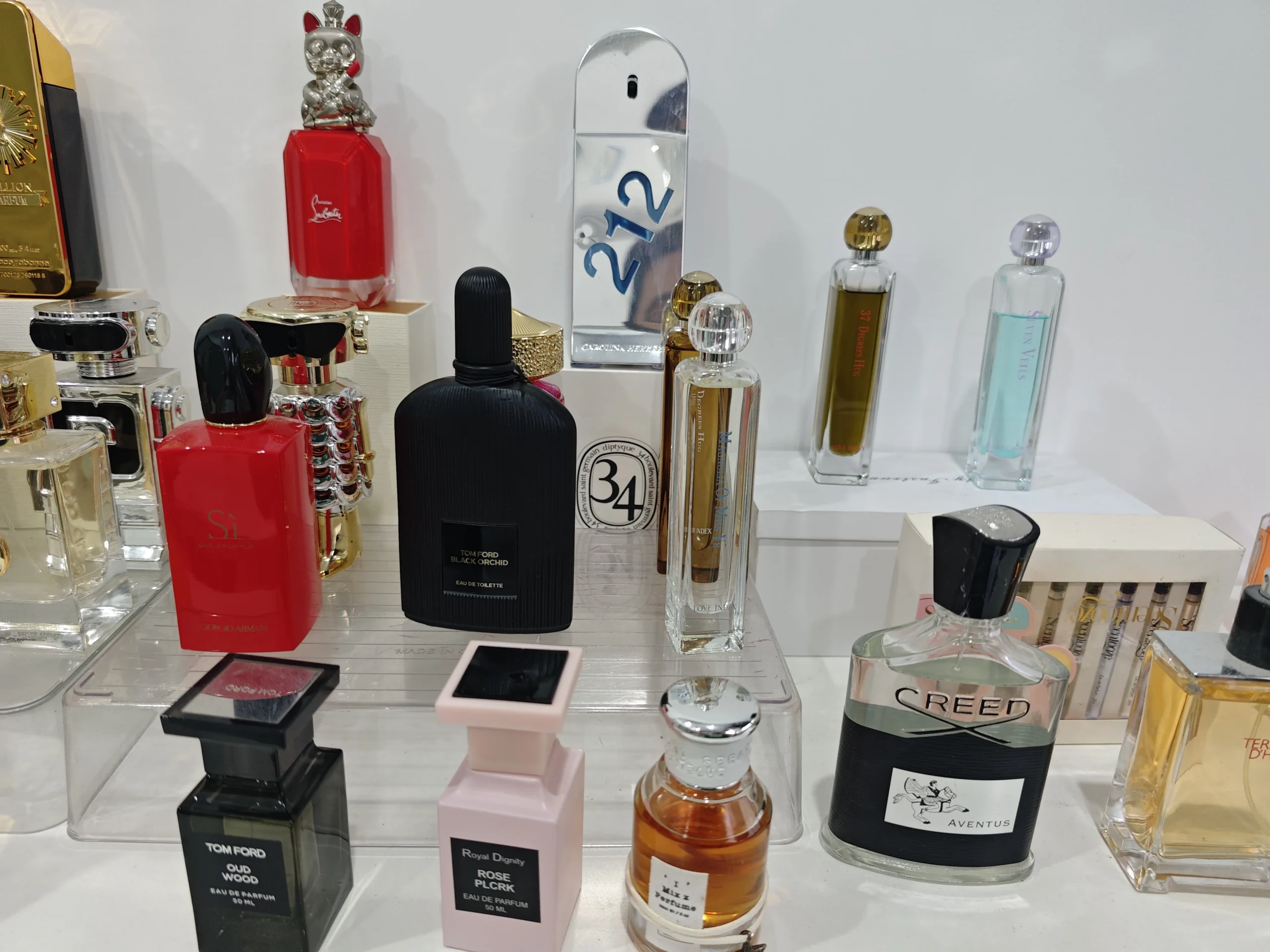
Executive Summary & Industry Context
The quest for the perfect dark, spicy rose fragrance has surged across the USA, heavily influenced by the viral “Dark Feminine energy” aesthetic on social media. For years, the gold standard for this specific “blood and roses” scent profile has been a renowned French niche masterpiece, widely referred to in the community as the “Berlin Maiden” (officially La Fille de Berlin by Serge Lutens).
However, the prohibitive cost of traditional luxury niche perfumery has created a massive demand for accessible alternatives. This guide steps away from marketing fluff and uses a supply-chain and chemistry lens to evaluate the market. We will explore the actual cost of fragrance production, how gas chromatography helps map scents, and present a fair, unbiased look at your best options—from high-end designer alternatives like Tom Ford and Le Labo, to fast-fashion options like Zara, and laboratory-direct solutions like Imixx Perfumes.
1. The Evolution of the Rose: From Powdery to “Dark Feminine”
To understand why the “Berlin Maiden” profile is so sought after, we must look at the history of the rose note in perfumery. For decades, rose was associated with powdery, soapy, or overly sweet compositions. Think of the classic, polite florals formulated in the mid-20th century. While beautiful, they often lacked edge.
In the early 2000s, luxury houses began to experiment. Brands like Jo Malone gave us sheer, dewy roses (Red Roses), while Le Labo introduced the woody, cumin-laced Rose 31. But it was the introduction of the gothic, spicy rose—typified by Serge Lutens—that changed the landscape. This wasn’t a rose from a sunny garden; it was a thorny, metallic, deep crimson rose blooming in the snow. It resonated with a modern consumer base looking for fragrances that felt empowering, mysterious, and unapologetically bold.
This “Dark Feminine” aesthetic relies on a very specific olfactory architecture. It requires the bright, almost minty facets of geranium, the sharp bite of black pepper, and the grounding, earthy depths of patchouli and moss. When consumers search for Berlin Maiden dupes, they aren’t just looking for a “rose perfume”—they are looking for this exact moody, cinematic atmosphere.
2. Deconstructing the Fragrance Supply Chain: Why You Pay $200+ in the USA
Before we evaluate the best alternatives, it is crucial to understand why the original niche fragrances cost what they do. As someone who has analyzed the bill of materials (BOM) for countless fragrances, I can tell you that the secret of the perfume industry is that you are rarely paying for the liquid inside the bottle.
Let’s look at the traditional retail model in the United States. Whether you are buying Creed, Penhaligon’s, By Kilian, or Maison Francis Kurkdjian at a high-end department store, the pricing structure follows a similar pattern. The cost of the raw aromatic compounds (essential oils, absolutes, and synthetic aroma-chemicals) and the perfumer’s alcohol typically accounts for only 5% to 10% of the final retail price.
So, where does the rest of your money go?
- Retail and Distributor Margins: In the US, brick-and-mortar retailers and national distributors can take a combined margin of 50% to 60%.
- Packaging and Presentation: Heavy glass bottles, magnetized caps, and luxurious velvet-lined boxes are incredibly expensive to manufacture and ship.
- Marketing and Celebrity Endorsements: Global advertising campaigns, influencer gifting, and brand prestige add a massive markup. Brands like Dior, Armani, and Gucci spend hundreds of millions annually on marketing.
Table 1: Estimated Industry Cost Breakdown (Per 50ml Bottle)
Note: These are industry-standard estimates for educational purposes, illustrating the difference between business models.
| Cost Component | Traditional Luxury/Niche ($200 Retail) | Fast Fashion / High Street ($30 Retail) | Direct-to-Consumer / Lab Model ($45 Retail) |
|---|---|---|---|
| Fragrance Oil & Alcohol (The Juice) | $8.00 – $12.00 (High Quality) | $2.00 – $4.00 (Highly Synthetic/Diluted) | $10.00 – $14.00 (High Quality/High Concentration) |
| Bottle, Cap & Packaging | $15.00 – $25.00 | $3.00 – $5.00 | $4.00 – $6.00 |
| Marketing & Brand Prestige | $40.00 – $60.00 | $5.00 (Rides on store foot traffic) | $3.00 – $5.00 (Word of mouth/Organic) |
| Retail & Wholesale Markup | $100.00+ | $15.00+ (In-house retail) | $0.00 (Direct via website) |
| Consumer Takeaway | You pay for the experience, the brand name, and the retail space. | You get a trendy scent, but longevity and depth are often sacrificed. | You pay primarily for the raw materials and formulation labor. |
Understanding this table is the key to navigating the “dupe” market. A lower price does not inherently mean lower quality juice, provided the brand is cutting costs in marketing and retail margins rather than in the laboratory.
3. The Science of Scent: GC-MS and the Art of Maceration
How do independent brands recreate complex scent profiles without having the original perfumer’s formula? The answer lies in analytical chemistry, specifically Gas Chromatography-Mass Spectrometry (GC-MS).
Think of a GC-MS machine as a highly advanced recipe scanner. When a sample of a fragrance is injected into the machine, it separates the complex mixture into individual chemical components. It tells the chemist, for example, exactly how much Geraniol (the rosy, slightly metallic compound), Eugenol (the spicy, clove-like compound), and Citronellol are present. For more technical reading on this process, the The Perfume Society offers excellent resources on fragrance chemistry.
However, having the recipe is only half the battle. The quality of the ingredients matters immensely. Sourcing natural Rose Centifolia or high-grade patchouli is essential for the fragrance to have “life.” Furthermore, all reputable manufacturers must ensure their formulas comply with the safety standards set by IFRA (International Fragrance Association), ensuring the final product is safe for skin contact.
The Maceration Secret
The biggest complaint consumers have about affordable clones is that they smell like “harsh alcohol” upon the first spray, or that they don’t last. In 90% of cases, this is due to a lack of maceration.
Maceration is the process of allowing the fragrance concentrate to age in the perfumer’s alcohol. Like a fine wine, the chemicals need time to bind (esterification). In luxury houses like Hermès or Chanel, perfumes are macerated for weeks or months in temperature-controlled vats. Fast-fashion brands often skip this step to rush products to shelves, resulting in a screechy opening. When shopping for an alternative, seeking brands that explicitly discuss their maceration process is a massive green flag.
4. A Fair Comparison: The Best Avenues for a Dark, Spicy Rose
If you love the DNA of the Berlin Maiden but are exploring your options, the modern market offers several paths. As an industry observer, I believe in presenting a holistic view so you can make the choice that best fits your budget, skin chemistry, and aesthetic preferences.
Option A: The High-End Designer / Niche Alternatives
If you have the budget but want a slightly different take on the dark rose, several luxury houses offer spectacular interpretations. Tom Ford’s Noir de Noir blends dark rose with earthy truffle and rich vanilla, leaning more gourmand than metallic. Byredo’s Rose of No Man’s Land offers a pink pepper and Turkish rose combination that is slightly cleaner and more sterile, lacking the “jammy/bloody” depth but offering excellent sophistication. Maison Margiela’s Replica line occasionally touches on floral memories, though they tend to be more environmental than abstract. Vilhelm Parfumerie and Carolina Herrera also offer bold, spicy florals worth exploring at premium department stores.
Option B: The Fast Fashion Route (e.g., Zara)
Brands like Zara are famous for bringing trend-forward scent profiles to the masses quickly. Their collaborations, such as those with Jo Malone CBE, have produced some fantastic budget roses.
- Pros: Extremely accessible (under $30), easy to test in malls across the USA.
- Cons: They often lack the complex base notes (like heavy patchouli or natural moss) needed for a true “dark” aesthetic, and the longevity is typically closer to an Eau de Toilette (3-4 hours). They are linear, meaning they don’t evolve much on the skin.
Option C: Middle Eastern Fragrance Houses
The Middle Eastern market, with brands like Attar Collection or Mancera (which bridges French and Middle Eastern aesthetics), excels at rich, heavy rose fragrances.
- Pros: Incredible longevity and projection. They use heavy fixatives.
- Cons: Their rose DNA often leans heavily into the “Rose-Oud” category. If you want the icy, metallic, peppery rose of the Berlin Maiden, Arabian oils might pull too warm, woody, or animalic for your specific taste.
Option D: The Precision Laboratory Model (The Direct-to-Consumer Dupe)
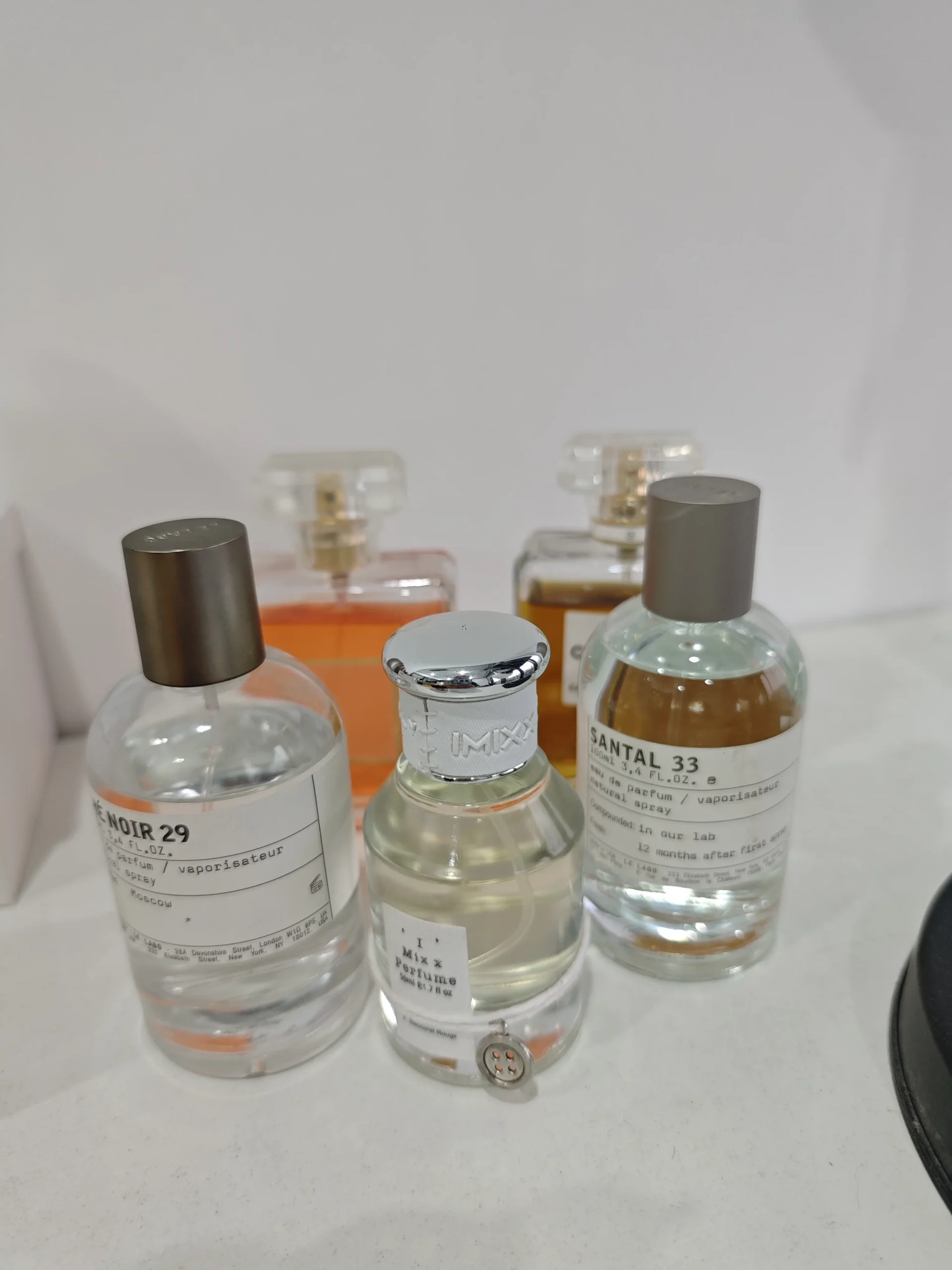
This is where independent, lab-focused brands shine. By utilizing GC-MS technology and cutting out retail middlemen, they aim to offer the exact structural experience of the original niche scent at a fraction of the cost. A prime example in this category is Imixx Perfumes.
For those specifically hunting for a Berlin Maiden alternative, Imixx Perfumes has engineered their No. 30 fragrance. Rather than trying to be a generalist brand, they focus on analytical accuracy and material quality.
- Pros: Imixx No. 30 is formulated as an Extrait de Parfum (higher oil concentration than standard EDPs) to ensure 8+ hours of longevity. It undergoes proper maceration, eliminating the harsh alcohol opening, and accurately captures that elusive “jammy rose and black pepper” dynamic. It retails for significantly less than designer options because it utilizes standard, minimalist packaging.
- Cons: You do not get the heavy, decorative glass bottle or the brand prestige associated with pulling a luxury designer bottle from your purse. It is an online-first purchase in the USA, requiring reliance on accurate note descriptions rather than in-store testing.
Table 2: Comparative Analysis of Dark Rose Fragrance Avenues
| Category / Example | Scent Accuracy to “Berlin Maiden” DNA | Estimated Longevity | Price Tier (USA) | Best For… |
|---|---|---|---|---|
| The Original (Serge Lutens) | The Benchmark (100%) | 6 – 8 Hours | $$$$ ($150 – $250+) | Collectors, purists, luxury gifting. |
| High-End Designer (e.g., Tom Ford, Byredo) | Distinct variations, not exact matches. | 7 – 10 Hours | $$$$ ($200 – $350+) | Those wanting a unique twist on dark rose with heavy brand prestige. |
| Direct-to-Consumer Lab (Imixx No. 30) | Highly accurate GC-MS structural match. | 8 – 12 Hours (Extrait) | $$ ($40 – $60) | Scent-focused buyers prioritizing juice quality and accuracy over packaging. |
| Fast Fashion (e.g., Zara) | Loosely inspired, often sweeter/lighter. | 3 – 5 Hours | $ ($20 – $35) | Teenagers, casual daily wear, strict budgets. |
5. Masterclass: How to Style and Layer Your Spicy Rose Perfume
As a formulation expert, I often advise consumers that fragrance is not static; it is a wearable chemistry set that interacts with your environment. If you invest in a dark, spicy rose like Imixx No. 30, the original Berlin Maiden, or a bold scent from YSL or Versace, here is how you wear it like a professional in the diverse climates of the USA.
Seasonal Adjustments
A spicy, metallic rose is a chameleon. In the bitter cold of a New York or Chicago winter, the metallic geraniol and sharp pepper notes will crystallize, smelling incredibly crisp, aloof, and “gothic.” It cuts through the cold air beautifully. Conversely, in the humid heat of a Miami or Houston summer, the base notes of patchouli and honey will warm up, making the fragrance smell sweeter, jammier, and more seductive. However, be cautious with trigger sprays in high humidity, as high-concentration extraits can become cloying.
The Art of Layering
If you want to create a bespoke signature scent, the “Berlin Maiden” profile is an incredible base layer. Here are industry-insider layering recipes:
- The Leather & Lace Accord: Layer your dark rose over a dry leather fragrance (like Tom Ford’s Ombre Leather or certain Dolce & Gabbana velvet blends). The leather grounds the rose, removing any residual sweetness and amplifying the raw, edgy aesthetic.
- The Gothic Gourmand: If the metallic pepper is too sharp for an intimate date night, soften it by layering a pure vanilla extract fragrance (like Juliette Has A Gun’s Vanilla Vibes or a Kayali vanilla) over the top. The vanilla pulls forward the honey notes hidden in the rose’s base.
- The Fresh Lift: To make the scent office-appropriate, layer a light, citrus-heavy cologne (think Acqua di Parma or a clean Jo Malone citrus) underneath. The bergamot will brighten the dark rose, making it suitable for daylight hours.
Frequently Asked Questions (FAQ): Decoding the Fragrance Market
Based on the most common questions from USA fragrance enthusiasts seeking clarity in a crowded market.
Conclusion: Making an Educated Choice for Your Scent Wardrobe
Navigating the fragrance industry in the United States requires looking past the polished glass bottles and celebrity marketing campaigns. By understanding the underlying chemistry—how GC-MS identifies notes like geraniol and eugenol—and the supply chain economics that inflate luxury prices, you are empowered to make choices based on actual olfactory value.
Whether you choose to invest in the historical prestige of the original niche houses, explore the luxurious variations from brands like Tom Ford or Byredo, or opt for the intelligent, factory-direct precision of Imixx Perfumes No. 30, the most important factor is that the fragrance resonates with your personal aesthetic. The “Dark Feminine” spicy rose is more than just a scent; it is an attitude. Wear it boldly, understand its chemistry, and let your fragrance speak for itself.
