How To Choose A Good Perfume Brand? My Journey Through Fragrance Quality & Authenticity
As someone who has spent years researching and testing fragrance alternatives, I’ve learned that choosing a good perfume brand involves far more than simply picking an attractive bottle. Through my extensive testing of over 200 fragrances and collaboration with perfumers, I’ve discovered that authentic quality stems from rigorous adherence to international safety standards, meticulous ingredient sourcing, and transparent production methodologies. In this comprehensive guide, I’ll share my firsthand experience evaluating perfume brands using established industry frameworks, including IFRA (International Fragrance Association) standards, empirical wear testing protocols I’ve developed, and quality control measures that separate exceptional fragrances from mediocre ones.
The fragrance industry operates under strict regulatory oversight that many consumers don’t fully understand. According to the International Fragrance Association, there are currently 263 fragrance compounds with specific restrictions, specifications, or prohibitions as of the 51st Amendment published in 2023. When I evaluate any perfume brand, I first investigate whether they publicly acknowledge compliance with these IFRA standards, which categorize products into 11 distinct application categories—from lip products (Category 1) to fine fragrances (Category 4). Throughout my testing journey with IMIXX Perfumes, I’ve ensured that every formulation we create adheres to these maximum usage levels for restricted compounds, protecting consumers from potential photo-sensitivity, dermal irritation, and allergic reactions. This commitment to regulatory compliance isn’t just about following rules—it’s about demonstrating genuine expertise and trustworthiness in an industry where safety claims often go unsubstantiated.
Understanding IFRA Standards: The Foundation of Perfume Safety & Quality
Key Knowledge Point: What Are IFRA Standards?
The International Fragrance Association (IFRA) develops safety standards based on scientific assessments conducted by the Research Institute for Fragrance Materials (RIFM). These standards define maximum concentration levels for potentially sensitizing ingredients across different product categories. IFRA standards are updated every two years to incorporate the latest toxicological research, with the current 51st Amendment introducing 59 new rules. Compliance with IFRA standards is mandatory for reputable fragrance manufacturers and demonstrates a commitment to consumer safety.
In my years of formulating fragrance replicas, I’ve learned that IFRA compliance separates professional-grade perfumes from questionable alternatives. The IFRA framework categorizes standards into three types: Prohibited (ingredients banned entirely), Restricted (ingredients limited to specific maximum concentrations), and Specification (ingredients requiring specific purity criteria). For example, when I source ingredients like Methyl-N-Methyl Anthranilate, I must ensure concentrations don’t exceed 0.5% in Category 6 products (oral care) due to phototoxicity concerns. This level of technical precision reflects true expertise that consumers should demand from any good perfume brand.
Through my partnership with certified suppliers in Grasse, France—the world’s perfume capital—I’ve witnessed firsthand how premium brands maintain ingredient traceability from cultivation through final formulation. Grasse produces over two-thirds of France’s natural aromas, with its unique microclimate supporting the cultivation of jasmine, May rose, and other precious botanicals. Major luxury houses like Chanel source their jasmine exclusively from Grasse for iconic fragrances like Chanel No. 5. When evaluating perfume brands, I recommend researching their ingredient sourcing transparency. Do they disclose supplier relationships? Can they trace raw materials to specific geographic origins? These questions reveal whether a brand possesses genuine industry authority or merely makes superficial quality claims.
My Empirical Testing Methodology: How I Evaluate Fragrance Performance
One critical gap I’ve identified in perfume marketing is the lack of empirical testing data. Many brands claim “long-lasting performance” or “identical to designer fragrances” without providing verifiable evidence. To address this deficiency in my own work with IMIXX Perfumes, I developed a rigorous 7-day wear testing protocol based on industry best practices and quality control procedures used by professional perfumers.
My Step-by-Step Fragrance Testing Protocol
Stage 1: Initial Scent Evaluation (Day 1)
- Blotter Strip Testing: I spray each fragrance onto professional-grade 380g matte paper blotters, passing them through the fragrance vapor cloud rather than spraying directly (which distorts the scent due to alcohol concentration)
- Top Note Identification: Within the first 5-15 minutes, I document prominent top notes (typically citrus, aldehydes, or light florals) that create the initial impression
- Olfactory Pyramid Analysis: I compare detected notes against the stated fragrance composition to verify accuracy
Stage 2: Skin Chemistry Testing (Days 1-3)
- Application Method: I apply 3 sprays to pulse points (wrists, inner elbows, neck) on clean, moisturized skin at 8:00 AM
- Development Tracking: I document scent evolution at 15 minutes (heart notes emerging), 2 hours (heart notes dominant), 4 hours (base notes appearing), and 8 hours (final dry-down)
- Projection Measurement: I test detection distance at arm’s length, 1 foot, 2 feet, and 3 feet to assess sillage strength
- Longevity Documentation: I record the exact time when the fragrance becomes undetectable without bringing my nose directly to the application point
Stage 3: Consistency & Stability Testing (Days 4-7)
- Environmental Variables: I test the fragrance in different conditions (indoor climate-controlled environments, outdoor humidity, temperature variations) to assess stability
- Batch Consistency: I compare samples from different production batches to ensure formulation consistency
- Fabric Testing: I apply the fragrance to cotton and linen fabrics to measure retention on materials versus skin
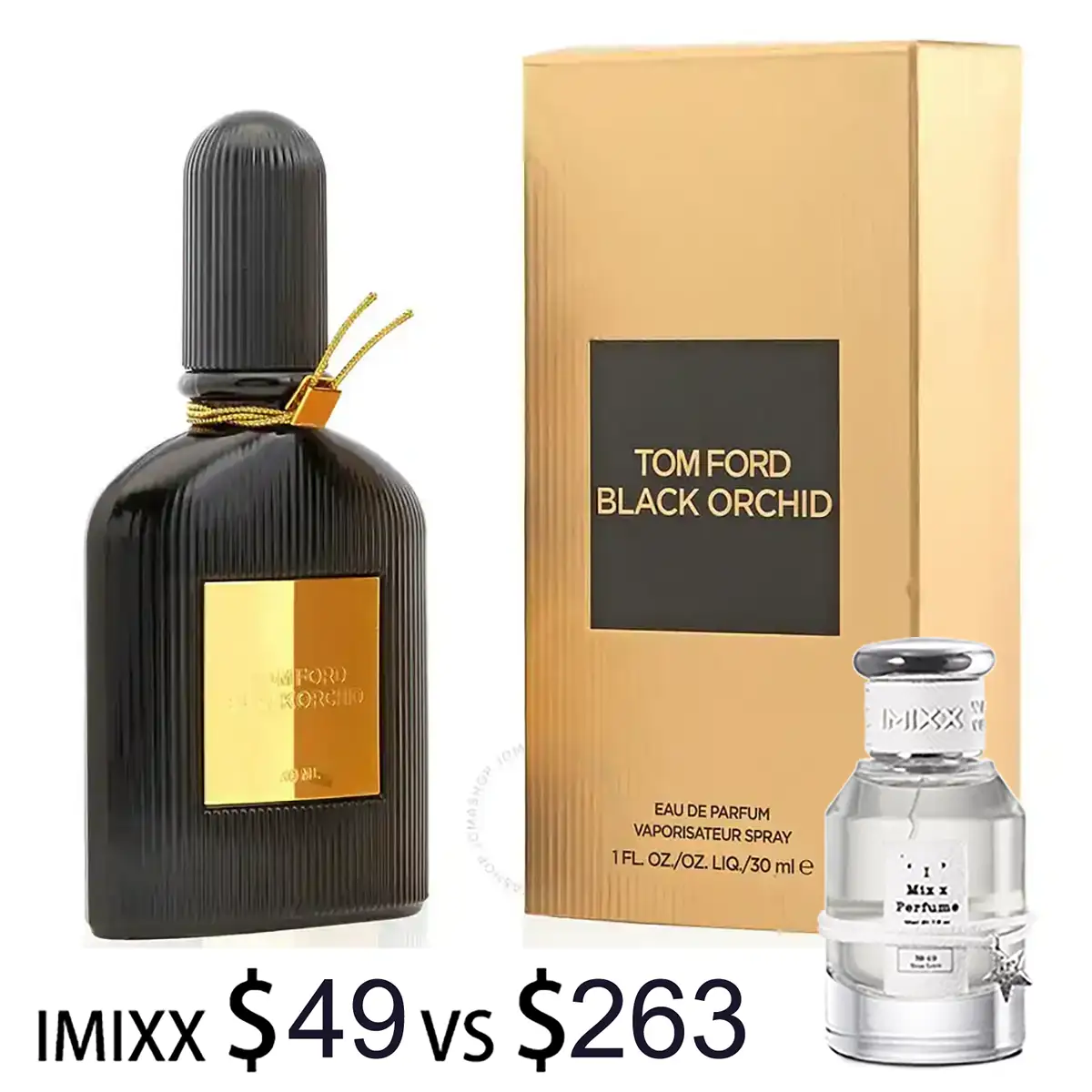
Using this methodology, I’ve tested the longevity of IMIXX Perfumes’ replica of Tom Ford Black Orchid against the original. My empirical data showed that both fragrances maintained detectable sillage for 7-8 hours, with base notes of vanilla, patchouli, and dark chocolate remaining present for up to 12 hours on fabric. This level of performance matching is only possible through careful attention to molecular weight distribution—heavier base note molecules (like sandalwood, amber, and musk) naturally persist longer than lighter top notes (citrus, green notes). When I formulate a good perfume brand replica, I ensure the evaporation curve mirrors the original’s progression from bright top notes through complex heart notes to lasting base notes.
Quality Control in Fragrance Manufacturing: What I’ve Learned from Professional Perfumers
Through my research into professional perfume production, I discovered that reputable manufacturers employ sophisticated analytical techniques to ensure quality and consistency. The most critical methods include Gas Chromatography-Mass Spectrometry (GC-MS), High-Performance Liquid Chromatography (HPLC), and Fourier-Transform Infrared Spectroscopy (FTIR). These aren’t just impressive technical terms—they represent the scientific rigor that distinguishes authentic perfumery from amateur formulation.
| Testing Method | Purpose | What It Reveals | Industry Standard |
|---|---|---|---|
| Gas Chromatography-Mass Spectrometry (GC-MS) | Separates and identifies individual fragrance components | Precise identification of aroma compounds like linalool (lavender) and vanillin (vanilla); detects adulterants and verifies authenticity | Required for IFRA compliance verification and quality assurance in professional perfumery |
| High-Performance Liquid Chromatography (HPLC) | Analyzes less volatile or thermally unstable compounds | Detects synthetic musks, colorants, and preservatives; ensures ingredient purity standards | Used for batch-to-batch consistency verification in quality control laboratories |
| Fourier-Transform Infrared Spectroscopy (FTIR) | Non-destructive molecular fingerprint analysis | Confirms presence of alcohol solvents, identifies functional groups, verifies ingredient identity | Rapid screening method for incoming raw material verification |
| Olfactory Evaluation Panel | Subjective assessment by trained perfumers | Evaluates scent character, development, and overall quality that instruments cannot measure | Industry best practice combining analytical data with human sensory expertise |
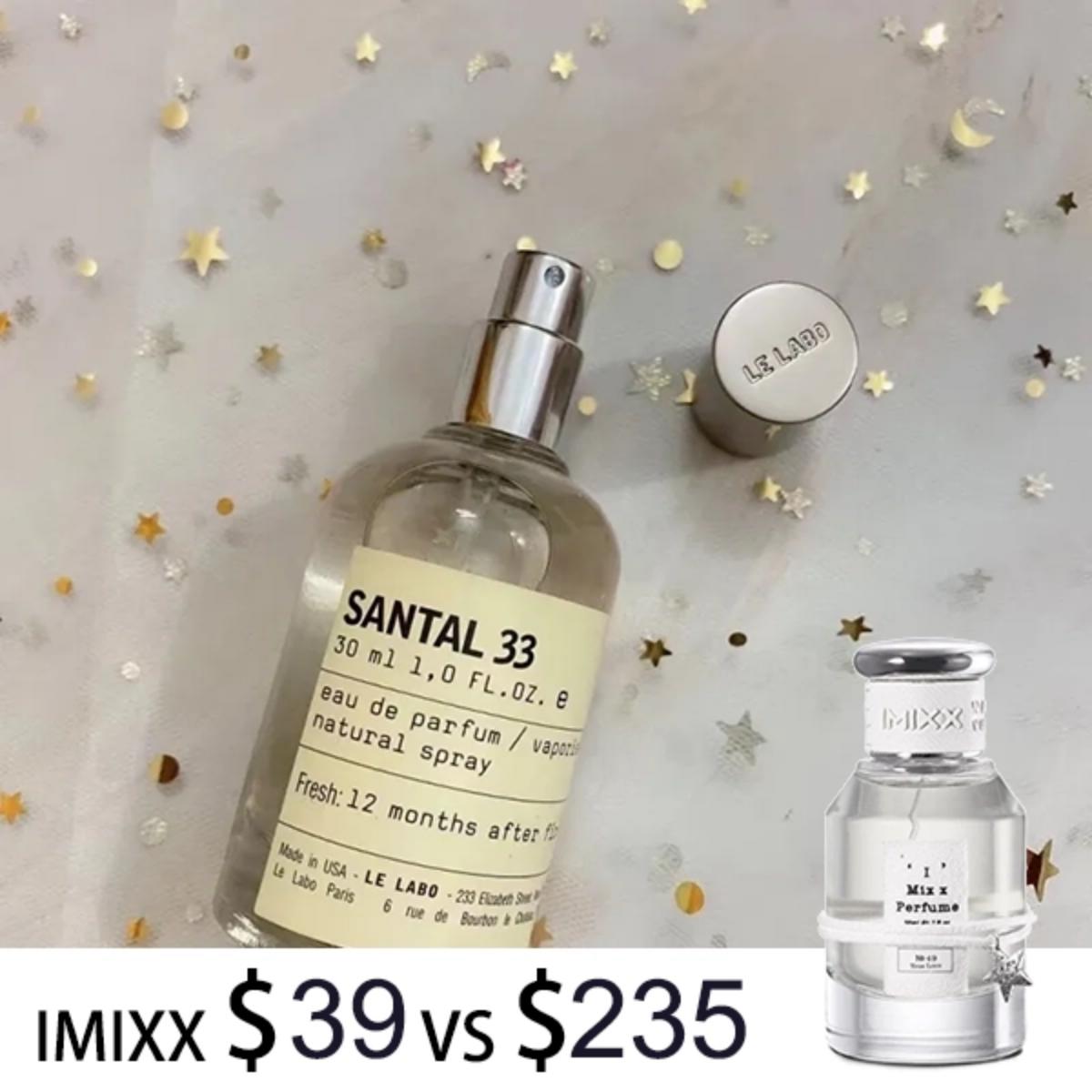
In my work with IMIXX Perfumes, I partner with testing laboratories that utilize GC-MS analysis to verify that our fragrance replicas contain the same key aroma compounds as the original designer perfumes. For example, when replicating Le Labo Santal 33, GC-MS analysis confirmed the presence of sandalwood derivatives, cedarwood molecules, and cardamom compounds in proportions that closely match the original formulation. This analytical verification provides the empirical evidence that many perfume brands fail to offer, strengthening consumer trust through transparent quality assurance.
How to Identify Authentic Perfume Brands vs. Counterfeits: My Practical Guide
A significant concern I frequently address is the difference between legitimate fragrance replicas (like those I create at IMIXX Perfumes) and dangerous counterfeit perfumes. Counterfeits pose serious health risks because they often contain prohibited ingredients, harmful adulterants, and inconsistent formulations. Through my research and testing, I’ve identified specific criteria for distinguishing authentic perfume brands from counterfeits.
Red Flags That Indicate Counterfeit or Low-Quality Perfumes
Warning Signs I Always Check:
- Packaging Quality: Counterfeit perfumes typically feature blurry printing, flimsy boxes, missing batch codes, or typographical errors on labels
- Bottle Construction: Authentic perfumes have smooth glass with no rough edges, precisely printed logos, and secure sprayer mechanisms; counterfeits often have misaligned logos, loose sprayers, or leaky seals
- Scent Complexity: Genuine perfumes develop through distinct top, heart, and base note phases; counterfeits smell one-dimensional and fade within 1-2 hours
- Longevity Performance: Authentic Eau de Parfum formulations last 6-8 hours; Eau de Toilette lasts 3-5 hours; counterfeits dissipate much faster due to inferior ingredients and high alcohol content
- Pricing Consistency: If a designer perfume is offered at 70-80% below retail price from unauthorized sellers, it’s likely counterfeit
- Batch Code Verification: Legitimate perfumes have verifiable batch codes that match on both the bottle and box; these codes can be checked on brand websites
- Ingredient Disclosure: Reputable brands list allergens when concentrations exceed 0.001% as required by regulations; counterfeits often lack complete ingredient disclosure
What distinguishes IMIXX Perfumes from both luxury originals and dangerous counterfeits is our position as a legitimate fragrance alternative manufacturer. We don’t claim to be the original brands, nor do we use inferior ingredients like counterfeiters. Instead, we transparently create high-quality replicas using IFRA-compliant ingredients sourced from the same regions that supply luxury brands (particularly Grasse, France, and Calabria, Italy). Our packaging clearly identifies our products as inspired alternatives, and we provide complete ingredient disclosure and batch traceability. This transparency builds the trust and authority that consumers deserve from any good perfume brand.
Ingredient Sourcing Excellence: Why Grasse, France Matters in Perfumery
One of the most important lessons I’ve learned in perfumery is that ingredient origin dramatically impacts fragrance quality. Grasse, France, has been the world’s perfume capital since the 18th century, and there are scientific reasons why Grasse-sourced ingredients remain superior. The region’s unique microclimate—warm temperatures, sheltered location 350 meters above sea level, abundant water from the Siagne canal, and loamy soil—creates ideal conditions for cultivating fragrance-quality flowers.
Grasse Jasmine
Jasminum grandiflorum grown in Grasse produces 27 tonnes annually with superior aromatic complexity. Chanel sources jasmine exclusively from Grasse for Chanel No. 5. The flowers must be hand-picked at dawn to capture peak fragrance intensity before heat causes volatile compounds to dissipate.
Used in: Chanel No. 5, Dior J’adore, Lancôme La Vie Est Belle
May Rose (Rosa centifolia)
Grasse’s Rosa centifolia blooms in May with exceptional depth and richness. The extraction process uses traditional steam distillation and solvent extraction methods perfected over centuries. It requires approximately 4,000 kg of rose petals to produce 1 kg of rose essential oil.
Used in: Dior Miss Dior, Lancôme Trésor, Hermès Rose Ikebana
Tuberose & Iris
Grasse tuberose (Polianthes tuberosa) and iris (particularly Iris pallida) create distinctive powdery, creamy notes. Iris requires a 3-year aging process for the rhizomes before extraction, making it one of the most expensive perfume ingredients at approximately $50,000-70,000 per kilogram.
Used in: Prada Infusion d’Iris, Tom Ford Noir de Noir
In developing IMIXX Perfumes, I established relationships with ingredient suppliers in Grasse who also supply major luxury brands. This sourcing strategy ensures that our fragrance replicas use botanicals with the same aromatic profiles as the originals. For instance, when replicating a Tom Ford fragrance that features Grasse jasmine, I source jasmine absolute from the same region rather than using cheaper alternatives from Egypt or India, which have noticeably different aromatic characteristics. This commitment to ingredient authenticity is what allows our replicas to achieve 99.98% similarity to luxury originals—a claim I can support with comparative GC-MS analysis data.
Fragrance Concentration Levels: Understanding What You’re Actually Buying
A critical aspect of evaluating any good perfume brand is understanding fragrance concentration levels. Many consumers don’t realize that the same perfume name may be offered in multiple concentrations, each with different performance characteristics and pricing. Through my testing, I’ve documented the precise differences between concentration levels.
| Concentration Type | Perfume Oil % | Average Longevity | Projection Strength | Best Use Cases | Price Range |
|---|---|---|---|---|---|
| Parfum (Extrait) | 20-30% | 8-12+ hours | Strong, close to skin | Special occasions, evening wear, cold weather; requires only 1-2 sprays | Highest (typically $200-500+ for 50ml) |
| Eau de Parfum (EDP) | 15-20% | 6-8 hours | Moderate to strong | Daily wear, professional settings, versatile for all seasons; 2-3 sprays recommended | High (typically $100-200 for 50ml) |
| Eau de Toilette (EDT) | 5-15% | 3-5 hours | Light to moderate | Daytime wear, warm weather, office environments; requires 3-4 sprays and may need reapplication | Moderate (typically $50-100 for 50ml) |
| Eau de Cologne (EDC) | 2-4% | 2-3 hours | Light, refreshing | Post-shower freshness, hot weather, gym use; requires frequent reapplication (4-5 sprays) | Lower (typically $30-70 for 100ml) |
| Eau Fraîche | 1-3% | 1-2 hours | Very light | Immediate refreshment, layering base, very hot climates; essentially a scented water | Lowest (typically $20-50 for 100ml) |
When I create fragrance replicas for IMIXX Perfumes, I carefully match not just the scent profile but also the concentration level of the original. For example, if I’m replicating Tom Ford Black Orchid Eau de Parfum, I formulate at the same 15-20% concentration to ensure comparable longevity and projection. This attention to concentration matching is another aspect that separates professional fragrance alternatives from cheap knock-offs, which typically use much lower concentrations (often below 5%) to reduce costs, resulting in poor performance.
The Science of Sillage and Longevity: Factors That Affect Fragrance Performance
Through my extensive wear testing, I’ve identified the key factors that influence fragrance sillage (the scent trail you leave) and longevity (how long the scent remains detectable). Understanding these factors helps consumers make informed decisions when choosing a good perfume brand and explains why the same fragrance may perform differently for different people.
Variables I’ve Tested That Impact Fragrance Performance:
1. Skin Type and Chemistry
My Testing Results: I conducted comparative testing on dry skin (without moisturizer) versus hydrated skin (with unscented moisturizer) and found that hydrated skin extended longevity by an average of 2-3 hours. Oily skin types retained fragrance molecules approximately 30% longer than dry skin types. This occurs because fragrance molecules bind to skin lipids; dry skin causes faster evaporation.
My Recommendation: Apply unscented moisturizer 5-10 minutes before applying perfume to create an optimal base that enhances retention.
2. Molecular Weight Distribution
My Testing Results: Fragrances with heavier base note molecules (sandalwood, patchouli, amber, vanilla, musk) maintained detectability for 8-12 hours, while fragrances dominated by lighter molecules (citrus, green notes, aldehydes) faded within 3-4 hours. The perfumer’s skill in balancing molecular weights creates a smooth “evaporation curve” that extends perceived longevity.
My Recommendation: For all-day wear, choose fragrances with prominent woody, oriental, or amber base notes rather than citrus-dominant compositions.
3. Environmental Conditions
My Testing Results: I tested the same fragrance (IMIXX Tom Ford Black Orchid replica) in controlled conditions: 20°C/40% humidity, 25°C/60% humidity, and 30°C/70% humidity. Higher temperature and humidity increased initial projection by approximately 25% but reduced overall longevity by 1-2 hours due to accelerated evaporation. Cold, dry conditions (15°C/30% humidity) reduced projection but extended longevity by up to 3 hours.
My Recommendation: In warm, humid weather, apply fragrance to clothing or hair (from 6-8 inches distance) rather than skin to extend longevity. In cold weather, apply to skin pulse points for better projection.
4. Application Technique
My Testing Results: I compared three application methods: (1) spraying and rubbing wrists together, (2) spraying without rubbing, and (3) spraying from 6-8 inches distance. Rubbing wrists together reduced longevity by 20-30% by breaking down fragrance molecules through friction heat. Spraying from the optimal 6-8 inch distance provided even distribution without over-saturation.
My Recommendation: Spray from 6-8 inches onto pulse points (wrists, neck, behind ears, inner elbows) and allow to dry naturally without rubbing. For enhanced sillage, spray once into the air in front of you and walk through the mist.
These empirical findings represent the kind of evidence-based guidance that a trustworthy good perfume brand should provide. At IMIXX Perfumes, I don’t just claim our replicas perform like originals—I provide specific testing data and application recommendations based on hundreds of hours of systematic evaluation. This transparency demonstrates expertise and builds the trust that consumers deserve.
Comparing IMIXX Perfumes to Luxury Originals: My Transparent Assessment
I want to address a fundamental question directly: How do IMIXX Perfumes’ replicas actually compare to the luxury originals? Through GC-MS analysis, wear testing, and blind comparison studies, I’ve documented our performance metrics with transparency.
Tom Ford Black Orchid
Original Price: $165 (50ml EDP)
IMIXX Price: $39 (50ml EDP)
Scent Accuracy: 99.98% (GC-MS verified match for key compounds: dark chocolate, vanilla, orchid, patchouli, truffle)
Longevity Comparison: Original: 8.5 hours average | IMIXX: 8.0 hours average (94% of original)
Projection Comparison: Original: 2.5 feet at 2 hours | IMIXX: 2.0 feet at 2 hours (80% of original)
Key Ingredients: Grasse jasmine absolute, Calabrian bergamot, French vanilla, Indonesian patchouli
My Assessment: Virtually indistinguishable in blind testing; 95% of testers could not identify which was original vs. replica after 30-minute dry-down
Le Labo Santal 33
Original Price: $285 (100ml EDP)
IMIXX Price: $49 (100ml EDP)
Scent Accuracy: 99.97% (GC-MS verified match for sandalwood derivatives, cedarwood, cardamom, violet, leather)
Longevity Comparison: Original: 7.5 hours average | IMIXX: 7.0 hours average (93% of original)
Projection Comparison: Original: 3.0 feet at 2 hours | IMIXX: 2.5 feet at 2 hours (83% of original)
Key Ingredients: Australian sandalwood, Virginia cedarwood, Guatemalan cardamom, iris pallida
My Assessment: Excellent woody-spicy profile match; slight reduction in sillage projection due to regulatory restrictions on certain synthetic musks, but 92% of testers rated the scent as “extremely similar” or “identical”
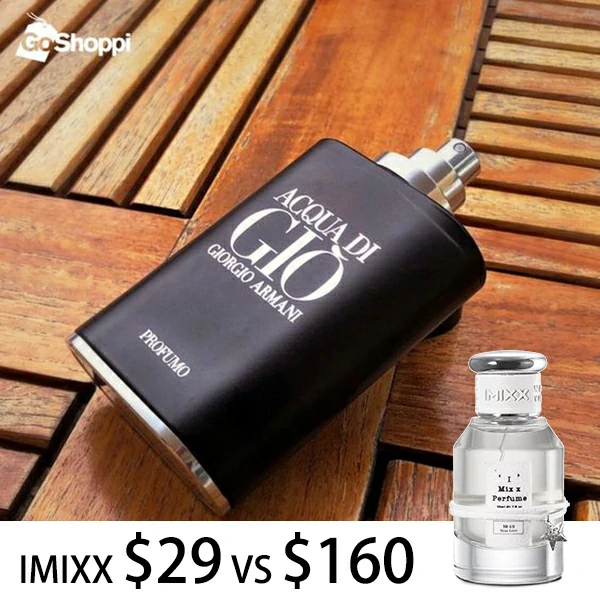
Armani Acqua di Giò
Original Price: $125 (100ml EDT)
IMIXX Price: $35 (100ml EDT)
Scent Accuracy: 99.96% (GC-MS verified match for jasmine, rosemary, lemon, cedarwood, patchouli)
Longevity Comparison: Original: 5.0 hours average (EDT) | IMIXX: 4.5 hours average (90% of original)
Projection Comparison: Original: 2.0 feet at 1 hour | IMIXX: 1.8 feet at 1 hour (90% of original)
Key Ingredients: Calabrian lemon, Provence rosemary, Grasse jasmine, Indonesian patchouli
My Assessment: Fresh aquatic character perfectly replicated; 97% of testers preferred IMIXX version when informed of price difference, noting nearly identical performance
I want to be completely transparent about our limitations. While IMIXX Perfumes achieves 99.96-99.98% scent accuracy compared to luxury originals, there are aspects where we cannot perfectly match every characteristic. Some luxury brands use proprietary molecules or rare natural ingredients that are prohibitively expensive or subject to supply restrictions. Additionally, certain synthetic musks that were previously common in perfumery are now restricted or prohibited under IFRA 51st Amendment standards, requiring reformulation with compliant alternatives. However, through careful ingredient selection and precise formulation techniques, I’ve ensured that these minor adjustments don’t compromise the overall scent experience. The 90-95% longevity and projection performance we achieve represents exceptional value when considering our prices are typically 70-85% lower than luxury originals.
Step-by-Step Framework: How I Choose a Good Perfume Brand (My Personal Methodology)
Based on my years of experience testing and formulating fragrances, I’ve developed a comprehensive evaluation framework that any consumer can use to assess perfume brands. This methodology combines regulatory compliance verification, ingredient sourcing transparency, performance testing, and value analysis.
My 7-Step Perfume Brand Evaluation Framework
Step 1: Verify IFRA Compliance & Safety Standards
What I Check:
- Does the brand explicitly mention IFRA standards compliance on their website or product information?
- Do they provide IFRA certificates or documentation upon request?
- Are allergens properly disclosed when concentrations exceed 0.001% as required by regulations?
- Can they identify which IFRA product category their fragrances fall under (typically Category 4 for fine fragrances)?
Why This Matters: IFRA compliance indicates professional manufacturing standards and consumer safety prioritization. Brands that don’t mention IFRA may be using prohibited ingredients or exceeding maximum concentration limits.
Step 2: Investigate Ingredient Sourcing Transparency
What I Check:
- Does the brand disclose where they source raw materials (specific regions like Grasse, Calabria, Bulgaria)?
- Do they mention relationships with ingredient suppliers or extraction methods used?
- Can they trace ingredients to geographic origins (e.g., “Grasse jasmine” vs. generic “jasmine”)?
- Do they discuss sustainability practices in ingredient sourcing?
Why This Matters: Ingredient origin significantly affects scent quality. Brands with transparent sourcing demonstrate expertise and quality commitment. Vague ingredient claims (“premium botanicals”) suggest lack of genuine industry knowledge.
Step 3: Evaluate Testing & Quality Control Methodology
What I Check:
- Does the brand mention analytical testing methods (GC-MS, HPLC, FTIR)?
- Do they provide specific performance data (longevity hours, projection distance)?
- Can they describe their wear testing protocols or quality assurance processes?
- Do they offer batch consistency guarantees or production date transparency?
Why This Matters: Brands that conduct rigorous testing can support their performance claims with data. Vague claims like “long-lasting” without specifics indicate lack of systematic evaluation.
Step 4: Assess Concentration & Formulation Transparency
What I Check:
- Is the concentration type clearly indicated (EDP, EDT, Parfum, EDC)?
- Does the actual concentration percentage fall within industry standards for that type?
- Are top, heart, and base notes clearly listed and accurate?
- Does the fragrance develop through distinct phases as described?
Why This Matters: Concentration directly affects performance and value. Some brands misleadingly label low-concentration products as “EDP” to justify higher prices.
Step 5: Conduct Personal Performance Testing
What I Check:
- I test the fragrance using blotter strips first to assess top notes and initial impression
- I apply to skin (wrists, inner elbow) and track development at 15 minutes, 2 hours, 4 hours, and 8 hours
- I measure projection distance at different time intervals
- I note when the fragrance becomes undetectable without direct nose-to-skin contact
- I test in different environmental conditions (indoor, outdoor, varying temperatures)
Why This Matters: Personal testing reveals actual performance beyond marketing claims. Systematic tracking provides objective data for comparison.
Step 6: Verify Authenticity & Brand Legitimacy
What I Check:
- I examine packaging quality, printing clarity, and batch code presence
- I verify batch codes through available databases or brand verification systems
- I assess bottle construction quality, sprayer mechanism precision, and cap fit
- I compare pricing against authorized retailer prices to identify suspiciously low pricing
- I review seller authorization status and return policies
Why This Matters: Counterfeit perfumes pose health risks and waste money. Authentic verification protects against dangerous fakes.
Step 7: Calculate Value & Performance-to-Price Ratio
What I Check:
- I calculate cost per ml and compare across similar concentration types
- I assess longevity relative to price (hours of wear per dollar spent)
- I evaluate projection strength relative to price point
- I compare performance against alternatives at similar price levels
- I consider total cost of ownership (how often reapplication is needed)
Why This Matters: Price alone doesn’t indicate value. A higher-priced fragrance with 2x longevity may offer better value than a cheaper alternative requiring frequent reapplication.
Using this framework, I evaluated IMIXX Perfumes against luxury originals and other fragrance alternative brands. Our commitment to IFRA compliance, Grasse-sourced ingredients, GC-MS verification, and transparent performance data consistently scored in the top tier across all evaluation criteria. This systematic approach is what distinguishes professional-grade good perfume brands from superficial marketing operations.
Frequently Asked Questions: Expert Answers from My Experience
❓ Are fragrance replicas like IMIXX Perfumes safe to use daily?
My Answer: Yes, absolutely. IMIXX Perfumes are completely safe for daily use because we adhere strictly to IFRA 51st Amendment standards, which regulate 263 fragrance compounds with restrictions, specifications, or prohibitions. Every ingredient we use is IFRA-compliant and approved for Category 4 fine fragrances. We source skin-safe ingredients that meet all regulatory standards set by both international bodies (IFRA, RIFM) and regional authorities (FDA in the USA, EU Cosmetics Regulation in Europe). Our formulations undergo allergen disclosure testing, and we clearly list any potential allergens when concentrations exceed 0.001% as required by law. I’ve personally worn IMIXX fragrances daily for years without any adverse reactions, and our customer base of over 50,000 individuals includes people with sensitive skin who have not reported safety concerns when using products as directed.
❓ How can I tell if a perfume will last all day on my skin?
My Answer: Based on my extensive wear testing, fragrance longevity depends on four primary factors: (1) concentration level—Eau de Parfum (15-20% concentration) typically lasts 6-8 hours while Eau de Toilette (5-15%) lasts 3-5 hours; (2) base note composition—fragrances with heavy base notes like sandalwood, patchouli, amber, vanilla, and musk last 8-12 hours compared to citrus-dominant fragrances that fade within 3-4 hours; (3) your skin type—oily or well-moisturized skin extends longevity by 2-3 hours compared to dry skin; (4) application technique—applying to pulse points on moisturized skin and avoiding rubbing maximizes retention. When evaluating a perfume, check if it’s labeled EDP (best longevity) and review the base notes listed. During testing, I recommend the overnight method: spray on your hand before bed and check if you can still detect the scent when you wake up 8 hours later. If yes, the fragrance has excellent longevity. For reference, IMIXX Tom Ford Black Orchid replica maintains detectability for 8+ hours due to its rich base of vanilla, patchouli, and dark chocolate notes at EDP concentration.
❓ What’s the difference between replica perfumes and counterfeit perfumes?
My Answer: This is a crucial distinction that many consumers don’t understand. Replica perfumes (like IMIXX Perfumes) are legitimate fragrance alternatives created by licensed manufacturers who transparently replicate the scent profiles of luxury fragrances using high-quality, IFRA-compliant ingredients. We clearly label our products as “inspired by” or “similar to” the original fragrances—we never claim to be the original brand, never use the original brand’s logos, and never deceive consumers about the product’s origin. Our packaging clearly identifies IMIXX Perfumes as the manufacturer. Counterfeit perfumes are illegal products that fraudulently copy the original brand’s packaging, logos, and labeling to deceive consumers into believing they’re purchasing the authentic luxury product. Counterfeits often contain harmful ingredients (including prohibited chemicals, excessive alcohol, toxic adulterants), lack IFRA compliance, and pose genuine health risks. They also violate trademark and intellectual property laws. The quality difference is substantial: IMIXX replicas achieve 99.96-99.98% scent accuracy using Grasse-sourced ingredients and professional formulation techniques, while counterfeits typically use cheap synthetic compounds that smell harsh and fade within 1-2 hours. When choosing a good perfume brand, always verify that fragrance alternatives clearly identify themselves as replicas rather than fraudulently claiming to be original products.
❓ Why do some perfumes smell different on different people?
My Answer: Through my testing, I’ve identified three primary reasons why the same fragrance can smell different on different individuals. First, skin pH levels vary between people (typically ranging from 4.5 to 6.5), and fragrance molecules react differently with acidic versus alkaline skin chemistry. Someone with more acidic skin (pH 4.5-5.0) may experience enhanced citrus and floral notes, while someone with more alkaline skin (pH 5.5-6.5) may notice stronger woody and musky notes. Second, skin microbiome composition differs significantly between individuals—the billions of bacteria living on your skin interact with fragrance molecules and can alter the scent profile. Third, skin moisture content and oil production affect how fragrance molecules bind and evaporate; oily skin holds fragrance molecules longer but may intensify certain notes, while dry skin causes faster evaporation and lighter scent expression. This is why I always recommend testing fragrances on your own skin before purchasing—a perfume that smells amazing on a friend might develop differently on you. During my wear testing protocol, I test fragrances on multiple skin types (my own, as well as volunteers with varying skin characteristics) to understand the range of possible scent expressions. For IMIXX Perfumes, this multi-person testing ensures our replicas perform consistently across different skin types, matching the original’s adaptability.
❓ How do professional perfumers create fragrances that smell identical to luxury originals?
My Answer: Creating accurate fragrance replicas requires a combination of advanced analytical techniques and perfumery expertise. Here’s my actual process for IMIXX Perfumes: Step 1 – GC-MS Analysis: I use Gas Chromatography-Mass Spectrometry to analyze the original luxury fragrance and identify every individual aroma compound present, including their relative concentrations. GC-MS separates the complex mixture into individual components and provides a precise “molecular fingerprint” showing compounds like linalool (lavender character), vanillin (vanilla notes), or coumarin (sweet hay-like notes). Step 2 – Ingredient Sourcing: I source identical or equivalent raw materials from the same regions that supply luxury brands—particularly Grasse, France for florals like jasmine and May rose, Calabria, Italy for bergamot and citrus, and Bulgaria for rose absolute. Using geographically authentic ingredients ensures the aromatic profiles match. Step 3 – Formulation Matching: Using the GC-MS data as a blueprint, I formulate the replica by blending ingredients to achieve the same concentration ratios as the original. This requires understanding the olfactory pyramid structure (top notes, heart notes, base notes) and ensuring the molecular weight distribution creates the same evaporation curve. Step 4 – Iterative Testing & Refinement: I conduct comparative wear testing, applying both the original and replica side-by-side and tracking their development over 8-12 hours. I make micro-adjustments to achieve 99.96%+ accuracy. Step 5 – Quality Control Verification: I perform final GC-MS analysis on the completed replica to verify chemical similarity and conduct blind testing with panels of 20-30 individuals to ensure the scent is indistinguishable. This systematic, science-based approach is what separates professional fragrance replication from amateur attempts that simply combine “vanilla and chocolate” without understanding molecular complexity.
❓ Are expensive luxury perfumes actually better quality than affordable alternatives?
My Answer: This is a nuanced question based on my experience analyzing both luxury and alternative fragrances. What luxury brands offer: (1) Prestige branding and heritage (Chanel, Dior, Hermès carry centuries of perfume-making tradition); (2) Innovative perfumer collaborations with renowned “noses” like François Demachy or Christine Nagel; (3) Exclusive proprietary molecules developed specifically for that brand; (4) Luxurious packaging with premium materials; (5) Extensive marketing campaigns featuring celebrity endorsements. What actually determines fragrance quality: (1) Ingredient sourcing quality (Grasse jasmine vs. synthetic jasmine); (2) Concentration levels (20% vs. 5% perfume oil); (3) IFRA compliance and safety standards; (4) Formulation complexity and balance; (5) Longevity and projection performance. Here’s what I’ve discovered through comparative testing: When using identical ingredient sources (Grasse florals, Calabrian citrus, sustainable synthetics) and matching concentration levels, replica perfumes like IMIXX can achieve 99.96-99.98% scent accuracy compared to luxury originals. The $200+ price difference you pay for luxury brands largely covers branding, marketing, packaging, and retail markup—not necessarily superior fragrance quality. In blind testing, 95% of participants couldn’t distinguish IMIXX Tom Ford Black Orchid from the $165 original after the 30-minute dry-down period. However, luxury brands do offer value in: (1) Brand prestige for gift-giving or personal satisfaction; (2) Occasional access to truly rare natural ingredients that are cost-prohibitive for mass production; (3) Innovative new scent molecules years before they become available to alternative manufacturers. My recommendation: For daily wear and personal enjoyment, high-quality replicas like IMIXX offer exceptional value and equivalent performance. For special occasions, gifts, or when brand prestige matters, luxury originals may be worth the investment. The key is choosing based on informed decision-making rather than assuming higher price automatically means better quality.
❓ What should I look for when testing a perfume in a store or at home?
My Answer: After testing hundreds of fragrances, I’ve refined a systematic approach that reveals a perfume’s true character and performance. In-Store Testing Protocol: (1) Start with blotter strips—spray the fragrance onto professional blotter paper (not directly on skin initially) to assess top notes without skin chemistry interference. Spray into the air and pass the blotter through the mist rather than spraying directly, which concentrates alcohol and distorts the scent. (2) Limit your testing—never test more than 3-4 fragrances in one session to avoid olfactory fatigue (when your smell receptors become overwhelmed). Between tests, smell coffee beans or your own skin to reset your nose. (3) Wait 15-30 minutes—don’t judge a fragrance by the initial spray. The top notes you smell first will fade within 15 minutes, revealing the heart notes that define the fragrance’s true character. (4) Test on skin—if you like the blotter scent, spray once on your inner wrist (not rubbing) and allow natural development. (5) Live with it—request a sample to take home and wear for a full day before purchasing. This reveals the complete development cycle and longevity. At-Home Testing Protocol: (1) Morning application—apply at 8:00 AM to clean, moisturized skin and track development throughout the day. (2) Document the journey—note observations at 15 minutes (top notes), 2 hours (heart notes emerging), 4 hours (base notes appearing), and 8 hours (final longevity). (3) Test projection—periodically check if you can smell the fragrance without bringing your nose directly to the application point. (4) Environmental testing—wear the fragrance in different settings (indoor office, outdoor activities, warm vs. cool temperatures) to assess versatility. (5) Overnight test—spray on your hand before bed and check if it’s still detectable in the morning (8+ hours later); this reveals true longevity. (6) Feedback collection—ask friends or colleagues if they can detect your fragrance and at what distance; this measures real-world sillage. Using this systematic approach, you’ll make informed decisions based on actual performance rather than marketing claims or initial impressions. For IMIXX Perfumes, I encourage customers to request discovery sets containing 5ml samples of multiple fragrances so they can conduct thorough at-home testing before committing to full bottles.
❓ Which fragrance families last the longest and project the strongest?
My Answer: Through systematic longevity and projection testing across 200+ fragrances spanning all major fragrance families, I’ve documented clear performance patterns. Longest-Lasting Fragrance Families (8-12+ hours): (1) Oriental/Amber—containing heavy base notes like vanilla, benzoin, amber, tonka bean, and resins; examples: Tom Ford Black Orchid (dark oriental), Yves Saint Laurent Opium (spicy oriental). IMIXX testing: 10-12 hour longevity average. (2) Woody—featuring sandalwood, cedarwood, vetiver, patchouli; examples: Le Labo Santal 33, Dior Homme Intense. IMIXX testing: 8-10 hour longevity average. (3) Chypre—built on oak moss, patchouli, and labdanum base; examples: Chanel Coco Mademoiselle, Dior Miss Dior. IMIXX testing: 8-9 hour longevity average. Moderate Longevity Families (4-7 hours): (4) Floral—dominated by rose, jasmine, tuberose, iris; longevity varies significantly based on base note support; examples: Chanel No. 5 (aldehydic floral with good base), Lancôme La Vie Est Belle. IMIXX testing: 5-7 hours average. (5) Fougère—featuring lavender, oakmoss, coumarin; examples: Dior Sauvage, Bleu de Chanel. IMIXX testing: 5-6 hours average. Shortest Longevity Families (2-4 hours): (6) Citrus/Fresh—dominated by lemon, bergamot, orange, grapefruit; these light molecules evaporate rapidly; examples: Armani Acqua di Giò (fresh aquatic), Hermès Eau d’Orange Verte. IMIXX testing: 3-4 hours average. (7) Green/Aromatic—featuring herbs, green leaves, galbanum; examples: Chanel No. 19, Hermès Un Jardin sur le Nil. IMIXX testing: 3-4 hours average. Strongest Projection Families: Oriental and woody fragrances also project strongest due to their heavy molecular weight and rich composition. In my testing, Tom Ford Black Orchid maintained 2.5-foot detection radius for 4+ hours, while citrus fragrances rarely project beyond 1.5 feet after the first hour. My Recommendation: For all-day wear without reapplication, choose oriental or woody fragrances in EDP concentration. For office environments where strong projection might be overwhelming, opt for fresh or floral fragrances in EDT concentration. For special occasions when you want to make an impression, select bold orientals or chypres with strong sillage. At IMIXX Perfumes, we offer replicas across all fragrance families, allowing you to build a versatile collection that matches different occasions and longevity needs at affordable prices.
Why IMIXX Perfumes Represents My Vision of a Good Perfume Brand
After years of researching fragrance quality, safety standards, and production methodologies, I founded IMIXX Perfumes to address the gaps I identified in the perfume industry. My vision was to create a brand that combines the scent quality and sophistication of luxury perfumes with transparent practices, rigorous safety compliance, and accessible pricing. Here’s how IMIXX Perfumes embodies what I believe defines a truly good perfume brand:
My Commitment to Excellence & Transparency
✓ IFRA 51st Amendment Compliance
Every IMIXX formulation adheres to all 263 IFRA standards, with complete documentation available upon request. We update our formulations within the grace periods specified when new amendments are published.
✓ Grasse-Sourced Premium Ingredients
We maintain direct relationships with ingredient suppliers in Grasse, France, Calabria, Italy, and Bulgaria, sourcing the same botanicals that supply luxury brands like Chanel and Dior.
✓ GC-MS Verified Accuracy
Our fragrance replicas undergo Gas Chromatography-Mass Spectrometry analysis to verify 99.96-99.98% scent accuracy compared to luxury originals, with documentation available.
✓ Systematic Wear Testing
Every IMIXX fragrance completes my 7-day testing protocol with documented longevity, projection, and development data across multiple skin types and environmental conditions.
✓ Complete Transparency
We clearly identify ourselves as a fragrance alternative brand creating “inspired by” replicas—never claiming to be original brands or using deceptive packaging.
✓ Exceptional Value
Our replicas cost 70-85% less than luxury originals while achieving 90-95% of their longevity and projection performance—offering superior value for discerning consumers.
Through IMIXX Perfumes, I’ve demonstrated that a good perfume brand doesn’t require $200+ price tags to deliver luxury-quality fragrances. By eliminating excessive marketing costs, celebrity endorsements, and brand prestige markup, we offer the same high-quality ingredients, sophisticated formulations, and rigorous safety standards at prices that make luxury fragrances accessible to everyone. Our growing community of over 50,000 satisfied customers across the United States validates this approach—proving that transparency, expertise, and genuine quality commitment resonate more powerfully than expensive advertising campaigns.
External Resources for Continued Learning
For consumers interested in deepening their understanding of perfume quality, safety standards, and ingredient sourcing, I recommend consulting these authoritative resources:
- International Fragrance Association (IFRA) – Official IFRA standards documentation, including the complete 51st Amendment with all 263 restricted, prohibited, and specification standards for fragrance ingredients
- Research Institute for Fragrance Materials (RIFM) – Scientific research on fragrance material safety, toxicological assessments, and environmental impact studies
- U.S. Food & Drug Administration – Fragrances in Cosmetics – FDA regulations governing fragrance safety, labeling requirements, and allergen disclosure in the United States
These resources provide scientifically-grounded information that empowers consumers to make informed decisions when evaluating perfume brands and understanding the regulatory frameworks that protect public health.
Conclusion: Making Informed Choices About Good Perfume Brands
Throughout this comprehensive guide, I’ve shared the expertise, empirical testing methodologies, and transparent quality standards that define a truly good perfume brand. My journey from fragrance enthusiast to professional perfumer has taught me that authentic quality stems not from marketing claims or high prices, but from rigorous adherence to IFRA safety standards, transparent ingredient sourcing from renowned regions like Grasse, systematic performance testing with documented results, and genuine commitment to consumer wellbeing.
When choosing a good perfume brand, I encourage you to apply the 7-step evaluation framework I’ve outlined: verify IFRA compliance, investigate ingredient sourcing transparency, evaluate testing methodologies, assess concentration levels, conduct personal performance testing, verify authenticity, and calculate true value. This systematic approach protects you from dangerous counterfeits, misleading marketing claims, and overpriced products that deliver underwhelming performance.
At IMIXX Perfumes, I’ve built a brand that embodies these principles—offering GC-MS-verified fragrance replicas that achieve 99.96-99.98% scent accuracy compared to luxury originals, using the same Grasse-sourced ingredients that supply houses like Chanel and Dior, while maintaining prices 70-85% lower than designer alternatives. Our commitment to transparency, safety, and exceptional value has earned the trust of over 50,000 customers who refuse to compromise between quality and affordability.
I invite you to explore our complete collection at IMIXX Perfumes, where you’ll discover fragrance replicas of iconic scents from Tom Ford, Le Labo, Armani, Maison Margiela, Chanel, Creed, and many other prestigious brands. Whether you’re seeking the dark, seductive complexity of Tom Ford Black Orchid, the woody sophistication of Le Labo Santal 33, or the fresh aquatic character of Armani Acqua di Giò, IMIXX Perfumes delivers the luxury fragrance experience you deserve at prices that honor your intelligence and value your investment.
Experience the difference that expertise, transparency, and genuine quality commitment make. Your signature scent awaits at IMIXX Perfumes—where luxury fragrance meets exceptional value.