

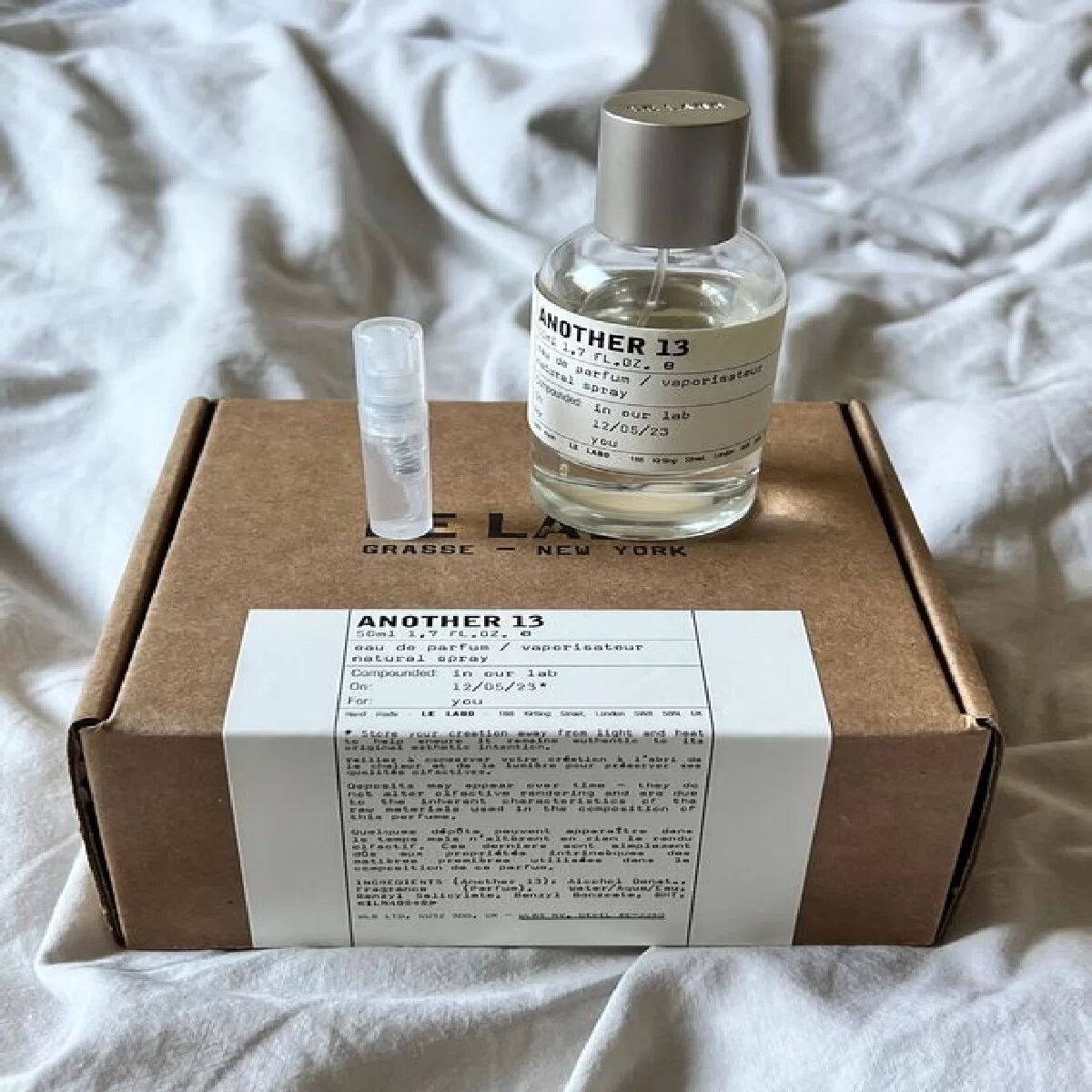
Find Le Labo Cologne Near Me: Your Complete Fragrance Locator Guide
Understanding Le Labo: A Niche Perfume Brand with Artisanal Scents
Le Labo represents everything I love about modern perfumery. Since I first encountered their offerings, I’ve been impressed by their dedication to craftsmanship and quality. Founded by Fabrice Penot and Eddie Roschi, Le Labo emerged with a revolutionary mission: to create personal, artisanal fragrances that transcend mass-produced mediocrity. Unlike mainstream fragrance houses that churn out generic scents, Le Labo focuses on small-batch production and meticulous attention to detail.
What makes Le Labo distinctly different in my experience is their unwavering commitment to ethically sourced ingredients. I’ve noticed that their perfumes possess a complexity and longevity that mass-market brands simply cannot match. The olfactory depth I discover with each Le Labo fragrance tells a story of careful ingredient selection and precision blending. This philosophy directly parallels what I appreciate about imixx perfume alternatives—both prioritize the quality of the scent itself over flashy marketing.
| Le Labo Brand Characteristic | What It Means for You |
|---|---|
| Artisanal Production | Each batch is carefully crafted with attention to detail, ensuring consistency and quality |
| Ethically Sourced Ingredients | Premium materials sourced responsibly, contributing to complex scent profiles |
| Small Batch Philosophy | Limited production runs mean higher exclusivity and personal attention |
| Personalized Experience | Custom labeling and in-store consultations make each purchase memorable |
The Olfactory Journey: Why Le Labo’s Fragrances Stand Out
I’ve discovered that Le Labo approaches fragrance creation as an art form rather than a commercial commodity. Their fragrances aren’t designed to please everyone; they’re crafted to evoke specific emotions and memories. When I wear a Le Labo scent, I’m not just smelling a perfume—I’m experiencing a carefully orchestrated journey of olfactory notes that evolve throughout the day.
The brand’s signature custom-blending service transforms the shopping experience into something truly special. I was genuinely moved by how their in-store consultants listened to my preferences and helped me create a personalized fragrance. This level of expertise and individualized attention distinguishes Le Labo from mainstream retailers. The experience reminds me of why fragrance connoisseurs value quality over quantity—it’s about the emotional connection to a scent.
Key Point:
Le Labo’s dedication to artisanal craftsmanship means that when you’re searching for le labo cologne near me, you’re looking for more than just a product—you’re seeking an experience that connects to your personal identity and style preferences.
How to Locate Le Labo Retailers in Your Neighborhood
Utilizing Online Search Tools and Store Locators
From my experience as a fragrance enthusiast, I’ve found that locating luxury brands near you has become remarkably straightforward with modern technology. When I search for specific fragrances in my area, I start with the most direct approach: using Le Labo’s official store locator tool. I enter my zip code or city name, and within seconds, I can see a list of authorized retailers near me, complete with locations, business hours, and customer reviews.
Beyond the brand’s official locator, I also use standard search engines by typing queries like “luxury perfume boutiques near me” or “Le Labo fragrance retailers [my city].” This approach typically reveals both flagship stores and authorized department store counters. I’ve learned that department stores like Nordstrom, Saks Fifth Avenue, and Neiman Marcus often carry Le Labo products, and these locations provide the advantage of easy accessibility at major shopping centers.
| Search Method | Best For | Advantages |
|---|---|---|
| Official Brand Locator | Finding authorized retailers | Guarantees authenticity, provides official hours |
| Google Maps/Search | Discovering nearby boutiques | Shows reviews, directions, real-time information |
| Department Store Websites | Multi-brand shopping locations | Convenient access, additional product ranges |
| Local Fragrance Forums | Personalized recommendations | Community expertise, tested recommendations |
Verifying Authenticity Before You Shop
I cannot overstate the importance of purchasing from authorized retailers when shopping for luxury fragrances. Throughout my fragrance journey, I’ve learned that counterfeit products pose genuine risks—not only are fake fragrances a poor value, but they may also contain untested ingredients that could irritate your skin. When I locate a retailer, I verify their authenticity by checking if they appear on the official brand’s authorized dealer list.
Before making a purchase, I recommend checking the retailer’s credentials. Legitimate fragrance retailers will have professional packaging, knowledgeable staff, and official manufacturer certificates. I also look for security indicators like QR codes on packaging that can be scanned to verify authenticity through the brand’s system, similar to what I’ve observed with premium perfume houses that implement rigorous anti-counterfeiting measures.
Discovering Local Perfume Boutiques and Specialty Stores
Tips for Finding Independent Fragrance Retailers
While searching for Le Labo, I’ve discovered that independent perfume boutiques often provide a more personalized experience than large department stores. These specialty shops typically employ fragrance experts who can provide detailed consultations and help you explore scents that match your personality. I’ve found that boutique owners are passionate about their curated collections and genuinely enjoy helping customers discover new favorites.
To find these hidden gems in my area, I use a combination of strategies. First, I explore my city’s downtown shopping districts and boutique-heavy neighborhoods, where independent specialty stores tend to cluster. I also read local lifestyle magazines, check fashion blogs, and ask fellow fragrance enthusiasts for recommendations. Social media platforms like Instagram have become invaluable—many independent fragrance boutiques showcase their inventory and offer location information through their profiles.
Pro Tip:
When visiting local boutiques, don’t hesitate to ask about their fragrance sourcing practices. Many independent retailers can explain why they choose to carry specific brands like Le Labo, and they often have insider knowledge about which scents work best for different skin types and climate conditions.
What to Look for in a Quality Perfume Retailer
From my experience visiting numerous fragrance retailers, I’ve developed criteria for evaluating which stores are worth my time. High-quality perfume retailers maintain properly stored inventory—fragrances are kept away from direct sunlight and excessive heat, which can degrade scent quality. I always note whether staff members can discuss the notes, origins, and characteristics of fragrances without relying on marketing materials.
Excellent retailers typically offer sample sizes so customers can test fragrances before committing to a full-size purchase. During my visits, I appreciate when staff acknowledge that fragrance preferences are personal and subjective. They should ask about my lifestyle, preferences, and skin chemistry rather than pushing predetermined recommendations. This consultative approach distinguishes professional fragrance specialists from ordinary retail staff.
| Quality Indicator | What It Shows | Red Flags If Absent |
|---|---|---|
| Proper Storage Conditions | Retailer understands fragrance preservation | Bottles near windows or warm areas indicate poor handling |
| Sample Availability | Confidence in product quality and customer service focus | Refusal to provide samples may indicate lower confidence |
| Knowledgeable Staff | Expertise and passion for fragrance | Staff unable to discuss scent notes or product origins |
| Competitive Pricing | Fair value and legitimate sourcing | Prices significantly below market average (potential counterfeits) |
Developing Your Skills as a Fragrance Connoisseur
Training Your Nose: A Systematic Approach
I didn’t become a fragrance enthusiast overnight—it required deliberate practice and education. Training your nose to recognize subtle differences between fragrances is a skill that develops over time. I began by familiarizing myself with common fragrance categories: floral, woody, citrus, spicy, Oriental, and fresh. By systematically exploring fragrances within each category, I developed a framework for understanding scent composition.
One effective technique I use involves the retronasal exhalation method—breathing in through the mouth and exhaling through the nose to better perceive aromatic compounds. This professional technique, used by perfumers and sommeliers, significantly enhanced my ability to detect subtle fragrance notes. I practice this method with various fragrances, spending time analyzing how top notes appear first, middle notes emerge after a few minutes, and base notes develop over hours.
Essential Knowledge:
Professional perfumers and fragrance experts use systematic training methods to develop their olfactory skills. By practicing retronasal exhalation and maintaining a fragrance journal, I’ve improved my ability to identify individual notes and appreciate the complexity of luxury fragrances like Le Labo’s offerings.
Learning Fragrance History and Composition
My appreciation for Le Labo deepened when I studied fragrance history and composition. I learned about the evolution of perfumery, the roles of different fragrance families, and how master perfumers create balanced compositions. Understanding that Santal 33—one of Le Labo’s most iconic fragrances—features carefully selected sandalwood, leather accords, and spicy notes gave me deeper appreciation for the craftsmanship involved.
I also educated myself about raw materials used in perfumery. I learned which materials are naturally derived versus synthetic, how sustainable sourcing impacts fragrance production, and why certain ingredients command premium prices. This knowledge helped me understand why Le Labo fragrances justify their price point—they use genuine, high-quality materials rather than cheaper synthetic substitutes.
Building Your Personal Scent Profile
I discovered that developing a personal scent profile dramatically improved my fragrance shopping experience. I maintain a fragrance journal where I record my impressions of every scent I try, noting which notes I enjoyed, how the fragrance evolved, and how it made me feel. Over time, patterns emerged—I realized I preferred woody fragrances with spicy undertones, and I noticed how seasonal changes affected my fragrance preferences.
When shopping for imixx perfume alternatives or exploring Le Labo’s full collection, I now approach selection with specific criteria based on my documented preferences. This systematic approach saved me money by preventing impulse purchases of fragrances that didn’t align with my taste profile.
| Connoisseur Development Stage | Key Activities | Expected Outcomes |
|---|---|---|
| Novice (Months 1-3) | Explore various fragrance families, visit boutiques, collect samples | Basic understanding of fragrance categories and preferences |
| Intermediate (Months 4-12) | Study fragrance composition, learn note identification, maintain journal | Ability to identify individual notes and understand fragrance structure |
| Advanced (Year 2+) | Explore niche brands, learn perfumer techniques, develop personal aesthetic | Sophisticated understanding of fragrance artistry and personal scent identity |
The Art of Scent Exploration and Personal Olfactory Discovery
Understanding Your Unique Fragrance Preferences
I’ve come to understand that fragrance preference is intensely personal—what captivates me might not resonate with someone else, and that’s perfectly fine. My scent preferences are shaped by my memories, emotions, cultural background, and even my current life circumstances. When I’m selecting a new fragrance, I consider not just whether it smells pleasant, but whether it connects to my sense of self.
I approach scent exploration with an open mind, deliberately trying fragrances that seem outside my usual preferences. This willingness to experiment has led to surprising discoveries—fragrances I initially dismissed became personal favorites after I gave them more consideration. I notice how the same fragrance can smell different depending on my mood, my skin chemistry, and the season, which reinforces how personal and complex fragrance appreciation truly is.
The Science of Fragrance-Skin Chemistry
Throughout my fragrance journey, I’ve learned that how a scent smells on my skin differs from how it smells in a bottle. This is due to skin chemistry—each person has unique pH levels, microbiomes, and natural oils that interact with fragrance molecules. When I test a fragrance at a retailer, I apply it to my pulse points and wait at least 15 minutes before evaluating it, giving the fragrance time to interact with my body chemistry.
I’ve also noticed seasonal variations in how fragrances perform. Lighter, citrus-based fragrances feel refreshing in summer, while warmer, deeper fragrances feel more comforting in winter. My body temperature also affects fragrance projection and longevity—warmer days mean more volatility and stronger scent throw. These observations have made me a more informed fragrance shopper and helped me build a collection that works across different seasons and occasions.
Le Labo’s Signature Scents: Exploring Their Iconic Fragrances
Santal 33: The Modern Classic
I first encountered Santal 33 at a boutique in Los Angeles, and it immediately captivated me. This fragrance represents Le Labo’s mastery of composition. Santal 33 features an intriguing blend of Australian sandalwood, leather accords, cardamom, and cedarwood, creating a fragrance that’s both bold and sophisticated. The leather note provides an unexpected sophistication, while the spicy cardamom adds complexity and warmth.
What impressed me about Santal 33 is how it evolves throughout the day. The initial spicy, slightly smoky opening gradually softens into a creamy sandalwood base. I’ve discovered this fragrance works beautifully on both men and women—it defies traditional gender categorization, which I appreciate in modern perfumery. The longevity is exceptional; I find the scent remains noticeable for 8+ hours, with excellent sillage (fragrance projection).
Bergamote 22: Fresh Elegance
When I’m seeking a lighter, more refreshing fragrance, I gravitate toward Bergamote 22. This composition showcases Le Labo’s ability to create bright, citrusy fragrances that maintain sophistication. Bergamote 22 opens with zesty bergamot, gradually revealing vetiver and amber undertones that add depth to the initial freshness. The fragrance feels particularly appealing during warmer months or when I want an uplifting olfactory experience.
I appreciate how Bergamote 22 demonstrates restraint—it’s not aggressively fresh or overly sweetened. Instead, it maintains a balanced elegance that works in professional settings while still conveying personality. The sillage is moderate, making it suitable for workplaces where overpowering fragrances might be inappropriate.
Rose 31: Floral Complexity
For those who love florals, Rose 31 represents the pinnacle of rose fragrance creation. This composition combines beautiful rose notes with unexpected spicy and woody elements. I was struck by how Rose 31 avoids the common pitfall of many rose fragrances—becoming too sweet or one-dimensional. Instead, Rose 31 features a sophisticated rose note complemented by cumin spice and labdanum depth, creating a fragrance that feels modern and artistic.
Signature Scent Insight:
Le Labo’s signature fragrances exemplify how artisanal perfumery transcends simple fragrance creation. Each composition tells a story, balances multiple scent families, and offers genuine artistic expression. When searching for le labo cologne near me, you’re pursuing fragrances backed by genuine expertise and creative vision.
| Le Labo Signature Fragrance | Key Olfactory Notes | Fragrance Profile | Best For |
|---|---|---|---|
| Santal 33 | Sandalwood, Leather, Cardamom, Cedarwood | Bold, Sophisticated, Mysterious | Year-round wear, unisex appeal, evening occasions |
| Bergamote 22 | Bergamot, Vetiver, Amber | Refreshing, Invigorating, Elegant | Warm season, professional settings, daytime wear |
| Rose 31 | Rose, Cumin, Labdanum | Floral, Spicy, Captivating | Floral lovers, sophisticated occasions, artistic expression |
Immersing Yourself in the Complete Le Labo Experience
In-Store Consultations and Personal Fragrance Discovery
When I visit a Le Labo boutique, I enter with the intention of experiencing more than just shopping—I’m entering a space dedicated to fragrance artistry. The in-store consultations represent what truly differentiates Le Labo from mass-market retailers. Expert fragrance consultants take time to understand my preferences, lifestyle, and personality before making recommendations. They ask thoughtful questions about which scents captivate me, how I use fragrance, and what emotions I want to evoke.
I’ve found that Le Labo boutiques maintain an intimate, unhurried atmosphere that encourages genuine exploration. Unlike typical retail environments with aggressive sales tactics, Le Labo staff respect the personal nature of fragrance selection. They understand that rushing someone to purchase before they’re ready diminishes the experience. This consultative approach has helped me discover fragrances I might have overlooked and deepened my appreciation for Le Labo’s philosophy.
The Custom Fragrance Blending Experience
One of my most memorable experiences in fragrance shopping was creating a custom scent at a Le Labo boutique. This service exemplifies what makes Le Labo special. With guidance from a fragrance expert, I explored various fragrance components and base notes, then collaborated to create a composition that captured my personal scent identity. The consultant helped me understand how different notes would interact and evolve throughout the day.
What struck me about the custom blending experience was how it transformed me from a fragrance consumer into an active participant in creation. I gained insight into fragrance composition, learned how different materials contribute to overall scent profiles, and created something genuinely personal. The custom bottle with my name engraved represents more than a purchase—it’s a tangible connection to my fragrance journey and personal identity.
Understanding Le Labo’s Production Philosophy
Le Labo’s commitment to small-batch production distinguishes them in an industry dominated by mass manufacturing. Each fragrance is produced in limited quantities, with careful attention to ingredient sourcing and composition consistency. This approach means that while individual bottles are crafted with precision, availability can be limited. When I’m searching for specific Le Labo fragrances, I often need to visit multiple retailers or speak with consultants about expected arrival dates.
This scarcity actually reinforces my appreciation for Le Labo fragrances. Unlike mass-produced fragrances that will always be available, Le Labo fragrances feel special partly because they’re not ubiquitous. This exclusivity doesn’t mean they’re only for the wealthy—many fragrance enthusiasts prioritize quality over quantity and make deliberate choices to own fewer, more meaningful fragrances.
Alternative Quality Fragrances: Understanding the Market
Why Some Customers Explore Premium Alternatives
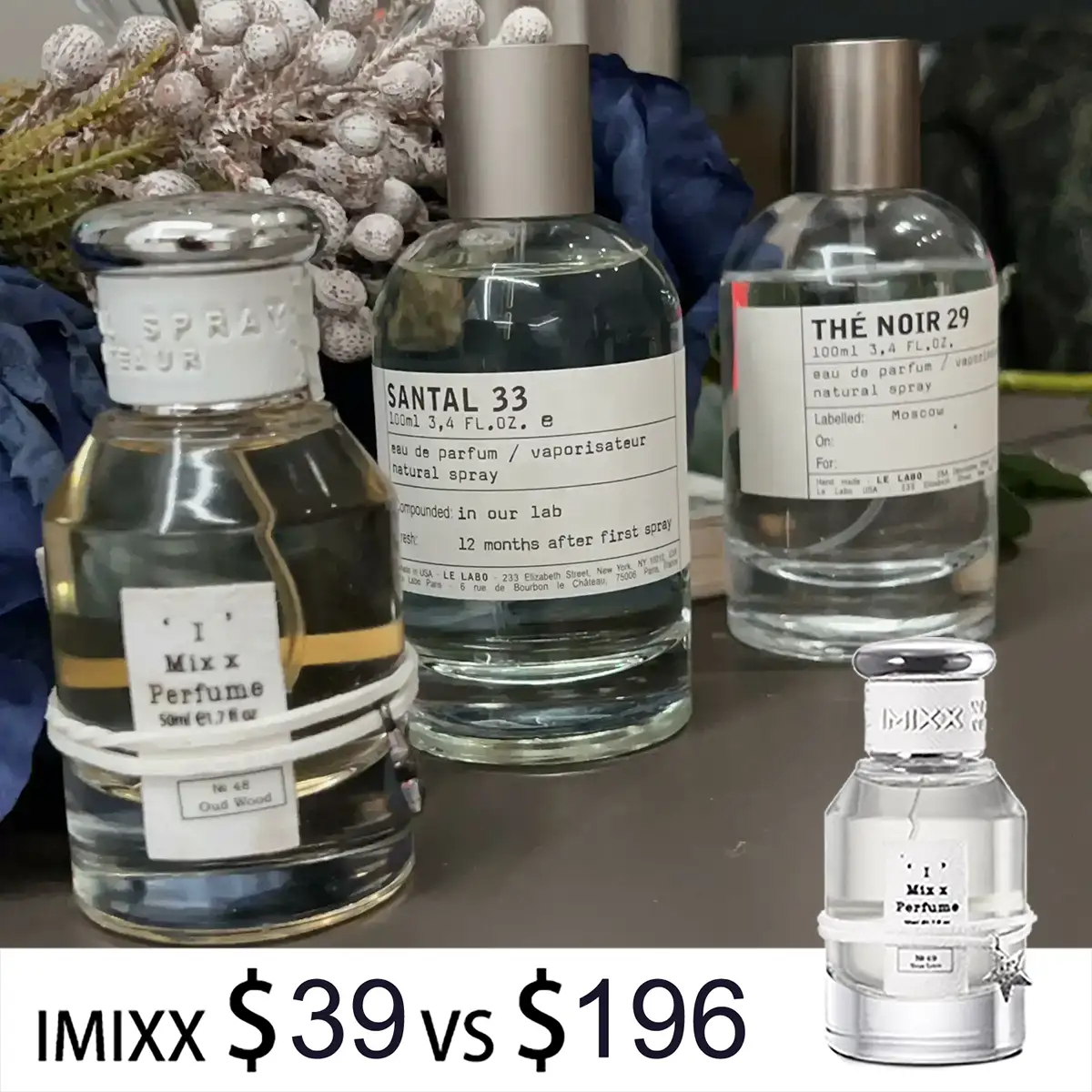
While I deeply appreciate Le Labo fragrances, I acknowledge that not everyone can commit to premium pricing. The luxury fragrance market has become increasingly accessible through high-fidelity alternatives that offer similar olfactory experiences at more affordable price points. These alternatives are created by fragrance experts who use advanced technology to analyze and recreate luxury scent profiles.
I’ve discovered that companies like Imixx have invested significantly in fragrance analysis technology to understand luxury perfume composition. According to my research, Imixx uses advanced Gas Chromatography Mass Spectrometry equipment and maintains a database of 500,000 luxury fragrance components. This scientific approach allows them to create fragrances offering 90%+ scent similarity to luxury originals at a fraction of the cost.
Understanding Fragrance Alternatives: Technology and Craftsmanship
When I first learned about Imixx perfumes, I was skeptical—I assumed high-fidelity alternatives would be noticeably inferior. However, my research revealed that the company’s approach combines genuine expertise with advanced technology. Their three-phase chromatography process allows them to identify individual ingredients in luxury fragrances and understand precise proportions used in original compositions.
The key distinction I’ve observed is that Imixx prioritizes fragrance quality over packaging presentation. Rather than investing in expensive bottles and elaborate marketing, they allocate resources to sourcing quality ingredients and ensuring accurate scent composition. This philosophy appeals to fragrance connoisseurs who, like me, prioritize what’s in the bottle over how it looks on the shelf.
Quality Consideration:
When exploring fragrance alternatives, authenticity matters. Reputable companies conduct rigorous testing and maintain high ingredient standards. If you’re interested in exploring premium alternatives to Le Labo fragrances, research the company’s approach to fragrance development and ingredient sourcing. Transparency and expertise are hallmarks of legitimate fragrance creators.
Making Informed Fragrance Purchasing Decisions
Whether purchasing luxury fragrances directly from Le Labo or exploring quality alternatives like Imixx perfumes, I always apply the same evaluation criteria. I verify authenticity through official channels, assess ingredient quality when information is available, and consider longevity and sillage based on personal testing. Most importantly, I trust my personal olfactory experience—if a fragrance makes me feel good and aligns with my scent preferences, it represents good value regardless of price point.
I’ve learned that fragrance appreciation isn’t about owning the most expensive bottles—it’s about finding scents that resonate with your personality and enhance your daily experience. Whether I’m wearing a Le Labo fragrance or a high-quality alternative, what matters is that the fragrance serves my lifestyle and brings me joy.
Comprehensive Shopping Guide: From Discovery to Purchase
Step-by-Step Process for Finding and Purchasing Fragrances
Based on my years of fragrance shopping experience, I’ve developed a systematic approach that helps me make informed purchasing decisions. First, I identify fragrances that interest me by reading reviews, exploring fragrance websites, and getting recommendations from fellow enthusiasts. I research the specific fragrance notes and expected performance characteristics. This preliminary research typically narrows my search to 3-5 specific fragrances worth testing.
Next, I locate retailers carrying these fragrances using the methods I discussed earlier—brand locators, Google Maps searches, and local boutique directories. Before visiting, I confirm availability by calling ahead or checking online stock information. This prevents wasting time traveling to retailers who don’t carry the specific fragrances I want to test. Once at the retailer, I request samples when available, allowing me to test the fragrance over several hours or days before making a full-size purchase decision.
Testing and Evaluation Best Practices
When testing fragrances, I apply them to pulse points—typically the inner wrist or behind the ear—where skin warmth helps volatilize fragrance molecules. I resist the urge to immediately judge a fragrance; instead, I wait at least 15 minutes for the composition to fully develop. I note my impressions at different time points: the opening (first 5-10 minutes), the heart or middle notes (15 minutes to 2 hours), and the base notes (2-6+ hours).
I avoid testing more than 4-5 fragrances in a single session, as fragrance fatigue reduces my ability to fairly evaluate compositions. I cleanse my nose between samples—sometimes by smelling coffee grounds or my own skin—to reset my olfactory sensitivity. I also consider how the fragrance performs on my specific skin chemistry, noting whether it’s longer-lasting and more powerful than expected, or whether it fades quickly. This detailed testing prevents impulsive purchases of fragrances that might disappoint after prolonged wear.
| Shopping Step | Key Considerations | Timeline |
|---|---|---|
| Research & Discovery | Read reviews, explore notes, check availability | 1-3 days |
| Locate Retailers | Use brand locators, check online stock, confirm hours | 1 day |
| Visit & Test | Request samples, test on skin, evaluate over time | 1-2 hours (in-store) |
| Sample Evaluation | Wear samples, journal impressions, assess longevity | 24-48 hours |
| Final Decision & Purchase | Compare impressions, verify authenticity, complete purchase | 1 day |
Frequently Asked Questions About Finding and Selecting Luxury Fragrances
Q: What’s the fastest way to find Le Labo cologne near me?
The most efficient method is visiting the official Le Labo website and using their store locator tool. Enter your zip code or city to instantly see authorized retailers in your area, complete with addresses and hours. Department stores like Nordstrom and Saks Fifth Avenue typically carry Le Labo fragrances and are often located in convenient shopping centers. For the fastest results, I recommend confirming availability by calling the retailer before visiting.
Q: How can I verify that a retailer is authorized and selling authentic fragrances?
Check the brand’s official website for a list of authorized retailers. Legitimate retailers will be clearly listed. When visiting, look for indicators of professionalism: proper fragrance storage away from heat and sunlight, knowledgeable staff, official pricing consistent with brand guidelines, and security features on packaging. If a price seems dramatically lower than other retailers, it may indicate counterfeit products. Always purchase from authorized dealers to ensure authenticity and quality.
Q: What’s the difference between Le Labo fragrances and more affordable alternatives?
Le Labo emphasizes small-batch production, artisanal craftsmanship, and exclusive retail experiences. Their prices reflect this specialized approach, custom services, and emphasis on raw material quality. Affordable alternatives like Imixx perfumes focus resources on accurately recreating luxury scent profiles while minimizing packaging expenses. Both can offer excellent fragrances; the choice depends on whether you value the artisanal experience and brand prestige or prioritize accessing similar scent profiles at lower price points.
Q: How can I develop my skills to better appreciate luxury fragrances?
Start by exploring fragrances across different families (floral, woody, citrus, Oriental, fresh). Maintain a fragrance journal documenting your impressions and preferences. Practice retronasal exhalation breathing techniques to improve your ability to perceive subtle aromatic compounds. Study fragrance composition and history to understand the artistry involved. Visit local boutiques and attend fragrance workshops when available. Most importantly, trust your personal preferences—fragrance appreciation is subjective, and your preferences are valid regardless of general trends.
Q: What should I look for in an independent fragrance boutique?
Quality fragrance boutiques maintain proper storage conditions, offer samples without hesitation, employ knowledgeable staff who can discuss scent composition, and provide personalized consultations. Staff should ask about your preferences rather than making assumptions. The inventory should include a mix of established and emerging fragrance brands, indicating careful curation. Competitive pricing (not suspiciously low) and professional presentation of products suggest legitimacy and quality. Reading online reviews from other fragrance enthusiasts can help identify respected independent retailers.
Q: Why do some fragrances smell different on my skin than in the bottle?
Fragrance molecules interact with your skin chemistry, including your body’s pH, natural oils, and microbial composition. These individual differences cause the same fragrance to smell slightly different on different people. Additionally, your body temperature helps volatilize fragrance molecules, and your natural body scent blends with the applied fragrance. This is why testing fragrances on your skin before purchasing is important—the bottle scent may not represent how the fragrance will smell on you specifically.
Q: What’s the best way to store fragrances to maintain their quality?
Store fragrances in cool, dark locations away from direct sunlight, heat sources, and humidity fluctuations. Bathrooms are often unsuitable due to temperature and humidity changes. The original bottle packaging provides good protection. Avoid storing fragrances in cars or near windows where temperature variations can degrade the composition. Properly stored fragrances maintain their quality for years. If a fragrance has been improperly stored (exposed to heat or sunlight), the scent quality and longevity may be compromised.
Q: How long do fragrance samples last, and should I expect them to perform like full-size bottles?
Fragrance samples vary in size and concentration, but typically last for 2-5 applications depending on your application amount. Samples may use the same fragrance concentration as full-size bottles, though occasionally retailers provide lower-concentration versions. Longevity and sillage from samples should generally match full-size bottles if they contain the same formulation. However, sample packaging may be less protective, potentially affecting fragrance preservation. Use samples as testing tools rather than expecting identical performance to retail bottles.
Q: Is it worth investing in luxury fragrances when affordable options are available?
The answer depends on your priorities and budget. Luxury fragrances like Le Labo offer artisanal craftsmanship, exclusive experiences, and often use premium raw materials that some appreciate. However, well-made affordable fragrances can also provide excellent quality and personal satisfaction. Consider your fragrance use (daily wear versus special occasions), budget constraints, and what aspects of fragrance ownership matter most to you. Many fragrance enthusiasts maintain collections combining both luxury and affordable options, selecting based on specific needs and occasions.
The Future of Fragrance Shopping: Trends and Innovations
As I reflect on my fragrance journey, I notice the retail landscape is evolving in exciting ways. Online retailers have made fragrance shopping more accessible, offering detailed descriptions, sample programs, and convenient delivery. Simultaneously, boutique retailers emphasize personalized experiences and expertise that online platforms cannot fully replicate. The fragrance market continues to attract innovative companies developing new technologies for scent analysis and creation, like the advanced chromatography systems used by companies such as Imixx.
I anticipate that fragrance consumers will increasingly demand transparency—whether shopping for luxury brands or alternatives, customers want to understand ingredient sourcing, production methods, and authentic quality indicators. This transparency trend benefits consumers by encouraging all fragrance companies to prioritize genuine quality over marketing hype.
Conclusion: Finding Your Perfect Fragrance
My journey searching for Le Labo cologne near me transformed from a simple purchasing task into a deeper exploration of fragrance artistry, personal identity, and sensory appreciation. I’ve learned that finding the right fragrance retailer is as important as selecting the fragrance itself—knowledgeable staff, proper storage, and personalized service dramatically enhance the experience.
Whether you’re seeking the artisanal expertise of Le Labo boutiques, exploring independent fragrance specialists, or discovering quality alternatives from companies like Imixx, the key is approaching fragrance selection with intention and care. Train your nose, develop your palate, maintain a fragrance journal, and trust your personal preferences. The perfect fragrance isn’t necessarily the most expensive or exclusive—it’s the one that resonates with your personality and enhances your daily life.
As you embark on your own fragrance exploration journey, remember that finding le labo cologne near me or any quality fragrance is ultimately about self-discovery. Through fragrance, you’re expressing your individuality and creating sensory memories that will enhance your life for years to come.
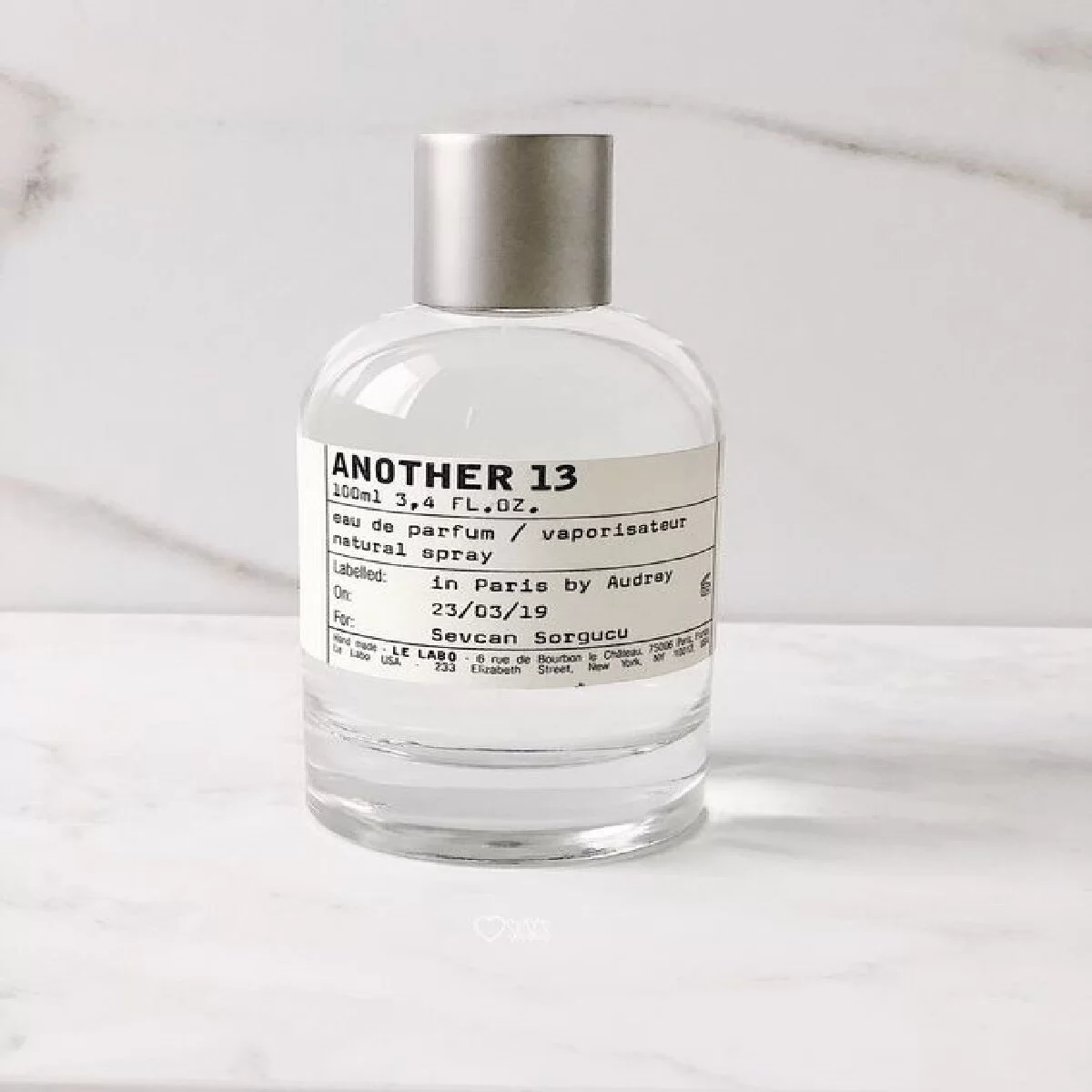

 No.65 Inspired by Another 13 Perfume
 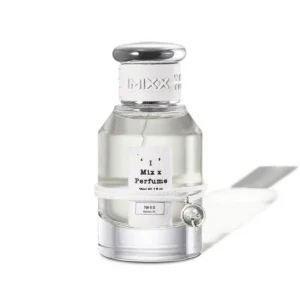 No.62 Inspired by Santal 33 Perfume