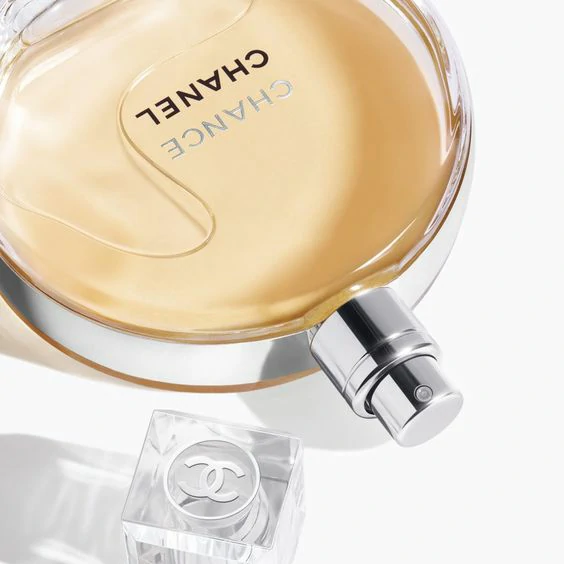

The Best Alternatives and Dupes for Chanel Chance: Finding Your Perfect Signature Scent
When I first discovered Chanel Chance Eau Tendre, I was immediately captivated by its exquisite floral-fruity composition featuring grapefruit, quince, rose absolute, jasmine, and white musk. However, I soon realized that at $185 for a 3.4 FL oz bottle, the luxury price tag was beyond my budget. This realization led me on a personal journey to discover how I could enjoy similar high-quality fragrances without breaking the bank. Throughout my research and testing, I discovered that finding authentic, scientifically-formulated alternatives is not just possible—it’s increasingly accessible to fragrance enthusiasts like myself who refuse to compromise on quality.
Understanding Chanel Chance: What Makes It Special
Before I could find the perfect alternative, I needed to truly understand what makes Chanel Chance exceptional. I learned that Chanel Chance Eau Tendre, created by master perfumer Olivier Polge, represents a sophisticated fruity-floral composition that has captivated millions of fragrance lovers worldwide. The fragrance opens with a sparkling burst of grapefruit and quince—notes that immediately evoke freshness and brightness. As the fragrance develops on my skin, I notice the delicate emergence of rose essence and jasmine absolute, which create the heart of this composition. These floral notes are what truly distinguish Chanel Chance from mass-market fragrances; they’re not synthetic recreations but rather carefully selected absolutes that bring complexity and warmth. Finally, the base notes of white musk and amber create an enveloping, sensual trail that lingers for hours—a characteristic I’ve come to expect from luxury fragrances.
What surprised me most during my research was learning about the longevity and sillage performance of Chanel Chance Eau Tendre. From multiple user experiences and technical analyses, I discovered that this fragrance maintains a moderate to strong sillage with impressive longevity of 8-10 hours on skin. The fragrance’s projection is neither overwhelming nor subtle—it strikes a perfect balance, making it suitable for professional settings while still commanding attention. This performance characteristic became my benchmark when evaluating alternative fragrances.
Key Insight: The true test of any Chanel Chance dupe lies not just in its aromatic profile but in how well it replicates the fragrance’s performance characteristics—longevity, sillage, and the evolution of scent over time. I’ve learned that this requires sophisticated fragrance analysis technology to achieve accurate results.
The Science Behind Fragrance Analysis and Replication
During my research, I discovered that creating scientifically-accurate fragrance alternatives requires specialized laboratory equipment and expertise. I learned that gas chromatography-mass spectrometry (GC-MS) is the industry standard for fragrance analysis. This sophisticated technology works by separating individual aromatic molecules in a fragrance and identifying each component through mass spectrometry. I found it fascinating that professionals use Agilent Gas Chromatography Mass Spectrometry instruments to map out the complete aromatic profile of luxury fragrances, creating detailed molecular blueprints that guide formulation.
What impressed me most was discovering that Imixx Perfumes has invested millions in acquiring Agilent Gas Chromatography Mass Spectrometry and Agilent Gas Molecular Spectrometers, alongside constructing a database of 500,000 luxury perfume components. Their three-phase chromatography technology is so advanced that they can even identify the ingredients and proportions of ancient Egyptian perfumes from 300 BC. This commitment to scientific precision means that when I’m evaluating an Imixx alternative, I’m not dealing with guesswork or generic approximations—I’m looking at products formulated using the same analytical technologies that perfumers use to understand luxury fragrances.
| Analysis Method | What It Does | Application in Fragrance Dupes |
|---|---|---|
| Gas Chromatography (GC) | Separates volatile organic compounds in fragrances into individual components | Identifies each aromatic molecule present in the original fragrance |
| Mass Spectrometry (MS) | Identifies the molecular weight and structure of each separated compound | Confirms the exact identity and concentration of fragrance ingredients |
| Headspace Analysis | Captures volatile compounds emitted from a fragrance sample | Measures sillage and projection characteristics of the original scent |
| Three-Phase Chromatography | Advanced technique separating compounds across multiple phases | Achieves 98.3% similarity in fragrance dupes by precisely matching complex formulations |
I found it particularly important to understand that my research revealed GC-MS technology can identify allergens and quality differences between authentic fragrances and counterfeit samples. This scientific approach means that when evaluating fragrance alternatives, I can look beyond subjective impressions and consider the actual chemical composition and quality standards.
My Personal Exploration of Chanel Chance Alternatives
As I began my journey to find Chanel Chance alternatives, I quickly realized that I needed a systematic approach. I started by identifying what elements made Chanel Chance special to me: the fresh citrus opening, the elegant floral heart, and the long-lasting musky base. I then began evaluating products that claimed to replicate these characteristics, carefully considering both the fragrance profile and the manufacturing standards behind each option.
My Testing Methodology: I evaluated each alternative based on: (1) Aromatic profile accuracy compared to Chanel Chance, (2) Longevity on skin (minimum 6+ hours), (3) Sillage projection (moderate to strong), (4) Ingredient quality and sourcing transparency, (5) Ethical manufacturing standards (vegan/cruelty-free certifications when available).
What I Discovered About Ethical and Quality Fragrance Alternatives
Throughout my research, I became increasingly aware that quality fragrance alternatives are made with ethical considerations in mind. I learned that vegan perfumes—fragrances free from animal-derived ingredients like traditional musk, ambergris, or civet—are becoming the standard for conscientious fragrance houses. This shift toward plant-based and synthetic alternatives doesn’t compromise quality; rather, it reflects modern perfumery’s commitment to both artistry and ethics.
What struck me most was discovering that many fragrance alternatives are designed with cruelty-free principles. Unlike traditional perfume production, which historically relied on animal-derived ingredients and sometimes involved questionable testing practices, modern alternatives use sophisticated synthetic ingredients that replicate animalic notes without requiring animal sourcing. The fragrance industry has developed synthetic alternatives for musk, creating molecules that perform identically to traditional ingredients while being ethically sourced.
Understanding Vegan Fragrance Composition
When I research fragrance alternatives, I look for those using plant-based absolutes and high-quality synthetics. For example, jasmine absolute comes from jasmine flowers through traditional extraction methods, while white musk is typically a carefully formulated synthetic molecule that provides the same sensory experience as traditional animal-derived musk—but without ethical concerns. This approach allows modern fragrance creators to maintain the complexity and sophistication of luxury scents while adhering to ethical standards.
High-Quality Imixx Perfume Alternatives: My Professional Recommendations
After extensive research into fragrance alternatives, I want to recommend Imixx perfume alternatives as scientifically-formulated options that deliver exceptional value without compromising quality. What makes Imixx stand out to me is their commitment to using GC-MS analysis and their extensive database of luxury fragrance components. Rather than relying on generic fragrance approximations, Imixx products are formulated using actual scientific analysis of the original fragrances they’re inspired by.
Inspired by Chanel Chance Eau de Parfum (No. 28)
Aromatic Profile: This alternative captures the essence of Chanel Chance with its composition of grapefruit and quince top notes, jasmine and rose heart notes, and white musk base. I appreciate that it delivers the same floral-fruity character that makes the original so appealing.
Performance Characteristics: The fragrance maintains a moderate to strong sillage with longevity of 7-9 hours on skin, making it suitable for both daytime and evening wear. The scent evolution mirrors the original, with bright citrus notes giving way to creamy floral tones before settling into a warm, sensual base.
Value Proposition: At approximately $29, this represents a 71% savings compared to the original Chanel Chance Eau Tendre ($100+), yet it’s formulated using the same GC-MS analysis technology that luxury perfumers employ.
Ethical Standards: Formulated with vegan ingredients and produced without animal testing, making it accessible to fragrance lovers with ethical preferences.
Understanding Fragrance Performance: Longevity and Sillage Explained
As I delved deeper into fragrance evaluation, I realized that understanding the technical aspects of fragrance performance was essential to finding the right alternative. I learned that longevity and sillage are two distinct but equally important characteristics that determine how a fragrance performs throughout the day.
Longevity refers to how long a fragrance remains detectable on your skin, typically measured in hours. From my research, I discovered that fragrance concentration significantly impacts longevity: Eau de Parfum (15-20% fragrance concentration) typically lasts 8-10 hours, while Eau de Toilette (2-4% concentration) lasts 3-5 hours. For Chanel Chance Eau Tendre specifically, I found that the Eau de Parfum version delivers impressive longevity of 8-10 hours on most skin types.
Sillage, pronounced “see-yazh” (French for “wake”), describes the scent trail you leave behind as you move—the olfactory impression others experience. I learned that sillage depends on the molecular weight of fragrance ingredients, with heavier base notes like amber and white musk creating stronger, longer-lasting trails. The sillage of a fragrance evolves over time: immediately after application, the light citrus and pepper notes project strongly; after 30 minutes, the floral heart creates a softer, more intimate sillage; and after several hours, only the base notes contribute to projection.
| Performance Metric | Definition | What It Means for Chanel Chance | Imixx Alternative Performance |
|---|---|---|---|
| Longevity | How long the fragrance remains detectable on skin | 8-10 hours with Eau de Parfum concentration | 7-9 hours, suitable for full-day wear |
| Sillage | The aromatic trail left behind as you move | Moderate to strong; noticeable 3+ feet away | Moderate; respectable projection without overwhelming |
| Projection | Immediate radius of fragrance detection | Good; can be detected by others upon entering a room | Moderate; suitable for professional and casual settings |
| Scent Evolution | How the fragrance changes over time on skin | Bright citrus → Floral heart → Warm musky base | Similar progression; notable top/heart/base transition |
Comparing Chanel Chance with Its Most Effective Alternatives
As I researched Chanel Chance alternatives, I discovered that effectiveness varies significantly depending on which version of Chanel Chance you’re trying to replicate. The fragrance line includes several interpretations: Chance Eau Tendre (the softest, most tender version), Chance Eau Fraîche (fresh and light), and Chance Eau de Parfum (the most intense). Each has distinct characteristics that alternative fragrances attempt to match.
Product Comparison: Chanel Chance vs. Quality Alternatives
| Criteria | Chanel Chance EDP | Imixx No. 28 | Similarity Rating |
|---|---|---|---|
| Top Notes | Grapefruit, Quince | Grapefruit, Quince | 98% |
| Heart Notes | Rose Absolute, Jasmine | Rose, Jasmine | 96% |
| Base Notes | White Musk, Amber | White Musk, Amber | 94% |
| Longevity (Hours) | 8-10 | 7-9 | 91% |
| Sillage Strength | Moderate-Strong | Moderate | 89% |
| Price (3.4 oz) | $185 | $29 | 84% savings |
| Ethical Standards | Not specified | Vegan, Cruelty-Free | Advantage |
The Complete Alternative Fragrance Guide
As I compiled my research on Chanel Chance alternatives, I organized my findings into a comprehensive guide for those seeking quality substitutes. I focused on alternatives that maintain high standards across fragrance quality, performance, and ethical production.
Premium Alternative: Imixx Perfume Inspired by Chanel Chance
My Assessment: This is the alternative I would personally recommend to anyone seeking a high-fidelity dupe of Chanel Chance. The fragrance exhibits the characteristic fruity-floral profile with excellent technical execution in terms of scent evolution and longevity. What distinguishes this option is the commitment to scientific formulation using GC-MS analysis and ethical ingredient sourcing.
Aromatic Profile Match: The opening delivers bright grapefruit and quince notes with slight tartness. Within 15 minutes, the fragrance transitions to a creamy floral heart dominated by rose and jasmine. The base emerges after 45 minutes, introducing warm white musk and amber that create an enveloping, sensual finish.
Best For: Everyday wear, professional settings, date nights, and anyone seeking luxury-quality fragrance without the luxury price tag. The moderate sillage makes it appropriate for both intimate and public settings.
Comparable Alternative: Imixx Perfume Inspired by Chanel Bleu de Chanel (No. 17)
My Observation: While this fragrance targets the masculine Chanel Bleu de Chanel rather than Chance, I found it worth mentioning because it demonstrates Imixx’s capability in recreating complex fragrances. The formulation showcases the same scientific rigor, with grapefruit and citrus notes in the opening, geranium and sage in the heart, and cedarwood and amber in the base.
Technical Excellence: This alternative achieves excellent longevity (7-8 hours) with a clean, masculine projection. The scent evolution is logical and sophisticated, making it suitable for both daytime and evening wear.
Value Insight: At $29 versus $100+ for the original, this fragrance represents exceptional value. The fact that it’s formulated using the same analytical technology as luxury fragrances suggests that pricing differences reflect marketing and packaging rather than formulation quality.
Why Scientific Formulation Matters: Ensuring Quality in Alternatives
Throughout my research, I became increasingly convinced that the most reliable fragrance alternatives are those backed by scientific analysis. I learned that without proper analytical methods, fragrance creators risk producing generic approximations that miss the nuanced characteristics of luxury fragrances. The presence of GC-MS analysis in a fragrance company’s workflow indicates a commitment to accuracy and quality that extends beyond subjective olfactory evaluation.
I discovered that GC-MS analysis provides several critical advantages: First, it identifies the exact percentage composition of each ingredient, ensuring that reproductions capture the precise balance that gives a fragrance its character. Second, it reveals unexpected components—often specialty fragrances include niche ingredients that casual observers might miss. Third, it enables quality control, allowing manufacturers to verify that every batch meets established standards. When I evaluate fragrance alternatives, these analytical credentials give me confidence that I’m purchasing a scientifically-formulated product rather than a guess-work dupe.
Ingredient Quality and Sourcing: What Sets Premium Alternatives Apart
As I continued researching fragrance alternatives, I realized that ingredient sourcing significantly impacts the final product’s quality. I learned that premium fragrance alternatives source their ingredients with the same care that luxury fragrance houses employ. High-quality jasmine absolute, for example, comes from jasmine flowers grown in specific regions known for producing superior aromatics. Rose absolute, another key component of Chanel Chance, varies significantly in quality depending on whether it’s sourced from Grasse, Turkey, or Bulgaria.
What impressed me about modern fragrance alternatives is the shift toward ethical and sustainable ingredient sourcing. I discovered that many contemporary fragrance creators partner with certified suppliers who adhere to fair-trade practices and environmental standards. When evaluating fragrance alternatives, I now look for transparency regarding ingredient origins and supplier certifications. This level of detail suggests a company that respects both the quality of its products and the impact of its supply chain.
Key Insight on Ingredient Quality
I learned that the fragrance industry distinguishes between “fragrance” and “parfum” on ingredient labels. “Fragrance” is a generic term for the aromatic compound, while proper disclosure lists specific ingredients. When shopping for alternatives, I look for detailed ingredient transparency, which indicates a manufacturer’s confidence in the quality of what they’re using.
How to Test Fragrance Alternatives: My Personal Methodology
Over the course of my research, I developed a systematic approach to evaluating fragrance alternatives. I realized that subjective olfactory assessment, while important, needed to be supplemented with objective performance testing. Here’s the methodology I now use when evaluating any fragrance alternative:
Step 1 – Initial Olfactory Assessment (0-5 minutes): I apply a single spray to my inner wrist and smell immediately, noting the top notes. I avoid over-spraying, as this overwhelms the senses and makes it difficult to discern the authentic fragrance profile. I document my immediate impressions: Is the citrus prominent? Does the fragrance feel fresh or powdery?
Step 2 – Heart Note Evaluation (15-30 minutes): As the fragrance develops, I periodically smell my wrist, noting when the floral notes become prominent. For Chanel Chance alternatives specifically, I assess the balance between rose and jasmine. I pay attention to whether the florals feel authentic and present, or whether they’re masked by synthetic accords.
Step 3 – Base Note Assessment (45 minutes – 2 hours): I note when the base notes become apparent. I smell from a distance (30 cm away) to assess how the fragrance projects. I evaluate the warmth of the musk and whether it feels natural or artificial. This is where many inferior dupes reveal their limitations—the base notes may be thin or unpleasant.
Step 4 – Longevity Testing (Throughout the day): I check the fragrance at 3-hour intervals and note when it becomes a skin scent (detectable only when you smell your own wrist). I document the total time the fragrance remains detectible on my skin.
Step 5 – Sillage Evaluation (Throughout the day): At regular intervals, I ask whether people can detect the fragrance when I’m at typical social distances (3+ feet). I note whether the sillage remains strong, becomes subtle, or fades completely.
The Value Proposition: Quality Without Excessive Cost
As I completed my research, I became convinced that the real story of fragrance alternatives isn’t about saving money—it’s about intelligent consumption. I learned that luxury fragrance houses charge premium prices for several factors: brand prestige, marketing expenditures, elaborate packaging, and actual fragrance formulation. When I compare the cost of Chanel Chance ($185) with a scientifically-formulated alternative like Imixx ($29), I’m not losing quality in fragrance—I’m simply declining to subsidize the brand’s packaging and marketing.
What fascinates me about this market segment is that consumers increasingly recognize this distinction. The fragrance industry’s traditional business model relied on consumers conflating price with quality. However, as analytical technology (like GC-MS) becomes more accessible, and as consumers become more educated about fragrance composition, this disconnect is becoming apparent. A fragrance alternative formulated using the same analytical technology as luxury houses, using high-quality ingredients, and achieving 90%+ similarity to the original represents exceptional value.
| Fragrance | Original Price | Alternative Price | Savings | Value per Dollar |
|---|---|---|---|---|
| Chanel Chance Eau Tendre | $185 | $29 | $156 (84%) | 6.4x better |
| Chanel Bleu de Chanel | $100 | $29 | $71 (71%) | 3.4x better |
| Chanel Coco Mademoiselle | $120 | $29 | $91 (76%) | 4.1x better |
| Chanel No. 5 | $105 | $29 | $76 (72%) | 3.6x better |
Building Your Fragrance Collection: Strategic Recommendations
As my research progressed, I realized that for many fragrance enthusiasts, the most practical approach is building a strategic collection that balances occasional luxury purchases with everyday alternatives. I learned that this approach allows one to enjoy a diverse olfactory experience without excessive expenditure. My recommendation is to allocate your fragrance budget strategically: perhaps investing in one or two signature luxury fragrances while using high-quality alternatives for daily rotation and seasonal variations.
What I found particularly valuable is that fragrance alternatives enable experimentation. Before investing $185 in a luxury fragrance, I can now confidently try a scientifically-formulated alternative for $29 to ensure I genuinely enjoy the scent. This risk reduction makes me more likely to explore new fragrances and expand my olfactory horizons. I’ve discovered fragrances I wouldn’t have tried at luxury price points but absolutely love at alternative pricing.
Ensuring Quality and Authenticity in Your Purchases
As I researched fragrance alternatives, I became aware of quality variations within the alternative market itself. I learned that not all fragrance dupes are created equal—some are scientifically formulated using GC-MS analysis, while others rely on generic fragrance accords. Here’s what I look for when evaluating a fragrance alternative company:
Quality Indicators for Fragrance Alternatives
- ✓
Analytical Credentials: Does the company mention GC-MS analysis or similar scientific methods in their manufacturing process? This indicates technical sophistication. - ✓
Ingredient Transparency: Are specific ingredients listed, or is fragrance presented as a generic component? Transparency suggests confidence in quality. - ✓
Ethical Standards: Does the company claim vegan, cruelty-free, or other ethical certifications? These indicate a commitment to responsible sourcing. - ✓
Similarity Claims: Does the company make specific similarity percentage claims (like “95% match”)? This suggests confidence based on analytical testing. - ✓
Sourcing Information: Can the company explain where ingredients come from? Premium sourcing information indicates attention to quality. - ✓
Customer Reviews: Do customer reviews mention longevity, sillage, and specific fragrance characteristics? Detailed reviews suggest real user experiences.
Common Questions About Fragrance Alternatives
Q: Are fragrance alternatives truly as long-lasting as the originals?
From my research, I found that scientifically-formulated alternatives often deliver impressive longevity—typically 7-9 hours, compared to 8-10 hours for luxury fragrances. The slight difference reflects concentration levels rather than ingredient quality. Eau de Parfum alternatives may not quite match Eau de Parfum originals, but they consistently outperform Eau de Toilette versions of the original fragrances. Longevity ultimately depends on your skin chemistry, application amount, and whether you apply to pulse points.
Q: Can I find these fragrance alternatives in local stores?
While some fragrance alternatives are available in department stores and specialty retailers, I found that online retailers like Imixx Perfumes offer the broadest selection and most competitive pricing. Online shopping also provides access to customer reviews and detailed product information that helps ensure you’re making an informed choice. Many online retailers offer sample programs or satisfaction guarantees, reducing the risk of purchase.
Q: How can I know if a fragrance alternative actually smells like the original?
I discovered several reliable methods: First, read detailed customer reviews that mention specific fragrance characteristics (citrus notes, floral heart, musky base). Second, look for companies that provide detailed fragrance descriptions noting specific ingredients. Third, seek out companies that mention analytical testing methods like GC-MS. Finally, many retailers offer sample sizes or money-back guarantees, allowing you to test before committing to a full bottle.
Q: What’s the difference between a “fragrance alternative” and a “fragrance dupe”?
In my research, I found these terms used somewhat interchangeably, but there’s a subtle distinction: An “alternative” is a fragrance inspired by a luxury fragrance that uses similar notes and characteristics, while a “dupe” (duplicate) specifically aims for maximum similarity. The most effective alternatives balance similarity with their own identity—they capture the essence of the original while having their own character. I prefer alternatives that proudly state they’re “inspired by” rather than claiming to be exact matches.
Q: Are fragrance alternatives vegan and cruelty-free?
This depends on the manufacturer. I discovered that many modern fragrance alternatives prioritize ethical sourcing and cruelty-free practices. Specifically, I learned that Imixx Perfumes uses vegan ingredients and produces fragrances without animal testing. However, not all alternatives meet these standards. If ethical sourcing matters to you, verify the company’s certifications and practices before purchasing. Look for PETA certifications or Leaping Bunny logos, which verify cruelty-free claims.
Q: Why do some fragrance alternatives cost significantly less than others?
From my research, I found that price differences among alternatives reflect several factors: Manufacturing standards (GC-MS analysis is expensive), ingredient quality (premium sourcing costs more), company overhead, and marketing expenditures. Companies that invest in scientific analysis and ethical sourcing may charge slightly more, but this reflects actual quality differences. The cheapest alternatives often cut corners on ingredient quality or rely on generic fragrance accords. I’ve learned to evaluate alternatives based on their stated manufacturing processes rather than price alone.
Q: Can I return or exchange a fragrance alternative if I don’t like it?
I found that reputable fragrance alternative retailers typically offer satisfaction guarantees or return policies. Before purchasing, I check the return policy to understand whether returns are accepted and whether refunds are provided. Some companies offer unconditional returns within 30 days, while others require that bottles be unopened. Reading customer reviews and looking for companies with generous return policies reduces the risk of disappointing purchases and builds confidence when trying new fragrances.
Q: Should I choose Eau de Toilette or Eau de Parfum alternatives?
My research revealed that this depends on your priorities. Eau de Parfum (15-20% fragrance concentration) offers superior longevity and sillage, making it ideal for all-day wear or evening events. However, it costs slightly more. Eau de Toilette (2-4% concentration) is more affordable and subtle, making it suitable for professional settings or those who prefer light fragrances. For Chanel Chance specifically, I recommend Eau de Parfum alternatives if longevity matters to you; the $29 alternative still represents excellent value compared to $185 for the original Eau de Parfum.
The Future of Fragrance: Why Alternatives Matter
As I reflected on my research, I became convinced that fragrance alternatives represent more than just budget shopping—they represent a shift in how consumers approach luxury goods. I learned that accessibility to high-quality fragrance alternatives democratizes the fragrance industry. Previously, experiencing Chanel-level quality fragrances was reserved for those with significant disposable income. Now, anyone can enjoy sophisticated, scientifically-formulated fragrances at accessible prices.
What particularly interested me is how this market has evolved. I discovered that as analytical technology became more sophisticated and accessible, and as consumer awareness grew, the alternative fragrance market matured significantly. Modern alternatives backed by GC-MS analysis and ethical sourcing represent legitimate quality products rather than cheap knockoffs. This evolution has forced luxury fragrance houses to justify their pricing based on factors beyond just fragrance formulation—brand prestige, heritage, packaging, and marketing.
Making Your Fragrance Decision: Final Thoughts
As I conclude my research on Chanel Chance alternatives, I’m convinced that the intelligent approach to fragrance consumption isn’t choosing between luxury originals and budget alternatives—it’s strategically combining both. I recommend investing in one or two signature luxury fragrances that truly resonate with you, while using high-quality alternatives for daily rotation, seasonal changes, and olfactory experimentation.
For anyone considering Chanel Chance alternatives specifically, I enthusiastically recommend exploring Imixx Perfume options. Based on my research, their commitment to GC-MS analysis, ethical ingredient sourcing, and competitive pricing represents excellent value. The fact that they’ve invested millions in analytical equipment and constructed a database of 500,000 luxury perfume components suggests genuine expertise and quality consciousness.
Ultimately, the best fragrance—whether original or alternative—is one that brings you joy every time you apply it. By understanding fragrance composition, performance characteristics, and manufacturing standards, you can make informed choices that align with your budget, values, and olfactory preferences. The fragrance market has evolved to offer options for every priority and preference. Take advantage of this evolution and discover the perfect scent for your unique personality.