

Discover How To Put On Cologne The Right Way!Are You Wearing Cologne the Right Way?
Wearing cologne isn’t just about smelling good—it’s about creating a presence, a mood, a quiet kind of confidence. And yet, many people still wonder: Am I applying it the right way?
The truth is, applying cologne isn’t complicated—but it is intentional. The way you spray it can affect how long it lasts, how it unfolds on your skin, and how others experience it. In this guide, we’ll walk you through everything you need to know to make the most of your fragrance—from smart application techniques to the little habits that can make your scent last all day.
Let’s break it down.
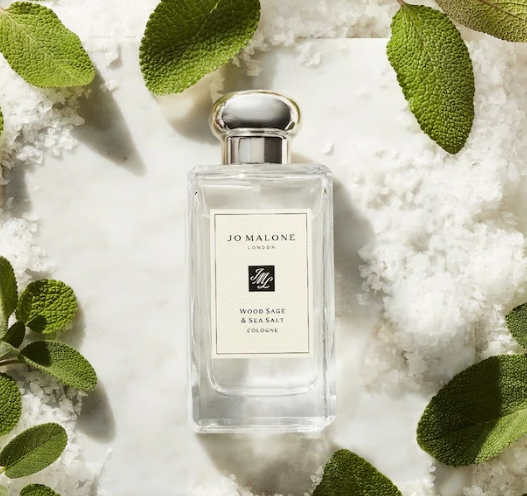
How to Apply Cologne Like It Was Made for You
Wearing cologne isn’t a routine—it’s a ritual. Here’s how to make every spray count:
Pick a scent that works with your skin. Some colognes bloom beautifully on dry skin; others come alive with warmth. Don’t just chase hype—choose what feels like you.
Hold the bottle 4–6 inches away. Too close and you’ll overwhelm your skin with alcohol. Too far and you’ll miss the mark. Think of it like a gentle mist settling onto your body.
Spray your pulse points. These are your natural heat zones: wrists, neck, chest, behind the ears. They help carry and warm the fragrance as the day goes on.
Skip the wrist rub. Pressing or rubbing can crush the scent before it even develops. Let it air dry—your skin knows what to do.
A light spray on clothes is okay. Especially on materials like cotton or denim. But be mindful: fabric doesn’t let the scent evolve like your skin does, and some materials can stain.
Where Should You Spray Cologne?
If you want your scent to stay with you, you need to place it where it can move with you. Focus on warm, exposed areas that breathe:
| Spot | Why It Works |
|---|---|
| Neck | The heat here intensifies the scent naturally |
| Wrists | They move a lot—great for subtle diffusion |
| Chest | Locked in by your body’s warmth |
| Behind the ears | Gentle and close to others’ senses |
Pro tip: A light mist through your hair can also create a delicate trail—but go easy. Hair holds scent well, sometimes too well.
How Many Sprays Is Too Many?
This one’s easy: less is more.
You want your fragrance to invite, not overpower. Three to four sprays is usually plenty for an Eau de Toilette. If you’re wearing a stronger Eau de Parfum, even one or two can be enough.
| Fragrance Type | Recommended Sprays |
|---|---|
| Eau de Cologne (EDC) | 4–6 sprays |
| Eau de Toilette (EDT) | 3–4 sprays |
| Eau de Parfum (EDP) | 2–3 sprays |
Should You Spray Cologne on Clothes?
You can—but do so thoughtfully.
Cologne on skin evolves, breathes, and changes over time. On fabric, it tends to stick in one note. For some outfits, a little spritz on your shirt or jacket can keep the scent going longer. Just be careful with silk or other delicate fabrics, as oils might stain them.
Why Pulse Points Matter
If you’ve ever wondered why fragrance advice always comes back to pulse points, here’s why: they’re warm, and warmth helps fragrances open up and radiate.
Apply to your wrists, neck, or even inside the elbows. These zones make your scent come alive—quietly but confidently.
How Long Does Cologne Last?
It depends on what you’re wearing and how you wear it.
Eau de Cologne: 3–4 hours
Eau de Toilette: 4–6 hours
Eau de Parfum: 6–8 hours or more
If your skin is dry, your scent might fade faster. Using an unscented moisturizer underneath your cologne can help hold it longer.
Should You Rub After Spraying?
Nope—don’t do it.
Rubbing your wrists together breaks apart the fragrance molecules and can flatten the scent. Instead, let it sit and settle naturally. You’ll get a more balanced, longer-lasting impression.
How to Make Cologne Last All Day
Want your scent to stay with you from morning to night? Try this:
Moisturize first. Hydrated skin holds scent better than dry skin.
Store wisely. Keep your cologne in a cool, dark place—away from heat and light.
Layer it. Use body washes, lotions, or deodorants with similar notes for a seamless base.
Don’t overdo it. Let your scent work gradually. A little goes a long way.
Skin or Clothes: Where’s Better?
Both have pros, but skin usually wins.
Your skin’s natural warmth helps reveal each layer of your fragrance—from the opening burst to the soft base notes. Clothes hold scent longer but don’t allow it to develop the same way. For full expression, spray on skin. For extra staying power, a quick spritz on clothing helps too.
Does Cologne Expire?
Yes. Cologne can go bad—especially if it’s left in direct sunlight or heat.
Over time, the scent can shift or fade. If your bottle smells off or the liquid changes color, it might be time to replace it. Store smart, and your favorite scent can last for years.
Why IMIXX Is a Favorite for Scent Lovers
Not everyone wants to spend hundreds on a bottle of fragrance—and that’s where IMIXX comes in.
They make it easy to enjoy high-end scent profiles without the luxury markup. Each fragrance is crafted with care, using fine ingredients sourced from places like Grasse, France—the same regions top houses trust.
IMIXX’s collection mirrors the mood, depth, and longevity of iconic scents you already love, while letting you explore more of them, more often. Whether you’re new to fragrance or just building a rotation, it’s a thoughtful place to start.
FAQs: Everything You’ve Ever Wondered About Cologne
How do I choose the right cologne for myself?
Finding the right cologne starts with knowing your own preferences. Are you drawn to fresh, citrusy notes? Or do you prefer something deeper and more sensual like amber or wood? Think about how you want to feel—clean, confident, warm, mysterious—and then look for scents that match that mood. Test a few on your skin, not just paper strips, and let them settle. What smells amazing on someone else might not feel like you, so trust your instincts over trends.
How many sprays of cologne should I use?
Less is usually more. You want your fragrance to be noticed in a subtle, inviting way—not to overwhelm the room. As a general rule:
Eau de Cologne: 4–6 sprays
Eau de Toilette: 3–4 sprays
Eau de Parfum: 2–3 sprays
Apply to pulse points like your neck and wrists, and space out the sprays—don’t stack them all in one spot. If you’re indoors or in close contact with others, consider using one less spray than you think you need.
Should I apply cologne to my skin or clothes?
Both options have their benefits, but applying cologne to your skin is ideal for getting the full effect of the scent. Your body heat helps the fragrance develop through its top, heart, and base notes. That said, a light mist on your clothes—especially on sturdy fabrics like cotton or denim—can help the scent linger longer. Just avoid delicate materials like silk, and know that cologne on fabric won’t evolve the same way it does on warm skin.
Does moisturizing before applying cologne really help?
Yes—moisturizing your skin before applying cologne can make a noticeable difference in how long the scent lasts. Fragrance tends to evaporate more quickly on dry skin, while moisturized skin locks in the oils and helps them linger. Use an unscented lotion to avoid clashing scents. For an even more layered effect, some people use a scented body lotion in the same scent family before applying cologne.
Where exactly should I spray cologne?
Target your pulse points—spots where blood flows close to the skin and generates warmth, which helps release the scent over time. The best areas include:
Behind the ears
Base of the throat
Inside the wrists
Chest or sternum
Inner elbows (especially when wearing short sleeves)
Avoid spraying your face or groin area, and don’t saturate—just one spritz per area is enough.
Is it okay to reapply cologne throughout the day?
Yes, but timing and amount matter. If you’re using a lighter scent like an Eau de Cologne or Eau de Toilette, it’s normal to refresh once during the day—usually after 4 to 6 hours. Just make sure you’re not layering it over sweat or dirt; a quick wash or wipe-down helps. If you’re wearing Eau de Parfum, you might not need to reapply at all. Instead of adding more on top, apply fresh to clean skin if possible.
Can I wear cologne to work or formal events?
Absolutely, but choose your scent wisely. In professional or formal settings, opt for subtle, clean scents that won’t dominate the space. Think fresh citrus, gentle florals, or soft musks. Avoid overly sweet, spicy, or heavy gourmands unless you know your environment is scent-friendly. And again—go easy on the sprays. One or two is usually enough for meetings or close quarters.
How can I tell if a cologne is long-lasting?
Check the fragrance concentration and the ingredients. Eau de Parfum typically lasts longer than Eau de Toilette due to its higher oil content. Notes like amber, sandalwood, and vanilla also tend to linger longer than citrus or green notes. Test the scent on your skin and wait a few hours. If the scent is still present (even as a soft trail), it likely has good longevity.
Can cologne go bad if I don’t use it often?
Yes, cologne can degrade over time—especially if stored improperly. Heat, light, and air exposure break down fragrance molecules and can cause the scent to sour or fade. To keep your cologne in top condition, store it in a cool, dry place away from sunlight and temperature swings. A closed drawer or a closet shelf is perfect. Most colognes last around 2–5 years, but darker, richer scents may last even longer if stored well.
Is rubbing your wrists really that bad after applying cologne?
Yes—it’s one of the most common mistakes. Rubbing your wrists together creates heat and friction, which can break down the fragrance structure. This flattens the scent and causes it to fade more quickly. Instead, just spray and let it air dry. This lets the top notes bloom naturally and gives the fragrance time to settle into its full expression.
If you’re ready to elevate your scent game—without overthinking it—start by choosing a fragrance that feels like you. Apply it with care. Let it unfold. Let it linger.
And when you’re ready to explore a few more options, you know where to start.
