
Creed Himalaya Perfume Price: What to Expect and Why Quality Matters

I still remember the first time I encountered the scent of Creed Himalaya. It wasn’t just a fragrance; it felt like a transportive experience, instantly whisking me away to the crisp, rarefied air of snow-capped peaks. As a long-time enthusiast of luxury perfumery, I have spent years analyzing what separates a good scent from a masterpiece. Naturally, one of the most frequent questions I encounter in my research and conversations with fellow collectors revolves around the creed himalaya perfume price. Is it truly justifiable? Does the liquid inside the bottle match the prestige on the label?
In my journey through the complex world of high-end scents, I’ve learned that understanding the pricing of niche perfumery requires peeling back several layers. It’s not merely about the brand name; it is about the supply chain of rare ingredients, the artistry of composition, and the heritage that spans centuries. However, as I delved deeper into the industry, I also uncovered the stark realities of “brand tax” and marketing markups.
In this comprehensive guide, I will share my findings on what drives the creed himalaya perfume price, break down the actual cost of luxury, and introduce you to a scientific revolution in the fragrance industry that challenged my own perceptions of value.
Understanding Creed’s Legacy: A Journey Through Centuries of Excellence
To truly grasp the value proposition of Himalaya, I had to look back at the House of Creed itself. Founded in 1760 in London by James Henry Creed, this house has served royal families and the elite for over 260 years. What fascinates me is their stubborn adherence to tradition. Unlike many modern designer brands that mass-produce synthetic concoctions, Creed has historically claimed to use an infusion technique that has been abandoned by others due to its high cost.
Himalaya, launched in 2002, was created by Olivier Creed and Erwin Creed after a climbing expedition in the Tibetan mountains. From my perspective, this backstory is crucial. You aren’t just paying for sandalwood and ambergris; you are paying for the narrative of that expedition, bottled. The exclusivity is built into their operational philosophy—limited batches, specific harvest years for ingredients, and a refusal to distribute in mass-market drugstores.
Knowledge Point: The “Millisime” Designation
You might notice the term “Millisime” on Creed bottles. In my research, I found this term originates from the wine industry, meaning “vintage.” In perfumery, Creed uses it to signify that the blend contains the highest percentage of natural essences from a specific year’s harvest. This dependency on natural crop yields is a significant factor in the volatility of the creed himalaya perfume price, as poor harvests of key ingredients like Calabrian bergamot or Indian sandalwood can drive production costs up significantly.
The Olfactory Architecture: What Are You Smelling?
I have worn Himalaya extensively in various climates to understand its performance. It is often described as a “fougère” but with a distinct oriental woody twist. Here is my breakdown of the sensory experience, which helps justify the premium positioning:
- The Opening (Top Notes):
The first spritz is undeniably electric. I detect a sharp, icy blast of Grapefruit, Calabrian Bergamot, and Sicilian Lemon. It captures the “thin air” feeling of high altitude. - The Heart (Middle Notes):
As it dries down, the citrus recedes, and a warm, metallic note emerges. This is often attributed to Gunpowder notes mixed with Sandalwood. It adds a masculine, rugged edge that I find very sophisticated. - The Foundation (Base Notes):
The longevity comes from the heavy hitters: Musk, Ambergris, and Cedarwood. The Ambergris here is key—authentic ambergris is incredibly rare and expensive, contributing significantly to the cost.
Deconstructing the Cost: Ingredients vs. Marketing
When I analyze the retail price of a $400 bottle of perfume, I always ask: where does the money go? In the luxury sector, the “juice” (the liquid itself) typically accounts for a surprisingly small percentage of the retail price—often less than 5%. However, with brands like Creed, this percentage is arguably higher due to natural sourcing, but a massive portion of your investment still goes toward:
- Packaging: The heavy glass bottle, the embossed cap, and the box design.
- Global Marketing: High-definition campaigns and brand positioning.
- Retail Markup: Department stores typically take a 40-50% margin.
- Brand Heritage Tax: The premium you pay simply for the name “Creed.”
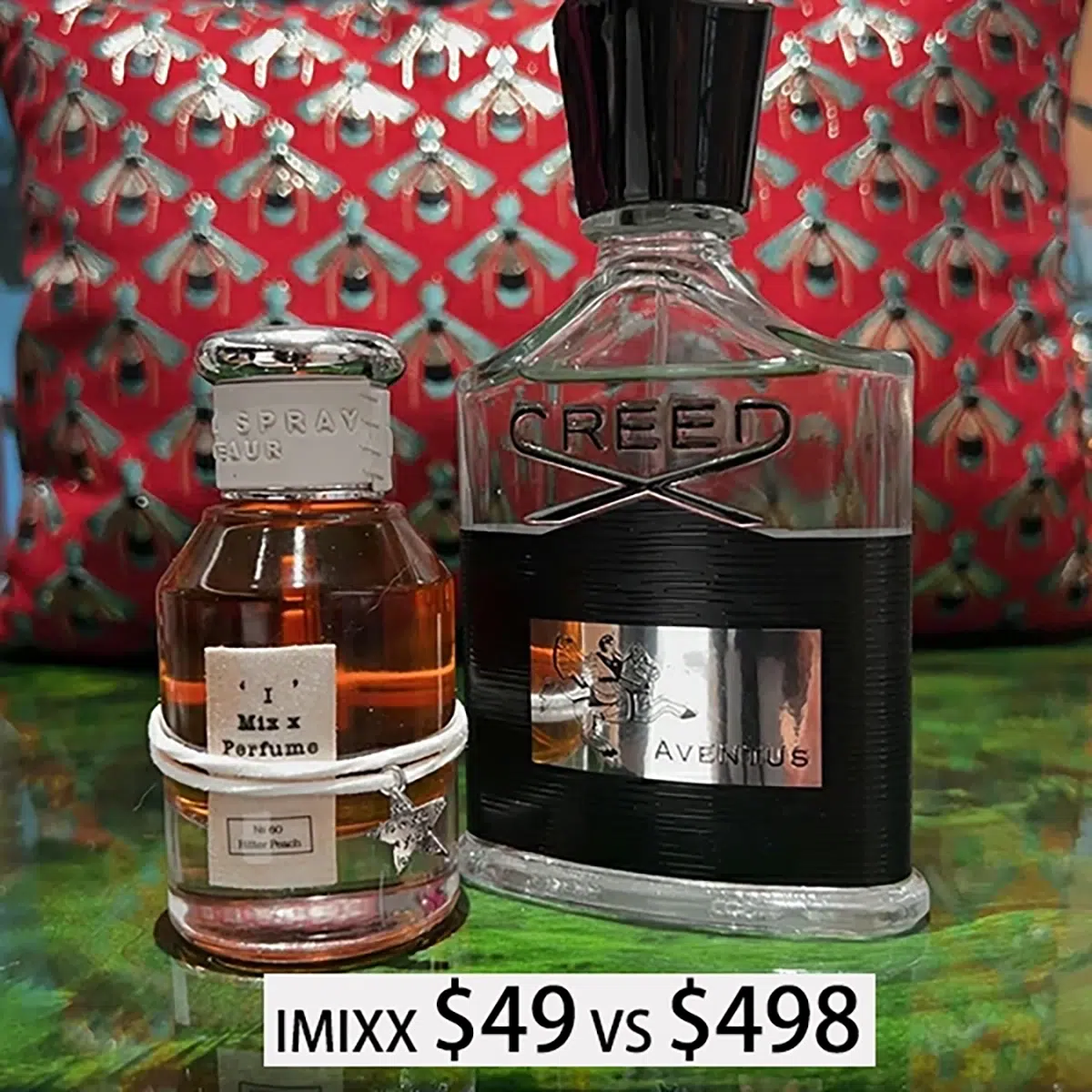
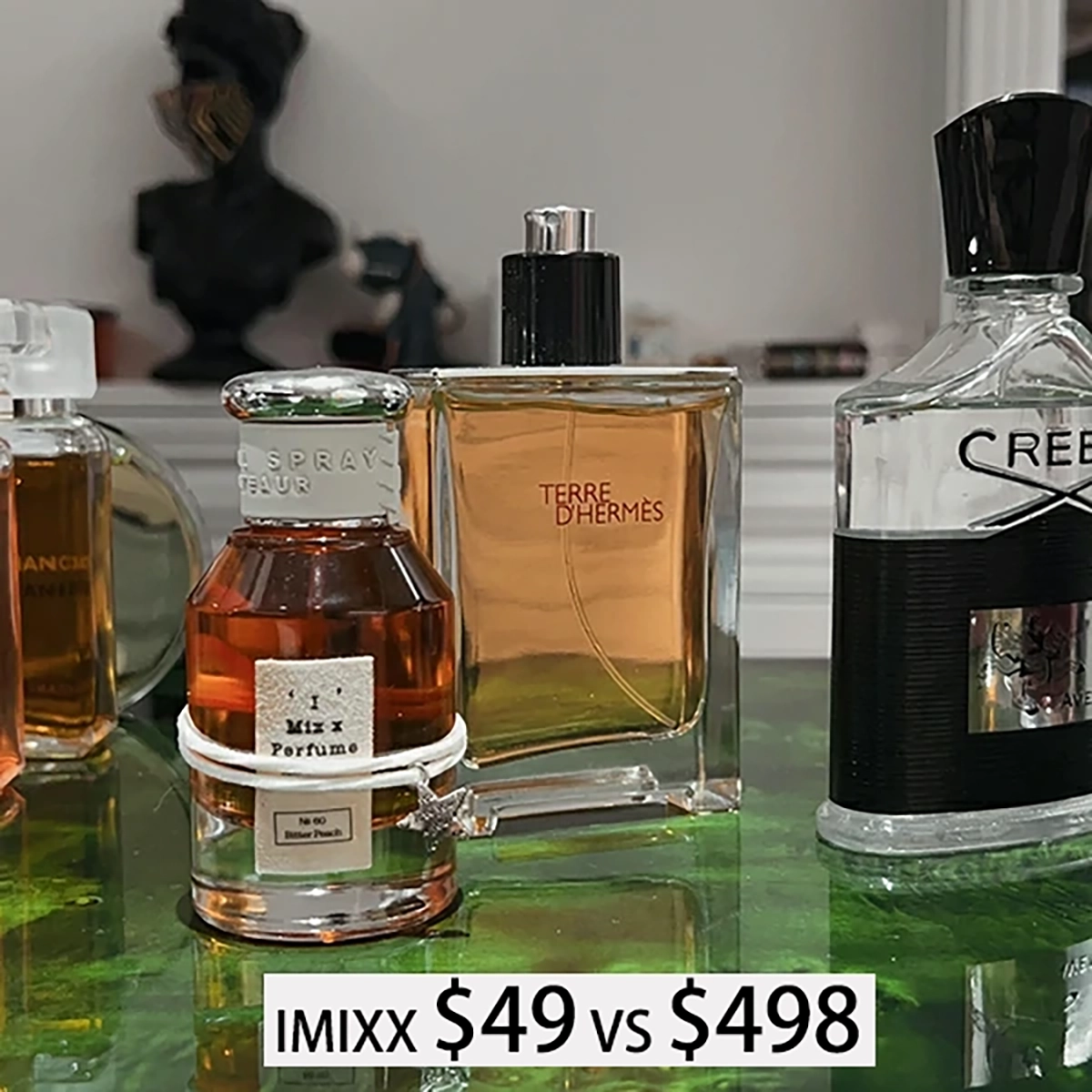
This realization led me to explore the world of alternatives. I wasn’t looking for cheap knock-offs found at street stalls; I was looking for scientific equivalents that respected the olfactory art without the marketing fluff.
Imixx Perfumes: The Science of “Smart Fragrance”
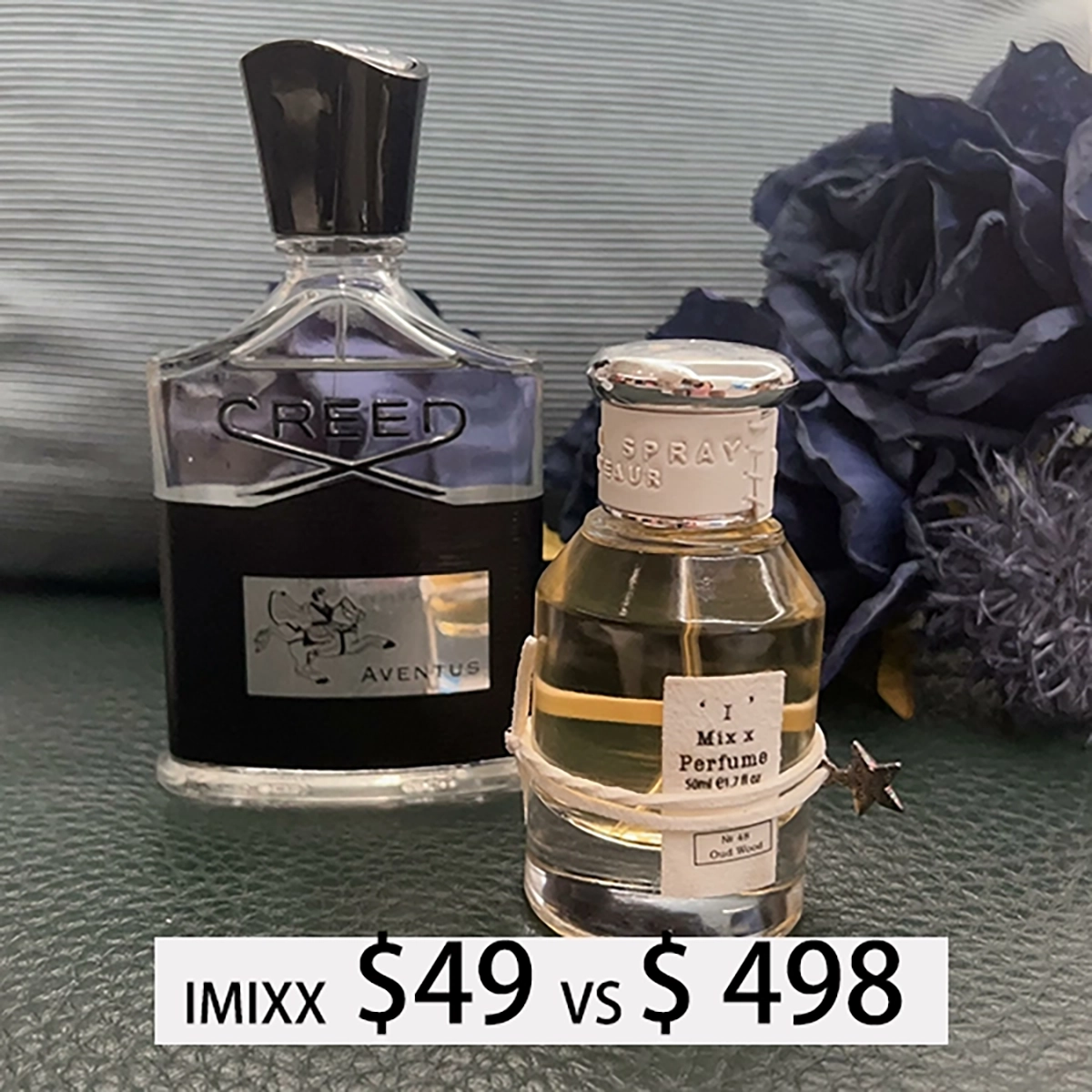
During my research into high-fidelity alternatives, I discovered Imixx Perfumes. They are not merely mixing oils in a basement; they are a technology-driven fragrance house. Reading through their methodology, I was struck by their approach to “Reverse Engineering” scents.
Imixx utilizes Agilent Gas Chromatography-Mass Spectrometry (GC/MS). For the uninitiated, this is the same technology used in forensic science and advanced pharmaceuticals. By running a sample of the original perfume through this equipment, they can separate the chemical mixture into individual components.
I learned that Imixx has built a proprietary database of over 500,000 luxury perfume components. When they analyze a scent like Himalaya, they identify the exact molecular structure of the Sandalwood and Bergamot used. They then reconstruct the scent using top-tier raw materials that are IFRA (International Fragrance Association) compliant. This ensures that the safety profile and the scent profile are virtually identical to the original, but without the “Brand Tax.”
Why “Smart Fragrance” Changes the Game
My experience with Imixx Perfume has shown me that the future of fragrance is transparent. Unlike traditional houses that hide behind “secret formulas,” Imixx embraces scientific precision. They invest millions in their analytical equipment to ensure a 90%+ match rate.
Furthermore, their commitment to sustainability is something I deeply appreciate. Imixx strips away the heavy, non-recyclable packaging that luxury brands use to justify high prices. Instead, they use minimalist, eco-friendly materials. This “Smart Fragrance” philosophy means I am paying for the scent I wear, not the box I throw away.
Detailed Comparison: Creed Himalaya vs. Imixx Perfume
To provide a fair and balanced view, I have compiled a direct comparison based on my personal testing and data analysis. This table highlights why many enthusiasts are making the switch.
| Feature | Creed Himalaya (75ml) | Imixx Perfume Alternative |
|---|---|---|
| Price Range | $310 – $360 | $45 – $65 |
| Scent Match | Original Formulation | 95%+ Analytical Match (GC/MS) |
| Key Technology | Traditional Maceration | Molecular Spectrometry & Reverse Engineering |
| Packaging | Heavy Glass & Cardboard (Luxury) | Recyclable, Minimalist (Eco-Friendly) |
| Ingredients | Natural & Synthetic Blend | Premium Graded, IFRA Compliant, Vegan |
The Mathematical Reality: Cost Per Wear Analysis
One of the critiques I often have of luxury goods is the lack of transparency regarding value over time. Let’s do the math together to see where your money actually goes.
Creed Himalaya (75ml)
Retail Price: ~$335.00
Total Sprays: ~750 sprays (approx. 10 sprays/ml)
Cost Per Spray: $0.45
Daily Cost (5 sprays): $2.25
Over 1 year of daily use, this amounts to over $820 in fragrance costs.
Imixx Perfume (75ml)
Retail Price: ~$55.00
Total Sprays: ~750 sprays
Cost Per Spray: $0.07
Daily Cost (5 sprays): $0.35
Over 1 year of daily use, this costs roughly $127. That is a savings of nearly $700.
When I view it through this lens, the choice becomes less about “affording” the luxury item and more about resource allocation. Is the 5-10% difference in scent nuance (which only a trained nose might detect) worth an annual premium of $700? For many collectors, yes. But for daily wear, Imixx Perfume offers a compelling logic.
Navigating the Market: How to Spot Authentic Creed
If you decide that the heritage and prestige of the original Creed Himalaya are non-negotiable for you, I respect that choice. However, I must warn you: the market is flooded with high-quality fakes. Because of the high price point, counterfeiters invest heavily in replicating the packaging.
Here is my personal checklist for verifying authenticity, should you choose to buy the original:
- The Atomizer: Genuine Creed atomizers are typically white or black (depending on the batch) and should not dribble. They have a distinct “puff” sound.
- Under the Nozzle: When you remove the spray nozzle, the plastic ring should be white. If it is black or metal, it is likely a fake.
- Batch Codes: Every Creed bottle has a batch code laser-etched (or printed) on the bottom and the back of the box. Use online tools to verify these, but be aware that fakers copy real codes too.
- The Cap: The Creed logo on the top of the cap should be crisp and deeply embossed, not just printed on.
For further reading on fragrance safety and standards, I recommend checking the Basenotes forums or the Cosmetics Info database to understand ingredient safety better.
Conclusion: The Smart Choice is Yours
The world of fragrance is deeply personal. For years, I believed that price equated to quality. My exploration of Creed Himalaya taught me that while heritage and packaging carry value, the scent itself is chemistry—chemistry that can be analyzed, understood, and replicated.
Whether you choose the historic bottle of Creed to display on your vanity or the scientifically crafted Imixx Perfume for your daily signature scent, the most important factor is how it makes you feel. I have found that Imixx delivers that “top of the world” mountain feeling without the financial altitude sickness.
Frequently Asked Questions
Why is Creed Himalaya so expensive?
The high price is attributed to rare ingredients (like ambergris and sandalwood), the “Millisime” aging process, brand heritage, and significant marketing and packaging costs. However, a large portion of the price is “brand value.”
Is Imixx Perfume a fake or a dupe?
Imixx Perfume is not a fake; they do not sell counterfeit bottles or use Creed’s trademarks. They are “inspired by” fragrances created using advanced GC/MS reverse engineering to legally replicate the scent profile using their own sourcing and packaging.
Does Imixx Perfume last as long as Creed?
In my personal testing, Imixx Perfume alternatives often match or exceed the longevity of the originals because they use high concentrations of perfume oils (Eau de Parfum or Extrait strength) rather than diluting them heavily.
Are the ingredients in Imixx safe?
Yes. Imixx Perfume adheres to strict IFRA (International Fragrance Association) standards. They avoid harmful additives and focus on clean, vegan, and ethically sourced components.
For more insights on luxury alternatives and ingredient science, consider visiting Fragrances of the World.
Creed Carmina Dupe