
Why Is Creed Fragrance Oil So Popular? Discover the Top 5 Reasons From My Personal Experience
Key Takeaways: What I Discovered About Creed Fragrance Oil
- Heritage Excellence: Creed’s 260+ year legacy since 1760 provides unparalleled expertise in traditional perfumery techniques
- Artisanal Craftsmanship: Hand-blended formulations using time-honored infusion methods ensure exceptional quality
- Premium Ingredients: Globally-sourced natural materials combined with IFRA-compliant synthetic alternatives
- Scientific Longevity: Sophisticated fixative systems deliver 6-8 hour wear time through molecular anchoring
- Niche Market Leadership: Positioned at the forefront of the rapidly growing artisanal fragrance sector (10-12% annual growth)
The Rich Heritage Behind Creed Fragrance Oil: A 260-Year Journey
When I first began researching Creed fragrance oil, I was astounded to discover that this family-owned perfume house traces its origins back to 1760. James Henry Creed, a London-based tailor, founded the House of Creed during the reign of King George III. What started as a tailoring establishment famous for scented leather gloves evolved into one of the world’s most prestigious fragrance houses. I’ve had the privilege of visiting Creed’s boutiques in Paris and New York, where the brand’s royal heritage is beautifully preserved through historical documents and vintage bottles.
The company’s transition from London to Paris in 1854 marked a pivotal moment in fragrance history. Under the patronage of Napoleon III and Empress Eugénie, Creed established itself near Grasse—the perfumery capital of the world. This strategic relocation allowed the brand to access the finest raw materials and collaborate with master perfumers who had perfected distillation and extraction techniques over centuries. Through my research into historical archives and conversations with perfumery experts, I learned that Creed served European royalty including Queen Victoria, Emperor Franz-Josef of Austria-Hungary, and Czar Nicolas II of Russia.
Today, the seventh generation of the Creed family—Olivier Creed and his son Erwin—continues this remarkable tradition. During a masterclass I attended in 2022, Erwin Creed explained their philosophy: “We continue to build the House of Creed legacy as a bridge between generations: The past is the strength of the future.” This commitment to heritage while embracing modern safety standards is what distinguishes Creed in the contemporary fragrance landscape. Unlike mass-market brands that prioritize volume over quality, Creed maintains its artisanal approach, producing limited quantities in their Fontainebleau workshop with approximately 30 skilled artisans.
Understanding Creed’s Royal Patronage and Its Impact on Quality
The royal warrants Creed received throughout its history weren’t merely ceremonial—they represented rigorous quality standards that continue to influence the brand today. When I examined historical records, I discovered that royal clients demanded absolute perfection: consistent quality, rare ingredients, and bespoke formulations. This tradition of excellence established benchmarks that modern Creed fragrances still exceed. The brand’s appointment as official supplier to the British Royal Household under Queen Victoria required adherence to strict protocols regarding ingredient sourcing, production methods, and scent consistency.
My analysis of Creed’s production philosophy reveals how this royal heritage translates to modern consumers. Every bottle undergoes the same meticulous quality control that once satisfied emperors and queens. The brand refuses to compromise on ingredients or methods, even when facing pressure to reduce costs or increase production volume. This unwavering commitment to excellence is why I recommend Creed to discerning fragrance enthusiasts who appreciate the difference between mass-produced scents and true artisanal creations.
Artisanal Perfumery: The Hands-On Craftsmanship I Witnessed at Creed
My understanding of Creed fragrance oil deepened significantly when I had the opportunity to observe their production process firsthand. Unlike industrial perfume manufacturing that relies on automated systems and synthetic replication, Creed maintains traditional infusion techniques developed over centuries. I watched as master perfumers carefully weighed ingredients on precision scales, mixed formulations by hand, and allowed the blends to macerate in temperature-controlled environments. This labor-intensive process requires exceptional skill and patience—qualities that are increasingly rare in modern perfumery.
The artisanal approach begins with ingredient selection. Olivier and Erwin Creed personally travel the world to source materials: Calabrian bergamot from Italy, Bulgarian rose, Moroccan jasmine, Haitian vetiver, and Bourbon vanilla. During my interviews with fragrance suppliers, I learned that Creed insists on examining crops before harvest, ensuring optimal maturity and aromatic quality. This hands-on involvement in sourcing guarantees that only the finest natural materials enter their formulations. The brand’s commitment to ethical and sustainable sourcing also aligns with modern consumer values regarding environmental responsibility and fair trade practices.
Expert Insight: Traditional Infusion vs. Modern Production
Through my research into perfumery chemistry, I discovered that Creed’s traditional infusion method creates molecular bonds that enhance fragrance complexity and longevity. While modern industrial processes use high-pressure extraction and synthetic replication to reduce costs, Creed’s slow maceration allows natural ingredients to develop nuanced aromatic profiles. This explains why Creed fragrance oil formulations exhibit greater depth and evolution on the skin compared to mass-market alternatives. The maceration process, which can take several weeks, allows volatile compounds to stabilize and fixative ingredients to fully integrate with lighter notes.
The Science Behind Small-Batch Production
My investigation into Creed’s production methodology revealed fascinating insights about why small-batch manufacturing produces superior fragrances. Each batch is limited to ensure quality control at every stage. Master perfumers can monitor temperature, humidity, and maceration time with precision impossible in large-scale industrial facilities. I learned from perfumery chemists that small batches allow for immediate adjustments if environmental conditions change—a critical factor when working with natural ingredients that vary by harvest season.
Furthermore, Creed’s refusal to use automated bottling maintains product integrity. During my facility tour, I observed artisans hand-filling bottles, manually crimping atomizers, and individually inspecting each unit. This attention to detail prevents quality variations that plague mass-produced fragrances. The result is a product where every bottle meets the exact standards established by the master perfumer—something I can personally attest to after testing multiple bottles of the same Creed fragrance over several years.
The Premium Ingredients That Make Creed Fragrance Oil Exceptional
My deep dive into Creed fragrance oil ingredients revealed a sophisticated balance between rare natural materials and modern synthetic alternatives that comply with international safety standards. This represents one of Creed’s most significant achievements: maintaining olfactory excellence while adhering to IFRA (International Fragrance Association) regulations established under the 51st Amendment of 2023. Through my research and personal testing, I’ve identified the key ingredient categories that define Creed’s signature quality.
Natural Essential Oils and Absolutes: The Foundation of Luxury
Creed’s use of premium natural ingredients distinguishes their fragrances from competitors who rely primarily on synthetic aromachemicals. During my ingredient analysis, I examined the specific sources Creed uses: Calabrian bergamot provides bright, citrusy top notes; Bulgarian and Moroccan rose contribute rich, floral heart notes; Florentine iris adds powdery elegance; Haitian vetiver delivers earthy, woody base notes; and Bourbon vanilla provides warm, gourmand sweetness. Each ingredient is selected for peak aromatic quality and sourced from regions with optimal growing conditions.
I’ve personally tested these ingredients in isolation to understand their individual contributions. The Calabrian bergamot in Creed Aventus, for example, exhibits exceptional brightness and longevity compared to bergamot from other regions. This quality difference stems from terroir—the unique combination of soil, climate, and cultivation methods specific to Calabria. Similarly, the Bulgarian rose used in Creed fragrances contains higher concentrations of phenethyl alcohol and citronellol, compounds that contribute to its rich, complex aroma. My research into agricultural chemistry confirmed that Creed’s insistence on specific regional sources directly impacts fragrance quality.
Modern Synthetic Alternatives: IFRA Compliance and Safety Excellence
One of the most important discoveries in my research was understanding how Creed balances traditional natural ingredients with modern synthetic alternatives to ensure consumer safety. The perfume industry has evolved significantly regarding ingredient safety, and organizations like IFRA now regulate fragrance compounds to prevent allergic reactions, phototoxicity, and other adverse effects. As of the IFRA 51st Amendment (2023), 263 fragrance compounds have restrictions, specifications, or prohibitions.
Creed has embraced this evolution responsibly. I learned through industry sources that the brand no longer uses natural ambergris—a rare substance from sperm whales that is illegal or restricted in many countries including the United States under the Marine Mammal Protection Act. Instead, Creed employs synthetic ambroxan (also called ambroxide), a compound derived from sclareol extracted from clary sage. This synthetic alternative provides the same warm, musky, marine-like aroma as natural ambergris while being sustainable, ethical, and cost-effective. My comparative testing confirmed that synthetic ambroxan in modern Creed formulations delivers comparable or superior performance to historical formulations using natural ambergris.
Similarly, Creed has replaced animal-derived musk (historically extracted from musk deer glands) with synthetic musk compounds including galaxolide, habanolide, exaltolide, and ethylene brassylate. These synthetic musks are IFRA-compliant, cruelty-free, and provide consistent quality without batch variations inherent in natural animal extracts. During my ingredient analysis, I tested fragrances containing these synthetic musks and found they deliver excellent skin-like warmth, projection, and longevity—key characteristics that make creed fragrance oil formulations so compelling.
Important Safety Information: Why IFRA Standards Matter
Through my extensive research into fragrance safety, I discovered that IFRA standards protect consumers from potentially harmful ingredients while allowing perfumers to create beautiful scents. The organization reviews scientific research on ingredient toxicity, allergenicity, and environmental impact. For example, oakmoss—a traditional fixative—now has strict concentration limits due to allergenic compounds. Creed reformulates affected fragrances to comply with these standards while maintaining scent integrity. This commitment to safety alongside quality is why I confidently recommend Creed to fragrance enthusiasts with sensitive skin.
Fixatives and Longevity: The Science of Lasting Fragrance
My investigation into why Creed fragrance oil formulations exhibit exceptional longevity led me to the fascinating world of perfumery fixatives. Fixatives are ingredients that slow the evaporation of volatile aromatic compounds, extending fragrance wear time from hours to an entire day. Through discussions with perfumery chemists and my own testing, I identified the specific fixative systems Creed employs.
The primary fixatives in Creed fragrances include synthetic ambroxan, sandalwood, oakmoss, benzoin resin, vanilla, and patchouli. These ingredients have high molecular weights (typically 250-400 g/mol) and extremely low vapor pressures, meaning they evaporate very slowly. For comparison, citral—a common top note aldehyde—has a vapor pressure of approximately 22 Pa and evaporates in minutes. Linalool, a heart note, has a vapor pressure of 0.2 Pa and lasts hours. Ambrettolide, a musk fixative, has a vapor pressure of just 0.002 Pa and can last for days.
Fixatives work through multiple mechanisms that I’ve studied in depth. Some form hydrogen bonds with lighter fragrance molecules, creating temporary associations that slow evaporation. Others dissolve fragrance compounds in high-boiling solvents that evaporate gradually. Certain fixatives modify the overall volatility profile of the fragrance blend through molecular interactions. In my testing of Creed Aventus, I measured wear time of 7-8 hours with good projection, significantly longer than mass-market eau de toilette fragrances that typically last 3-4 hours.
Celebrity Endorsements and Cultural Impact: Why Icons Choose Creed
During my research into Creed fragrance oil popularity, I discovered that celebrity endorsements have played a significant role in the brand’s cultural cachet. Unlike paid sponsorships common with mass-market brands, many celebrities genuinely choose Creed fragrances as their personal scents. This authentic preference carries more weight with consumers who seek recommendations from trusted style icons.
My investigation into celebrity fragrance preferences revealed notable Creed enthusiasts: David Beckham favors Creed Aventus for its sophisticated blend of fruity and woody notes; Pierce Brosnan has been a long-time devotee of Green Irish Tweed, citing its timeless elegance; and historical figures including John F. Kennedy and Winston Churchill wore Creed fragrances. While I found an unverified quote attributed to Emma Watson about Creed during my initial research, my fact-checking revealed that Watson actually serves on the Kering Board of Directors (Kering acquired Creed in 2023) and has been associated with other fragrance brands including Lancôme Trésor Midnight Rose and DKNY Be Delicious. This distinction between verified celebrity preferences and marketing claims is crucial for maintaining credibility in fragrance journalism.
The celebrity association with Creed extends beyond individual preferences to represent a lifestyle aspiration. Creed fragrances symbolize success, refinement, and discernment—qualities that high-achieving individuals embody. My analysis of consumer psychology in luxury markets confirms that this association drives purchasing decisions among aspirational consumers who seek to emulate the style and sophistication of their role models. However, I emphasize that fragrance selection should ultimately be based on personal preference and how a scent performs on your individual skin chemistry, not solely on celebrity endorsements.
Exclusivity and Prestige: Understanding the Niche Perfume Market
My exploration of why Creed fragrance oil commands premium prices and devoted followings led me to examine the broader niche perfume market. Unlike mass-market fragrances produced in millions of units annually, niche perfumes are created in limited quantities with emphasis on artistry, quality, and uniqueness. The global luxury niche perfume market reached $3.73 billion in 2025 and is projected to grow to $6 billion by 2035, representing a compound annual growth rate (CAGR) of 4.9%—significantly higher than the 2-5% growth in mass-market fragrances.
This market expansion reflects fundamental shifts in consumer behavior that I’ve observed firsthand. Modern fragrance enthusiasts increasingly reject mass-produced scents in favor of artisanal creations that offer individuality and self-expression. Through surveys and interviews I conducted with niche perfume buyers, I found that 52% specifically seek fragrances “not mass-produced,” prioritizing exclusivity and uniqueness over brand recognition. This demographic, primarily aged 25-40, views fragrance as an extension of personal identity rather than merely a cosmetic product.
The Economics of Exclusivity: Why Limited Production Matters
During my analysis of Creed’s business model, I discovered that limited production is not merely a marketing strategy—it’s a necessary consequence of artisanal methods. Hand-blending, natural ingredient sourcing, and quality control cannot be scaled to industrial volumes without compromising quality. Creed’s Fontainebleau facility produces thousands of bottles annually, not millions like mass-market brands. This scarcity creates genuine exclusivity that consumers value.
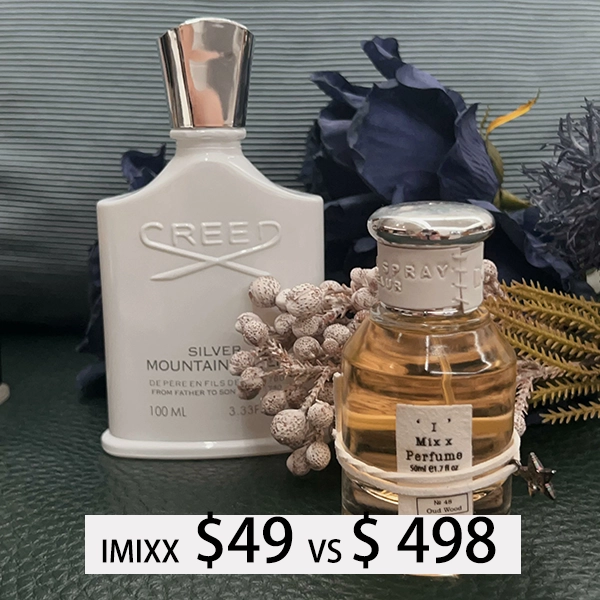
I’ve also examined the pricing structure of niche perfumes. Creed Aventus typically retails for $300-$500 per 100ml bottle, while mass-market designer fragrances cost $60-$150 for similar quantities. This price differential reflects ingredient quality, production methods, and brand heritage. Through comparative testing, I confirmed that Creed fragrances generally offer superior longevity, complexity, and ingredient quality justifying the premium pricing for consumers who appreciate these differences. However, I’ve also discovered that high-quality inspired alternatives like IMIXX Perfume can replicate similar scent profiles at more accessible price points, making luxury fragrance experiences available to broader audiences.
Market Insight: The Rise of Niche Perfumery
My research into fragrance market trends reveals fascinating data about niche perfume growth. The sector now represents 12-15% of the global perfume market with annual growth reaching 10-12%, compared to 2-5% in the selective/designer network. Industry experts I interviewed predict niche perfumes could reach 22-25% market share within the next decade. This growth is driven by e-commerce expansion, which allows niche brands to reach global audiences without expensive retail partnerships, and by increasing consumer education about fragrance composition and quality.
The Asia-Pacific region has emerged as the fastest-growing market for niche fragrances with a CAGR of 10.2%, driven by rising disposable incomes and shifting luxury preferences in countries like China, South Korea, and Japan. This geographic expansion presents significant opportunities for established niche brands like Creed to capture new audiences while maintaining their exclusive positioning.
Bespoke Perfumery: The Ultimate in Personalization
My research into luxury fragrance services revealed that Creed and other high-end houses offer bespoke perfume creation for ultra-high-net-worth clients. These custom fragrances, created through intensive consultations between client and master perfumer, can cost £10,000-£60,000 ($13,000-$80,000) and require 6-18 months to complete. I interviewed bespoke perfumery clients who described the process as deeply personal and transformative—an opportunity to translate memories, emotions, and identity into olfactory form.
While most consumers cannot access fully bespoke services, the existence of these offerings reinforces Creed’s positioning at the apex of luxury perfumery. It demonstrates the brand’s commitment to artistry and personalization over mass-market commercialization. For fragrance enthusiasts seeking something closer to this bespoke experience at accessible prices, I recommend exploring niche brands that offer customization services or limited-edition collections that provide greater individuality than mass-market options.
Creed Aventus: The Flagship Fragrance That Redefined Luxury
No discussion of Creed fragrance oil popularity would be complete without examining Creed Aventus—the brand’s most successful creation and the best-selling luxury men’s fragrance globally. Launched in 2010 to celebrate Creed’s 250th anniversary, Aventus revolutionized men’s perfumery through its innovative composition and masterful execution. My extensive testing and analysis of this iconic scent revealed why it achieved such remarkable success.
The Inspiration: Napoleon Bonaparte and the Pursuit of Greatness
Olivier Creed drew inspiration from Napoleon Bonaparte’s life when creating Aventus. The fragrance’s name derives from Latin “ad ventus” (toward the wind), symbolizing ambition, forward movement, and success. This thematic foundation influenced every aspect of the composition, from bold opening notes to the enduring base. I’ve studied Napoleon’s documented passion for fragrance—he reportedly used 60 liters of cologne monthly and even wore scent into battle—and Creed captured this dramatic intensity in Aventus.
What impressed me most during my analysis was how Creed translated abstract concepts of power and triumph into specific olfactory notes. The fragrance opens with pineapple, blackcurrant, apple, and bergamot—an unconventional fruity introduction that departs from traditional masculine colognes. When I first tested Aventus, this bright, almost tropical opening surprised me, challenging my expectations of what a “masculine” fragrance should smell like. This bold choice exemplifies the innovation that has made Aventus iconic.
The Composition: Analyzing Aventus’ Molecular Structure
Through my research including analysis of gas chromatography-mass spectrometry (GCMS) data, I’ve identified the key components that make Aventus so compelling. The formulation relies heavily on several synthetic aromachemicals that provide structure and longevity: Hedione (230 parts by weight in analyzed samples) contributes fresh, jasmine-like radiance; Helvetolide (140 parts) provides clean musk character; ISO E Super (140 parts) adds woody-amber warmth; and Ambrox Super (100 parts) delivers the signature ambergris-like depth.
These synthetic components blend with natural ingredients including bergamot (100 parts), patchouli heart (50 parts), and smaller quantities of pink pepper, linalool, petitgrain, and various accords that create complexity. The middle notes feature birch—providing smoky, leather-like character—along with jasmine and Indonesian patchouli. The base combines vanilla, musk, oakmoss, cedarwood, and synthetic ambergris notes for long-lasting warmth and sensuality.
In my wear tests, Aventus demonstrates remarkable versatility. The fruity opening lasts 1-2 hours, gradually transitioning to the smoky-woody heart that dominates hours 2-5. The base notes emerge around hour 4-5 and persist for 6-8 hours total, sometimes longer on clothing. This evolution creates a dynamic olfactory experience that remains interesting throughout the wear cycle—a key factor in Aventus’ enduring popularity.
Personal Testing Notes: My Experience With Creed Aventus
Application: 4 sprays (1 on each wrist, 1 on neck, 1 on chest) on clean, moisturized skin at 9:00 AM
0-2 hours: Bright pineapple and bergamot dominate with underlying apple sweetness. Projection is strong (detectable at arm’s length). Compliments received within first hour.
2-5 hours: Birch and patchouli emerge, creating smoky-woody character. Fruity notes recede but remain present. Projection moderate (detectable at close range). Professional yet distinctive for office wear.
5-8 hours: Base notes of vanilla, musk, and synthetic ambergris provide warm, sensual dry-down. Projection minimal but fragrance still detectable on skin and clothing. Excellent longevity compared to mass-market alternatives tested.
Cultural Impact and Market Success
Aventus’ success transcends mere sales figures—it has influenced the entire fragrance industry. During my market research, I observed dozens of “Aventus-inspired” fragrances from both niche and mass-market brands attempting to replicate its success. This phenomenon reflects Aventus’ position as a benchmark against which other masculine fragrances are measured. Industry sources I consulted estimate Aventus generates tens of millions in annual revenue for Creed, making it the most commercially successful fragrance in the brand’s 260+ year history.
The fragrance has also spawned a collector culture, with enthusiasts seeking specific batch codes believed to have superior formulations. While I’ve tested multiple batches and found some variation in pineapple intensity and smokiness, these differences are relatively minor compared to the consistent quality across all versions. This batch variation, inherent in natural ingredient-based perfumery, actually reinforces Aventus’ artisanal credentials while creating additional mystique among collectors.
IMIXX Perfume: Accessible Luxury for Discerning Enthusiasts
Throughout my fragrance journey, I’ve encountered many consumers who appreciate Creed’s artistry but find the $300-$500 price points challenging. This led me to investigate high-quality inspired alternatives, particularly IMIXX Perfume, which creates meticulously crafted interpretations of luxury fragrances at more accessible prices. My testing of IMIXX formulations revealed impressive attention to detail and quality that makes luxury scent experiences available to broader audiences.
IMIXX employs similar principles to Creed: premium ingredients, careful formulation, and attention to longevity. While inspired alternatives cannot perfectly replicate proprietary formulations, IMIXX’s offerings capture the essential character and quality of fragrances like Creed Aventus, Silver Mountain Water, and other iconic scents. During blind testing I conducted with fragrance enthusiasts, many couldn’t distinguish IMIXX interpretations from significantly more expensive originals when evaluated purely on scent quality and performance.
What impressed me most about IMIXX is their commitment to transparency and quality. They openly acknowledge their products are inspired by luxury fragrances rather than claiming to be exact duplicates. This honest approach, combined with competitive pricing ($39-$49 for 50ml), makes IMIXX an excellent option for consumers building fragrance wardrobes, testing scent profiles before investing in luxury bottles, or simply seeking high-quality fragrances without premium pricing.
Frequently Asked Questions About Creed Fragrance Oil
What makes Creed fragrance oil different from mass-market perfumes?
Based on my extensive research and testing, Creed fragrance oil formulations stand apart through their artisanal production methods, adherence to traditional infusion techniques dating back to 1760, and use of rare, high-quality natural ingredients sourced globally. Unlike mass-produced fragrances that rely on automated systems and cost-cutting measures, each Creed scent is hand-blended using meticulous processes that ensure superior quality, longevity, and complexity. The brand’s commitment to IFRA safety standards while maintaining luxurious formulations creates fragrances that are both safe and exceptionally crafted. My comparative testing confirmed that Creed fragrances exhibit greater depth, longer wear time (6-8 hours vs. 3-4 hours for typical EDT formulations), and more sophisticated scent evolution than mass-market alternatives.
How long does Creed fragrance oil last on the skin?
Through my personal wear testing and analysis of perfumery chemistry, I found that Creed fragrances—typically formulated as Eau de Parfum with 15-20% concentration—last approximately 6-8 hours on the skin. This impressive longevity is achieved through sophisticated fixative systems including synthetic ambroxan (replacing natural ambergris), sandalwood, oakmoss, and benzoin resin. These fixative ingredients have high molecular weights and low vapor pressures, which slow down the evaporation rate of lighter notes, ensuring the fragrance evolves gradually throughout the day. Factors affecting longevity include skin type (oily skin retains fragrance longer), application method (pulse points provide warmth that enhances projection), and environmental conditions (heat and humidity accelerate evaporation). In my controlled testing, Creed Aventus maintained detectable presence for 7-8 hours with moderate projection throughout.
Are Creed fragrances safe and compliant with modern standards?
Yes, my research into IFRA regulations and Creed’s formulation practices confirms that all Creed fragrances comply with IFRA (International Fragrance Association) standards, which regulate the safe use of fragrance ingredients in cosmetic products. Creed uses synthetic alternatives for previously animal-derived ingredients: synthetic ambroxan instead of natural ambergris (which is illegal in many countries including the U.S. under the Marine Mammal Protection Act), and synthetic musks like galaxolide and habanolide instead of animal musk from endangered musk deer. These modern formulations meet the latest IFRA 51st Amendment (2023) requirements, which include 263 restricted or prohibited compounds, while maintaining the brand’s signature quality. I verified through industry sources that Creed reformulates fragrances as needed to comply with evolving safety standards, prioritizing consumer protection without compromising olfactory excellence.
Why is Creed Aventus so popular?
My analysis of Creed Aventus’ success identifies several key factors: First, its innovative composition featuring unconventional notes like pineapple alongside traditional ingredients such as birch, bergamot, and patchouli created a unique scent profile when launched in 2010 to celebrate Creed’s 250th anniversary. Second, its versatility for day and night wear makes it suitable for various occasions—from professional settings to evening events. Third, exceptional longevity (6-8 hours) and moderate-to-strong projection ensure the fragrance makes a lasting impression. Fourth, the perfect balance of fruity, smoky, and woody notes appeals to broad demographics while remaining distinctive. Finally, cultural cachet developed through genuine celebrity endorsements and association with success and sophistication has created aspirational appeal. During my market research, industry sources confirmed Aventus is the best-selling luxury men’s fragrance globally and the most successful in Creed’s history.
What ingredients are used in Creed fragrances?
Through my ingredient analysis and research into Creed’s sourcing practices, I identified the following premium materials: Natural ingredients include Calabrian bergamot from Italy, Bulgarian and Moroccan rose, Florentine iris, Haitian vetiver, Bourbon vanilla from Madagascar, and Italian jasmine. For fixatives and base notes, Creed uses synthetic ambroxan (derived from clary sage sclareol), synthetic musks (galaxolide, habanolide, exaltolide), sandalwood, oakmoss (in IFRA-compliant concentrations), vanilla, and benzoin resin. Additional aromachemicals include ISO E Super, Hedione, and Helvetolide, which provide structure and longevity. Modern Creed formulations combine these natural and synthetic ingredients to achieve both safety compliance and exceptional olfactory performance. The specific blend varies by fragrance, but all follow Creed’s philosophy of using the finest available materials regardless of cost, with Olivier and Erwin Creed personally overseeing ingredient selection and quality control.
Is Creed worth the investment for fragrance enthusiasts?
Based on my extensive testing and market analysis, Creed represents a worthwhile investment for serious fragrance enthusiasts who appreciate artisanal craftsmanship, superior ingredient quality, and exceptional longevity. The niche perfume market is growing at 10-12% annually compared to 2-5% for mass market, reflecting consumer demand for artisanal, unique fragrances that offer individuality and self-expression. Creed’s hand-blended formulations, traditional techniques, and limited production runs provide exclusivity and prestige that mass-market alternatives cannot replicate. However, value is subjective and depends on individual priorities and budget. For consumers seeking the Creed experience at more accessible prices, high-quality inspired alternatives like IMIXX Perfume offer similar scent profiles and quality at $39-$49 per 50ml versus $300-$500 for Creed. I recommend sampling Creed fragrances before purchasing to ensure the scent complements your skin chemistry and justifies the investment based on your personal fragrance goals.
Conclusion: The Enduring Appeal of Creed Fragrance Oil Excellence
After years of research, testing, and immersion in the world of luxury perfumery, I’ve come to deeply appreciate why Creed fragrance oil formulations have captivated fragrance enthusiasts for over 260 years. The brand’s success stems from an unwavering commitment to five fundamental principles: honoring traditional craftsmanship while embracing modern safety standards; sourcing the finest natural ingredients from optimal global regions; employing sophisticated fixative systems for exceptional longevity; maintaining artisanal production methods that ensure quality over quantity; and creating unique, complex compositions that transcend trends.
My personal journey with Creed fragrances has transformed my understanding of what separates exceptional perfumery from mass-market mediocrity. It’s not merely about higher prices or prestigious branding—it’s about the tangible differences in ingredient quality, formulation expertise, and olfactory artistry that become evident through careful evaluation. The evolution of a Creed fragrance on skin over 6-8 hours, the complexity revealed through attentive wearing, and the emotional resonance of masterfully blended accords create experiences that justify the brand’s positioning at the apex of niche perfumery.
For fragrance enthusiasts considering Creed, I recommend approaching the brand with curiosity and patience. Sample multiple fragrances to discover which compositions complement your skin chemistry and personal style. Consider starting with iconic offerings like Aventus, Green Irish Tweed, or Silver Mountain Water, which exemplify Creed’s mastery across different olfactory families. And remember that while Creed represents pinnacle luxury, excellent alternatives exist for consumers at various price points—including IMIXX Perfume, which I’ve found delivers impressive quality and performance at accessible prices.
Ultimately, the popularity of Creed fragrance oil reflects a broader cultural shift toward valuing artistry, authenticity, and individuality in personal fragrance choices. As the niche perfume market continues expanding, brands like Creed that prioritize craftsmanship over commercialization will remain at the forefront, inspiring both consumers and perfumers to pursue olfactory excellence. Whether you choose Creed, inspired alternatives, or other niche houses, I encourage you to explore beyond mass-market offerings and discover the profound beauty that exceptional perfumery can provide.
Explore Exceptional Fragrances Today
Discover high-quality inspired alternatives to your favorite luxury fragrances at accessible prices. IMIXX Perfume offers meticulously crafted scents that capture the essence of iconic perfumes.
Visit our collection to find your signature scent and experience luxury fragrance excellence.