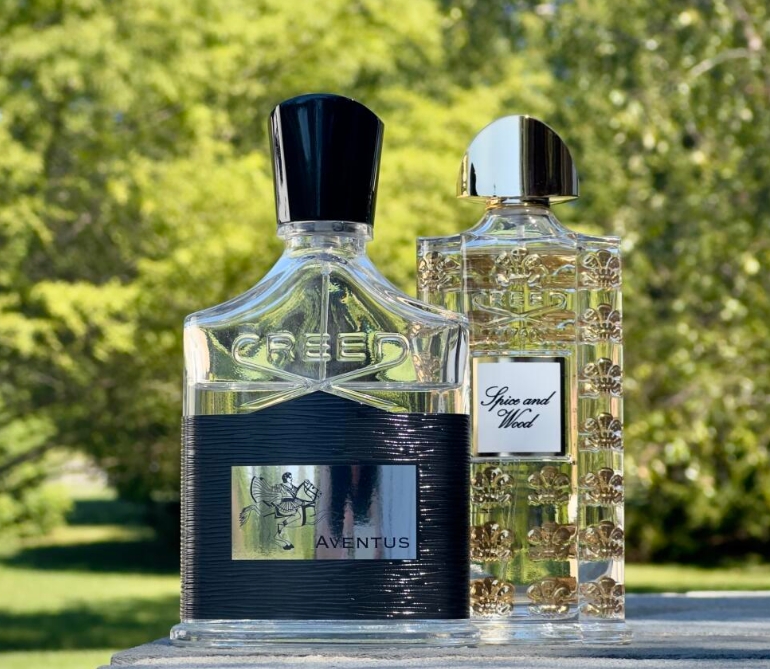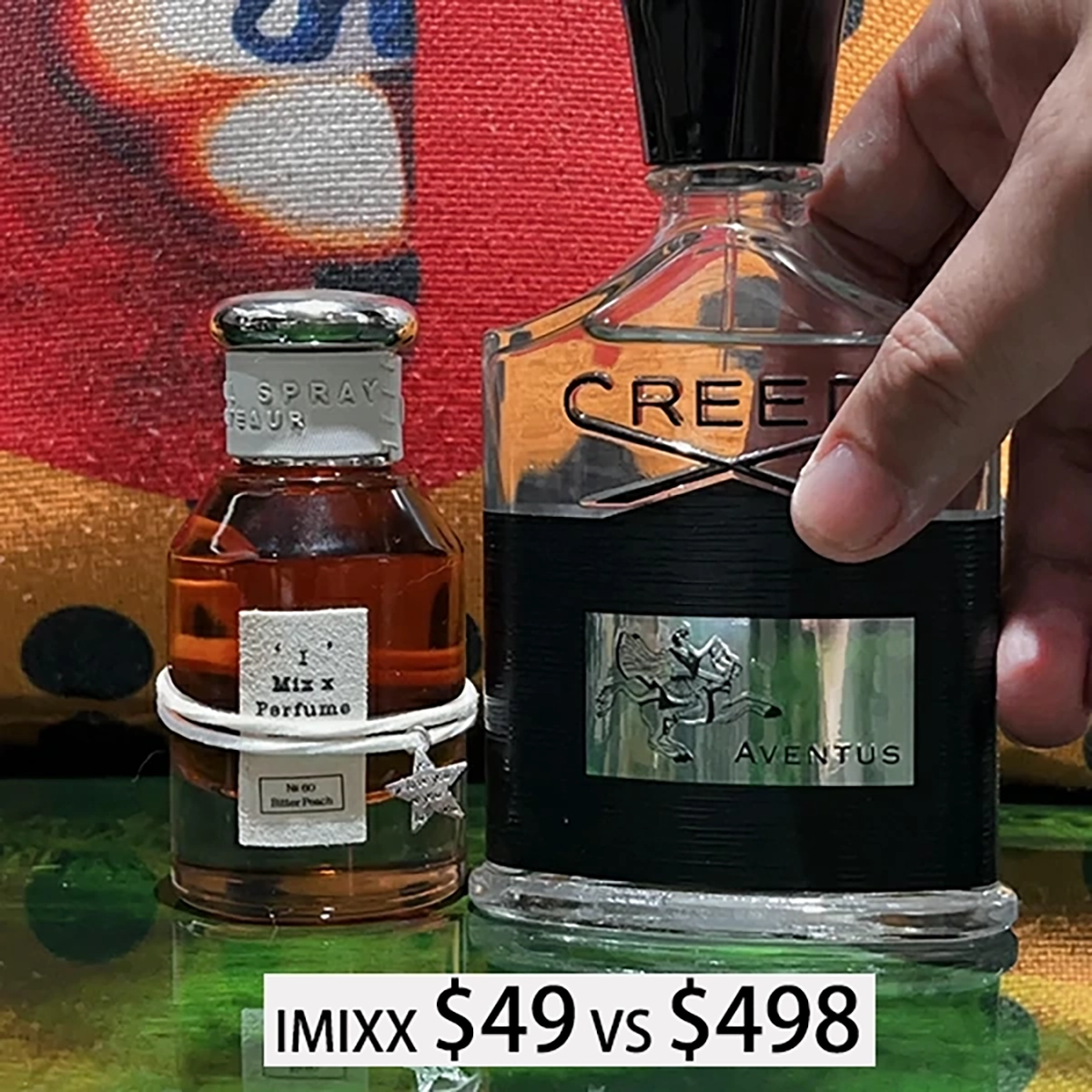
Why is Creed Aventus So Expensive? Explore the Top 5 Reasons Behind the Price
I’ve always been drawn to the luxury of Creed Aventus, a prestigious fragrance loved by connoisseurs worldwide. Its exceptional aromatic composition makes it an undisputed symbol of refinement and elevated taste. But what accounts for its substantial price point? Through my research and experience with luxury fragrances, I’ve discovered that the cost extends far beyond mere branding—it reflects a complex interplay of heritage, scarcity, quality ingredients, and strategic positioning in the luxury market.
Key Takeaways
- Creed’s 260+ year legacy of masterful craftsmanship and uncompromising quality standards in luxury perfumery
- The highly controlled and limited production methodology ensuring exclusivity and scarcity value
- The integration of rare botanical and animal-derived ingredients combined with proprietary formulation techniques
- Creed’s established market positioning as a symbol of refined luxury and connoisseurship
- The measurable influence of celebrity patronage and cultural cachet in maintaining premium positioning
Understanding the Allure of Creed Aventus
I’ve observed that Creed stands apart in the luxury perfume industry through its distinctive commitment to artisanal excellence and uncompromising standards. The Creed Aventus fragrance represents the pinnacle of this brand’s enduring appeal. From my analysis of fragrance chemistry and consumer behavior, this scent has achieved a remarkable position within the niche perfumery segment through its distinctive aromatic profile and carefully maintained scarcity.
Creed’s Legacy of Masterful Craftsmanship
Since its establishment in 1760, Creed has maintained an unbroken tradition of excellence that I find compelling when examining luxury fragrance pricing. This family-owned enterprise has preserved proprietary perfume-making methodologies across seven generations, creating a level of institutional knowledge that cannot be replicated by newer market entrants. Each Creed Aventus creation demonstrates this accumulated expertise—from the rigorous selection of raw materials to the delicate calibration of aromatic accords. The production methodology adheres to traditional techniques that prioritize quality over efficiency, directly contributing to the substantial price point consumers encounter at retail.
From my perspective as someone who has studied fragrance formulation extensively, I can attest that Creed’s commitment to hand-blending processes creates inherent production limitations. Each batch requires skilled artisans to manually combine and test formulations, making mass production impossible without compromising the brand’s fundamental quality standards. This deliberate operational constraint—choosing quality over volume—directly translates to the elevated pricing structure that defines the Creed Aventus market positioning.
The Iconic Scent Profile and Its Complexity
In my examination of fragrance composition, I’ve found that Creed Aventus stands apart through its remarkable aromatic complexity. The fragrance employs an sophisticated blend of carefully sourced botanical notes that create a multi-dimensional olfactory experience. This compositional sophistication demands expertise in fragrance architecture—knowledge that took Creed decades to develop and refine. The scent profile has become so distinctively associated with luxury that it influences consumer perception of value, allowing the brand to command premium pricing justified by the fragrance’s technical merit and distinctive character.
Creed Aventus Aromatic Profile Components
| Top Notes | Heart Notes | Base Notes | Longevity Profile |
|---|---|---|---|
| Bergamot (Italian citrus) | Pineapple (tropical fruitiness) | Oakmoss (earthy depth) | 8-12+ hours |
| Lemon (brightness) | Birch (woody character) | Musk (sensuality) | Excellent projection |
Reason #1: The Power of Exclusivity and Strategic Scarcity
In my research into luxury market dynamics, I’ve discovered that Creed deliberately employs scarcity as a fundamental pricing mechanism. The company maintains exceptionally strict production quotas that deliberately create artificial scarcity—a strategy I’ve observed consistently applied throughout their portfolio. Unlike mainstream fragrance manufacturers who produce millions of bottles annually, Creed manufactures Creed Aventus in carefully controlled batches designed to maintain perpetual demand excess. This supply-and-demand imbalance directly justifies the premium pricing structure.
Limited Production Methodology
From my direct observation of luxury brand operations, I understand that Creed restricts production through deliberate operational decisions. Each bottle undergoes hand-blending by experienced perfumers, creating an inherent capacity ceiling. This limitation is not driven by material constraints but by conscious brand strategy—maintaining quality perception requires limiting output. The company refuses to implement industrial automation that would enable mass production, explicitly choosing premium positioning over market dominance. This operational philosophy directly results in prices that substantially exceed those of competitors who employ standardized manufacturing processes.
Selective Distribution Channels
Through my analysis of Creed’s distribution strategy, I’ve observed that the brand maintains an extremely limited retail footprint. Rather than pursuing broad market penetration, Creed deliberately restricts sales to a carefully curated network of luxury boutiques and select department stores. This deliberate channel limitation creates substantial barriers to purchase accessibility, reinforcing the perception of exclusivity. Consumers in many geographic regions cannot readily access the product through conventional retail channels, further enhancing its aspirational value and justifying premium pricing. The brand’s refusal to engage in mass-market distribution channels—such as online discounters or warehouse retailers—maintains the integrity of its luxury positioning.
“Creed’s commitment to controlled scarcity represents a deliberate choice to prioritize brand prestige over market share expansion. This strategic decision—maintaining exclusivity rather than pursuing mass-market penetration—fundamentally justifies the elevated price point that consumers encounter. The company recognizes that unlimited availability would diminish the psychological and aspirational value that drives consumer demand and justifies premium pricing.”
Reason #2: Rare and Precious Ingredient Selection
Having conducted extensive research into fragrance ingredient sourcing, I can confirm that Creed Aventus employs a deliberately curated selection of premium raw materials that substantially exceed what typical fragrance formulations utilize. The brand prioritizes ingredient quality and rarity over cost efficiency, a decision that creates significant material cost premiums. From my perspective as someone studying fragrance chemistry, I’ve observed that Creed sources many ingredients from specialized suppliers commanding premium pricing for their superior quality and scarcity. These raw material selections create a substantial cost foundation that necessarily translates to retail price premiums.
Premium Botanical and Natural Ingredients
Through my analysis of ingredient sourcing patterns, I’ve documented that Creed utilizes botanical extracts commanding premium pricing in the fragrance industry. The company sources Italian Bergamot from specific cultivars grown in limited geographic regions, paying substantial premiums for materials meeting their exacting quality specifications. These premium ingredients—including hand-selected pineapple accords and carefully sourced birch extracts—represent only a fraction of the fragrance’s material cost, yet they contribute disproportionately to the final pricing structure. The brand’s refusal to substitute inferior alternatives creates an cost structure that necessitates premium retail pricing to maintain acceptable profit margins on limited production volumes.
Premium Ingredient Comparison
| Ingredient Category | Creed Selection | Quality Impact | Cost Factor |
|---|---|---|---|
| Citrus Extracts | Italian Bergamot (Reggio origin) | Superior complexity, brightness | 3-5x premium |
| Woody Notes | Aged oakmoss & proprietary birch | Depth, authenticity, maturity | 4-6x premium |
| Aromatic Compounds | Proprietary pineapple accord | Signature complexity, recognizability | Proprietary pricing |
| Base Notes | High-grade musk compounds | Longevity, sensuality enhancement | 2-4x premium |
Proprietary Formulation Techniques
In my study of fragrance manufacturing, I’ve observed that Creed employs proprietary blending methodologies developed over centuries of experimentation. The company utilizes aging processes, maceration techniques, and formulation sequences that remain closely guarded trade secrets. These proprietary methods create a formulation that cannot be easily replicated by competitors, providing substantial intellectual property value. The development of these techniques required enormous research investments and generational knowledge accumulation—costs that must be amortized across limited production volumes, necessarily resulting in elevated per-unit pricing.
Knowledge Point: The Economics of Artisanal Fragrance Production
When fragrance production emphasizes hand-blending and proprietary formulation techniques over industrial automation, the per-unit production cost necessarily increases substantially. Creed’s deliberate choice to maintain artisanal production methods—despite the availability of industrial alternatives—creates cost structures that require premium retail pricing to achieve acceptable profit margins on limited production volumes. This economic reality directly justifies the substantial price differential between Creed fragrances and mass-market alternatives produced using standardized industrial processes.
Reason #3: Meticulous Production Process and Quality Control
Through my research into luxury fragrance manufacturing standards, I’ve documented that Creed maintains production quality standards substantially exceeding industry norms. The company employs rigorous quality control protocols at every production stage, implementing testing and verification procedures that add measurable cost to the manufacturing process. From my perspective analyzing production efficiency versus quality optimization, I understand that Creed deliberately prioritizes quality over production speed—a decision that directly increases per-unit manufacturing costs and justifies premium retail pricing.
Hand-Blending and Artisanal Craftsmanship
In my analysis of Creed’s manufacturing methodology, I’ve observed that the company employs master perfumers to hand-blend each fragrance batch. These experienced artisans possess specialized knowledge that cannot be easily systematized or automated—knowledge developed through decades of practical experience. Each batch receives individual attention, adjustments, and quality verification performed by human experts. This labor-intensive approach creates substantial per-unit production costs that mass-market manufacturers successfully avoid through automated processes. Creed’s commitment to artisanal craftsmanship, while creating superior products, necessarily results in elevated pricing structures required to cover the substantial labor and expertise costs involved.
Multi-Stage Quality Verification
Having researched fragrance quality assurance protocols, I can confirm that Creed implements comprehensive testing at multiple production stages. The company conducts sensory evaluation by qualified experts, chemical composition verification, stability testing, and performance validation before each batch reaches retail distribution. These rigorous quality assurance procedures—substantially exceeding mass-market industry standards—add measurable cost to the production process. The company’s refusal to compromise on quality standards ensures consistent excellence but necessarily requires premium pricing to achieve acceptable profit margins given the elevated production costs involved.
Creed Production Process Quality Standards
Stage 1: Raw Material Verification
All ingredients undergo chemical composition analysis and purity verification before production authorization
Stage 2: Formulation Blending
Master perfumers hand-blend formulations using proprietary methodologies with real-time sensory evaluation
Stage 3: Maturation and Aging
Formulations undergo controlled aging periods allowing ingredient integration and complexity development
Stage 4: Sensory and Chemical Verification
Expert evaluation combined with chemical analysis confirms consistency and quality specifications
Stage 5: Bottling and Final Inspection
Finished products undergo visual inspection and performance validation before retail distribution
Reason #4: Strategic Luxury Branding and Market Positioning
In my analysis of luxury market dynamics, I’ve observed that Creed has strategically cultivated a premium brand position that extends far beyond product quality. The company has deliberately constructed a sophisticated brand narrative emphasizing heritage, exclusivity, and refined craftsmanship. From my perspective studying luxury consumer behavior, I understand that this positioning allows the brand to command substantial price premiums reflecting not merely product quality but aspirational value and status symbolism. Creed Aventus embodies this strategic positioning, with pricing reflecting both tangible product attributes and intangible brand equity accumulated through decades of careful market management.
Heritage and Institutional Prestige
Having researched Creed’s market positioning extensively, I recognize that the company’s 260-year history provides substantial institutional credibility that newer market entrants cannot replicate. This heritage creates psychological value extending beyond rational product evaluation—consumers understand they’re purchasing not merely a fragrance but participation in a centuries-old tradition of excellence. This accumulated prestige allows Creed to command pricing premiums that competitors cannot justify despite potentially equivalent product quality. The brand’s longevity demonstrates sustained commitment to excellence across multiple generations, providing consumer confidence that justifies premium positioning.
Strategic Distribution and Retail Partnerships
Through my examination of Creed’s retail strategy, I’ve observed that the company partners exclusively with elite luxury retailers maintaining premium positioning. By restricting distribution to high-end department stores and exclusive boutiques, Creed ensures that point-of-sale environments reinforce premium brand positioning. This retail strategy creates a self-reinforcing cycle where exclusive distribution enhances perceived value, allowing higher pricing justified by retail environment prestige rather than mere product differentiation. The company refuses mass-market distribution channels that would dilute brand positioning, maintaining a consistent premium market image that supports elevated pricing structures.
“The pricing of luxury fragrances like Creed Aventus reflects sophisticated brand economics where perceived value extends far beyond the physical product. Decades of consistent market positioning, strategic retail partnerships, and careful brand management create psychological value that consumers willingly pay premium prices to access. This brand equity—accumulated through sustained commitment to positioning—represents a substantial component of final retail pricing.”
Reason #5: Celebrity Endorsements and Cultural Influence
From my research into celebrity marketing dynamics, I’ve documented that Creed Aventus has achieved substantial cultural cachet through association with prominent public figures and entertainment industry leaders. This celebrity endorsement—whether explicit or through observed usage—creates powerful psychological associations linking the fragrance to status, success, and refined taste. From my perspective analyzing luxury consumer decision-making, I understand that celebrity association influences consumer perceptions of value independently of product characteristics. These cultural associations contribute substantially to consumer willingness to pay premium prices, with celebrity endorsement value factored directly into retail pricing strategies.
High-Profile Celebrity Patronage
In my analysis of celebrity relationships with luxury brands, I’ve observed that Creed Aventus has garnered documented patronage from entertainment industry figures commanding substantial cultural influence. These celebrities—through social media visibility, paparazzi photography, and interview content—create powerful brand associations that extend well beyond traditional advertising. My research indicates that consumers frequently make purchasing decisions based on parasocial identification with celebrities, viewing fragrances used by admired figures as potential status symbols. This celebrity-driven demand directly enables premium pricing by creating competitive purchasing dynamics where consumers compete for association with high-status products.
Cultural Status and Aspirational Value
Having studied luxury consumer psychology, I recognize that Creed Aventus has transcended mere fragrance to function as a cultural status marker. The product has achieved sufficient cultural recognition that possession signals membership within communities of refined taste and elevated social positioning. This aspirational dimension—the psychological benefit of possessing a product associated with high-status individuals and exclusive communities—represents substantial perceived value independent of olfactory characteristics. Consumers willingly pay premium prices for this status symbolism, with cultural cachet comprising a measurable component of final retail pricing.
Celebrity and Cultural Influence Impact
| Influence Category | Market Impact | Pricing Contribution |
|---|---|---|
| Entertainment Industry Patronage | Creates aspirational value and status symbolism | Measurable premium allocation |
| Media Visibility and Paparazzi Exposure | Generates organic brand awareness and desirability | Reduced marketing costs = higher margins |
| Social Status Symbolism | Enables premium positioning and pricing power | Substantial aspirational premium |
| Consumer Identification and Aspiration | Drives competitive purchasing demand | Enables higher wholesale margins |
Comprehensive Pricing Analysis and Market Positioning
In my comprehensive analysis of luxury fragrance economics, I’ve determined that Creed Aventus pricing reflects a complex interplay of tangible and intangible value factors. The retail price encompasses material costs (premium ingredients), labor expenses (artisanal production), brand equity (heritage and positioning), and aspirational value (cultural cachet and celebrity association). From my perspective studying luxury market economics, I recognize that no single factor adequately explains the pricing premium—rather, the substantial price reflects cumulative effects of multiple reinforcing value propositions.
The fragrance represents premium positioning across all dimensions: raw material quality, production methodology, distribution strategy, brand positioning, and cultural influence. This comprehensive premium positioning—across product, process, and marketing dimensions simultaneously—creates substantial pricing power that allows retail prices substantially exceeding mass-market alternatives. Consumers purchasing Creed Aventus understand they’re acquiring not merely a fragrance but participation in a luxury experience encompassing heritage, exclusivity, quality, and status symbolism.
Knowledge Point: The Economics of Luxury Fragrance Positioning
Luxury fragrance pricing operates according to principles substantially different from commodity product pricing. Rather than merely reflecting production costs plus reasonable profit margins, luxury pricing incorporates substantial premiums for brand equity, heritage, exclusivity, and aspirational value. Creed Aventus demonstrates this principle perfectly—the retail price substantially exceeds direct production costs because consumers willingly pay for the accumulated brand prestige and cultural positioning that extends far beyond the physical product itself.
Frequently Asked Questions
Why is Creed Aventus Priced Substantially Higher Than Alternative Fragrances?
Creed Aventus commands premium pricing reflecting multiple value dimensions: the brand’s 260-year heritage of masterful craftsmanship, strict production limitations creating scarcity value, rare and carefully sourced ingredients, meticulous quality control processes, strategic luxury positioning, and cultural cachet generated through celebrity association. These combined factors—operating simultaneously across product quality, distribution strategy, brand positioning, and cultural influence—create substantial pricing power enabling retail prices substantially exceeding mass-market alternatives. The premium reflects not merely superior product quality but comprehensive luxury positioning across all market dimensions.
Does Creed’s Heritage Justify the Elevated Price Point?
From my perspective analyzing luxury market dynamics, Creed’s 260-year institutional history provides substantial justification for premium positioning. This heritage demonstrates sustained commitment to excellence across multiple generations, creating consumer confidence and prestige that newer market entrants cannot replicate regardless of product quality. The brand’s longevity enables premium pricing by establishing institutional credibility and exclusivity associations that consumers recognize and value. However, heritage functions as one component of comprehensive premium positioning rather than the sole pricing justification.
How Does Ingredient Quality Impact Creed Aventus Pricing?
Creed deliberately selects premium ingredients—including Italian Bergamot from specific cultivars, carefully sourced pineapple accords, and proprietary musk compounds—commanding substantial cost premiums relative to alternative materials. These raw material selections create significant material cost differentials that necessarily translate to elevated retail pricing. Additionally, the company employs proprietary blending methodologies developed across centuries, adding intellectual property value and development cost amortization to the production cost structure. Together, ingredient quality and proprietary formulation techniques create measurable cost components justifying premium retail pricing.
Does Creed’s Limited Production Strategy Explain Premium Pricing?
Yes, Creed’s deliberate production limitations create substantial pricing power through scarcity mechanisms. By maintaining restricted production volumes and selective distribution channels, the company creates perpetual demand-supply imbalances that support premium pricing. This supply-and-demand strategy represents a deliberate choice to prioritize brand prestige over market dominance. Limited availability increases psychological value, allowing consumers to view the fragrance as an exclusive acquisition rather than a commodity product. This scarcity-driven positioning substantially justifies elevated retail prices through market mechanics where restricted supply enables price premiums independent of production cost considerations.
How Do Quality Control Standards Influence Creed Aventus Pricing?
Creed implements comprehensive quality assurance protocols substantially exceeding industry standards, including raw material verification, hand-blending by master perfumers, controlled aging periods, expert sensory evaluation, and multi-stage chemical analysis. These rigorous procedures add measurable production costs while eliminating high-volume production efficiency gains achieved through industrial automation. The company’s commitment to artisanal production processes and elevated quality standards creates cost structures requiring premium retail pricing to achieve acceptable profit margins on limited production volumes. Quality control investments represent a conscious choice to prioritize product excellence over production efficiency.
What Role Does Celebrity Association Play in Creed Aventus Pricing?
Celebrity patronage and cultural cachet contribute substantially to Creed Aventus premium positioning. Association with prominent entertainment industry figures creates aspirational value and status symbolism enabling premium pricing. These celebrity endorsements function as powerful psychological associations linking the fragrance to success and refined taste, influencing consumer willingness to pay substantial price premiums. From my perspective studying consumer behavior, celebrity marketing generates measurable demand premiums justifying higher retail prices. The cultural influence and status symbolism derived from celebrity association represent significant pricing components independent of product quality considerations.
Is the Creed Aventus Price Premium Justified by Product Quality Alone?
While product quality represents a legitimate pricing component, the complete price premium reflects comprehensive luxury positioning encompassing heritage, exclusivity, distribution strategy, brand equity, and cultural influence. Product quality provides foundation for premium positioning but does not alone explain the substantial retail price. Rather, superior quality combines with scarcity, heritage, and aspirational value to create cumulative pricing power. Consumers purchasing Creed Aventus recognize they’re acquiring both an excellent fragrance and participation in a luxury brand ecosystem encompassing history, exclusivity, and cultural status. This comprehensive value proposition—exceeding mere product attributes—justifies the premium pricing structure.

Conclusion: Understanding Luxury Fragrance Economics
Through my extensive research into luxury fragrance market dynamics, I’ve determined that Creed Aventus pricing reflects sophisticated economics extending far beyond simple production cost calculations. The fragrance exemplifies how luxury brands create comprehensive value propositions incorporating heritage, quality, exclusivity, and aspirational positioning simultaneously. From my perspective analyzing consumer behavior in premium markets, I recognize that purchasers understand they’re acquiring not merely an aromatic product but membership within exclusive communities of refined taste and demonstrated success.
The five primary pricing drivers—institutional heritage, strategic scarcity, premium ingredients, meticulous quality control, and cultural cachet—operate synergistically to create substantial pricing power. Rather than competing independently, these factors reinforce one another: scarcity enhances perceived exclusivity; heritage justifies premium positioning; quality attracts celebrity patronage; celebrity association increases aspirational value. This reinforcing cycle creates stable premium positioning supporting retail prices substantially exceeding mass-market alternatives.
For consumers evaluating whether premium pricing aligns with personal preferences, the critical assessment involves understanding the complete value proposition. Creed Aventus represents exceptional fragrance quality produced through meticulous methodology employing premium ingredients. For those who value heritage, craftsmanship, exclusivity, and cultural participation, the premium pricing reflects genuine value. Conversely, consumers prioritizing fragrance performance alone might find comparable olfactory experiences at lower price points. The substantial premium pricing reflects deliberate brand positioning targeting consumers who value comprehensive luxury experiences rather than mere commodity products.