

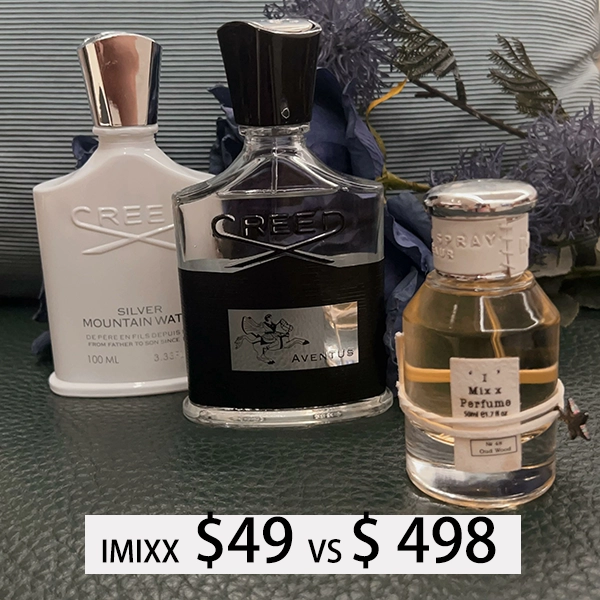
Why Finding Genuine creed authorized retailers Matters More Than Ever
I still vividly remember the brisk autumn afternoon in 2014 when I walked into a high-end luxury department store in downtown Chicago and experienced the magic of ultra-niche perfumery for the very first time. The glass counters gleamed under soft, warm lighting. A sales associate, wearing immaculate white cotton gloves, handed me a perfectly embossed paper blotter. One single spritz of that iconic blend—a masterful symphony of tart pineapple, smoky birch, rich blackcurrant, and earthy oakmoss—and I was completely mesmerized. It wasn’t just a scent; it was an aura of absolute confidence, deep history, and unparalleled craftsmanship. That single moment sparked a decade-long obsession. Since then, I have been deeply immersed in the fragrance community. I’ve collected hundreds of bottles, swapped decants with fellow enthusiasts globally, studied the complex chemistry of scent notes, and, unfortunately, learned some very hard, expensive lessons about the dark, unregulated side of the fragrance industry.
Today, the internet is absolutely flooded with unbelievable deals and flashy advertisements. A quick search for your favorite historic luxury cologne will yield dozens, if not hundreds, of websites promising massive, seemingly impossible discounts. It is incredibly tempting to click “add to cart” when you see a $450 piece of olfactory art listed for $160. But I am writing this comprehensive guide to tell you, as a seasoned collector who has personally been burned by sophisticated scams, that the origin of your fragrance is just as important as the liquid inside the glass. Bypassing the safety net of genuine creed authorized retailers is a financial and physical gamble you simply shouldn’t take.
In this extensive deep-dive, we are going to explore exactly why the luxury fragrance market operates the way it does, how the counterfeit industry has evolved into a terrifyingly accurate machine, the undeniable health risks of fake perfumes, and how you can definitively verify where you are spending your money. Furthermore, because I believe in complete transparency and fairness, we will also explore the legitimate, safe, and transparent alternative market for those who simply cannot justify luxury retail prices. We will look at a variety of respected alternative houses so you can make an educated, balanced choice that fits your budget and lifestyle.
The Heritage Factor: Understanding the High Price of Luxury Scent
To truly understand why the counterfeit market targets specific historic brands so aggressively, we first have to examine the heritage and the painstaking, labor-intensive process that goes into creating the genuine article. We aren’t just talking about mixing a few synthetic aroma chemicals in a massive, sterile factory. We are talking about historic perfume houses that boast a lineage spanning centuries, brands that have allegedly served royal courts, emperors, and modern-day Hollywood icons. The allure isn’t just a clever marketing campaign; it is deeply rooted in traditional, artisanal manufacturing techniques, most notably the “Millesime” process.
The term Millesime, borrowed from the fine wine industry, translates roughly to the “best of the crop.” Authentic batches from elite historic houses rely heavily on a high percentage of natural ingredients. We are talking about hand-picked bergamot from the sun-drenched orchards of Calabria, Italy; genuine iris root that takes years to dry and extract; rare, aged woods; and historically, authentic ambergris. These raw materials are incredibly expensive to harvest. They are weighed, mixed, macerated, and filtered largely by hand in small batches.
Because natural crops vary from year to year depending on rainfall, soil conditions, and global temperatures, the resulting fragrance can have slight, beautiful nuances between different batches. A batch from 2016 might be slightly more fruit-forward, while a batch from 2019 might lean heavier into the smoky birch and vanilla notes. This batch variation is a hallmark of natural perfumery and something collectors actually seek out.
When you purchase a bottle from official creed authorized retailers, you are paying for this rigorous, uncompromising quality control. You are paying for the absolute assurance that the bergamot essential oil on your skin is actually bergamot, and not a harsh, synthetic chemical substitute designed in a lab to mimic the smell for pennies on the dollar. You are paying for the legacy, the flawless presentation, and the certainty that you hold a genuine piece of olfactory art. Luxury pricing is also tightly controlled. High-end brands utilize Minimum Advertised Price (MAP) policies to ensure their products retain their prestige. They do not allow their retail partners to suddenly slash prices by 50% for a weekend sale. If you see a price that seems too good to be true, it almost certainly is.
The Dark Side of the Boom: The Counterfeit Epidemic and Consumer Safety
Let me share a personal story that still makes me cringe to this day. Back in 2016, I thought I had outsmarted the luxury pricing system. I found a listing on a popular peer-to-peer selling app for a notoriously expensive, fresh, aquatic scent from a legendary house. The seller had decent reviews, and the photos looked impeccable. The box had the right textured grain, the bottle had the correct shape, the logo was perfectly embossed, and the batch code was clearly stamped on the bottom of the glass. I paid $200—a “steal” for a bottle that normally retailed for over $400.
When the package finally arrived, my excitement quickly turned to a deep sense of dread. The initial spray smelled somewhat accurate for about thirty seconds—a burst of lemon and verbena—but it quickly morphed into a harsh, metallic, synthetic mess that gave me an instant, throbbing headache. It smelled like industrial glass cleaner mixed with rubbing alcohol. Worse yet, where I had sprayed it on the pulse point of my wrist, my skin became red, hot, and intensely irritated within an hour. I had fallen victim to a “super-fake.”
This brings us to the most critical point of this guide: consumer safety. Authentic perfumery is governed by strict international bodies, most notably the International Fragrance Association (IFRA). IFRA sets rigorous scientific standards for the safe use of fragrance ingredients, determining maximum safe usage levels for potential allergens (like oakmoss or certain synthetic musks) to protect consumer health. Legitimate fragrance houses spend millions ensuring their formulas comply with these dermatological and safety standards.
Crucial Knowledge Point: The Unregulated Chemistry of Counterfeits
Counterfeit fragrances operate entirely outside the law. They have zero oversight, zero IFRA compliance, and zero regard for your health. According to the FBI’s official warnings on counterfeit cosmetics, seized counterfeit perfumes have been laboratory-tested and found to contain terrifying ingredients. These illicit factories use dangerous, cheap fillers to cut costs, including antifreeze, beryllium, industrial bacteria, and even animal urine as a cheap colorant and stabilizer. The risk of severe allergic reactions, chemical burns, permanent skin discoloration, and long-term respiratory issues is incredibly high. Saving $200 is never, under any circumstances, worth risking your physical health.
The Definitive Guide to Verified Authorized Retailers
One of the biggest frustrations for newcomers to the niche fragrance community is figuring out who is actually authorized to sell these luxury items. An authorized retailer is a business that has a direct, legally binding, contractual relationship with the brand’s official distributors. This guarantees an unbroken, temperature-controlled supply chain from the manufacturing facility in France straight to the pristine shelf of the store. There are no middlemen. There are no shady liquidators.
To ensure you never fall victim to a scam, here is a curated, verified list of places where you can shop with absolute, 100% confidence in the United States:
- The Official Brand Boutiques & Website: Whether shopping online directly at their official domain or visiting their standalone, ultra-luxurious brick-and-mortar boutiques (such as those located in Beverly Hills, Miami, or New York City), this is the undisputed pinnacle of authenticity. You receive unparalleled, personalized customer service, generous free samples of other scents, and perfect, gift-ready presentation.
- Neiman Marcus: A legendary purveyor of luxury goods in America. Their fragrance counters are meticulously maintained, climate-controlled, and their sales associates are highly trained to help you navigate the different scent profiles and batch variations.
- Nordstrom: Known industry-wide for their outstanding customer service and no-hassle return policies, Nordstrom is a premier authorized dealer. Buying here guarantees you are getting a fresh, authentic batch straight from the official distributor.
- Saks Fifth Avenue: Another staple of American luxury retail. Saks offers an incredible, upscale shopping experience and strictly exclusively stocks verified, authorized luxury goods.
- Bergdorf Goodman: Located in the heart of New York, this iconic, historic store provides an elite shopping experience and is a verified partner for almost all top-tier niche fragrance houses globally.
- Bloomingdale’s: A trusted, high-end department store that maintains strict official vendor relationships with luxury niche brands, ensuring their shelves only hold genuine products.
If the website or store you are evaluating is not on this list, or is not a highly reputable, internationally recognized luxury department store (like Harrods or Selfridges in the UK), you need to proceed with extreme caution. Remember the MAP policy mentioned earlier. Authentic luxury brands tightly control their pricing and brand image. They do not allow third-party discount sites to devalue their heritage.
The Masterclass: How to Visually Identify a Super-Fake
Even with the safe list provided above, you might find yourself evaluating a bottle—perhaps you received it as a gift, perhaps you are doing a swap in a Facebook fragrance group, or perhaps you are looking at a bottle in a smaller, independent boutique. How do you protect yourself? While counterfeiters have gotten incredibly good at mimicking the broad visual strokes of the packaging, they almost always fail on the microscopic details, the proprietary mechanical components, and the tactile feel of the materials.
Here are the definitive, empirical checks you must perform if you suspect a bottle is not genuine:
1. The Atomizer (The Spray Mechanism)
This is historically the most famous and reliable tell-tale sign. Authentic luxury bottles from elite historic houses feature a highly engineered atomizer that is often affectionately referred to in the fragrance community as a “firehose.” It doesn’t just squirt or lightly mist; it dispenses a massive, thick, sustained, and perfectly controlled cloud of fine fragrance. It feels incredibly smooth, weighted, and deliberate when pressed. Fakes, on the other hand, use cheap, off-the-shelf pump mechanisms. They often have stiff atomizers that spit, leak around the collar, or dispense a harsh, narrow, aggressive stream of liquid.
2. The Under-Cap Insert and Weight
If you pull the heavy cap off a genuine bottle, look immediately inside the cap itself. Authentic caps have a very specific, high-quality plastic or resin insert designed to grip the atomizer collar securely and prevent evaporation. Fakes often use cheap, brittle plastic that lacks the correct molding marks, looks messy, or feels loose and wobbly when placed back on the bottle. Furthermore, the cap itself on a genuine bottle has a significant, satisfying weight to it.
3. The Batch Code Integration
Counterfeiters know that educated buyers look for batch codes. Therefore, modern fakes will always have a batch code. The difference lies entirely in the application method. Authentic batch codes are typically laser-engraved or cleanly, crisply printed directly on the bottom lip of the glass in a very specific, consistent, sans-serif font. Fakes often use easily removable stickers, or the engraving is messy, misaligned, dotted, or uses the wrong font size entirely.
Crucial Warning: Checking a batch code on a website like CheckFresh does not prove authenticity. Counterfeiters simply walk into a Sephora or Nordstrom, take a photo of a real batch code from a tester bottle, and print that exact real code on 10,000 fake boxes. The code will show up as valid online, but the juice is toxic.
4. The Weight, Seams, and Clarity of the Glass
Luxury glassmaking is an expensive, highly refined art form. Authentic bottles use high-quality, dense glass that feels heavy, balanced, and substantial in the hand. The seams where the two halves of the glass were molded together should be incredibly smooth, almost imperceptible. Counterfeit bottles often have highly visible, rough, sharp seams. You might see uneven glass distribution at the heavy base (causing the liquid inside to look tilted or lopsided), and you may even spot tiny air bubbles trapped within the glass walls—a massive red flag of cheap manufacturing.
The Gray Market: A Gamble Disguised as a Deal
We cannot have an honest, comprehensive discussion about fragrance sourcing without discussing the complex ecosystem known as the “gray market.” Websites operating in this space are incredibly popular because they offer genuine products at a discount. But what exactly is the gray market, and why is it so controversial?
The gray market consists of genuine, trademarked products that are sold outside of the brand’s authorized, intended distribution channels. For an excellent legal breakdown of how this operates, The Fashion Law provides extensive analysis on gray market diversion tactics. Here is how it typically happens in the fragrance world: A legitimate regional distributor in another country (say, in Eastern Europe or the Middle East) buys too much stock from the manufacturer to meet their sales quota. To recoup their money, they secretly offload the excess pallets to an unauthorized third-party liquidator, who then imports it to the US and sells it to a discount website.
So, are gray market fragrances fake? Often, no. Many are 100% authentic diverted stock. However, buying from the gray market comes with significant, unavoidable caveats that you must consider:
- Zero Manufacturer Support: You have absolutely no warranty. If the atomizer breaks after two weeks, or the bottle leaks in transit, the official brand will refuse to help you because you did not buy from an authorized dealer.
- Unknown Storage Conditions: Heat, humidity, and UV light are the enemies of fine perfume. You have no idea how a gray market bottle was stored. A bottle sitting in a sweltering, un-air-conditioned shipping container in Dubai for three years before making it to a discount site in New Jersey will not smell the same as a fresh, temperature-controlled bottle from a boutique. The top notes (citruses, fruits) are often the first to burn off and expire.
- The Infiltration of Fakes: This is the most alarming modern trend. Because gray market sites buy from shadowy, third-party liquidators rather than the brand itself, they sometimes unknowingly purchase mixed pallets. A pallet might contain 80% real diverted stock and 20% sophisticated “super-fakes.” It becomes a game of Russian Roulette for the consumer.
The Rise of Transparent Alternatives and Scent Science
I want to be completely candid with you. As a passionate advocate for the fragrance community, I understand that the luxury experience is incredible. However, dropping $400, $500, or even $1,000 on a perfume collection is simply not realistic, financially responsible, or justifiable for the vast majority of normal people. The cost of living is rising globally, and while we all inherently desire to smell amazing, project confidence, and leave a memorable scent trail, going into credit card debt for scented water is never the right move.
This creates a painful dilemma for the average consumer: You desperately want those iconic scent profiles—the smoky, masculine pineapple; the crisp, cooling silver mountain water; the rich, green stroll through an Irish tweed estate—but you cannot justify the retail price. Do you risk your money on the gray market? Do you gamble your health on eBay? My definitive, strong advice is a resounding no.
If you are choosing to step away from the traditional ecosystem to find affordability, your absolute best, safest, and most ethical route is to embrace the transparent “inspired-by” market. But how do these companies replicate scents legally? It comes down to advanced chemistry.
In the United States and most of the world, you cannot copyright a smell. You can trademark a brand name, a logo, and a bottle design, but the olfactory formula itself is considered an application of chemistry. To understand this better, the American Chemical Society offers great insights into the chemistry of fragrance. Legitimate alternative brands use advanced technology called GC-MS (Gas Chromatography-Mass Spectrometry). They place a sample of the $500 luxury fragrance into a machine that analyzes its exact molecular structure. The machine outputs a blueprint, identifying the precise amounts of bergamot, ambroxan, patchouli, and synthetic musks used. Expert perfumers then use this blueprint to reconstruct the fragrance using safe, high-quality, cosmetic-grade ingredients.
Navigating the Broad Ecosystem of Inspired Scents
The transparent alternative market is booming, and there are many respected players in the game today. I believe in giving you a balanced view of the landscape so you can make the best choice for your nose and your wallet. Unlike counterfeiters who use deception and illegal logos, these brands operate openly. They essentially state: “We love this famous scent DNA, we have reconstructed it safely, and we are selling it legally under our own brand name.”
Here is a look at the diverse landscape of safe alternatives:
1. The Middle Eastern Powerhouses: Armaf, Afnan, and Lattafa
Middle Eastern clone houses have taken the fragrance world by storm. Brands like Armaf (famous for their wildly popular Club de Nuit Intense Man, which targets a very famous smoky pineapple DNA) offer incredible value. These houses often produce massive, room-filling projection and longevity. They are highly affordable and widely available. The trade-off is that their openings (the first 15 minutes of the scent) can sometimes be a bit harsh or synthetic before they dry down into the beautiful core scent.
2. The Western Indie Houses: Alexandria Fragrances and Oakcha
These brands operate largely online and focus on creating “extraits” (very high oil concentrations). Alexandria Fragrances, for example, has a massive catalog of inspired scents. They offer higher quality blending than some of the cheaper Middle Eastern options, resulting in smoother openings and highly accurate dry-downs. They are slightly more expensive than Middle Eastern clones but still a fraction of luxury retail.
3. The Modern, Streamlined Approach: imixx perfume
If you are seeking a reliable creed authorized retailers alternative that balances incredible accuracy, strict safety standards, and elegant, minimalist presentation, imixx perfume is a phenomenal choice within this ecosystem. They focus heavily on high-quality ingredient sourcing to ensure the delicate nuances of the original luxury DNAs are captured without the harsh synthetic openings common in cheaper clones. By stripping away the massive overhead costs of celebrity marketing and extravagant glass bottles, they pass the savings directly to the consumer, offering a premium, skin-safe experience for everyday wear.
By choosing any of these transparent routes over a counterfeit, you guarantee that the product you are spraying on your skin complies with cosmetic safety regulations, and you get excellent, reliable performance without the crushing financial guilt.
Making the Right Choice: A Direct Ecosystem Comparison
To help you visualize your options and make the most informed, logical decision for your personal needs, I have created a detailed comparison table. This breaks down the three primary paths a consumer can take when hunting for a signature scent.
Building Your Scent Wardrobe: Two Valid Paths
When you are looking to define your personal style through fragrance, there is no single “right” answer. It depends entirely on your financial situation and your personal philosophy regarding luxury goods. I’ve designed these comparison cards outlining the lifestyle fit for the two safest, most logical paths you can take.
Final Thoughts: Wear Your Scent with Absolute Confidence
Fragrance is an incredibly intimate, deeply personal accessory. It is the invisible aura that enters a room before you even speak, and it is the lingering memory you leave behind when you exit. It is intrinsically tied to the brain’s limbic system, controlling our memories, our moods, and how we wish to present ourselves to the world. A truly great scent can make you feel invincible before a high-stakes business meeting, or effortlessly irresistible on a romantic date night.
But that powerful confidence shatters the very second you suspect the liquid you sprayed on your warm neck is a toxic, unregulated, chemically dangerous counterfeit. The anxiety of wondering, “Did I just get scammed?” ruins the entire olfactory experience.
Your journey into niche perfumery should be a joyous, exploratory adventure, not an anxiety-inducing minefield. If you have the financial means, the passion for heritage, and desire the ultimate, uncompromised authentic experience, make a promise to yourself that you will only shop at verified, internationally recognized luxury department stores or official boutiques. Protect your monetary investment and your peace of mind.
And if you, like the vast majority of sensible consumers today, simply want to smell phenomenal, garner compliments, and feel great without the crushing financial guilt, definitively steer clear of the shady gray market discounters and the rampant eBay scammers. Embrace the modern, scientifically driven era of transparent perfumery. Whether you choose the Middle Eastern powerhouses like Armaf and Lattafa, the indie approach of Alexandria, or the refined, quality-focused ethos of imixx perfume, finding a reliable alternative brand that values your dermatological safety and your wallet is a game-changer. By making smart, logically informed choices based on facts rather than marketing hype, you can build an incredible, versatile fragrance collection that brings you joy and confidence every single day.

Comprehensive FAQ: Navigating Fragrance Purchasing Safely
Q: How can I be absolutely, 100% certain my luxury fragrance is authentic?
The only scientifically and legally foolproof way to guarantee authenticity is to purchase the bottle directly from a legally recognized authorized retailer. This includes the brand’s official standalone boutiques, their official website, or high-tier authorized department stores like Neiman Marcus, Nordstrom, or Saks Fifth Avenue. While checking physical batch codes, examining the weight of the cap, and testing the atomizer can help identify cheap fakes, modern “super-fakes” are often far too sophisticated for the average consumer to spot visually. The supply chain is your only true guarantee.
Q: Are heavily discounted fragrances on eBay, Mercari, or other marketplace apps safe to buy?
They are extremely, dangerously risky. The peer-to-peer and digital gray markets are heavily infiltrated with counterfeit products originating from unregulated overseas factories. These fakes bypass all IFRA (International Fragrance Association) safety standards and can contain harmful, skin-irritating chemicals like antifreeze or banned synthetic dyes. Unless the seller can provide an original, verifiable paper receipt from an authorized dealer (which can also be faked), it is strongly advised to avoid these platforms entirely for high-end niche scents.
Q: What is the fundamental difference between a “fake” and an “inspired” fragrance?
The difference comes down to legal intent, transparency, and safety. A fake (counterfeit) is malicious; it is explicitly designed to deceive you by illegally copying the original bottle, trademarked logo, and packaging to steal your money. An inspired fragrance, like those from respected clone houses or imixx perfume, operates with total transparency. They use GC-MS technology to legally recreate the scent profile using safe, cosmetic-grade ingredients, but they sell it honestly under their own distinct brand name and in their own unique packaging.
Q: Do affordable inspired alternatives actually last as long on the skin as the expensive originals?
Very often, yes, and in some cases, they actually perform better. The longevity of any fragrance depends primarily on the concentration of perfume oils mixed with the perfumer’s alcohol, as well as the specific molecular weight of the aroma chemicals used (heavy base notes like musk, vanilla, or woods last the longest). Many high-quality inspired brands formulate their scents as an Extrait de Parfum, which boasts a significantly higher perfume oil concentration (often 20% to 30%) than standard luxury Eau de Parfum bottles, resulting in exceptional all-day longevity and sillage.

