
Why Does Coco Chanel Perfume Have a Premium Price? My Journey to Understanding Luxury Fragrance Costs
The Legacy Behind the Bottle: Understanding Chanel’s Heritage
My fascination with Chanel perfumes began when I learned about Gabrielle “Coco” Chanel herself. As documented by Britannica, founded in 1910, the House of Chanel revolutionized not just fashion but the entire concept of how women could express themselves through scent. When Coco Chanel commissioned perfumer Ernest Beaux to create Chanel No. 5 in 1921, she made history by being the first designer to put her name on a perfume. This wasn’t just a marketing decision—it was a bold statement that fragrance could be as much a part of a woman’s identity as her clothing. The Coco chanel price perfume today carries this weight of history and innovation.
What strikes me most about Chanel’s heritage is how the brand has maintained its commitment to quality across generations. From Ernest Beaux to Jacques Polge, and now Olivier Polge, Chanel’s master perfumers have upheld rigorous standards while continuing to innovate. The brand owns exclusive flower fields in Grasse, France—the heartland of perfumery—ensuring complete control over ingredient quality. This vertical integration, which I’ve seen few other brands achieve, allows Chanel to guarantee that every bottle contains the same exceptional quality that Coco Chanel insisted upon over a century ago. When you purchase Coco chanel price perfume, you’re investing in this unbroken legacy of excellence.
💡 Knowledge Point: The Chanel No. 5 Revolution
In 1921, Chanel No. 5 became the world’s first abstract fragrance through its unprecedented use of aldehydes. This chemical innovation created a scent that didn’t simply mimic nature but transcended it, establishing a completely new category in perfumery. The formula has remained largely unchanged for over 100 years, with only necessary modifications to exclude certain animal-derived ingredients like natural civet, demonstrating the timelessness of its original composition.
Reason #1: The Cost of Rare and Premium Ingredients
Through my research into perfume production, I’ve discovered that the ingredient cost is one of the most significant factors contributing to Chanel’s premium pricing. Unlike mass-market fragrances that rely heavily on synthetic compounds, Chanel invests in natural, rare ingredients that require extensive labor and time to harvest. The brand’s commitment to using Grasse jasmine and May rose—two of the most expensive perfume ingredients in the world—directly impacts the final price you pay at the counter.
Let me share some fascinating numbers that truly opened my eyes to the cost of these ingredients. According to research from Alpha Aromatics, for Chanel No. 5, it takes approximately 8,000 jasmine flowers to produce just one kilogram of jasmine absolute. These flowers must be hand-picked at dawn before the sun rises to preserve their delicate fragrance. The Rosa Centifolia (May rose) used by Chanel is equally demanding—experts estimate that 10,000 pounds of rose petals are needed to steam distill just one pound of rose oil. When you consider that Rose de Mai can cost up to $3,000 per kilogram and Jasmine Grandiflorum ranges from $2,000 to $4,000 per kilogram, the premium pricing begins to make perfect sense.
What truly amazes me about Chanel’s ingredient sourcing is their partnership with the Mul family in Grasse, which dates back to 1987. This five-generation farming family cultivates flowers exclusively for Chanel across 30 hectares of land. By controlling the entire supply chain from field to bottle, Chanel ensures that approximately 90% of the jasmine grown in Grasse goes directly into their fragrances. This level of vertical integration is rare in the industry and represents a significant investment that ultimately contributes to the premium pricing structure.
Reason #2: Masterful Craftsmanship and Perfumer Expertise
One aspect of Chanel perfumes that I believe doesn’t get enough recognition is the extraordinary level of expertise required to create these fragrances. The perfumers who work for Chanel aren’t just mixing ingredients—they’re artists with decades of training and experience. These master “noses” spend years studying fragrance composition, understanding how hundreds of different molecules interact, and developing the sensory memory needed to create complex, balanced perfumes.
The current perfumer-creator at Chanel, Olivier Polge, succeeded his father Jacques Polge, who held the position for over three decades. This continuity ensures that Chanel’s olfactory identity remains consistent while still evolving with modern sensibilities. When Olivier creates a new Chanel fragrance or reformulates an existing one, he’s not working in isolation—he’s building on generations of knowledge and protecting formulas that are considered priceless intellectual property. The expertise of these perfumers, combined with their ability to work with such expensive and delicate ingredients, represents a significant cost that factors into every bottle’s price.
💡 Knowledge Point: The Extraction Process
Chanel employs a sophisticated extraction process called enfleurage and solvent extraction for their most delicate flowers. After harvesting, flowers are rushed to on-site facilities within three hours to prevent fermentation. They’re immersed in three consecutive baths of solvent heated to precisely 68°C (154°F), then processed through multiple stages to create first a concrete, then the final absolute used in perfumes. This labor-intensive process requires skilled technicians and expensive equipment, adding significantly to production costs.
Reason #3: Iconic Packaging and Presentation
I’ve always believed that the unboxing experience of a Chanel perfume is part of what makes it special. The iconic bottle design of Chanel No. 5—with its clean lines, beveled edges, and minimalist label—has remained virtually unchanged since 1921. This wasn’t an accident; Coco Chanel specifically requested “pure transparency, an invisible bottle” that would let the fragrance speak for itself. The simplicity is deceptive, however, as creating these bottles requires precision manufacturing and premium materials.
The bottles themselves are made from high-quality glass that’s thicker and heavier than typical perfume bottles, giving them a substantial, luxurious feel. The caps are often crafted with attention to detail that rivals fine jewelry, and limited editions may feature gold-plated elements or crystal embellishments. Beyond the bottle, Chanel invests heavily in the outer packaging—from the signature white-on-black boxes to the protective wrapping and presentation. While packaging costs for luxury perfume bottles can range from $1.10 to $1.78 per unit at wholesale, Chanel’s custom designs and premium materials likely exceed these figures significantly.
Reason #4: Brand Heritage, Exclusivity, and Prestige
Having studied luxury brands extensively, I can confidently say that Chanel has mastered the art of maintaining brand prestige. The name “Chanel” itself carries immense value—it represents over a century of luxury, innovation, and cultural influence. When you purchase a Chanel perfume, you’re not just buying a fragrance; you’re buying into a legacy that includes Coco Chanel’s revolutionary impact on women’s fashion, Marilyn Monroe’s famous endorsement of Chanel No. 5, and countless iconic moments in popular culture.
Chanel maintains this exclusivity through carefully controlled distribution. Unlike many fragrance brands that flood the market with their products, Chanel limits where their perfumes can be sold. You won’t find genuine Chanel fragrances at discount retailers or unauthorized online sellers. This controlled distribution strategy, which saw Chanel reduce their retail outlets from 18,000 to 12,000 in the 1970s, creates an aura of scarcity and maintains the brand’s premium positioning. The marketing strategy behind this exclusivity has proven remarkably effective—Chanel No. 5 remains one of the best-selling perfumes worldwide, with one bottle reportedly sold every 30 seconds.
Chanel No. 5 Eau de Parfum
Price Range: $143 – $265
Key Notes: May Rose, Grasse Jasmine, Aldehydes, Bourbon Vanilla
Created: 1921 by Ernest Beaux
Best For: Timeless elegance, special occasions, iconic luxury experience
The World’s Most Famous Fragrance
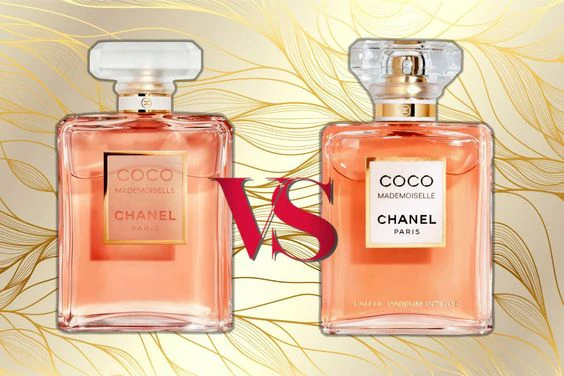
Coco Mademoiselle Eau de Parfum
Price Range: $143 – $265
Key Notes: Orange, Jasmine, Rose, Patchouli, Vetiver, Vanilla
Created: 2001 by Jacques Polge
Best For: Modern femininity, daytime to evening wear, warm floral lovers
Best-Selling Contemporary Classic
Reason #5: Marketing, Celebrity Endorsements, and Global Positioning
In my years of studying luxury marketing, I’ve observed that Chanel’s advertising campaigns are works of art in themselves. The brand invests millions of dollars in creating sophisticated, emotionally resonant advertisements that feature A-list celebrities and are directed by renowned filmmakers. From Catherine Deneuve to Nicole Kidman to Margot Robbie, Chanel has consistently partnered with celebrities who embody the brand’s values of elegance, confidence, and timeless beauty.
These celebrity endorsements serve multiple purposes beyond simple product promotion. They create aspirational connections, build emotional bonds with consumers, and reinforce Chanel’s position in the luxury market. The global fragrance market for celebrity-endorsed perfumes is estimated to exceed $11 billion, and while Chanel doesn’t rely solely on celebrity faces, their strategic partnerships amplify brand visibility and desirability. Research shows that celebrity endorsements can increase product sales by 20-50%, and the trust consumers place in these partnerships translates directly to perceived product value. All these marketing investments—from celebrity contracts to magazine spreads to digital campaigns—factor into the final retail price of each perfume bottle.
Beyond celebrity partnerships, Chanel maintains a strong presence at major fashion events and engages in strategic cultural moments that keep the brand relevant across generations. The brand’s refusal to offer online ordering for many years, their selective retail partnerships, and their premium pricing strategy all work together to maintain an image of exclusivity that justifies the higher price point. When you purchase a Chanel perfume, a portion of that cost reflects the extensive marketing ecosystem that makes owning a Chanel fragrance feel like joining an exclusive club.
Comparing Chanel Perfume Prices: What You Get for Your Investment
To help you understand the value proposition better, I’ve compiled a comprehensive comparison of Chanel’s most popular fragrances across different sizes. This breakdown has helped me appreciate how the concentration, bottle size, and fragrance type all impact pricing in the luxury perfume market.
💡 Knowledge Point: Understanding Fragrance Concentrations
The concentration of perfume oils significantly impacts both price and longevity. Parfum (or Extrait) contains 20-30% oils and lasts 8+ hours, Eau de Parfum contains 15-20% and lasts 6-8 hours, Eau de Toilette contains 5-15% and lasts 3-5 hours, and Eau de Cologne contains 2-4% and lasts 2-3 hours. Chanel’s Eau de Parfum formulations offer an excellent balance of longevity and intensity, which explains why they command premium prices compared to lighter concentrations.
The Rise of Accessible Luxury: Exploring Alternatives Like imixx perfume
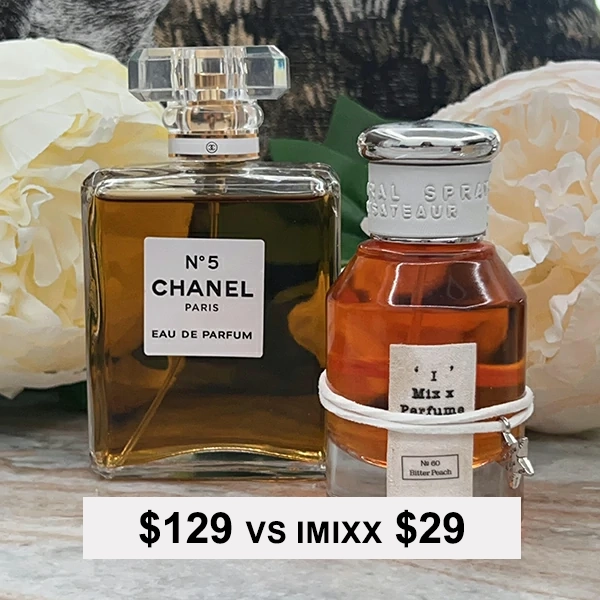
Throughout my fragrance journey, I’ve discovered that while Chanel perfumes represent the pinnacle of luxury, not everyone can justify spending $150-$300 on a single bottle of perfume. This reality has given rise to what I call “accessible luxury”—high-quality fragrance alternatives that capture the essence of designer scents at more approachable price points. Brands like imixx perfume have emerged to fill this market gap, offering carefully crafted interpretations inspired by luxury fragrances.
What I find particularly interesting about imixx perfume is their commitment to quality while maintaining affordability. These fragrance houses study the composition of luxury perfumes and create their own versions using similar note profiles and quality ingredients. While they may not have access to the exclusive Grasse jasmine fields or the century-old formulas, they can offer consumers a way to enjoy sophisticated fragrances without the premium price tag. For someone like me who loves variety and wants to wear different scents for different occasions, having access to both authentic Chanel perfumes and quality alternatives from imixx perfume allows for a more diverse fragrance wardrobe.
It’s important to note that these alternatives serve a different purpose than counterfeit products. Legitimate fragrance alternative brands are transparent about their inspirations and create their own unique formulations rather than attempting to deceive consumers. They fill an important role in the fragrance market by making sophisticated scents accessible to a wider audience. In my experience, while nothing quite captures the complete experience of an authentic Chanel perfume—from the weight of the bottle to the exact formulation to the brand heritage—quality alternatives can provide satisfying olfactory experiences for daily wear, travel, or for those building their fragrance collection on a budget.
The Global Perfume Market: Chanel’s Position in 2025
As I research current trends in the fragrance industry, I’m fascinated by how the market has evolved and where Chanel fits into the broader picture. According to Precedence Research, the global perfume market is projected to reach $60.73 billion in 2025, with forecasts estimating growth to $101.47 billion by 2034. This represents a compound annual growth rate of 5.88%, indicating strong consumer demand for fragrances worldwide. Within this expanding market, Chanel maintains a commanding position in the premium segment, which is experiencing the fastest growth despite representing a smaller volume compared to mass-market offerings.
What strikes me about current market dynamics is the shift in consumer preferences. While mass-market perfumes still account for over 57% of revenue, the premium segment is growing rapidly as consumers increasingly view fragrance as a form of self-expression and personal luxury. Europe leads with a 37% market share, but the Asia-Pacific region is the fastest-growing market, driven by increasing disposable incomes and growing interest in luxury goods. For Chanel, this global expansion represents both opportunity and challenge—maintaining quality and exclusivity while meeting demand in new markets requires significant investment and careful brand management.
The fragrance industry in 2025 is also being shaped by several key trends that I find particularly relevant to understanding Chanel’s pricing strategy. There’s growing demand for sustainability and transparency, with consumers wanting to know about ingredient sourcing and environmental impact. Chanel’s ownership of flower fields and commitment to organic farming practices positions them well for this trend. Personalization is another major factor, with consumers seeking unique scent profiles—Chanel addresses this through their Les Exclusifs line and limited editions. Social media has transformed fragrance discovery, with platforms like TikTok driving purchases, particularly among Gen Z consumers. Interestingly, despite these digital influences, offline sales still dominate with over 75% of revenue, though online channels are expanding rapidly.
Understanding Value: Is Chanel Perfume Worth the Premium Price?
After all my research and personal experience with Chanel fragrances, I’m often asked whether they’re truly worth their premium price. My answer is that it depends entirely on what you value in a fragrance experience. For someone who appreciates artisanal craftsmanship, rare natural ingredients, and brand heritage, a Chanel perfume represents excellent value. You’re not just buying a scent; you’re investing in a piece of perfume history, supporting sustainable agriculture in Grasse, and enjoying a formulation that has been perfected over decades or even a century.
From a purely functional perspective, I can acknowledge that the longevity and projection of Chanel’s Eau de Parfum formulations are exceptional. A single application in the morning often lasts through an entire day, meaning you use less product over time compared to lighter, less expensive fragrances. When I calculate the cost per wear, a $176 bottle of Coco Mademoiselle that lasts six months or more with daily use becomes more reasonable—approximately $1 per day for a luxury experience. Compare this to a daily coffee habit, and suddenly the luxury doesn’t seem quite so extravagant.
However, I also recognize that for many people, spending over $100 on fragrance isn’t practical or desirable, regardless of quality. This is where the beauty of the modern fragrance market shines. You can choose between the full luxury experience of authentic Chanel, mid-range quality perfumes from established brands, or affordable alternatives from companies like imixx perfume that offer similar scent profiles at accessible prices. The key is understanding what you’re paying for and making an informed choice that aligns with your budget and values. In my collection, I have room for both luxury investments and practical alternatives, and I appreciate each for different reasons.
✓ When Chanel is Worth It
- You value authentic luxury experiences
- You appreciate artisanal craftsmanship
- Brand heritage matters to you
- You want maximum longevity and quality
- It’s a special occasion or gift
- You can afford it without financial stress
✓ When Alternatives Make Sense
- You’re building a diverse collection
- You prefer variety over single luxury items
- You’re new to fragrances and exploring
- You need travel-friendly options
- Budget is a primary concern
- You want daily wear scents
Making Your Purchase Decision: Tips from My Experience
If you’re considering investing in a Chanel perfume, I want to share some practical advice that has served me well over the years. First, always sample before you buy. Chanel boutiques and authorized retailers like Sephora and Nordstrom offer samples, and many will provide you with small vials to test at home. Fragrance reacts differently with each person’s skin chemistry, and what smells divine on a test strip or your friend might not work for you. I always wear a sample for at least three days, testing it in different environments and at different times of day, before making a purchase decision.
Consider starting with a smaller bottle size if you’re new to Chanel fragrances. The 1.7 oz bottles, priced around $143, offer excellent value for testing whether a scent works in your regular rotation. In my experience, even with daily use, a 1.7 oz bottle lasts 4-6 months, which gives you plenty of time to determine if you love it enough to invest in a larger size. I also recommend checking for special sets or gift collections, especially during holiday seasons, as these often include additional products like body lotion or shower gel at a better overall value than purchasing items separately.
Timing your purchase can also impact value. Department stores like Macy’s and Nordstrom regularly offer beauty events with additional discounts or point multipliers. I’ve found that shopping during these events, combined with credit card rewards or store loyalty programs, can effectively reduce your final cost by 15-20%. However, be cautious of deals that seem too good to be true—genuine Chanel perfumes maintain relatively consistent pricing across authorized retailers, and steep discounts often indicate counterfeits or diverted products that may be reformulated or expired.
Caring for Your Investment: Maximizing Fragrance Longevity
Once you’ve invested in a Chanel perfume, proper storage and application techniques can significantly extend both the life of the perfume itself and how long it lasts on your skin. I’ve learned through experience that heat, light, and air exposure are the enemies of fine fragrances. I store my Chanel bottles in their original boxes in a cool, dark drawer away from windows and heating vents. The bathroom, despite being convenient, is actually the worst place to store perfume due to temperature fluctuations and humidity from showers.
For application, I’ve found that targeting pulse points—wrists, neck, behind ears, and inside elbows—works best because the warmth of these areas helps diffuse the scent throughout the day. A technique I learned from a Chanel consultant is to spray once in front of you and walk through the mist, allowing the fragrance to settle on your clothing and hair as well as skin. This creates a more subtle, enveloping scent cloud rather than concentrated spots. I never rub my wrists together after applying perfume, as this breaks down the top notes and can alter how the fragrance develops.
Layering is another technique that extends wear time and creates a more personalized scent experience. Chanel offers complementary products like body lotions and shower gels for many of their signature fragrances. Using these before applying the perfume creates a base that helps the fragrance adhere to skin and last longer. On days when I want my Coco Mademoiselle to really last, I’ll use the body lotion, then apply the perfume, creating a longer-lasting and more intense scent experience that easily carries me from morning through evening.
Frequently Asked Questions About Chanel Perfume Pricing
Why is Chanel perfume so expensive compared to other brands?
Chanel perfumes command premium prices due to five main factors: rare natural ingredients like Grasse jasmine and May rose that cost thousands of dollars per kilogram; master perfumer expertise developed over decades; exclusive ownership of flower fields ensuring quality control; iconic packaging and presentation; and over 100 years of brand heritage and luxury positioning. Unlike mass-market brands that use primarily synthetic ingredients and outsource production, Chanel controls every aspect of creation from field to bottle, ensuring exceptional quality that justifies the higher price point.
What is the most expensive Chanel perfume available?
The most expensive Chanel perfume currently available is the No. 5 Parfum Grand Extrait Baccarat Edition, priced at $22,500. This ultra-luxury version features the highest concentration of perfume oils (up to 30%) in a custom Baccarat crystal bottle. For regular collections, the Les Exclusifs line represents Chanel’s premium tier, with bottles typically ranging from $200-$400, offering exclusive formulations with higher concentrations of rare ingredients compared to the main line fragrances.
How long does a bottle of Chanel perfume typically last?
A 3.4 oz (100ml) bottle of Chanel Eau de Parfum typically lasts 6-12 months with daily use, depending on application habits. If you spray 3-4 times per application once daily, you can expect approximately 300-400 sprays per bottle, translating to 75-100 days of use. The fragrance itself remains stable for 3-5 years when stored properly in a cool, dark place away from heat and light. Chanel’s Eau de Parfum concentration means you need fewer sprays compared to lighter formulations, helping the bottle last longer than less concentrated alternatives.
Are there quality differences between Chanel perfume sizes?
No, the fragrance formulation remains identical regardless of bottle size—a 1.7 oz bottle contains the exact same perfume as a 6.8 oz bottle. The price per ounce does decrease with larger bottles, offering better value if you know you love the scent. For example, Chanel No. 5 EDP costs approximately $84 per oz for the 1.7 oz size but only $39 per oz for the 6.8 oz size. However, I recommend starting with smaller bottles to ensure the fragrance works with your chemistry before investing in larger sizes.
What makes Grasse jasmine so special for Chanel perfumes?
Grasse jasmine, specifically Jasminum grandiflorum grown in the Grasse region of France, possesses unique olfactory characteristics due to the terroir—the combination of soil, climate, and cultivation methods specific to that location. This jasmine variety features distinctive green tea nuances and a more complex, delicate profile compared to jasmine grown in other regions. Chanel’s exclusive partnership with the Mul family ensures access to the highest quality flowers, hand-picked at dawn before sun exposure can diminish their fragrance. It takes approximately 8,000 Grasse jasmine flowers to produce just one kilogram of jasmine absolute, explaining why this ingredient alone can cost $2,000-$4,000 per kilogram and significantly impacts Chanel’s perfume pricing.
Can I find genuine Chanel perfumes at discount prices?
Genuine Chanel perfumes rarely see steep discounts due to the brand’s controlled distribution strategy and premium positioning. However, you can find modest savings during department store beauty events (typically 10-15% off), through loyalty program rewards, or by purchasing duty-free at airports. Be extremely cautious of websites or retailers offering Chanel perfumes at 30-50% below retail price, as these are often counterfeits or diverted gray market products that may be expired, reformulated, or improperly stored. Authorized Chanel retailers include Chanel boutiques, Sephora, Nordstrom, Macy’s, and the official Chanel website—purchasing from these sources ensures authenticity and proper product handling.
Final Thoughts: The True Value of Luxury Fragrance
As I reflect on my journey understanding Chanel perfume pricing, I’ve come to appreciate that luxury fragrances represent more than just their monetary cost. When I wear Chanel No. 5, I’m connected to over a century of perfume history and Coco Chanel’s revolutionary vision. When I apply Coco Mademoiselle, I’m enjoying the result of master perfumers’ expertise and rare ingredients harvested from exclusive fields in Grasse. The premium price reflects real, tangible value—from the $3,000 per kilogram Rose de Mai to the decades of training required for perfumers to create these complex formulations.
However, I also recognize that value is subjective and personal. The fragrance market has evolved to offer options at every price point, from authentic designer perfumes to quality alternatives from brands like imixx perfume that make sophisticated scents accessible to more people. There’s no shame in choosing alternatives that fit your budget while still delivering enjoyable fragrance experiences. What matters most is finding scents that make you feel confident, beautiful, and authentically yourself—whether that’s a $200 bottle of Chanel or a $30 inspired alternative.
In the end, understanding why Chanel perfumes cost what they do helps us make informed decisions about our fragrance purchases. We can appreciate the artistry, craftsmanship, and heritage behind these luxury products while also recognizing when alternatives might better serve our needs. The world of fragrance is wonderfully diverse, offering something for everyone regardless of budget. Whether you invest in authentic Chanel perfumes, explore quality alternatives, or build a collection that includes both, what matters is that you enjoy wearing fragrances that enhance your life and express your personal style.