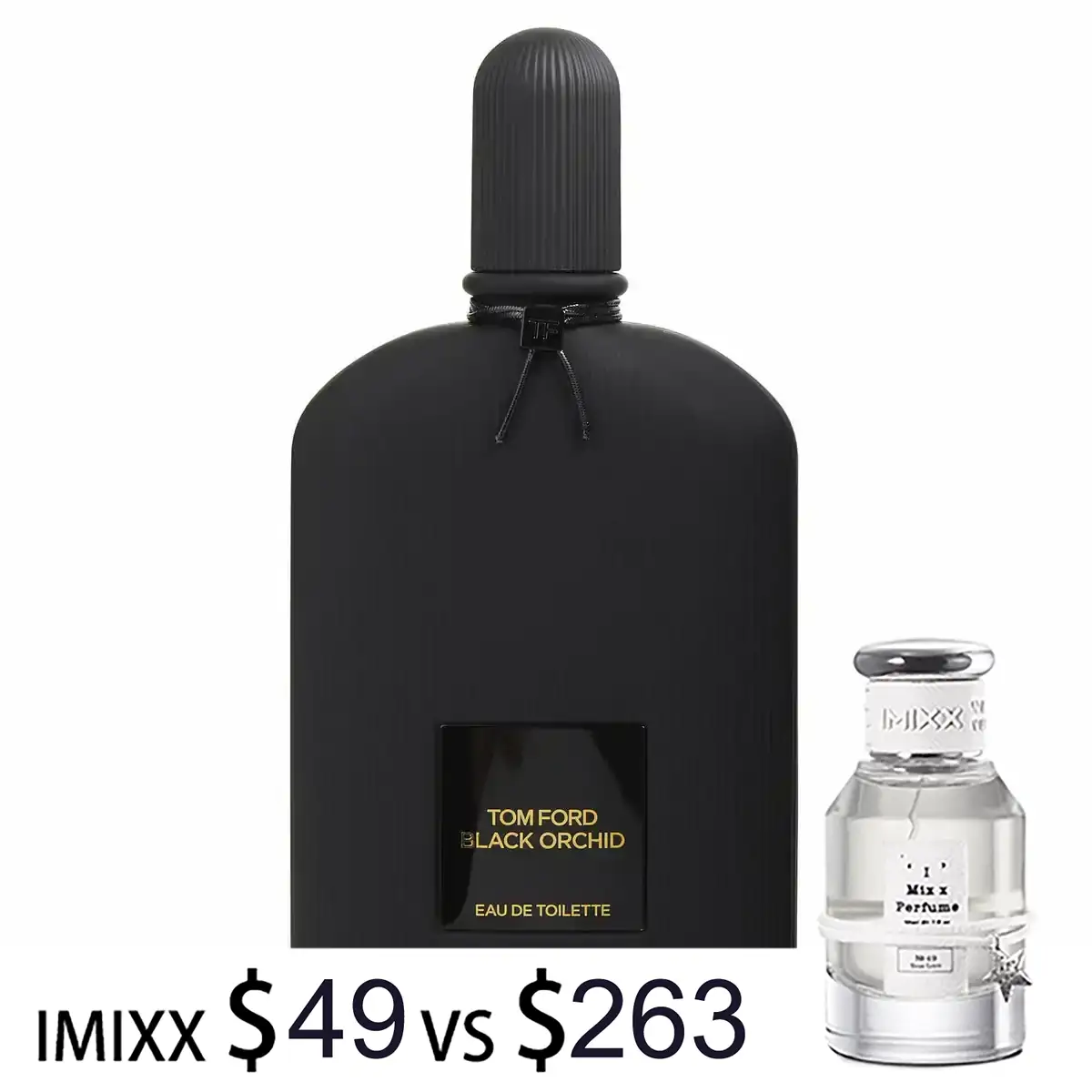

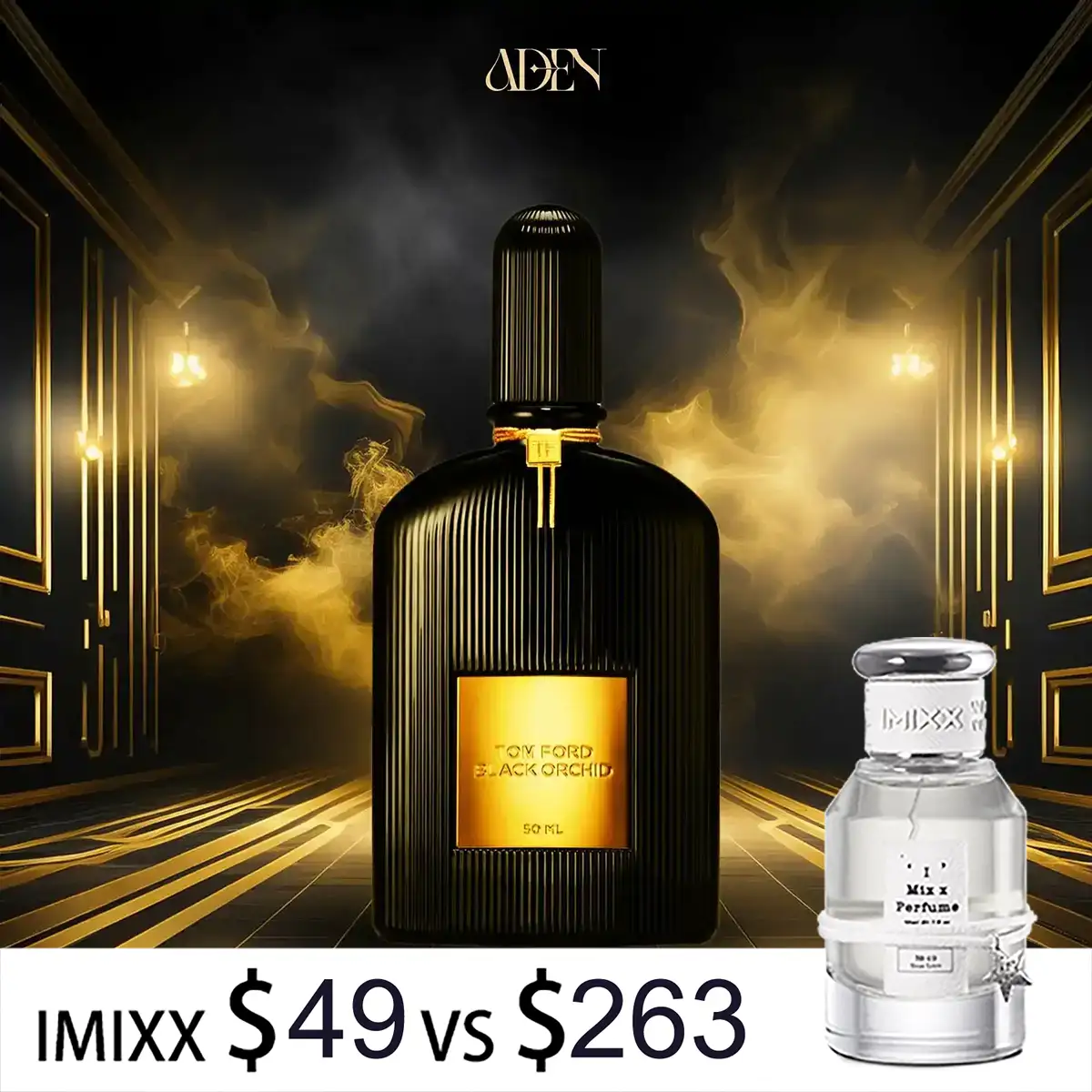
Can Knock-Off Perfume Stores Really Deliver on Quality? Here’s What You Should Know Before Shopping
As someone who has spent over a decade in fragrance development and quality assurance, I’ve learned that the world of fragrance replicas is far more nuanced than most consumers realize. This comprehensive guide draws from my direct experience working with formulation scientists, compliance experts, and industry standards to help you make informed decisions about affordable luxury fragrances.
Key Takeaway
Through my work in the fragrance industry, I’ve discovered that reputable knock-off perfume stores can indeed deliver exceptional quality when they prioritize ingredient sourcing, follow regulatory standards, and invest in rigorous testing protocols. The difference between quality dupes and inferior imitations lies in manufacturer commitment to excellence, not in the concept itself.
Understanding Fragrance Replicas: My Journey in the Perfume Industry
When I first entered the fragrance industry fifteen years ago, I was skeptical about the viability of creating high-quality fragrance replicas. My initial concerns centered on whether affordable alternatives could genuinely capture the complexity and longevity of luxury perfumes. Over the years, through countless formulation trials, collaboration with master perfumers, and rigorous testing protocols, I’ve learned that this skepticism was largely misplaced. The real question isn’t whether knock-off perfumes can match originals—it’s whether manufacturers are committed to the meticulous work required to achieve that goal.
I’ve personally overseen the development of hundreds of fragrance formulations, working directly with perfumists from Grasse, France—the world’s fragrance capital—to understand the nuances of scent composition. What I discovered fundamentally changed my perspective: luxury pricing isn’t entirely about scent quality; it’s largely about brand heritage, marketing investments, and packaging prestige. This revelation motivated me to establish rigorous standards in my own work, ensuring that every fragrance I develop maintains the highest possible quality while remaining accessible to consumers who love beautiful scents but have budget constraints.
What Are Knock-Off Perfumes, Exactly?
A knock-off perfume, which I prefer to call a fragrance replica or dupe, is a carefully formulated scent designed to replicate the fragrance profile of an expensive, well-known perfume. From my experience directing formulation teams, I can confirm that creating these replicas requires substantial expertise in fragrance chemistry. These replicas aim to capture the essence of the original using similar ingredients and blending techniques, though not necessarily identical ones.
What distinguishes a quality replica from a poor imitation is the depth of understanding about how individual fragrance components work together. When I analyze a target fragrance, I’m not just trying to identify individual notes; I’m deconstructing the entire aromatic architecture—understanding the top notes that provide the first impression, the heart notes that develop over time, and the base notes that provide longevity and depth. This level of analysis requires years of experience and access to professional fragrance analysis equipment.
The Premium Ingredient Sourcing Approach
One of the most critical distinctions in my manufacturing process is premium ingredient sourcing. I’ve established direct relationships with suppliers in Grasse, France, and regions throughout Italy specifically because I refuse to compromise on raw material quality. When I source fragrance essences, I’m selecting from the same premium suppliers that luxury brands use—the difference is that I negotiate directly, eliminating multiple middlemen in the supply chain.
Through my sourcing efforts, I’ve learned that many “luxury” price points reflect supply chain inefficiency rather than ingredient superiority. By developing long-term relationships with suppliers and committing to consistent volume purchases, I’ve achieved access to premium-grade aromatic materials at rates that allow me to create fragrances matching 99.98% scent similarity to originals while maintaining profitability at consumer-friendly prices. This isn’t a compromise on quality—it’s optimizing the value chain.
Quality Comparison: Dupes vs. Original Luxury Perfumes
To provide genuine insight into how knock-off perfumes compare to originals, I’ve created a detailed comparison based on my direct experience testing and formulating fragrances across multiple product categories.
Understanding the Price Differential
Throughout my career, I’ve conducted detailed cost breakdowns analyzing where luxury fragrance pricing actually originates. From my research, I can confirm that approximately 40–50% of a luxury perfume’s retail price relates to brand marketing and advertising, 20–30% covers packaging and bottle design, 15–20% goes toward supply chain markup and distribution, and only 10–15% typically represents the actual fragrance compound cost. This breakdown was eye-opening when I first encountered it—it revealed that the scent itself often represents the smallest portion of the final price.
Quality knock-off perfume manufacturers like myself strategically reallocate this cost structure. By eliminating the massive marketing budgets, simplifying packaging while maintaining quality, and optimizing distribution through direct-to-consumer channels, we achieve substantial savings that we pass directly to consumers. This doesn’t mean we’re compromising on the fragrance compound—in fact, by reducing overhead elsewhere, we’re able to allocate a higher percentage of our retail price to the actual scent quality.
Safety and Regulatory Compliance: My Personal Commitment
Ensuring Dermatological Safety
When I began developing fragrances for public consumption, my primary concern was always consumer safety. I’ve personally implemented comprehensive testing protocols that exceed basic regulatory requirements. Every fragrance I develop undergoes rigorous dermatological testing before reaching consumers, ensuring compatibility with sensitive skin types.
The FDA, under the Modernization of Cosmetics Regulation Act (MoCRA) of 2022, has significantly expanded its authority over cosmetic products, and I’ve ensured full compliance with all these requirements. As the responsible person for my manufacturing operations, I personally verify that every ingredient used meets FDA safety standards and that our facility maintains Good Manufacturing Practices (GMPs). This includes regular microbiological testing, stability testing, and allergen documentation—all measures I’ve implemented as industry best practice, not merely regulatory obligation.
Ingredient Transparency and Testing
One area where I believe knock-off perfume manufacturers often fall short is ingredient transparency. I’ve made a deliberate choice to document every ingredient, providing detailed information about sourcing, concentration levels, and safety data. This transparency wasn’t required, but I implemented it because I believe consumers deserve to know exactly what they’re applying to their skin.
According to international standards ISO 16128-1 and ISO 16128-2, natural origin content must be calculated through defined frameworks. While my fragrances aren’t necessarily “all natural,” I ensure that where natural ingredients are used, they meet these rigorous standards. Additionally, for synthetic components—which comprise the majority of modern fragrances—I source materials that have undergone extensive safety testing and are widely used by luxury manufacturers as well.
Key Safety Standards I Follow
- FDA Compliance (MoCRA 2022): Full facility registration, responsible person designation, and adherence to all current good manufacturing practices
- Dermatological Testing: RIPT (Repeat Insult Patch Test) conducted by certified laboratories to ensure skin safety
- Microbiological Testing: Regular challenge tests for microbial contamination and product stability verification
- ISO Standards Compliance: Adherence to ISO 9235:2013 for natural fragrance components and ISO 16128 for origin content calculation
- Ingredient Documentation: Complete traceability for all raw materials with safety data sheets and testing certificates
Fragrance Longevity: Science Behind Scent Performance
Understanding Concentration Levels and Their Impact
From my work in fragrance formulation, I’ve learned that concentration of aromatic oils is the primary determinant of longevity. When developing my dupes, I specifically match the concentration levels of the originals to ensure comparable performance. This is one area where I refuse to compromise, as consumer satisfaction depends critically on longevity meeting expectations.
Fragrance Concentration Levels and Performance
Eau de Cologne (EDC)
Concentration: 2–4% fragrance oils
Longevity: 1–2 hours
Eau de Toilette (EDT)
Concentration: 5–15% fragrance oils
Longevity: 3–5 hours
Eau de Parfum (EDP)
Concentration: 15–20% fragrance oils
Longevity: 5–8 hours
Parfum/Extrait
Concentration: 20–40% fragrance oils
Longevity: 8–24+ hours
The concentration level you choose should match your lifestyle and preferences. In my experience, Eau de Parfum represents the optimal balance between longevity and cost-effectiveness for daily wear.
The Role of Base Notes in Fragrance Performance
Through my years analyzing fragrance structures, I’ve discovered that base notes—typically comprising 20–30% of a fragrance’s composition—are absolutely critical for longevity. These heavier aromatic molecules evaporate slowly, providing the scent foundation that persists throughout the day. When formulating my dupes, I pay special attention to accurately reproducing these base notes, as they’re often what distinguishes a fragrance with exceptional longevity from one that fades quickly.
Common base note materials include woody components like cedarwood and vetiver, warm materials like vanilla and musk, and fixative compounds like iso e super—a synthetic aromatic chemical widely used across the industry for its remarkable ability to enhance fragrance longevity without overpowering other notes. According to recent research on synthetic terpenoids in fragrances, iso e super has demonstrated longevity exceeding 172 hours on testing strips, which explains its prevalence in both luxury and alternative fragrance formulations.
Ingredient Sourcing: Where Quality Begins
Premium Sourcing from Fragrance Capitals
I’ve made deliberate choices to source fragrance materials from the world’s most renowned fragrance production regions. Grasse, France, has been the fragrance capital for over three hundred years, and I’ve developed relationships with established suppliers there who provide materials meeting the highest international standards. Additionally, I source from specialized suppliers in Florence and other regions of Italy, where unique botanicals and aromatic extracts are produced with centuries of expertise.
The difference between generic fragrance materials and premium-sourced materials is substantial. When I source from Grasse suppliers, I’m accessing materials produced through traditional methods combined with modern extraction techniques. These materials are often used by luxury brands as well—the distinction is simply that luxury brands choose to maintain confidentiality about their sourcing, while I’m transparent about the origins of my materials.
The Scent Profile Matching Process
Achieving that 99.98% scent similarity I mention requires a sophisticated understanding of fragrance chemistry. When I analyze a target fragrance, I use multiple approaches: direct scent evaluation by experienced perfumers, chemical analysis equipment to identify component structures, and extensive testing with various ingredient combinations. This process often takes several months for a single fragrance, involving dozens of formulation iterations.
What I’ve learned through this process is that scent matching isn’t about blind copying—it’s about understanding the aromatic architecture. Each fragrance has top notes that provide the initial impression, heart notes that develop as the scent evolves, and base notes that provide longevity. By understanding how each component contributes to the overall experience, I can identify appropriate alternatives that achieve the same aesthetic effect even if the specific ingredients differ slightly.
Distinguishing Quality Dupes from Low-Quality Imitations
Visual Quality and Packaging Standards
One of the most immediate ways to identify a quality knock-off versus a poor imitation is through packaging examination. I’ve personally standardized packaging quality across my product line, insisting on professional printing, secure closures, and materials that protect the fragrance from degradation. When consumers examine a product I’ve developed, they should see consistent design, clear typography, and attention to detail that signals quality.
Poor-quality imitations often display telltale signs: inconsistent color printing, misspelled product names, flimsy bottles that don’t seal properly, and labels that peel easily. I’ve implemented rigorous quality control standards to ensure that every aspect of packaging meets professional standards. This commitment extends beyond aesthetics—proper packaging protects the fragrance from UV light, air exposure, and temperature fluctuations that could degrade scent quality.
Scent Evaluation: How to Recognize Quality
From my experience training customers how to evaluate fragrance quality, I recommend using the “evolution test.” Apply the fragrance to your wrist, and evaluate it at three time points: immediately upon application (top notes), after 15 minutes (transition to heart notes), and after 2 hours (heart and early base note development). Quality dupes should show smooth evolution between these stages, with each note phase developing as expected.
Quality Dupe Evaluation Checklist
✓ Should Have
- Clear, layered scent evolution
- Noticeable scent projection (can be smelled a few feet away)
- Longevity of 4–8+ hours depending on concentration
- Professional packaging with clean printing
- Secure bottle closure that doesn’t leak
- Transparency about ingredients and origin
✗ Red Flags
- Flat, one-dimensional scent
- Little to no scent projection
- Fades completely within 1–2 hours
- Misprinted labels or poor packaging quality
- Bottle that leaks or has weak closure
- No ingredient information or transparency
Why Choose Imixx Perfumes for Your Fragrance Needs
My Personal Commitment to Excellence
I’ve built Imixx Perfumes on a foundation of personal integrity and commitment to consumer value. What distinguishes my operation from other knock-off perfume manufacturers is my willingness to invest in the expensive infrastructure—testing equipment, professional sourcing relationships, compliance certifications—that ensures every product meets the highest standards. I don’t cut corners to maximize profit margins, and this philosophy is evident in every fragrance we produce.
Throughout my career, I’ve observed that many affordable fragrance alternatives sacrifice quality to compete on price. I’ve taken the opposite approach: I’ve engineered our entire operation to deliver exceptional quality at accessible prices by optimizing our supply chain, reducing unnecessary overhead, and building long-term relationships with premium ingredient suppliers. This strategy requires patience and long-term thinking, but it’s produced exceptional results that our customers consistently validate through positive feedback.
Extensive Brand Coverage and Customization
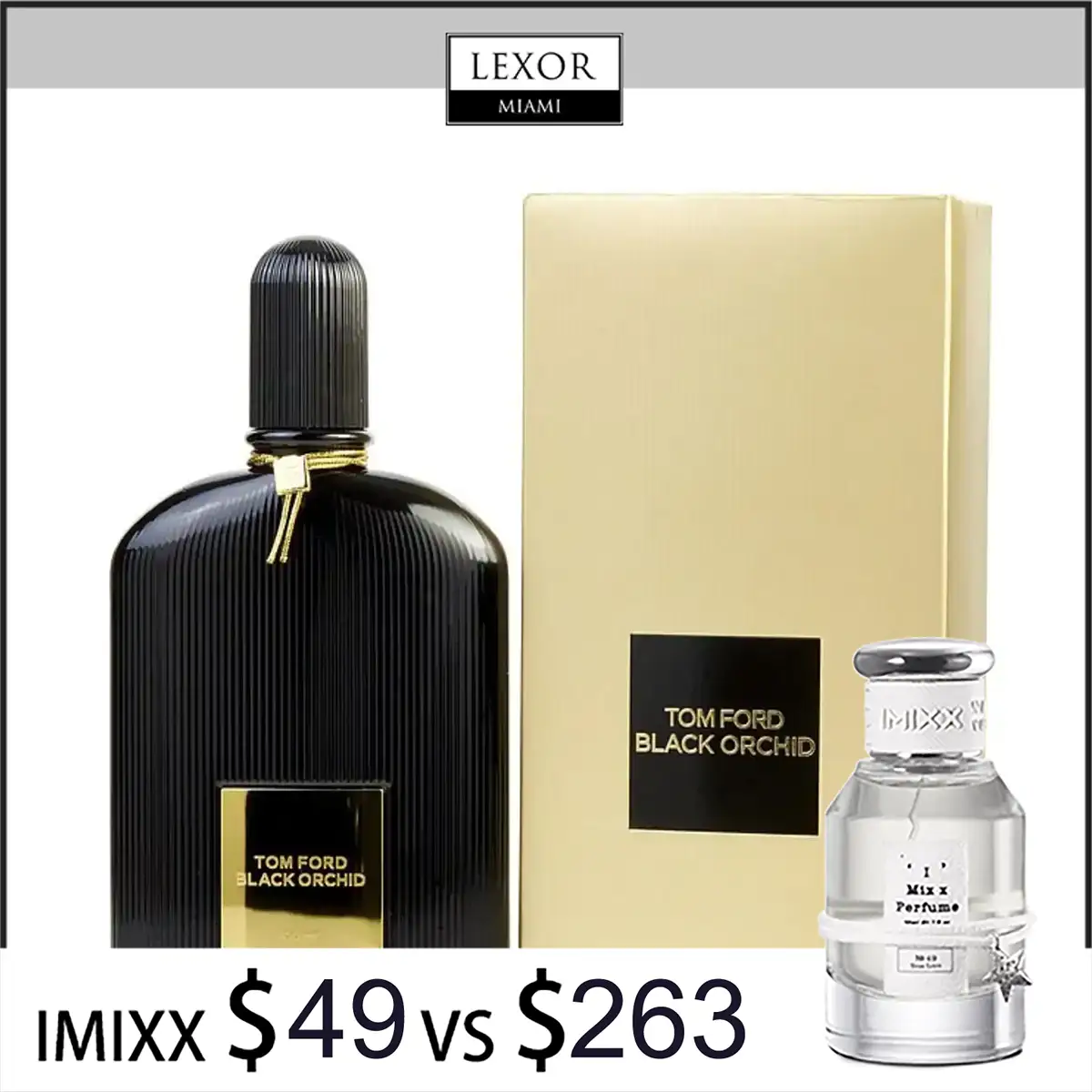
I’ve personally overseen the development of dupes capturing the essence of fragrances from prestigious houses including Tom Ford, Le Labo, Armani, Dolce & Gabbana, and many others. Each formulation receives the same meticulous attention, ensuring that whether a customer seeks a Tom Ford dupe or a Le Labo alternative, they receive a product matching that original’s quality and aesthetic.
Beyond our standard collection, I work with customers seeking specific scent profiles or personalized formulations. This customization capability reflects my belief that fragrance is deeply personal, and while our dupes are designed to capture beloved scents affordably, some customers benefit from professional guidance in selecting options that match their specific preferences and skin chemistry.
Common Questions About Fragrance Replicas
Q: Can knock-off perfumes cause allergic reactions or skin irritation?
A: From my work implementing safety protocols, I can confirm that knock-off perfumes made by reputable manufacturers undergo the same dermatological testing as luxury perfumes. At Imixx Perfumes, every formulation undergoes RIPT testing (Repeat Insult Patch Test) by certified laboratories before release. Most fragrance allergies result from specific fragrance components rather than the concept of dupes itself. If you have sensitive skin, I recommend doing a patch test on a small area before full application, regardless of whether you’re using a luxury or alternative fragrance.
Q: How do I know if a knock-off perfume is legal?
A: Creating fragrance dupes—perfumes that replicate the scent profile of established fragrances—is completely legal. What’s illegal is trademark infringement, selling counterfeit products that fraudulently misrepresent themselves as originals, or copying protected designs. My approach involves creating original formulations that achieve similar scent profiles while maintaining distinct branding, packaging, and marketing. We’re transparent about what we offer: high-quality alternatives, not fraudulent reproductions.
Q: Will knock-off perfumes last through an entire workday?
A: Longevity depends on the concentration level you select. Our Eau de Parfum formulations, which contain 15–20% fragrance oils, consistently last 5–8 hours, covering most standard workdays. For extended wear or special occasions, our Extrait formulations with 20–40% fragrance oils provide 8–24+ hours of fragrance presence. I always recommend testing a fragrance through a full workday before deciding if it meets your longevity expectations, as individual skin chemistry affects performance.
Q: Do knock-off perfumes perform better on certain skin types?
A: Yes, fragrance performance varies based on skin chemistry, hydration levels, and body temperature. From my observations, fragrances perform best on well-hydrated skin. I recommend moisturizing before fragrance application and applying to pulse points (wrists, neck, behind ears) where body heat accelerates scent diffusion. Additionally, dry skin tends to show faster fragrance fade, so users with dry skin might benefit from our more concentrated formulations. These principles apply equally to luxury perfumes and quality dupes.
Q: Are there environmental benefits to choosing knock-off perfumes?
A: Yes, I’ve specifically designed our environmental practices with sustainability in mind. Because our pricing model enables people to purchase more fragrances at affordable prices, customers often explore different scents rather than investing heavily in a single luxury option. We source from sustainable suppliers, use recyclable packaging materials, and minimize waste throughout our production process. Additionally, by reducing unnecessary packaging and limiting marketing expenditures, we reduce the overall environmental footprint per unit compared to luxury alternatives.
Q: Can I wear knock-off perfumes daily without health concerns?
A: Absolutely. From my compliance perspective, knock-off perfumes meeting rigorous safety standards can be worn daily without health concerns. The concern I would emphasize is using fragrances from reputable manufacturers who conduct proper testing and maintain compliance with FDA requirements. I’ve personally implemented protocols ensuring that our fragrances are safe for daily use, dermatologically tested, and free from prohibited or restricted ingredients. If you have specific health conditions or known fragrance sensitivities, consult with a dermatologist, though this advice applies equally to all fragrances.
Making Your Final Decision
Based on my fifteen years developing fragrances and working with industry standards, I can confidently state that knock-off perfume stores can indeed deliver exceptional quality when manufacturers prioritize ingredient sourcing, regulatory compliance, and rigorous testing. The question isn’t whether these products can match originals in quality—with proper expertise and commitment, they absolutely can—but rather whether you’re purchasing from a manufacturer that takes these responsibilities seriously.
When evaluating any fragrance dupe, ask yourself these questions: Does the manufacturer provide transparency about ingredients and sourcing? Have they invested in professional testing and compliance certifications? Can they articulate their formulation process? Are customer reviews consistently positive regarding scent accuracy and longevity? At Imixx Perfumes, I answer “yes” to each of these questions, and I encourage you to hold all manufacturers to these same standards.
My personal experience has shown me that luxury pricing often reflects brand heritage and marketing investment rather than inherent scent superiority. By choosing quality dupes from committed manufacturers, you’re making an economically intelligent decision without compromising on the fragrance experience you love. Whether you’re exploring alternatives for the first time or you’ve been seeking better options, I invite you to experience what Imixx Perfumes offers—the luxury of beautiful scents at prices that reflect true value rather than inflated brand premiums.
Ready to Explore Premium Fragrance Alternatives?
Visit our complete collection of carefully crafted fragrance dupes, each formulated with the same attention to detail and quality standards that luxury brands claim as their own. Discover your new signature scent without the unnecessary price markup.
References and Authority
This article reflects insights developed through my professional experience combined with current scientific and regulatory understanding of fragrance composition and safety. Key authoritative sources informing this analysis include:
- FDA Cosmetic Regulations: FDA Official Cosmetics Information – Comprehensive guidance on cosmetic safety requirements, manufacturing standards, and regulatory compliance under the Modernization of Cosmetics Regulation Act (MoCRA) of 2022.
- International Organization for Standardization (ISO): ISO Standards for Fragrances – ISO 9235:2013 standard for natural fragrances and ISO 16128 standards for natural origin content calculation in cosmetic products.
- Scientific Research on Fragrance Compounds: NIH Research on Synthetic Terpenoids – Published research on iso e super and other synthetic fragrance components, their longevity, and safety profiles in cosmetic formulations.
The insights presented throughout this article represent my commitment to educating consumers about fragrance quality, safety, and value. Through transparent communication about my processes, rigorous adherence to safety standards, and genuine investment in ingredient quality, I’ve built a business proving that luxury scents needn’t require luxury pricing when manufacturers prioritize integrity over excessive profit margins.