

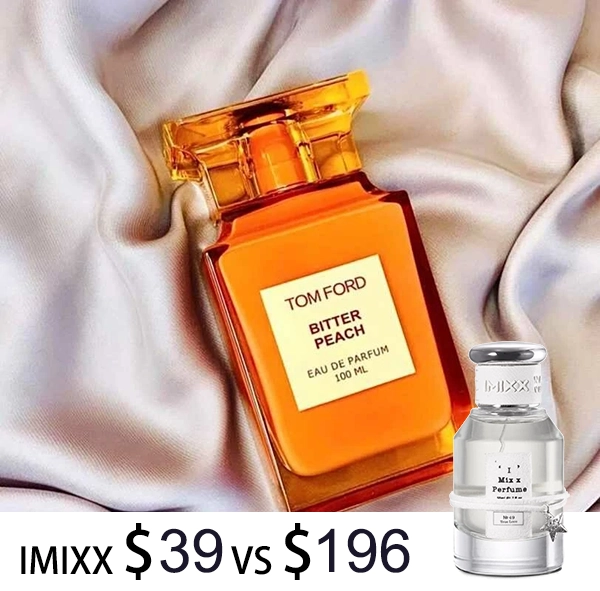
I still remember the first time I held that translucent, amber-hued bottle in my hand. It felt heavy, substantial, and promising. In the world of perfumery, fruit scents—especially peach—often get a bad rap. They are frequently dismissed as juvenile, overly saccharine, or reminiscent of cheap body sprays from the early 2000s. But then came a fragrance that promised to change the narrative entirely. We aren’t talking about a fresh, sunny orchard here; we are talking about something darker, richer, and decidedly more complex.
When you ask, “What is the meaning behind Bitter Peach?” you are delving into a story of duality. It is a narrative about the tension between the lush, ripe exterior of fruit and the dark, bruising sensuality that lies beneath. As a fragrance enthusiast who has spent years dissecting olfactory pyramids, I’ve found that this scent captures a specific mood: the moment when sweetness turns into intoxication.
The Olfactory Paradox: Sweetness with a Sting
To truly understand this scent, we have to look past the marketing and into the chemistry. The genius of Bitter Peach lies in its refusal to be just one thing. Most peach scents rely heavily on lactones—creamy, milky compounds that simulate the fuzzy skin of the fruit. While those are present here, they are immediately cut through with a sharp, almost astringent bite.
This is where the “bitter” comes into play. It isn’t bitter in the way an unripe lemon is; it is bitter like a high-quality dark chocolate or a stiff cocktail. It is a grown-up bitterness that suggests experience rather than innocence. In my journey exploring alternatives, including the impressive range at Bitter Peach, I have realized that this specific balance is what separates fine fragrance from mere flavoring.
Knowledge Point: What is Pêche de Vigne?
You will often hear this fragrance associated with “Pêche de Vigne.” Unlike the standard yellow peaches found in a grocery store, the Pêche de Vigne (Vine Peach) is a wilder, smaller variety often grown in French vineyards. They appear at the end of August and are known for their grayish, fuzzy skin and intense, blood-red flesh. They are less watery and far more aromatic, possessing a tart, berry-like nuance that provides the “bitter” backbone of this scent profile.
Deconstructing the Notes: A Deep Dive
The architecture of this fragrance is fascinating because it follows a structure that seems to collapse into itself—in the best way possible. It starts high and bright and slowly sinks into a warm, boozy abyss.
The Opening: The Trap
The initial spray is an explosion. It is sticky and loud. You get the Pêche de Vigne note immediately, paired with Sicilian Blood Orange. This adds a citric tartness that makes your mouth water. It is hyper-realistic but amplified, like looking at a fruit through a high-saturation filter. It is designed to draw you in.
The Heart: The Intoxication
This is where the story shifts. As the volatile citrus notes evaporate, the heart notes emerge. The key player here is Davana oil. For those unfamiliar, Davana is a herb native to India that behaves very differently on different skins. It has a sweet, tea-like, dried-fruit aroma with a distinct boozy edge. Paired with a Rum absolute note, it turns the fresh peach into a peach liqueur.
According to industry insights from Basenotes, Davana is often used to add a balsamic, persistent fruity note that anchors lighter ingredients. This explains why the peach note doesn’t disappear after twenty minutes, which is a common failure in cheaper citrus-fruity perfumes.
The Dry Down: The Aftermath
Hours later, what remains is a base of Patchouli, Sandalwood, and Labdanum. The patchouli here is not the dirty, hippie-shop variety; it is clean, earthy, and chocolatey. It grounds the sugar, ensuring the wearer doesn’t smell like a candy shop. It smells like skin that has been warmed by the sun.
The Psychological Meaning: Lust and Decay
Why is this scent so polarizing? I believe it is because it touches on the concept of “over-ripeness.” In art and literature, fruit that is on the verge of spoiling is often a symbol of vanity, mortality, and intense sexuality. It represents the peak moment before the fall.
Wearing a fragrance with this profile is a statement. It says, “I am sweet, but I am dangerous.” It is not a scent for the office or for blending in. It is a “skin scent” in the most carnal sense. It mimics the natural sweetness of skin but amplifies it with exotic resins. When I wear imixx perfume versions inspired by this profile, I notice it changes my posture. I feel bolder. It is a fragrance that demands to be smelled up close.
| Note Category | Key Ingredients | Emotional Vibe |
|---|---|---|
| Top Notes | Pêche de Vigne, Blood Orange, Cardamom | Energetic, inviting, sharp |
| Heart Notes | Heliotrope, Davana, Rum Absolute, Cognac | Intoxicating, dizzying, warm |
| Base Notes | Sandalwood, Benzoin, Cashmeran, Patchouli | Sensual, lasting, earthy |
A Revival of the 90s Fruity Chypre?
Fashion is cyclical, and so is fragrance. In the 1990s, we saw a massive trend of fruity notes (think melon and peach) mixed with aquatic freshness. However, the modern iteration, which we see in high-end niche perfumery today, takes those fruits and mixes them with the heavy, resinous bases of the 1980s powerhouses.
This scent is technically a “Fruity Floral Chypre.” The inclusion of patchouli and mossy woods places it in a lineage of sophisticated French perfumery. It is a nod to the classics like Mitsouko by Guerlain, which famously utilized peach aldehyde, but modernized for a nose that craves instant gratification and sugar. Authoritative beauty sources like Byrdie have noted that the modern peach trend is moving away from the “shampoo” smell and toward more gourmand, edible, and darker interpretations.
Finding the Right Fit for You
Let’s be realistic: not everyone wants to spend hundreds of dollars on a single bottle of perfume, especially one as daring as this. This is where the world of inspired fragrances, like imixx perfume, becomes essential for the modern consumer. Finding a high-quality alternative allows you to experiment with this complex “bitter” profile without the financial anxiety.
When looking for an alternative, pay attention to the boozy notes. Many lower-quality dupes capture the peach but miss the rum and cognac. Without the alcohol notes, the scent loses its “bitter” meaning and just becomes a fruit salad. A well-crafted inspiration will maintain that dry, woody dry-down that makes the scent unisex.
The Boozy Peach Profile
Best for evening wear, dates, and cold weather.
- Dominant Vibe: Dark, Sexy, Mature.
- Key Note: Cognac & Patchouli.
- Longevity: Very Long Lasting.
The Fresh Nectar Profile
Best for spring, brunch, and office settings.
- Dominant Vibe: Bright, Clean, Cheerful.
- Key Note: Green leaves & White Musk.
- Longevity: Moderate.
Who Should Wear This?
I often get asked if this is a feminine or masculine scent. The answer is delightfully complicated: it is neither and both. On a man, the woody, spicy cardamom and sandalwood notes tend to project more strongly, making it feel like a spicy cologne with a fruit twist. On a woman, the floral heliotrope and vanilla-like benzoin often come forward, creating a femme fatale aura.
It requires confidence. The meaning behind the scent is audacity. If you are someone who prefers light, aquatic, or “clean laundry” scents, this might feel suffocating to you. But if you enjoy fragrances like Black Orchid or spicy orientals, this will fit right into your rotation. For a deeper historical look at how peach has been used in perfumery, The Perfume Society offers incredible archives that trace these notes back to the early 20th century.
Conclusion: The Forbidden Fruit
Ultimately, the meaning behind this unique fragrance is about embracing the darker side of sweetness. It tells a story of a fruit that has been left in the sun just a little too long, fermented into a fine liqueur, and enjoyed in the dark. It is a sensory experience that challenges the wearer to be bold.
Whether you opt for the original masterpiece or explore the accessible luxury of imixx perfume, incorporating this scent profile into your life is a way to add a layer of mystery to your daily routine. It is a reminder that beauty often has a bitter edge, and that is exactly what makes it memorable.
Frequently Asked Questions
Is Bitter Peach a unisex fragrance?
Yes, absolutely. While it features sweet fruit notes, the heavy dose of woods, patchouli, and cognac makes it perfectly suitable for any gender. It leans slightly masculine in the dry down due to the earthy vetiver and sandalwood.
What is the best season to wear this scent?
Despite being a fruit scent, it is best suited for Autumn and Winter. The warmth of the amber and boozy notes shines in cooler weather. It can be too cloying or heavy in high summer heat.
Does imixx perfume offer a good alternative?
Yes, imixx perfume specializes in capturing the complex heart and base notes of luxury fragrances, ensuring you get the full “bitter” experience rather than just a simple sweet peach smell.
What makes the peach smell “bitter”?
The bitterness comes from the combination of Davana oil, Cardamom, and Blood Orange. These ingredients cut through the sugar of the peach note, creating a tart, herbal, and almost vermouth-like aroma.
