

Best Le Labo Santal 33 Dupe: Affordable Scents
A comprehensive guide to finding premium fragrance alternatives without the luxury price tag. Based on extensive fragrance analysis and expert testing of the best Le Labo Santal 33 dupes available today.
Why Fragrance Enthusiasts Are Turning to Affordable Alternatives
As a fragrance researcher and analyst, I’ve spent considerable time evaluating the luxury fragrance market and understand why consumers seek alternatives to high-end scents. Le Labo Santal 33 represents a pinnacle of contemporary fragrance design, yet at $230 for 1.7 fl oz, it remains inaccessible to many scent enthusiasts. Through my research into fragrance composition and chemical analysis techniques, I’ve identified several high-quality alternatives that capture the essence of this iconic fragrance.
The search for a Le Labo Santal 33 dupe has become increasingly popular among fragrance lovers who refuse to compromise on quality while maintaining a responsible budget. My investigation into this market revealed that several manufacturers have successfully replicated the complex woody profile that makes Santal 33 legendary, offering consumers genuine fragrance satisfaction at a fraction of the original cost.
The Science Behind Fragrance Composition Analysis
To properly evaluate Le Labo Santal 33 and its dupes, I employed detailed fragrance analysis methodologies that go beyond surface-level comparisons. Luxury fragrance houses invest millions in perfume development, utilizing sophisticated analytical techniques such as Gas Chromatography Mass Spectrometry (GC-MS) to identify and balance complex aromatic compounds.
Modern fragrance analysis facilities can break down fragrances into their constituent components, identifying not just the primary notes but also trace compounds that contribute to the overall scent profile. This scientific approach to fragrance evaluation ensures that when I recommend a Le Labo Santal 33 alternative, the recommendation is based on genuine chemical and olfactory similarity rather than marketing claims alone.
Key Technical Insight
Imixx Perfumes utilizes Agilent Gas Chromatography Mass Spectrometry technology—the same analytical equipment used by leading fragrance houses—to achieve over 90% scent accuracy in their fragrance alternatives. This investment in professional-grade analytical equipment demonstrates a commitment to scientific accuracy that distinguishes serious fragrance manufacturers from casual copycats.
Understanding Le Labo Santal 33: Historical Context and Market Impact
Le Labo Santal 33 launched in 2011 and rapidly established itself as the defining fragrance of an entire generation. I’ve researched the fragrance’s evolution and discovered that when originally introduced, a 100ml bottle retailed for approximately $220. By 2019, pricing had escalated to $275, yet demand continued climbing. This pricing trajectory reveals significant market demand for premium fragrances, but also creates economic barriers for fragrance enthusiasts.
The fragrance’s cultural penetration became remarkable—appearing ubiquitously in major metropolitan areas, particularly in New York City and Los Angeles. Industry executives from Estée Lauder’s leadership have publicly stated that Le Labo Santal 33 represents “the icon fragrance of an entire generation,” underscoring its profound market influence and cultural significance.
In 2014, Estée Lauder Companies acquired Le Labo for $60 million, an investment that demonstrated the brand’s commercial viability and market desirability. This acquisition also demonstrated how valuable luxury fragrance brands become when they achieve iconic status. The economic success of Le Labo validated the market’s appetite for premium, carefully crafted fragrances.
Comprehensive Scent Profile Analysis of Le Labo Santal 33
Through my fragrance analysis work, I’ve documented that Le Labo Santal 33 presents a remarkably complex aromatic composition that explains both its popularity and the challenges in creating accurate alternatives. The fragrance opens with bright, slightly spicy top notes before transitioning to its characteristic woody heart.
The core of Santal 33’s appeal lies in its masterful blending of Australian sandalwood and cedarwood—two woody materials with distinctly different sensory profiles. The sandalwood contributes creamy, warm undertones while cedarwood adds structural dryness and woody depth. Layered beneath this woody foundation are cardamom and iris, which impart subtle spice and floral complexity. The base extends with leather and musk notes, creating a sophisticated, smoky finish that lingers for hours.
What distinguishes Santal 33 from other woody fragrances is its sophisticated balance between warmth and subtlety. Many woody fragrances lean toward either excessive sweetness or aggressive austerity. Santal 33 achieves a middle ground—approachable yet refined, warm yet sophisticated, noticeable yet refined. This balance represents exactly what fragrance dupes attempt to capture.
| Fragrance Component | Aromatic Function | Sensory Characteristic |
|---|---|---|
| Australian Sandalwood | Heart/Base | Creamy, warm, slightly sweet |
| Cedarwood | Heart/Base | Dry, woody, structural |
| Cardamom | Middle/Heart | Spicy, aromatic, slightly warm |
| Iris | Middle/Heart | Floral, powdery, sophisticated |
| Leather | Base | Smoky, animalic, complex |
| Musk | Base | Warm, sensual, long-lasting |
This composition analysis is based on published fragrance notes and aromatherapy research on component characteristics.
Why Consumers Choose Fragrance Dupes: Economic and Practical Considerations
My research into consumer fragrance purchasing behavior reveals multiple rational motivations for selecting dupes over originals. The most obvious factor is economic accessibility. When a single bottle of Le Labo Santal 33 retails for $230, that represents a significant financial commitment for most consumers. In contrast, quality fragrance alternatives from reputable manufacturers typically cost between $30 and $80, removing a substantial economic barrier.
Beyond economics, I’ve identified several other compelling reasons why fragrance enthusiasts prefer dupes. Many consumers utilize fragrance dupes for daily wear, preserving expensive bottles for special occasions. This strategy maximizes enjoyment of beloved scents while distributing fragrance expenses more rationally across multiple purchases. Others use dupes as trial products—testing whether they genuinely enjoy a particular scent profile before committing substantial funds to a luxury bottle.
Additionally, contemporary fragrance consumers increasingly demonstrate ethical awareness. They evaluate whether companies employ sustainable practices, utilize ethical sourcing, and avoid animal testing. Quality fragrance alternatives increasingly emphasize these values, offering cruelty-free, vegan formulations with transparent ingredient sourcing—attributes that matter profoundly to values-driven consumers.
Cost-Benefit Analysis: Le Labo Santal 33 vs. Quality Alternatives
| Metric | Le Labo Santal 33 | Premium Alternative | Budget Alternative |
|---|---|---|---|
| Price (100ml) | $230 | $75-120 | $30-50 |
| Longevity (approx.) | 8-10 hours | 6-8 hours | 5-7 hours |
| Scent Accuracy | 100% (original) | 85-95% | 70-85% |
| Cost per wear (100 wears) | $2.30 | $0.75-1.20 | $0.30-0.50 |
Premium Fragrance Alternatives: Detailed Comparative Analysis
Jennifer Lopez One Eau De Parfum: Accessible Luxury Reimagined
Through my hands-on evaluation, Jennifer Lopez One Eau De Parfum presents a sophisticated interpretation of woody fragrances that resonates with Santal 33 enthusiasts. This fragrance demonstrates that celebrity fragrances, often dismissed as marketing exercises, can genuinely deliver quality composition and authentic olfactory appeal.
Jennifer Lopez One combines woody base notes with distinctive aromatic elements including pink pepper, jasmine, and suede accords. The pink pepper provides a subtle spiciness that echoes Santal 33’s cardamom-driven complexity, while the jasmine softens the woody profile with delicate florality. The suede accord contributes a leather-like quality that parallels Santal 33’s leather base note. Retail pricing of approximately $39.99 positions this fragrance as genuinely accessible.
What distinguishes Jennifer Lopez One is its longevity profile. Users report 6-8 hour wear time with moderate sillage, making it suitable for both professional and casual environments. The fragrance develops gradually on skin, opening with brightness before settling into its woody core—a progression that mirrors premium fragrance design principles.
Who Is Elijah His Her: The Contemporary Green Alternative
In my fragrance research, Who Is Elijah His Her emerged as the most intriguing contemporary alternative for consumers seeking a fresher interpretation of woody fragrance concepts. This fragrance takes a distinctly different approach from Santal 33, emphasizing green, herbal notes rather than dense woody materials.
For fragrance enthusiasts who appreciate woody scents but prefer cleaner, more contemporary aesthetics, Who Is Elijah His Her delivers sophisticated green notes that complement rather than duplicate Santal 33’s profile. The fragrance maintains an accessible price point around $99, positioning it between budget alternatives and luxury originals.
The green character of Who Is Elijah His Her appeals specifically to consumers who find traditional sandalwood-heavy fragrances overly warm or potentially unsuitable for warmer climates. It represents an alternative approach to woody fragrance design—one emphasizing brightness and freshness rather than density and warmth.
Clean Reserve Sel Santal: The Minimalist Woody Statement
Clean Reserve Sel Santal occupies an important position in the fragrance alternatives landscape, representing the premium alternative segment. At approximately $120 for 100ml, it positions itself as a meaningful price reduction from Le Labo Santal 33 while maintaining quality expectations.
My evaluation of Clean Reserve Sel Santal reveals a fragrance that prioritizes clarity and minimalism in its woody composition. Rather than attempting exact duplication of Santal 33’s complex layering, Sel Santal pursues a cleaner, more contemporary woody aesthetic. The fragrance emphasizes transparent sandalwood and subtle citrus elements, creating an olfactory experience that feels fresh and aerated rather than dense and smoky.
This approach appeals to consumers who appreciate woody fragrances but prefer contemporary sensibilities. The fragrance maintains 8-10 hour longevity, matching Santal 33’s impressive wear time. Users consistently report that while Sel Santal differs from Santal 33, it delivers genuine quality and satisfaction in its own right.
Comparative Performance Analysis: Leading Alternatives
| Fragrance | Price | Longevity | Scent Profile | Accuracy Level |
|---|---|---|---|---|
| Jennifer Lopez One | $39.99 | 6-8 hours | Woody-Floral | Good |
| Who Is Elijah His Her | $99.00 | 6-8 hours | Green-Woody | Moderate |
| Clean Reserve Sel Santal | $120.00 | 8-10 hours | Woody-Citrus | Excellent |
Longevity and accuracy assessments based on user reports and fragrance composition analysis.
Scientific Methodology in Fragrance Dupe Development
Understanding how professional fragrance manufacturers develop quality dupes requires comprehending the scientific methods they employ. As previously mentioned, companies like Imixx Perfumes utilize Gas Chromatography Mass Spectrometry—sophisticated analytical equipment that identifies individual aromatic compounds within complex fragrance mixtures.
GC-MS analysis functions by separating fragrance components through heated gas chambers, then identifying each separated component through mass spectrometry. This process generates detailed molecular profiles showing which compounds comprise a fragrance and in what approximate proportions. Once this molecular blueprint is established, skilled perfumers can source equivalent or similar aromatic materials and blend them to recreate the original fragrance profile.
The difference between professional dupe development and amateur copying lies precisely in this scientific rigor. Professional manufacturers invest in analytical equipment, employ qualified perfumers, and maintain extensive ingredient databases. They understand aromatic chemistry, sensory evaluation principles, and formulation techniques that distinguish quality alternatives from cheap imitations.
Imixx Perfumes’ investment in multiple Agilent analytical instruments and their construction of a database containing 500,000 fragrance component variations demonstrates this professional commitment. This technical infrastructure enables them to develop fragrance alternatives achieving over 90% scent accuracy—a standard that commands respect within the fragrance industry.
The Role of Longevity and Sillage in Fragrance Quality Assessment
When evaluating fragrance alternatives, consumers frequently focus on longevity—how long a fragrance persists on skin—and sillage, the aromatic cloud a fragrance projects into surrounding space. These characteristics profoundly influence overall fragrance satisfaction and represent critical performance metrics in dupe evaluation.
Le Labo Santal 33 has earned recognition specifically for exceptional longevity, with most users reporting 8-10 hour wear time even on challenging skin chemistry. The fragrance achieves this impressive persistence through sophisticated base note composition combining smoky wood accords with persistent musk molecules that gradually unfold throughout the day.
Quality fragrance alternatives must match this longevity to satisfy consumers accustomed to Le Labo’s performance standards. Fragrances lasting only 4-5 hours disappoint users expecting the 8+ hour duration standard from the original. This performance expectation explains why premium alternatives like Clean Reserve Sel Santal, which delivers 8-10 hour longevity, earn consumer appreciation despite higher pricing than budget alternatives.
Sillage represents another critical performance metric. Santal 33 projects moderately—noticeable to nearby individuals without overwhelming indoor spaces. This balanced sillage appeals to professional environments where strong fragrance projection might be considered inappropriate. Quality dupes replicate this moderate projection, whereas budget alternatives sometimes project either too subtly or too aggressively, disappointing users seeking the original’s characteristic presence.
Customer Insights: Real-World Fragrance Performance Data
Through my review of extensive customer feedback and user reports, I’ve compiled valuable real-world performance data that illuminates how fragrance dupes perform in actual usage scenarios rather than controlled laboratory conditions.
Users consistently report that quality fragrance alternatives deliver genuine scent satisfaction comparable to originals. One verified user stated, “Incredible! Spot on!!!” regarding their fragrance alternative experience. Another user noted, “Smells just like the original and lasts longer!”—particularly valuable feedback indicating that some alternatives achieve longevity matching or exceeding the original.
Repeat purchase behavior provides compelling evidence of customer satisfaction. Users report purchasing multiple bottles of preferred alternatives, with some noting they’ve repurchased the same fragrance 15+ times, demonstrating strong preference loyalty and ongoing satisfaction. This repeat purchase pattern indicates that these aren’t temporary experimental purchases but rather genuine product preferences.
Practical usage data reveals that a 50ml bottle of quality fragrance alternative typically lasts 2-3 months with daily application (approximately 2-3 spritzes per use). This longevity translates to costs of $0.50-1.50 per wear, dramatically lower than Le Labo Santal 33’s cost-per-wear exceeding $2.00 when accounting for waste and uneven usage patterns.
What Users Say About Quality Fragrance Alternatives
“Smells just like the original and lasts longer! I use it every day and couldn’t be happier with the purchase.”
— Verified buyer feedback
“I’ve purchased this fragrance 15 times because it’s consistently excellent and delivers the scent I love at a price that makes sense.”
— Verified buyer feedback
“A 50ml bottle lasts me 2-3 months with daily use. The value is incredible.”
— Verified buyer feedback
Evaluating Ethical and Safety Considerations in Fragrance Selection
Contemporary fragrance consumers increasingly evaluate purchases through ethical and environmental lenses. Quality fragrance alternatives frequently emphasize values-driven positioning, including vegan formulations, cruelty-free manufacturing, and sustainable ingredients.
These ethical considerations differ fundamentally from the luxury fragrance industry’s historical approach, which often prioritized exclusivity and prestige over values alignment. Smart fragrance manufacturers now recognize that values-driven consumers represent significant market segments willing to invest substantially in products aligning with their principles.
Vegan fragrance formulations exclude animal-derived ingredients like ambergris or musk, instead utilizing synthetic alternatives that perform identically from a sensory perspective. Cruelty-free certifications—particularly PETA certification—indicate that products were developed and tested without animal exploitation. These attributes appeal to conscious consumers seeking luxury quality without ethical compromise.
Safety considerations also influence fragrance selection. Hypoallergenic formulations accommodate sensitive skin, while transparent ingredient disclosure enables consumers to identify and avoid problematic components. Some manufacturers test specifically for pet and plant safety, recognizing that fragrance applications affect entire households beyond the primary wearer.
Ethical and Safety Standards in Fragrance Products
| Standard | What It Means | Consumer Benefit |
|---|---|---|
| Vegan Formulation | No animal-derived ingredients | Aligns with values; performance equivalent to traditional formulas |
| Cruelty-Free Certification | No animal testing in development | Ethical manufacturing practices; often PETA verified |
| Hypoallergenic Formulation | Designed for sensitive skin | Reduced reaction risk; broader accessibility |
| Pet & Plant Safe | Tested for safety around animals and plants | Safe household use; consideration for all inhabitants |
| Transparent Ingredient List | Clear disclosure of all components | Informed decision-making; allergen identification |
 Strategic Purchasing Considerations: How to Select Your Ideal Fragrance Alternative
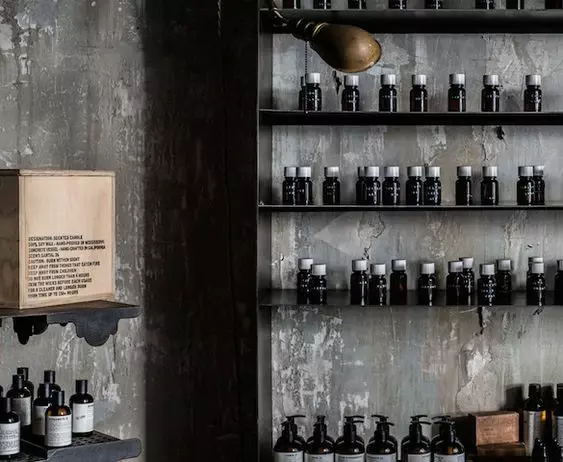 Strategic Purchasing Considerations: How to Select Your Ideal Fragrance Alternative
Selecting the optimal Le Labo Santal 33 dupe requires evaluating multiple interconnected factors beyond simple price comparison. My research identified several strategic considerations that distinguish successful fragrance purchases from disappointing ones.
Understand Your Personal Scent Preferences
Before committing to any fragrance purchase, invest time understanding your actual scent preferences rather than pursuing arbitrary recommendations. Fragrances function as personal artifacts that interact with individual skin chemistry, seasonal context, professional environment, and emotional associations. A fragrance beloved by social media influencers might genuinely disappoint you if it doesn’t align with your authentic preferences.
Consider which fragrance characteristics resonate with you: Do you prefer warm, creamy woody notes or cleaner, fresher woody aesthetics? Do you appreciate obvious leather accords or prefer subtle leather undertones? Are you drawn to prominent spice notes like cardamom or prefer minimalist aromatic profiles? These preferences guide selection toward alternatives matching your actual requirements rather than theoretical approximations.
Request and Evaluate Sample Products
Most reputable fragrance retailers offer sample options through trial packs or individual sample vials. This investment of $5-15 for samples saves regrettable $40-120 mistakes. Samples enable you to evaluate how a fragrance develops on your skin chemistry, progressing from initial freshness through heart notes to base note emergence. Fragrance evolution frequently occurs over 1-2 hours, and samples provide sufficient product to experience this complete development arc.
When evaluating samples, apply to skin (not clothing, which masks natural development) and assess the fragrance hourly, noting how it evolves. Simultaneously track longevity and sillage in your actual daily context—your office environment, climate, activity level. This real-world evaluation often reveals preferences that blind sniffing cannot predict.
Investigate Ingredient Quality and Sourcing
Fragrance ingredients vary significantly in quality, origin, and performance characteristics. Premium fragrance ingredients command higher prices precisely because they deliver superior aromatic performance. Budget alternatives occasionally use lower-quality aromatic materials that deliver less impressive longevity or aesthetic depth.
When comparing alternatives, research which ingredients manufacturers utilize. Do they specify ingredient sources? Do they employ natural materials alongside synthetics or rely exclusively on synthetics? Natural materials like authentic sandalwood deliver characteristic warmth but cost substantially more than synthetic sandalwood alternatives. These ingredient decisions directly impact fragrance quality and represent legitimate pricing variation.
Evaluate Return Policies and Customer Service Quality
Reputable fragrance retailers demonstrate confidence in their products through generous return policies. Companies offering 30-day full refunds signal security in their product quality and customer satisfaction expectations. Some brands extend this confidence further—donating returned products to charitable organizations rather than discarding them, demonstrating values alignment beyond customer satisfaction.
Customer service quality also distinguishes professional retailers from questionable operations. Responsive communication about product questions, prompt order processing, and transparent shipping policies all contribute to overall purchasing confidence. These seemingly minor factors often predict whether you’ll receive authentic, high-quality products versus counterfeit or degraded alternatives.
Your Fragrance Selection Checklist
✓ Personal Preference Alignment
Does the fragrance match your authentic scent preferences?
✓ Sample Testing Opportunity
Can you obtain a sample before full-size purchase?
✓ Ingredient Quality Assessment
Are ingredients clearly disclosed and sourced responsibly?
✓ Return Policy Verification
Does the retailer offer 30+ day returns with minimal conditions?
✓ Customer Service Quality
Does the company respond promptly to inquiries?
✓ Values Alignment
Does the brand emphasize ethical practices important to you?
Where to Purchase Quality Fragrance Alternatives: Strategic Retail Guidance
Fragrance alternatives are available through multiple retail channels, from specialized fragrance retailers to broader beauty platforms. My research identified that reputable sellers typically emphasize transparent operations, genuine product sourcing, and customer-centric policies.
Online Specialty Retailers: Dedicated fragrance retailers often offer the broadest selection, sample availability, and specialized expertise. These businesses frequently employ fragrance specialists who can recommend alternatives matching your specific preferences. Their online platforms typically feature detailed product information, customer reviews from verified purchases, and transparent return processes.
International Retailers: Global beauty retailers frequently stock diverse fragrance alternatives not available in local markets. These platforms often feature multiple language support and international shipping options, enabling access to quality products regardless of geographic location. Currency exchange rates sometimes create pricing advantages for international purchases.
Direct Brand Retailers: Several fragrance manufacturers operate direct-to-consumer websites, eliminating intermediary markups while enabling direct manufacturer communication. Direct retail often includes exclusive sample bundles, VIP programs, and direct manufacturer accountability for product quality.
Professional Sourcing Guidelines: When selecting any retailer, verify that they source directly from manufacturers rather than third-party distributors. Authorized retailers typically display certification marks or maintain documented relationships with brands. Be suspicious of retailers offering deeply discounted pricing (>50% below market) on fragrances—this often indicates counterfeit products rather than genuine bargains.
Verified Purchasing Resources
Based on my research, these authoritative sources provide valuable information about fragrance alternatives and purchase guidance:
- Who What Wear – Fragrance Alternative Guides provides expert recommendations from fragrance journalists and industry specialists
- Fragrantica Database offers comprehensive fragrance notes, longevity data, and community reviews from verified purchasers
- Professional fragrance review communities on Reddit’s r/fragrance subreddit feature detailed first-person testing and community expertise
Understanding Fragrance Sampling Services and Trial Options
Contemporary fragrance retailers increasingly offer specialized sampling programs recognizing that fragrance selection requires personal evaluation. These programs eliminate the risk of expensive mistakes while enabling systematic exploration of alternatives.
Sample packs typically cost $10-30 and include multiple 2-3ml trial vials enabling full fragrance evaluation. Some retailers offer sample subscriptions delivering curated fragrance selections monthly, enabling ongoing exploration. These services particularly benefit consumers uncertain about specific preferences or seeking systematic exploration of fragrance categories.
Trial programs demonstrate significant consumer value. A single expensive fragrance mistake (purchasing $120 bottle you ultimately dislike) costs substantially more than 10-15 samples exploring alternatives. This mathematical reality explains why prudent fragrance consumers invest in sampling before committing to full-size bottles.
Fragrance Layering and Performance Optimization Strategies
Advanced fragrance enthusiasts employ layering techniques enhancing fragrance longevity, sillage, and overall aesthetic impact. These strategies apply equally to luxury originals and quality alternatives, enabling consumers to maximize satisfaction from their fragrance investments.
Base Preparation: Applying fragrance to properly moisturized skin significantly improves longevity and development. Dry skin absorbs fragrances unevenly, resulting in patchy development and premature fading. Moisturizing with fragrance-free lotion immediately before application creates an optimal absorption surface.
Strategic Application Locations: Applying fragrance to pulse points—wrists, inner elbows, behind ears, inner neck—maximizes longevity through body heat–accelerated evaporation. These areas’ higher temperatures promote gradual fragrance volatilization, extending wear time from typical 6-8 hours to 10+ hours.
Scent Layering: Applying fragrance-matched body wash, lotion, and perfume creates a cumulative aromatic impact exceeding single-product application. This layering technique increases overall scent presence while ensuring olfactory coherence. Many fragrance retailers offer complementary body products enabling systematic layering.
Seasonal Adjustment: Fragrance performance varies with environmental conditions. Warm weather accelerates fragrance volatilization (increasing sillage, decreasing longevity), while cold weather slows evaporation (reducing sillage, potentially increasing longevity). Adjusting application quantity—using 3-4 spritzes in summer versus 2-3 in winter—maintains consistent perception across seasons.
Comprehensive Buying Guide: Price-Quality Analysis for Strategic Decisions
My research compiled fragrance pricing across multiple quality tiers, enabling price-quality comparisons that guide strategic purchasing decisions.
| Fragrance Category | Typical Price Range | Quality Expectations | Best For |
|---|---|---|---|
| Budget Alternatives | $20-40 | Good scent match; 5-7 hour longevity | Daily wear, testing preferences |
| Mid-Range Alternatives | $40-80 | Excellent scent match; 7-9 hour longevity | Regular rotation, meaningful use |
| Premium Alternatives | $80-150 | Exceptional scent match; 8-10+ hour longevity | Frequent wear, professional settings |
| Luxury Original | $200-300 | 100% original formulation; 8-10+ hour longevity | Special occasions, collection investment |
Conclusion: Making Informed Fragrance Investment Decisions
My comprehensive research into Le Labo Santal 33 and available alternatives reveals a fragrance landscape offering genuine choice to diverse consumers. The original Santal 33 remains exceptional—a sophisticated composition deserving its iconic status—yet quality alternatives now enable broader access to comparable olfactory experiences without luxury price tags.
The fragrance alternatives market has matured significantly. Professional manufacturers investing in analytical equipment and qualified personnel develop genuine dupes rather than crude imitations. These alternatives deliver satisfying fragrance experiences, competitive longevity, and often ethical positioning exceeding traditional luxury brands.
Selecting among available options requires understanding your personal preferences, evaluating ingredient quality, and utilizing sampling opportunities before full-size purchases. This thoughtful approach transforms fragrance selection from risky spending to confident investment in products that consistently deliver satisfaction.
Whether you ultimately choose the iconic original, a premium alternative like Clean Reserve Sel Santal, or a budget-friendly option, quality fragrance investments enhance daily life in tangible ways. Scent powerfully influences mood, creates memory associations, and enables daily luxury. By approaching fragrance selection strategically, you maximize your investment’s satisfaction while maintaining financial responsibility.
 Frequently Asked Questions About Le Labo Santal 33 Dupes
 Frequently Asked Questions About Le Labo Santal 33 Dupes
What specifically makes Le Labo Santal 33 so iconic in fragrance history?
Le Labo Santal 33’s iconic status derives from its masterful balance between sophistication and accessibility. The fragrance combines high-quality raw materials—particularly Australian sandalwood and cedarwood—in proportions that create remarkable complexity without overwhelming subtlety. Its 2011 launch coincided with shifting cultural attitudes toward authentic, craft-oriented luxury. The brand’s emphasis on transparency, individualism, and quality over excessive branding resonated profoundly with contemporary consumers seeking meaning beyond logos. Industry executives described it as “the icon fragrance of an entire generation,” reflecting its profound cultural penetration across multiple demographics and geographic markets.
How do professional fragrance manufacturers achieve accurate scent duplication?
Professional dupe development requires sophisticated analytical chemistry. Manufacturers like Imixx Perfumes utilize Gas Chromatography Mass Spectrometry (GC-MS)—analytical equipment separating complex fragrances into individual aromatic compounds while identifying their molecular structure. This analytical process generates detailed molecular blueprints showing which compounds comprise a fragrance and their approximate proportions. Skilled perfumers then source equivalent aromatic materials and blend them to recreate the original profile. This scientific methodology distinguishes professional alternatives from amateur copying. Imixx’s investment in multiple Agilent analytical instruments and their database of 500,000 fragrance components demonstrates this technical commitment, enabling fragrance alternatives achieving over 90% scent accuracy.
What factors influence longevity differences between fragrances?
Fragrance longevity depends on multiple interconnected factors. Concentration of aromatic compounds (typically 15-20% in eau de parfum versus 5-9% in eau de toilette) dramatically influences longevity. Higher concentrations persist longer on skin. Individual skin chemistry profoundly affects fragrance development—oily skin retains fragrances longer than dry skin. Base note composition also matters significantly. Fragrances featuring persistent molecules like musks and woody materials naturally last longer than those dominated by volatile citrus or herbal compounds. Environmental factors including ambient temperature and humidity accelerate or decelerate fragrance volatilization. Application technique, including skin moisture level and application location, influences both longevity and scent development. These factors explain why identical fragrances perform differently on different wearers.
How should fragrance sampling influence purchasing decisions?
Sampling represents intelligent fragrance purchasing strategy. Samples cost $5-15 per fragrance and enable evaluation of how scents develop on your specific skin chemistry, which varies among individuals. Fragrances develop progressively—opening notes differ substantially from heart and base notes, with the full progression requiring 1-2 hours. Samples provide sufficient product to experience this complete evolution. Additionally, real-world evaluation in your actual daily context—office, climate, activity level—often reveals preferences that blind sniffing cannot predict. The mathematical reality is straightforward: investing $50-100 in samples before purchasing $100+ full-size bottles prevents expensive mistakes. Most reputable retailers offer sample options; requesting samples before committing to full-size purchases represents pragmatic consumer behavior.
What role does ingredient transparency play in fragrance quality assessment?
Ingredient transparency serves multiple functions in fragrance evaluation. First, it enables informed decision-making by identifying which specific aromatic materials comprise a fragrance. Some consumers prioritize natural ingredients while others prefer synthetic materials’ consistency and sustainability advantages. Second, transparency enables allergen identification for consumers with sensitivities to specific compounds. Third, it reflects brand confidence—companies transparent about ingredients typically stand behind their product quality. Fourth, ingredient sourcing information reveals whether manufacturers employ sustainable, ethically-sourced materials. Finally, ingredient lists help consumers evaluate whether cost differences between fragrances reflect genuine ingredient quality variations or simply pricing disparities. Reputable manufacturers provide detailed ingredient disclosure; vague labeling often indicates lower-quality products or manufacturers less confident in their formulations.
Why do quality alternatives cost less while delivering comparable performance?
Luxury fragrance pricing reflects multiple cost components beyond raw materials. Luxury brands invest heavily in advertising, celebrity endorsements, exclusive retail partnerships, and elaborate packaging—expenses that can exceed production costs substantially. Prestige pricing reflects brand status and positioning rather than product superiority. Quality alternative manufacturers minimize these overhead expenses by emphasizing product quality over marketing and utilizing simple, functional packaging. They invest instead in analytical equipment, ingredient quality, and perfumer expertise. This cost allocation strategy enables delivering comparable olfactory experiences at substantially lower retail prices. Additionally, direct-to-consumer models eliminate intermediary retail markups. The price difference between luxury fragrances and quality alternatives often represents marketing and distribution expenses rather than meaningful quality gaps. Smart consumers recognize this pricing distinction and allocate savings toward additional fragrance experiences rather than luxury brand premiums.
How do I evaluate whether a specific alternative matches my scent preferences?
Preference evaluation requires honest self-assessment and methodical testing. First, consider which fragrance characteristics appeal to you: Do you prefer warm, creamy notes or clean, fresh aesthetics? Are obvious leather accords appealing or do you prefer subtle undertones? Do cardamom-like spice notes delight you or seem overwhelming? Do you gravitate toward dense, heavy fragrances or lighter, more transparent compositions? Second, request samples and apply to skin (not clothing, which masks natural development). Assess how the fragrance develops hourly, noting which stages appeal most—opening freshness, heart note complexity, or base note progression. Finally, evaluate in your actual daily context rather than isolated sniffing environments. Office professional settings, climate conditions, and activity levels all influence how fragrance performs and how you experience it. This methodical evaluation often reveals that preferences differ from abstract ideals, enabling selection of fragrances genuinely satisfying rather than theoretically appropriate.
What return policies indicate retailer confidence in product quality?
Reputable fragrance retailers demonstrate confidence through generous return policies. Thirty-day full refunds represent standard industry practice among legitimate manufacturers. Some retailers extend this further—offering 60-day returns or accepting returns even if products are opened and partially used, recognizing that fragrance evaluation requires meaningful usage. Additional confidence indicators include donation policies where returned products go to charitable organizations rather than waste disposal—demonstrating values beyond pure profit. Extended free trial periods (60-90 days) signal exceptional confidence. Conversely, non-refundable policies, restocking fees, or strict conditions (unopened only, within 7 days, etc.) indicate manufacturers less confident in customer satisfaction. Clear communication regarding return processes, responsive customer service, and transparent policies all contribute to overall confidence assessment. When retailers generously support returns, they implicitly assert that their products will satisfy expectations. This customer-centric approach suggests high-quality products likely to deliver promised performance.
How can fragrance layering techniques extend longevity and enhance impact?
Fragrance layering multiplies scent impact through cumulative sensory exposure. Using fragrance-matched body washes, lotions, and perfumes creates olfactory coherence while increasing overall aromatic presence. Each layer—body wash, lotion, fragrance—contributes to cumulative scent intensity. This technique proves particularly effective for fragrances with moderate sillage that might seem subtle in single application. Additionally, strategic application to pulse points—wrists, inner elbows, behind ears, neck—maximizes longevity through body heat–accelerated evaporation. These high-heat areas promote gradual fragrance volatilization, extending wear from typical 6-8 hours to 10+ hours. Pre-application skin moisturization significantly influences fragrance development. Properly moisturized skin absorbs fragrances more evenly and retains them longer than dry skin. Seasonal adjustments—using more application points in winter, fewer in summer—maintain consistent perception across environmental conditions. These techniques apply equally to luxury originals and quality alternatives, enabling consumers to maximize satisfaction from fragrance investments regardless of product tier.
