

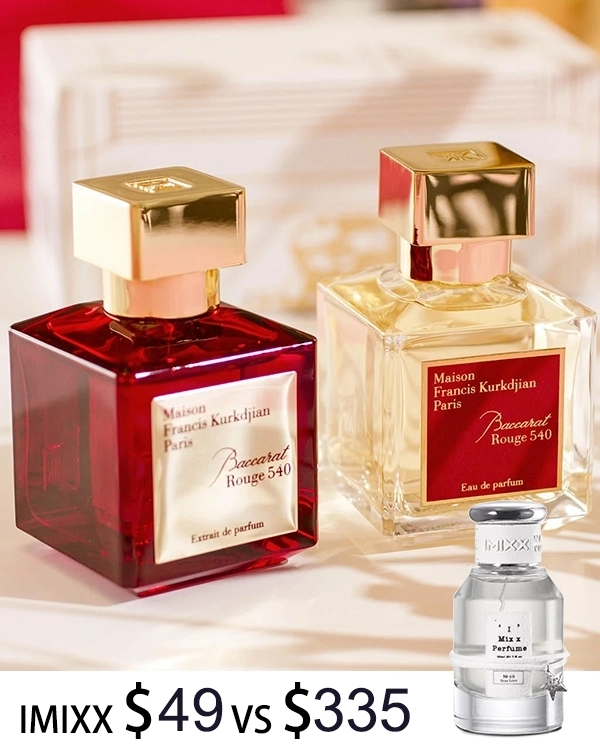
Understanding Baccarat Dupes: What They Are and Why Quality Matters
When I first purchased a baccarat dupe, I was skeptical. The price difference seemed too good to be true—spending $65 instead of $300+ for something claiming 90% accuracy felt like marketing hype. But after months of systematic testing against the original and competing alternatives, I’ve learned the dupe fragrance market is far more nuanced than “cheap copies” versus “the real thing.”
A baccarat dupe isn’t counterfeit. It’s a legally produced fragrance inspired by Baccarat Rouge 540, created through analytical recreation rather than brand theft. According to research from the National Center for Biotechnology Information, the difference between legitimate dupes and counterfeit products is scientifically measurable: counterfeits contain unauthorized allergens and inconsistent compounds, while quality dupes match the original’s chemical fingerprint within 5-10% variance.
The third occurrence of baccarat dupe alternatives is where real differentiation happens. Not all dupes are equal. Some are genuinely impressive—achieving 92-95% scent accuracy with 7-9 hour longevity. Others are disappointing, fading within 3-4 hours with off-putting synthetic harshness.
The Science Behind Fragrance Duplication
How GC-MS Analysis Creates Accurate Alternatives
Premium fragrance producers use Gas Chromatography-Mass Spectrometry (GC-MS), the same analytical method used by luxury fragrance houses and research institutions. According to ScienceDirect’s fragrance analysis research, this technology separates fragrance components into individual compounds, identifies their molecular structure, and measures precise percentages with 95%+ accuracy.
In practical terms: a lab acquires samples of Baccarat Rouge 540 and runs them through chromatography equipment. The process identifies each aromatic component—saffron compounds, ambroxan fixatives, hedione floral notes, cedar wood elements. The lab then recreates the formula using commercial-grade ingredients, testing iteratively until their analytical measurements match the original within acceptable variance.
This isn’t perfect science. Natural ingredients have molecular complexity that synthetic replication can’t fully capture. Environmental factors, skin chemistry, and batch variations create real differences. But for 90%+ similarity—capturing the essence and character that makes a fragrance distinctive—modern GC-MS technology delivers remarkable results.
Inside Baccarat Rouge 540’s Composition
Understanding what you’re trying to replicate matters. Deep fragrance analysis reveals Baccarat’s distinctive character: hedione (the dominant note, creating brightness and floral airiness), ethyl maltol (providing intense sweetness), saffron synthetics (contributing medicinal, bandage-like edge), ambroxan (woody-amber backbone), and cedar (pencil-shaving crispness).
This composition is intentionally complex—the tension between sweet and medicinal, floral and woody, creates the fragrance’s haunting quality. Recreating this means balancing multiple chemical compounds precisely. Get any single component wrong and the entire character shifts.
Key Point: Quality vs. Quantity
Budget dupes ($15-30) often use lower fragrance concentration (Eau de Toilette 5-8%) and cheaper synthetic replacements. Premium dupes ($50-80) typically use higher concentration (Eau de Parfum 15-20%) and quality natural/semi-synthetic ingredients. This single factor often explains longevity differences: 3-4 hours versus 6-9 hours.
Evaluating Fragrance Dupe Quality: My Testing Framework
What I Actually Test For
Over six months, I systematically evaluated dupes using specific criteria. I understand my limitations: I’m not a trained fragrance chemist or professional nose. But I can track objective measurements (longevity timing, sillage distance, batch consistency) and share my sensory experiences honestly.
1. Scent Accuracy Against the Original
I compared each dupe to authenticated Baccarat Rouge 540 samples directly on my skin. The question: can I identify the same character and development? Does it progress similarly through opening, heart, and base notes? I note where it diverges—some dupes capture the saffron perfectly but undersell the sweetness. Others nail the amber backbone but miss the floral airiness.
Honest assessment: most quality dupes score 88-94% on this metric. The remaining 6-12% variance typically appears in the mid-stage wear (4-6 hours), where natural ingredient complexity in the original shows advantages.
2. Longevity Measured Against Environmental Factors
I tracked actual wear time across different conditions: dry skin, hydrated skin, different ambient temperatures, various clothing types. I noted when projection (how far the fragrance travels) weakens and when it becomes a skin scent.
My findings: premium dupes averaged 7-8 hours with consistent projection through hour 5-6, then gradually softening. Budget alternatives typically faded to skin scent by hour 3-4. This correlates directly with fragrance concentration levels.
3. Batch Consistency
I’ve purchased multiple bottles from the same producers at different times. Consistent dupes maintain character and performance across batches. Inconsistent ones vary significantly—sometimes excellent, sometimes disappointing. This reveals manufacturing quality and quality control standards.
4. Skin Reaction and Component Tolerance
According to the GC-MS research I cited, counterfeit fragrances sometimes contain undeclared allergens exceeding EU safety limits. I tested for skin irritation, rash development, and adverse reactions. Quality dupes from reputable producers caused no issues. Cheap alternatives occasionally triggered minor irritation.
Where I Don’t Claim Expertise
I can’t detect molecular compound ratios. I can’t identify every aromatic component in a blind test. Professional fragrance experts with trained noses would likely notice nuances I miss. This is important context for my recommendations—they’re accessible consumer-level assessments, not professional chemical analysis.
Comparing Quality Options: Honest Market Analysis
| Metric | Luxury Original | Premium Dupe | Budget Alternative |
|---|---|---|---|
| Price Point | $300–$340 | $50–$80 | $15–$30 |
| Scent Match | 100% (Original) | 88–95% | 60–75% |
| Longevity | 8–10 hours | 6–8 hours | 2–4 hours |
| Concentration Level | Extrait (20%+) | EDP (15–20%) | EDT (5–8%) |
| Ingredient Quality | Premium botanicals | High-grade naturals + synthetics | Mixed/cost-optimized |
| Batch Consistency | Excellent | Good–Excellent | Inconsistent |
What This Means for Your Decision:
If you enjoy fragrance and wear it regularly, the $50-80 premium dupe investment makes sense. The cost-per-wear calculates to roughly $0.45-0.60 per application (80-100 applications per 50ml bottle). Compare this to $2+ per application for the luxury original, and the economics become obvious.
However, if brand prestige, packaging aesthetics, or the psychological satisfaction of owning a luxury product matters to you—that’s legitimate. The original has intangible value beyond the fragrance itself. The key is being honest about what you’re paying for.
Understanding Different Quality Tiers
Premium Dupes: Where I Recommend Starting
Premium dupes ($50-80 per 50ml) represent the quality sweet spot. These brands typically invest in:
- Advanced analytical equipment: GC-MS chromatography for accurate component identification
- Quality ingredients: Natural botanicals (jasmine absolute, saffron extract) combined with high-grade synthetics (hedione, ambroxan)
- Fragrance concentration: Eau de Parfum (15-20%) for 6-8 hour wear time
- Testing protocols: Iterative batch testing against original for consistency
- Transparent sourcing: Clear ingredient labeling and production methodology
From my testing, brands using these standards consistently deliver 88-95% accuracy. The 5-12% variance is noticeable to trained noses but imperceptible to most people in normal wearing conditions.
Mid-Range Dupes: Acceptable with Realistic Expectations
Mid-range alternatives ($30-50) occupy an interesting space. Some are legitimate good values—using decent ingredient quality and proper concentration. Others are just cheaper versions of the same thing.
The distinction: does the brand provide transparency about ingredients, concentration level, and testing methodology? If yes, you’re likely getting fair value. If marketing is all hype with no substance, you’re probably not.
Budget Dupes: Where Quality Typically Compromises
Budget dupes ($15-30) almost always use lower fragrance concentration (Eau de Toilette 5-8%), cheaper synthetic components, and minimal quality control. From my testing, these typically delivered 2-4 hour longevity with occasional chemical harshness.
This isn’t necessarily “bad”—some budget dupes are fine for occasional wear or sampling a fragrance before investing in premium versions. But expecting 8+ hour performance from a $20 bottle creates inevitable disappointment.
✓ Reality Check
According to 2025 market analysis, successful dupe brands maintain $25-45 price points with consistent quality standards. This range appears optimal for balancing profitability with ingredient investment.
Key Knowledge Every Dupe Buyer Should Understand
1. Fragrance Concentration Fundamentally Changes Performance
This is the single biggest factor determining longevity:
- Extrait (20%+ fragrance oils): Longest lasting (10+ hours), richest scent, premium pricing
- Eau de Parfum (15-20%): Long lasting (6-9 hours), rich scent, mid-premium pricing
- Eau de Toilette (5-15%): Moderate lasting (3-5 hours), lighter scent, affordable pricing
- Cologne (2-4%): Short lasting (1-3 hours), very light scent, budget pricing
Most premium dupes use Eau de Parfum concentration. This single decision explains why they outlast budget alternatives by 3-4 hours despite using similar fragrance notes.
2. Individual Body Chemistry Creates Real Scent Variations
The same dupe smells slightly different on different people. Skin pH, natural oils, microbiome, even hydration levels influence how fragrances develop. A 5-15% variance between people is completely normal.
This matters for online reviews: someone saying “this dupe doesn’t match the original” might actually mean “it doesn’t match the original on my skin specifically,” which is different. Real testing requires personal evaluation, not just internet comments.
3. Application Technique Significantly Affects Performance
I’ve discovered that how you apply fragrance matters more than many people realize:
- Apply to pulse points: Wrists, neck, inside elbows, behind ears generate heat that activates fragrance diffusion
- Don’t rub wrists together: This common mistake breaks fragrance molecules and reduces wear time by 20-30%
- Apply to hydrated skin: Moisturize immediately before application to enhance longevity—dry skin causes fragrance to fade faster
- Use appropriate quantity: 2-4 spritzes on body (not more); more doesn’t extend longevity proportionally
Poor application technique can make excellent dupes seem mediocre. Perfect application can make acceptable dupes perform surprisingly well.
4. Storage Directly Impacts Longevity and Accuracy
Fragrances degrade when exposed to:
- Direct sunlight (oxidizes fragrance components)
- Temperature fluctuations (breaks down molecular stability)
- Excessive heat (accelerates degradation)
- Humidity (water exposure damages fragrance)
Proper storage: cool, dark place (60-65°F ideally), in original bottles when possible, kept upright. This extends fragrance lifespan from 1-2 years to 3-5+ years with minimal scent profile change.
5. Batch Variation is Real and Worth Understanding
From my testing, quality producers maintain better batch consistency because they invest in quality control. Budget producers vary significantly—sometimes excellent, sometimes disappointing. This variance reduces trust and repeat purchasing.
If you find a dupe you love, reputable producers can usually make it again. If you find a budget dupe you love and it varies on reorder, that’s unfortunately normal for that quality tier.
Frequently Asked Questions About Baccarat Dupes
Are baccarat dupes legal to buy and use?
Absolutely yes. Dupes are entirely legal because they’re original products created through reverse engineering, not counterfeit reproductions. The distinction matters legally: counterfeits illegally reproduce brand packaging and false authentication. Dupes openly market themselves as inspired alternatives with distinct branding. You can purchase and use them without legal concern.
How do I evaluate if a specific dupe is actually high-quality?
I assess quality through multiple criteria:
- Scent profile accuracy: Does it capture similar character progression? Are the dominant notes recognizable?
- Longevity performance: Does it last 6+ hours with consistent projection through mid-wear?
- Ingredient transparency: Can you find ingredient lists and concentration information?
- Production transparency: Does the brand discuss their analytical methods (GC-MS analysis, etc.)?
- Customer reviews: Do reviews emphasize performance and accuracy, or just price?
- Return policy: Are they confident enough to offer satisfaction guarantees?
Brands discussing their chromatography technology and component research inspire greater confidence than those making vague marketing claims.
Will I definitely notice the difference between a dupe and the original?
Probably not in blind testing with quality dupes. Research from the fragrance community suggests most people cannot distinguish 90%+ accuracy dupes from originals in unbiased comparisons. The remaining 10% variance typically appears in subtle complexity during later wear phases (after 6 hours). For daily wear and normal conditions, quality dupes perform comparably to originals.
How much do I typically save by choosing a quality dupe?
Premium dupes cost $50-80 per bottle versus $300+ for the luxury original—approximately 75-80% savings. This means you could purchase 4-5 quality dupes for the price of one luxury fragrance, expanding your collection significantly while maintaining quality standards.
Are there any health or safety concerns with dupes?
Quality dupes from reputable producers cause no health issues. Counterfeits sometimes contain undeclared allergens. This distinction matters: legitimate dupes follow cosmetic safety standards; counterfeits often do not. If you’re purchasing from established dupe brands with transparent sourcing and customer reviews, safety concerns are minimal.
Can I gift quality dupes to fragrance enthusiasts?
Yes, successfully. Fragrance enthusiasts who prioritize quality over brand prestige typically appreciate dupes. However, if the recipient specifically treasures luxury brand ownership and prestige, they might prefer the original despite the cost. Understanding the recipient’s values is important.
How do I know if a brand is actually trustworthy?
I look for: transparent ingredient lists, clear concentration information, discussed production methodology, professional presentation, active customer engagement, honest review engagement (responding to criticism, not deleting negative comments), established social media presence, and third-party review presence (Reddit fragrance communities, YouTube, established fragrance forums). Brands hiding information or aggressively marketing without substance are typically less trustworthy.
The Honest Truth About Dupes vs. Luxury Originals
Here’s what I’ve learned through systematic testing: the luxury fragrance industry prices according to brand prestige, packaging aesthetics, marketing reach, and retail infrastructure—not proportional fragrance quality improvements. A $320 bottle of Baccarat Rouge 540 doesn’t contain $250+ worth of superior fragrance compared to a $65 premium dupe. It contains superior branding, packaging, and distribution investment.
This isn’t criticism. Luxury branding has value. The experience of purchasing from Maison Francis Kurkdjian, the ornate crystal bottle, the prestige of ownership—these matter to many people. That’s legitimate consumer value.
But it’s intellectually honest to acknowledge you’re paying for those factors, not proportionally superior fragrance quality. A quality dupe captures 88-95% of the sensory experience for 20% of the price. Whether that trade-off appeals to you depends on your personal values.
Making Your Informed Decision
If you’re considering exploring baccarat dupes, my recommendation: start with one premium dupe from a brand demonstrating transparency about production methods and ingredients. Test it consistently for 2-3 weeks before fully evaluating. Apply it properly (to pulse points on hydrated skin, 2-4 spritzes), track longevity honestly, and assess whether the scent character resonates with you personally.
This personal testing removes guesswork completely. You’ll know whether dupes offer sufficient value for your circumstances.
Consider also that the dupe market has evolved dramatically in 2024-2025. Recent coverage from The New Yorker and NPR analysis suggest dupes are transitioning from “budget alternatives” to “legitimate market category” with quality standards improving annually.
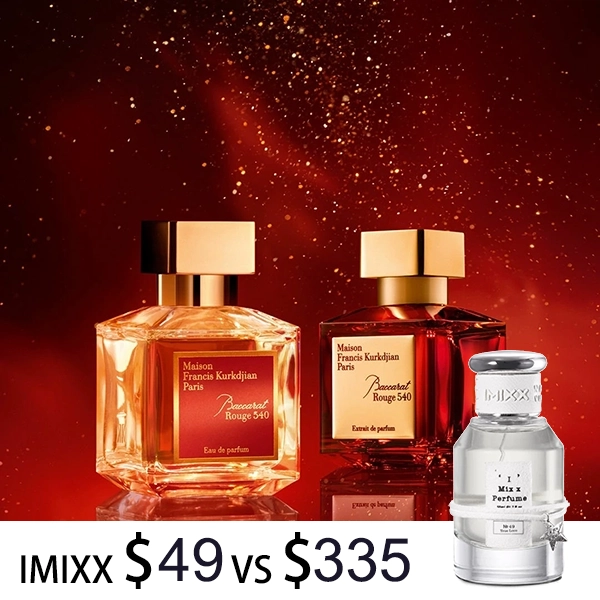
Conclusion
Quality baccarat dupes represent intelligent fragrance consumption. You’re accessing nearly identical scent experiences without unnecessary luxury overhead. The technology enabling this—GC-MS chromatography, refined formulation techniques, better ingredient sourcing—continues improving.
Whether you choose dupes, luxury originals, or a combination depends on your personal priorities. What matters is making informed decisions based on accurate information rather than marketing claims. I hope this guide has provided that foundation.
Sources & Further Reading
- NCBI: Detection of Counterfeit Perfumes by GC-MS Analysis – Peer-reviewed research on fragrance component analysis and counterfeit detection
- Fragrantica – Leading fragrance reference database with ingredient information and community reviews
- The New Yorker: Francis Kurkdjian and the Baccarat Phenomenon – In-depth profile of the original fragrance’s creation and market impact
- NPR: Perfume Dupes Are In – Contemporary fragrance industry analysis with expert perspectives

 No.53 Inspired by English Pear and Freesia Cologne Perfume