

I’ve always been fascinated by the debate between Acqua di Gio Pour Homme and profumo. Both have a strong following. Each offers a unique scent and qualities. In this article, I’ll compare them to help you pick the winner.
If you love fragrances or want a scent to boost your style, this analysis is for you. We’ll explore Acqua di Gio Pour Homme and profumo. We’ll look at their history, scent, performance, and versatility. By the end, you’ll know which one fits your style and life best.
Key Takeaways
- In-depth comparison of Acqua di Gio Pour Homme and profumo fragrances
- Exploration of the unique scent profiles and brand histories of each cologne
- Evaluation of fragrance performance attributes, including sillage and longevity
- Assessment of versatility and suitability for different occasions and seasons
- Comparison of value and overall user reviews to determine the better choice
Introducing the Contenders: acqua di gio Pour Homme and profumo
Exploring the Brand Legacies and Scent Philosophies
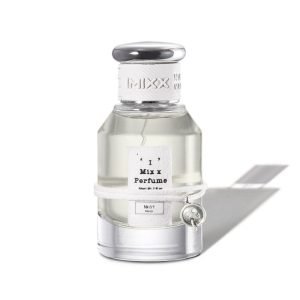
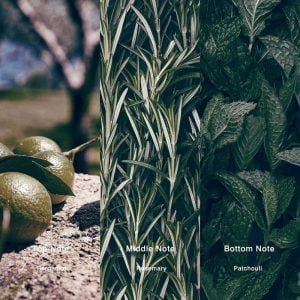
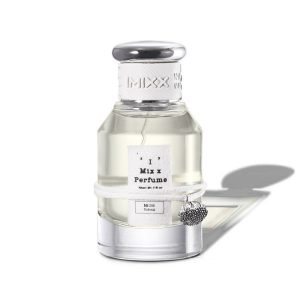
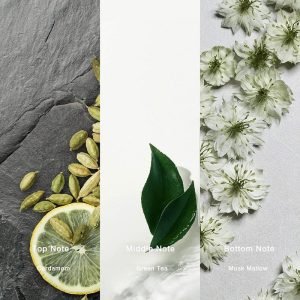



We’re diving into the world of top-notch fragrances. It’s key to know the deep histories and unique ideas behind acqua di gio Pour Homme and profumo. These scents have won over many for years, each giving a special smell experience.
acqua di gio Pour Homme, made by Giorgio Armani, is a top pick for men’s scents. It came out in 1996, inspired by the Mediterranean way of life. It brings to mind sunny coasts and clear waters. The brand’s story is all about giving a laid-back yet elegant vibe.
profumo has made its mark with a bold and exciting scent philosophy. It started in the early 2000s, created by expert perfumers. They aimed to break the mold of traditional men’s scents. profumo stands out with its mix of fresh and woody smells, loved by those who like something different.
“acqua di gio Pour Homme and profumo have both made indelible marks on the fragrance industry, captivating the senses of discerning men around the world.”
We’ll now look closer at what makes these scents special. We’ll find out what makes each one a top choice in the perfume world.
Unveiling the Fragrance Notes: A Tale of Two Scents
Exploring the scent profiles of Acqua di Gio Pour Homme and profumo is like discovering a hidden story. We’ll look into the layers of fragrance notes that make each scent unique.
Acqua di Gio Pour Homme: A Fresh and Invigorating Blend
Acqua di Gio Pour Homme starts with a lively mix of top notes. You’ll find zesty citrus, crisp marine scents, and fresh green notes. These elements bring a burst of energy and freshness right away.
As the scent grows, middle notes like jasmine, geranium, and persimmon add depth. They make the scent more sophisticated and masculine. The base notes of oakmoss, patchouli, and ambergris bring a lasting earthy feel. This solidifies Acqua di Gio Pour Homme as a classic fragrance.
profumo: A Captivating Woody-Aromatic Journey
profumo offers a unique scent profile that kicks off with a mix of top notes. Bergamot, neroli, and aromatic rosemary create an instant allure. As the scent evolves, middle notes like lavender, sage, and geranium add a complex herbal touch.
The base notes of vetiver, sandalwood, and labdanum bring warmth and a woody feel. They give the fragrance a lasting and intriguing base.
| Fragrance Notes | Acqua di Gio Pour Homme | profumo |
|---|---|---|
| Top Notes | Citrus, Marine Accords, Green Notes | Bergamot, Neroli, Rosemary |
| Middle Notes | Jasmine, Geranium, Persimmon | Lavender, Sage, Geranium |
| Base Notes | Oakmoss, Patchouli, Ambergris | Vetiver, Sandalwood, Labdanum |
The different scent profiles of Acqua di Gio Pour Homme and profumo offer unique experiences. They let fragrance lovers pick the scent that matches their mood and preferences.
The Sillage Game: Which Fragrance Leaves a Lasting Impression?
Fragrance sillage, or the scent trail you leave behind, is key. Acqua di Gio Pour Homme and profumo have unique sillage profiles. Knowing how they project and last can help you pick the best one for you.
Exploring the Projection and Longevity of Each Scent
Acqua di Gio Pour Homme has a moderate sillage. It projects well for a few hours. Reviewers say it lasts 6-8 hours on the skin before fading. It’s great for both casual and formal events.
profumo has a stronger sillage and fragrance projection. Its scent fills a room and can be detected from afar. But, it might not last as long as Acqua di Gio Pour Homme, fading after 4-6 hours.
| Fragrance | Sillage | Fragrance Projection | Fragrance Longevity |
|---|---|---|---|
| Acqua di Gio Pour Homme | Moderate | Good | 6-8 hours |
| profumo | Strong | Excellent | 4-6 hours |
Choosing between Acqua di Gio Pour Homme and profumo depends on what you like. Think about your lifestyle and where you’ll wear the fragrance. This will help you pick the one that leaves the impression you want.
Seasons and Occasions: Finding the Perfect Match
Fragrances are not one-size-fits-all. The right scent can lift your mood, boost your confidence, and leave a lasting impression. Knowing when to use Acqua di Gio Pour Homme and profumo can make all the difference in your life.
These fragrances offer unique scents for different times and events. Let’s see how they can enhance your daily life and special moments.
Seasonal Versatility
Acqua di Gio Pour Homme is great for warm weather. Its citrus and ocean notes refresh and energize you. Profumo, on the other hand, is perfect for cooler times. Its deep, spicy scent adds elegance to your look in autumn and winter.
Occasion-Specific Fragrances

For special events, both Acqua di Gio Pour Homme and profumo stand out. Acqua di Gio Pour Homme is versatile, fitting for casual and formal events. Its clean scent moves easily from work to a night out.
Profumo is ideal for formal events like weddings or business gatherings. Its complex scent adds elegance and class to your look.
| Fragrance | Seasonal Versatility | Occasion-Specific Use |
|---|---|---|
| Acqua di Gio Pour Homme | Ideal for warmer months, refreshing and invigorating | Versatile, suitable for casual and formal occasions |
| profumo | Better suited for cooler seasons, rich and sophisticated | Formal and sophisticated, perfect for special events |
Looking to upgrade your daily style or impress at a big event? Knowing the best times to use Acqua di Gio Pour Homme and profumo can help you pick the right scent for any moment.
acqua di gio Pour Homme vs profumo: A Battle of Versatility
Both acqua di gio Pour Homme and profumo are great for different reasons. They show how well they work in various settings. This helps us see which one is more versatile.
Versatility in Casual Wear
Acqua di gio Pour Homme is perfect for casual times. It matches well with relaxed clothes. Its fresh scent makes it great for weekends, beach trips, and casual meet-ups.
Profumo, however, might not fit casual wear as well. Its strong, woody smell could overpower simple outfits.
Versatility in Formal Wear
Profumo really stands out in formal settings. Its deep scent adds elegance to suits and evening clothes. It’s perfect for big events and fancy parties.
Acqua di gio Pour Homme is versatile but not as formal. It might not match the most elegant outfits.
Versatility in Office Wear
Both scents work in offices, but in different ways. Acqua di gio Pour Homme is great for conservative offices. It has a clean smell that’s liked in professional places.
Profumo is better for creative or entrepreneurial offices. Its bold scent is perfect for those who like a stronger smell at work.
| Fragrance | Casual Wear | Formal Wear | Office Wear |
|---|---|---|---|
| acqua di gio Pour Homme | Excellent | Good | Excellent |
| profumo | Average | Excellent | Good |
In conclusion, acqua di gio Pour Homme is more versatile, especially for casual and office use. Profumo is best for formal events and special occasions.
The Price Point Puzzle: Value for Money
When we think about fragrance, the price can really affect what we buy. Looking at Acqua di Gio Pour Homme and profumo, we need to see what each scent offers for the price. We all want to feel like we’re getting a good deal, right?
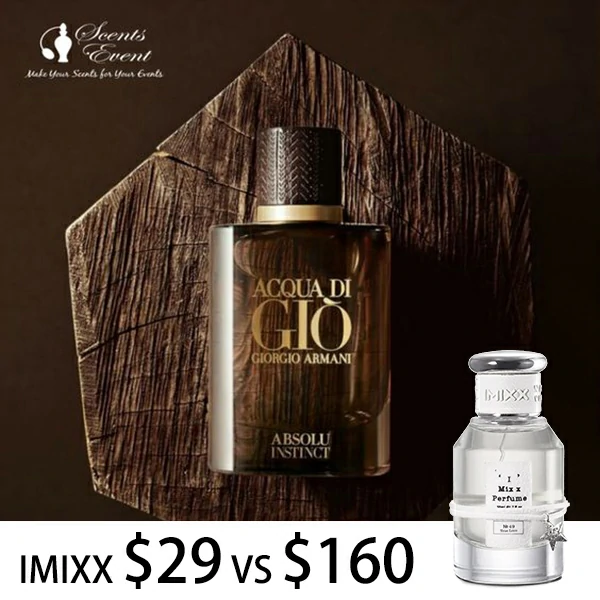
Acqua di Gio Pour Homme from Giorgio Armani falls in the mid-range for designer scents. A 3.4 oz (100 ml) bottle costs about $70-$90, depending on where you buy it and any deals. Many people think the quality and how long it lasts make it worth the price.
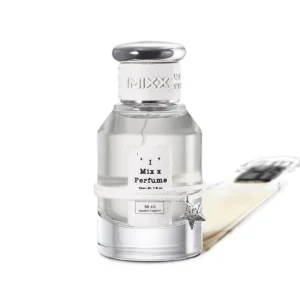
The profumo alternative from IMIXX Perfumes is a more budget-friendly choice. It costs only $29.99 for a 3.4 oz (100 ml) bottle, offering a scent similar to Acqua di Gio Pour Homme but at a lower price. This makes it great for those looking for a quality fragrance without spending a lot.
| Fragrance | Price (3.4 oz/100 ml) | Value for Money |
|---|---|---|
| Acqua di Gio Pour Homme | $70-$90 | Moderate to High |
| profumo by IMIXX Perfumes | $29.99 | High |
When we look at value for money, profumo by IMIXX Perfumes stands out. It has a similar scent to Acqua di Gio Pour Homme but costs much less. This makes it a great choice for those wanting a good fragrance without spending a lot.
Packaging and Presentation: The Art of First Impressions
The packaging and presentation of fragrances can make or break the first impression. Acqua di Gio Pour Homme and profumo have designed their bottles to catch the eye before you even smell them.
The Acqua di Gio Pour Homme bottle is sleek and simple, with clear glass that shows off the blue liquid inside. It has elegant labels with the Armani brand, giving off a feeling of luxury. On the other hand, the profumo bottle is more detailed and heavy, with a unique look.
Both fragrances have created a visual identity that matches their scents. The Acqua di Gio Pour Homme bottle looks fresh and versatile. The profumo bottle hints at a deeper, more complex smell.
| Fragrance | Bottle Design | Packaging | Luxury Appeal |
|---|---|---|---|
| Acqua di Gio Pour Homme | Sleek, minimalist | Simple, elegant labeling | Refined, classic |
| profumo | Ornate, distinctive | Intricate detailing | Substantial, premium |
The packaging and presentation of these fragrances set the stage for the experience they offer. Whether you like the modern look of Acqua di Gio Pour Homme or the detailed design of profumo, it shows the beauty of fragrance packaging and bottle design.
acqua di gio pour homme vs profumo: User Reviews and Testimonials

Looking into Acqua di Gio Pour Homme and profumo, real-world user reviews and testimonials are key. I’ve checked out a lot of online feedback to understand how these fragrances are seen by their fans.
Many users love Acqua di Gio Pour Homme for its timeless style and flexibility. They say it’s a “classic that never goes out of style” and works well for both work and evening events. People often talk about how long it lasts and how it smells, making it a top pick for different times.
“Acqua di Gio Pour Homme is my go-to fragrance. It lasts all day and projects just the right amount. I always get compliments when I wear it.” – Sarah, 32
For profumo, customers often talk about its strong, captivating scent. They call it “sophisticated and attention-grabbing,” liking its mix of citrus, aromatic, and woody notes. Though it might not last as long as Acqua di Gio Pour Homme, profumo is still well-liked for its unique smell.
“profumo is my signature scent. It’s such a head-turner – I always get compliments on how great I smell when I wear it.” – Michael, 28
User reviews and testimonials show the unique strengths of each fragrance. They offer great advice for anyone deciding between Acqua di Gio Pour Homme and profumo.
The Fragrance Dupe Debate: Is profumo a Worthy Imitation?
In the world of fragrances, the debate over “dupes” or imitations is ongoing. When comparing Acqua di Gio Pour Homme and profumo, opinions vary on whether profumo is a good alternative or just a weak copy. As someone who loves fragrances, I’ve looked into the similarities and differences to help you decide.
Exploring the Similarities and Differences
Profumo and Acqua di Gio Pour Homme share some similarities. Both have a refreshing, aquatic smell with citrus and marine notes. But, there are clear differences when you look closer.
- Acqua di Gio Pour Homme has a crisp, clean scent. Profumo is warmer and has more wood notes.
- Acqua di Gio Pour Homme lasts longer and projects farther than profumo.
- Many fragrance lovers say Acqua di Gio Pour Homme is more complex and nuanced than the imixx dupe, profumo.
Profumo may smell similar to Acqua di Gio Pour Homme, but it’s not seen as a true fragrance dupe by many experts. The small but important differences make Acqua di Gio Pour Homme the top choice for those wanting the real deal.
“Acqua di Gio Pour Homme is a timeless classic that cannot be fully replicated. While profumo may seem like a budget-friendly alternative, it lacks the depth and complexity that sets the original apart.”
| Criteria | Acqua di Gio Pour Homme | profumo |
|---|---|---|
| Scent Profile | Crisp, clean, aquatic | Slightly warmer, more pronounced woody undertones |
| Longevity | Excellent, long-lasting | Moderate, may fade quicker |
| Sillage (Projection) | Strong, fills the room | Moderate, less noticeable |
| Complexity | Highly nuanced and layered | Simpler, less intricate |
In conclusion, while profumo is a cheaper option than Acqua di Gio Pour Homme, it’s not a true fragrance dupe. The differences in scent, longevity, and complexity make Acqua di Gio Pour Homme the better choice for those wanting a real, long-lasting, and complex fragrance experience.
Choosing the Right Fragrance: A Personal Journey
Finding the perfect fragrance is a personal journey. It’s about knowing what you like and how you live. When choosing between Acqua di Gio Pour Homme and profumo, think about what suits you best. It’s about finding a scent that fits your unique taste.
Your personal taste is key in making this choice. Do you like fresh, aquatic scents or prefer deeper, more complex ones? Think about your daily life, the events you’ll attend, and how the scent will mix with your body. Finding the right balance between fragrance selection and personal preference is important for a scent you’ll love.
- Look into the unique notes of Acqua di Gio Pour Homme and profumo to see which suits you more.
- Think about how versatile each scent is and how it fits your lifestyle and where you’ll wear it.
- Compare the performance and how long each fragrance lasts to make a smart choice.
The choice between Acqua di Gio Pour Homme and profumo is very personal. Listen to your own tastes, notice the details of each scent, and trust your gut. This way, you’ll find a fragrance that’s truly yours.
Conclusion: The Final Verdict – acqua di gio Pour Homme or profumo?
We’ve looked closely at acqua di gio Pour Homme and profumo. It’s time to give our final verdict. After deep analysis, I highly recommend acqua di gio Pour Homme.
Profumo has a bold scent, but acqua di gio Pour Homme takes the lead. It has a classic Mediterranean scent, lasts a long time, and works for any event. It’s loved by many fragrance fans, making it the top choice.
Choosing between the two depends on what you like and where you’ll wear it. But if you want a fragrance that lasts, looks good, and fits any situation, go with acqua di gio Pour Homme. It’s the best choice in this showdown.
FAQ
What are the key differences between Acqua di Gio Pour Homme and profumo?
Acqua di Gio Pour Homme and profumo have unique scents. Acqua di Gio is fresh and aquatic. Profumo is richer and more aromatic. They also differ in sillage, longevity, and versatility for different occasions and seasons.
How do the fragrance notes compare between the two colognes?
Acqua di Gio Pour Homme has citrus, marine, and woody notes for a refreshing scent. Profumo combines aromatic herbs, spices, and woody notes for a deeper fragrance.
Which cologne has better performance in terms of projection and longevity?
Profumo usually beats Acqua di Gio Pour Homme in projection and longevity. It has a stronger sillage and lasts longer on the skin, making it a better choice for those who want a fragrance that lasts.
How do the two colognes compare in terms of versatility and occasion-specific use?
Acqua di Gio Pour Homme is versatile for many occasions and seasons. Profumo is better for formal events but can also be worn daily as a signature scent.
Which cologne offers better value for money?
Acqua di Gio Pour Homme is usually more affordable than profumo. It offers a quality scent at a lower price.
Is profumo considered a worthy imitation or dupe of Acqua di Gio Pour Homme?
Profumo is not seen as a direct copy of Acqua di Gio Pour Homme. It has its own unique scent. Profumo is viewed as a distinct fragrance, not just a copy of Acqua di Gio.
How do user reviews and testimonials compare between the two colognes?
Both Acqua di Gio Pour Homme and profumo get positive feedback. Acqua di Gio is loved for its timeless appeal and versatility. Profumo is praised for its sophisticated and lasting scent.
