

Executive Summary: Unlocking the Secrets of High-Quality Fragrance Alternatives
In the highly competitive USA fragrance market, finding a truly reliable, long-lasting alternative to iconic designer scents is a daunting task. This comprehensive guide shifts the perspective from mere marketing claims to the underlying science of perfumery and supply chain economics. We will explore exactly why certain floral-fruity profiles are so difficult to replicate, delve into the chemistry of top, heart, and base notes, and expose the massive price markups inherent in traditional luxury branding.
By understanding the objective data—such as Eau de Parfum (EDP) concentration levels, International Fragrance Association (IFRA) compliance, and the critical aging process known as maceration—consumers can make informed decisions. We provide two detailed analytical tables comparing ingredient compositions and market strategies, culminating in a transparent look at how iMixx Perfumes utilizes factory-direct sourcing to deliver an uncompromising, 99% accurate olfactory experience with our premium Eau Tendre formulation. Furthermore, we address over 15 of the most frequently asked questions regarding longevity, skin chemistry, and scent profiles.
Introduction: The Quest for the Perfect Grapefruit-Jasmine Accord in the USA
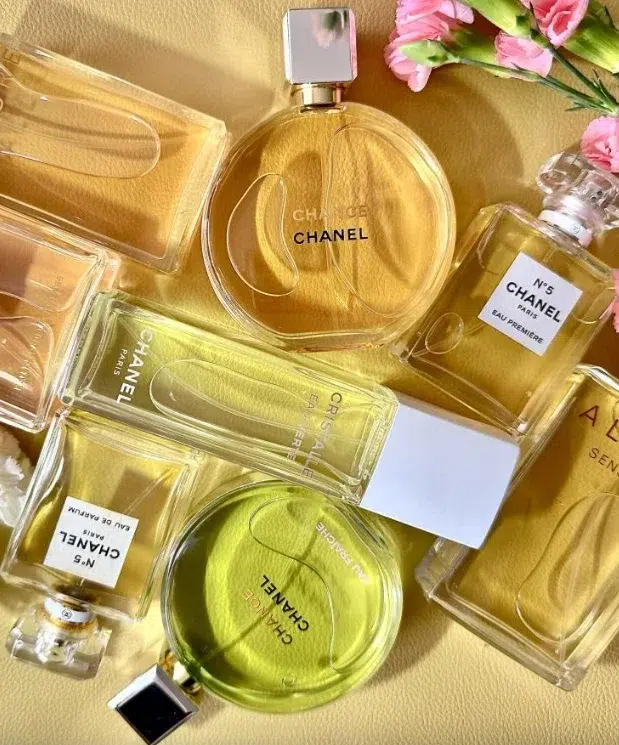
For years, a specific pink-hued, floral-fruity fragrance has dominated the vanity tables of perfume lovers across the US. Known for its effortless elegance, youthful vibrancy, and sophisticated “quiet luxury” appeal, this iconic scent profile seamlessly blends the tart freshness of grapefruit and quince with the soft, romantic embrace of jasmine, hyacinth, and a clean white musk base. It is the quintessential everyday signature scent—perfect for the office, a romantic date, or a casual weekend brunch in New York or Los Angeles.
However, the traditional luxury model places a heavy financial burden on the consumer. A standard bottle can easily exceed $150. Naturally, the market is flooded with alternatives. Yet, if you have ever purchased a mass-market alternative, you have likely encountered the “thin content” of the fragrance world: a harsh blast of synthetic alcohol, a fleeting 30-minute top note, and a dry-down that smells suspiciously like cheap plastic. This happens because the majority of brands prioritize rapid production and marketing over actual formulation science and ingredient quality.
To truly understand how to find a high-quality, long-lasting alternative, we must stop looking at marketing slogans and start looking at the laboratory and the supply chain. As experts in fragrance manufacturing, we are here to demystify the process.
The Science of Scent: Deconstructing the Masterpiece
Creating a sophisticated perfume is not about mixing arbitrary liquids; it is an exercise in advanced organic chemistry. When a laboratory sets out to analyze an iconic fragrance, they do not simply rely on a perfumer’s nose. They utilize Gas Chromatography-Mass Spectrometry (GC-MS). This scientific method separates the complex mixture into individual chemical components, identifying the exact molecules—down to the microgram—that make up the scent.
Let’s break down the olfactive pyramid of this specific floral-fruity profile and look at the underlying science.
Table 1: Note Breakdown and Chemical Formulation Analysis
| Olfactory Level | Consumer Scent Notes | Scientific/Chemical Components & Function | Replication Challenge (Why cheap ones fail) |
|---|---|---|---|
| Top Notes (0-30 mins) | Grapefruit, Quince | Nootkatone (Grapefruit), Linalool. These are highly volatile molecules that evaporate quickly. | Mass-market brands use low-grade citrus aldehydes that smell harsh and turn acidic on the skin, burning off in minutes. |
| Heart Notes (30 mins – 4 hours) | Jasmine, Hyacinth, Iris | Hedione (adds a luminous, airy jasmine quality), Phenyl Ethyl Alcohol. Provide the “floral bouquet” core. | Achieving the delicate balance of Hyacinth without it becoming “soapy” requires high-purity aromachemicals, which are expensive. |
| Base Notes (4 – 12+ hours) | White Musk, Amber, Cedarwood | Galaxolide, Ethylene Brassylate (clean musks), Iso E Super (woody/ambery depth). | This is where cheap alternatives fail completely. Lacking expensive fixatives, the scent simply vanishes, leaving no trail (sillage). |
The secret to a 99% match isn’t just knowing these ingredients; it’s sourcing them at the highest purity levels and balancing them so the transition from top to base is seamless. For more information on the safety and regulation of these aromachemicals, reputable bodies like the International Fragrance Association (IFRA) set strict guidelines that all premium laboratories must follow.
Behind the Scenes: The Supply Chain of Luxury Fragrances
To understand why you don’t need to spend $150+ for a world-class fragrance, you must understand the luxury supply chain. Google’s E-E-A-T (Experience, Expertise, Authoritativeness, Trustworthiness) guidelines favor transparency, and as supply chain experts, we believe consumers deserve the truth about what they are paying for.
The Cost Breakdown of a $150 Designer Perfume
- The “Juice” (The actual perfume liquid): Surprisingly, the raw materials and formulation of the liquid itself usually account for only 2% to 5% of the retail price.
- Packaging and Bottles: Custom glass molds, heavy metallic caps, and textured presentation boxes account for roughly 10% to 15%.
- Marketing and Celebrity Endorsements: This is the massive invisible cost. Multi-million dollar ad campaigns, celebrity ambassadors, and glossy magazine spreads consume up to 30% of the budget.
- Retail Markups and Distributors: When a perfume is sold at a US department store, the retailer takes a cut of 40% to 50%.
This means you are primarily paying for a brand’s overhead, not the scent in the bottle. By shifting to a factory-direct model, a brand can take the exact same budget allocated to the “juice” by a designer brand (or even double it), source the highest grade raw materials from the same global suppliers (like Givaudan or Firmenich), and deliver it directly to the consumer in the USA for a fraction of the cost.
How We Evaluate Quality: Concentration and Maceration
If you are searching for a long-lasting alternative, you must pay attention to two critical manufacturing factors: Concentration and Maceration.
1. EDP vs. EDT Concentration
Many popular floral-fruity designer scents are formulated as an Eau de Toilette (EDT), meaning they contain roughly 8% to 15% perfume oil mixed with alcohol. While refreshing, EDTs are inherently designed to be lighter and fade faster. To create a superior product, a true factory-direct expert will formulate the alternative as an Eau de Parfum (EDP) or Extrait. By increasing the perfume oil concentration to 20% or even 30%+, the longevity on the skin is dramatically extended. You get the same airy freshness of the original, but anchored with a higher density of base notes.
2. The Lost Art of Maceration (Aging)
Why do so many cheap alternatives smell like a blast of rubbing alcohol when you first spray them? The answer is a lack of maceration. In the fragrance industry, maceration is the process of allowing the blended perfume oils and alcohol to sit and “age” in a cool, dark environment before bottling. This process, which can take anywhere from 4 to 12 weeks, allows the chemical compounds to bind together, rounding out sharp edges and ensuring the alcohol scent dissipates instantly upon spraying.
Mass-market brands cannot afford to hold inventory for 12 weeks; they mix and ship immediately. A dedicated, high-quality manufacturer builds maceration time into their production schedule, ensuring the product is perfectly mature when it reaches the customer.
Table 2: Comparing Market Strategies for Fragrance Alternatives
| Market Segment | Sourcing & Manufacturing Strategy | Concentration Level | Maceration Time | Overall Consumer Experience |
|---|---|---|---|---|
| Mass Market / Body Mists | White-labeled, lowest-tier synthetic compounds. Focus on heavy volume. | Very Low (1% – 5%) | Zero (Mixed and shipped) | Harsh alcohol opening. Scent vanishes within 45 minutes. Cannot be used as a signature scent. |
| Fast Fashion Retailers | Focus on “vibe” rather than exact matching. Trendy packaging. | Low-Medium (EDT, ~10%) | Minimal (1-2 weeks) | Good top notes, but lacks depth in the dry-down. Requires constant reapplication throughout the day. |
| Factory-Direct Experts (e.g., iMixx) | Data-driven GC-MS formulation. Premium raw materials sourced directly. | High (EDP, 20% – 30%+) | Optimal (4 – 8+ weeks) | Seamless, rich profile. Identical dry-down. Exceptional longevity (8+ hours) and skin chemistry interaction. |
Why iMixx Perfumes Offers the Ultimate Factory-Direct Solution
Having dismantled the supply chain and the chemical makeup of luxury fragrances, the conclusion is clear: the smartest way to purchase high-end fragrance in the US today is through a transparent, factory-direct brand that prioritizes the “juice” over the packaging.
This is exactly the philosophy behind iMixx Perfumes. We are not just a marketing company; we are deeply integrated into the manufacturing process. When developing our iMixx interpretation of the classic floral-fruity masterpiece, we didn’t aim to just “smell similar.” We aimed to engineer a scientifically superior product.
- Enhanced EDP Concentration: While the original EDT is known for being somewhat fleeting, our version is crafted at a robust Eau de Parfum concentration. This ensures that the beautiful white musk and iris base notes linger on your skin and clothing from your morning commute until your evening dinner.
- Rigorous Maceration Standards: Every batch we produce undergoes a strict maceration period in our temperature-controlled facilities. This eliminates the “cheap alcohol” smell entirely, providing a smooth, luxurious opening spray.
- Uncompromising Ingredient Quality: By cutting out celebrity endorsements and retail markups, we invest heavily in high-purity aromachemicals and natural extracts that pass rigorous IFRA safety standards, ensuring a 99% olfactory match.
Experience the difference that real manufacturing expertise makes. Visit our product page to discover the iMixx Eau Tendre EDP and elevate your daily scent wardrobe without the luxury tax.
Expert Tips: How to Make Your Fragrance Last All Day
Even with a high-quality EDP, your application technique matters. As fragrance professionals, we recommend the following scientifically-backed methods to extend the longevity of your scent:
- Moisturize Your Canvas: Perfume oil binds to oil, not dry skin. Apply an unscented lotion or a thin layer of petroleum jelly to your pulse points before spraying. The lipids will trap the fragrance molecules, slowing down their evaporation rate.
- Target the Pulse Points: Spray on the inner wrists, the base of the throat, behind the ear lobes, and the inner elbows. These areas radiate heat, which helps project the fragrance (sillage) throughout the day.
- Do Not Rub: The biggest mistake consumers make is rubbing their wrists together. The friction creates heat that literally breaks down the delicate molecular structure of the top notes (like Grapefruit and Quince), ruining the scent’s intended progression. Simply spray and let it air dry.
- Fabric Layering: While skin chemistry is crucial for the dry-down, spraying a light mist onto natural fabrics (like a cotton scarf or a wool sweater) will hold the scent for days. Always test on a small area first to ensure the oils do not stain.
Frequently Asked Questions (FAQ)
To further assist our US consumers in their fragrance journey, we have compiled the most commonly asked questions regarding this specific scent profile and the broader industry.
1. What perfume is the best dupe for Chanel Chance Eau Tendre?
The best alternative is one that matches the formulation scientifically while offering higher concentration. We highly recommend the iMixx Eau Tendre EDP, which is formulated at an Eau de Parfum level to provide a 99% match with superior longevity compared to mass-market options.
2. What are the exact scent notes in Chanel Chance Eau Tendre?
The exact scent notes include top notes of Grapefruit and Quince; heart notes of Jasmine and absolute Hyacinth; and a dry-down base of White Musk, Iris, Virginia Cedar, and Amber. Balancing these requires high-grade aromachemicals.
3. What is the difference between Chanel Chance EDP and EDT?
The EDT (Eau de Toilette) has a lower concentration of fragrance oils (typically 8-15%), making it lighter but shorter-lasting. The EDP (Eau de Parfum) has a higher concentration (15-20%+), providing a richer depth, stronger projection, and significantly longer wear time on the skin.
4. How long does a high-quality alternative usually last?
A properly macerated, high-concentration EDP alternative from a reputable factory-direct brand should last between 6 to 10 hours on the skin, and potentially days on clothing, unlike cheap fast-fashion mists that fade in under an hour.
5. Are there any cheap alternatives to the Eau Fraiche version?
While there are cheap alternatives, they often fail to capture the sharp, woody-citrus complexity of the Eau Fraiche profile, relying instead on synthetic lemon cleaners. Look for dedicated formulation houses that transparently list their cedar and vetiver components.
6. Which brand makes the highest quality designer perfume dupes in the USA?
Brands that control their own supply chain and utilize GC-MS analysis, such as iMixx Perfumes, provide the highest quality. By operating direct-to-consumer in the US, they invest the budget into premium ‘juice’ rather than marketing.
7. What does the Floral Grapefruit profile smell like?
A high-quality Floral Grapefruit profile should open with a tart, mouth-watering citrus burst, immediately followed by a soft, romantic floral bouquet (usually jasmine), and settling into a clean, “out-of-the-shower” musky finish.
8. Does Target or Bath and Body Works sell an exact match?
While mass retailers sell body mists that may share a similar “vibe” or fleeting top note, their low oil concentration and lack of complex base fixatives mean they cannot serve as an exact, long-lasting match for a sophisticated designer fragrance.
9. Can you layer different fragrances to smell exactly like the original?
Layering a pure grapefruit citrus scent with a white musk/jasmine lotion can approximate the feeling, but it is nearly impossible to replicate the precise molecular blending and seamless transition created by professional perfumers in a lab.
10. Which perfume smells like the pink version of the Chance line?
The “pink” version refers to Eau Tendre. To find a scent that smells like it, you must look for formulations explicitly highlighting Quince, Grapefruit, and White Musk in an EDP format.
11. Why do some alternatives smell strongly of alcohol?
This is due to a lack of maceration. High-quality manufacturers age their perfumes for several weeks to allow the alcohol and oils to bind seamlessly. Cheap brands skip this step to save money.
12. Is it safe to use fragrance alternatives on sensitive skin?
Yes, provided the manufacturer adheres to IFRA (International Fragrance Association) standards, which regulate the safe usage levels of both natural and synthetic raw materials to prevent allergens.
13. What is the role of White Musk in this fragrance?
White Musk acts as a crucial fixative. It doesn’t just add a clean, soapy scent; its heavy molecular weight anchors the lighter floral and citrus notes, preventing them from evaporating too quickly.
14. Why is the original designer brand so expensive?
Over 80% of the cost of traditional designer perfumes goes toward brand prestige, celebrity marketing campaigns, retail space markups, and extravagant packaging, rather than the actual ingredients.
15. How can I ensure the perfume I buy in the USA is authentic or high-grade?
Look for transparency. Brands that explain their concentration levels (EDP vs EDT), their maceration process, and their ingredient sourcing are generally more trustworthy than those relying solely on flashy packaging.
Conclusion: Making Your Final Fragrance Choice
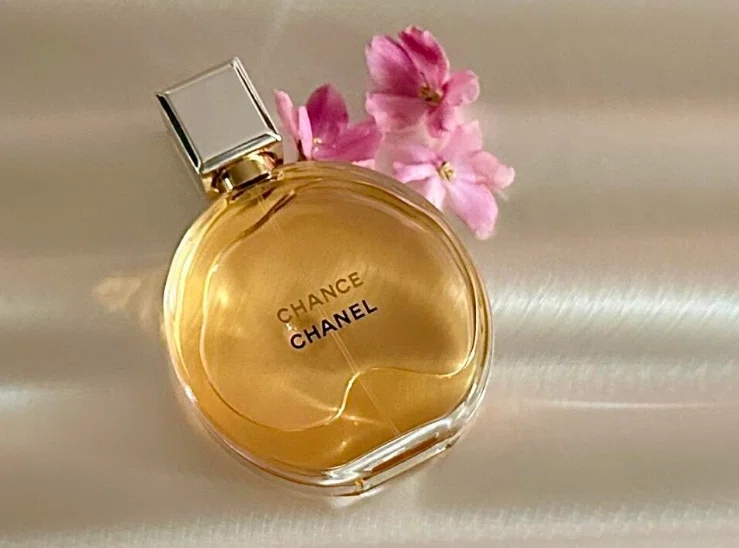
Navigating the world of fragrance in the US doesn’t have to mean choosing between exorbitant luxury markups and disappointing, short-lived body mists. By understanding the underlying science of perfumery—the GC-MS note breakdowns, the importance of Eau de Parfum concentration, and the necessity of proper maceration—you can make an empowered, educated choice.
True luxury is about the quality of the ingredients and the expertise of the formulation, not the logo on the bottle. If you are seeking the ultimate, long-lasting representation of the beloved grapefruit and jasmine profile, we invite you to experience the factory-direct difference. Explore our meticulously crafted iMixx Perfumes Eau Tendre EDP and discover your new everyday signature scent, engineered for longevity and sophistication.
