

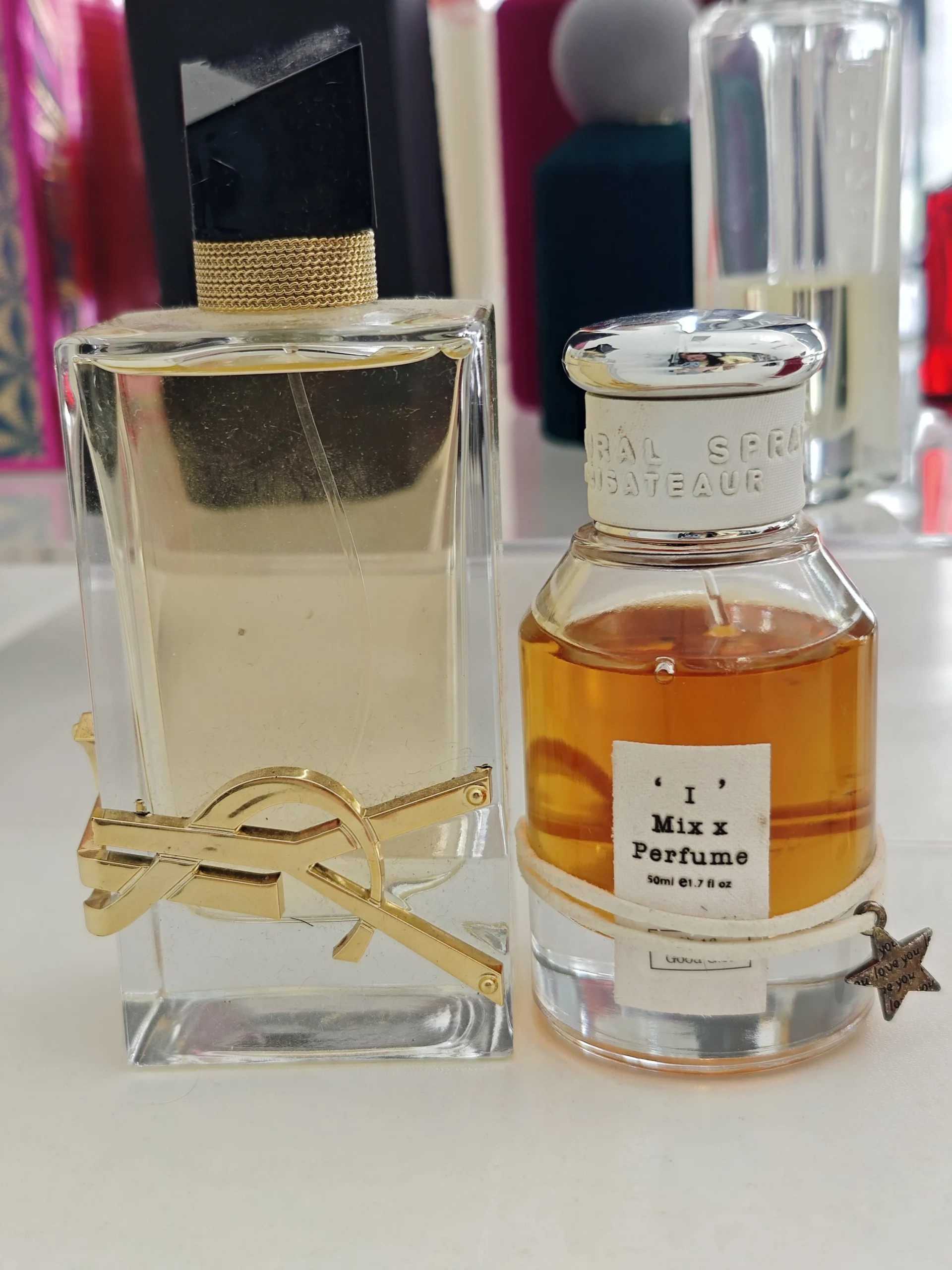
- The Core DNA: Understanding the molecular tension between French Diva Lavender and Moroccan Orange Blossom that makes the original designer scent so addictive.
- Supply Chain Realities: A deep dive into why you pay $150+ for a luxury bottle in the USA, and how the actual “juice” accounts for less than 10% of that cost.
- The Science of Quality: Why most cheap alternatives smell like pure alcohol, and how proper factory-level techniques like GC-MS analysis and an 8-week maceration process change everything.
- Expert Recommendation: How IMIXX Perfumes engineers a perfectly balanced, IFRA-compliant Extrait-level experience directly from the lab.
Introduction: The Quest for the Perfect Signature Scent in the US Market
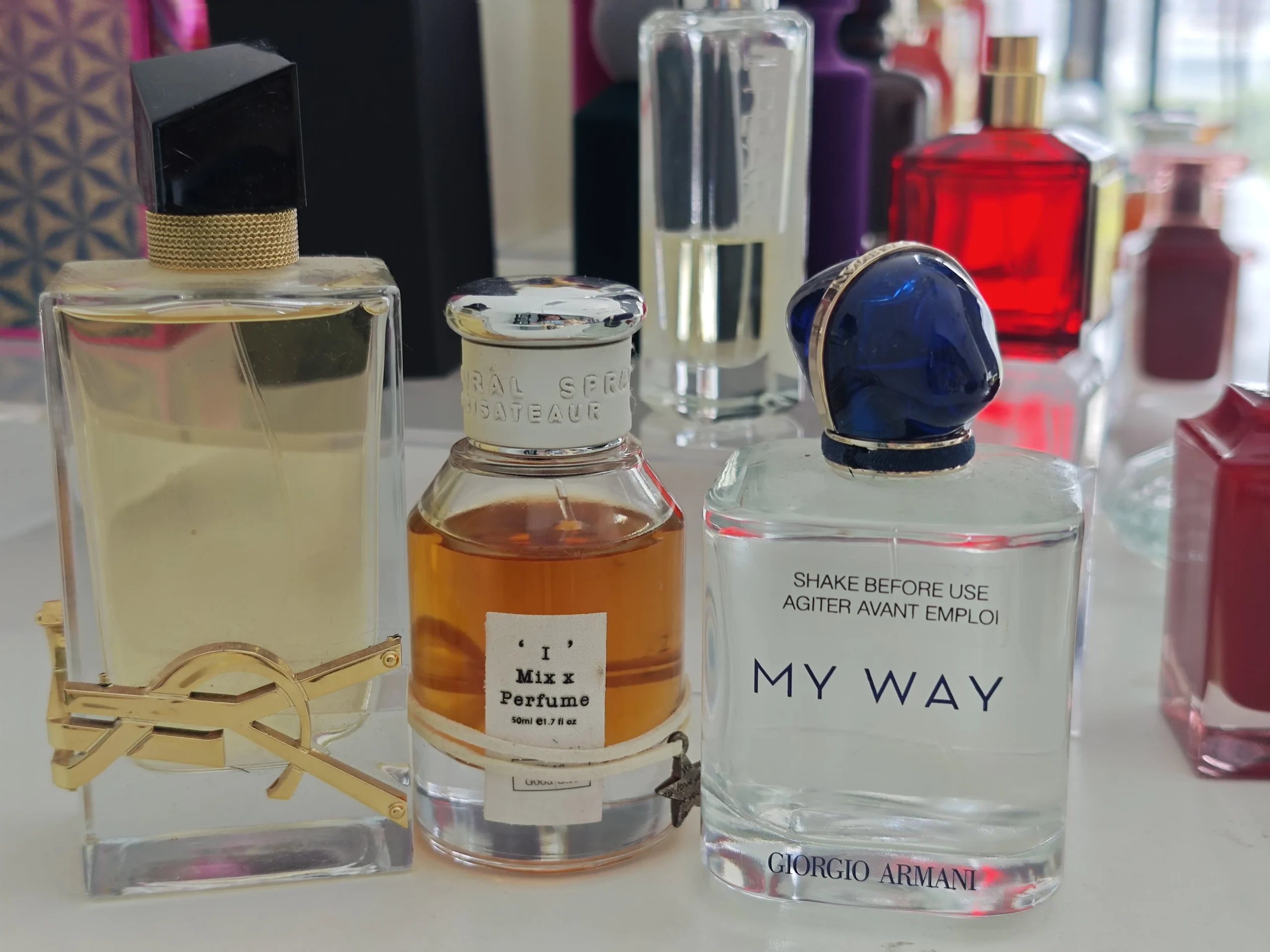
If you are navigating the fragrance counters in the USA today, you have undoubtedly encountered the modern olfactory phenomenon that balances masculine freshness with intense feminine sensuality. This iconic DNA—famous for its bold lavender, rich vanilla, and radiant orange blossom—has redefined modern perfumery. However, with retail prices soaring well above $150 for a standard Eau de Parfum, a massive demand for the best affordable alternative has surged across search engines and fragrance forums.
But here is the harsh reality that nobody in the marketing department wants to tell you: finding a high-quality alternative is not about searching for the “cheapest clone.” As a Supply Chain Director who spends my days reviewing Gas Chromatography-Mass Spectrometry (GC-MS) reports and negotiating with raw material suppliers in Europe and Madagascar, I see firsthand why so many budget fragrances fail. They cut corners on ingredient purity, skip the crucial aging process, and drown the formula in harsh, volatile carrier alcohols.
Today, I am going to pull back the curtain on the fragrance industry. We will explore the chemical architecture of this beloved scent profile, examine the raw economics of luxury branding, and teach you how to identify a true, high-fidelity alternative that offers unparalleled longevity and depth. Let’s decode the secret of smelling expensive without paying for a designer’s billboard in Times Square.
The Anatomy of a Masterpiece: Decoding the Lavender-Vanilla Architecture
To understand how to replicate or draw inspiration from a masterpiece, we must first understand its skeleton. The traditional designer fragrance in question is celebrated because it successfully modernized the “Fougère” family—a fragrance category traditionally reserved for men’s colognes—by introducing it to a lush, warm, feminine base.
The Top Notes: The Initial Hook
The immediate opening of the scent is bright, sharp, and slightly citrusy. This is achieved through a precise blend of Mandarin Orange oil and Petitgrain (extracted from the leaves and green twigs of the bitter orange tree), coupled with a tart Blackcurrant accord. In low-quality alternatives, this opening often smells like synthetic window cleaner because manufacturers use cheap, unstable citrus aldehydes instead of cold-pressed natural oils.
The Heart Notes: The Olfactory Tension
The absolute soul of this fragrance lies in its heart. It features a high dosage of French Lavender (specifically the Diva variety, known for its clean, floral, non-camphoraceous profile) tightly woven with Moroccan Orange Blossom and Jasmine Sambac. This creates a push-and-pull effect: the cool, herbal aroma of the lavender contrasts sharply with the hot, indolic, and sweet nature of the white florals. Replicating this requires exact precision in the lab; off by even 0.5%, and the perfume becomes either too soapy or cloyingly sweet.
The Base Notes: The Anchor of Longevity
As the fragrance dries down, it relies on a foundation of Madagascar Vanilla, Cedarwood, Ambergris (often synthetic Ambroxan), and sensual Musks. The vanilla used here is not the sugary, cupcake-like ethyl vanillin found in cheap body mists. It is a dry, woody, and slightly smoky botanical vanilla extract. This base is what dictates the perfume’s longevity on your skin.
The Illusion of the $150 Bottle: A Supply Chain Breakdown
As someone deeply entrenched in the manufacturing side of perfumery, I frequently get asked: “How can an inspired fragrance possibly match the quality of a $150 luxury designer brand?”
The answer lies in understanding the traditional luxury business model. When you purchase a high-end designer fragrance at a major US retailer, you are not just paying for the liquid inside. You are subsidizing a massive, bloated ecosystem. According to industry data and my own factory procurement ledgers, the actual cost of the fragrance concentrate (the essential oils and aroma chemicals) in a standard designer Eau de Parfum rarely exceeds 5% to 10% of the retail price.
Table 1: The Economics of Perfume – Traditional Luxury vs. Direct-to-Consumer Lab
| Cost Component | Traditional Luxury Brand ($150 Retail) | Direct-from-Lab Model (e.g., IMIXX Perfumes) |
|---|---|---|
| The “Juice” (Raw Ingredients & Oils) | $3.00 – $6.00 (Often diluted to EDT/EDP) | $8.00 – $12.00 (Higher concentration Extrait/EDP) |
| Packaging (Custom Glass, Gold Caps, Box) | $10.00 – $15.00 | $3.00 – $5.00 (Minimalist, functional, recyclable) |
| Marketing, Celebrity Endorsements & TV Ads | $40.00 – $60.00 | $0.00 (Relying on organic reach and scent quality) |
| Retailer Margins & Distributor Fees | $50.00 – $60.00 | $0.00 (Direct to consumer) |
| Brand Premium / Profit Margin | $20.00+ | Fair, sustainable margin based on production. |
*Data derived from aggregate fragrance manufacturing supply chain averages.
By eliminating the middleman, the celebrity faces, and the retail markups, an independent laboratory can actually afford to spend more on the raw ingredients than some designer brands do. This is the core philosophy behind IMIXX Perfumes. We reallocate the budget directly into sourcing premium Madagascar vanilla absolutes and high-grade French lavender oils.
The Science of Engineering a Perfect Match: GC-MS and the Maceration Process
Creating a high-fidelity olfactory match is not magic; it is pure, rigorous chemistry combined with the artistry of a trained nose. Here is how a true factory-level alternative is born, distinct from the mass-produced synthetic knockoffs that flood the market.
1. The GC-MS Analysis (Gas Chromatography-Mass Spectrometry)
In our labs, the process begins with GC-MS technology. We place a sample of the target fragrance into the machine, which vaporizes the liquid and separates it into its individual molecular components. The spectrometer then identifies the exact chemical footprint—down to the specific type of linalool used in the lavender or the specific musk lactones in the base. This gives us a precise roadmap. However, GC-MS only gives us the synthetic breakdown; identifying the exact natural botanical sources requires an expert human perfumer.
2. Formulating for IFRA Compliance
Safety is paramount. The International Fragrance Association (IFRA) sets strict global standards on the usage levels of certain allergens and naturals. A premium laboratory ensures that while the scent profile is perfectly matched, the formula strictly adheres to the latest IFRA amendments, guaranteeing it is safe for your skin. Many cheap, unregulated imports bypass these safety checks.
3. The Crucial Step Most Brands Skip: Maceration
If you’ve ever bought an affordable perfume and thought it smelled like harsh rubbing alcohol for the first 10 minutes, you’ve experienced “un-macerated” perfume. Maceration is the process of letting the fragrance concentrate blend with the perfumer’s alcohol over several weeks in a temperature-controlled environment.
During this time, the alcohol scent softens, and the molecular bonds between the top, heart, and base notes fuse together to create a smooth, rounded profile. In mass commercial production, time is money. Many budget brands bottle their fragrances the day they are mixed. At our factory, we insist on a rigorous maceration period before bottling. This ensures that when you spray an IMIXX product, the first thing you smell is the beautiful mandarin and lavender—not ethanol.
Longevity and Concentration: Why Perfume Fades Fast
Another major complaint consumers have when searching for affordable alternatives is poor longevity. The lasting power of a fragrance depends heavily on its concentration level—the ratio of pure perfume oil to alcohol.
Table 2: Understanding Fragrance Concentrations
| Classification | Oil Concentration | Average Longevity on Skin | Best Use Case |
|---|---|---|---|
| Eau de Cologne (EDC) / Body Mist | 2% – 5% | 1 – 2 Hours | After-shower refresh; layering. |
| Eau de Toilette (EDT) | 5% – 15% | 3 – 5 Hours | Everyday office wear; hot summer days. |
| Eau de Parfum (EDP) | 15% – 20% | 6 – 8 Hours | Signature scent; evening wear; strong sillage. |
| Extrait de Parfum / Pure Perfume | 20% – 40%+ | 10 – 24+ Hours | Special occasions; maximum depth and projection. |
To ensure our clients never have to compromise on performance, we formulate our alternative at the highest end of the Eau de Parfum spectrum, bordering on Extrait levels. By using a denser concentration of the heavy base notes (vanilla, amber, musk), we guarantee a scent bubble that lasts from your morning commute all the way to your evening dinner.
How to Maximize Your Fragrance’s Performance
Even with the highest quality ingredients, how you wear your fragrance matters. Here are three expert tips from the lab to make your scent last longer:
- Hydration is Key: Perfume oils bind to fat, not water. If you have dry skin, the alcohol will evaporate quickly, taking the scent with it. Always apply an unscented body lotion or a matching vanilla/lavender body oil before spraying.
- Target the Right Pulse Points: Spray on areas where your veins are closest to the skin’s surface: the inner wrists, the base of the neck, and behind the ears. The natural heat of your body will act as a diffuser for the scent.
- Never Rub Your Wrists: Rubbing your wrists together creates friction and heat, which breaks down the delicate top notes (the citrus and lavender) prematurely, forcing the perfume to skip straight to the base notes. Simply spray and let it air dry.
For more deep dives into the science of perfumery, I highly recommend checking out resources like Basenotes, where enthusiasts discuss the nuances of scent chemistry in great detail.
Frequently Asked Questions (FAQ)
Experience the Factory-Direct Difference
You don’t have to spend a fortune to smell like a masterpiece. By stripping away the massive marketing budgets, custom designer glass, and retail markups, we bring the laboratory directly to your doorstep. We use the same tier of high-quality essential oils, enforce strict maceration protocols, and deliver an Eau de Parfum concentration that lasts all day.
Ready to discover your new signature scent? Explore our meticulously crafted homage to the iconic lavender and vanilla DNA:

 No.22 Inspired by Silver Mountain Water Perfume
  No.21 Inspired by Tobacco Vanille Perfume
  No.18 Inspired by Lost Cherry Perfume