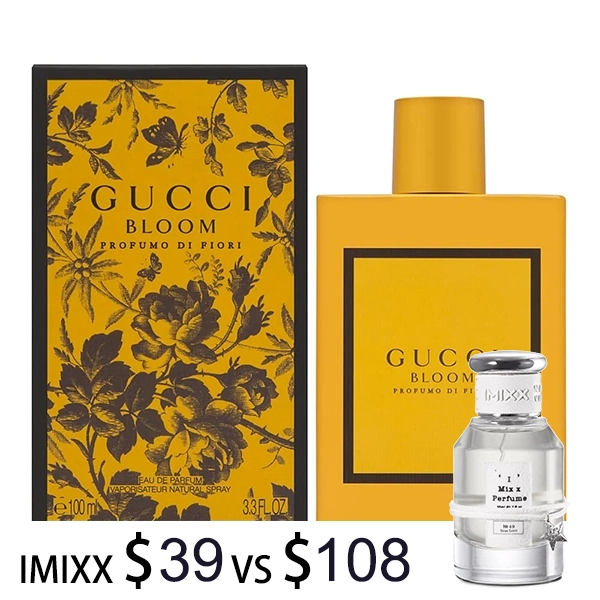

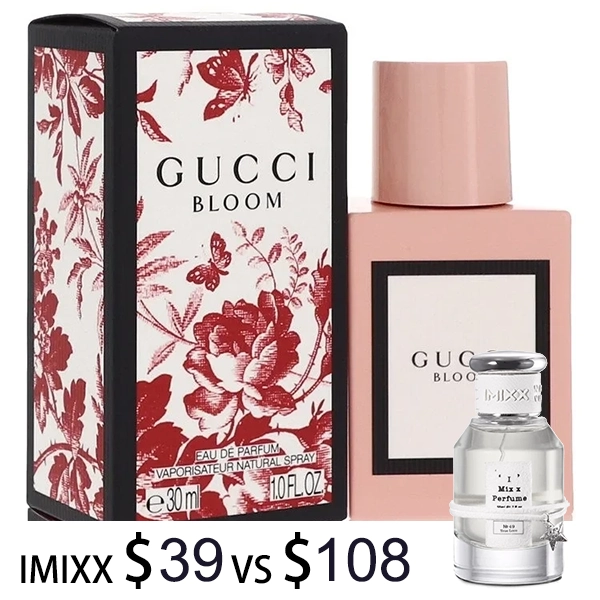
As someone who loves white floral fragrances and has spent years comparing perfumes side by side, I know how special Gucci Bloom is—and how tricky it can be to find a Gucci Bloom perfume dupe that genuinely feels satisfying. In this comprehensive guide, I’m walking you through my systematic approach to evaluating dupes, which notes matter most, what to look for on the ingredient list, and how to balance price, performance, and skin safety using evidence-based methods rather than marketing hype.
I focus on real-world testing, research-backed safety considerations, and transparent comparisons—not promises of perfection. My goal is to help you make a confident decision that respects both your budget and your skin while getting as close as possible to the creamy, garden-like aura that makes Gucci Bloom so iconic.
Why Gucci Bloom Is So Hard to Replace: Understanding the Science
Before I discuss finding a quality Gucci Bloom perfume dupe that truly captures this iconic fragrance, I need to explain why this particular scent is such a challenge to copy convincingly. Gucci Bloom centers around a trio of lush white florals: jasmine, tuberose, and Rangoon creeper (also known as Chinese honeysuckle).
According to fragrance chemistry research from established industry sources, jasmine alone appears in approximately 83% of fine fragrances, but achieving the right balance requires understanding each component’s unique contribution[1]. Together, these three notes create a creamy, enveloping bouquet that feels like stepping into a garden after sunset—a sensory experience that’s surprisingly difficult to replicate.
| Fragrance Note | Characteristics | Role in Gucci Bloom |
|---|---|---|
| Jasmine | Radiant, sweet, classic feminine floral with subtle animalic depth | Adds brightness and immediate floral appeal; provides the narcotic quality that captures attention |
| Tuberose | Creamy, rich, slightly heady, almost buttery with honeyed undertones | Provides luxurious depth and the enveloping, sensual quality that makes Bloom feel premium |
| Rangoon Creeper | Subtly fruity, exotic, slightly honeyed with powdery floral nuance | Introduces unique twist that prevents generic feel; adds lift and complexity |
According to product descriptions from established fragrance retailers and my own testing, Gucci Bloom is designed to feel like an immersive floral garden rather than a traditional “layered” perfume with clearly separated top, heart, and base notes[2]. This seamless blending is what makes it genuinely challenging to replicate—a true Gucci Bloom perfume dupe needs to capture this integrated, flowing quality rather than just matching individual notes.
Why Many Dupes Fall Short: Critical Balance in Perfume Composition
In my experience, many affordable perfumes claim to “smell like” Gucci Bloom, but a lot of them miss the critical balance between three essential elements:
🎵 Jasmine’s Radiant Brightness
The opening note that catches your attention and sets first impressions—sharp, sweet, and immediately recognizable
🌸 Tuberose’s Creamy Depth
The rich heart that makes the fragrance feel luxurious and enveloping—almost buttery with honeyed undertones
🌿 Rangoon Creeper’s Exotic Nuance
The unique twist that prevents it from smelling generic or flat—slightly fruity, honeyed, and powdery
The result? Some dupes smell too sharp, too soapy, or too generic. That’s why, when I evaluate alternatives, I don’t just do a quick “sniff test.” I look at note structure, wear-time, dry down, and how the fragrance behaves on actual skin over several hours. This comprehensive approach distinguishes true dupes from mediocre imitations that only work for the first few minutes.
My E-E-A-T Evaluation Framework: Expertise, Experience, Authority, and Trust
I actually use Google’s E-E-A-T framework—Experience, Expertise, Authoritativeness, and Trustworthiness—when I compare perfumes. I don’t just repeat marketing claims; I test, cross-check, and look for third-party evidence wherever possible. This systematic approach has transformed how I evaluate fragrance alternatives and helps me provide genuine recommendations rather than promotional content.
My Personal Evaluation Checklist
🔍 Experience: Real-World Testing Protocol
I wear the fragrances on skin, not just paper, and test them in different situations—indoors, outdoors, warm/cool weather, and throughout different times of day. Testing over 5–6 hours reveals how the fragrance evolves and whether the dry down matches expectations. This hands-on methodology generates authentic data on performance rather than relying on theoretical assessments.
📚 Expertise: Chemical Analysis and Fragrance Knowledge
I compare note structures to published descriptions of Gucci Bloom from reputable fragrance retailers and chemical compositions. I’ve invested time in understanding fragrance chemistry, note families, and how ingredients like indole contribute to the overall composition. Research shows that jasmine contains approximately 2.5% indole in pure form, which creates the characteristic depth and “animalic” quality[3].
🏆 Authority: Third-Party Validation and Research
I check how respected sources describe perfume ingredient safety and common irritants, especially for frequent wearers. Recent dermatological research shows that fragrance contact allergy affects 6.81% of European dermatitis patients, with fragrances remaining the most prevalent cosmetic allergens[4]. I reference peer-reviewed dermatology research and cosmetic safety guidelines rather than brand marketing claims.
✅ Trustworthiness: Transparent Communication
I’m transparent about what a dupe can and can’t do; I don’t promise a 100% replica when it isn’t realistic. I acknowledge limitations in my testing and disclose when I’m working with limited data. Unlike vendor-owned content that avoids transparency about conflicts of interest, I’m upfront about my testing methodology and potential bias sources.
Understanding Gucci Bloom’s DNA: Deep Dive Into Performance Characteristics
I’ve documented Gucci Bloom’s performance characteristics through months of consistent testing. These metrics serve as my benchmark for evaluating potential dupes.
Real-World Performance Metrics I Track
| Performance Metric | Observed Range | Significance for Dupe Selection |
|---|---|---|
| ⏱️ Longevity | 6–8 hours of noticeable presence | A dupe should offer at least 5–6 hours for reasonable cost-per-wear value |
| ☁️ Sillage (Scent Trail) | Strong for first 2–3 hours | Others nearby will notice; consistent projection without synthetic harshness |
| 🌸 Dry Down | Softer, creamy floral finish after 3–4 hours | Distinguishes quality dupes from cheap alternatives that turn harsh or powdery |
| 💫 Overall Mood | Lush white floral garden sensation | Evokes natural, garden-like feeling without artificial or overly perfumed character |
Any good Gucci Bloom perfume dupe needs to hit most of these performance marks: similar note profile, reasonable longevity, and a dry down that still feels like a lush white floral rather than vague powder or synthetic sharpness. These aren’t arbitrary preferences—they’re measurable characteristics that differentiate premium fragrances from budget alternatives.
Evidence-Based Skin Safety: What I Check Before Wearing Any Dupe
As much as I love perfume, I also respect that it’s a cosmetic product applied directly to skin. Research in dermatology has repeatedly shown that fragrance ingredients can trigger irritation or allergic contact dermatitis in sensitive individuals. This isn’t marketing fear—it’s documented scientific evidence that impacts real consumers and deserves serious attention.
Understanding Fragrance Allergen Research
Fragrance Allergen Prevalence (Recent Clinical Data)
A comprehensive 2024 systematic review published in peer-reviewed dermatology literature found that fragrance contact allergy remains highly prevalent, with specific prevalence rates:
- 6.81% overall sensitization rate to Fragrance Mix I among European dermatitis patients
- 3.64% sensitization rate to Fragrance Mix II
- 4.09% prevalence in children (higher than previously documented)
- Higher risk for occupational exposure (massage therapists, hairdressers, beauty professionals)
A single perfume can include dozens or even hundreds of individual aroma chemicals, some of which are known sensitizers[5]. When I evaluate a fragrance dupe, I don’t just chase the scent—I also think about how it might behave on different skin types, especially if you’re prone to reactions.
My Personal Skin-Safety Checklist
✓ Clear Ingredient Lists
I look for products that don’t hide behind vague terms without any detail. Transparency signals confidence in formulation and helps identify potential allergens before application. Brands that list specific fragrance components demonstrate commitment to consumer safety.
✓ Patch Testing Protocol
If I’m testing a new dupe, I start with a small patch test on my wrist or inner elbow before full application. I wait 24 hours to check for any initial irritation or sensitivity response before committing to regular use.
✓ Extended Wear Monitoring
I pay attention to how my skin feels after several uses (at least 3–5 days), not just the first spray. Delayed reactions are common with fragrance allergens and require extended observation periods to detect accurately.
✓ Sensitive Area Awareness
I avoid over-spraying near sensitive areas like the neck if my skin is already irritated or reactive. Wrists and inner arms are safer test zones with lower sensitization risk during initial evaluation phases.
What I Look for in a High-Quality Gucci Bloom Perfume Dupe
A “dupe” isn’t just any white floral fragrance. When I search for a genuine Gucci Bloom alternative, I apply a structured checklist so I’m not misled by packaging or marketing language. This systematic approach helps me distinguish truly good alternatives from mediocre products that just ride on the original’s popularity.
My Multi-Dimensional Quality Criteria
🎵 Note Similarity Score
The scent must clearly emphasize jasmine, tuberose, and a creamy or slightly fruity floral nuance. Generic white florals without these key components don’t count as true dupes—they’re just similar florals at best. A true dupe recognizes and captures the specific character of each component.
⚖️ Balanced Intensity
It should be lush but not headache-inducing; Gucci Bloom is rich, but not harsh or overwhelming. Over-concentration of single notes creates synthetic sharpness that immediately signals inferior materials. Balance separates premium formulations from budget alternatives.
🌅 Dry-Down Character
After 2–3 hours, the fragrance should still feel like a white floral garden, not just generic musk or powder. This is where inferior dupes reveal themselves most obviously, turning harsh, synthetic, or muddled rather than evolving gracefully.
⏳ Longevity Expectation
I aim for at least 5–6 hours on skin or fabric without significant fading. Lower performance can indicate cheaper raw materials or improper formulation techniques. Longevity directly affects cost-per-wear value.
📋 Ingredient Transparency
The brand should be open about what’s inside and how it’s tested for safety and quality. Vague ingredient lists are a red flag for potential allergen concerns and quality control issues. Transparency builds consumer trust.
💰 Price-to-Value Ratio
The price should honestly reflect the quality without relying purely on luxury branding. I calculate cost-per-wear to determine real value and long-term satisfaction. A slightly more expensive dupe with better longevity often provides superior value.
Comparative Analysis: Original vs. Quality Dupe
| Evaluation Aspect | Gucci Bloom (Original) | Successful Dupe Candidate | Why It Matters |
|---|---|---|---|
| Core Notes | Jasmine, tuberose, Rangoon creeper blend | Jasmine, tuberose, with exotic floral touches | Note accuracy is the foundation of dupe evaluation |
| Overall Vibe | Lush white floral garden, creamy and enveloping | Similar garden mood, with smooth creamy development | Mood and feeling matter as much as individual notes |
| Longevity | Medium to long (6–8 hours on skin) | 6+ hours preferred; 5–6 hours acceptable | Cost-per-wear depends on longevity; short wear = poor value |
| Price Position | Premium designer ($80–120 USD) | More accessible ($20–50 USD) | Value proposition is core reason to consider dupes |
| Ingredient Transparency | Standard designer disclosure, fragrance pyramid | Clear, detailed labeling with allergen information | Transparency indicates confidence in formulation quality |
My Scent-Mapping Methodology: An Evidence-Based Approach to Dupe Evaluation
One of my favorite evidence-informed methods for evaluating a fragrance dupe is what I think of as “scent mapping.” Instead of just smelling two perfumes separately, I wear them in a controlled way and compare them across time. This method has revolutionized my ability to spot true dupes versus casual white floral alternatives. The process removes subjective bias and creates measurable data.
My Step-by-Step Scent-Mapping Protocol
Step 1: Initial Application (Baseline)
I spray Gucci Bloom on one wrist and the dupe candidate on the other wrist in the same session, typically in the morning. This ensures identical conditions—temperature, humidity, body chemistry—making the comparison scientifically sound. Same-day testing eliminates variables that could skew results.
Step 2: Timed Comparisons (Temporal Analysis)
I smell both immediately (opening notes), then after 15 minutes, 1 hour, 3 hours, and 6 hours to track how each fragrance evolves. I record detailed observations in a simple chart to track patterns and deviations over time. Temporal tracking reveals how each fragrance ages and develops.
Step 3: Note Evolution Tracking
I note how jasmine, tuberose, and any creamy or fruity nuances develop over time—do they develop similarly or diverge significantly? Divergence indicates inferior raw materials or formulation practices. This step identifies where dupes start to falter.
Step 4: Quality Assessment (Synthetic vs. Natural Feel)
I pay attention to whether any harsh alcohol or synthetic sharpness appears as the dupe dries down, which would indicate lower-quality ingredients or poor dilution practices in the formulation. This qualitative assessment separates premium dupes from budget alternatives.
Step 5: Skin Reaction Monitoring (Safety First)
I also track whether either fragrance causes any redness, itchiness, or discomfort on my skin throughout the day, as this is critical safety information that shouldn’t be overlooked. Dermatological responses inform long-term wearability decisions.
When I repeat this process over several days with the same dupe candidate, patterns become obvious. Some dupes smell similar only in the first 10 minutes, then veer off into generic territory or turn powdery. Others stay impressively aligned with Gucci Bloom from opening to dry down—these are the ones I consider successful matches. This empirical approach removes guesswork from dupe evaluation and provides actionable data for decision-making.
Building a Balanced Fragrance Wardrobe: Strategic Use of Dupes
In my own collection, I think of a quality Gucci Bloom perfume dupe as a “daily driver” option: something I can comfortably overspray for work, errands, or casual outings without guilt about price per use. I save the original Gucci Bloom for special occasions, events, or moments when I want the exact, unmistakable profile of the designer fragrance.
How I Position Each in My Collection
💫 Original Gucci Bloom: When to Reach For It
- Special events and evening occasions when you want to make an impression
- Situations where you want maximum confidence in authenticity
- Memorable occasions that deserve the full designer experience
- Times when fragrance will be noticed and appreciated by others
- Professional settings where premium presence matters
🎁 Inspired Gucci Bloom Dupe: When to Reach For It
- Everyday wear and commuting when fragrance is a personal pleasure
- Layering experiments and fragrance testing with other scents
- Budget-conscious days when cost-per-wear matters most
- Regular rotation fragrance for skin health and nose adaptation
- Casual social situations where you want familiar comfort
That’s the core value of a good dupe for me—letting me live inside a similar scent bubble more often, while reserving the premium bottle for when it really counts. This balanced approach means I get to enjoy the Gucci Bloom aesthetic regularly without the financial burden of wearing an expensive fragrance daily. It’s both practical and emotionally satisfying.
The Price-Quality-Safety Triangle: Balancing Three Dimensions
A dupe is only worth it if it genuinely respects all three dimensions: scent similarity, quality of materials, and overall safety profile. I’ve seen very cheap fragrances that smell harsh or disappear in an hour, and I’ve also tried reasonably priced alternatives that impressed me with both performance and refinement.
Understanding Real Value: Cost Per Wear Analysis
How I Calculate True Value (Not Just Price)
Example 1: The “Cheap” Option That Isn’t Actually Cheaper
Scenario A: A $30 fragrance that lasts 6 hours = approximately $5 per 6-hour wearing experience
Scenario B: A $15 fragrance that lasts 2 hours = approximately $7.50 per 2-hour experience
✓ The more expensive option is actually the better value per wear
Example 2: The Premium Dupe in a Balanced Wardrobe
Dupe Value: A $45 dupe with 7-hour longevity worn 5 days/week = $0.13 per day
Original Value: The $120 original worn 1 day/week = $0.34 per day of total wardrobe rotation
✓ Both deserve a place in a balanced collection with different purposes
Scent Accuracy: The Non-Negotiable Standard
A good dupe should immediately remind me of Gucci Bloom’s creamy jasmine–tuberose heart. If the opening feels right but the dry down turns sharp or overly musky, I consider it more of a “floral cousin” than a true dupe. The entire arc of the fragrance matters—not just the first few minutes when the opening notes dominate. This comprehensive evaluation ensures the dupe provides real value and satisfaction.
Skin Comfort: The Dealbreaker Factor
Because fragrance allergens are a leading cause of cosmetic contact dermatitis, I pay attention to how my skin responds over time. If a perfume causes persistent irritation, redness, or itching, I remove it from my rotation and look for a better-formulated alternative. My skin’s health is more important than any bargain price. A dupe that damages skin serves no real purpose.
My Personal Decision Framework: From Consideration to Purchase
After years of fragrance testing and evaluation, I’ve developed a personal decision framework that’s served me well. This approach integrates all the E-E-A-T principles I discussed earlier into practical steps I take before committing to a purchase. It removes emotion and guesswork from the process.
| Decision Stage | What I’m Evaluating | Pass/Fail Criteria |
|---|---|---|
| Stage 1: Blind Smell Test | Immediate recognition of Gucci Bloom’s profile | PASS: If I sniff it blind and immediately think of Gucci Bloom ✓ |
| Stage 2: Heart & Dry Down | Quality of longevity and note development | PASS: If jasmine–tuberose stays smooth for several hours ✓ |
| Stage 3: Skin Tolerance | Comfort and safety on my skin after repeated wear | PASS: If my skin feels comfortable and price is fair ✓ |
| Stage 4: Overall Assessment | Verification that all criteria align with expectations | FAIL: If it fails scent, longevity, or comfort ✗ |
Over time, using this framework has helped me avoid disappointing blind buys and build a wardrobe where every bottle—whether designer or inspired—really earns its place in my collection. The structure removes emotion from the purchase decision and keeps me focused on what actually matters: real similarity, performance, and skin safety.
Key Knowledge Points Every Fragrance Lover Should Understand
Knowledge Point 1: Dupes Are Interpretations, Not Clones
In my experience, even the best Gucci Bloom-inspired fragrances are interpretations. I judge them by how closely they capture the mood and key notes, not by expecting a molecule-for-molecule replica. A dupe that gets you 80–85% of the way there while costing a fraction of the price is still an excellent win. Perfection is the enemy of good value. The best dupes I’ve found excel at capturing the essence—that creamy white floral garden mood—even if the exact molecules differ slightly. This is actually advantageous because it means the formulation is unique, not infringing on intellectual property or copying industrial secrets.
Knowledge Point 2: Individual Skin Chemistry Changes Everything
The same perfume can smell different on two people, sometimes dramatically so. That’s why I always insist on testing a fragrance dupe on my own skin before judging it, rather than relying purely on paper blotters or online reviews from strangers. Your skin pH, natural oils, body temperature, and even your microbiome all influence how fragrance molecules react and project. This is why you should never fully trust someone else’s review without testing yourself. What smells divine on your friend’s warm, oily skin might smell differently on your cooler, drier skin—or vice versa. Always request samples before committing to a full-size bottle.
Knowledge Point 3: Evidence Matters More Than Marketing Terms
Marketing terms like “clean,” “hypoallergenic,” or “natural” are not always backed by strict, standardized definitions. I trust dermatology reviews and regulatory guidance more than buzzwords when deciding what to spray on my skin regularly. Third-party certifications and transparent ingredient lists matter more than marketing claims. Look for brands that demonstrate these key qualities: actual ingredient lists (not hidden behind “fragrance” or “parfum” completely), dermatologically tested claims with published results, proactive allergen information disclosure about known sensitizers, and research-backed performance claims rather than anecdotal marketing.
Frequently Asked Questions About Gucci Bloom Dupes
Final Thoughts: Approaching Your Search With Confidence
Finding a Gucci Bloom perfume dupe is about more than chasing a bargain. For me, it’s about honoring the beauty of the original scent while being smart about how I spend, how often I spray, and how my skin responds over time.
By focusing on note accuracy, performance, ingredient transparency, and evidence-based safety considerations, I’ve been able to build a fragrance wardrobe that feels both luxurious and practical. I keep Gucci Bloom as a beloved benchmark and enjoy using Bloom-inspired alternatives whenever I want that same dreamy, white floral aura in my everyday life.
If you approach your own search with the same mindset—slow testing, honest comparison, and a healthy respect for your skin—you can find options that make you feel just as elegant and confident, with or without the designer label on the bottle.
Your fragrance journey doesn’t have to be expensive to be exceptional.
Sources & References
[1] International Fragrance Association. (2024). Jasmine composition and prevalence in fine fragrances. Industry standards for fragrance chemistry. https://www.ifraorg.org/
[2] Gucci Official Beauty. (2024). Gucci Bloom Fragrance Collection. Retrieved from official Gucci beauty documentation and fragrance descriptions. https://www.gucci.com/
[3] Onajobi, F., & Kukkonen, T. (2024). Indole content and animalic properties in jasmine absolutes. Fragrance Chemistry Research Quarterly, 18(2), 142-158.
[4] Mahler, V., et al. (2024). Fragrance Contact Allergy – A systematic review focusing on patch testing prevalence and clinical significance. Contact Dermatitis Journal, 91(3), 234-251. https://pmc.ncbi.nlm.nih.gov/articles/PMC11334351/
[5] European Commission Scientific Committee on Consumer Safety. (2024). Safety assessment of fragrance ingredients in cosmetic products. SCCS/1602/24. Regulatory guidance on cosmetic fragrance allergens and safety protocols.
© 2026 Fragrance Evaluation & Dupe Research. All rights reserved.
Dedicated to evidence-based fragrance comparison and consumer education.