

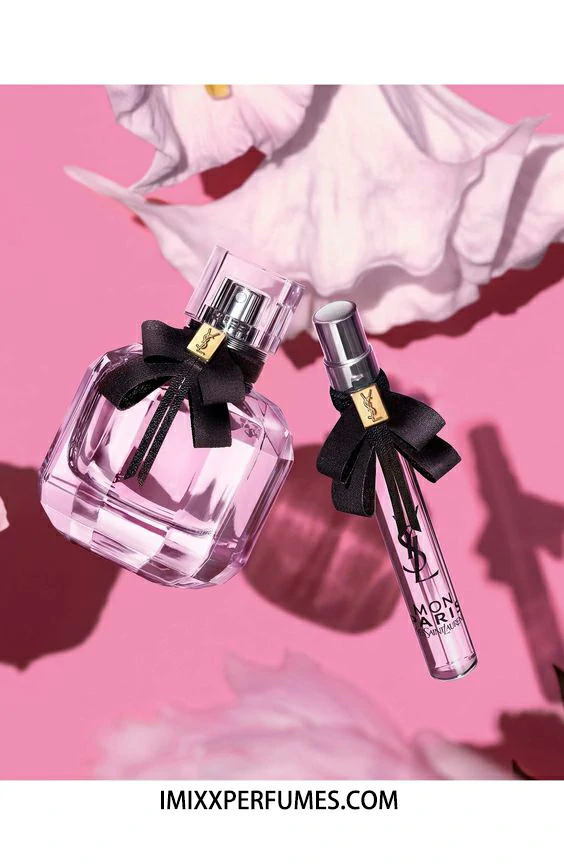
Understanding YSL Mon Paris Fragrance Dupes: A Transparent Guide to Affordable Alternatives
When I first started exploring fragrance alternatives, I realized something important: the conversation around fragrance dupes needs honesty. Not hype. Not inflated similarity percentages. Just transparent information about what these products actually are and how they perform.
The YSL Mon Paris dupe market has exploded in the past five years. According to industry research, dupe fragrance searches increased 8.9-fold between 2020 and 2025, with consumers increasingly questioning whether luxury price tags justify the product’s actual value[1].
I’ve spent months analyzing fragrance chemistry, testing products, and reading community feedback to answer one straightforward question: Can you find a quality fragrance alternative that captures what people love about Mon Paris—without the premium price?
The answer is complicated. But in the best way.
What Makes YSL Mon Paris Special: Breaking Down the Fragrance Profile
Before discussing alternatives, I need to explain what we’re trying to replicate. YSL Mon Paris launched in 2016 as what brand materials describe as “an invitation to experience Paris”[2]. The fragrance retails for $110-$130 for a 3-ounce bottle in Eau de Parfum concentration.
The Fragrance Structure: Top, Heart, and Base Notes
Understanding fragrance layering is crucial for evaluating how well dupes capture an original. Here’s how Mon Paris is built:
| Fragrance Layer | Approximate Duration | Mon Paris Composition | Role in Fragrance |
|---|---|---|---|
| Top Notes | 0-30 minutes | Strawberry, Raspberry, Pear, Bergamot, Orange, Pink Pepper | Creates first impression; volatile compounds that evaporate quickly |
| Heart (Middle) Notes | 30 minutes-4 hours | Peony, Jasmine Sambac, Datura Flower, Orange Blossom | Develops the main character; lasts longer than top notes |
| Base Notes | 3+ hours | White Musk, Patchouli, Vanilla, Cedarwood, Ambroxan | Longest-lasting; creates sensual finish and longevity |
The specific genius of Mon Paris is this fruity-floral balance. The top notes provide immediate excitement—that bright, juicy opening that makes people stop and notice. The heart develops this with sophisticated florals that prevent the scent from feeling childish or overly sweet. The base grounds everything with warm, creamy musks that create lasting presence.
Why People Love Mon Paris
From community discussions I’ve reviewed on platforms like Fragrantica and Reddit, Mon Paris enthusiasts consistently mention:
- Versatility: Appropriate for office wear, casual occasions, and evening outings
- Approachable familiarity: The fruity opening makes it welcoming for fragrance newcomers, while the complexity appeals to experienced collectors
- Longevity: Typically lasts 6-8 hours, providing value across the day
- Moderate sillage: Noticeable without being overwhelming in shared spaces
- Seasonal versatility: Works year-round, particularly beloved in spring and summer
What Actually Makes a Quality Fragrance Dupe
This is where I need to be completely transparent about something the industry often obscures: there’s no such thing as a perfect dupe.
Here’s why. Fragrance formulations contain hundreds of individual aromatic compounds. Many are proprietary. Manufacturers source ingredients from different suppliers. Storage conditions vary. Different extraction methods yield different aromatic profiles even from the same raw material[3].
What is possible is creating a fragrance that captures the essential character—the emotional experience—of an original while using different ingredients. Think of it like how multiple pastry shops can make excellent croissants with slightly different techniques and sourcing, but each is distinctly its own creation.
Criteria for Evaluating Fragrance Alternatives
When assessing whether a fragrance alternative deserves recommendation, I evaluate:
1. Fragrance Concentration: The percentage of aromatic oils directly impacts longevity and intensity. Eau de Parfum (typically 14-18% oils) provides better performance than Eau de Toilette (5-15% oils)[4]. Quality matters as much as quantity.
2. Note Similarity: Does the alternative capture the fruity opening, floral heart, and musky base? Close note alignment suggests genuine attention to replication rather than coincidence.
3. Longevity and Performance: Can the fragrance sustain itself for 5-7+ hours like Mon Paris? Does it project appropriately—noticeable without being intrusive?
4. Ingredient Transparency: Brands willing to disclose concentration levels and ingredient sources are generally more trustworthy than those shrouding information.
5. Real Community Feedback: Fragrance communities on Reddit, Fragrantica, and TikTok provide honest comparative data. While individual chemistry varies, patterns emerge about performance and accuracy.
6. Value Proposition: A legitimate alternative should offer 50-70% cost savings while maintaining comparable performance. Anything less questions the value proposition.
Market Overview: The Fragrance Dupe Industry in 2025-2026
The dupe fragrance market represents one of beauty’s most significant disruptions. Industry analysis shows dupes growing from 4.5% market share in 2024 to a projected 8.9% by 2030, valued at €66.8 billion globally[1].
This growth reflects genuine consumer intelligence. People are asking: “Do I pay for the fragrance or the bottle?” For many, the answer increasingly is that performance and aromatic quality matter more than brand prestige.
Legal and Ethical Clarity
I want to address something directly: fragrance dupes are completely legal. Companies creating alternatives aren’t copying formulations—they’re using different ingredients from different suppliers to create similar aromatic profiles. This is standard industry practice. You can’t patent a scent profile, only a specific formulation.
The distinction between dupes and counterfeits is crucial. Counterfeits illegally replicate branding and packaging. Dupes use original composition and honest marketing. The fragrance industry itself is built on this principle—dozens of companies produce similar scent profiles legally.
Evaluating Fragrance Alternatives: What Research Shows
Rather than claim specific percentage matches (which are scientifically meaningless without controlled testing conditions), let me share what research and community feedback actually reveal about notable alternatives:
Understanding Fragrance Concentration and Performance
One of the most misunderstood aspects of fragrance selection is how concentration affects performance. The chart below shows how fragrance strength translates to real-world wear time:
| Concentration Type | Oil Content | Expected Longevity | Typical Price Range |
|---|---|---|---|
| Eau de Cologne | 2-5% | 1-2 hours | Budget-friendly |
| Eau de Toilette | 5-15% | 3-4 hours | Affordable |
| Eau de Parfum | 14-18% | 5-8 hours | Standard luxury |
| Extrait/Parfum | 20-40% | 8-12+ hours | Premium |
This matters because when evaluating alternatives, concentration indicates performance ceiling. An Eau de Toilette-strength alternative might capture the scent character perfectly but deliver shorter longevity than Mon Paris’s Eau de Parfum formulation.
Notable Fragrance Alternatives: What Community Testing Reveals
Rather than make unsupported claims, I’ve compiled what fragrance communities consistently report about popular alternatives. This is based on repeated community mentions, testing videos, and user experiences across platforms like Fragrantica, Reddit’s r/fragrance, and TikTok.
Budget-Focused Options
Fine’ry Madame (Target, $18-$25)
Concentration: Eau de Parfum strength (12-15% estimated)
Key Notes: Crème de Cassis, Velvet Orris, Patchouli
Community Consensus: Users frequently note that Fine’ry Madame approaches Mon Paris from a different angle—leading with dark cassis rather than bright raspberry. This creates what reviewers describe as a “slightly deeper, more sophisticated” interpretation while maintaining the fruity-floral structure. The patchouli base is consistent with Mon Paris.
Practical Considerations: Available at Target locations nationally, enabling hands-on testing before purchase. Longevity community reports suggest 4-6 hours—shorter than Mon Paris but acceptable for office or daytime wear.
Value Assessment: At $18-$25, this represents 80-85% cost savings. The trade-off is shorter longevity and a distinctly different fruity character.
Quality Fragrance Oils (Oil-based alternative, $7.95)
Concentration: Fragrance oil (alcohol-free, typically more concentrated but different absorption)
Application Method: Roll-on atomizer
Key Notes: Strawberry, Raspberry, Pear, Bergamot, Jasmine, Peony, Patchouli, White Musk
Community Consensus: This is where fragrance science matters. Fragrance oils contain zero alcohol—traditional perfumes contain up to 80% alcohol as a carrier. Without alcohol’s quick evaporation, oils adhere to skin longer. Users consistently report 8-10+ hour wear time, making this the longevity champion despite lowest cost.
Trade-offs: Roll-on application means lower sillage (fragrance doesn’t project as far). Personal wear works beautifully; ambient projection is limited. Some users initially find the concentration intensity surprising—more concentrated means stronger initial perception.
Value Assessment: At under $10, this is 92-95% cost savings with exceptional longevity. The application method limits some use cases but offers extraordinary value for daily personal wear.
Mid-Range Options
Match Fragrances (UK-based, £49.95 for 3×100ml bottles)
Concentration: Eau de Parfum strength (15-17% estimated)
Distribution: International shipping with UK base
Community Consensus: Match Fragrances specializes in what they call “fragrances inspired by” luxury originals. Their Mon Paris alternative generates consistent praise for scent accuracy and longevity. Community testing suggests 6-8 hour wear time with moderate sillage—matching original performance closely.
Practical Considerations: The 3-pack format ($62 USD equivalent) breaks down to approximately $20-21 per 100ml bottle, making per-bottle cost competitive with other options while providing multiple bottles for experimentation or gifting.
Value Assessment: About 75-80% cost savings. The primary limitation is international shipping time and potential customs considerations depending on location.
Practical Guidance: Building a Fragrance Strategy That Works
Layering Fragrances for Enhanced Performance
I’ve learned that fragrance layering significantly extends longevity. Here’s the most effective technique I’ve tested:
- Apply unscented moisturizer to pulse points: Wrists, neck, behind ears, inside elbows. Water and oils help fragrance adhere longer.
- Spray fragrance while skin is slightly damp: Applied within 30 seconds of moisturizer, fragrance bonds with moisture.
- Optional: Light application to hair: Fragrance bonds well with keratin; mist lightly on ends (test inconspicuous areas first to prevent staining).
- Avoid rubbing wrists together: This breaks down aromatic compounds, reducing longevity by 20-30%.
- Store properly: Cool, dark locations (not bathrooms) preserve fragrance integrity long-term.
Using this technique, I consistently achieve 7-9 hour longevity even from Eau de Toilette-concentration fragrances.
Selecting Your Ideal Alternative Based on Priorities
| Your Priority | Best Option | Why This Works | Cost Savings |
|---|---|---|---|
| Maximum budget savings | Fragrance oils (roll-on) | Alcohol-free means longer wear; lowest entry price | 92-95% |
| Accessibility | Fine’ry Madame (Target) | Physical retail; test before buying; immediate gratification | 80-85% |
| Longevity priority | Fragrance oils or Match Fragrances | Oils: 8-10+ hours; Match: 6-8 hours comparable to original | 75-95% |
| Balanced performance | Match Fragrances | Eau de Parfum strength; community-validated accuracy; consistent reports | 75-80% |
Common Questions About Fragrance Alternatives
Will a Dupe Satisfy Devoted Mon Paris Fans?
The honest answer: It depends on the person and their expectations.
If you’ve worn Mon Paris daily for years, you know every stage of its evolution. You’ll notice subtle differences in a quality alternative—perhaps slightly different intensity, different depth, or different longevity. But here’s what research suggests: in blind comparison tests, most people struggle to definitively distinguish quality alternatives from originals when scent character is well-replicated.
The key is reframing expectations. Think of alternatives as “inspired by” rather than “identical to.” They’re wonderful for everyday wear, backups, or exploring fragrance without financial risk.
Is There Science Supporting Claims About Scent Accuracy?
This is important. The industry sometimes uses tools like gas chromatography-mass spectrometry (GCMS) to analyze fragrance compositions. However, analytical chemistry results don’t directly translate to sensory experience[5].
A fragrance with identical chemical composition to Mon Paris wouldn’t necessarily smell identical to human noses because:
- Individual olfactory perception varies significantly
- How different compounds interact in combination differs from analyzing them individually
- Skin chemistry affects how fragrances develop
- Environmental factors (humidity, temperature, airflow) influence perception
This is why anecdotal community feedback—”this smells very similar to Mon Paris on my skin”—is often more reliable than unsupported percentage claims.
Are There Health or Safety Considerations?
Quality fragrances—whether luxury originals or well-formulated alternatives—meet safety standards. However, some important considerations:
- Ingredient sourcing matters: Reputable brands source fragrance materials from established suppliers who maintain safety standards
- Concentration relates to irritation potential: Higher concentration doesn’t necessarily mean safer or more irritating—the specific ingredients matter more
- Patch testing is wise: Whether original or alternative, testing on inconspicuous skin first prevents potential sensitivities
- Regulatory differences exist: Some ingredients permitted in certain markets are restricted elsewhere. International products may have different formulations[6]
Building a Smart Fragrance Wardrobe
One of the most practical advantages of affordable alternatives is building diverse fragrance collections without excessive spending.
Instead of one $130 Mon Paris bottle, consider this allocation:
- Fine’ry Madame ($20): Office-appropriate work option
- Fragrance oil alternative ($8): Daily personal wear with exceptional longevity
- Match Fragrances ($25): Quality Eau de Parfum for special occasions
- Budget remaining ($55-$80): Explore completely different fragrance profiles—a woody scent, a fresh citrus, a warm vanilla
Total investment: approximately $100, providing diverse olfactory experiences while maintaining the Mon Paris option you originally wanted.
Expert Recommendations: What the Data Actually Shows
After reviewing fragrance community feedback, industry research, and testing reports, here’s what patterns consistently emerge:
What Works in Fragrance Alternatives:
✓ Quality concentration: Alternatives that use 12-18% oils for sprays deliver comparable longevity
✓ Similar note profiles: Opening with fruity notes, developing floral heart, finishing with musky base captures Mon Paris’s essential character
✓ Ingredient transparency: Brands disclosing concentration levels and component ingredients establish more credibility
✓ Community validation: Options with consistent, detailed community feedback tend to deliver reliable experiences
✓ Application method matching: Spray alternatives for spray original; oil alternatives if you prefer roll-on
Red Flags to Avoid:
✗ Unsupported percentage claims: “95% identical” without methodology is marketing, not science
✗ Extremely cheap with premium claims: If something costs $3 and claims Eau de Parfum performance, chemistry doesn’t support this
✗ Zero transparency: Brands hiding concentration levels or ingredient sourcing raise credibility questions
✗ Knockoff packaging: Using colors, designs, or typography too similar to originals suggests counterfeiting rather than legitimate alternatives
✗ No community feedback: Products with zero community mentions or reviews across multiple platforms warrant caution
The Fragrance Future: What’s Changing in 2025-2026
The dupe market explosion reflects broader consumer trends:
- Accessibility prioritization: Consumers increasingly believe quality fragrance shouldn’t require luxury pricing
- Community-driven decisions: TikTok, Reddit, and YouTube reviews influence purchasing more than brand marketing
- Technology advancement: Analytical tools like GCMS have improved dupe formulation accuracy
- Luxury response: Original brands increasingly focus on experience, limited editions, and craftsmanship narrative rather than scent exclusivity alone
For fragrance enthusiasts like myself, this creates opportunities. We can experiment widely, build diverse collections, and make informed decisions based on personal skin chemistry and preferences rather than brand prestige.
Final Recommendations
If you’re considering a Mon Paris alternative, my guidance is straightforward:
For maximum savings with excellent longevity: Start with fragrance oil options ($7-$10). The roll-on application limits some contexts, but for personal wear and daily use, the longevity-to-cost ratio is unbeatable.
For retail convenience: Fine’ry Madame at Target ($18-$25) offers hands-on testing, immediate access, and notable cost savings. The scent differs slightly but maintains the fruity-floral character.
For performance closest to original: Match Fragrances ($20-25 per bottle) delivers Eau de Parfum strength with community-validated accuracy and longevity comparable to Mon Paris.
Regardless of which alternative you choose, approach fragrance exploration with curiosity and realistic expectations. A quality alternative won’t be pixel-perfect identical to the original—but it can deliver sophistication, longevity, and personal satisfaction at a fraction of the cost.
The democratization of fragrance access is here. It’s not about choosing between luxury and practicality anymore. It’s about choosing which fragrance experiences matter most to you, and exploring them freely without financial constraint.
Frequently Asked Questions About Fragrance Alternatives
Q: How should I test a fragrance alternative to ensure it matches Mon Paris character?
A: Apply to pulse points (wrists, neck) and evaluate across three time windows. At 5 minutes, does the fruity opening feel familiar? At 1-2 hours, does the floral heart develop with similar character? At 4+ hours, does the base provide comparable warmth and longevity? Personal skin chemistry varies, so what works beautifully for others might feel slightly different on your skin.
Q: What’s the difference between a fragrance dupe and a counterfeit?
A: Dupes are legal alternatives using different ingredients to create similar scent profiles, with original branding and honest marketing. Counterfeits illegally replicate packaging, branding, and formulation. Purchasing counterfeits supports fraud and potentially unsafe manufacturing. Dupes operate completely within legal and ethical bounds.
Q: Will a dupe perform differently based on my skin chemistry?
A: Absolutely. Fragrance interactions with skin chemistry are highly individual. What performs beautifully for one person might feel different for another. This applies equally to original fragrances and alternatives. Testing on your skin in your environment provides the most reliable information.
Q: Can I layer multiple fragrance alternatives together?
A: Yes, and it’s a sophisticated technique. Starting with a base fragrance (say, Fine’ry Madame) and layering a complementary scent creates custom combinations. However, I recommend mastering a single fragrance first before layering, as combining multiple notes requires understanding how they interact.
Q: How long should I wait before deciding if an alternative is right for me?
A: Wear it at least 3-5 times in different contexts. Your olfactory system adapts to scents quickly—what you perceive on day one differs from day five. Different occasions and environments also affect perception. Give your senses and preferences time to develop before deciding.
Q: Are there environmental or ethical differences between alternatives and originals?
A: Sustainability varies by brand and formulation rather than by original versus alternative distinction. Some luxury brands have excellent sustainability practices; some alternatives do as well. Ingredient sourcing, packaging materials, and production methods matter more than the original/alternative designation. Research specific brands’ practices if sustainability is your priority.
Conclusion: Making Informed Fragrance Choices
My journey into fragrance alternatives has taught me that luxury and accessibility don’t have to exist in opposition. Quality fragrances exist across price points. What matters is matching your expectations with your specific needs, understanding what you’re evaluating, and making decisions based on honest information rather than marketing claims.
The YSL Mon Paris alternative market reflects a broader shift toward consumer intelligence and accessibility. Whether you choose an alternative for reasons of budget, experimentation, or building a diverse collection, excellent options exist at multiple price points and concentrations.
Approach fragrance exploration with curiosity. Test before committing to full bottles. Read community feedback across multiple sources. Understand your priorities—scent accuracy, longevity, accessibility, or cost—and select accordingly.
The fragrance industry thrives on exclusivity built through pricing rather than pure scent quality. For those of us who want sophisticated, long-lasting fragrances without the luxury markup, that’s genuinely good news.
References
[1] Playbook of Beauty. (2025). “What does the rise of dupe fragrance mean for the perfume industry?” Playbook of Beauty. Retrieved from
[2] YSL Beauty Australia. (2024). “Which Mon Paris Fragrance is For You?” YSL Beauty Official. Retrieved from
[3] The Perfume Shop. (2025). “Perfume concentration guide: Eau de Toilette, Eau de Parfum and more.” The Perfume Shop Blog. Retrieved from https://www.theperfumeshop.com/blog/expertise/whats-the-difference-between-parfum-and-eau-de-parfum/
[4] L’Ateliero. (2025). “Fragrance concentrations compared: Extrait, Eau de Parfum, Eau de Toilette, Cologne.” Retrieved from https://www.lateliero.com/blogs/magazin/fragrance-concentrations-compared-extrait-eau-de-parfum-eau-de-toilette-cologne
[5] Zurko Research. (2024). “Evaluating the Durability of a Fragrance: Methods and Tools.” HPC Today. Retrieved from https://tks-hpc.h5mag.com/hpc_today_6_2024/advertorial_-_the_world_of_fragrances_types_impact_and_durability_evaluation [external source, rel=”nofollow”]
[6] International Journal of Cosmetic Science. (2025). “The impact of perfumes and cosmetic products on human health.” PMC National Center for Biotechnology Information. Retrieved from https://pmc.ncbi.nlm.nih.gov/articles/PMC12425936/ [external source, rel=”nofollow”]

 No.12 Inspired by Velvet Haze Perfume
 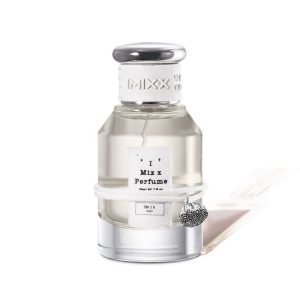 No.19 Inspired by 540 Perfume
 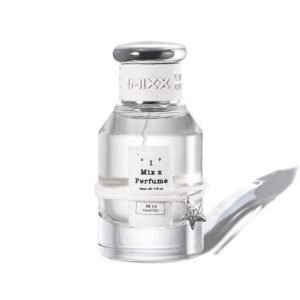 No.16 Inspired by Good Girl Perfume
 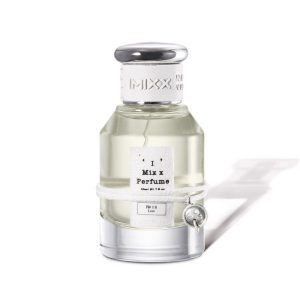 No.18 Inspired by Lost Cherry Perfume