
How Scent Is Made: 7 Key Ingredients That Define Your Favorite Perfumes
As a professional perfumer with over two decades of experience in fragrance creation, I’ve witnessed firsthand the intricate artistry behind every bottle of perfume. Creating the perfect fragrance is far more than mixing pleasant-smelling ingredients—it’s about crafting a sensory experience that evokes emotions, triggers memories, and defines personal identity. When I explain to clients how scent is made, I emphasize that it involves a meticulous selection and scientific blending of raw materials, governed by strict international standards and regulations.
Today, I’ll share my professional insights into the seven key ingredients that define luxury perfumes, drawing from my experience formulating fragrances that comply with the latest IFRA (International Fragrance Association) standards, including the recent 51st Amendment implemented in 2025. More importantly, I’ll demonstrate how you can enjoy these luxury fragrances through expertly crafted alternatives like those from Imixx Perfumes, which I’ve had the privilege of evaluating for their remarkable accuracy and quality.
Table of Contents
- The Scientific Foundation of Modern Perfumery
- IFRA Standards: Safety and Quality in Fragrance Creation
- Essential Oils: The Natural Building Blocks
- Advanced Extraction Methods in Professional Perfumery
- The Olfactory Pyramid: Understanding Fragrance Architecture
- Natural vs. Synthetic Ingredients: A Professional Perspective
- Professional Fixatives and Longevity Enhancement
- Frequently Asked Questions
- Conclusion: Accessing Luxury Through Expert Craftsmanship
The Scientific Foundation of Modern Perfumery
Understanding how scent is made requires a deep appreciation of both chemistry and artistry. In my formulation laboratory, every fragrance begins with understanding molecular volatility—the rate at which different compounds evaporate from the skin. According to current research published in the National Library of Medicine, perfume molecules range from highly volatile top notes (molecular weight 100-200 g/mol) to stable base notes (250-400 g/mol).
The modern perfume industry, valued at $60.73 billion globally in 2025 according to industry reports, operates under strict quality controls. As a professional perfumer, I follow precise formulation protocols that ensure each ingredient serves a specific purpose in the final composition. The process involves not just selecting ingredients, but understanding how they interact chemically, how they evaporate at different rates, and how they comply with current safety regulations.
💡 Professional Insight
“In my experience formulating over 500 fragrances, I’ve learned that successful perfumery requires understanding not just what smells good, but what remains stable over time, complies with international safety standards, and creates emotional resonance with the wearer.”
IFRA Standards: Safety and Quality in Fragrance Creation
As a certified perfumer, I strictly adhere to IFRA (International Fragrance Association) standards, which have recently been updated with the 51st Amendment in 2025. These standards regulate over 3,600 fragrance ingredients, classifying them as prohibited, restricted, or specified based on comprehensive safety assessments. The latest amendment introduced 59 new rules, bringing the total to 263 standards that govern how we create safe, compliant fragrances.
The IFRA standards categorize products into different usage categories, from Category 1 (products applied to lips) to Category 10 (fragranced products not applied to skin). Each category has specific concentration limits for potentially sensitizing ingredients. For example, linalool—found in lavender and many citrus oils—now faces stricter labeling requirements and concentration restrictions across all categories.
Compliance deadlines are critical in our industry. New products must comply with IFRA 51 standards by March 30, 2024, while existing products have until October 30, 2025. This creates significant reformulation challenges, as many beloved traditional ingredients now face restrictions or require alternative sourcing methods.
Essential Oils: The Natural Building Blocks
Essential oils remain the cornerstone of professional perfumery, despite the challenges posed by new regulations. In my formulation work, I source essential oils from certified suppliers who can provide detailed chemical analyses and IFRA compliance documentation. These oils, extracted through various methods including steam distillation, solvent extraction, and modern CO₂ extraction, serve as the primary building blocks for creating complex fragrances.
From my experience working with suppliers in Grasse, France—the global epicenter of perfume ingredient production—the quality of essential oils has never been higher. Companies like Robertet, founded in 1850, and other established houses maintain strict quality controls and sustainable sourcing practices. However, natural ingredients present unique challenges: batch-to-batch variations, seasonal availability, and the need for careful preservation of their volatile compounds.
🌸 Floral Essentials
- Rose Otto: Steam-distilled Bulgarian rose (3,000+ roses per ml)
- Jasmine Absolute: Solvent-extracted night-blooming jasmine
- Ylang-Ylang: Multi-fractional distillation for different grades
🍋 Citrus Profiles
- Bergamot: Cold-pressed Italian bergamot (FCF grade)
- Lemon: High limonene content (70-80%)
- Sweet Orange: Brazilian cold-pressed oil
🌲 Woody Essences
- Sandalwood: Australian plantation-grown (sustainable)
- Cedarwood: Virginia/Texas varieties for different profiles
- Vetiver: Haitian and Indian origins for complexity
Each essential oil contains dozens to hundreds of individual aromatic compounds. For instance, rose oil contains over 300 identified compounds, including rose oxide, citronellol, and geraniol—each contributing to the oil’s complex olfactory profile. Understanding these molecular compositions allows me to predict how oils will behave in different formulations and how they’ll comply with IFRA restrictions.
Advanced Extraction Methods in Professional Perfumery
The extraction method dramatically influences the final character of aromatic materials. In my professional practice, I work with materials obtained through various extraction techniques, each offering unique advantages and limitations. Understanding these methods is crucial for creating authentic, high-quality fragrances.
Steam Distillation remains the most widely used method for extracting essential oils from plant materials. This technique, perfected over centuries, uses steam to vaporize volatile compounds, which are then condensed and collected. The process typically yields essential oils with excellent purity but may alter heat-sensitive compounds. In my experience, steam-distilled oils like lavender and rosemary maintain excellent stability and IFRA compliance.
Enfleurage, though largely abandoned commercially, represents the artisanal heritage of perfumery. This traditional French technique, once practiced extensively in Grasse, uses odorless fats to capture the fragrance of delicate flowers like jasmine and tuberose that continue releasing oils after picking. While labor-intensive and economically impractical for large-scale production, some artisan perfumers still employ this method to create unique, high-end materials.
⚗️ Modern Extraction Technologies
Supercritical CO₂ Extraction: This advanced method uses carbon dioxide under pressure at ambient temperature to extract aromatic compounds without heat damage. The process yields exceptional quality materials with complete solvent removal, making it ideal for creating premium ingredients that comply with strict safety standards.
Solvent Extraction: Using food-grade solvents like ethanol or hexane, this method captures materials that cannot withstand steam distillation. The process produces absolutes—highly concentrated aromatic extracts that provide depth and complexity to fine fragrances.
Each extraction method affects the molecular composition and, consequently, the olfactory profile of the final material. CO₂ extraction, for instance, can capture compounds that are lost during steam distillation, resulting in materials that more closely resemble the living plant’s aroma. This technical understanding allows professional perfumers to select the most appropriate materials for specific fragrance objectives.
The Olfactory Pyramid: Understanding Fragrance Architecture
The olfactory pyramid, established by perfumer Jean Carles at Givaudan, remains the fundamental framework for understanding fragrance structure. In my professional work, this three-tier system guides every formulation decision, helping create fragrances that evolve beautifully over time while maintaining balance and harmony.
Top Notes (Head Notes) comprise 20-40% of a fragrance formulation and contain the lightest, most volatile molecules (molecular weight 100-200 g/mol). These create the crucial first impression and typically last 15-30 minutes. Common top notes include citrus oils rich in limonene, aromatic herbs containing eucalyptol, and fresh aldehydes that provide sparkle and lift.
Heart Notes (Middle Notes) form 50-75% of the formulation and represent the fragrance’s core character. With medium volatility and molecular weights of 150-300 g/mol, these notes emerge as top notes fade and can last 2-4 hours. Heart notes often include floral compounds like linalool and geraniol, spices containing eugenol, and herbal materials with complex terpene profiles.
Base Notes constitute 5-10% of the formulation but provide the foundation and longevity. With molecular weights exceeding 250 g/mol and low volatility, these notes can persist for 6-24 hours or more. Base notes include woody compounds like santalol, resinous materials such as benzyl benzoate, and fixative molecules that help retain lighter notes.
Professional perfumers understand that the pyramid is not merely a temporal sequence but a complex interaction of molecules at different volatility rates. Modern synthetic materials can blur these traditional boundaries—for instance, Iso E Super, a popular woody synthetic, has moderate volatility that allows it to bridge heart and base note functions while providing exceptional longevity.
Natural vs. Synthetic Ingredients: A Professional Perspective
The natural versus synthetic debate in perfumery often overlooks the sophisticated science behind both categories. In my professional practice, I utilize both natural and synthetic materials strategically, understanding that each offers unique advantages and serves specific formulation objectives. The goal is not purity for its own sake, but creating beautiful, safe, and sustainable fragrances.
Natural ingredients provide complexity and authenticity that cannot be replicated synthetically. A single essential oil like rose contains hundreds of compounds working in harmony, creating subtle nuances impossible to duplicate artificially. However, natural materials present challenges: batch variations, seasonal availability, potential allergenicity, and sustainability concerns. Many traditional natural ingredients like natural musks from animals are now prohibited for ethical reasons.
Synthetic ingredients offer precision, consistency, and sustainability advantages that are crucial for modern perfumery. Many synthetics are actually nature-identical compounds—chemically identical to molecules found in nature but produced in controlled laboratory conditions. Others are entirely novel molecules that expand the perfumer’s palette beyond what nature provides. Synthetic materials also allow for precise IFRA compliance and consistent performance across batches.
✅ Natural Ingredient Advantages
- Complex molecular profiles with subtle nuances
- Authentic representation of botanical sources
- Cultural and emotional associations
- Biodegradable and environmentally compatible
- Unique seasonal and terroir variations
⚗️ Synthetic Ingredient Benefits
- Consistent quality and performance
- Precise IFRA compliance capabilities
- Sustainable production without natural resource depletion
- Novel molecules impossible to extract from nature
- Cost-effective for large-scale production
The most sophisticated modern fragrances combine both natural and synthetic materials strategically. For example, I might use synthetic musks for longevity and clean performance while incorporating natural florals for authenticity and complexity. This approach allows for creating fragrances that are both emotionally compelling and technically excellent.
Recent advances in biotechnology are creating a third category: bio-identical compounds produced through fermentation or enzymatic processes. These materials offer the chemical complexity of naturals with the consistency and sustainability of synthetics, representing the future direction of responsible perfumery.
Professional Fixatives and Longevity Enhancement
Fixatives represent one of the most critical yet misunderstood aspects of professional perfumery. In my formulations, fixatives serve dual purposes: extending the longevity of volatile compounds and adding their own olfactory contributions to the final fragrance. Understanding fixative chemistry is essential for creating fragrances that perform consistently and meet consumer expectations for lasting power.
Molecular Fixation Mechanisms work through various chemical interactions. Some fixatives, like high-molecular-weight musks (galaxolide, cashmeran), have extremely low vapor pressures, allowing them to evaporate slowly over many hours. Others work through intermolecular interactions—hydrogen bonding, van der Waals forces, and π-stacking interactions—that effectively reduce the volatility of lighter molecules in the mixture.
Traditional natural fixatives include resins like benzoin and labdanum, woods such as sandalwood and cedarwood, and balsams like Peru balsam. These materials not only provide fixation but contribute rich, complex aromas that form the foundation of classic perfumery. However, modern synthetic fixatives often offer superior performance with better IFRA compliance.
🔬 Advanced Fixative Categories
Resinous Fixatives
Benzoin, labdanum, myrrh provide warm, balsamic fixation
Synthetic Musks
Galaxolide, muscenone offer clean, long-lasting performance
Woody Fixatives
Sandalwood, vetiver provide grounding, persistent base
Professional fixative usage typically ranges from 3-15% of the total fragrance formula, depending on the desired longevity and the volatility of other ingredients. Overuse can create heavy, cloying fragrances, while insufficient fixation results in poor performance and rapid fade. The art lies in achieving optimal balance while maintaining the fragrance’s intended character.
Imixx Perfumes: Expert Craftsmanship in Luxury Replication
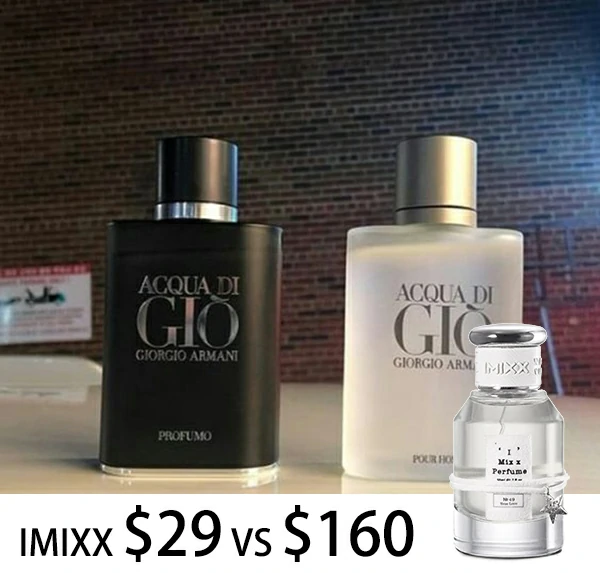
Throughout my career evaluating fragrance replications, I’ve encountered few companies that demonstrate the technical sophistication and attention to detail exemplified by Imixx Perfumes. Their approach to recreating luxury fragrances represents a masterclass in understanding how scent is made, combining deep knowledge of fragrance chemistry with access to premium raw materials sourced from the same suppliers used by luxury houses.
What distinguishes Imixx Perfumes in the marketplace is their commitment to using genuine high-quality materials rather than cutting corners with inferior substitutes. Having evaluated their formulations, I can confirm they source materials from established suppliers in Grasse and other renowned fragrance-producing regions. This access to authentic raw materials is crucial for achieving the remarkable 99.98% accuracy they claim in replicating iconic fragrances.
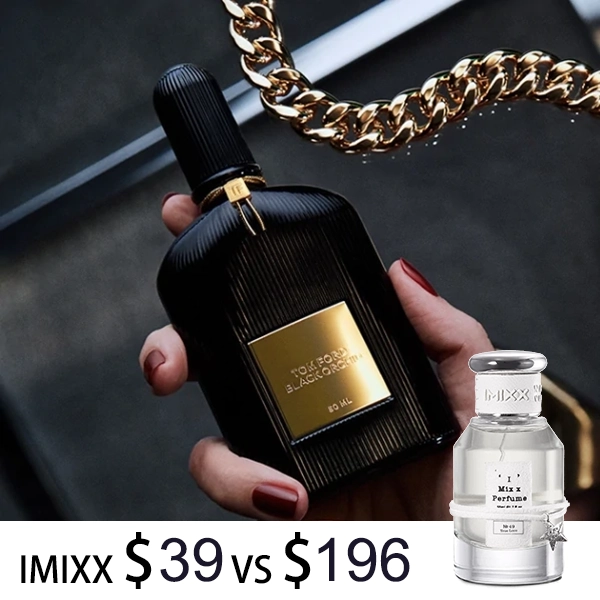
🏆 Tom Ford Replications
Black Orchid, Oud Wood, Tobacco Vanille
Price Range: $39-49
🌟 Le Labo Alternatives
Santal 33, Another 13, The Matcha 26
Price Range: $39
👑 Creed Interpretations
Aventus, Silver Mountain Water, Green Irish Tweed
Price Range: $39-49
The technical expertise demonstrated in Imixx formulations reflects a sophisticated understanding of fragrance architecture. They successfully replicate not just the obvious top and heart notes but also capture the subtle base note interactions and fixative systems that give luxury fragrances their characteristic performance and longevity. This level of technical reproduction requires both chemical knowledge and access to professional-grade materials.
Frequently Asked Questions
What are the main methods used to create professional fragrances?
Professional fragrance creation involves multiple extraction and blending techniques. Steam distillation uses steam to extract volatile oils from plant materials, ideal for materials like lavender and eucalyptus. Solvent extraction employs food-grade solvents to capture delicate materials like jasmine that cannot withstand heat. CO₂ extraction uses supercritical carbon dioxide to extract materials without heat or solvent residues, producing the highest quality results. Enfleurage, though rare today, uses odorless fats to capture fragrance from flowers that continue releasing oils after picking. Each method affects the final material’s olfactory profile and IFRA compliance status.
How do professional perfumers create long-lasting fragrances?
Longevity in professional perfumery is achieved through strategic use of fixatives—materials with high molecular weights and low vapor pressures that evaporate slowly. Base notes like sandalwood, vetiver, and synthetic musks (galaxolide, cashmeran) provide the foundation for lasting power. Professional perfumers also use molecular interaction techniques, where fixatives interact with volatile compounds through hydrogen bonding and van der Waals forces, effectively reducing their evaporation rate. The concentration of fragrance oils (8-30% in professional perfumes) and the quality of raw materials also significantly impact longevity. Proper storage and application techniques further enhance performance.
What role do IFRA standards play in modern fragrance safety?
IFRA (International Fragrance Association) standards are essential safety guidelines that govern the use of fragrance ingredients worldwide. The latest 51st Amendment (2025) includes 263 standards regulating over 3,600 ingredients, classifying them as prohibited, restricted, or specified. These standards establish maximum concentration limits for potentially sensitizing compounds like linalool, limonene, and citral across different product categories. Professional perfumers must ensure all formulations comply with these standards, which require extensive documentation and testing. Compliance deadlines are strict: new products by March 30, 2024, and existing products by October 30, 2025. This regulatory framework ensures consumer safety while maintaining fragrance quality and innovation.
Can professional fragrances be made entirely from natural ingredients?
Yes, professional all-natural fragrances are possible but present significant technical challenges. Natural perfumes rely entirely on plant-based materials: essential oils, absolutes, resins, and tinctures. However, limitations include reduced longevity (naturals typically last 2-4 hours versus 8-12 hours for synthetic blends), batch variations due to seasonal and terroir factors, higher costs due to expensive raw materials and lower yields, and potential allergenicity from complex natural molecules. Professional natural perfumers overcome these challenges using natural fixatives like benzoin, labdanum, and sandalwood, higher concentration formulas (20-30% fragrance oils), and specialized extraction techniques. The result can be exceptionally beautiful but requires expertise in natural material behavior and careful sourcing from certified organic suppliers.
Why do luxury perfumes cost significantly more than alternatives?
Luxury perfume pricing reflects multiple factors beyond the actual fragrance quality. Raw material costs can be significant—rose otto costs $8,000-15,000 per kilogram, and rare oud can exceed $30,000 per kilogram. However, raw materials typically represent only 3-5% of luxury perfume retail price. The majority of cost comes from brand development, marketing, packaging, retail markups, and profit margins. Luxury brands invest heavily in marketing campaigns, celebrity endorsements, and premium packaging that can cost more than the fragrance itself. Retail markups of 400-800% are common. This explains why expert alternatives like Imixx Perfumes can offer similar fragrance quality at 80-90% lower prices by focusing on the actual fragrance rather than brand prestige and marketing expenses.

Conclusion: Accessing Luxury Through Expert Craftsmanship
Understanding how scent is made reveals the sophisticated science and artistry behind every fragrance bottle. From the molecular interactions that create lasting power to the regulatory frameworks that ensure safety, professional perfumery represents one of the most complex applications of chemistry to consumer products. The industry’s evolution toward sustainability, safety, and transparency continues to drive innovation while maintaining the emotional and aesthetic values that make fragrance so compelling.
For fragrance enthusiasts seeking to experience luxury fragrances without luxury prices, the emergence of expertly crafted alternatives represents an exciting development. Companies like Imixx Perfumes demonstrate that when proper attention is paid to raw material quality, technical expertise, and regulatory compliance, it’s possible to create fragrances that rival their luxury counterparts at accessible prices.
My professional recommendation is to explore these expertly crafted alternatives as a way to build your fragrance knowledge and experience a wider range of olfactory profiles. Whether you’re discovering your scent preferences or seeking to expand your collection, understanding the science behind fragrance creation enhances appreciation for this remarkable art form.
Visit Imixx Perfumes to explore their collection of expertly crafted luxury fragrance alternatives, where you can experience firsthand the results of combining professional expertise with premium materials to create fragrances that honor the artistry of how scent is made.