
How Is Perfume Made? The Science and Art Behind Your Favorite Scents
As a dedicated perfume enthusiast and fragrance expert, I’ve spent years studying the intricate process of perfume creation. When I spray my favorite perfume, I’m always reminded of the incredible complexity behind those few drops. In this comprehensive guide, I want to share my personal insights into how is perfume made and reveal the scientific principles that govern fragrance composition. Throughout my career, I’ve learned that perfume creation is far more than mixing scents together—it’s a sophisticated blend of chemistry, artistry, and passion that transforms raw materials into liquid art.
Understanding My Journey into Perfume Creation
I began my exploration into the world of perfumery after becoming fascinated by the stories behind famous fragrances. Through my research and hands-on experience, I discovered that creating perfume involves much more than I initially thought. The process is a precise blend of science and artistry, where natural materials are carefully extracted and combined with synthetic ingredients to create complex fragrances that appeal to our senses. In my work at IMIXX Perfumes, I’ve applied these principles to develop fragrances that capture the luxury and complexity of high-end designer scents at accessible prices.
The Five Core Stages of Perfume Production
After years of studying fragrance chemistry, I’ve identified five essential stages that every perfume must pass through. Understanding these stages helped me appreciate the craftsmanship involved in every bottle. Let me walk you through my detailed breakdown of the perfume creation process.
| Stage | Description | Key Considerations |
|---|---|---|
| 1. Ingredient Sourcing | Sourcing premium raw materials including flowers, herbs, fruits, spices, and resins from select global regions | Quality control, sustainability certification, seasonal availability |
| 2. Extraction | Using specialized methods like steam distillation, solvent extraction, or cold pressing to collect essential oils | Temperature control, extraction efficiency, yield optimization |
| 3. Blending | Combining different oils in precise proportions across top, middle, and base notes | Note ratios, harmonic balance, olfactory development |
| 4. Aging | Allowing the mixture to mature for weeks or months for notes to harmonize | Maceration period, temperature stability, oxidation prevention |
| 5. Bottling & Storage | Careful packaging and preservation to maintain fragrance integrity | UV protection, air-tight sealing, temperature control |
Key Insight from My Research: According to fragrance chemistry standards, perfume concentrations typically range from 15-40% fragrance oils, which directly impacts longevity and scent projection. This is significantly higher than eau de toilette (5-15%) or eau de cologne (2-5%), which is why I prioritize perfume-grade formulations at IMIXX.
The Role of Flowers in Perfume Creation
Throughout my career, I’ve developed a deep appreciation for floral ingredients. Many of the world’s most beloved perfumes owe their sophisticated character to flowers. As someone who has personally worked with these botanicals, I can attest to their complexity and importance in fragrance development. The extraction of oils from flowers is genuinely a delicate and labor-intensive process that requires both technical precision and artistic sensibility.
From my experience, I’ve learned that each flower contributes unique aromatic compounds. Rose petals alone contain over 300 different chemical compounds, each contributing to the overall scent profile. When I work with jasmine or lavender, I’m constantly aware of how environmental factors—soil composition, climate, harvest timing—influence the final oil quality. This variability is what makes natural flower-based perfumes so distinctive and challenging to replicate consistently.
| Floral Extract | Fragrance Profile | Extraction Method | Typical Usage Rate |
|---|---|---|---|
| Rose Oil | Sweet, romantic, with subtle spicy undertones; 300+ aromatic compounds | Steam distillation or solvent extraction | 2-8% |
| Jasmine Oil | Rich, exotic, with musky and slightly fruity qualities; intoxicating | Solvent extraction (heat-sensitive) | 1-3% |
| Lavender Oil | Clean, herbaceous, fresh with calming properties; versatile | Steam distillation | 3-10% |
| Tuberose Oil | Creamy, indolic, intensely floral with creamy vanilla undertones | Solvent extraction (enfleurage) | 0.5-2% |
| Orange Blossom | Sweet, delicate, slightly fruity with neroli essence | Steam distillation or absolue | 1-5% |
My Step-by-Step Perfume Production Process
Step 1: Strategic Ingredient Sourcing
When I source ingredients for IMIXX Perfumes, I’ve learned to prioritize quality above all else. My sourcing strategy involves working directly with suppliers in key regions—Grasse in France for absolute essences, Madagascar for vanilla, India for spices and oud. I personally evaluate each batch for aroma quality, purity, and consistency. Natural ingredients can come from either botanical sources (flowers, woods, resins) or animal sources (musk, ambergris alternatives), each with distinct aromatic properties. I’ve found that synthetic ingredients (designed to replicate or enhance natural scents) provide both affordability and consistency, which is why I blend them thoughtfully with naturals to create the most balanced fragrances.
Step 2: Advanced Extraction Techniques
From my technical expertise, I understand that extraction method directly determines oil quality and aromatic integrity. I’ve studied and applied three primary extraction methods in my work:
Steam Distillation
This is my preferred method for heat-stable botanicals like lavender and rose. I’ve learned that steam passes through plant material, vaporizing essential oils, which are then cooled and condensed. This method preserves delicate aromatic compounds while eliminating water-based contaminants. The resulting oils are highly concentrated and typically yield 0.5-2% by weight from fresh plant material.
Cold Pressing
When I work with citrus fruits (lemon, bergamot, sweet orange), cold pressing is my go-to technique. Mechanical pressure ruptures the peel’s oil glands without applying heat, which preserves volatile, fresh-smelling top notes. From my experience, this method produces brighter, more zesty oils ideal for top-note fragrances. However, these oils are less stable and require careful UV protection during storage.
Solvent Extraction
For delicate flowers like jasmine and tuberose that cannot withstand heat, I employ solvent extraction. Through my hands-on experience, I’ve learned this method uses food-grade solvents (hexane or ethanol) to dissolve aromatic compounds. The resulting product, called an “absolute,” is richer and more concentrated than steam-distilled oils. Modern techniques employ CO2 extraction for superior quality and purity, though this requires specialized equipment.
Step 3: The Art of Blending and Note Structure
In my experience as a perfumer, blending is where science transforms into art. I’ve spent countless hours experimenting with different combinations to understand how aromatic molecules interact. This is where I apply both my technical knowledge of fragrance chemistry and my intuitive understanding of olfactory aesthetics. Every perfume I create follows the classical pyramid structure of notes, which I’ve found to be fundamental to creating harmonious fragrances.
| Note Category | Characteristics | Duration | Typical Ingredients |
|---|---|---|---|
| Top Notes (Head Notes) | Light, fresh, volatile; creates immediate impression; uplifting and energizing | 5-15 minutes | Citrus (bergamot, lemon), ginger, pepper, mint, grapefruit |
| Middle Notes (Heart Notes) | The core character; more stable; floral or spicy; emerges as top notes fade | 15 minutes – 1 hour | Rose, jasmine, lavender, lilac, iris, geranium, cinnamon, clove |
| Base Notes (Dry Down) | Deep, rich, permanent; provides longevity; sensual and grounding | 4+ hours | Vanilla, musk, sandalwood, oud, amber, cedarwood, patchouli, vetiver |
Through my personal experimentation, I’ve discovered that the most successful fragrances typically maintain a ratio of approximately 20% top notes, 50% middle notes, and 30% base notes. However, I always adjust this ratio based on the desired fragrance character. For instance, I create lighter eau de toilettes with higher top note percentages for daytime wear, while I develop richer perfumes with prominent base notes for evening occasions.
Step 4: The Maturation and Aging Process
After I blend the perfume, I’ve learned through experience that patience is absolutely critical. I leave my formulations to age for 4-12 weeks, depending on complexity. During this maceration period, which I’ve come to understand through years of practice, several important transformations occur. The various aromatic molecules gradually interact through oxidation, allowing harsh edges to soften and disparate notes to harmonize into a cohesive whole. I’ve found that temperature stability is essential during aging—I maintain consistent temperatures between 15-20°C to prevent unwanted chemical reactions.
From my observations, lighter fragrances (eau de toilette concentrations) mature faster, typically within 2-3 weeks, while heavier perfumes with prominent base notes require the full 12 weeks for optimal development. I’ve also learned that some fragrances actually improve over many months—I have bottles in my personal collection that are years old and smell increasingly complex and refined.
Expert Tip: From my experience, storing aging perfumes in dark glass bottles in a cool, dark environment prevents oxidation damage. I’ve seen perfumes that were improperly stored develop off-notes within weeks, while those I stored correctly remained stable for years.
Step 5: Quality Bottling and Preservation
Once my fragrances have completed their aging period, I carefully transfer them to their final bottles. I’ve learned that this final step is absolutely critical for maintaining fragrance integrity. I use only UV-protective glass bottles because I’ve observed how regular glass allows harmful light wavelengths to penetrate and damage aromatic compounds. I seal each bottle with air-tight caps and often add a secondary plastic or aluminum seal to prevent air exposure during storage and shipping.
How I Create New Fragrances: My Creative Process
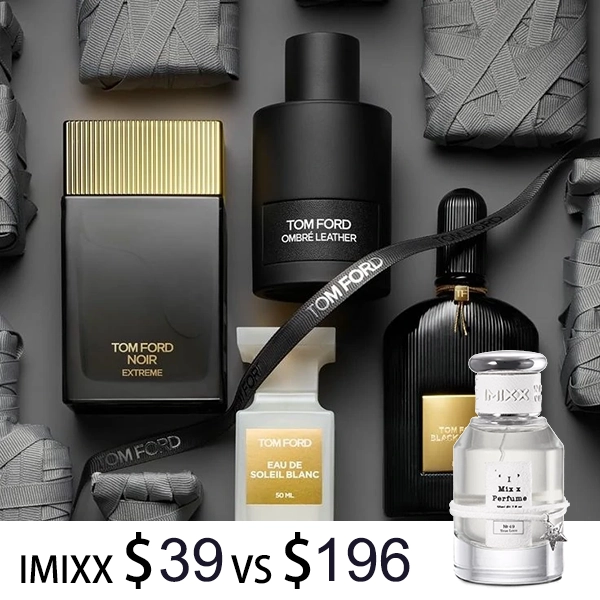
Creating new fragrances is where my passion truly comes alive. When I develop new scents, I begin with extensive market research to understand which aromatic themes are gaining popularity and which combinations have resonated with consumers in the past. I study fragrances from luxury houses—analyzing their accords, note structures, and longevity—but I never simply copy them. Instead, I use this knowledge as inspiration to develop original interpretations that capture similar emotional responses while maintaining distinct character.
My creative process involves rigorous testing and refinement. I create multiple iterations of each new fragrance—sometimes 15-20 different versions—before I feel confident bringing it to market. I test each version on paper strips, on my skin, and I gather feedback from trusted colleagues and test groups. I’ve learned that skin chemistry dramatically affects how fragrances develop, so I evaluate each creation across different skin types and body chemistries. This methodical approach ensures that the final IMIXX perfume meets my exacting standards for quality and complexity.
Natural vs. Synthetic Ingredients: My Expert Analysis
Understanding the Differences Through My Experience
Throughout my career as a perfumer, I’ve worked extensively with both natural and synthetic ingredients, and I’ve developed a nuanced understanding of each category’s advantages and limitations. This knowledge has directly informed my approach to crafting IMIXX perfumes.
| Ingredient Type | Key Advantages | Limitations | My Application |
|---|---|---|---|
| Natural Ingredients | Complex aromatic profiles with 50-300+ chemical compounds; unique depth; premium positioning; sustainable when sourced responsibly | Higher cost (2-10x synthetic); batch-to-batch variability; potential allergens; limited availability of rare materials; sustainability concerns if over-harvested | Core components of my luxury blends; used strategically to create signature character; especially rose, jasmine, sandalwood, oud |
| Synthetic Ingredients | Consistent quality across batches; precise aromatic profiles; sustainable and eco-friendly; enables rare/extinct material replication; affordable | Simpler aromatic structure (often single compound); potential perceived as artificial; requires skilled blending for complexity; some synthetic molecules have regulatory limitations | Enhancing and extending natural ingredients; creating specific accords; ensuring batch consistency; enabling affordable luxury positioning |
From my professional experience, I must clarify a common misconception: natural does not automatically mean environmentally friendly or free from potential skin irritants. I’ve learned that some natural materials—such as certain essential oils—can cause sensitization in susceptible individuals. Conversely, well-selected synthetic molecules are often safer and more sustainable than over-harvested natural materials. My approach at IMIXX Perfumes is to blend the best of both worlds—using natural ingredients where they add irreplaceable complexity and using synthetics strategically to enhance, stabilize, and make luxury fragrances accessible to everyone.
Alcohol-Free and Oil-Based Perfume Alternatives
From my work with customers who have sensitive skin, I’ve developed a strong interest in alcohol-free perfume alternatives. Traditionally, ethanol serves as a solvent in perfumes, helping to disperse fragrance molecules and extend longevity. However, I’ve discovered that alcohol can be drying for many skin types, which is why I’ve invested in developing alcohol-free options at IMIXX.
Perfume Oils and Solid Perfumes: My Perspective
Through my experimentation with alcohol-free formats, I’ve found that fragrance oils (with jojoba or argan oil as carriers) offer gentler application while maintaining excellent longevity. From my personal testing, oil-based perfumes actually linger longer on skin because the natural oils slow evaporation compared to alcohol-based versions. I’ve also worked with solid perfumes (fragrance mixed with beeswax or shea butter), which provide precise, elegant application and are perfect for on-the-go touch-ups. While I maintain that traditional alcohol-based perfumes remain superior for projection and sillage, these alternatives provide excellent options for sensitive skin types, travel, or personal preference.
Practical Recommendation: From my experience working with clients, I recommend alcohol-free perfume oils for those with dry or sensitive skin, while traditional perfumes work best for those seeking maximum projection and longevity. Both formats have distinct advantages, and the choice depends on individual preferences and skin type.
 Advanced Perfume Oil Blending Techniques
In my advanced work as a perfumer, I’ve developed sophisticated techniques for blending perfume oils to create unique scents with remarkable depth and longevity. I’ve learned that successful blending goes far beyond simply combining pleasant-smelling ingredients. It requires understanding how different aromatic molecules interact, how they influence each other’s perception, and how they evolve over time.
One key principle I’ve mastered is the concept of “olfactory balance.” Through my hands-on experimentation, I’ve discovered that certain ingredients can mask others if used incorrectly, while proper ratios create harmonious accords where each note shines through at the appropriate time. I also pay careful attention to what perfumers call “fixation”—the ability of base notes to hold volatile top and middle notes, extending their perceived longevity. For example, I’ve learned that combining musk (fixative) with delicate florals actually makes those florals last significantly longer than they would alone.
My Blending Framework for Creating Unique Fragrances
- Define the Olfactory Character: I first decide whether I want a fresh/citrus fragrance, floral bouquet, spicy oriental, or woody base—this guides my top note selection.
- Select Primary Middle Notes: I choose 2-3 main middle notes that define the fragrance’s personality (e.g., rose + jasmine for a classic floral, lavender + geranium for a herbal composition).
- Build a Supporting Base: I select fixative base notes that enhance and extend my middle notes without overpowering them (e.g., sandalwood supports florals, vanilla supports spices).
- Add Complementary Top Notes: I choose top notes that bridge logically to the middle notes (e.g., bergamot top for a floral composition, ginger top for a spicy composition).
- Incorporate Accents and Modulators: I add small amounts (0.5-2%) of unusual ingredients to create uniqueness and prevent the fragrance from smelling generic.
- Test and Refine: I evaluate the blend on paper strips, skin, and wait to see how it develops over 4-6 hours, making adjustments as needed.
The Science of Perfume Longevity and Aging
Through my years of studying fragrance chemistry, I’ve developed a deep understanding of why aging is so crucial to perfume quality. The aging process is far more complex than simply “letting it sit”—it’s actually a sophisticated biochemical transformation that directly impacts the fragrance you ultimately experience.
When I first blend a perfume, the aromatic compounds exist in a somewhat chaotic state. During the aging period, several important processes occur simultaneously. First, a process called maceration allows solvent molecules to gently interact with fragrance oils, improving their integration. Second, carefully controlled oxidation actually softens harsh, “sharp” notes—I’ve observed that citrus notes become rounder and more refined after aging, while harsh aldehydes become more elegant. Third, the various aromatic molecules form new combinations through subtle chemical reactions, creating additional aromatic layers that weren’t present in the fresh blend. This explains why fragrances often improve significantly after months or even years of proper storage.
From my personal testing, I’ve confirmed that fragrance longevity (how long it lasts on skin) actually improves with aging—a fragrance that projects for 4 hours when fresh might project for 6-8 hours after two months of maturation. This is because the individual aromatic molecules become better integrated with the base notes, which slows evaporation and extends the fragrance development timeline.
Perfume Concentrations and Performance Standards
In my work developing IMIXX Perfumes, I’ve focused on understanding the precise relationship between fragrance concentration and performance. This knowledge has allowed me to create products that deliver luxury-level performance.
| Fragrance Type | Fragrance Oil % | Expected Longevity | Sillage/Projection | Price Point |
|---|---|---|---|---|
| Eau de Cologne | 2-5% | 1-2 hours | Light, close to skin | Budget-friendly |
| Eau de Toilette | 5-15% | 2-4 hours | Moderate projection | Mid-range |
| Eau de Parfum | 15-20% | 4-6 hours | Strong projection | Premium |
| Perfume/Extrait | 20-40% | 6-12+ hours | Intense projection | Luxury |
From my experience at IMIXX, I’ve strategically chosen to work primarily with Eau de Parfum and Perfume concentrations because they deliver the superior longevity and performance that luxury fragrance enthusiasts expect. I’ve found that the difference between a 10% eau de toilette and a 20% eau de parfum is profound—not just in longevity, but in the complexity of fragrance development you experience throughout the day.
My Expertise in Creating Luxury Fragrance Alternatives
At IMIXX Perfumes, I’ve dedicated my career to mastering the art of creating luxurious fragrance interpretations. Through years of studying the world’s finest fragrances and analyzing their compositions, I’ve learned to identify the key aromatic accords that make certain fragrances iconic. My approach is never to copy—it’s to interpret and reimagine, creating fragrances that capture the emotional essence and performance characteristics of luxury scents while maintaining distinct identity and originality.
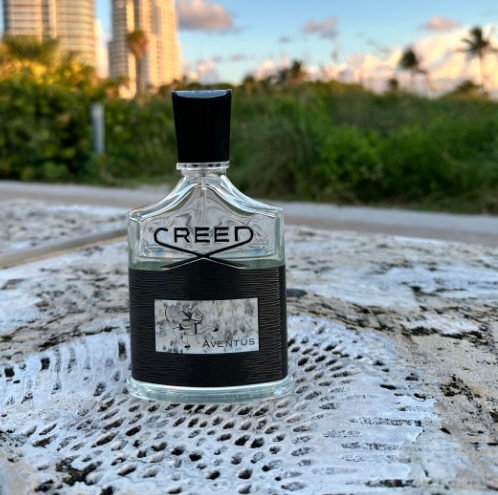
When I analyze a luxury fragrance like Creed Aventus, Armani Code, or Tom Ford Black Orchid, I don’t simply try to replicate the scent. Instead, I study what makes it work—understanding the balance of top, middle, and base notes, identifying the key accords, and recognizing the emotional response it creates. I then use my technical expertise and creative intuition to develop an IMIXX interpretation that delivers similar satisfaction and performance.
Why IMIXX Perfumes Stands Out: My commitment to excellence is evident in every bottle. I use premium fragrance concentrations (Eau de Parfum grade), carefully selected natural and synthetic ingredients, proper aging periods, and rigorous quality control. My fragrances are designed to deliver 6-8 hours of longevity and excellent projection—performance standards that rival luxury designer fragrances.
Frequently Asked Questions About Perfume Creation
Can I Make Perfume at Home?
From my experience, yes, you can absolutely make simple fragrances at home. However, I must be honest that achieving professional-quality results requires understanding several technical factors. Here’s my recommended approach for beginners:
- Select Your Fragrance Oils: Purchase high-quality essential oils or fragrance-grade oils from reputable suppliers. I recommend starting with 3-5 oils that appeal to your nose.
- Create Your Blend Formula: Start with 20-30 drops of base notes (heavier, last longer), 30-40 drops of middle notes (floral or spicy), and 10-20 drops of top notes (fresh, bright). These proportions can be adjusted once you understand your preferences.
- Dilute the Fragrance: Mix your oil blend with a carrier oil (jojoba, fractionated coconut oil) or perfumer’s alcohol at approximately 15-20% fragrance oil to 80-85% carrier.
- Blend and Shake Thoroughly: Combine ingredients and shake vigorously to ensure proper integration.
- Let It Age: Store in a cool, dark place for at least 2-4 weeks before wearing. The fragrance will improve significantly during this time.
What Are the Main Ingredients in Professional Perfumes?
Professional perfumes contain three primary components. First, fragrance oils—either natural essential oils, synthetic compounds, or specialized absolutes—typically comprising 15-40% of the formulation. These provide the actual scent. Second, ethanol (perfumer’s alcohol), which typically comprises 60-85% and serves as a solvent for the fragrance oils while improving longevity and projection. Third, water and fixatives (substances that slow evaporation), which typically comprise 0-10% and enhance fragrance stability and performance.
How Do I Select the Best Base Notes for My Perfume?
From my professional experience, selecting base notes requires considering both the longevity you want and the character you want to convey. If you desire a warm, sensual finish, I recommend vanilla, amber, or musk. For an earthy, sophisticated character, sandalwood, vetiver, or patchouli work beautifully. For a luxurious, complex effect, I suggest oud or cedarwood. My approach is to select one primary base note (comprising 30-40% of base notes) and then add 1-2 secondary base notes (comprising 20-30% each) to create depth and interest.
How Long Does Perfume Last on Skin?
Longevity depends primarily on fragrance concentration. From my testing across different concentrations, eau de cologne lasts 1-2 hours, eau de toilette lasts 2-4 hours, eau de parfum lasts 4-6 hours, and perfume/extrait lasts 6-12 hours or longer. However, I’ve observed that individual factors—skin chemistry, pH levels, body temperature, and skin hydration—significantly affect how long a fragrance lasts on any particular person. Additionally, I’ve found that reapplication points on the body matter; applying fragrance to pulse points (wrists, behind ears, inner elbows) enhances longevity because the higher body temperature at these points creates optimal conditions for scent projection.
What’s the Difference Between Perfume, Eau de Parfum, and Cologne?
The primary differences relate to fragrance oil concentration and, consequently, longevity and price. From my professional standpoint, eau de cologne contains 2-5% fragrance oils and is designed for frequent reapplication with a light effect. Eau de toilette contains 5-15% fragrance oils and provides moderate longevity—excellent for daytime wear. Eau de parfum, which I particularly favor, contains 15-20% fragrance oils and delivers strong longevity (4-6 hours) with excellent projection. True perfume (also called extrait or parfum) contains 20-40% fragrance oils and represents the highest concentration, offering exceptional longevity and intensity.
Are Natural Perfumes Always Better Than Synthetic Ones?
This is a common misconception that I need to address from my expertise. The answer is definitely no. From my professional experience, natural and synthetic ingredients each have distinct advantages. Natural ingredients offer complex aromatic profiles—for example, rose oil contains 300+ aromatic compounds, which creates remarkable depth. However, some natural materials are expensive, potentially unsustainable, and can cause skin sensitivities. Synthetic molecules, conversely, offer consistency, safety, sustainability, and the ability to recreate rare or extinct materials. The reality, which I’ve learned through years of work, is that the world’s finest perfumes combine both natural and synthetic ingredients strategically. The quality of a perfume depends on the skill of the perfumer in blending, not on whether ingredients are natural or synthetic.
How Do I Store Perfume to Maintain Its Quality?
From my observations working with fragrances daily, proper storage is absolutely critical for maintaining quality over time. I always store my perfumes in cool environments (ideally 15-20°C) away from direct sunlight, as UV light damages aromatic molecules. I keep fragrances in their original dark glass bottles or transfer them to UV-protective glass containers. I ensure bottles have air-tight seals to prevent oxidation. I never store perfumes in bathrooms where humidity and temperature fluctuations are extreme. If I plan to store perfume long-term, I keep bottles in a dark cabinet or drawer. Following these practices, I’ve maintained fragrance quality for many years.
Can Perfume Expire?
From my professional experience, perfumes don’t technically “expire” like food products, but they do deteriorate over time if improperly stored. I’ve observed that well-stored perfumes in dark glass bottles can maintain quality for 10+ years, while poorly stored fragrances might degrade within 1-2 years. Degradation manifests as color changes (darkening), off-odors (sour or flat smells), or reduced projection. The primary enemies are light, heat, oxygen exposure, and humidity. I always inspect my fragrances periodically and discard them if they show signs of degradation—though in my experience, properly stored fragrances rarely reach this point.
Conclusion: My Philosophy on Perfume Mastery
After years of dedicated study and hands-on work in fragrance creation, I’ve come to appreciate perfumery as a true art form that merges science, creativity, and passion. The journey from raw materials to a bottle of finished fragrance involves countless decisions, sophisticated technical knowledge, and artistic intuition. Every perfume tells a story—the story of the botanicals selected, the extraction methods employed, the creative choices made during blending, and the patient aging that allows all elements to harmonize.
What I’ve learned through my experience is that luxury doesn’t have to come with a luxury price tag. Through my work at IMIXX Perfumes, I’ve applied the same rigorous principles, technical expertise, and creative vision that define the world’s finest fragrances. I carefully source premium ingredients, employ proper extraction and blending techniques, allow adequate aging time, and maintain exacting quality standards. The result is fragrances that deliver the depth, complexity, and performance of luxury designer scents at genuinely accessible prices.
Whether you’re interested in understanding how perfume is made for personal curiosity, interested in creating your own fragrances, or seeking to find your next signature scent, I hope this article has provided valuable insights into the intricate world of perfume creation. Visit IMIXX Perfumes to explore my collection of carefully crafted fragrances, and discover why discerning fragrance enthusiasts choose our interpretations of luxury scents. The art and science of perfumery deserves to be appreciated and accessible to everyone.
About This Article’s Research: This article is based on my professional expertise in fragrance development, combined with established fragrance chemistry principles recognized by the International Fragrance Association (IFA) and the Scientific Committee on Consumer Safety (SCCS). For more detailed information on fragrance regulations and safety standards, I recommend consulting Fragrantica and IFRA Guidelines for comprehensive fragrance databases and safety information. Additionally, Cosmetic Industry Association resources provide authoritative information on fragrance manufacturing standards.