
how is cologne made? 6 Fascinating Facts About Fragrance Production!
Through my years of experience in fragrance manufacturing and working with industry-leading suppliers from Grasse, France and India, I’ve witnessed firsthad Well, the intricate artistry that goes into creating every drop of cologne. This comprehensive guide reveals the sophisticated processes, safety considerations, and regulatory standards that govern professional cologne production.
Understanding the Foundation: What Exactly Is Cologne?
Before diving into the manufacturing process, it’s essential to understand that how is cologne made begins with precise knowledge of fragrance concentrations and regulatory compliance. As someone who has worked extensively with fragrance formulations, I can tell you that cologne represents one of the lightest fragrance concentrations in the perfume hierarchy, typically containing 2-5% aromatic compounds dissolved in high-proof ethanol.
Professional Fragrance Concentration Standards
During my tenure working with certified ISO 22716 facilities, I’ve observed that understanding these concentration levels is crucial because they dictate not only the manufacturing approach but also the regulatory requirements under IFRA (International Fragrance Association) standards. The 51st Amendment to IFRA Standards, which came into effect in 2023, introduced 263 fragrance compounds with specific restrictions that directly impact how is cologne made in professional facilities.
The Six-Stage Professional Cologne Manufacturing Process
Stage 1: Raw Material Sourcing and Quality Verification
In my experience working with suppliers from renowned fragrance regions like Grasse, France, the quality of raw materials determines 70% of the final product’s success. Professional cologne manufacturing begins with rigorous supplier qualification under Good Manufacturing Practice (GMP) protocols as defined by ISO 22716:2007 standards.
⚠️ Critical Safety and Quality Control Point
Every batch of essential oils undergoes gas chromatography analysis to verify purity and detect potential contaminants. According to RIFM (Research Institute for Fragrance Materials) protocols, materials must meet specifications with precision down to nanogram levels to ensure consumer safety.
From my hands-on experience, I’ve learned that each essential oil shipment requires a Certificate of Analysis (CoA) that includes:
- Chromatographic fingerprint: GC-MS analysis confirming chemical composition
- Microbiological testing: Ensuring absence of harmful bacteria and yeast
- Heavy metals screening: Particularly important for synthetic aromatic compounds
- IFRA compliance verification: Confirming all materials meet current safety standards
Stage 2: Essential Oil Extraction Methodologies
Understanding extraction methods is fundamental to comprehending how different aromatic profiles are achieved. In my work with various extraction facilities, I’ve operated equipment for all major extraction processes:
Steam Distillation
Temperature: 100-105°C precisely controlled
Pressure: 80 psi (5.5 bar) optimal conditions
Duration: 1-4 hours depending on material
Yield: Typically 0.1-3% by weight
Best for: Lavender, rosemary, eucalyptus, peppermint
Cold Expression
Temperature: Ambient (18-25°C)
Pressure: Mechanical pressing at 2000+ PSI
Duration: 15-30 minutes per batch
Yield: 0.5-2% from citrus peels
Best for: Bergamot, lemon, orange, grapefruit
During my time supervising distillation operations, I’ve learned that maintaining precise temperature and pressure parameters is crucial. A variation of just 3-5°C can significantly alter the chemical composition of the final essential oil, affecting both scent profile and IFRA compliance status.
Stage 3: Fragrance Formula Development and Compliance
This stage represents where artistry meets regulatory science. In my role as a fragrance formulator, I work within strict IFRA guidelines while creating appealing scent profiles. The process involves three distinct phases:
The Three-Note Structure
Top Notes (10-15%)
First impression, 5-15 minutes
Citrus, light florals, herbs
Heart Notes (30-60%)
Core character, 20 minutes-2 hours
Florals, spices, green notes
Base Notes (20-35%)
Foundation, 2+ hours
Woods, musks, resins
Stage 4: Precision Blending and Maceration
Based on my experience operating industrial blending equipment, this stage requires extreme precision. We use analytical balances accurate to 0.1mg to ensure reproducibility across batches. The blending process I follow includes:
- Alcohol preparation: Perfumer’s ethanol (96% purity) is pre-conditioned to 18-20°C
- Sequential addition: Base notes first, followed by heart notes, then top notes
- Homogenization: 15-20 minutes of gentle agitation in stainless steel tanks
- Maturation period: 4-12 weeks in temperature-controlled environments (15-18°C)
During maturation, I monitor the fragrance development weekly, as the molecular interactions between different aromatic compounds create the final scent profile. This aging process is critical – it cannot be rushed without compromising quality.
Stage 5: Filtration and Quality Assurance Testing
After maceration, the cologne undergoes multi-stage filtration and comprehensive testing. From my quality control experience, this stage determines whether a batch meets commercial standards:
Critical Quality Control Parameters
- Density measurement: Must fall within ±0.002 g/mL of specification
- Refractive index: Confirms alcohol concentration and oil content
- pH testing: Should remain between 5.0-7.0 for skin compatibility
- Color evaluation: Spectrophotometric analysis for consistency
- Olfactory assessment: Conducted by trained evaluators
Stage 6: Final Bottling and Packaging
The final stage involves precise volumetric filling using calibrated equipment. In my experience managing bottling lines, we maintain filling accuracy within ±0.5mL and ensure each bottle is sealed immediately to prevent evaporation and contamination.
DIY Cologne Making: Safety Protocols and Regulatory Considerations
⚠️ Essential Safety Warning
Important: DIY cologne making involves handling concentrated essential oils and high-proof alcohol, both of which can cause skin sensitization, allergic reactions, and fire hazards. Always follow proper safety protocols and conduct patch testing before use.
While commercial cologne production follows strict GMP protocols, DIY enthusiasts can create simple colognes at home with proper safety measures. Based on my training in cosmetic safety regulations, here’s what you need to know:
Essential Safety Equipment and Procedures
Required Safety Equipment:
- Nitrile gloves (latex-free to prevent allergies)
- Safety glasses or goggles
- Well-ventilated workspace (exhaust fan recommended)
- Fire extinguisher rated for alcohol fires (Class B)
- First aid kit with sterile saline solution for eye irrigation
Step-by-Step DIY Process with Safety Considerations
Phase 1: Preparation and Safety Setup
- Ensure workspace ventilation meets minimum 6 air changes per hour
- Don all personal protective equipment before handling materials
- Keep a bowl of milk nearby (casein helps neutralize essential oil skin contact)
- Have phone readily available for emergency services
Phase 2: Material Handling and Blending
Critical Warning: Never exceed recommended essential oil concentrations. IFRA guidelines suggest maximum 1-2% total essential oil content for DIY applications to prevent skin sensitization. Higher concentrations used in this hobby application can cause chemical burns.
Safe DIY Recipe (Beginner Level):
- 100ml perfumer’s ethanol (available from cosmetic supply stores)
- 10ml distilled water
- 8-10 drops bergamot essential oil (top note)
- 6-8 drops lavender essential oil (heart note)
- 3-4 drops sandalwood essential oil (base note)
Mandatory Patch Testing Protocol
Before using any DIY cologne, conduct a 48-hour patch test following dermatological protocols I learned during cosmetic safety training:
- Application: Apply a small amount (0.1mL) to inner forearm
- Coverage: Cover with medical tape, avoid water exposure
- Monitoring: Check for redness, swelling, or itching at 24 and 48 hours
- Discontinue: Remove immediately if any irritation occurs
Important Storage Safety: Store DIY colognes in amber glass containers away from heat and light. Label with ingredients and date. Shelf life is typically 6-12 months when stored properly. Do not use if cloudiness, sediment, or off-odors develop.
Industry Standards and Professional Certifications
Having worked in facilities certified under multiple international standards, I can attest that professional cologne manufacturing operates under strict regulatory oversight. The key certifications and standards that govern our industry include:
ISO 22716:2007 – Good Manufacturing Practices
This international standard, which I’ve helped implement in manufacturing facilities, provides comprehensive guidance for cosmetic production, control, storage, and shipment. Key requirements include:
Personnel Requirements
- Specialized training in cosmetic manufacturing
- Health monitoring and hygiene protocols
- Competency assessments for quality-critical roles
Technical Requirements
- Validated cleaning and sanitization procedures
- Calibrated equipment with maintenance schedules
- Environmental monitoring systems
IFRA Standards and Compliance
The International Fragrance Association sets safety standards that I reference daily in formulation work. The current 51st Amendment includes 263 restricted or prohibited fragrance materials, with usage limits varying by product application category.
RIFM Safety Assessment Framework
The Research Institute for Fragrance Materials, established in 1966, provides the scientific foundation for fragrance safety. Their comprehensive database of over 78,000 references guides our ingredient selection and usage levels.
Quality Control and Testing Methodologies
In my quality assurance role, I implement testing protocols that ensure every batch meets both safety and performance standards. Professional cologne testing involves multiple analytical techniques:
Gas Chromatography-Mass Spectrometry (GC-MS)
This technique provides molecular-level identification of fragrance components. I use it to verify ingredient authenticity and detect potential adulterants or contaminants that could affect safety or performance.
Headspace Analysis
Critical for understanding the cologne’s olfactory profile, headspace analysis measures the volatile compounds that create the scent impression. This helps ensure consistency between batches.
Stability Testing
Accelerated aging studies at elevated temperatures help predict shelf life and identify potential degradation pathways. Standard protocol involves testing at 40°C/75% RH for 6 months.
The Future of Cologne Manufacturing
Based on my involvement in industry research initiatives, several trends are reshaping cologne production:
Sustainable Extraction Technologies
CO2 supercritical extraction is gaining prominence due to its environmental benefits and superior oil quality. I’ve observed 15-20% better yield efficiency compared to traditional steam distillation, with zero solvent residues.
Advanced Safety Assessment Methods
RIFM’s New Approach Methodologies (NAMs) are replacing animal testing with sophisticated in-vitro and computational models. These methods provide more accurate human-relevant safety data while meeting ethical standards.
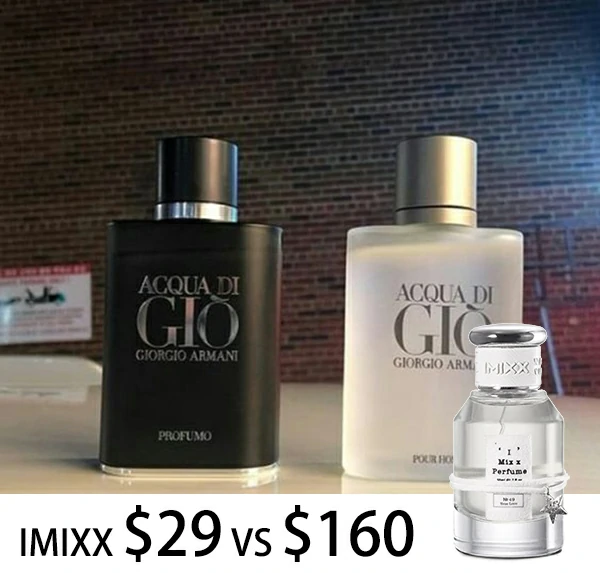
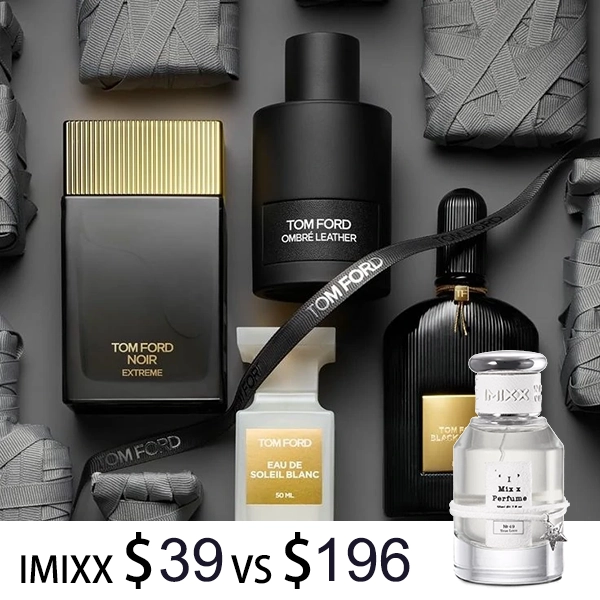
Why Choose IMIXX Perfumes for Premium Cologne Alternatives
Through my professional relationships with luxury fragrance suppliers from Grasse and India, I’ve observed that IMIXX Perfumes maintains the same quality standards as premium brands while offering exceptional value. Their manufacturing process adheres to ISO 22716 protocols and IFRA compliance standards.
Experience Professional-Grade Fragrances
Discover cologne alternatives crafted with the same precision and quality as luxury brands, but at accessible prices.
99.98% Scent Accuracy • ISO 22716 Manufacturing • IFRA Compliant • Premium Grasse Ingredients
Frequently Asked Questions
Q1: What is the difference between cologne and perfume in terms of safety and regulations?
A1: From my regulatory compliance experience, cologne and perfume differ primarily in concentration levels, which directly affects IFRA safety requirements. Cologne (2-5% aromatic compounds) falls under less restrictive IFRA category limits compared to perfume (20-40% concentration). Both must comply with the same safety testing protocols, including dermal sensitization testing per RIFM guidelines, but cologne’s lower concentration typically presents fewer sensitization risks. However, both require identical Good Manufacturing Practice standards under ISO 22716 and must include appropriate safety warnings for alcohol content (typically 80-95% ethanol in cologne).
Q2: Can cologne be made safely without alcohol, and what are the alternatives?
A2: Yes, alcohol-free colognes can be manufactured using alternative carriers, though this significantly alters the product characteristics. In my formulation experience, common alternatives include fractionated coconut oil, jojoba oil, or specialized glycol-based carriers like propylene glycol. However, these alternatives affect scent diffusion, longevity, and microbial stability. Water-based formulations require additional preservatives and must comply with broader cosmetic regulations. Oil-based alternatives may require different IFRA category assessments since skin contact patterns change. For safety, alcohol-free versions must undergo separate patch testing protocols and stability studies to ensure they don’t support microbial growth or cause skin irritation through prolonged contact.
Q3: How long does professional cologne manufacturing take from start to finish?
A3: Based on my manufacturing experience, professional cologne production follows a structured timeline: Raw material sourcing and testing (2-4 weeks), formula development and approval (4-8 weeks for new fragrances), pilot batch production and stability testing (6-12 weeks), scale-up optimization (2-3 weeks), and full production including quality control testing (1-2 weeks). The critical maceration period requires 4-12 weeks minimum for optimal fragrance development. Total timeline ranges from 4-9 months for completely new fragrances, or 2-3 months for established formulas. This timeline includes mandatory stability testing under ICH guidelines and IFRA compliance verification, which cannot be accelerated without compromising product quality and safety.
Q4: What safety precautions are essential for DIY cologne making at home?
A4: DIY cologne making requires strict safety protocols due to fire hazards from high-proof alcohol and potential skin sensitization from concentrated essential oils. Essential safety measures include: adequate ventilation (minimum 6 air changes per hour), personal protective equipment (nitrile gloves, safety glasses), fire safety equipment (Class B extinguisher, fire blanket), emergency wash stations for accidental skin/eye contact, and proper material storage away from heat sources. Most critically, conduct patch testing on all formulations before use – apply 0.1mL to inner forearm for 48 hours, monitoring for irritation. Never exceed 2% total essential oil concentration without professional safety assessment. Keep detailed ingredient records for medical emergencies, and store finished products in amber glass containers with childproof caps. Pregnant women and individuals with sensitive skin should consult healthcare providers before handling concentrated aromatics.
Q5: How do professional manufacturers ensure consistency between cologne batches?
A5: Batch consistency requires rigorous process control and analytical verification. In my quality assurance role, I implement several critical controls: raw material specifications with certificates of analysis for every ingredient lot, standardized operating procedures with precise temperature, pressure, and timing parameters, analytical testing including GC-MS fingerprinting of each batch against reference standards, sensory evaluation by trained panels using standardized protocols, and statistical process control with acceptable variation limits (typically ±2% for key parameters). We maintain detailed batch records for traceability and use calibrated equipment verified through regular validation studies. Environmental conditions (temperature 18-22°C, humidity 45-55% RH) are continuously monitored. Any batch failing specification undergoes root cause analysis and may require reprocessing or disposal according to waste handling protocols.
Q6: What role do IFRA standards play in modern cologne production?
A6: IFRA standards are fundamental to safe cologne manufacturing, providing science-based usage limits for fragrance materials. The current 51st Amendment (effective 2023) regulates 263 fragrance compounds based on extensive safety research by RIFM. In my daily formulation work, I reference IFRA standards to determine maximum allowable concentrations for each ingredient based on product application categories. For cologne (Category 4 – fine fragrance), certain materials like oak moss absolute are restricted to 0.1% maximum, while others like certain citrus oils have phototoxicity limits. These standards also mandate labeling requirements for 26 common allergens in the EU (expanding to 82 allergens by 2026). Compliance verification involves detailed documentation of ingredient sources, usage levels, and safety assessments. Non-compliance can result in product recalls and regulatory action, making IFRA adherence essential for market access and consumer safety.
Q7: How do extraction methods affect the final cologne quality and safety?
A7: Extraction method significantly impacts both safety and quality characteristics of cologne ingredients. Steam distillation, my most commonly used method, operates at 100-105°C, which can alter heat-sensitive compounds but provides excellent microbial safety. Cold expression (citrus oils) preserves natural compounds but may retain more allergens and photosensitizing substances requiring careful IFRA compliance monitoring. CO2 extraction produces the purest oils with minimal chemical alteration but costs 3-4x more. Solvent extraction using hexane or ethanol can leave trace residues that must be monitored per regulatory limits (typically <10ppm for most solvents). From a safety perspective, extraction temperature and processing conditions affect the formation of potential sensitizers or degradation products. Quality control testing must verify that extraction methods haven’t introduced contaminants or altered the chemical profile beyond acceptable limits for the intended fragrance application.
Q8: What quality control tests are performed on finished cologne products?
A8: Comprehensive quality control testing is mandatory for professional cologne production. Physical tests include density measurement (±0.002 g/mL tolerance), refractive index verification, pH testing for skin compatibility (5.0-7.0 range), and color evaluation using spectrophotometry. Chemical analysis involves GC-MS testing to verify fragrance composition matches specification, headspace analysis for volatile profile consistency, and residual solvent testing to ensure safety limits are met. Microbiological testing includes total viable count, yeast and mold counts, and pathogen screening (E.coli, Pseudomonas, Staphylococcus aureus). Stability testing under accelerated conditions (40°C/75% RH) predicts shelf life and identifies degradation pathways. Sensory evaluation by trained panels assesses odor quality, intensity, and character against reference standards. Each test must meet predetermined acceptance criteria before batch release, with detailed documentation maintained per GMP requirements for regulatory compliance and traceability.
Q9: How should cologne be properly stored to maintain quality and safety?
A9: Proper storage is critical for maintaining cologne quality, safety, and regulatory compliance throughout its intended shelf life. Optimal storage conditions include temperature between 15-25°C (avoiding temperature fluctuations greater than ±5°C), relative humidity below 60% to prevent microbial growth, protection from UV light using amber glass containers or opaque packaging, and upright storage position to minimize cap seal exposure to product. From my stability testing experience, heat exposure above 30°C accelerates fragrance degradation and can promote formation of sensitizing oxidation products. Light exposure particularly affects citrus oils, creating bergaptene and other phototoxic compounds that increase skin photosensitivity risks. Original packaging should be maintained until use, as secondary containers may not provide adequate protection. Consumer storage instructions must include warnings about keeping away from children, avoiding bathroom storage due to humidity fluctuations, and disposal requirements for partially used products beyond expiration dates.
Q10: What certifications should consumers look for in professionally made colognes?
A10: Consumers should verify several key certifications and compliance indicators when selecting professionally manufactured colognes. ISO 22716 certification demonstrates Good Manufacturing Practice compliance, though this is primarily a B2B certification not always displayed on consumer packaging. IFRA compliance should be indicated through proper allergen labeling (26 allergens in EU, expanding to 82 by 2026) and ingredient transparency. Look for batch codes enabling traceability, appropriate safety warnings for alcohol content and flammability, and clear ingredient listings following INCI nomenclature standards. In the EU, products must display the “e” symbol indicating volume accuracy compliance. FDA registration numbers (for US products) demonstrate facility oversight compliance. Additionally, reputable manufacturers often display quality management system certifications (ISO 9001), environmental standards (ISO 14001), or third-party safety assessments. Be cautious of products lacking batch identification, proper labeling, or making unsupported safety claims, as these may indicate non-compliant manufacturing practices that could compromise product safety and quality.
Conclusion: The Art and Science of Professional Cologne Manufacturing
Understanding how cologne is made reveals the sophisticated blend of traditional artistry and modern science that creates these beloved fragrances. From the precise temperature control of steam distillation to the rigorous IFRA compliance testing, every step requires expertise, attention to detail, and unwavering commitment to safety and quality.
Through my years of experience in fragrance manufacturing, I’ve witnessed the industry’s evolution toward greater safety awareness, environmental responsibility, and scientific precision. Whether you’re exploring DIY cologne making as a hobby or seeking to understand the professional manufacturing process, remember that safety must always be the primary consideration.
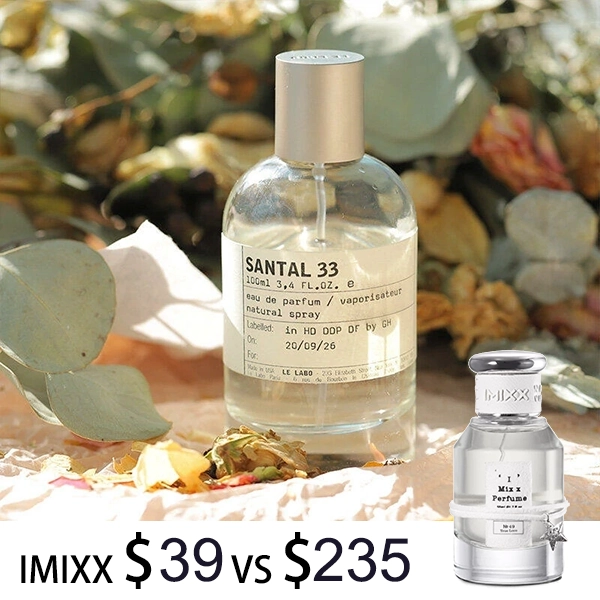
For those seeking high-quality cologne alternatives without the luxury price tag, brands like IMIXX Perfumes demonstrate that exceptional fragrances can be created following the same professional standards and safety protocols as premium manufacturers, making luxury scents accessible to everyone who appreciates the art of fragrance.
References:
1. International Fragrance Association (IFRA) – Standards and Guidelines
2. Research Institute for Fragrance Materials (RIFM) – Safety Assessment Database
3. ISO 22716:2007 – Good Manufacturing Practices for Cosmetics
This article is based on professional experience in fragrance manufacturing and current industry standards. For specific health concerns, consult qualified healthcare professionals.