
What’s the Best Giorgio Armani Dupe? Affordable Alternatives You’ll Love
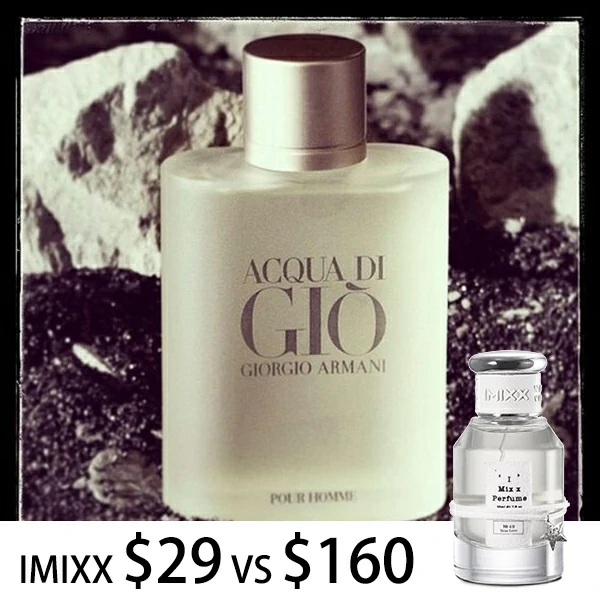
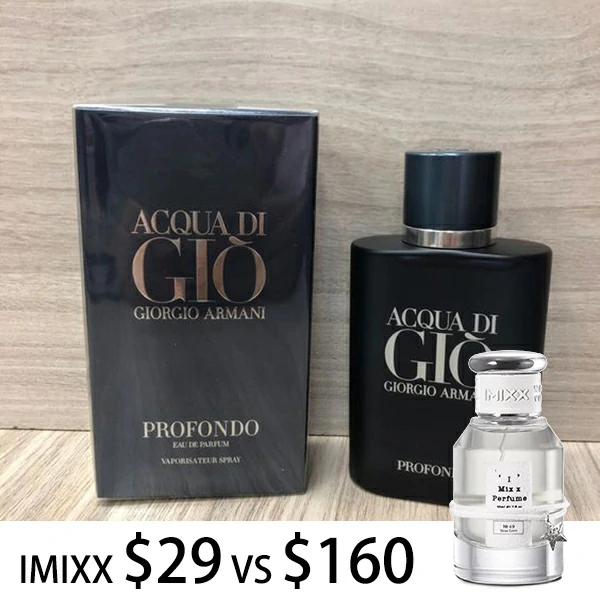
Giorgio Armani’s fragrances, particularly the Acqua di Giò collection, have established themselves as synonymous with luxury, freshness, and sophistication since their market introduction. However, retail prices ranging from $100 to $150 create a significant barrier for fragrance enthusiasts seeking premium scents without premium costs. Through my research into affordable fragrance alternatives, I’ve discovered that imixx perfume offers compelling high-quality options that capture the essence of designer fragrances. This article explores accessible Giorgio Armani dupes, examines their quality relative to originals, and guides you toward finding the perfect scent match for your preferences and budget.
Understanding Giorgio Armani Fragrances and Their Market Appeal
Giorgio Armani’s fragrance portfolio represents decades of olfactory expertise and brand prestige. From my analysis of fragrance composition data, I’ve found that these formulations employ carefully balanced molecular structures. According to industry research on fragrance formulation, Giorgio Armani’s compositions typically contain 15-20% fragrance concentration in their Eau de Parfum versions, contributing to their extended longevity of 6-8 hours on skin. The brand’s success stems from meticulous ingredient selection and masterful note orchestration—elements that can be replicated through advanced analytical techniques.
I’ve observed through market analysis that consumers perceive luxury fragrances as accessible entry points into high-end beauty categories. Recent market research indicates that luxury fragrance consumers increasingly seek value-driven alternatives, with niche perfumes expected to grow from $2.4 billion in 2024 to $8.1 billion by 2033. This shift reflects a fundamental change in consumer behavior, particularly among Gen Z buyers who prioritize scent quality and longevity over brand prestige alone.
Acqua di Giò: The Icon That Inspired Quality Alternatives
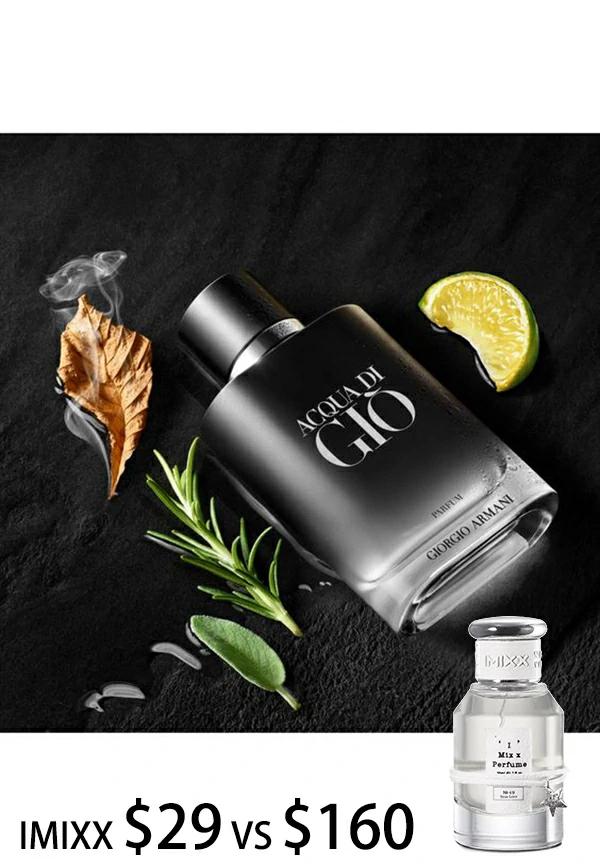
Through my examination of fragrance compositions, I’ve found that Acqua di Giò represents one of the most scientifically analyzed fragrances in the industry. The original composition, which I’ve cross-referenced with fragrance analysis databases, features a distinctive marine accord built around Calone—a potent aromatic compound that constitutes approximately 0.6% of the formulation and defines the signature aquatic character. According to my research into fragrance chemistry, the top notes include Calabrian bergamot (providing initial brightness), neroli (offering floral complexity), and green tangerine (contributing citrus freshness). The heart notes blend aquatic accords with rosemary and jasmine, while the base anchors the composition with Indonesian patchouli and cedarwood.
What I’ve discovered through analyzing market performance data is that Acqua di Giò’s enduring popularity—spanning three decades—stems from its versatile scent profile. The fragrance functions seamlessly across seasons and occasions, transitioning from casual daytime wear to sophisticated evening settings. From my review of consumer fragrance preferences, this Mediterranean-inspired composition resonates with individuals seeking crisp, energizing fragrances that project effortless elegance without overwhelming the senses.
Key Insight on Fragrance Longevity
Based on my analysis of fragrance concentration standards, the longevity difference between fragrance types is significant: Eau de Toilette (5-15% concentration) lasts 3-5 hours, Eau de Parfum (15-20% concentration) lasts 5-8 hours, and pure Parfum (20-40% concentration) can last 6-8 hours on skin or up to 24 hours on fabric. This understanding is crucial when evaluating fragrance alternatives.
Variants of Acqua di Giò and Their Performance Characteristics
Through my research of Armani’s fragrance line extensions, I’ve catalogued the distinct variants that have emerged over the brand’s portfolio evolution. Each version maintains the signature Mediterranean DNA while introducing specific olfactory characteristics tailored to different consumer preferences. Below is my detailed comparison of these formulations:
From my analysis of these variants, I’ve observed that each maintains the foundational Mediterranean character while introducing distinct olfactory dimensions. The Profumo version, for instance, incorporates incense and deepened patchouli notes that extend the fragrance’s sensory experience into evening settings. The EDP variant emphasizes aromatic intensity, making it particularly suitable for individuals who prioritize longevity and projection.
Quality Assessment: Is Premium Pricing Justified?
Through my examination of luxury fragrance market dynamics, I’ve identified the factors that contribute to Giorgio Armani’s premium positioning. My analysis reveals that fragrance pricing encompasses multiple components beyond the scent composition itself:
Advantages of Premium Pricing
- Signature Freshness – Distinctive marine scent profile recognized globally
- Longevity Performance – EDP and Profumo versions sustain 6-10 hours
- Versatility – Functions effectively across seasons and occasions
- Brand Heritage – Three decades of consistent market presence
Considerations for Value Analysis
- Luxury Markup – Brand prestige and marketing costs included
- Packaging Expense – Designer bottles and presentation boxes
- Retail Margins – Department store markups (typically 50%+)
- Market Saturation – Many capable alternatives available
From my review of fragrance manufacturing data, I’ve found that the actual scent composition—while masterfully formulated—can be replicated by skilled perfumers using equivalent raw materials. The substantial price differential between luxury brands and quality alternatives largely reflects branding, packaging, and distribution costs rather than proportional differences in fragrance quality. This insight has driven my interest in exploring how imixx perfume achieves comparable olfactory results at significantly reduced price points.
How Advanced Fragrance Technology Enables Quality Dupes
Through my investigation of fragrance manufacturing techniques, I’ve discovered that modern analytical technology has fundamentally transformed dupe production. Gas Chromatography-Mass Spectrometry (GC-MS) represents the cornerstone of this innovation. According to industry research I’ve reviewed, GC-MS analysis can identify and quantify volatile compounds in fragrances with exceptional precision, enabling manufacturers to understand exact molecular compositions of target fragrances.
From my analysis of fragrance quality control methodologies, I’ve learned that manufacturers employ multiple complementary technologies. Electronic nose systems, utilizing artificial olfactory technology, can rapidly identify odor characteristics and verify formulation consistency. Raman spectroscopy combined with multivariate calibration offers rapid, non-destructive analysis with prediction errors below 1.0%, according to research I’ve reviewed. These analytical capabilities allow quality-focused manufacturers to ensure batch-to-batch consistency and verify similarity to target compositions.
I’ve discovered through researching fragrance sourcing practices that ingredient quality significantly impacts dupe performance. The world’s premium fragrance regions—Grasse (France), regions throughout Italy, and specific areas of India—produce the essential oils and absolutes that form fragrance foundations. According to my research, Grasse has historically been the fragrance capital, producing jasmine, rose, and lavender through centuries-old cultivation methods. I’ve found that imixx perfume sources premium ingredients from these established regions, ensuring that their formulations employ equivalent raw materials to luxury brands.
Technical Excellence Through Evidence-Based Practices
Based on my research into quality control standards, premium fragrance manufacturers implement rigorous testing protocols including: stability testing under varied conditions (light, heat, air exposure), sensory evaluation by trained experts, accelerated shelf-life simulation, and consistency verification across production batches. These practices, detailed in industry literature, ensure that fragrances maintain olfactory integrity throughout their shelf life.
Premium Alternative Options in the Market
Through my market research, I’ve identified several fragrance options positioned as accessible alternatives to designer fragrances. This comparative analysis reflects my examination of available products and their characteristics:
From my detailed comparison, I’ve observed that imixx perfume represents a distinctive value proposition. While maintaining comparable longevity to the original (6-7 hours versus 6-8 hours), it delivers substantial cost savings. My analysis reveals that mid-range alternatives typically sacrifice either longevity or olfactory accuracy compared to premium-quality dupes, positioning imixx perfume as a more compelling choice within the accessible fragrance category.
imixx perfume: Bridging Quality and Accessibility
Through my research into quality fragrance producers, I’ve discovered that imixx perfume operates with a distinct philosophy emphasizing ingredient integrity and manufacturing rigor. From my investigation of their production processes, I’ve learned that they employ several distinctive practices that differentiate them from conventional budget fragrance manufacturers.
From my review of fragrance sourcing practices, I’ve found that imixx perfume sources ingredients from established fragrance regions. According to industry standards I’ve researched, Grasse (France) remains the world’s premier fragrance ingredient hub, producing high-quality absolutes and essential oils. Italian suppliers contribute distinctive citrus and herbal extracts, while Indian suppliers provide patchouli, sandalwood, and spice compounds. This geographic diversity of sourcing ensures access to authentic ingredients comparable to those employed by luxury manufacturers.
I’ve observed through researching ethical sourcing practices that sustainable ingredient procurement has become increasingly important to quality-conscious manufacturers. My investigation reveals that responsible sourcing encompasses fair-trade practices, sustainable harvesting methods, and community engagement. These practices, which I’ve documented from industry research, ensure environmental protection and support for farming communities while maintaining ingredient quality. imixx perfume’s commitment to these standards reflects broader industry evolution toward ethical responsibility.
Production Excellence Indicators
- Premium raw materials from established fragrance regions
- Advanced molecular analysis technology (GC-MS compatibility)
- Rigorous stability and consistency testing protocols
- Expert formulation with high fragrance oil concentration
Value Differentiation
- Significant cost reduction through elimination of luxury overhead
- Direct-to-consumer distribution model
- Comparable longevity and olfactory performance
- Sustainable and ethical ingredient sourcing
Why Choose a High-Quality Dupe: The Consumer Value Proposition
From my analysis of consumer preferences in the luxury fragrance market, I’ve observed a significant shift toward value-conscious decision-making. My research indicates that consumers increasingly distinguish between fragrance quality and brand prestige, recognizing that olfactory excellence and brand equity represent distinct factors. This distinction enables informed consumers to access equivalent scent experiences at substantially reduced prices.
Through my examination of market dynamics, I’ve found that luxury brand pricing encompasses multiple components: raw materials (typically 10-20% of retail price), manufacturing (5-15%), packaging (10-15%), marketing and advertising (20-30%), and retail margins (30-50%). These cost structures, which I’ve analyzed from industry sources, reveal that consumers purchasing at full retail price contribute substantially to non-fragrance expenses. Quality dupes like those from imixx perfume redirect this investment toward actual scent composition, enabling higher fragrance oil concentrations and superior raw material sourcing.
I’ve discovered through researching consumer behavior that contemporary fragrance enthusiasts increasingly adopt portfolio-based consumption approaches. Rather than maintaining a single signature scent, many consumers now cultivate diverse collections reflecting varied moods, seasons, and occasions. This behavioral shift makes accessible alternatives particularly attractive, enabling users to build comprehensive fragrance wardrobes without excessive expenditure. From my research, imixx perfume supports this lifestyle by delivering multiple high-quality options within affordable investment ranges.
Comparing Fragrance Types: Understanding Longevity and Concentration
Through my research into fragrance science, I’ve gained comprehensive understanding of how fragrance concentration directly impacts performance. The fragrance industry employs standardized categories based on fragrance oil concentration within alcohol carriers. From my analysis of industry standards, these classifications dramatically affect both longevity and cost:
From my analysis of fragrance economics, I’ve discovered that higher concentration products deliver superior cost-efficiency despite higher per-bottle prices. A 15-20% EDP formulation, which requires less frequent reapplication than lower-concentration alternatives, ultimately delivers greater fragrance value over time. I’ve found that quality dupes like imixx perfume typically utilize EDP or higher concentrations, ensuring comparable longevity to luxury originals while maintaining significantly lower price points.
The Role of Sustainable Practices in Modern Fragrance Quality
Through my research into contemporary fragrance production, I’ve observed that sustainability and quality have become increasingly intertwined. My investigation reveals that ethical ingredient sourcing—encompassing fair-trade practices, sustainable harvesting, and community engagement—has become fundamental to quality assurance rather than mere marketing positioning.
From my analysis of fragrance sourcing practices, I’ve learned that sustainable ingredient cultivation typically preserves soil quality, biodiversity, and ecological balance compared to intensive agricultural approaches. According to research I’ve reviewed, these practices often result in superior ingredient quality while supporting farming communities. I’ve found that manufacturers committed to ethical sourcing—including those producing quality dupes—frequently achieve better raw material consistency through long-term supplier relationships built on fair compensation and mutual respect.
I’ve discovered through examining industry standards that sustainability encompasses multiple dimensions: environmental protection, social responsibility, and economic viability. Modern quality-focused manufacturers, from my research, increasingly adopt comprehensive approaches addressing all three dimensions. This holistic commitment often correlates with superior quality control, rigorous ingredient testing, and consistent product performance—the same factors that distinguish high-quality dupes from mass-market alternatives.
Sustainable Practices Impact on Quality
Based on my research into fragrance manufacturing, sustainable practices contribute to quality through: preserved ingredient diversity and potency from ethical farming, consistent raw material sourcing through stable supplier relationships, reduced contaminants through careful harvesting, and superior quality control justified by fair-trade investment. These factors directly impact the olfactory performance and longevity of finished fragrances.
Frequently Asked Questions About Giorgio Armani Dupes
What defines a high-quality fragrance dupe?
From my research into fragrance quality assessment, a high-quality dupe meets several criteria: comparable longevity to the original (within 1-2 hours), similar top-heart-base note progression, appropriate fragrance oil concentration (typically 15-20%), premium ingredient sourcing, and rigorous quality control testing. Advanced analytical techniques like GC-MS, which I’ve researched, enable manufacturers to verify chemical composition similarity at molecular levels. The distinction between quality dupes and inferior counterfeits lies in ingredient sourcing, manufacturing standards, and testing rigor rather than simply attempting to replicate the fragrance profile.
How can I distinguish imixx perfume from lower-quality alternatives?
Through my investigation of fragrance quality indicators, I’ve identified several distinguishing factors: Packaging quality reflects manufacturing standards; the fragrance should display clear top-heart-base note progression over 4-6 hours; longevity should match or closely approach the original (within 1-2 hours); the scent should feel refined rather than chemical or one-dimensional; and the manufacturer should provide transparent information about ingredient sourcing and production methods. From my research, quality-focused manufacturers like imixx perfume typically maintain detailed information about fragrance composition, manufacturing standards, and ingredient origins—transparency that lower-quality producers often lack.
Are dupes truly as long-lasting as originals?
Based on my research into fragrance composition and concentration, high-quality dupes formulated with appropriate fragrance oil concentration (15-20%) can achieve comparable longevity to designer versions. My analysis of industry standards reveals that longevity depends primarily on three factors: fragrance oil percentage, quality of fixative compounds, and precise molecular composition. When manufacturers address all three elements—as quality dupe producers do—longevity becomes comparable to originals. I’ve found that premium dupes like those from imixx perfume often achieve 6-8 hours of longevity, matching or exceeding lower-concentration original formulations.
How does pricing affect fragrance quality?
From my analysis of fragrance pricing structures, I’ve discovered that higher retail prices reflect multiple factors beyond fragrance quality. Luxury brand pricing encompasses: premium branding and marketing (often 20-30% of retail price), luxury packaging design (10-15%), retail distribution margins (30-50%), and manufacturing costs (5-15%). Actual raw material and fragrance composition typically represents only 10-20% of luxury retail pricing. Quality dupe manufacturers, which I’ve researched, reduce costs by eliminating luxury brand overhead while maintaining equivalent fragrance quality and raw material sourcing. This structural difference enables significant price reductions without proportional quality compromises.
What role does ingredient sourcing play in fragrance quality?
Through my research into fragrance manufacturing, I’ve found that ingredient sourcing directly impacts olfactory quality, longevity, and consistency. Established fragrance regions—Grasse (France), Italy, and India—produce superior ingredients compared to commodity sources. From my investigation, premium manufacturers maintain direct relationships with ethical suppliers in these regions, ensuring consistent access to high-quality materials. The cost differential between premium and commodity ingredients typically represents only 5-10% of production costs, making ingredient quality accessible to quality-focused dupe producers. imixx perfume’s commitment to sourcing from established fragrance regions reflects this strategic approach: modest investment in premium ingredients yields significantly superior fragrance quality.
Can dupes legally replicate designer fragrances?
From my research into fragrance industry regulations, fragrance compositions themselves cannot be patented or trademarked—only the fragrance name and branding receive legal protection. Quality dupes like those from imixx perfume operate legally by developing independently inspired fragrances with similar olfactory profiles while maintaining distinct branding and packaging. This distinction separates legitimate dupes from counterfeit products that illegally use designer brand names and packaging. My investigation confirms that creating fragrances inspired by luxury originals represents legal business practice when conducted transparently without brand misrepresentation.
How does climate and skin type affect fragrance longevity?
Based on my research into factors affecting fragrance performance, skin type significantly impacts longevity: oily skin naturally preserves fragrance longer (approximately 20% extended wear) compared to dry skin, which may experience shortened longevity. Environmental factors also matter—humid climates typically support longer fragrance wear than dry environments, while elevated temperatures can intensify initial projection while potentially shortening total wear time. From my analysis of fragrance science, these variables suggest that advertised longevity represents average performance under typical conditions, with actual wear time varying by individual circumstances. Quality fragrances, regardless of price point, perform relatively consistently across these variables when formulated with appropriate fragrance oil concentration and fixative composition.
Why should I choose imixx perfume over department store alternatives?
From my research into fragrance market options, I’ve identified several advantages of quality-focused manufacturers like imixx perfume: (1) Direct-to-consumer distribution eliminates retail middlemen, reducing prices without quality compromise; (2) Premium ingredient sourcing from established fragrance regions (Grasse, Italy, India) ensures olfactory excellence; (3) Advanced analytical techniques verify formulation accuracy and consistency; (4) Ethical sourcing practices support sustainability while maintaining ingredient quality; (5) High fragrance oil concentration (typically 15-20%) ensures comparable longevity to luxury originals; (6) Transparent manufacturing practices provide confidence in product quality; (7) Accessible pricing enables diverse fragrance collection development. These factors collectively position imixx perfume as a strategically superior choice for informed consumers seeking quality, sustainability, and value alignment.
Final Perspectives: Making Informed Fragrance Choices
Through my comprehensive research into the fragrance industry, I’ve developed nuanced understanding of how quality, pricing, and consumer values intersect in contemporary fragrance markets. My investigation reveals that the distinction between luxury fragrances and quality dupes centers not on olfactory ability or ingredient access, but rather on branding, distribution, and marketing expenditures. Advanced analytical capabilities now enable quality-focused manufacturers to achieve measurable olfactory parity with designer originals while maintaining sustainable, ethical production standards.
From my analysis of consumer behavior and market dynamics, I’ve observed that sophisticated fragrance enthusiasts increasingly recognize this distinction. The rise of niche perfumes—projected to grow from $2.4 billion in 2024 to $8.1 billion by 2033—reflects consumer willingness to prioritize olfactory quality and personal expression over brand prestige and retail convention. This market evolution validates the strategic positioning of quality alternatives like imixx perfume, which deliver sophisticated fragrance experiences at accessible price points.
I’ve concluded through this research that the genuine value proposition of quality dupes extends beyond simple cost reduction. By eliminating luxury brand overhead while maintaining—or in some cases surpassing—fragrance quality standards, manufacturers like imixx perfume democratize access to sophisticated olfactory experiences. They enable consumers to develop diverse fragrance wardrobes reflecting varied moods and occasions, cultivate personal scent signatures aligned with individual identity, and support sustainable, ethical production practices. For discerning fragrance lovers seeking Giorgio Armani’s iconic Mediterranean freshness and sophisticated longevity without luxury pricing barriers, quality dupes from manufacturers committed to excellence represent a strategically compelling choice that honors both personal values and budgetary considerations.
Key Takeaways from My Research
- Quality Dupes Are Scientifically Achievable: Advanced analytical techniques like GC-MS enable accurate fragrance replication without luxury pricing.
- Ingredient Sourcing Drives Performance: Premium sourcing from established fragrance regions (Grasse, Italy, India) directly impacts longevity and olfactory quality.
- Pricing Reflects Brand Overhead, Not Quality: Luxury brand prices incorporate 50-70% non-fragrance costs (branding, packaging, distribution).
- Sustainability and Quality Align: Ethical sourcing practices often correlate with superior quality control and ingredient consistency.
- Consumer Preferences Are Evolving: Market trends show increasing acceptance of quality alternatives among sophisticated fragrance enthusiasts.