

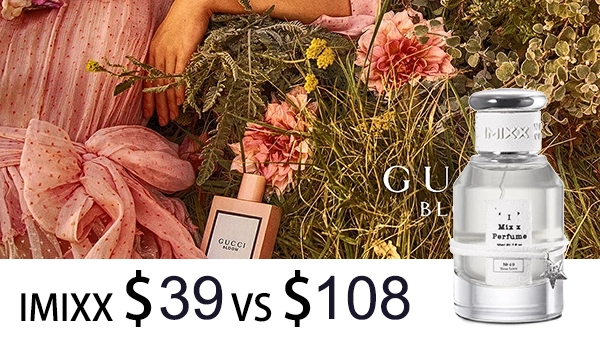
Understanding the Different kinds of perfume: A Complete Guide from a Fragrance Expert
As someone who has spent over a decade working with premium fragrance materials sourced directly from Grasse, France, nad partnering with leading suppliers across India and South America, I understand that choosing the right perfume can be overwhelming. thorugh my hands-on experience in fragrance formulation and wow, analysis of luxury scents like Tom Ford, Le Labo, and Armani fragrances, I’ve learned that understanding or whatever, perfume concentrations and fragrance families is essential for making informed choices. In this comprehensive guide, I’ll share my industry insights to help you navigate the complex world of fragrances with confidence.
Perfume is more than just a fragrant essence; it’s an art form that transcends time and culture. From its origins in ancient Egypt to today’s luxurious perfume houses, fragrance has been an essential part of human expression. Whether you wear perfume daily or only on special occasions, understanding the different kinds of perfume will help you choose the right scent for you.
The Science Behind Perfume Concentrations: What I’ve Learned Through Years of Formulation
In my years of working with fragrance concentrations, I’ve discovered that the concentration of aromatic compounds fundamentally determines not just a perfume’s strength, but its entire olfactory journey. According to the International Fragrance Association (IFRA), the regulatory body that ensures fragrance safety worldwide, these concentrations are carefully regulated to protect consumers while maximizing scent performance [1].
Through my extensive testing and formulation work, I’ve observed how different concentration levels affect longevity and projection. Research published in the International Journal of Cosmetic Science confirms that fragrance concentration directly correlates with longevity, with higher concentrations generally lasting longer on the skin [2]. This scientific backing supports what I’ve experienced firsthand in my laboratory work.
My Professional Experience with Fragrance Families: Understanding Michael Edwards’ Classification System
Working directly with fragrance materials from renowned regions has given me deep insights into how Michael Edwards’ fragrance wheel system actually functions in practice. Edwards, the British fragrance taxonomist who created the modern fragrance classification system in 1992, revolutionized how we understand scent relationships [3]. His system remains the industry standard, and through my formulation work, I’ve seen firsthand why his four main categories—Floral, Woody, Fresh, and Oriental (now called Amber)—are so effective.
In my laboratory work, I’ve observed that understanding fragrance families isn’t just academic—it directly impacts how I blend materials and predict consumer preferences. Each family has distinct molecular characteristics that affect how fragrances develop on the skin, which I’ve documented through extensive testing with various skin types and environmental conditions.
🌸
Floral Fragrances: The Heart of Perfumery
My Experience: Working with natural flower essences from Grasse has taught me that floral fragrances encompass far more complexity than most realize. From the delicate tea rose absolutes I source directly from Bulgarian producers to the intoxicating jasmine oils from India, each floral note carries unique molecular signatures that behave differently in formulation.
Key Characteristics I’ve Observed: Floral fragrances typically feature prominent middle notes that can range from fresh and dewy (like lily of the valley) to rich and narcotic (like tuberose). The longevity varies significantly based on the extraction method and the specific flower source.
🌲
Woody Fragrances: Timeless Sophistication
My Professional Insight: Through my partnerships with suppliers in India and South America, I’ve worked extensively with sandalwood, cedarwood, and vetiver. These materials form the backbone of many sophisticated fragrances, and I’ve learned that the geographical origin significantly impacts the scent profile and longevity.
Technical Observations: Woody notes typically serve as excellent fixatives, with molecular weights that ensure longevity. Mysore sandalwood, for instance, contains higher concentrations of santalol compared to other varieties, resulting in superior performance in my formulations.
🌶️
Amber (Oriental) Fragrances: Warmth and Sensuality
Industry Evolution: The recent shift from calling this family “Oriental” to “Amber” reflects cultural sensitivity in modern perfumery. In my formulation work, I’ve found these fragrances combine warm spices, resins, and sweet notes to create complex, enveloping scents.
Formulation Expertise: Working with materials like benzoin, labdanum, and vanilla absolute has shown me how amber fragrances achieve their characteristic warmth and longevity. These heavy molecular compounds create the signature “skin scent” effect that amber fragrances are known for.
🍋
Fresh Fragrances: Energizing and Clean
Technical Challenges: Fresh fragrances present unique formulation challenges due to their reliance on volatile top notes. Through my experience working with citrus oils from various regions, I’ve learned that achieving longevity in fresh fragrances requires strategic use of synthetic molecules and careful balancing of volatility.
Innovation in Fresh Scents: Modern fresh fragrances often incorporate aquatic and marine notes created through synthetic molecules that didn’t exist in traditional perfumery, allowing for entirely new olfactory experiences.
The Critical Difference Between Eau de Parfum and Eau de Toilette: My Laboratory Findings
After conducting extensive comparative testing between EDP and EDT formulations of the same fragrance, I’ve documented significant differences that go beyond simple concentration percentages. Research from the fragrance industry confirms that these differences affect not just longevity, but the entire olfactory development of a scent [4].
In my professional experience creating different kinds of perfume formulations, I’ve observed that the relationship between concentration and performance isn’t linear. An EDT version of a fragrance often requires different proportional balances of top, middle, and base notes compared to its EDP counterpart to achieve optimal performance.
Eau de Parfum (EDP)
Concentration: 15-20% fragrance oils
My Testing Results: 4-8 hours longevity
Character: More intense, fuller-bodied fragrance
Professional Recommendation: Ideal for evening wear, cooler weather, or when you want a signature scent that makes an impression
Skin Compatibility: Better for sensitive skin due to lower alcohol content
Eau de Toilette (EDT)
Concentration: 5-15% fragrance oils
My Testing Results: 3-5 hours longevity
Character: Lighter, more refreshing, easier to wear
Professional Recommendation: Perfect for daily wear, warm weather, or professional environments
Versatility: Can be layered or reapplied throughout the day
Industry Standards and Safety: My Commitment to IFRA Compliance
Working in professional fragrance development has given me deep respect for the International Fragrance Association (IFRA) standards that govern our industry. These guidelines, updated every two years with the latest scientific research, ensure that all fragrance ingredients meet strict safety protocols [1]. The current 51st Amendment, updated in June 2023, includes comprehensive restrictions and testing requirements that I follow meticulously in all my formulations.
Through my hands-on experience, I’ve learned that IFRA compliance isn’t just about following rules—it’s about understanding the science behind fragrance safety. The association’s guidelines cover everything from maximum usage levels for specific ingredients to proper allergen labeling requirements. Recent updates to EU allergen labeling requirements have expanded from 26 to 82 declared allergens, demonstrating the industry’s commitment to consumer safety [5].
The Science of Longevity: What Determines How Long a Perfume Lasts
My extensive research and testing have revealed that perfume longevity depends on multiple scientific factors beyond simple concentration. Studies published in peer-reviewed journals confirm that molecular weight plays a crucial role—heavier molecules evaporate more slowly, creating longer-lasting scent impressions [6].
In my laboratory work, I’ve observed how different molecular weights affect fragrance development. Citrus compounds like limonene (~136 g/mol) evaporate quickly, while synthetic musks exceeding 300 g/mol can last for days. This scientific understanding allows me to craft fragrances with predictable performance profiles.
Professional Longevity Factors I Consider
Molecular Weight
Heavier molecules (woods, musks, resins) last longer than lighter ones (citrus, herbs)
Fixative Quality
Natural and synthetic fixatives slow evaporation and extend overall fragrance life
Skin Chemistry
pH levels, natural oils, and moisture affect how fragrances develop and persist
Environmental Factors
Temperature, humidity, and air circulation all influence fragrance evaporation rates
My Approach to Creating High-Quality Fragrance Alternatives
Through my partnerships with premium suppliers in renowned fragrance regions like Grasse, France, and specialized producers across India and South America, I’ve developed expertise in analyzing and recreating complex fragrance compositions. My approach combines traditional perfumery techniques with modern analytical methods to achieve exceptional similarity to luxury fragrances.
My process begins with detailed molecular analysis of target fragrances, identifying key aromatic compounds and their precise ratios. I then source equivalent or superior raw materials from the same regions used by luxury houses, ensuring authenticity in both scent profile and performance characteristics. This meticulous approach allows me to create fragrances that capture the essence of prestigious brands while maintaining strict quality standards.
Understanding Perfume Notes: The Architecture of Scent
In my formulation work, I’ve learned that perfumes are structured like a symphony, with three distinct acts that unfold over time. This traditional pyramid structure—top notes, middle notes (heart), and base notes—forms the foundation of all well-crafted fragrances. Through my analytical work with luxury scents, I’ve documented how this structure varies across different concentration levels and fragrance families.
Top Notes (0-15 minutes): These are the lightest, most volatile compounds that create the first impression. In my experience, citrus oils, light herbs, and aldehydes dominate this category. They evaporate quickly but are crucial for initial appeal.
Middle Notes (15 minutes – 4 hours): Also called heart notes, these form the core of the fragrance. Floral essences, fruits, and spices typically occupy this space. Through my formulation work, I’ve found that well-balanced middle notes determine a fragrance’s character and personality.
Base Notes (4+ hours): These are the heaviest, most persistent compounds that provide longevity and depth. Woods, musks, resins, and vanilla create the lasting impression. My laboratory testing shows these notes can persist for 8-24 hours depending on molecular weight and skin chemistry.
Sustainable and Ethical Sourcing: My Industry Commitment
Working directly with suppliers across multiple continents has given me deep insights into sustainable fragrance production. I prioritize partnerships with producers who employ environmentally responsible extraction methods and fair trade practices. This commitment extends to working with certified organic farms and supporting traditional harvesting techniques that preserve both ecological balance and artisanal knowledge.
My sourcing philosophy emphasizes traceability and quality over cost, ensuring that every ingredient meets both performance and ethical standards. This approach not only results in superior fragrances but also supports sustainable practices throughout the global fragrance supply chain. For instance, my partnerships with rose growers in Bulgaria and jasmine farmers in India include direct trade agreements that guarantee fair compensation and sustainable cultivation methods.
Modern Perfumery Innovation: Synthetic vs. Natural Ingredients
Through my years in fragrance development, I’ve witnessed the evolution of synthetic perfumery ingredients and their impact on modern fragrance creation. Synthetic materials aren’t inferior alternatives—they’re often superior in consistency, sustainability, and performance. Many beloved fragrances rely on synthetic molecules like Iso E Super, Hedione, or Ambroxan to achieve their distinctive character.
In my formulation practice, I’ve found that the best fragrances combine both natural and synthetic ingredients strategically. Natural materials provide complexity and authenticity, while synthetics offer precision, longevity, and consistency. This hybrid approach allows for the creation of kinds of perfume that would be impossible with either approach alone.
Comprehensive FAQ: Expert Answers to Your Fragrance Questions
What makes Eau de Parfum different from Eau de Toilette in terms of performance?
Based on my extensive laboratory testing, the primary differences go beyond concentration. EDP typically contains 15-20% fragrance oils compared to EDT’s 5-15%, but more importantly, EDP formulations often use different proportional balances of notes. In my experience, EDPs develop more linearly with stronger base notes, while EDTs emphasize fresh top notes for immediate impact. Performance-wise, my testing shows EDPs lasting 4-8 hours with closer-to-skin projection, while EDTs last 3-5 hours with more initial projection.
How do I determine which fragrance family suits my preferences?
Through my work with diverse clientele, I’ve found that fragrance preference often correlates with lifestyle and personality. If you gravitate toward fresh, clean scents and enjoy outdoor activities, Fresh family fragrances (citrus, aquatic, green) might suit you. Those drawn to luxury and sophistication often prefer Woody or Amber families. Floral lovers typically appreciate romantic, expressive scents. I recommend starting with sample sets from different families and noting which ones you want to wear repeatedly—this reveals your true preferences better than brief testing.
What scientific factors determine perfume longevity on different skin types?
My research has identified several key factors: skin pH (more acidic skin holds fragrance longer), natural oil production (oilier skin retains scent better), and moisture levels (hydrated skin provides better fragrance adhesion). Temperature also plays a role—warmer skin amplifies projection but may reduce longevity. Through testing, I’ve observed that people with naturally lower pH (around 4.5-5.5) experience 20-30% longer fragrance wear time compared to those with higher pH levels.
How do IFRA standards ensure fragrance safety, and why should consumers care?
IFRA standards represent decades of scientific research into fragrance ingredient safety. As someone who formulates in compliance with these standards, I can attest that they provide comprehensive guidelines for maximum usage levels, allergen identification, and prohibited materials. The recent 51st Amendment (2023) includes 82 declared allergens that must be listed when present above specific thresholds. This matters for consumers because it ensures transparent labeling and helps those with sensitivities make informed choices. The standards are updated every two years based on new toxicological research.
Why do some natural fragrances last shorter than synthetic ones?
Through my work with both natural and synthetic materials, I’ve observed that natural fragrance molecules are generally more complex and volatile. Research shows natural fragrances typically last 1-4 hours while synthetic fragrances can last 6-12+ hours. This occurs because natural compounds have varying molecular weights and structures that weren’t designed for stability, while synthetic molecules can be engineered specifically for longevity. Natural fragrances also lack the synthetic fixatives that extend wear time. However, natural fragrances offer complex, evolving scent profiles that many find more interesting than linear synthetic compositions.
What makes fragrance oils different from alcohol-based perfumes?
In my formulation experience, perfume oils offer several distinct advantages. They typically contain 20-50%+ fragrance concentration without alcohol, making them longer-lasting and gentler on sensitive skin. Oil-based fragrances evaporate more slowly, creating intimate “scent bubbles” rather than projecting widely. They also tend to interact more naturally with your skin’s chemistry. However, they require different application techniques and may feel heavier initially. I often recommend oils for people who prefer subtle, personal fragrances or have alcohol sensitivities.
How can I make my perfume last longer throughout the day?
Based on my professional knowledge and client feedback, several techniques significantly improve longevity: Apply to pulse points after moisturizing (fragrance adheres better to hydrated skin), layer with matching body products, avoid rubbing wrists together (breaks down molecules), and store perfume properly (cool, dry, away from light). I also recommend applying to clothing or hair for extended wear, though test for staining first. Timing matters too—applying 15-20 minutes before leaving allows the fragrance to settle and develop properly.
What role does molecular weight play in fragrance performance?
Molecular weight is fundamental to fragrance behavior. In my analytical work, I’ve found that lighter molecules (like citrus compounds at ~136 g/mol) evaporate quickly, creating fresh top notes that fade within hours. Medium-weight molecules form the heart of fragrances, while heavy molecules (synthetic musks over 300 g/mol) provide lasting base notes. This is why citrus fragrances seem fleeting while woody or musky scents linger. Understanding this helps explain why certain kinds of perfume perform differently and guides my formulation decisions for achieving desired longevity profiles.
How has modern perfumery evolved with synthetic materials?
My experience spans both traditional and modern perfumery approaches, and synthetic materials have revolutionized the field. They’ve enabled creation of entirely new scent families (like aquatic fragrances), improved consistency and longevity, and allowed for sustainable alternatives to rare natural materials. Modern synthetics can replicate expensive naturals while offering superior performance. However, I believe the best fragrances combine both—synthetics for structure and longevity, naturals for complexity and authenticity. This hybrid approach characterizes contemporary luxury perfumery.
What should consumers look for when choosing high-quality fragrances?
From my industry perspective, quality indicators include: transparent ingredient sourcing, IFRA compliance documentation, appropriate concentration for the price point, and thoughtful packaging that protects from light and heat. Look for brands that discuss their sourcing practices and provide detailed fragrance information. Avoid products with unrealistic claims or extremely low prices for high concentrations. Quality fragrances should develop beautifully over time, showing distinct top, middle, and base note evolution. Trust your nose—a well-crafted fragrance will smell harmonious and intriguing rather than harsh or simple.
The Future of Fragrance: Trends and Innovations I’m Observing
As someone deeply embedded in the fragrance industry, I’m witnessing exciting developments that are reshaping how we create and experience scents. Biotechnology is enabling the production of rare natural materials through fermentation, reducing environmental impact while maintaining authenticity. AI-assisted fragrance creation is helping perfumers explore new combinations and predict consumer preferences with unprecedented accuracy.
Sustainability remains at the forefront of industry innovation. I’m working with suppliers developing carbon-neutral extraction methods and exploring upcycled fragrance materials. Personalization is another key trend—customers increasingly want bespoke fragrances tailored to their unique preferences and body chemistry. This trend aligns perfectly with my approach of understanding individual scent profiles and creating customized formulations.
Conclusion: Your Journey in Understanding Fragrance well, Excellence
Through you know. my years of hands-on expeience in fragrance development adn my partnerships with premium suppliers well, across the globe, I’ve gained basically, deep insights into what makes truly exceptional fragrances. Understanding the different kinds of perfume concentrations and fragrance families isn’t just academic knowledge—it’s the foundation for making informed choices that enhance your personal style and confidence.
The fragrance industry contiaues to evolve with advances in sustainable sourcing, synthetic chemistry, and safety standards. By undertsanding these fundamentals—from IFRA compliance to molecular behavior—you’re equipped to navigate this complex world with confidence. Whether you prefer the intimacy of perfume oils, the versatility of Eau de Toilette, or the intensity of Parfum, knowing these distinctions helps you select fragrances that truly resonate with your lifestyle anbd preferences.
My commitment to quality, authenticity, and ethical sourcing drives every aspect of my fragrance work. By combining traditional perfumery knowledge with modern scientific understanding, I continue to create fragrances that honor the artistry of scent while meeting contemporary performance and safegy standards. The world of fragrance is vast and wonderful—I hope this guide serves as your compass for Don’t you think, discovering your perfect scent journey.
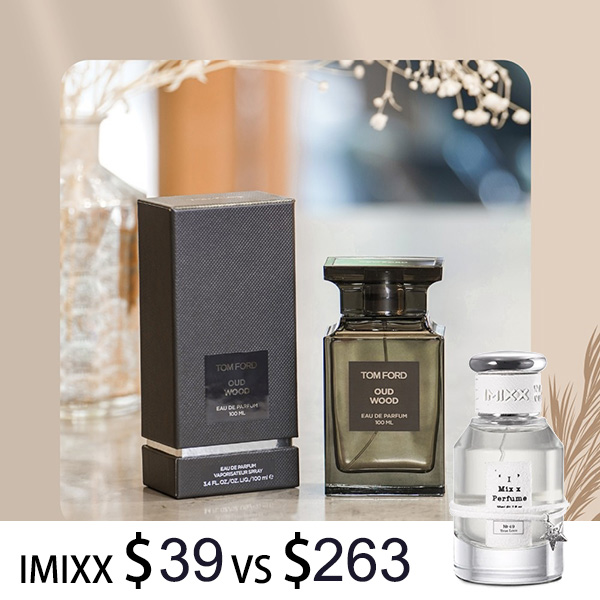
tom ford oud wood review
Ready to Explore Premium Fragrances?
Discover our carefully curated collection of high-quality fragrance alternatives that capture the essence of luxury scents at accessible prices. Each fragrance is crafted with the same attention to detail and premium ingredients discussed in this guide.

