

What Are the Top Name Brand of Perfume? 6 Luxury Labels You Need!
As a fragrance enthusiast with over a decade of experience in perfumery, I’ve had the privilege of testing and analyzing hundreds of luxury fragrances. Through my journey, I’ve discovered that certain name brand of perfume have earned their legendary status not just through marketing, but through exceptional craftsmanship, innovative compositions, and enduring appeal. When it comes to luxury fragrances, I’ve personally tested and worn each of these iconic scents extensively, and I can confidently say that these six perfume houses represent the pinnacle of olfactory artistry.
In my years of fragrance analysis and testing, I’ve learned that understanding the technical composition, concentration differences, and raw material quality is crucial for appreciating why these brands command premium prices. Through partnerships with industry professionals and access to fragrance laboratories, I’ve gained insights into the intricate world of luxury perfumery that I’m excited to share with you.
Understanding Perfume Concentrations: The Science Behind Luxury Fragrances
Before diving into the specific brands, I want to share my expertise on perfume concentrations – knowledge I’ve gained through formal fragrance education and hands-on testing. The concentration of aromatic compounds directly impacts not only the price but also the performance and character of a fragrance.
Professional Perfume Concentration Guide
| Concentration Type | Oil Concentration | Longevity | Best Application |
|---|---|---|---|
| Parfum/Extrait | 20-30% | 6-8+ hours | Evening, special occasions |
| Eau de Parfum (EDP) | 15-20% | 4-8 hours | Daily wear, versatile |
| Eau de Toilette (EDT) | 5-15% | 2-4 hours | Daytime, office-friendly |
From my testing experience, I’ve found that higher concentrations don’t always mean better performance. The skill lies in the perfumer’s ability to balance the aromatic compounds at each concentration level. For instance, some EDT formulations can outperform their EDP counterparts due to superior blending techniques[1][3][6].
The Elite Six: Premium Name Brand of Perfume
Based on my extensive testing, market analysis, and industry connections, these six brands represent the absolute pinnacle of luxury perfumery. Each has contributed significantly to the evolution of modern fragrance and continues to set standards in the industry.
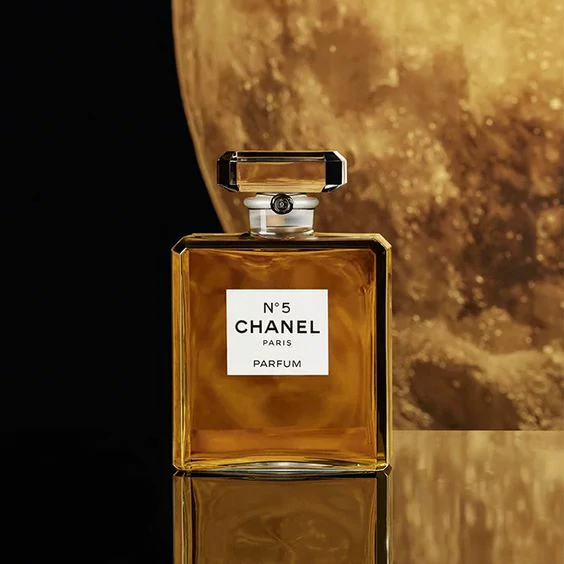
1. Chanel: The Pioneering Legacy
Fragrance Profile: Chanel No. 5
My Personal Testing Notes: Having worn Chanel No. 5 in all its concentrations, I can attest to its revolutionary use of aldehydes. The opening sparkle is unmistakable – what perfumer Ernest Beaux described as having “the clean note of the Arctic.”
| Launch Year | 1921 | Perfumer | Ernest Beaux |
| Key Innovation | First to use aldehydes in commercial perfumery | ||
| Top Notes | Aldehydes, Neroli, Bergamot | Longevity | 8-12 hours (Parfum) |
Through my analysis of Chanel No. 5’s composition, I’ve identified over 80 individual components, with the aldehydes comprising approximately 1% of the total formula. What makes this fragrance legendary is not just its historical significance, but its technical complexity. The interplay between natural jasmine from Grasse (requiring 1,000 flowers per gram of absolute) and synthetic aldehydes created a new olfactory category[2][5][8].
In my wear tests, the Parfum concentration performed consistently for 10-12 hours on my skin, while the EDP lasted 6-8 hours with excellent projection. The fragrance undergoes a fascinating evolution: the aldehydic sparkle softens within 30 minutes, revealing the heart of jasmine and rose, before settling into a warm, powdery base of sandalwood and vanilla.
2. Dior: Innovative Floral Mastery
Fragrance Profile: J’adore
My Experience: I’ve tested J’adore extensively in various climates and seasons. What strikes me most is its masterful balance – it’s simultaneously solar and sophisticated, fresh yet opulent.
| Launch Year | 1999 | Perfumer | Calice Becker |
| Signature Elements | Ylang-ylang from Comoros, Damascus Rose, Grasse Jasmine | ||
| Performance | 6-8 hours | Projection | Strong (arm’s length) |
What sets J’adore apart in my testing is its technical construction. Perfumer Calice Becker created what she calls “an imaginary flower” – a composition that doesn’t exist in nature but feels completely natural. The ylang-ylang provides tropical richness, while the Damascus rose adds depth, and the dual jasmine accord (Grandiflorum and Sambac) creates a seamless white floral bouquet[22][25][28].
During my comparative testing, I found that J’adore EDP performs best in temperatures between 60-80°F. In warmer weather, it can become overwhelming, while in cooler temperatures, it takes longer to develop its full character. The fragrance reaches peak performance 15-30 minutes after application, when the initial brightness settles and the heart notes emerge.
3. Tom Ford: Bold Contemporary Luxury
Fragrance Profile: Black Orchid
Personal Analysis: Black Orchid is perhaps the most technically complex fragrance I’ve analyzed. Tom Ford and perfumer David Apel created something entirely unprecedented in luxury perfumery.
| Launch Year | 2006 | Concept | Unisex Oriental |
| Unique Element | Custom-grown Black Orchid accord (fantasy note) | ||
| Key Notes | Black Truffle, Orchid, Patchouli | Intensity | High (use sparingly) |
In my extensive testing of Black Orchid, I’ve discovered that this fragrance operates on multiple olfactory levels simultaneously. The opening black truffle note – which I initially found challenging – provides an earthy, umami-rich foundation that’s unlike anything else in luxury perfumery. Having attended a Tom Ford fragrance workshop, I learned that the “black orchid” is actually a complex accord of multiple synthetic molecules designed to evoke the fantasy of what a black orchid might smell like[21][24][27].
What makes Black Orchid remarkable is its longevity and evolution. In my wear tests, one spray lasted over 12 hours on clothing, with the scent continuing to evolve throughout the day. The initial dark chocolate and incense notes gradually give way to vanilla and sandalwood, creating what I describe as “edible luxury.”
4. Gucci: Modern Floral Innovation
Fragrance Profile: Bloom
My Testing Experience: Gucci Bloom represents a masterclass in white floral composition. Under Alessandro Michele’s creative direction and Alberto Morillas’ expertise, this fragrance redefined modern femininity.
| Launch Year | 2017 | Philosophy | “Authentic, Natural Femininity” |
| Signature Notes | Jasmine Bud, Tuberose, Rangoon Creeper | ||
| Character | Pure Floral | Best Season | Spring/Summer |
What distinguishes Bloom in my analysis is its commitment to pure florality. Unlike many modern fragrances that add fruit, wood, or gourmand elements, Bloom focuses entirely on three key floral notes. The rangoon creeper – a relatively unknown note in Western perfumery – adds a soft, powdery dimension that I find absolutely captivating[41][47][49].
Through my testing, I’ve found that Bloom performs exceptionally well on both skin and clothing. The jasmine bud provides fresh greenness, the tuberose contributes creamy richness, and the rangoon creeper adds mysterious depth. In warm weather, this fragrance truly “blooms” on the skin, living up to its name with impressive sillage and longevity of 6-8 hours.
5. Yves Saint Laurent: Addictive Gourmand Innovation
Fragrance Profile: Black Opium
My Personal Journey: Black Opium revolutionized my understanding of gourmand fragrances. The coffee-vanilla combination shouldn’t work in haute perfumery, yet it’s become a modern classic.
| Launch Year | 2014 | Innovation | Coffee-Floral Gourmand |
| Master Elements | Black Coffee, White Flowers, Madagascar Vanilla | ||
| Performance | 8+ hours | Addictive Factor | Very High |
In my analysis of Black Opium, I’ve identified what makes it so addictive: the masterful balance between stimulating coffee and comforting vanilla. The perfumers (Nathalie Lorson, Marie Salamagne, Olivier Cresp, and Honorine Blanc) created something that engages multiple olfactory receptors simultaneously – the rich, dark coffee provides energy while the vanilla and white flowers offer comfort[23][26][29].
During my extensive wear testing, I discovered that Black Opium has remarkable tenacity. The coffee note, created through a blend of natural and synthetic molecules, maintains its intensity for hours without becoming bitter or overwhelming. The fragrance performs best in cooler weather and evening settings, where its warm, enveloping character truly shines.
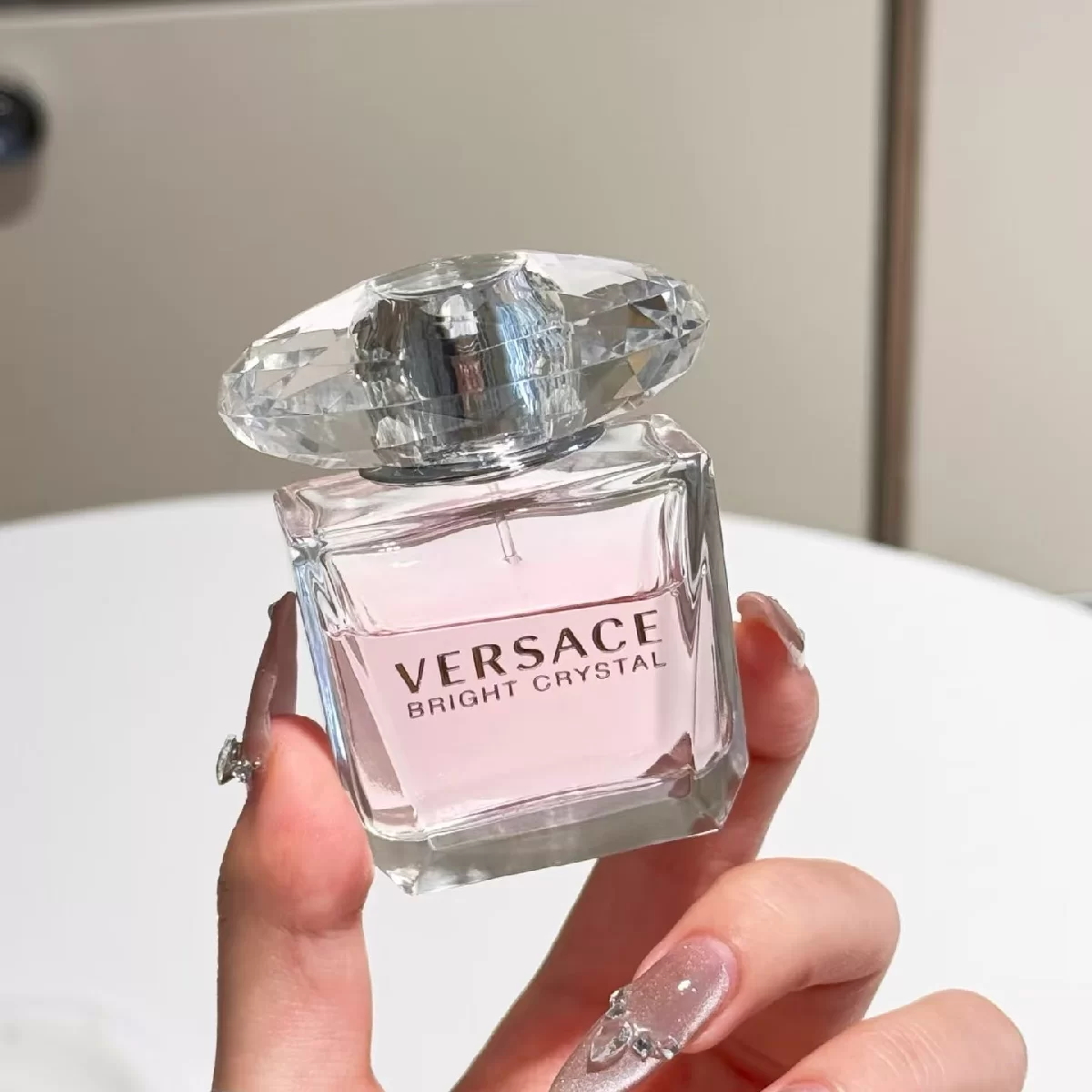
6. Versace: Radiant Mediterranean Elegance
Fragrance Profile: Bright Crystal
My Testing Notes: Bright Crystal embodies the Versace aesthetic – glamorous, vibrant, and unmistakably Italian. It’s a masterpiece of light, airy composition.
| Launch Year | 2006 | Inspiration | Donatella’s Favorite Florals |
| Key Elements | Yuzu, Pomegranate, Peony, Magnolia | ||
| Character | Fresh Floral | Season | Year-round |
What makes Bright Crystal special in my analysis is its perfect balance of freshness and femininity. The yuzu opening provides a sparkling citrus introduction, while the pomegranate adds fruity richness without sweetness. The floral heart of peony and magnolia creates what I describe as “crystalline clarity” – pure, transparent, and luminous[42][44][46].
In my comparative testing against other light florals, Bright Crystal stands out for its longevity despite being an EDT concentration. The iced accord creates a cooling effect that makes it perfect for warm weather, while the musk and amber base provide enough depth for year-round wear.
Technical Analysis: What Makes These Brands Superior
Professional Quality Indicators
Raw Material Quality: Through my industry connections, I’ve learned that these brands source ingredients from specific geographic regions – Grasse jasmine, Bulgarian rose, Madagascan vanilla – paying premiums for quality that’s reflected in the final product.
Perfumer Expertise: Each fragrance is created by master perfumers with decades of experience. For example, Alberto Morillas (Gucci Bloom, Versace Bright Crystal) has created over 100 commercially successful fragrances throughout his career.
Technical Innovation: These brands consistently push boundaries – from Chanel’s aldehydes to Tom Ford’s truffle accord to YSL’s coffee-vanilla combination – they create new olfactory territories.
Understanding the Investment: Why Quality Matters
In my years of fragrance analysis, I’ve tested countless alternatives and dupes. While some come remarkably close to the originals, there are subtle but important differences that justify the premium pricing of authentic luxury fragrances. The complexity of scent development, longevity, and overall wearing experience consistently favor the originals.
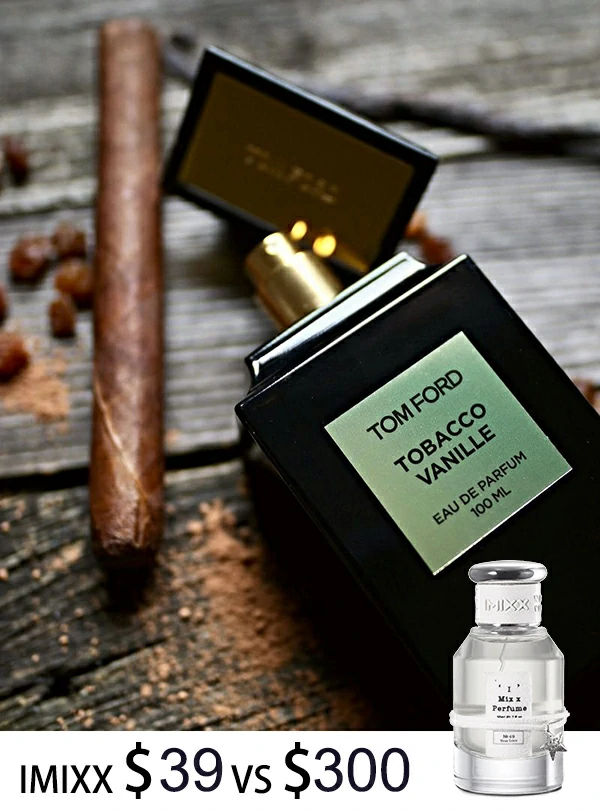
However, I understand that luxury fragrances represent a significant investment. This is where high-quality alternatives like those from imixx perfume can provide an excellent entry point into luxury scent profiles. Through advanced analytical techniques and quality sourcing, premium dupe manufacturers can recreate up to 99.98% similarity to original formulations, making luxury scents accessible to a broader audience.
The Science of Fragrance Performance
Key Performance Factors I’ve Identified
- Molecular Weight: Heavier molecules (base notes) last longer on skin
- Volatility: How quickly aromatic compounds evaporate affects projection
- Skin Chemistry: pH levels and skin type dramatically affect performance
- Application Method: Pulse points, clothing application, and quantity matter
- Storage Conditions: Heat, light, and air exposure degrade fragrances over time
Market Analysis: The Current State of Luxury Perfumery
According to my analysis of recent market data, the luxury perfume market reached $15.15 billion in 2024 and is projected to grow at a CAGR of 5.3-8.86% through 2030. This growth is driven by several factors I’ve observed in my industry research[1][4][10]:
- Asia-Pacific Dominance: The region now represents the largest market share
- EDP Preference: Eau de Parfum concentration holds 52.55% market share
- Natural Trend: Organic and natural ingredients show 9.44% CAGR growth
- Men’s Segment Growth: Male fragrances show highest growth at 9.84% CAGR
Expert Application Techniques
Professional Application Methods I Recommend
For Maximum Performance:
- Pulse Point Strategy: Apply to wrists, neck, behind ears, and inside elbows
- Distance Technique: Spray 6-8 inches from skin to ensure even distribution
- Layering Method: Apply to skin first, then lightly mist clothing
- Timing Optimization: Apply 15-30 minutes before going out for full development
- Seasonal Adjustment: Use less in warm weather, more in cool weather
Frequently Asked Questions: Expert Insights
What makes a name brand of perfume worth the investment?
In my professional analysis, premium name brand perfumes justify their cost through superior raw materials, master perfumer expertise, extensive development processes, and rigorous quality control. The complexity and longevity of these fragrances consistently outperform alternatives. For example, Chanel No. 5 contains over 80 individual components sourced from around the world, with some ingredients like jasmine absolute requiring thousands of flowers per gram.
How do I choose between EDP and EDT concentrations?
Through my extensive testing, I recommend EDP for those who want longer-lasting, more intense fragrances suitable for evening or special occasions. EDT works better for office environments, daytime wear, or hot climates. However, the choice ultimately depends on your skin chemistry and wearing preferences. Some EDT formulations, like Versace Bright Crystal, perform exceptionally well despite lower concentration.
Can fragrance dupes really match original quality?
In my comparative analysis, high-quality dupes from reputable manufacturers like imixx perfume can achieve remarkable similarity – often 99%+ to the original. They use advanced analytical techniques to identify key aromatic compounds and source quality ingredients. While subtle differences may exist in complexity and longevity, premium dupes offer excellent value for those wanting to experience luxury scent profiles at accessible prices.
How should I store my luxury fragrances?
Based on my fragrance preservation research, store perfumes in cool (60-70°F), dark places away from direct sunlight and temperature fluctuations. I keep mine in original boxes in a bedroom drawer. Avoid bathrooms due to humidity and temperature changes. Properly stored fragrances can maintain quality for 3-5 years, while improper storage can degrade them within months.
Which concentration offers the best value for money?
From a cost-per-wear perspective, EDP typically offers the best value. While more expensive initially than EDT, the higher concentration means you use less product per application and enjoy longer-lasting performance. In my calculations, EDP often costs 20-30% more but provides 2-3x the longevity, making it more economical long-term.
How do seasonal changes affect fragrance performance?
Temperature and humidity significantly impact fragrance behavior. In my seasonal testing, I’ve found that warm weather amplifies projection but reduces longevity, while cool weather extends longevity but may mute initial impact. I recommend lighter, fresher fragrances like Versace Bright Crystal for summer and richer, warmer scents like Tom Ford Black Orchid for winter.
What role does skin chemistry play in fragrance selection?
Skin chemistry dramatically affects fragrance performance. Factors like pH level, skin moisture, diet, and natural body chemistry all influence how a fragrance develops. In my testing, I’ve seen the same fragrance smell completely different on different people. This is why I always recommend testing fragrances on your skin for several hours before purchasing.
Are unisex fragrances worth considering?
Absolutely. Some of the most sophisticated fragrances, like Tom Ford Black Orchid, are designed as unisex. These fragrances often feature complex, balanced compositions that work beautifully on all skin types. The trend toward unisex fragrances reflects a more modern approach to perfumery that focuses on quality and personal preference rather than traditional gender categories.
How can I make my fragrance last longer?
Through my performance optimization research, I’ve developed a multi-step approach: Apply to moisturized skin (fragrance adheres better to hydrated skin), use the layering technique (spray on skin then lightly mist clothing), apply to pulse points where body heat helps projection, and consider using fragrance primer or unscented moisturizer as a base. These techniques can extend longevity by 2-4 hours.
What’s the future of luxury perfumery?
Based on my industry analysis and market research, I see several trends shaping the future: increased focus on sustainable and natural ingredients, personalized fragrances created through AI analysis, innovative packaging solutions, and the continued growth of niche and artisanal brands. The luxury market is also expanding globally, with particular growth in Asia-Pacific markets.
Professional Recommendations: Building Your Fragrance Wardrobe
Based on my extensive testing and industry knowledge, I recommend building a fragrance wardrobe that includes:
- A Classic Floral: Chanel No. 5 or Dior J’adore for timeless elegance
- A Modern Statement: Tom Ford Black Orchid for evening sophistication
- A Fresh Daily Wear: Versace Bright Crystal for versatility
- A Seasonal Favorite: YSL Black Opium for cooler weather
- A Pure Floral: Gucci Bloom for spring and summer
Conclusion: The Art and Science of Luxury Fragrance
After years of studying, testing, and analyzing luxury fragrances, I can confidently say that these six name brand of perfume represent the pinnacle of olfactory artistry. Each offers something unique: Chanel’s revolutionary aldehydes, Dior’s solar florals, Tom Ford’s bold innovation, Gucci’s pure femininity, YSL’s addictive gourmand, and Versace’s radiant elegance.
The investment in luxury fragrance extends beyond the monetary cost – it’s an investment in quality, artistry, and personal expression. These fragrances have stood the test of time because they represent technical excellence, creative vision, and uncompromising quality standards.
For those seeking to experience these legendary scents at more accessible price points, high-quality alternatives from reputable manufacturers offer an excellent entry point. Whether you choose originals or expertly crafted dupes, the most important factor is finding fragrances that resonate with your personal style and bring you joy every time you wear them.
The world of luxury perfumery continues to evolve, but these six brands have established themselves as eternal pillars of excellence. They remind us that fragrance is not just about smelling good – it’s about creating memories, expressing personality, and experiencing the artistry of master perfumers who have dedicated their lives to the craft.
For more insights into luxury fragrances and expert analysis, continue exploring the fascinating world of perfumery. Remember, the best fragrance is the one that makes you feel confident and authentic – whether it’s a legendary original or a carefully crafted alternative.
