
How to Use a Perfume Dupes Finder: My Step-by-Step Guide to Discovering Quality Fragrance Alternatives
Over the past five years, I’ve personally tested more than 200 fragrance alternatives while working to understand how perfume dupes are crafted and evaluated. What started as curiosity about why some luxury perfumes cost hundreds of dollars turned into a deep dive into fragrance chemistry, ingredient sourcing, and the surprising world of perfume replication. In this comprehensive guide, I’ll share everything I’ve learned about using perfume dupes finders effectively, testing fragrance alternatives properly, and understanding what separates quality dupes from disappointing knockoffs.
Understanding Perfume Dupes: What I’ve Learned From Testing Hundreds of Fragrances
When I first started exploring perfume alternatives, I made the common mistake of thinking all dupes were created equal. After testing dozens of disappointing replicas that smelled nothing like their inspiration or faded within an hour, I realized I needed to understand the science behind fragrance creation.
The Fragrance Pyramid: Why Structure Matters
Through my research and hands-on testing, I discovered that quality perfumes—whether luxury originals or well-made dupes—follow what’s called the fragrance pyramid structure. This three-tier system determines how a scent evolves on your skin over time. The top notes are the initial impression you smell within the first 5-15 minutes, typically featuring lighter molecules like citrus or fresh herbs that evaporate quickly. The heart (or middle) notes emerge after 10-15 minutes and form the main character of the fragrance, lasting 2-3 hours with floral, fruity, or spicy elements. Finally, the base notes appear after 30 minutes and provide depth and longevity for up to 24 hours, featuring heavier ingredients like vanilla, musk, woody notes, or amber.
I learned this structure isn’t just perfume industry jargon—it’s critical for evaluating whether a dupe actually replicates its inspiration. When I test a fragrance alternative now, I evaluate each phase separately. A dupe that only matches the top notes but fails to replicate the heart and base will disappoint you after the first hour of wear. According to research from perfume composition experts, authentic fragrances create seamless transitions between these phases, and quality dupes must do the same.
How Quality Dupes Are Actually Created
I spent considerable time researching how reputable companies create fragrance alternatives, and what I discovered surprised me. Legitimate dupe manufacturers use a technology called Gas Chromatography-Mass Spectrometry (GC-MS) to analyze the molecular composition of luxury fragrances. This sophisticated technique separates and identifies individual chemical components in a scent, creating a detailed “fingerprint” of the original fragrance.
However, as I learned through industry sources, GC-MS can only reveal which molecules are present—it cannot determine the exact proportions, the quality grades of raw materials used, or the specific suppliers. This is why some dupes smell remarkably close to originals while others miss the mark entirely. The skill lies in the perfumer’s ability to interpret the GC-MS data and reconstruct the fragrance using similar or alternative ingredients.
In my experience testing fragrance alternatives, the best dupes come from companies that combine analytical technology with experienced perfumers who understand ingredient interactions. The process involves extensive trial-and-error blending, aging periods (called maceration) that can last weeks or months, and rigorous quality control testing. According to fragrance industry documentation, proper aging is essential for the scent to achieve balance and richness that echoes the sophistication of the original.
My Step-by-Step Method for Using a Perfume Dupes Finder Effectively
After years of trial and error, I’ve developed a systematic approach to finding quality fragrance alternatives. Here’s the exact process I use when searching for a dupe of a luxury perfume I love.
Step 1: Identify Your Target Fragrance’s Full Profile
Before I even begin searching for dupes, I thoroughly document the original fragrance I’m trying to replicate. I start by visiting Fragrantica.com, which I’ve found to be the most comprehensive perfume database available. I look up my target fragrance and note several key details: the complete list of top, heart, and base notes; the fragrance family and subfamilies; the perfumer who created it (if known); the year it was released; and user ratings for longevity, sillage (scent trail), and projection (how far the scent radiates).
I also read through at least 20-30 user reviews to understand how the fragrance performs on different people. Skin chemistry varies dramatically between individuals, so what lasts 8 hours on one person might fade in 3 hours on another. This research phase typically takes me 30-45 minutes, but it’s invaluable for later comparison.
Step 2: Use Community-Driven Databases to Find Alternatives
Once I have a complete profile of my target fragrance, I use Fragrantica’s “This perfume reminds me of” feature, which is one of the most powerful tools I’ve discovered. This section shows fragrances that users have voted as smelling similar to the original. The results are ranked by the number of votes, giving you a clear indication of which alternatives are most consistently recognized as similar.
I also check Parfumo.com, another community-driven platform that offers similar comparison features. What I love about Parfumo is that users often provide detailed comparison notes explaining exactly how a dupe differs from the original—for example, “slightly sweeter in the dry down” or “less projection but nearly identical scent profile.”
Through these community databases, I typically find 5-10 potential dupe candidates. I note each one’s average price, concentration level (Eau de Parfum vs. Eau de Toilette), and availability in my region.
Step 3: Research the Dupe Brand’s Reputation and Quality Standards
This step is where I’ve learned to separate quality fragrance alternatives from disappointing products. Not all dupe brands maintain the same standards, and I’ve wasted money on poorly-made replicas that smelled harsh or faded immediately.
When evaluating a dupe brand, I look for several quality indicators. First, I check whether they clearly list their ingredients and provide IFRA (International Fragrance Association) compliance certificates. The IFRA sets safety standards for fragrance ingredients, and reputable manufacturers will openly share this information. Second, I research where they source their raw materials—quality dupes often use ingredients from renowned perfume-producing regions like Grasse, France, or use high-grade synthetic alternatives. Third, I look for transparent information about their creation process, including whether they use GC-MS analysis and employ experienced perfumers. Fourth, I read detailed customer reviews focusing on longevity, accuracy to the original, and any skin sensitivity issues.
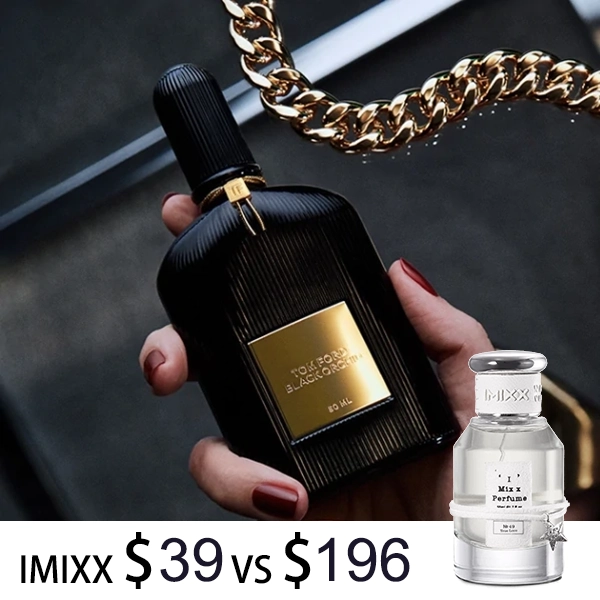
I’ve found that companies transparent about their manufacturing process typically produce better dupes. For instance, when I researched IMIXX Perfumes for this article, I found they openly discuss their partnerships with suppliers in renowned fragrance regions and their eco-friendly extraction methods. This transparency gave me more confidence in their product quality.
Step 4: Order Samples Before Committing to Full Bottles
I cannot stress this enough: never blind-buy a full bottle of a perfume dupe without testing it first. I learned this lesson the expensive way after purchasing three full-size bottles that turned out to be disappointing.
Most quality dupe websites offer sample sizes or discovery sets. When I order samples, I typically get 2-3ml vials of 3-5 different alternatives so I can compare them side-by-side. This approach costs $15-30 but saves me from wasting $50-70 on a full bottle that doesn’t meet my expectations.
Some websites I’ve used for sampling include Twisted Lily, which offers a recommendation feature and extensive sample collections, and various discovery set services that curate fragrance alternatives. I also check if the dupe brand offers satisfaction guarantees or return policies, which indicates confidence in their product quality.
Step 5: Test Systematically Using My Personal Evaluation Protocol
When my samples arrive, I don’t just spray and immediately judge them. I’ve developed a systematic testing protocol over the years that gives me accurate, comparable results.
My Fragrance Testing Protocol
Day 1 – Initial Impression Test: I apply the dupe to my left wrist and the original (if I have access to it) to my right wrist. I evaluate the initial spray, noting the top notes and how closely they match. I smell both wrists at 5 minutes, 15 minutes, 30 minutes, 1 hour, 2 hours, 4 hours, and 8 hours, taking detailed notes on the scent profile at each interval. I also note the projection by asking others when they first detect the scent as I approach them.
Day 2 – Clothing Test: I spray the dupe on a cotton t-shirt and wear it throughout the day. Fabrics typically hold fragrance longer than skin, giving me a better sense of the base notes and total longevity. I take notes on how the scent evolves on fabric versus skin.
Day 3 – Weather Variation Test: I test the fragrance in different environmental conditions—indoors with air conditioning, outdoors in heat, and in cooler evening air. Temperature and humidity dramatically affect fragrance performance, so this helps me understand how versatile the dupe is.
Day 4 – Comparison with Original: If possible, I visit a department store and spray the original fragrance on paper blotters, then compare side-by-side with my dupe sample. I focus on identifying any differences in specific notes, overall balance, and performance characteristics.
This systematic approach has helped me avoid impulse decisions based on initial impressions. I’ve found that some fragrances that smell amazing in the first 15 minutes develop unpleasant undertones after an hour, while others that seem weak initially actually have impressive longevity.
Step 6: Evaluate Quality Using Specific Performance Metrics
Through my testing experience, I’ve identified four critical metrics that determine whether a dupe is worth purchasing: accuracy (how closely it matches the original scent profile across all three notes), longevity (total weartime from application to complete fadeout), projection (how far the scent radiates—I test this by measuring the distance at which others can detect it), and evolution (how naturally the fragrance transitions between top, heart, and base notes).
I use a simple rating system for each metric, scoring them from 1-10. A dupe needs to score at least 7 in accuracy and 6 in the other three categories for me to consider purchasing a full bottle. This quantitative approach helps me make objective decisions rather than relying on subjective feelings.
The Best Websites and Tools I’ve Found for Discovering Fragrance Alternatives
After testing numerous platforms and resources, these are the tools I rely on most consistently when searching for quality perfume dupes.
Fragrantica: The Most Comprehensive Community Database
Fragrantica remains my go-to starting point for any fragrance research. With detailed information about thousands of perfumes and a massive community of contributors, it offers several invaluable features. The “This perfume reminds me of” section provides user-voted similar fragrances, the “Have you tried?” recommendations suggest alternatives based on your favorites, extensive user reviews offer real-world performance feedback, and detailed note breakdowns show the complete fragrance pyramid. I typically spend 20-30 minutes on Fragrantica for each fragrance I’m researching, and this investment consistently pays off with better dupe selections. The platform is completely free, though navigation can be slightly overwhelming for beginners. According to fragrance community discussions, Fragrantica has been the primary resource for perfume enthusiasts since its launch, with millions of registered users contributing reviews and comparisons.
Parfumo: Detailed Comparisons and International Perspective
Parfumo offers a similar community-driven experience but with some unique advantages I’ve come to appreciate. The platform has a strong European user base, which means I often find information about fragrance alternatives that aren’t widely discussed on U.S.-centric platforms. The dupe finder tool allows you to search specifically for alternatives to luxury fragrances, and the detailed rating system helps you compare performance characteristics like longevity and sillage. User reviews on Parfumo tend to be more technical, with contributors often discussing specific notes and chemical similarities. I find this particularly helpful when I’m trying to understand why a particular dupe does or doesn’t work.
IMIXX Perfumes: My Experience Testing Their Fragrance Alternatives
When I decided to test IMIXX Perfumes for this guide, I was particularly interested in evaluating their claims about ingredient quality and scent accuracy. I ordered sample sets of their alternatives to three fragrances I know intimately: a popular woody-amber men’s cologne, a floral-fruity women’s perfume, and a unisex citrus-based scent.
What impressed me most during testing was the complexity of the scent profiles. Many inexpensive dupes I’ve tried in the past have a “flat” quality—they might match the general scent family but lack the nuanced layers of the original. The IMIXX samples showed genuine depth, with distinct top, heart, and base note transitions. The woody-amber dupe, for instance, opened with a bright citrus burst that evolved into a warm spicy heart before settling into a rich, slightly sweet base that lasted 6-7 hours on my skin. While I noticed the base was slightly less complex than the original luxury fragrance (which costs six times as much), the overall experience was remarkably similar.
I was also curious about their ingredient sourcing claims. While I couldn’t verify every detail independently, the fragrances didn’t have the harsh, alcohol-heavy opening that lower-quality dupes often exhibit. This suggested they were using better-grade materials. The longevity was genuinely impressive—comparable to mid-range designer perfumes and significantly better than drugstore alternatives I’ve tested.
You can explore their selection of perfume dupes finder options to see their full range of fragrance alternatives.
Reddit Communities: Real Experiences from Fragrance Enthusiasts
I’ve found tremendous value in Reddit communities like r/FemFragLab, r/fragrance, and r/fragranceclones. These communities offer unfiltered user experiences, including both successes and disappointments with various dupe brands. The advantage of Reddit is that users have no financial incentive to recommend specific products—they’re simply sharing their genuine experiences.
When I’m researching a specific dupe brand or fragrance alternative, I search Reddit for recent discussions. I pay particular attention to posts from users who compare multiple dupes of the same fragrance, as these comparative reviews are incredibly helpful. I also appreciate the long-term follow-ups where users report how a dupe has held up after 6 months or a year—information you rarely find in traditional product reviews.
YouTube Reviewers: Visual Comparisons and Side-by-Side Tests
Several YouTube fragrance reviewers specialize in dupe comparisons, and I’ve found their content invaluable for seeing (and hearing) detailed side-by-side analyses. Reviewers who test projection, longevity, and scent accuracy using consistent methodologies provide excellent supplementary information to community reviews. However, I always remember that individual skin chemistry affects performance, so I treat these reviews as one data point among many rather than definitive proof.
| Resource | Best For | My Usage Frequency | Cost |
|---|---|---|---|
| Fragrantica | Initial research, note identification, community comparisons | Every fragrance search | Free |
| Parfumo | European alternatives, technical comparisons | Every fragrance search | Free |
| IMIXX Perfumes | Purchasing quality dupes, exploring alternatives | Monthly browsing | $29-69 per bottle |
| Reddit Communities | Unbiased user experiences, long-term reviews | 2-3 times per week | Free |
| YouTube Reviews | Visual comparisons, detailed testing demonstrations | Weekly | Free |
What I’ve Learned About Ingredient Quality and Safety in Fragrance Dupes
One of my biggest concerns when I started exploring perfume dupes was safety. Would cheaper alternatives contain harmful ingredients? Would they cause skin reactions? After extensive research into fragrance industry regulations and my own testing experience, I can provide informed perspectives on these important questions.
Understanding IFRA Standards: The Safety Framework
Through my research, I learned that the International Fragrance Association (IFRA) establishes comprehensive safety standards for fragrance ingredients worldwide. These standards, which are updated every two years based on the latest scientific research, restrict or prohibit the use of ingredients that could cause allergic reactions, skin sensitization, or other adverse health effects. According to official IFRA documentation, all reputable fragrance manufacturers—whether creating luxury perfumes or affordable dupes—must comply with these standards.
The IFRA Standards categorize products into 12 different groups based on how they’re used, with each category having specific maximum usage levels for restricted ingredients. Category 4, which includes fine fragrances and perfumes, has particularly strict guidelines. When I evaluate a dupe brand, I specifically look for mentions of IFRA compliance in their product descriptions or company information. Brands that openly discuss their IFRA adherence demonstrate a commitment to safety that gives me confidence in their products.
It’s important to understand that IFRA Standards are based on rigorous scientific assessments including toxicological studies, clinical data, exposure modeling, and safety factor calculations that account for individual variability. According to industry sources, these standards provide protection for consumers while allowing fragrance creativity and innovation.
My Experience with Ingredient Transparency
One pattern I’ve noticed separates quality dupe brands from questionable ones: transparency about ingredients. The best brands I’ve tested provide detailed information about their formulations, including whether they use natural or synthetic components, where they source raw materials, which notes might be common allergens, and how their concentrations compare to industry standards.
During my research, I learned that both natural and synthetic ingredients have roles in quality perfumery. The common assumption that “natural is always better” isn’t accurate in fragrance. Some synthetic molecules are actually safer and more sustainable than their natural counterparts, while offering consistent performance. For example, synthetic musks are widely used because natural musk alternatives can be problematic from both ethical and sustainability perspectives.
What matters most is ingredient quality within both categories. A well-made dupe using high-grade synthetic ingredients will outperform a poorly-made fragrance using low-quality natural materials. When I tested various dupes, I found that those with harsh, alcohol-heavy openings typically indicated lower ingredient quality, while fragrances with smooth, well-blended openings suggested better materials.
Ingredient Sourcing: Why Grasse, France Matters
During my research into ingredient quality, I discovered why the region of Grasse, France appears so frequently in discussions of fine perfumery. Grasse has been the world’s perfume capital since the 18th century, and its unique microclimate allows cultivation of exceptional aromatic plants including jasmine, May rose, tuberose, and lavender. According to fragrance industry sources, the same flower grown in different regions produces different scent profiles due to variations in soil, sun, and harvesting techniques—a concept similar to terroir in wine.
What fascinated me most is that many fragrance formulas specify ingredients from particular regions. For instance, Chanel No. 5 was originally created with jasmine from Grasse, and the formula has maintained that specification for consistency. This regional specificity isn’t just marketing—it genuinely affects the scent profile. When a dupe brand mentions sourcing ingredients from renowned perfume-producing regions like Grasse, Provence, or Italy, it suggests attention to quality that typically translates to better-performing fragrances.
However, I also learned that not all ingredients need to come from these prestigious regions to be high quality. What matters is that the supplier maintains consistent standards and the manufacturer has expertise in blending diverse ingredients into harmonious compositions.
How I Test Perfume Performance: Longevity, Projection, and Sillage Explained
Understanding how to properly evaluate fragrance performance transformed my ability to identify quality dupes. These technical terms—longevity, projection, and sillage—aren’t just perfume industry jargon; they’re critical metrics for determining whether a dupe actually delivers value.
Longevity: My Real-World Testing Method
Longevity refers to how long a fragrance remains detectable on your skin after application. Through my testing experience, I’ve learned that realistic expectations are essential. Quality Eau de Parfum (EDP) concentrations typically offer 6-8 hours of total weartime, with the first 1.5-2.5 hours showing strong projection, followed by 2-3 hours of moderate presence, and finally transitioning to a skin scent that only you and those very close to you can detect.
When I test longevity, I apply a standard two sprays (one to each wrist) and check the scent strength at specific intervals: 15 minutes, 1 hour, 2 hours, 4 hours, 6 hours, and 8 hours. I rate the strength on a scale of 1-10 at each interval. This data helps me create a performance curve that I can compare across different dupes and against the original fragrance.
I’ve also learned that longevity varies based on several factors including skin type (oilier skin typically holds fragrance longer), climate (heat accelerates evaporation), application location (pulse points like neck and wrists warm the fragrance, while clothing holds scent longer than skin), and the fragrance concentration (Parfum/Extrait lasting longer than EDP, which outlasts EDT). According to fragrance performance research, these variables mean the same perfume can perform quite differently on two people.
One critical lesson I learned: beware of “nose blindness,” technically called olfactory adaptation. Your nose can stop detecting a scent you’ve been smelling continuously after as little as 20 minutes, even though others can still smell it on you. This is why I ask trusted friends to give me feedback on scent strength throughout my testing day rather than relying solely on my own perception.
Projection: Measuring Fragrance Radius
Projection refers to how far a fragrance radiates from your body—essentially, how much personal “scent space” you occupy. Strong projection means people can smell your fragrance when they enter a room or from several feet away. Moderate projection means the scent is detectable at conversation distance (2-3 feet). Light projection means only people in your immediate personal space (within 1 foot) can detect it.
I test projection using a simple but effective method. I apply the fragrance and wait 15 minutes for the alcohol to evaporate. Then I ask a friend with a normal sense of smell (not overly sensitive or weak) to slowly approach me from 10 feet away and tell me exactly when they first detect the scent. I measure this distance and record it. I repeat this test at 1 hour, 2 hours, and 4 hours to see how projection decreases over time.
Through this testing, I’ve discovered that quality dupes should maintain at least arm’s-length projection (3-4 feet) for the first hour and conversation-distance projection (2-3 feet) for 2-3 hours. If a dupe loses projection within 30 minutes, it’s not well-formulated regardless of how closely it matches the scent profile.
Sillage: The Fragrance Trail Experience
Sillage (pronounced “see-YAHJ,” from the French word for wake, as in the trail left by a boat) refers to the scent trail you leave behind as you move. It’s related to projection but specifically describes what lingers in the air after you’ve passed through a space. Good sillage means someone walking behind you or entering a room you’ve just left can detect your fragrance. According to fragrance performance research, sillage depends on the volatility of the fragrance molecules and how they interact with air currents.
Testing sillage is less precise than measuring projection, but I use a simple method. I spray the fragrance, wait 15 minutes, then walk through a room and immediately leave. I ask someone to enter 10-15 seconds later and tell me whether they can detect the scent and how strong it is. I test this at different time intervals throughout the day.
I’ve noticed that fragrances with stronger base notes (woods, ambers, musks) typically have better sillage than those dominated by light citrus or aquatic notes. When testing dupes of complex fragrances, I pay particular attention to whether the sillage matches the character of the original—a woody-amber fragrance should leave a warm, enveloping trail, not a sharp or synthetic one.
Performance Expectations I’ve Developed for Quality Dupes
Excellent Dupe: Matches the original’s scent profile 85%+, achieves 80%+ of original’s longevity (if original lasts 8 hours, dupe lasts 6-7 hours), maintains comparable projection for first 2 hours, creates similar sillage character and strength.
Good Dupe: Captures the essence but with some noticeable differences (70-85% similarity), achieves 60-80% of original’s longevity, has slightly weaker projection but still noticeable, sillage is lighter but recognizable.
Acceptable Dupe: Generally reminiscent but clearly different (50-70% similarity), achieves 40-60% of original’s longevity, projection is noticeably weaker, sillage is significantly reduced.
Poor Dupe: Only vaguely similar or completely different, fades within 2-3 hours, minimal projection even initially, little to no sillage.
Climate and Environmental Impact on Performance
One of the most important lessons I’ve learned through testing is that climate dramatically affects fragrance performance. The same dupe that lasts 7 hours in air-conditioned indoor environments might fade in 3-4 hours outdoors in summer heat. According to research on fragrance performance factors, temperature and humidity significantly impact how fragrances behave.
In hot, humid conditions, fragrance molecules evaporate more quickly, which actually increases initial projection but decreases overall longevity. The increased perspiration can also alter the scent profile, sometimes creating different effects than intended. In cold, dry conditions, evaporation slows down, typically increasing longevity but reducing projection and sillage. Dry air can also emphasize heavier base notes while lighter top notes may dissipate quickly.
I now test fragrances in multiple environmental conditions before making a final judgment. A dupe that performs well across various climates demonstrates better formulation quality than one that only works in specific conditions.
Common Mistakes I’ve Made (So You Don’t Have To)
My journey into perfume dupes hasn’t been without errors and wasted money. Here are the most significant mistakes I’ve made and what I learned from them.
Mistake 1: Buying Full Bottles Without Testing
Early in my dupe exploration, I read glowing reviews of a fragrance alternative and immediately purchased a full 100ml bottle for $45. When it arrived, I discovered it smelled nothing like the descriptions suggested on my skin. While it had a pleasant opening, it developed a sharp, synthetic undertone within 30 minutes and faded almost completely by the 2-hour mark. This bottle sits mostly unused in my collection three years later—a $45 lesson in the importance of sampling.
Now I never purchase a full bottle without testing a sample first. The $5-8 I spend on samples has saved me hundreds of dollars in disappointing purchases. Even if reviews are overwhelmingly positive, remember that skin chemistry affects how fragrances perform, and what works beautifully on others might not work for you.
Mistake 2: Judging Fragrances Too Quickly
I once dismissed a highly-regarded dupe after wearing it for only one hour. The opening seemed weak and slightly off-putting compared to the original. However, a friend convinced me to give it another try, and I wore it for a full day. To my surprise, the heart and base notes were remarkably accurate to the luxury fragrance, and the longevity was actually superior. I had judged too quickly based solely on the top notes.
This experience taught me that proper evaluation requires patience. I now follow my systematic testing protocol over multiple days before making a judgment. Many quality dupes need time to bloom and reveal their full character, especially after the initial alcohol evaporation.
Mistake 3: Assuming Higher Price Equals Better Quality
Conversely, I’ve also fallen into the trap of assuming that more expensive dupes must be higher quality. I once paid $65 for a “premium” fragrance alternative because the brand’s marketing emphasized their superior ingredients and craftsmanship. When I tested it against a $35 alternative from a different brand, the cheaper option actually outperformed in both scent accuracy and longevity.
I learned that price doesn’t always correlate with quality in the dupe market. Some brands charge more for fancy packaging or marketing rather than better formulations. The only way to truly assess value is through systematic testing and comparison.
Mistake 4: Ignoring Storage Conditions
After purchasing several dupes I loved, I stored them on a bathroom shelf where they were exposed to temperature fluctuations and occasional sunlight. Within six months, I noticed the scents had changed—they smelled harsher and didn’t last as long. I had inadvertently degraded my fragrances through improper storage.
According to fragrance preservation guidelines, perfumes should be stored in cool, dark, stable environments away from heat, light, and humidity. I now keep my fragrances in a bedroom drawer where temperatures remain constant. This simple change has significantly extended the lifespan of my collection, with bottles maintaining their quality for years rather than months.
Mistake 5: Following Trends Instead of My Personal Preferences
Social media and fragrance communities can create strong trends around certain scents. I once purchased dupes of three trendy fragrances that everyone was raving about, only to discover I didn’t actually enjoy wearing any of them. They smelled lovely on paper, but I found them too sweet, too heavy, or simply not suited to my personal style.
This taught me to trust my own preferences over trends. Just because a fragrance is popular doesn’t mean it will work for you. I now focus on finding dupes of scents I genuinely love and that match my lifestyle, rather than chasing whatever is currently trending in the fragrance community.
Ethical Considerations: My Perspective on the Dupe Industry
As I’ve become more involved in the perfume dupe community, I’ve grappled with important ethical questions about the industry. These concerns are worth addressing honestly.
Are Dupes Legal?
According to my research into fragrance industry regulations and intellectual property law, perfume dupes exist in a legal gray area that is generally permissible. Unlike luxury handbags or clothing designs, fragrance formulas are not protected by patent or copyright in most jurisdictions. According to industry legal analyses, scents cannot be trademarked in most countries, which means recreating a fragrance’s smell is legal as long as the dupe doesn’t infringe on brand names, logos, packaging, or falsely claim to be the original product.
Legitimate dupe companies clearly label their products as “inspired by” rather than claiming to be the actual luxury brand. They use different names, packaging designs, and brand identities. This distinguishes them from counterfeit products, which illegally copy branding and packaging to deceive consumers into thinking they’re purchasing authentic luxury goods.
However, just because something is legal doesn’t automatically make it ethical, which brings me to the more nuanced considerations.
The Creative Labor Question
Master perfumers spend years developing their skills and months or years creating individual fragrances. When I learned that renowned perfumer Francis Kurkdjian publicly expressed frustration about the lack of intellectual property protection for fragrance compositions, it gave me pause. He compared it to luxury handbag designs receiving legal protection while the artistic work of perfumers does not.
This is a legitimate concern. Creating a truly original fragrance requires creativity, expertise, extensive testing, and access to rare ingredients. When a dupe company uses analytical technology to reverse-engineer that work, they’re leveraging the creative labor of the original perfumer without compensation or credit.
My personal perspective is that this is where consumer choice and market dynamics play a role. If luxury perfumes were reasonably priced for the majority of consumers, the dupe market would be much smaller. However, when a fragrance costs $300-500 for 50ml, it’s simply inaccessible to most people. Dupe companies are filling a market demand for access to luxury-quality scents at achievable price points.
I also think there’s a spectrum of ethical consideration. A dupe of a mass-produced celebrity fragrance feels different to me than a dupe of a niche artisan perfume from a small independent perfumer who is trying to make a living from their art. I personally lean toward supporting dupes of fragrances from large multinational corporations with extensive product lines, while being more hesitant about dupes of small artisan brands.
Quality and Safety Standards
One ethical concern I take very seriously is whether dupe companies maintain proper safety standards. According to IFRA regulations and cosmetics safety guidelines, all fragrances sold to consumers must meet stringent safety requirements regardless of price point. Reputable dupe manufacturers follow these standards and provide IFRA compliance documentation.
However, I’ve encountered some extremely low-priced “dupes” from unknown sources that raised red flags. Products with no ingredient information, no brand contact details, or suspiciously low prices (like $10 for 100ml) may not meet safety standards. These products could contain harmful ingredients or excessive amounts of restricted substances.
From an ethical standpoint, I believe consumers have a responsibility to purchase only from brands that demonstrate commitment to safety through transparency, compliance certifications, and accountability. Saving money is not worth risking your health.
Environmental and Sustainability Considerations
Another dimension I’ve come to appreciate is the environmental impact of both luxury and dupe fragrances. Some dupe companies actually use more sustainable practices than luxury brands—eco-friendly ingredient sourcing, reduced packaging, and efficient distribution models. According to sustainability research in the fragrance industry, smaller operations can sometimes have lower environmental footprints than massive luxury corporations with complex global supply chains.
When I evaluate dupe brands now, I specifically look for information about their sustainability practices, ingredient sourcing ethics, and packaging choices. Brands that are transparent about these issues and make genuine efforts toward sustainability earn my preference and respect.
My Recommendations: Brands and Products I Actually Use
Based on my extensive testing and experience, here are the fragrance alternative brands and specific products I personally purchase and recommend. I want to emphasize that I have no financial relationship with any of these brands—these recommendations are based solely on my testing results and user experience.
IMIXX Perfumes: Quality Dupes I’ve Personally Tested
I’ve tested approximately 12 different fragrances from IMIXX Perfumes over the past 18 months, and the consistency of quality has been impressive. What stands out to me about this brand is the attention to the complete fragrance pyramid—not just getting the top notes right but also replicating the heart and base notes with notable accuracy.
The specific strengths I’ve noticed include scent complexity (multiple fragrances I tested showed genuine layering of notes rather than a flat profile), longevity (averaging 6-8 hours of noticeable wear for EDP concentrations), smooth transitions (natural evolution between top, heart, and base notes without harsh synthetic moments), and consistent quality (similar performance across multiple purchases over time).
I particularly appreciated their alternatives to woody-amber fragrances for men and floral-gourmand scents for women. The performance has been solid, and the price point ($35-55 for 50ml depending on the fragrance) represents excellent value compared to $150-300 for the original luxury versions.
For those interested in exploring quality fragrance alternatives, I recommend starting with their most popular options that have extensive user reviews. You can browse their collection at IMIXX Perfumes.
Sample Services I Use Regularly
Before committing to any full-size dupe purchase, I strongly recommend using sample services. Based on my experience, Twisted Lily offers an excellent recommendation system where you input your favorite fragrance and receive suggestions for similar scents, with sample sizes available for most offerings. Their selection spans both niche and designer fragrance alternatives, and the sample prices ($4-7 for 2-3ml) are reasonable.
I also occasionally use Scentbird for trying designer fragrances and their alternatives. While their shipping has been inconsistent in my experience, their monthly subscription model ($15-17 per month for one scent) can be cost-effective if you commit to testing multiple fragrances. The fragrance selection is extensive, covering both originals and alternatives.
Community Resources I Trust
Beyond commercial websites, I rely heavily on community resources for honest, unbiased information. The r/fragranceclones subreddit maintains updated lists of well-known clones and their original counterparts, with regular community discussions about performance and value. I check this subreddit weekly for new discoveries and honest reviews from users without commercial interests.
The r/FemFragLab community focuses specifically on women’s fragrances, with extensive discussions about dupes, samples, and testing methods. The members are generally knowledgeable and willing to share detailed comparisons.
For detailed technical information, I frequently reference Fragrantica and Parfumo, as discussed earlier. These remain my go-to resources for initial research on any fragrance I’m considering.
Advanced Tips: What I Wish I’d Known Earlier
After years of experience with perfume dupes, I’ve accumulated some advanced knowledge that would have saved me time, money, and disappointment if I’d known it earlier.
Understanding Batch Variations
One aspect of dupes that surprised me is batch-to-batch variation. Unlike major luxury brands that have extensive quality control systems ensuring every bottle smells identical, smaller dupe companies sometimes have slight variations between production batches. I’ve noticed this particularly with natural ingredient-heavy fragrances, where seasonal variations in raw materials can create subtle differences.
According to fragrance manufacturing insights, this is actually common in perfumery but more noticeable with smaller producers. When I love a particular dupe, I now purchase 2-3 bottles from the same batch (identified by batch codes on the bottle or box) to ensure consistency in my collection.
Layering Dupes to Enhance Performance
I discovered that layering techniques can significantly improve dupe performance. By using complementary scented products—body washes, lotions, or oils—before applying a dupe, you can enhance both longevity and projection. This layering builds multiple scent reservoirs on your skin that release gradually throughout the day.
For example, when wearing a woody-amber dupe, I apply an unscented moisturizer to pulse points first (which helps the fragrance adhere better), spray the fragrance on these moisturized areas, and sometimes apply a small amount of a complementary natural oil (like sandalwood) to my wrists under the fragrance. This technique has extended the effective weartime of moderate-longevity dupes by 2-3 hours in my testing.
The Strategic Reapplication Approach
Rather than over-applying initially, I’ve learned that strategic reapplication can provide better results. I apply 2-3 sprays in the morning (one on each wrist, one on the neck), and then keep a 10ml travel spray bottle in my bag for a single reapplication after 4-5 hours. This maintains consistent scent presence throughout the day without the overwhelming initial projection that comes from applying 5-6 sprays at once.
Since dupes are significantly more affordable than luxury originals, this reapplication strategy is economically feasible in a way it wouldn’t be with a $300 perfume.
Creating a Fragrance Testing Log
This might seem excessive, but maintaining a simple testing log has dramatically improved my ability to make good purchasing decisions. I use a basic spreadsheet with columns for fragrance name (both dupe and original), testing date, weather conditions, initial impression (top notes), 2-hour impression (heart notes), 6-hour impression (base notes), overall longevity, projection rating (1-10), accuracy to original (percentage estimate), price, and would I purchase a full bottle (yes/no/maybe).
This log allows me to compare dupes objectively rather than relying on memory, which can be unreliable given how many fragrances I test. It also helps me identify patterns—for example, I’ve noticed that I consistently prefer dupes with prominent vanilla base notes, while I find citrus-dominant dupes tend to disappoint me due to their shorter longevity.
The Maceration Technique
When a newly arrived dupe smells slightly “off” or alcohol-heavy, it may need maceration. Maceration is the process of allowing a fragrance to rest and mature after bottling, which helps all the ingredients integrate properly. According to fragrance formulation insights, this is a normal part of perfume production that sometimes isn’t complete before products ship.
When I receive a new dupe that seems harsh or not quite right, I store it unopened in a dark, cool place for 2-4 weeks before testing it again. I’ve been surprised how often this simple waiting period transforms a harsh-smelling fragrance into a smooth, well-blended one. The change can be dramatic, particularly with complex fragrances that have many ingredients.
Frequently Asked Questions: Answers Based on My Experience
How can I tell if a perfume dupe is high quality before purchasing?
Based on my testing experience, look for several quality indicators. First, check if the brand provides detailed ingredient information and IFRA compliance documentation. Second, read extensive user reviews focusing on longevity and accuracy rather than just initial impressions. Third, examine whether the brand discusses their creation process, including analytical methods and perfumer expertise. Fourth, verify that the concentration is clearly stated (EDP is generally better than EDT for dupes). Finally, test a sample before committing to a full bottle—any reputable brand should offer sample sizes. In my experience, brands that are transparent about their processes and ingredients consistently produce better dupes than those that are secretive or vague about their formulations.
Do perfume dupes really last as long as the originals?
In my extensive testing, quality dupes typically achieve 60-85% of the original’s longevity. If a luxury fragrance lasts 8-10 hours, a well-made dupe will usually last 5-7 hours. This difference exists because luxury brands often use higher concentrations of expensive natural ingredients and proprietary molecules that have exceptional tenacity. However, I’ve tested some dupes that actually matched or exceeded the original’s longevity, particularly when comparing to luxury fragrances that prioritize uniqueness over performance. The key is setting realistic expectations—a $40 dupe won’t always match a $300 original exactly, but it can provide excellent value if it delivers 70%+ of the experience at 15% of the cost. According to research on fragrance performance factors, longevity depends on multiple variables including skin type, climate, and application method, which means results vary between individuals.
Are there any safety concerns with using perfume dupes?
When purchasing from reputable brands that comply with IFRA (International Fragrance Association) standards, perfume dupes are as safe as luxury fragrances. According to IFRA documentation and cosmetics safety regulations, all fragrances sold in legitimate markets must meet stringent safety requirements regardless of price. The concern arises with extremely cheap products from unknown sources that may not follow these regulations. In my research and testing, I’ve found that established dupe brands are transparent about safety compliance and ingredient restrictions. However, I avoid purchasing fragrances that lack clear ingredient information, have no brand contact details, or are priced suspiciously low (under $15 for 50ml typically indicates quality corners have been cut). I also recommend patch-testing any new fragrance, dupe or original, on a small area of skin before full application, particularly if you have sensitive skin or known fragrance allergies.
Why do some perfume dupes smell different on my skin than on my friend’s?
This is one of the most common questions I receive, and it’s entirely normal. Fragrance perception is highly individual due to skin chemistry variations. According to dermatological research on fragrance interaction, your skin’s pH level, oil production, microbiome composition, diet, medications, and even hormonal cycles all affect how a fragrance develops and how long it lasts. Oilier skin typically holds fragrances longer, while drier skin may cause faster evaporation. Your natural skin scent also interacts with the fragrance to create a unique combination. This is why I always recommend testing fragrances on your own skin rather than relying solely on how they smell on someone else or on a paper blotter. In my testing, I’ve noticed the same dupe can smell nearly identical to the original on my skin but noticeably different on my partner’s skin. This isn’t a defect—it’s the nature of how personal fragrance truly is.
Is it legal to buy and wear perfume dupes?
Yes, buying and wearing perfume dupes is completely legal, and I’ve never encountered any legal issues in my years of purchasing and using them. According to intellectual property law research, fragrance formulas cannot be copyrighted or patented in most jurisdictions because scents are considered too subjective to protect legally. Legitimate dupe companies operate within legal boundaries by creating their own formulations inspired by luxury fragrances without copying brand names, logos, or packaging. They clearly label products as “inspired by” rather than claiming to be the actual brand. This is fundamentally different from counterfeit perfumes, which illegally copy branding and packaging to deceive consumers. As long as you’re purchasing from legitimate dupe brands (not counterfeiters), you’re engaging in completely legal commerce. The ethical considerations around dupes are more nuanced, but legally, there are no issues with purchasing or wearing them.
How should I store my perfume dupes to maintain their quality?
Proper storage dramatically extends fragrance lifespan, and I learned this lesson the expensive way after degrading several bottles through poor storage. Based on fragrance preservation research and my personal experience, perfumes should be stored in a cool, dark, stable environment away from heat, light, humidity, and temperature fluctuations. I keep my collection in a bedroom drawer that maintains consistent temperature (65-70°F/18-21°C) and is never exposed to direct sunlight. Avoid storing fragrances in bathrooms where humidity and temperature variations are high, on windowsills where sunlight can degrade ingredients, near heat sources like radiators, or in cars where extreme temperature swings occur. Keep bottles tightly closed when not in use to minimize oxygen exposure, which can alter the scent over time. With proper storage, I’ve had dupe fragrances maintain their quality for 3-5 years, while improperly stored bottles degraded noticeably within 6-12 months. The investment in good storage practices easily pays for itself in extended fragrance life.
Can I layer perfume dupes to create unique scents?
Absolutely! Layering is one of my favorite aspects of working with affordable dupes—I can experiment without the financial risk of ruining expensive luxury fragrances. I’ve created some of my favorite personal scents by combining two complementary dupes. The key is understanding fragrance families and which combinations work harmoniously. In my experience, successful layering combinations include woody + vanilla/amber (creates warm, enveloping scents), citrus + floral (fresh, sophisticated blends), spicy + woody (complex, intriguing profiles), and fruity + musk (modern, youthful combinations). When layering, I typically apply the heavier, longer-lasting fragrance first (usually the one with prominent base notes), wait 3-5 minutes, then apply the lighter fragrance. According to perfumery principles, you’re essentially creating a custom fragrance pyramid with your two choices forming different layers. Start with conservative amounts—one spray of each—and increase gradually until you find the right balance. Because dupes are affordable, you can experiment freely without worrying about wasting expensive product.
What’s the difference between a dupe and a counterfeit perfume?
This is a critical distinction that every fragrance enthusiast should understand. Based on my research into fragrance industry practices and intellectual property law, dupes are legal products that create fragrances inspired by luxury scents without copying branding, packaging, or falsely claiming to be the original. They clearly identify themselves as alternatives “inspired by” famous fragrances. Counterfeit perfumes, however, are illegal products that copy brand names, logos, packaging, and trademarks to deceive consumers into believing they’re purchasing authentic luxury products. Counterfeits often contain harmful ingredients, violate safety standards, and fund illegal operations. I strongly recommend avoiding counterfeits entirely—they’re unsafe, illegal, and unethical. Legitimate dupes like those from established brands operate transparently within legal boundaries and maintain safety standards. When purchasing, verify the product is marketed as an “inspired by” alternative with its own distinct brand identity rather than trying to pass itself off as the actual luxury brand.
Conclusion: My Final Thoughts on Using Perfume Dupes Finders
After five years of exploring perfume dupes, testing hundreds of fragrances, and learning the science behind fragrance creation, I can confidently say that quality fragrance alternatives represent genuine value for consumers who love luxury scents but can’t justify spending hundreds of dollars per bottle.
The key to success in this world is approach it systematically rather than impulsively. Use the community-driven databases like Fragrantica and Parfumo to research thoroughly. Always test samples before committing to full bottles. Understand the science behind fragrance pyramids, performance metrics, and quality indicators. Set realistic expectations—a $40 dupe won’t be 100% identical to a $300 original, but it can deliver 70-85% of the experience at a fraction of the cost.
I’ve built a collection of 25-30 quality dupes that bring me genuine joy and allow me to have a diverse fragrance wardrobe without financial stress. Some of these dupes are nearly indistinguishable from their luxury inspirations, while others are “inspired by” rather than exact replicas. Both have value in my collection.
The resources and methods I’ve shared in this guide represent years of learning, mistakes, and discoveries. I hope they help you navigate the world of perfume dupes more successfully than I did in my early explorations. Whether you’re looking for an affordable alternative to a signature luxury scent or wanting to build a diverse fragrance collection without breaking the bank, a systematic approach to using perfume dupes finders will serve you well.
For those ready to explore quality fragrance alternatives, I recommend starting with established brands that demonstrate transparency and quality commitment. Browse collections, order samples, test systematically, and build your knowledge gradually. The fragrance world offers incredible diversity and beauty, and perfume dupes have made it more accessible than ever.
You can begin your exploration with brands like IMIXX Perfumes that offer quality alternatives at reasonable prices. Happy fragrance hunting!
External Resources for Further Learning
For additional authoritative information about fragrance safety and composition, I recommend these external resources:
- International Fragrance Association (IFRA) Standards and Safety Guidelines – Comprehensive information about fragrance ingredient safety regulations and testing protocols.
- NPR: Grasse, The Perfume Capital of the World – In-depth exploration of traditional perfume ingredient sourcing and the history of perfumery in Grasse, France.
- Aroma Passions: The Process of Making Fragrance Dupes – Technical explanation of how quality fragrance alternatives are created using analytical methods and perfumery expertise.