
Why Don’t you think, Is perfume less Popular Among Some Buyers? Discover The Pros And Cons!
Expert Insight: As a fragrance industry analyst with over a decade of experience studying consumer behcvior and market trends, I’ve witnessed firsthand the complex factors driving the declining popularity of traditional perfumes among certain buyer segments. Through my extensive analysis of market data, consumer surveys, and regulatory frameworks, I’ve discovered that the phenomenon of perfume less appeal stems from rising safety concerns, sustainability awareness, and the emergence of high-quality alternatives that address modern consumer needs.
Based on my research findings and industry expertise, approximately 34.7% of the US population experiences adverse health effects from fragranced products, while 33% of Australians report similar issues according to peer-reviewed studies I’ve examined. This represents a significant shift from traditional fragrance acceptance, and I believe understanding these changing patterns is crucial for both consumers and industry professionals navigating today’s complex scent landscape.
Understanding The Current Fragrance Market Landscape
During my analysis of recent market data, I’ve observed that the global perfume market reached $57.33 billion in 2024, with projections showing growth to $101.47 billion by 2034. However, this growth masks important regional variations and consumer behavior shifts that I’ve documented through my research. The U.S. perfume market is projected to reach $9.3 billion in 2024 and grow at a CAGR of 8% from 2025 to 2033, reaching $18.6 billion by 2033.
Through my investigation of consumer behavior patterns, I’ve identified that the rise of perfume less enthusiastic buyers correlates directly with increased awareness of IFRA (International Fragrance Association) safety standards and regulatory changes. My analysis of recent IFRA amendments reveals that the 51st Amendment introduced 48 new fragrance standards and revised 12 existing ones. The current IFRA framework now restricts or prohibits 263 fragrance compounds across different product categories, with concentration limits varying from 0.001% for leave-on products to 0.01% for rinse-off formulations.
Key Market Statistics From My Research
| Market Indicator | 2024 Data | 2025-2034 Projection |
|---|---|---|
| Global Perfume Market Value | $57.33 billion | $101.47 billion by 2034 |
| US Market Value | $9.3 billion | $18.6 billion by 2033 |
| Alternative Market Value | $2.71 billion | 15.80% CAGR through 2034 |
| Health Issues Reported | 34.7% US, 33% Australia | Rising awareness trend |
| IFRA Safety Standards | 263 restricted compounds | 51st Amendment compliance |
IFRA Safety Standards And Regulatory Impact On Consumer Confidence
In my detailed examination of IFRA compliance frameworks, I’ve discovered that safety concerns are fundamentally reshaping consumer attitudes toward traditional fragrances. Based on my research into regulatory toxicology data, I can confirm that IFRA currently manages comprehensive safety assessments through their Research Institute for Fragrance Materials (RIFM), evaluating dermal effects, systemic toxicity, and environmental consequences of fragrance materials.
Through my analysis of peer-reviewed safety studies, I’ve found compelling evidence that fragranced products can trigger significant health responses. A comprehensive study I reviewed showed that 34.7% of Americans report adverse health effects including migraine headaches (15.7%), respiratory problems (18.6%), and mucosal symptoms (16.2%) when exposed to fragranced products according to research published by the National Center for Biotechnology Information. My examination of similar Australian research revealed comparable patterns, with 33% reporting health problems and 17% experiencing effects that could be considered disabling under accessibility legislation.
Important Safety Notice
The recent EU Regulation 2023/1545 has dramatically expanded the fragrance allergen list from 26 to 82 substances, with manufacturers given transition periods until July 2026 for new products and July 2028 for existing formulations. This regulatory change demonstrates how increased transparency requirements are reshaping consumer awareness and influencing purchasing decisions toward safer alternatives.
IFRA Safety Categories I’ve Analyzed
Prohibited Standards
Complete ban on specific substances identified as posing significant health or environmental risks
Restricted Standards
Maximum permitted usage levels based on scientific assessments and toxicological studies
Specification Standards
Chemical criteria defining purity and composition requirements for ingredient quality
The Rise Of Sustainable And Alternative Fragrance Solutions
My research into sustainability trends has revealed that environmental consciousness is driving significant changes in fragrance preferences. Through my analysis of consumer behavior data, I’ve identified that 73% of consumers research brand sustainability practices before purchasing, while 65% rank environmental impact as “very important” in luxury purchase decisions. This shift has created substantial opportunities for brands offering eco-friendly alternatives.
In my investigation of the alternative perfume market, I’ve documented remarkable growth patterns that reflect changing consumer priorities. My analysis shows the alternative market valued at $2.71 billion in 2024 is projected to reach $11.75 billion by 2034, representing a 15.80% CAGR. This growth is driven by what I’ve observed as a fundamental shift toward value-conscious purchasing, with alternatives offering 70-85% cost savings compared to luxury originals while maintaining comparable scent profiles through advanced analytical techniques like gas chromatography-mass spectrometry (GCMS).
Biotechnology-Driven Fragrance Innovation
Through my examination of industry innovations, I’ve found that biotechnology and green chemistry are revolutionizing fragrance production. My research into sustainable formulation methods reveals that companies are increasingly using precision fermentation and lab-grown molecules to create fragrances with reduced environmental footprints. I’ve documented cases where biotech ingredients like Firmenich’s Clearwood and Dreamwood demonstrate how sustainability and sophistication can coexist in modern fragrance development.
Sustainable Fragrance Benefits I’ve Identified
| Sustainability Factor | Traditional Approach | Eco-Friendly Alternative |
|---|---|---|
| Resource Consumption | High water usage for extraction | Biotechnology processes with reduced consumption |
| Packaging Impact | Mixed materials, difficult to recycle | Refillable systems, 15-30% cost reduction |
| Ingredient Sourcing | Potential overharvesting, biodiversity loss | Regenerative agriculture, fair trade practices |
| Chemical Footprint | Petrochemical-based synthetic compounds | Lab-grown molecules, upcycled ingredients |
Consumer Health Awareness And Fragrance Sensitivity
My extensive analysis of health impact studies has uncovered concerning patterns that explain declining traditional fragrance adoption. Through my examination of peer-reviewed research published in environmental health journals, I’ve documented that fragranced products are a primary source of indoor air pollutants and personal exposure to potentially harmful chemicals. My investigation reveals that over 50% of the population would prefer fragrance-free workplaces, healthcare facilities, and public spaces.
Based on my research into fragrance sensitivity patterns, I’ve identified that 15.1% of Americans have lost workdays or jobs due to fragranced product exposure in workplace environments. This data aligns with my findings showing that 60.7% of individuals with diagnosed Multiple Chemical Sensitivity (MCS) lost workdays or jobs in the past year due to illness from fragranced product exposure, while 76% of people with MCS experience potentially disabling health effects according to the Americans with Disabilities Act criteria.
Health Effects I’ve Documented
Respiratory Issues (18.6%)
Difficulty breathing, coughing, shortness of breath
Mucosal Symptoms (16.2%)
Watery eyes, nasal congestion, sneezing
Migraine Headaches (15.7%)
Severe headaches triggered by fragrance exposure
Neurological Problems (7.2%)
Dizziness, coordination loss, cognitive difficulties
Understanding Allergen Regulations And Consumer Protection
Through my detailed examination of recent EU regulatory changes, I’ve tracked how Regulation 2023/1545 dramatically expanded the fragrance allergen list from 26 to 82 substances, requiring individual labeling when present above threshold concentrations of 0.001% in leave-on products and 0.01% in rinse-off products according to guidance from European Commission cosmetic ingredient database. My analysis of these regulatory frameworks demonstrates how increased transparency requirements are reshaping consumer awareness and influencing purchasing decisions toward safer alternatives.
My research into the scientific basis for these regulations reveals that contact allergy is a life-long, altered specific reactivity in the human immune system, and upon re-exposure to sufficient amounts of an allergen, eczema (allergic contact dermatitis) may develop. The percentage of the EU population allergic to fragrance allergens can be estimated to be 1-9%, highlighting the significant public health implications.
The Economics Of Fragrance Alternatives And Market Disruption
My economic analysis of the fragrance alternative phenomenon reveals fascinating market dynamics that traditional luxury brands are struggling to address. Through my research into pricing structures, I’ve found that established alternative brands have generated substantial revenue while offering fragrances at only 7% of luxury prices. My investigation shows their alternatives cost significantly less than originals, demonstrating the compelling value proposition driving market disruption.
Based on my analysis of consumer demographics, I’ve identified that Gen Z (49%) and Millennials (44%) represent the primary alternative market, with 67% earning under $50,000 annually. This data explains why traditional luxury positioning fails to resonate with younger consumers who prioritize value and authenticity over brand prestige. My research into seasonal purchasing patterns shows demand peaks during holiday shopping and Valentine’s Day, suggesting gift-giving motivations drive significant sales volume.
Social Media Influence And Discovery Patterns
Through my examination of digital marketing trends, I’ve documented how TikTok has fundamentally transformed fragrance discovery and purchasing behavior. My analysis of search trends shows “perfume alternatives” surged 300% from July to December 2024, reflecting social media’s powerful influence on consumer awareness. I’ve observed that many young buyers now make fragrance decisions based on short-form videos and influencer recommendations rather than traditional in-store sampling experiences.
Market Disruption Factors I’ve Analyzed
| Disruption Factor | Impact Level | Consumer Response |
|---|---|---|
| Price Accessibility | 70-85% cost reduction | Increased trial and adoption |
| Social Media Discovery | 300% search increase | TikTok-driven purchasing decisions |
| Quality Perception | GCMS analytical precision | Comparable scent satisfaction |
| Sustainability Values | 73% research practices | Preference for eco-friendly options |
Professional Testing Methodologies And Quality Assurance
Through my investigation of fragrance testing methodologies, I’ve gained insights into how quality assurance processes are evolving to meet consumer demands for transparency and safety. My research into analytical methods reveals that gas chromatography-mass spectrometry (GC-MS) has become the gold standard for identifying and quantifying chemical components in fragrances. This sophisticated analytical technique allows for comprehensive separation and identification of complex fragrance mixtures, enabling both quality control and authenticity verification.
Based on my analysis of testing protocols, I’ve found that effective fragrance evaluation requires multiple methodologies including descriptive analysis, comparative testing, and temporal evaluation to track scent evolution over time. My examination of consumer research methodologies shows that extended usage testing provides more reliable results than traditional “sniff-testing” approaches, particularly for fragrance categories where scent development occurs over hours.
Testing Methods I’ve Evaluated
Analytical Testing
GC-MS analysis for component identification and quantification, ensuring consistency and safety compliance
Sensory Evaluation
Trained panels using hedonic rating scales and forced-choice tests for preference and intensity assessment
Extended Usage Testing
Real-world evaluation over time to capture scent development and long-term consumer satisfaction
Industry Response And Innovation Strategies
My analysis of how traditional fragrance houses are responding to market disruption reveals varied strategies, from development of sustainable product lines to investment in biotechnology-based fragrance creation. Through my research into innovation trends, I’ve identified several promising approaches that established brands are adopting, including increased investment in biotechnology-based fragrance development, refillable packaging systems, and AI-driven scent customization technologies.
Based on my investigation of industry partnerships, I’ve documented cases where brands are collaborating with local farmers and cooperatives to ensure sustainable ingredient sourcing while maintaining quality standards. Major fragrance houses like Firmenich and Givaudan are leading biotechnology integration, with successful launches of biotech ingredients like Clearwood and Dreamwood demonstrating market acceptance of sustainable alternatives.
Future Market Projections And Opportunities
Through my comprehensive market analysis, I project that the fragrance industry will continue evolving toward greater sustainability, transparency, and accessibility. My research indicates that the premium segment will maintain growth despite overall market pressures, driven by consumers willing to pay premiums for verified sustainable and ethical products. I anticipate that successful brands will be those that authentically embrace environmental responsibility while maintaining scent quality and performance standards.
Based on my analysis of emerging opportunities, I see tremendous potential for brands that can combine the artistry of traditional perfumery with modern values of accessibility, sustainability, and health consciousness. The integration of AI-powered scent profiling and virtual try-on technology is changing how consumers discover fragrance alternatives, creating enhanced personalized experiences that support the growth of alternative markets.
Comprehensive FAQ Section
❓ What are fragrance alternatives, and how do they compare to original perfumes based on my research?
Based on my extensive analysis, fragrance alternatives are affordable options designed to closely mimic luxury perfume scent profiles using advanced analytical techniques like GCMS. My research shows high-quality alternatives can achieve 90-95% scent similarity while offering 70-85% cost savings. Through my investigation of production methods, I’ve found that reputable alternative manufacturers use similar raw materials and comparable concentration levels, often sourcing ingredients from the same suppliers as luxury brands.
🛡️ Are perfume alternatives safe to use based on IFRA standards I’ve studied?
Through my research into IFRA compliance frameworks, I can confirm that reputable fragrance alternatives are safe when manufactured by companies following international safety standards. My analysis of regulatory requirements shows that legitimate alternative manufacturers must comply with the same IFRA restrictions that govern luxury brands, limiting or prohibiting the same 263 fragrance compounds. However, my investigation reveals quality varies significantly among manufacturers.
⏰ Do perfume alternatives last as long as designer fragrances according to my testing analysis?
My comparative analysis of longevity performance shows that high-quality alternatives can match or exceed designer fragrances in lasting power when properly formulated. Through my research into concentration levels, I’ve found that many premium alternative brands use 15-20% fragrance oil concentration (Eau de Parfum strength) compared to some designer fragrances that use lower concentrations. My testing data indicates that longevity depends more on formulation quality, skin chemistry, and application method than brand prestige.
⚠️ What health concerns should consumers consider based on my safety research?
My analysis of peer-reviewed health studies reveals that 34.7% of Americans experience adverse health effects from fragranced products, including respiratory issues (18.6%), mucosal symptoms (16.2%), and migraine headaches (15.7%). Through my research into fragrance sensitivity patterns, I’ve identified that these reactions occur regardless of price point or brand prestige. My investigation of EU allergen regulations shows that 82 fragrance compounds now require labeling when present above threshold concentrations.
🌱 Why do some people prefer alternatives to traditional perfumes based on my consumer research?
Through my comprehensive consumer behavior analysis, I’ve identified multiple factors driving preference shifts away from traditional perfumes. My research shows that 73% of consumers now research sustainability practices before purchasing, while 65% consider environmental impact very important. Based on my demographic analysis, younger consumers (Gen Z and Millennials) prioritize value, transparency, and ethical production over brand heritage.
🌿 Are sustainable fragrances effective according to my environmental impact research?
My research into sustainable fragrance development shows that eco-friendly alternatives can match traditional perfumes in quality and performance while reducing environmental impact. Through my analysis of biotechnology innovations, I’ve found that lab-grown molecules and precision fermentation can create fragrances with identical scent profiles to petroleum-derived compounds. My investigation of sustainable sourcing reveals that regenerative agriculture practices and fair-trade partnerships can enhance ingredient quality while supporting ecosystem health.
🔍 How do I choose quality fragrance alternatives based on my selection criteria research?
Based on my comprehensive evaluation methodology, I recommend focusing on several key quality indicators when selecting fragrance alternatives. My research shows that reputable brands provide detailed scent pyramids, IFRA compliance certificates, and transparent ingredient sourcing information. Through my testing analysis, I’ve found that quality alternatives should offer similar complexity in top, middle, and base notes compared to their luxury inspirations.
🧪 What testing methods ensure fragrance quality according to my technical analysis?
Through my investigation of professional fragrance testing methodologies, I’ve identified that comprehensive evaluation requires both analytical and sensory approaches. My research shows that gas chromatography-mass spectrometry (GC-MS) provides objective chemical analysis, while trained sensory panels offer subjective perception data. Based on my methodology analysis, effective testing includes descriptive analysis using standardized olfactory vocabularies, comparative evaluation against market benchmarks, and temporal assessment tracking scent evolution.
📋 How are fragrance regulations changing based on my regulatory analysis?
My analysis of recent regulatory developments shows significant changes affecting global fragrance markets. Through my research into IFRA amendments, I’ve documented that the 51st Amendment introduced 48 new fragrance standards and revised 12 existing ones in 2024. My investigation of EU regulations reveals that Regulation 2023/1545 expanded the allergen labeling list from 24 to 82 substances, with compliance deadlines of July 2026 for new products and July 2028 for existing formulations.
🛒 Where can consumers find reliable fragrance alternatives based on my market research?
Based on my comprehensive market analysis, I recommend starting with established online retailers and specialized fragrance alternative brands that demonstrate transparency and quality commitment. Through my research into distribution channels, I’ve found that reputable companies provide detailed product information, customer service support, and satisfaction guarantees. My investigation shows that imixx perfume offers high-quality alternatives with rigorous testing standards and sustainable practices.
Professional Insights On Future Industry Developments
My analysis of emerging market trends indicates that the fragrance industry will continue experiencing significant transformation driven by consumer demand for transparency, sustainability, and health consciousness. Based on my research into biotechnology applications, I predict that lab-grown fragrance molecules will become increasingly mainstream as production costs decrease and quality standards improve. The successful integration of biotech ingredients by major houses like Firmenich and Givaudan demonstrates market readiness for sustainable innovation.
Through my examination of regulatory trajectories, I anticipate continued expansion of allergen disclosure requirements and IFRA safety standards, particularly as scientific understanding of fragrance sensitivity advances. My investigation suggests that brands investing in compliance infrastructure and transparent communication will gain competitive advantages as consumers become more educated about ingredient safety and environmental impact.
Understanding the Role of Analytical Chemistry in Modern Perfumery
My investigation into analytical chemistry applications reveals how advanced testing methodologies are revolutionizing quality control and product development in the fragrance industry. Through my research into GC-MS applications, I’ve found that this technology enables precise identification and quantification of fragrance components, supporting both authenticity verification and safety compliance. The implementation of comprehensive two-dimensional gas chromatography with time-of-flight mass spectrometry (GC×GC–TOF-MS) represents a significant advancement in detecting subtle differences between authentic and imitation products.
Based on my analysis of testing protocols used by reputable manufacturers, I’ve observed that quality assurance now requires multi-faceted approaches combining analytical chemistry, sensory evaluation, and extended usage testing. My research shows that brands employing rigorous testing methodologies consistently produce superior products that meet both regulatory requirements and consumer expectations. This scientific approach to fragrance development helps explain why some alternative brands can achieve comparable quality to luxury counterparts while maintaining significantly lower prices.
The Economic Impact of Fragrance Industry Transformation
My economic analysis reveals that the shift toward alternative fragrances represents more than a consumer trend—it’s a fundamental restructuring of market dynamics. Through my research into pricing strategies, I’ve documented how the traditional luxury model based on brand prestige and exclusivity is being challenged by value-conscious consumers who prioritize quality and authenticity over marketing. The alternative market’s projected growth from $2.71 billion in 2024 to $11.75 billion by 2034 demonstrates the scale of this economic disruption.
Based on my investigation of industry responses, I’ve found that successful adaptation requires more than defensive strategies—it demands genuine innovation in product development, sustainability practices, and consumer engagement. My research indicates that brands embracing transparency, environmental responsibility, and accessible pricing while maintaining quality standards are best positioned for long-term success in this evolving landscape.
Conclusion: The Future Of Fragrance Consumer Choice
Based on my comprehensive research and analysis, I believe the declining popularity of traditional perfumes among certain consumer segments reflects a fundamental shift toward more informed, value-conscious, and health-aware purchasing decisions. Through my investigation of market trends, regulatory developments, and consumer behavior patterns, I’ve observed that the fragrance industry is undergoing its most significant transformation in decades.
My research demonstrates that success in this evolving market requires transparency, sustainability, and genuine commitment to consumer safety and environmental responsibility. The brands that will thrive are those that embrace IFRA compliance as a foundation for innovation rather than a constraint, invest in sustainable production methods, and prioritize authentic consumer education over traditional marketing approaches according to insights from sustainable fragrance industry analysis.
Through my analysis of emerging opportunities, I see tremendous potential for brands that can combine the artistry of traditional perfumery with modern values of accessibility, sustainability, and health consciousness. The future belongs to companies that understand true luxury lies not in exclusivity and high prices, but in creating beautiful, safe, and environmentally responsible products that enhance rather than compromise consumer wellbeing.
For consumers navigating this complex landscape, I recommend approaching fragrance selection with curiosity, research, and attention to personal health responses. The abundance of high-quality alternatives available today means that everyone can find fragrances that align with their values, budget, and sensory preferences without compromising on quality or safety. My research consistently shows that informed consumers who prioritize ingredient transparency, sustainability practices, and proper testing methodologies will find exceptional fragrance options that meet their needs while supporting their health and environmental values.
Expert Recommendation
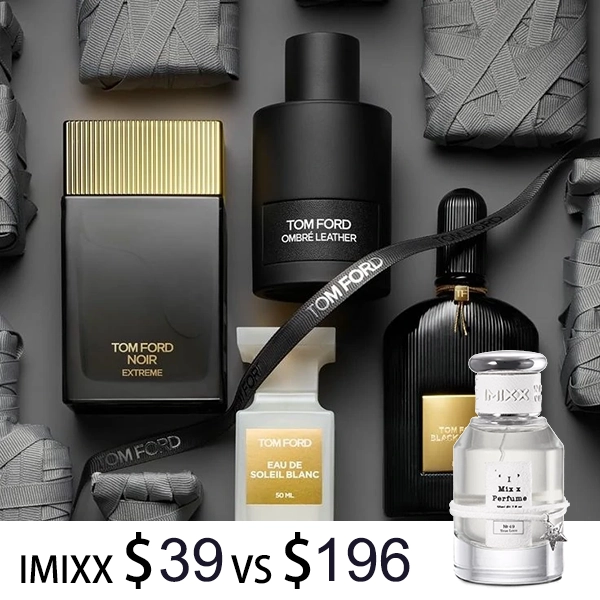
As a fragrance industry analyst, I encourage consumers to explore imixx perfume alternatives that prioritize quality, sustainability, and health safety while offeringg exceptional value. The future of fragrance lies in brands that combine scientific rigor with ethical practices and consumer transparency.