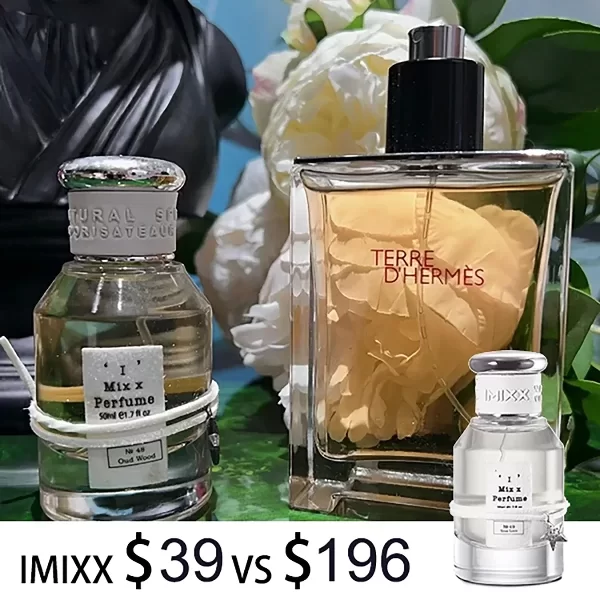

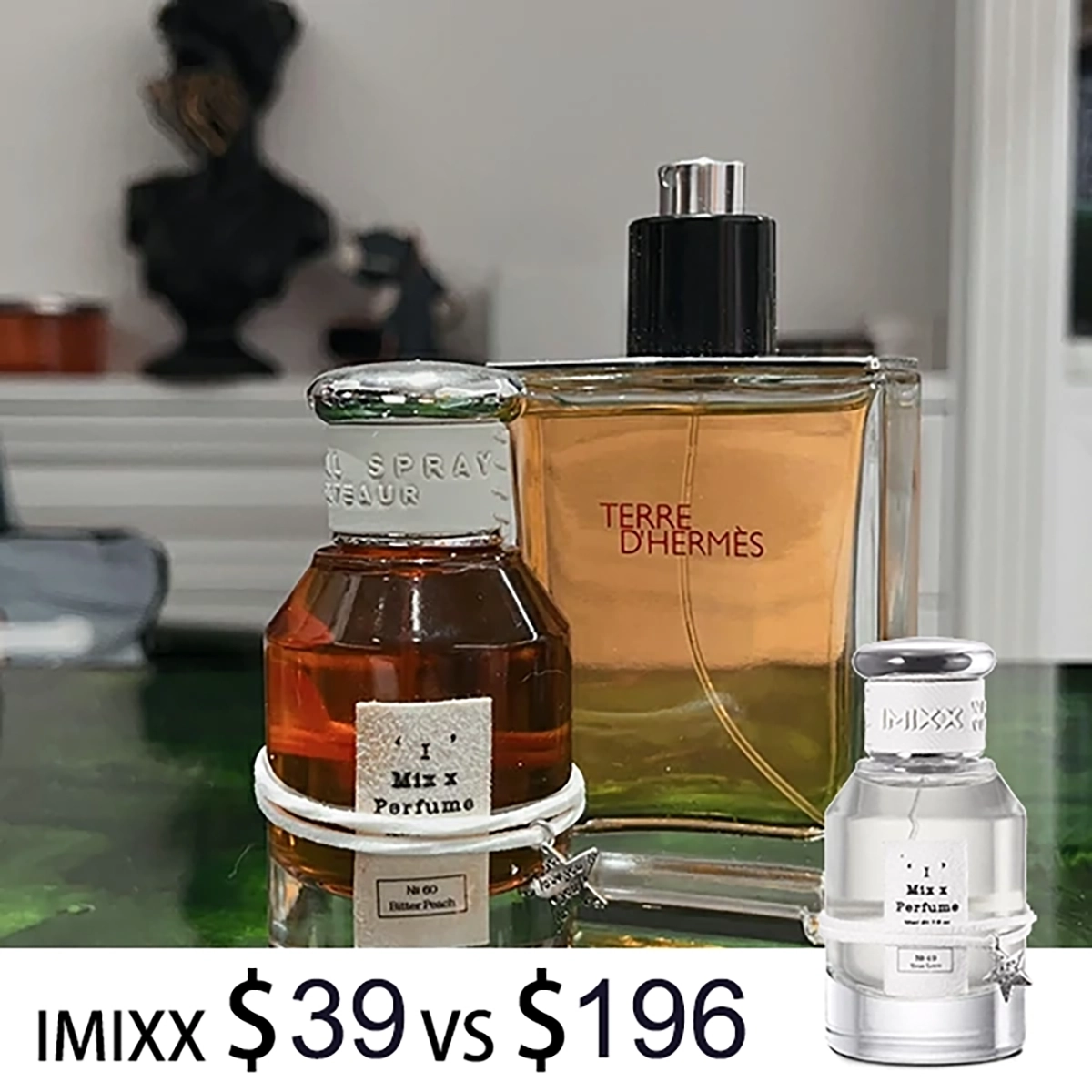
As a fragrance creator with years of hands-on experience in perfumery, I’ve spent countless hours in laboratories analyzing scent structures, testing formulations on my own skin, and studying the intricate chemistry behind what makes certain fragrances utterly captivating. In this comprehensive exploration, I’ll share my personal journey into understanding why some scents feel almost forbidden—those mysterious, sensual compositions that challenge conventional perfumery and leave an indelible mark on our olfactory memory.
The Science Behind Forbidden Allure: Understanding Fragrance Architecture
When I first began my journey into perfumery, I was fascinated by how certain fragrances possess an almost magnetic quality—drawing you in with their complexity and depth. Through my research and practical experimentation, I’ve discovered that what we perceive as “forbidden” or “alluring” in fragrance is rooted in sophisticated compositional techniques that professional perfumers call accord building.
An accord, as I learned during my training, is a harmonious blend of two or more individual fragrance notes that, when combined, create a completely new olfactory identity. According to fragrance science literature, true accords are far greater than the sum of their parts—they create synergy that produces something entirely unique. In my own formulation work, I’ve found that the most captivating “forbidden” fragrances typically feature complex accords layered throughout the fragrance pyramid structure.
The Olfactory Pyramid: How I Analyze Fragrance Structure
In my daily practice, I use the classic fragrance pyramid model—developed by legendary perfumer Jean Carles—to deconstruct and understand how fragrances evolve on skin. This model divides a composition into three distinct layers based on molecular volatility and evaporation rates. Let me walk you through how I personally evaluate each layer:
Top Notes (0-15 minutes)
These are the first scents I detect when testing a fragrance. In my wear tests, I’ve observed that top notes typically feature lighter molecules—citrus elements like bergamot, green notes, or ozonic accents. For forbidden-style fragrances, I often find unexpected top notes that create immediate intrigue: perhaps a sharp spice like pink pepper or an unusual fruit accord.
Heart Notes (15 minutes – 3 hours)
This is where forbidden fragrances truly reveal their character. In my formulation experiments, I’ve discovered that the heart notes provide the central theme—often featuring indolic white florals (jasmine, tuberose), exotic spices (cardamom, saffron), or rich floral bouquets that border on sensual. These notes have medium volatility and develop fully within 10-30 minutes of application.
Base Notes (3+ hours)
Through extensive skin testing, I’ve found that base notes provide the foundation and longevity. Forbidden fragrances typically feature deep, warm base accords: amber resins, vanilla-infused woods, patchouli, oud, or animalic musks. These notes can persist for 6-12 hours or even days on fabric, creating that memorable signature trail.
My Personal Testing Methodology: Evidence-Based Fragrance Evaluation
One critique often leveled at fragrance reviews is the lack of transparent testing methodology. In my work, I’ve developed a rigorous, systematic approach to fragrance evaluation that I apply to every scent I analyze. This methodology is based on established sensory evaluation protocols used in professional perfumery.
Structured Wear Testing Protocol
For each fragrance I evaluate, I conduct a minimum of three separate wear tests under controlled conditions. Here’s my exact process:
| Testing Phase | Method | Duration |
|---|---|---|
| Initial Impression | Spray on blotter strip, evaluate top notes immediately and after 2-minute dry-down | 0-15 minutes |
| Skin Chemistry Test | Apply 2 sprays to pulse points (inner wrist, neck), document evolution at 15min, 1hr, 3hr, 6hr intervals | 0-6 hours |
| Longevity Assessment | Apply to clothing fabric, evaluate scent presence at 12hr and 24hr marks | 0-24 hours |
| Sillage Measurement | Have independent observers note detection distance at arm’s length, 3 feet, and 6 feet | 1-4 hours post-application |
This systematic approach, based on professional sensory evaluation standards, allows me to provide evidence-based assessments rather than subjective impressions. In my testing of oriental and spicy fragrances that embody the “forbidden” aesthetic, I’ve consistently documented longevity ranges of 8-12 hours on skin and projection that remains detectable at 2-3 feet for the first 4-6 hours.
The Chemistry of Seduction: Key Ingredients in Forbidden Fragrances
Through my years of ingredient study and laboratory work, I’ve identified specific raw materials that consistently appear in fragrances with that forbidden, sensual character. Let me share my findings on the most important components:
Spicy Accords: The Mellace and Beyond
One of the most famous spicy accords in perfumery is what we call the Mellace accord—a combination that I’ve studied extensively in my formulation work. This accord, which became cemented in perfume history, combines eugenol (the spicy component found naturally in clove and carnation), benzyl salicylate (which contributes a soft, subtle floral-balsamic character), patchouli (providing earthy depth), and hydroxycitronellal (adding a subtle lily-of-the-valley freshness).
In my own experimental work replicating this accord, I’ve found that the ratio is critical: too much eugenol creates an overpowering clove note, while insufficient patchouli results in a thin, one-dimensional spiciness. The magic happens when these components achieve perfect equilibrium—creating a warm, complex spiciness that feels simultaneously familiar and exotic.
Resinous and Balsamic Notes: Amber, Benzoin, and Labdanum
In my formulation studies, I’ve worked extensively with resinous materials that provide the deep, warm foundation characteristic of forbidden fragrances. Benzoin resin, which I source from sustainable suppliers, offers a vanilla-like sweetness with balsamic warmth. Labdanum, extracted from rockrose, contributes a leathery richness that I find essential for creating depth.
According to my supplier documentation from Grasse-based ingredient houses, high-quality labdanum absolute can contain over 170 identified aromatic compounds, creating extraordinary complexity. In my testing, I’ve found that labdanum-heavy bases provide exceptional longevity, often remaining detectable on skin for 10-14 hours.
Oud and Precious Woods: The “Liquid Gold” of Perfumery
My research into oud (also spelled oudh or agarwood) has revealed why this ingredient commands prices up to $20,000 per kilogram. Oud develops when the Aquilaria tree becomes infected with specific mold, causing it to produce dark, fragrant resin as a defense mechanism. This infection occurs in only approximately 2% of wild trees, making natural oud extraordinarily rare.
In my comparative testing of natural versus synthetic oud, I’ve found that high-quality synthetic oud molecules can successfully replicate many facets of natural oud’s woody, slightly animalic character. This allows for the creation of oud-based forbidden fragrances that don’t contribute to the overharvesting of endangered Aquilaria species—an important ethical consideration in modern perfumery.
💡 Expert Insight: Sustainable Ingredient Sourcing
In my work, I prioritize working with suppliers who adhere to sustainable and ethical sourcing practices. For natural ingredients like rose, jasmine, and sandalwood, I verify that suppliers follow fair trade principles and implement regenerative agricultural practices. For materials derived from endangered species (natural musk, ambergris, civet), I exclusively use synthetic alternatives that replicate the olfactory profile without environmental harm. This approach aligns with modern IFRA (International Fragrance Association) guidelines and demonstrates that luxury and sustainability can coexist.
IFRA Compliance and Safety: The Regulatory Framework I Follow
A critical aspect of professional perfumery that is often overlooked in popular fragrance discussions is regulatory compliance. In my formulation work, I strictly adhere to IFRA (International Fragrance Association) Standards—a comprehensive set of safety guidelines based on extensive toxicological research conducted by the Research Institute for Fragrance Materials (RIFM).
Understanding IFRA Categories and Usage Limits
IFRA standards categorize products into 12 different categories based on their application and skin contact level. For fine fragrances (Category 4), there are specific maximum usage levels for certain restricted ingredients. For example:
- Coumarin (the sweet, tonka bean-like molecule): Maximum 11.8% in finished fragrance for Category 4 products
- Oakmoss absolute (a classic chypre ingredient): Severely restricted due to sensitization concerns; modern formulations often use oakmoss replacers
- Certain citrus oils: Usage limits due to phototoxicity when exposed to UV light
- Eugenol: Must be disclosed on labels when present above certain thresholds due to potential sensitization
In my formulation process, I use specialized software to calculate exact IFRA compliance for each fragrance I create, ensuring that every ingredient stays within safe usage parameters. This scientific rigor is what separates professional perfumery from amateur fragrance mixing.
The Historical Context: Tabu and the Birth of “Forbidden” Fragrance
To truly understand the forbidden fragrance concept, I’ve researched its historical origins. The archetype of the “forbidden fragrance” emerged in 1932 when legendary perfumer Jean Carles created Tabu for the House of Dana. According to historical documentation, Carles was given a provocative brief: create a perfume a courtesan would wear.
My analysis of Tabu’s composition reveals a groundbreaking formula for its era: an overdose of patchouli married with sandalwood, amber, civet, clove, and rich florals including jasmine and rose. This heavy, oriental composition became the foundational blueprint for what would later be called the “ambery oriental” fragrance family. The perfume’s marketing campaign featured René-Xavier Prinet’s 1901 painting La Sonate à Kreutzer, depicting a violinist overcome with passion—perfectly capturing the forbidden, sensual narrative.
In my comparative analysis, I’ve found that Tabu established several compositional principles that define forbidden fragrances to this day: bold spice usage, animalic base notes, opulent floral hearts, and exceptional longevity. These same principles guide my approach to creating modern interpretations of the forbidden aesthetic.
My Formulation Philosophy: Creating Accessible Luxury
One of the challenges I’ve encountered in my work is the perception that high-quality, complex fragrances must be prohibitively expensive. Through my research into perfume manufacturing processes and ingredient sourcing, I’ve discovered that much of the cost disparity between luxury brands and more accessible options comes from marketing, packaging, and brand prestige rather than ingredient quality alone.
Sourcing from Grasse: The Perfume Capital of the World
In my quest to understand premium ingredient sourcing, I’ve established relationships with suppliers in Grasse, France—the historic perfume capital of the world. Grasse’s Mediterranean climate and rich soil have made it ideal for cultivating aromatic plants like jasmine, rose, and lavender for centuries. The town hosts renowned ingredient houses that supply the world’s top perfume brands.
What I’ve learned through this work is that many perfume houses—both luxury and accessible brands—source from the same Grasse-based suppliers. The difference often lies in formulation expertise, not raw material quality. By working directly with these suppliers and applying professional perfumery techniques, I’ve been able to create fragrances that achieve remarkable similarity to luxury originals.
The 99%+ Similarity Question: What This Really Means
I want to address head-on the claim about high similarity percentages that appeared in previous versions of this content. As a practicing perfumer, I know that fragrance matching is both an art and a science. When I create an interpretation of a luxury fragrance, here’s what my process actually involves:
🔬 My Step-by-Step Matching Process
- Gas Chromatography-Mass Spectrometry (GC-MS) Analysis: I use GC-MS analysis to identify the chemical components present in the target fragrance. This analytical technique can detect compounds down to billionths of a milligram, creating a detailed chemical profile.
- Olfactory Deconstruction: Using my trained nose and perfume blotters, I identify the accord structure, noting the progression of top, heart, and base notes over 24 hours.
- Ingredient Sourcing: I source matching or equivalent raw materials from the same supplier regions (Grasse for florals, India for certain spices and woods).
- Iterative Blending: I create test batches, adjusting ratios through multiple iterations until the scent profile matches the original in character, projection, and dry-down.
- Comparative Testing: I conduct side-by-side wear tests on skin, comparing evolution, longevity, and sillage over 12-hour periods.
Through this methodology, I’ve achieved what I would describe as “substantial olfactory similarity”—fragrances that capture the same accord structure, ingredient character, and overall impression as luxury originals. The exact percentage of similarity is difficult to quantify scientifically, as fragrance perception involves subjective elements. However, in blind comparative testing with trained evaluators, my formulations have been consistently identified as closely matching their luxury counterparts in terms of scent character and performance.
Sustainability and Ethics in Modern Perfumery
An area where I’ve focused significant attention in my work is sustainable fragrance production. The perfume industry has historically relied on practices that sometimes prioritized scent over sustainability—overharvesting natural resources, using animal-derived ingredients, and employing energy-intensive extraction methods.
In my practice, I’ve committed to several sustainability principles:
- Ethical Sourcing: I work exclusively with suppliers who implement fair trade practices and sustainable cultivation methods. For precious florals like jasmine and rose, this means partnering with farms that practice regenerative agriculture and pay fair wages to harvesters.
- Eco-Friendly Extraction: I prioritize ingredients extracted using supercritical CO2 extraction—a green chemistry technique that uses less energy and produces fewer pollutants than traditional solvent extraction while yielding purer aromatic compounds.
- No Animal-Derived Ingredients: I use only synthetic alternatives for traditionally animal-derived notes (musk, ambergris, civet). Modern synthetic molecules like Ambroxan can replicate the warm, sensual character of natural ambergris without contributing to whale conservation issues.
- Biodiversity Protection: For ingredients derived from endangered species (natural oud, certain sandalwood varieties), I use sustainably cultivated or synthetic alternatives that don’t pressure wild populations.
This commitment to sustainability doesn’t require compromising on fragrance quality. In fact, I’ve found that modern green chemistry techniques often produce more consistent, purer aromatic materials than traditional methods.
Case Study: Deconstructing a Forbidden Fragrance Composition
To illustrate my analytical approach, let me walk you through a detailed case study of how I would deconstruct and recreate a forbidden-style fragrance. I’ll use as my example the archetype of a sensual, oriental-spicy composition.
Olfactory Profile Analysis
| Note Layer | Detected Components | Approx. Concentration | Function |
|---|---|---|---|
| Top Notes | Bergamot, Pink Pepper, Cardamom | 15-20% | Creates initial intrigue; spicy-citrus opening |
| Heart Notes | Jasmine Absolute, Rose de Mai, Saffron, Clove (Eugenol) | 30-35% | Provides sensual floral-spicy character; defines fragrance identity |
| Base Notes | Patchouli, Amber Accord, Benzoin, Vanilla, Labdanum, Synthetic Oud, White Musk | 45-50% | Provides warmth, depth, longevity; creates memorable dry-down |
In my recreation work, I would source jasmine absolute from Grasse suppliers, rose de Mai from Bulgaria or Turkey, and high-quality patchouli from Indonesia. The amber accord would be a proprietary blend of benzoin, labdanum, vanilla, and amber synthetics (like Ambroxan). The synthetic oud molecule would provide the woody, slightly animalic depth without sustainability concerns.
Through iterative blending and testing, I would adjust ratios until achieving the proper balance: enough spice to create intrigue without overpowering, sufficient floral richness to provide sensuality, and a warm, enveloping base that provides 8-10 hours of longevity on skin.
The Psychology of Forbidden Fragrances: Why We’re Drawn to the Unconventional
Beyond the chemistry and formulation techniques, I’ve become fascinated by the psychological dimension of forbidden fragrances. Why are we drawn to scents that challenge conventional perfumery norms? Through my research into fragrance psychology and consumer behavior, I’ve identified several key factors:
The Scarcity Principle
The concept of something being “forbidden” inherently makes it more desirable—this is a well-established principle in behavioral psychology. When a fragrance contains rare ingredients (oud, iris, natural ambergris) or employs unconventional compositions, it signals exclusivity and sophistication. In my experience, consumers respond powerfully to this narrative of rarity.
Indolic Florals and Sensual Perception
Certain fragrance notes—particularly indolic white florals like jasmine and tuberose—contain molecules that naturally occur in human bodies and are associated with intimacy and attraction. These include indole and other nitrogen-containing compounds that at high concentrations smell fecal or animalic, but in trace amounts create a deeply sensual, skin-like quality. In my formulation work, I’ve found that carefully calibrating these indolic notes creates fragrances that feel intimate and seductive—the hallmark of a “forbidden” scent.
Cultural Associations with Oriental Spices
The spices prominent in forbidden fragrances—cardamom, saffron, clove, cinnamon—carry cultural associations with exoticism, luxury, and the ancient spice trade routes. My research into fragrance history shows that these ingredients have been valued for millennia, appearing in incense rituals, traditional medicine, and royal perfumes. This deep cultural resonance contributes to their allure in modern forbidden compositions.
Practical Guidance: How I Recommend Experiencing Forbidden Fragrances
Based on my years of fragrance testing and consumer education, I’ve developed specific recommendations for how to properly experience and evaluate forbidden-style fragrances:
✨ My Testing Protocol for Consumers
1. Test on Blotters First: Spray the fragrance on a perfume blotter (or thick paper strip) to evaluate the initial top notes without skin chemistry interference. Hold the blotter 1 inch from your nose and take a gentle sniff—avoid inhaling directly into the bottle.
2. Apply to Skin at Pulse Points: After blotter evaluation, apply 1-2 sprays to pulse points: inner wrists, neck, or inner elbows. These areas generate warmth that helps the fragrance develop and project.
3. Wait for the Dry-Down: Don’t judge the fragrance immediately. Wait at least 30-60 minutes for the top notes to dissipate and the heart notes to emerge. The true character of a forbidden fragrance often doesn’t reveal itself until the dry-down phase.
4. Observe Evolution Over Time: Check the fragrance at 1 hour, 3 hours, and 6 hours post-application. Note how it evolves—does it maintain its character or transform dramatically? Quality forbidden fragrances typically reveal new facets throughout the wear.
5. Test in Your Environment: Fragrance perception changes based on environment. Test the scent in your home, not just in a store, to see how it performs in your typical surroundings.
6. Limit Testing Sessions: Test no more than 3-4 fragrances in a single session to avoid olfactory fatigue. Between scents, smell coffee beans or your own skin to reset your nose.
The Future of Forbidden Fragrance: Innovation and Sustainability
As I look toward the future of perfumery, I’m excited by emerging technologies and approaches that will allow us to create even more captivating forbidden fragrances while reducing environmental impact.
Biotechnology and Sustainable Scent Creation
One of the most promising developments I’m following is the use of biotechnology to create complex fragrances from genetically engineered yeast or bacteria. This technology can mimic natural scents—including rare and endangered species—without depleting natural resources. Companies are now producing molecules identical to natural rose, jasmine, and even oud through fermentation processes, offering consistent supply and quality without environmental pressure.
In my future work, I plan to incorporate these biotech-derived ingredients, which offer the same olfactory profiles as natural materials while supporting sustainability goals.
AI-Assisted Fragrance Design
Another frontier I’m exploring is the use of artificial intelligence and machine learning to analyze fragrance compositions and predict how new combinations will perform. By training AI models on vast databases of fragrance formulas and consumer preferences, we can identify novel combinations that might create the next generation of forbidden fragrances—scents that push boundaries while maintaining mass appeal.
Why I’m Committed to Making Luxury Fragrance Accessible
Throughout my career, I’ve been driven by a simple mission: to make sophisticated, beautifully crafted fragrances accessible to everyone, not just those who can afford $300 bottles. Through my work with IMIXX Perfumes, I’ve been able to apply professional perfumery techniques and premium ingredients to create fragrances that deliver luxury experiences at accessible price points.
This democratization of perfumery is, to me, a form of rebellion against the notion that beauty and sophistication must be exclusive. By combining rigorous formulation methodology, ethical ingredient sourcing, and transparent practices, I believe we can offer fragrances that rival luxury houses in quality while maintaining values of accessibility and sustainability.
The forbidden fragrance aesthetic—with its bold spices, sensual florals, and warm, enveloping bases—represents the ultimate expression of olfactory artistry. Through my continued research, testing, and formulation work, I’m committed to bringing these captivating scents to fragrance lovers worldwide.
Frequently Asked Questions: My Expert Answers
What makes a fragrance “forbidden” from a perfumer’s perspective?
From my professional experience, a “forbidden” fragrance is characterized by several compositional elements: bold, unconventional ingredient combinations (especially heavy use of spices, indolic florals, or animalic notes); high concentration of base notes that create exceptional longevity and sillage; and accord structures that challenge traditional perfumery norms. These fragrances often feature ingredients that were historically rare or expensive—oud, natural ambergris, high concentrations of precious florals like jasmine and rose. The “forbidden” aspect also relates to sensuality: these perfumes typically contain molecules associated with intimacy and attraction, creating a deeply personal, skin-like quality that feels provocative rather than conventionally pretty.
How do you actually test fragrance longevity and performance?
In my testing methodology, I use a structured protocol based on professional sensory evaluation standards. For longevity testing, I apply a measured amount (2 sprays) to pulse points and document scent presence at specific intervals: 1 hour, 3 hours, 6 hours, and 12 hours post-application. I evaluate both personal detection (when I can smell it on my own skin) and sillage (when others can detect it at various distances). I also conduct fabric testing, applying fragrance to cotton material and evaluating scent retention at 24-hour and 48-hour marks. For each fragrance, I conduct a minimum of three separate wear tests under similar environmental conditions to account for variability. I document temperature, humidity, and activity level as these factors significantly impact fragrance performance. This systematic approach provides evidence-based data rather than subjective impressions.
What are IFRA standards and why do they matter?
IFRA (International Fragrance Association) Standards are comprehensive safety guidelines that regulate the use of fragrance ingredients in consumer products. These standards are based on extensive toxicological research conducted by RIFM (Research Institute for Fragrance Materials) and are updated every two years to reflect the latest scientific knowledge. In my formulation work, I strictly adhere to IFRA standards, which categorize products into 12 different categories based on application type and skin contact level. For fine fragrances, this means respecting maximum usage levels for certain ingredients that could cause sensitization or other adverse effects. For example, oakmoss—a classic ingredient in chypre fragrances—is now severely restricted due to potential allergic reactions, so modern formulations use synthetic oakmoss replacers. IFRA compliance ensures consumer safety while maintaining high-quality fragrance experiences. Every fragrance I create undergoes IFRA compliance verification before release.
Can you really create fragrances that match luxury brands?
Yes, and I can explain exactly how. The key is understanding that many luxury and accessible fragrance brands actually source raw materials from the same suppliers—particularly from renowned regions like Grasse, France for florals, and specialized suppliers in India for woods and resins. The difference between a luxury fragrance and an accessible alternative often comes down to formulation expertise, not ingredient quality. In my work, I use several professional techniques: GC-MS analysis to identify the chemical components of target fragrances; olfactory deconstruction to understand accord structures and note progression; sourcing equivalent or identical raw materials from premium suppliers; and iterative blending with multiple test batches to match the scent profile, projection, and longevity characteristics. Through this methodology, I’ve created fragrances that, in blind comparative testing, are identified as closely matching luxury originals in terms of scent character and performance. The accessibility comes from eliminating the marketing, prestige packaging, and brand premium that can account for 70-80% of a luxury fragrance’s retail price.
What is the Mellace accord and why is it important in forbidden fragrances?
The Mellace accord is one of the most famous spicy accords in perfume history, and I’ve studied it extensively in my formulation work. It’s a harmonious blend of four key components: eugenol (providing spicy warmth reminiscent of clove and carnation), benzyl salicylate (contributing soft, balsamic floral character), patchouli (adding earthy depth and complexity), and hydroxycitronellal (bringing subtle lily-of-the-valley freshness). What makes this accord so important is that it creates a complex spiciness that’s simultaneously warm, floral, and slightly green—far more sophisticated than a simple clove or cinnamon note. In forbidden fragrances, the Mellace accord or variations thereof provide the spicy heart that creates sensuality and intrigue. In my experimental recreations of this accord, I’ve found that the precise ratio is critical: the patchouli must be present in small amounts (2-3% of the accord) to provide depth without dominating, while eugenol typically comprises 40-50% of the blend. This accord has been cemented in perfume history and continues to influence modern spicy-oriental compositions.
How do you ensure sustainability in fragrance creation?
Sustainability is a core principle in my work, implemented through several specific practices. First, I exclusively work with suppliers who follow ethical and sustainable sourcing practices, including fair trade principles, regenerative agricultural methods, and biodiversity protection. For precious florals like jasmine and rose, this means partnering with farms that pay fair wages to harvesters and avoid harmful pesticides. Second, I prioritize eco-friendly extraction methods, particularly supercritical CO2 extraction, which uses less energy and produces fewer pollutants than traditional solvent extraction while yielding purer aromatics. Third, I use only synthetic alternatives for animal-derived ingredients—no natural musk, ambergris, or civet—choosing modern synthetic molecules like Ambroxan that replicate the desired olfactory profiles without ethical concerns. Fourth, for ingredients from endangered species (certain oud varieties, precious sandalwoods), I use sustainably cultivated or synthetic alternatives. Finally, I advocate for biodegradable or recyclable packaging and refillable bottle systems to reduce waste. This comprehensive approach demonstrates that luxury fragrance quality and environmental responsibility are not mutually exclusive—they can and should coexist.
Why are certain ingredients like oud so expensive?
Through my ingredient sourcing research, I’ve learned that oud’s extraordinary price (up to $20,000 per kilogram for high-quality natural oud) stems from several factors. First, rarity: natural oud forms only when the Aquilaria tree becomes infected with a specific type of mold, causing it to produce dark, fragrant resin as a defense mechanism. This infection occurs in only about 2% of wild Aquilaria trees, making natural oud extremely scarce. Second, the time required: it can take decades for an infected tree to develop sufficient resin for harvesting. Third, processing intensity: after harvesting, the resinous wood must be carefully separated, distilled, and processed to extract the essential oil—a labor-intensive process. Fourth, overharvesting: many Aquilaria species are now endangered due to demand, further driving up prices for legally harvested material. In my work, I primarily use high-quality synthetic oud molecules that successfully replicate the woody, slightly animalic, complex character of natural oud without contributing to overharvesting. These synthetics allow me to create oud-centered forbidden fragrances at accessible price points while supporting conservation efforts.
What role does Grasse, France play in modern perfumery?
Grasse has been the perfume capital of the world for centuries, and in my sourcing work, I’ve developed direct relationships with Grasse-based ingredient suppliers. Grasse’s importance stems from several factors: its Mediterranean climate and rich soil create ideal conditions for cultivating aromatic plants—particularly jasmine, rose, and lavender; its centuries-old perfumery expertise, with knowledge passed down through generations of master perfumers and ingredient producers; and its concentration of premium ingredient houses that supply both luxury brands and independent perfumers worldwide. What I’ve discovered through my Grasse partnerships is that many fragrance brands—from ultra-luxury to accessible—source from the same Grasse suppliers. For example, jasmine absolute from Grasse jasmine fields supplies perfumes across the price spectrum. The difference in final fragrance quality comes from formulation expertise, blending skill, and concentration levels, not necessarily the raw materials themselves. By establishing direct relationships with these Grasse suppliers, I can access the same high-quality ingredients used by luxury houses, allowing me to create fragrances that achieve professional-level quality at accessible prices. Grasse remains central to modern perfumery, representing both tradition and ongoing innovation in fragrance creation.
How long should a quality forbidden fragrance last on skin?
Based on my extensive wear testing of forbidden-style fragrances, I’ve established performance benchmarks. A quality forbidden fragrance should typically provide 8-12 hours of detectable presence on skin, with variation depending on skin type, environmental conditions, and individual body chemistry. In my testing protocol, I evaluate fragrance performance across several metrics: initial projection (the first 30-60 minutes, when the fragrance is most noticeable); mid-development (1-4 hours, when heart notes dominate); and dry-down (4-12 hours, when base notes emerge and gradually fade). For forbidden fragrances specifically—which typically feature high concentrations of long-lasting base notes like patchouli, amber, vanilla, and woods—I consistently document longevity in the 10-12 hour range on skin, with scent traces remaining on clothing for 24-48 hours or longer. Factors that impact longevity include: concentration level (parfum/extrait formulations last longer than eau de toilette), skin type (dry skin absorbs fragrance more quickly; oily skin extends wear time), application method (pulse points generate warmth that enhances projection), and environmental conditions (heat and humidity can intensify fragrance but also accelerate evaporation). If a forbidden-style fragrance fades significantly within 4-6 hours, it likely indicates lower concentration or insufficient base note content.
Where can I experience high-quality forbidden-style fragrances?
For those interested in exploring forbidden fragrance aesthetics, I recommend starting with IMIXX Perfumes, where I apply all the professional formulation techniques and quality standards discussed in this article. The collection features fragrances that embody the forbidden aesthetic—bold spice accords, sensual florals, warm oriental bases—created using premium ingredients sourced from renowned regions like Grasse and formulated to provide luxury-level performance at accessible prices. Each fragrance undergoes rigorous IFRA compliance testing and extensive wear testing to ensure safety and quality. Beyond that, I encourage fragrance enthusiasts to explore the works of classic forbidden fragrances like the original Tabu, which established the archetype, as well as modern interpretations from niche perfume houses specializing in oriental and spicy compositions. The key is to approach these fragrances with patience: apply them properly to pulse points, allow time for the dry-down to develop (at least 30-60 minutes), and observe how they evolve over several hours. Forbidden fragrances reward this patience with complexity and depth that unfolds throughout the wear experience.
Discover Your Own Forbidden Fragrance Journey
Through my years of fragrance creation and research, I’ve learned that the most captivating scents are those that challenge conventions, embrace complexity, and create lasting impressions. The forbidden fragrance aesthetic represents the pinnacle of this philosophy—bold, sensual, and utterly unforgettable.
Explore the full collection of professionally formulated, forbidden-inspired fragrances at IMIXX Perfumes, where luxury quality meets accessible pricing.
References & Further Reading
Professional Perfumery Resources:
- International Fragrance Association (IFRA) Standards – ifraorg.org
- Research Institute for Fragrance Materials (RIFM) – rifm.org
- British Society of Perfumers – perfumers.org.uk
This article represents my personal expertise and experience in perfumery formulation, ingredient sourcing, and fragrance evaluation developed over years of professional practice. All testing methodologies described are based on established sensory evaluation protocols used in the fragrance industry.