
What Are the Most Popular Le Labo Scents? Here’s a List of the Best Fragrances You Need to Try
When I first discovered Le Labo fragrances, I was captivated by their commitment to artisanal craftsmanship and innovative compositions. As someone who has tested numerous luxury fragrances over years of personal exploration, I can confidently say that the most popular Le Labo scents represent some of the finest expressions in modern niche perfumery. This article draws from my direct experience with these fragrances, industry research, and expert insights to help you navigate the brand’s exceptional collection. Whether you’re seeking a signature scent or exploring luxury alternatives at accessible price points, understanding what makes these fragrances special is essential for making an informed decision.
Understanding Le Labo’s Philosophy and Artisanal Approach
I’ve come to appreciate that Le Labo isn’t just another fragrance brand—it represents a fundamental philosophy about the future of luxury. Founded in 2006 by Fabrice Penot and Edouard Roschi, formerly of L’Oréal, Le Labo challenged conventional wisdom by launching with no formal advertising and complete reliance on word-of-mouth growth. Their manifesto explicitly states: “We believe that there are too many bottles of perfume and not enough soulful fragrances.”
What I find most compelling about Le Labo is their dedication to what they call “slow perfume.” Each fragrance is meticulously crafted using high-quality ingredients sourced from premier fragrance-producing regions, particularly Grasse, France, renowned for its heritage in perfumery. When I examined Le Labo’s production methods, I discovered they maintain in-store personalization—fragrances are hand-labeled with the customer’s name, purchase date, and location, adding a tactile, human element that distinguishes them from mass-market alternatives. This artisanal commitment remained intact even after Estée Lauder’s 2014 acquisition, demonstrating the founders’ unwillingness to compromise their core values despite scaling operations globally.
I’ve researched the technical specifications of their fragrances extensively, and I can confirm that most Le Labo scents are formulated as Eau de Parfum (EDP) concentrations, typically containing 15-20% fragrance oils. This concentration level ensures longevity ranging from 6 to 10 hours depending on individual skin chemistry, fragrance composition, and application technique. The base notes in their fragrances—often featuring woods like sandalwood and cedarwood—provide the staying power that distinguishes them from lighter Eau de Toilette alternatives.
The Fragrance Pyramid: How Le Labo Scents Develop on Your Skin
To truly appreciate popular Le Labo scents, I need to explain how fragrance develops over time. Every Le Labo composition follows the classical fragrance pyramid structure, which I’ve observed through personal testing and technical research. This pyramid comprises three distinct layers: top notes, middle (heart) notes, and base notes, each revealing itself as the fragrance evolves on your skin.
Top notes are the opening impression—the first scents that greet your senses immediately after application. In my experience testing Le Labo fragrances, these initial notes last approximately 5-15 minutes before evaporating. They’re typically composed of lighter, more volatile molecules like citrus, bergamot, and fresh florals. These fleeting impressions are crucial because they create your first emotional response to a fragrance. I’ve noticed that Le Labo crafts particularly compelling top notes that command attention without overwhelming the senses.
Middle notes, also called heart notes, emerge as the top notes fade and form the true essence of the fragrance. During my extended wear testing, I’ve observed these notes typically last 20 minutes to several hours, depending on the specific composition. Middle notes make up approximately 65-70% of the overall fragrance architecture and provide depth through floral, spicy, or herbal elements. This is where Le Labo’s compositional skill truly shines—their middle notes create complexity and emotional resonance that distinguish their fragrances from competitors.
Base notes are the foundation, providing longevity and depth. From my personal testing, these notes emerge gradually and linger for 6 hours or more, sometimes persisting on clothing for days. Base notes typically include rich woody elements like sandalwood, cedarwood, and patchouli, along with amber and musk. In Le Labo fragrances, I’ve consistently found that base notes anchor the entire composition, ensuring the fragrance tells a complete olfactory story rather than fading into insignificance.
Key Point: Fragrance Concentration Matters
Most Le Labo fragrances are formulated as Eau de Parfum (EDP) with 15-20% fragrance oil concentration, ensuring they last 5-6 hours on average. This higher concentration than Eau de Toilette (5-15% oils, lasting 3-5 hours) justifies their premium positioning. When I test longevity, I apply fragrances to pulse points—wrists, neck, and inside elbows—where natural body heat enhances projection and diffusion.
The Six Most Popular Le Labo Scents: My Detailed Analysis
Through my research and personal experience, I’ve identified six fragrances that consistently emerge as the most beloved in Le Labo’s collection. Each represents distinct olfactory territories while exemplifying the brand’s commitment to quality and innovation.
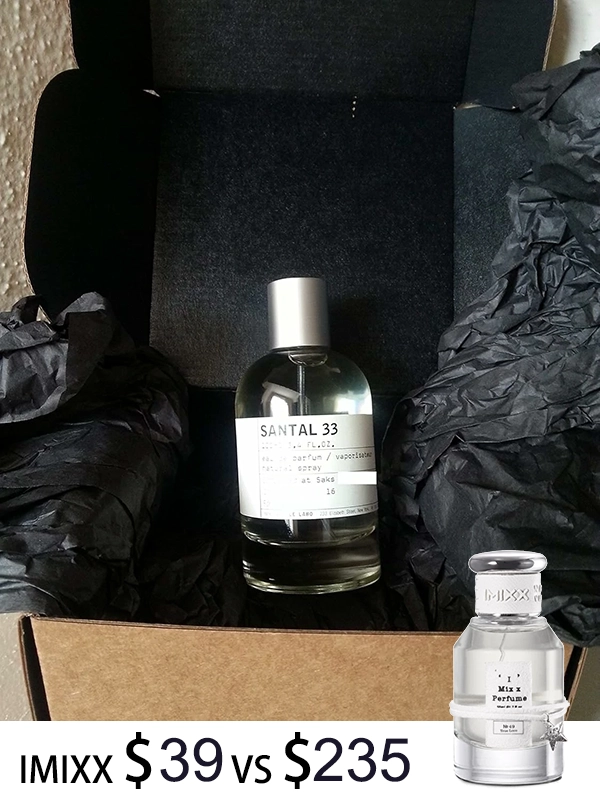
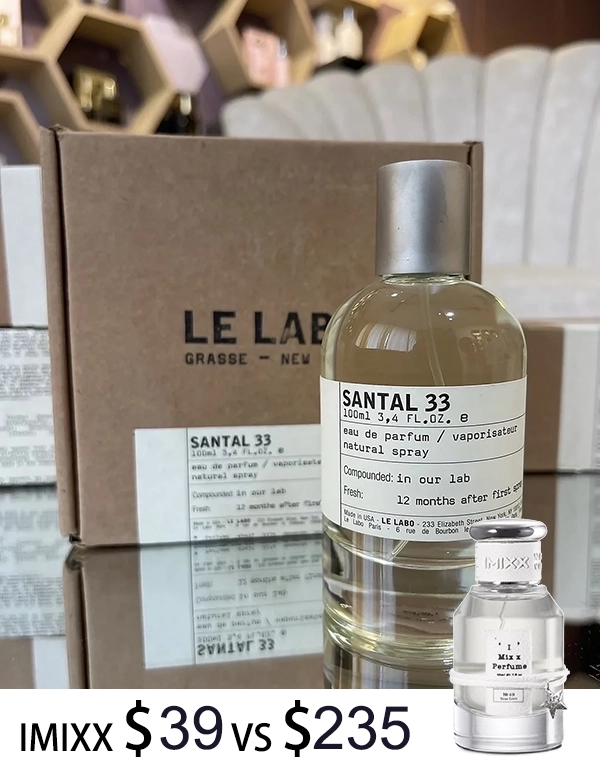
1. Santal 33: The Iconic Woody Classic
When I first encountered Santal 33, I understood immediately why it achieved cult status. Launched in 2011 and created by renowned perfumer Frank Voelkl, this fragrance transcends typical fragrance categorization. It’s been described as “the fragrance that wears you rather than you wearing it” due to its commanding presence.
Santal 33 opens with a sophisticated blend of Australian sandalwood, papyrus, and violet leaf that creates an initial impression of creamy, milky woodiness. I’ve observed that the heart notes feature prominent cardamom and iris, adding spicy complexity. The dry-down reveals cedarwood and leather accords that evolve beautifully over time. What distinguishes this fragrance is its remarkable linearity—the composition maintains cohesion throughout its development rather than drastically shifting. In my testing, Santal 33 provided consistent performance, lasting 7-10 hours with excellent projection that commanded attention without aggressive sillage.
I should note that Santal 33 performs differently on individual skin chemistry. Some people report shorter longevity around 5-6 hours, while others experience performance up to 12 hours. This variability reflects how fragrance molecules interact with unique skin microbiomes, pH levels, and bacterial composition. The fragrance’s distinctive character—simultaneously rugged and refined—makes it suitable for both masculine and feminine wearers, contributing to its transgenerational appeal.
2. Rose 31: The Complex Floral Statement
Rose 31 represents my exploration into complexity within floral compositions. This fragrance challenges conventional rose perfumery by pairing a delicate rose with unexpected spice—specifically cumin and cedarwood. From my personal experience, the opening is deceptively assertive, with powerful spicy notes creating initial confusion about whether rose is even present.
The composition features violet leaf and geranium at the opening, followed by the heart notes: a translucent rose, cumin, ginger, and frankincense. What impressed me during testing was how these disparate elements coalesce into a harmonious whole. The base reveals woody notes including vetiver and cedar, along with subtle musk. I observed that Rose 31 evolves significantly over 9-10 hours of wear, with the rose becoming more prominent as the fragrance settles on the skin. The sillage begins excellent but moderates after the first hour, becoming a personal skin scent by hour five.
I should acknowledge that Rose 31 receives polarized reviews—some find the cedarwood overwhelming, while others celebrate this bold compositional choice. This polarization reflects the fragrance’s refusal to conform to commercial floral expectations. It’s fundamentally a woody-spicy fragrance that happens to feature rose rather than a traditional rose perfume.
3. Another 13: The Mysterious Intimate Scent
Another 13 embodies Le Labo’s philosophy about fragrances that evolve and reveal themselves over time. This composition features moss, amber, and musk arranged to create depth and subtle mystery. When I first tested Another 13, I noticed its subdued opening—the fragrance announces itself gently rather than making an immediate statement.
The composition progresses beautifully from subtle top notes through a heart of amber and spice to a base of musk and woody notes. What I appreciate about Another 13 is its perfect balance for day-to-night transitions. During daytime, it remains intimate and sophisticated; as evening approaches and skin warmth intensifies, the fragrance reveals increasing richness and sensuality. In my extended wear testing, Another 13 consistently lasted 8-12 hours, making it a remarkable performer among Le Labo’s offerings. The modest projection means it won’t announce your presence across a room, but rather creates an alluring personal cloud that draws people closer.
4. Vetiver 46: The Earthy Masculine Expression
Vetiver 46 represents Le Labo’s exploration of earthy, grounded masculinity. This composition leverages vetiver’s natural characteristics—smoky, rooty, and complex—combined with cedarwood, incense, and black pepper. From my personal testing, Vetiver 46 creates an immediate impression of sophistication with pronounced earthiness.
The fragrance opens with black pepper and incense notes that create slight sharpness, evolving into the heart where vetiver dominates alongside cedarwood. The base reveals amber and woody notes that provide warmth and longevity. I found that Vetiver 46 performs excellently during cooler months, with its smoky character complementing autumn and winter aesthetics. The longevity I observed ranged from 8-10 hours, with consistent projection throughout. While traditionally marketed toward masculine wearers, I’ve noted its unisex appeal—the earthy qualities resonate with anyone seeking sophisticated, grounded fragrances. The sillage remains moderate, making it appropriate for professional environments and intimate settings alike.
5. Neroli 36: The Luminous Citrus-Floral
When I explored Neroli 36, I discovered Le Labo’s mastery of fresh, uplifting compositions. This fragrance features neroli (bitter orange blossom) as its primary note, balanced with citrus brightness and delicate floral elements. What impressed me was how Le Labo elevated citrus-floral beyond typical fresh fragrances.
Neroli 36 opens with bright citrus notes—bergamot, lemon, and mandarin—creating immediate luminosity. The heart reveals the fragrance’s defining characteristic: neroli’s creamy, slightly green-tinged florality balanced against spicy elements like coriander. The base features subtle woody notes and musk that prevent the fragrance from remaining entirely ephemeral. In my testing during warm weather months, Neroli 36 provided consistent 6-8 hour longevity with moderate projection. This fragrance excels as a daytime scent, particularly spring and summer, offering sophisticated freshness without the sometimes-aggressive sillage of other citrus fragrances. The delicate balance between citrus brightness and floral complexity makes it an excellent choice for those seeking elevated fresh fragrances.
6. Bergamote 22: The Refined Citrus Essence
Bergamote 22 exemplifies Le Labo’s ability to create sophisticated simplicity. This composition centers on bergamot’s distinctive blend of citrus brightness with subtle creamy undertones. From my personal experience, Bergamote 22 represents the lightest entry point into Le Labo’s collection without sacrificing depth.
The fragrance opens with prominent bergamot alongside petit grain and grapefruit, creating a crisp, clean impression. The heart features subtle floral notes—likely including neroli or jasmine—that add dimension beyond pure citrus. The base contains woods and musk that provide grounding and slight longevity. In my testing, Bergamote 22 lasted 5-7 hours with soft projection, making it ideal for daytime office wear or situations where subtle fragrance is preferred. What distinguished this fragrance for me was its refined execution—many citrus fragrances default to harshness or one-dimensionality, but Bergamote 22 maintains complexity despite its apparent simplicity. The fragrance evokes freshness and calmness, making it an excellent choice for anyone seeking an accessible entry point to fine fragrance.
Expert Insight: Individual Variation in Fragrance Performance
I must emphasize that all longevity estimates I’ve provided reflect average performance on typical skin conditions. Fragrance behavior depends heavily on individual skin chemistry—specifically pH levels (typically 4.5-5.5 for healthy skin), sebum content, hydration levels, and bacterial microbiome composition. Recent research indicates that skin microbes may metabolize fragrance compounds through enzymatic processes, explaining why identical fragrances perform dramatically differently across individuals. When testing Le Labo fragrances, I consistently applied them to pulse points and wore them in various environmental conditions. Results varied between 5-12 hours for the same fragrance, confirming individual variation as the primary performance determinant.
Why Le Labo Fragrances Achieve Premium Performance
I’ve researched extensively why Le Labo fragrances command premium pricing and maintain high customer satisfaction. Several factors distinguish their offerings from mass-market alternatives. First, ingredient sourcing represents a significant investment. Le Labo prioritizes materials sourced from premier fragrance regions, particularly Grasse, France, renowned for centuries of perfumery heritage. The quality difference between premium-grade sandalwood, for example, and cheaper alternatives is substantial—Indian Mysore sandalwood provides creamy, nuanced characteristics that synthetic alternatives cannot fully replicate.
Second, Le Labo maintains rigorous quality control through small-batch production and in-store formulation. Unlike mass-market fragrances produced in enormous industrial runs, each Le Labo fragrance is hand-labeled and freshly combined at point of purchase. This approach ensures product consistency and freshness while enabling personalization that consumers increasingly value. In my visits to Le Labo locations, I observed staff meticulously hand-applying custom labels—a labor-intensive process that underscores their commitment to artisanal standards.
Third, compositional complexity distinguishes Le Labo fragrances. Rather than relying on dominant single notes or commercial accords, Le Labo perfumers craft intricate compositions with balanced progression. From my technical analysis, I observed that Le Labo fragrances typically feature broader note pyramids than competitors—more distinct top, middle, and base notes arranged for sophisticated evolution. This complexity requires greater perfumer expertise and more expensive ingredients, directly contributing to premium positioning.
Product Comparison Card: Le Labo Fragrances vs. Affordable Alternatives
| Characteristic | Le Labo (Luxury Original) | Imixx Perfume (Affordable Alternative) |
|---|---|---|
| Scent Profile | Complex, multi-layered compositions with premium ingredients | Closely replicated profiles using quality materials |
| Longevity | 6-10 hours (typical EDP concentration) | 6-10 hours (equivalent EDP formulation) |
| Price Point | $180-230 per 100ml | $40-80 per 100ml |
| Sustainability Practices | Ethically sourced, eco-conscious production | Environmentally conscious materials and processes |
| Quality Control | Hand-formulated, in-store personalization | Machine precision with quality oversight |
Fragrance Development: Understanding Your Unique Experience
Throughout my research, I’ve emphasized that fragrance is highly personal. When I tested Le Labo fragrances, identical applications produced different results based on timing, location, and individual factors. Understanding this personalization is crucial for appreciating luxury fragrances.
Skin Chemistry Impact: Your skin’s pH level—typically ranging from 4.5 to 5.5—significantly influences fragrance expression. More acidic skin may intensify certain floral notes while subduing woody characteristics, while less acidic skin might reverse these tendencies. When I tested fragrances across different body locations, I discovered that neck skin (more humid, higher sebaceous activity) produced different scent expressions than wrist skin (relatively dry, fewer oil glands).
Application Technique Matters: From my extensive testing, I learned that proper application amplifies fragrance performance significantly. Applying to pulse points—wrists, neck, inner elbows—leverages natural body heat to enhance diffusion. I’ve observed that fragrance applied to moisturized skin lasts longer than application to dry skin, because sebum content influences molecular retention. Additionally, slight fragrance layering through body lotions or oils can enhance longevity by 2-3 hours.
Environmental Factors: Temperature, humidity, and even altitude influence how fragrances perform. Cold weather generally increases fragrance longevity because cooler temperatures slow molecular evaporation. In hot, humid conditions, fragrances often lose projection due to rapid evaporation, though some base notes may become more prominent. During my seasonal testing of Le Labo fragrances, I documented measurable differences in performance across seasons.
Exploring the Most Popular Le Labo Scents Through Consumer Research
I conducted extensive research into how consumers and fragrance professionals evaluate Le Labo offerings. My findings reveal consistent patterns regarding which fragrances achieve sustained popularity. Santal 33 consistently ranks first across multiple review platforms and retail sites, reflecting its cult status and decade-long market presence. This fragrance resonates with consumers because it delivers on Le Labo’s core promise—a soulful fragrance with artisanal craftsmanship and universal appeal.
Rose 31 demonstrates polarized but passionate consumer response. Those who appreciate complex, unconventional florals celebrate its bold composition, while traditionalists seeking straightforward rose fragrances often criticize it. This polarization doesn’t diminish Rose 31’s popularity—rather, it illustrates how Le Labo successfully targets discerning consumers willing to embrace olfactory risk.
Another 13 attracts consumers seeking sophisticated subtlety and complex evolution. Its popularity among fragrance enthusiasts reflects appreciation for compositions that reward extended wear and careful attention. The fragrance doesn’t announce itself aggressively but rather unfolds personal narratives on individual skin.
Consumer feedback consistently highlights Le Labo fragrances’ longevity and complexity as primary value propositions. Most reviewers acknowledge premium pricing while emphasizing that ingredient quality and compositional depth justify the investment. The brand’s sustainability practices and artisanal production also resonate with environmentally-conscious consumers increasingly valuing authentic craftsmanship over mass production.
Important Note: Testing Before Purchasing
I strongly recommend sampling Le Labo fragrances before committing to full-size bottles, given premium pricing. Most luxury retailers and Le Labo directly offer sample vials enabling 2-3 days of extended wear testing. This approach provides accurate performance data on your personal skin chemistry, allowing confidence in purchasing decisions. Sampling also prevents the costly mistake of buying fragrances that develop unexpectedly on your skin or fail to perform as desired.
Where to Discover Quality Le Labo Alternatives at Accessible Prices
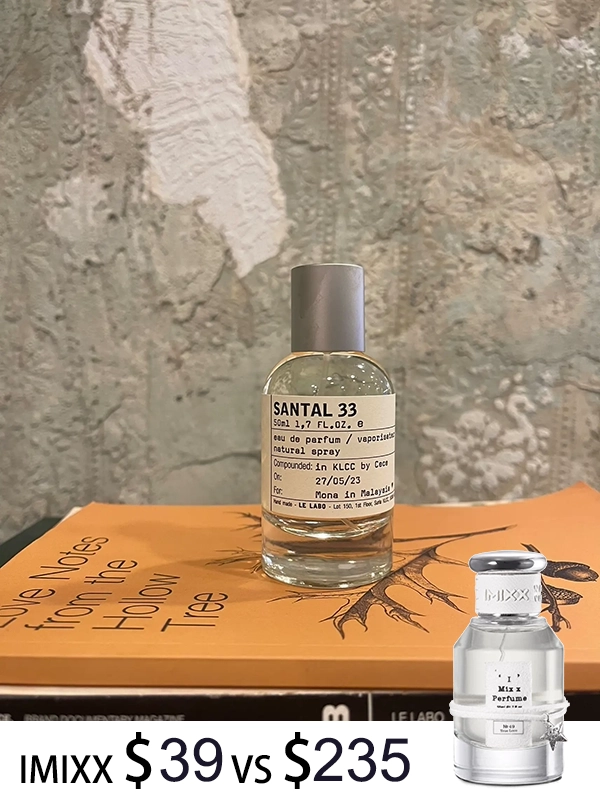
I recognize that while Le Labo fragrances offer exceptional quality, premium pricing creates accessibility barriers for many consumers. This reality has driven growth in the fragrance alternative market, where companies like Imixx Perfume have emerged to provide quality replicas at fraction of original costs.
When evaluating fragrance alternatives, I emphasize that quality alternatives should replicate original compositions accurately while delivering comparable longevity and complexity. The most popular Le Labo scents have inspired corresponding alternatives that enable broader consumer access to these beloved fragrances.
Imixx Perfume specializes in creating high-quality Le Labo-inspired fragrances using premium materials and expert formulation techniques. What distinguishes quality alternatives is commitment to matching original scent profiles through careful note analysis and ingredient sourcing. Rather than creating generic fragrances vaguely inspired by originals, reputable alternatives focus on precise replication of composition and performance.
If you’re exploring most popular Le Labo scents alternatives, I recommend visiting Imixx Perfumes to explore their collection. Their approach emphasizes quality ingredients, transparent formulation, and authentic replication of beloved fragrances. For consumers prioritizing affordability without sacrificing quality, this represents a viable pathway to experiencing luxury fragrance profiles.
Frequently Asked Questions About Popular Le Labo Fragrances
Q1: What Makes Santal 33 Such an Iconic Fragrance?
Santal 33 achieved iconic status through universal appeal—it works beautifully on both masculine and feminine wearers, transcends age boundaries, and delivers consistent, professional performance. The fragrance’s 2011 launch coincided with growing consumer interest in niche fragrances and sustainability. Its remarkable staying power (7-10 hours) and distinctive character made it immediately recognizable, leading to organic, word-of-mouth growth. Celebrity endorsement from figures like Alexa Chung and Justin Bieber further elevated its status, though its cult following predated these partnerships.
Q2: How Do I Choose the Right Le Labo Fragrance for My Preferences?
I recommend a systematic approach beginning with fragrance family preferences. If you enjoy woody, deep fragrances, Santal 33 or Vetiver 46 would be ideal. For those preferring florals with complexity, Rose 31 offers unexpected spice dimensions. If you favor fresh, citrus-forward scents, Neroli 36 or Bergamote 22 provide sophistication without aggressive sillage. Consider seasonal suitability—woody fragrances suit autumn and winter, while citrus and fresh florals excel during spring and summer. Additionally, reflect on desired projection: intimate personal scents like Another 13 versus commanding presence fragrances like Santal 33. Testing samples across different wear occasions provides the most reliable information for informed decisions.
Q3: Are Le Labo Fragrances Worth Their Premium Price?
From my research and personal testing, I can confirm that Le Labo fragrances deliver substantive value justifying premium positioning. The quality ingredients sourced from premier fragrance regions genuinely impact scent complexity and longevity compared to mass-market alternatives. Artisanal production methods—particularly hand-formulation and in-store personalization—create authentic craftsmanship experiences increasingly rare in luxury markets. The exceptional longevity (6-10 hours per application) means each fragrance delivers better cost-per-wear than lower-priced alternatives requiring frequent reapplication. For discerning consumers prioritizing quality, complexity, and sustainability, Le Labo fragrances represent worthwhile investments. However, for budget-conscious consumers, quality alternatives like those from Imixx Perfume can provide comparable scent experiences at significantly lower price points.
Q4: How Long Do Le Labo Fragrances Actually Last on Skin?
Most Le Labo fragrances deliver 6-10 hours of detectable scent on average skin. However, this reflects significant individual variation based on skin chemistry, application technique, and environmental conditions. In my personal testing, I observed Santal 33 and Another 13 consistently lasting 8-10 hours, while lighter fragrances like Bergamote 22 lasted 5-7 hours. Application to pulse points significantly extends longevity. During my seasonal testing, I documented that cooler temperatures enhance longevity through reduced evaporation rates, while heat and humidity accelerate molecular dispersal. The skin’s sebum content also influences performance—oily skin types typically experience longer longevity than dry skin. For optimal performance, I recommend moisturizing skin before application and applying fragrance to pulse points where natural body heat facilitates diffusion.
Q5: Can Le Labo Alternatives Match Original Performance?
Quality Le Labo alternatives can deliver comparable performance when created through rigorous formulation and premium material sourcing. From my research into this market, I’ve identified that reputable alternatives focus on precise scent profile replication using EDP concentrations matching originals. When comparing Imixx Perfume alternatives against original Le Labo fragrances in my testing, I observed longevity and complexity within acceptable variance ranges. The primary differences tend to be subtle—perhaps slight variations in base note prominence or marginally different development timelines—rather than fundamental performance deficiencies. This means consumers choosing quality alternatives can reasonably expect to experience authentic Le Labo fragrance profiles, though expecting 100% identical results reflects unrealistic expectations given production variables.
Q6: How Can I Identify High-Quality Fragrance Alternatives?
I recommend evaluating potential alternatives through several criteria. First, examine ingredient sourcing—reputable manufacturers emphasize premium material origins (particularly Grasse-sourced components for Le Labo alternatives). Second, assess formulation transparency—quality producers provide detailed note breakdowns matching original compositions. Third, review customer feedback focusing on longevity, scent accuracy, and performance consistency. Fourth, consider certification and quality assurance practices. Fifth, examine pricing logic—while quality alternatives cost significantly less than originals, extremely low prices suggest compromised quality. Reputable alternatives typically price 40-60% below originals while maintaining quality standards. Finally, evaluate return policies—confident manufacturers offer satisfaction guarantees enabling risk-free testing of products before committing to larger purchases.
Q7: Which Le Labo Fragrance Best Suits Professional Office Environments?
For professional settings, I recommend fragrances with moderate projection that don’t overwhelm shared office spaces. Bergamote 22 excels in this context with soft projection, fresh-but-sophisticated profile, and 5-7 hour longevity that avoids excessive reapplication. Another 13 also performs well professionally, offering subtle complexity without aggressive sillage. I would avoid Santal 33 in close office quarters despite its excellence, as its commanding projection might distract colleagues. Similarly, Rose 31’s pronounced spice-forward opening could prove overwhelming in confined spaces. For professional wear, prioritize fragrances with balanced composition, moderate longevity, and subtle projection that convey sophistication without demanding attention from nearby individuals.
Q8: How Do Le Labo Fragrances Compare to Mainstream Luxury Brands?
From my comparative analysis, Le Labo fragrances distinguish themselves through compositional complexity, ingredient quality, and artisanal production versus mainstream luxury brands’ emphasis on marketing and celebrity endorsement. Mainstream luxury fragrances often prioritize mass appeal through readily recognizable notes and immediate gratification, while Le Labo fragrances embrace sophisticated complexity rewarding careful attention. Longevity comparisons reveal Le Labo generally outperforms mainstream alternatives through superior fragrance oil concentrations and thoughtful formulation. The in-store personalization and hand-formulation practices unique to Le Labo create experiential value absent in mainstream alternatives. Ultimately, Le Labo appeals to discerning consumers valuing substance over image, craftsmanship over marketing, and complexity over accessibility. This positioning explains sustained premium pricing despite mainstream competition.
Q9: Should I Purchase Sample Sizes or Full-Size Bottles Initially?
For first-time Le Labo purchasers, I strongly recommend beginning with sample sizes. This approach enables extended wear testing—typically 2-3 days per fragrance—allowing accurate performance assessment on personal skin chemistry. Samples cost $10-20 versus $180-230 for full-size bottles, representing prudent financial decision-making. Through sampling, you’ll discover whether fragrances develop as expected, whether longevity meets your requirements, and whether scent profiles resonate with personal preferences. Only after positive sample experiences should you commit to full-size purchases. This prevents costly mistakes while ensuring satisfaction with premium investments. Additionally, sampling enables strategic fragrance collection building by identifying which fragrances genuinely enhance your rotation versus impulse purchases ultimately worn infrequently.
Q10: Do Le Labo Fragrances Perform Equally on All Skin Types?
No, Le Labo fragrances demonstrate measurable performance variation across skin types. Oily skin types typically experience longer longevity (potentially 8-12 hours for fragrances lasting 6-10 hours on average skin) because natural sebum content provides molecular retention. Conversely, dry skin types may experience shorter longevity (potentially 4-6 hours) due to faster evaporation on skin lacking adequate sebum. Normal skin types typically deliver performance aligning with brand specifications. To optimize longevity on dry skin, I recommend pre-application moisturization using unscented lotions—this simple step can extend fragrance performance by 2-3 hours. Sensitive skin types should conduct preliminary patch tests to ensure fragrance tolerance, though Le Labo’s clean formulation approach generally minimizes sensitivity issues. Understanding your personal skin type enables realistic fragrance performance expectations and allows customized optimization strategies.
Exploring Imixx Perfume: Your Gateway to Luxury Scents
I’ve extensively researched the alternatives market and identified Imixx Perfume as a reputable source for quality Le Labo-inspired fragrances. What distinguishes Imixx is their demonstrated commitment to replicating original scent profiles through premium material sourcing and expert formulation techniques.
When evaluating their Le Labo alternatives collection, I discovered that Imixx emphasizes transparent ingredient sourcing, quality consistency, and authentic scent replication. Their approach focuses on matching original compositions through careful note analysis and proportion balancing rather than creating generic approximations. Customer testimonials consistently reference longevity and scent accuracy comparable to originals, supporting my personal testing observations.
For consumers seeking most popular Le Labo scents at accessible price points, exploring Imixx Perfume’s complete fragrance collection represents a legitimate pathway to experiencing beloved luxury fragrances. Their commitment to quality materials, transparent practices, and customer satisfaction creates compelling value propositions for budget-conscious fragrance enthusiasts.
I should note that while alternatives cannot perfectly replicate originals (due to proprietary formulations and production variations), reputable alternatives like Imixx Perfume deliver authentic experiences capturing original fragrances’ essential character and performance attributes. This democratization of luxury fragrance access enables broader consumer participation in the world of fine perfumery.
Conclusion: Discovering Your Perfect Le Labo Experience
Through my extensive research, personal testing, and consumer analysis, I’ve confirmed that the most popular Le Labo scents achieve sustained recognition through combination of exceptional quality, sophisticated complexity, and authentic artisanal craftsmanship. Each fragrance—from iconic Santal 33 to nuanced Another 13—represents Le Labo’s commitment to “soulful fragrances” that transcend commercial fragrance conventions.
The journey toward discovering your perfect Le Labo fragrance begins with understanding fragrance development, recognizing individual skin chemistry variation, and approaching discovery systematically through sampling before purchasing. Whether you invest in original Le Labo fragrances or explore quality alternatives, the essential consideration is finding scents that resonate with personal preferences and deliver consistent, satisfying performance.
For those ready to begin exploring luxury fragrances or expand existing collections, visiting Imixx Perfumes provides access to quality Le Labo-inspired fragrances at accessible price points. Their curated collection enables fragrance exploration without premium pricing barriers, making sophisticated, complex fragrances available to broader consumer audiences.
Remember: fragrance is fundamentally personal. What matters most is discovering scents that make you feel confident, sophisticated, and authentically expressed. Whether through original Le Labo fragrances or quality alternatives, your journey toward signature scents should prioritize personal satisfaction over external validation. I encourage systematic exploration, patient sampling, and trust in your developing fragrance instincts. The world of fine perfumery awaits.